

Windows Update may stop midway through and show an unclear error code. Error 0x8024001e is one of the more informative codes that Microsoft documents. The code still covers 2 very different situations behind one confusing message.
One update can fail while everything else installs without any trouble at all. Users on Reddit have described this error blocking Windows Store downloads for years. This guide separates both cases first, then applies the fixes that suit each.
Try Recoverit to Perform Data Recovery
 Security Verified. 3,591,664 people have downloaded it.
In this article
-
- Fix 1. Run the Windows Update Troubleshooter
- Fix 2. Check the Windows Update and BITS Services
- Fix 3. Restart the Windows Update Services
- Fix 4. Clear the Pending Windows Update Download Cache
- Fix 5. Reset the SoftwareDistribution and Catroot2 Folders
- Fix 6. Repair the Windows Component Store With DISM
- Fix 7. Run SFC After DISM Completes
Part 1. What Does Windows Update Error 0x8024001E Mean?
Error code 0x8024001e means the update service stopped before finishing the task. Microsoft assigns this code a documented meaning instead of leaving it unclear. The sections below explain the message and affected Windows versions:
Understanding the WU_E_SERVICE_STOP Message
The code carries the symbolic name WU_E_SERVICE_STOP inside Microsoft’s documentation system. Microsoft defines that name as an operation the service never finished properly. The service or system was shutting down before the update could complete.
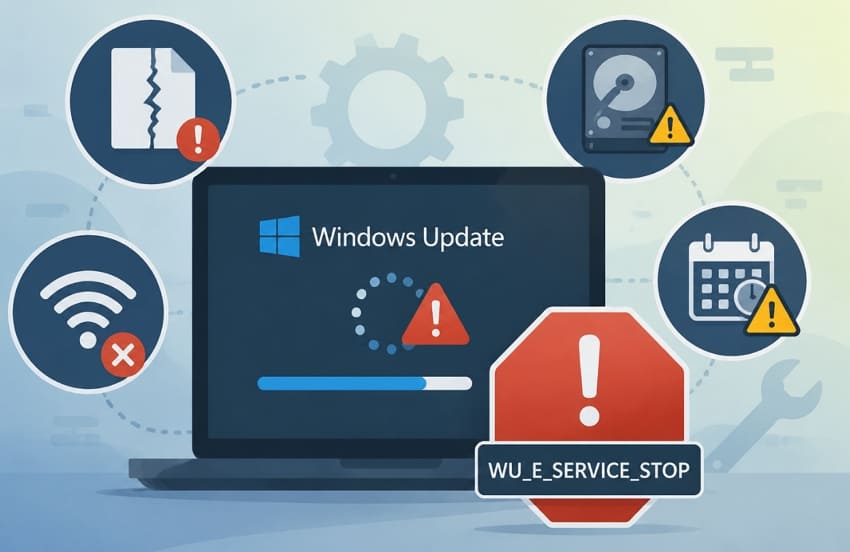
In practice, Windows Update gets interrupted partway through rather than rejected outright. Microsoft Learn identifies four common causes: corrupted update source files, insufficient disk space, intermittent connectivity, and server outages.
When Does Error 0x8024001E Usually Appear?
This particular error usually appears during a few specific and recognizable situations:
- An update reaches a certain percentage, then it suddenly stops without warning.
- The installation can fail during the restart required to finish the update.
- Event Viewer logs an installation failure entry right before the service stops.
- Microsoft Store downloads may also fail if Windows Update components are affected.
- The same underlying issue can affect both Windows Update and Microsoft Store.
Can It Affect Windows 11 and Windows 10?
Both versions may experience this error in almost the same way. Error code 0x8024001E has the same meaning on Windows 11 and Windows 10. Update features and recovery options may differ between versions.
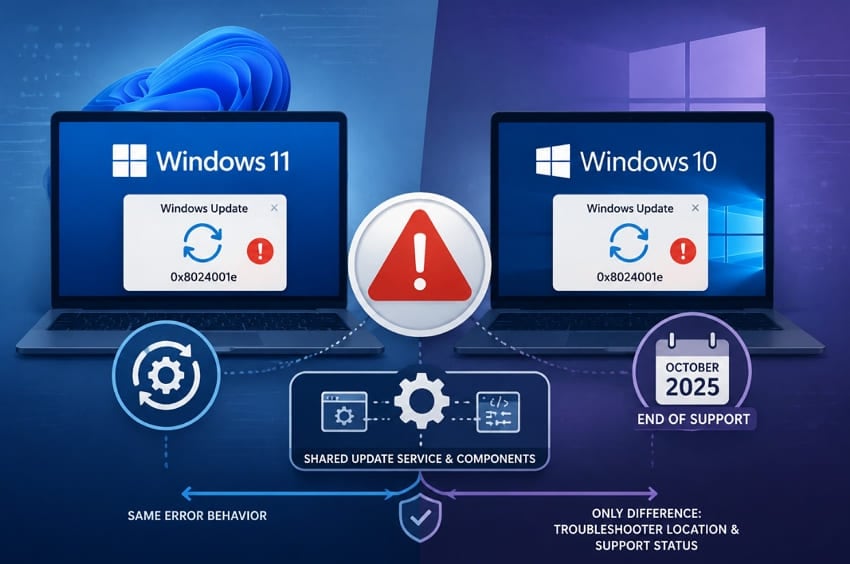
One difference is the Settings location for Windows Update troubleshooting. Microsoft ended support for Windows 10 in October 2025. Unsupported devices no longer receive monthly security or quality updates.
Part 2. Is One Update Failing or Is Windows Update Completely Stuck?
One update can fail while the rest of Windows Update works fine. These 4 quick checks will show how to fix error code 0x8024001e correctly:
Check the Failed KB Number in Update History
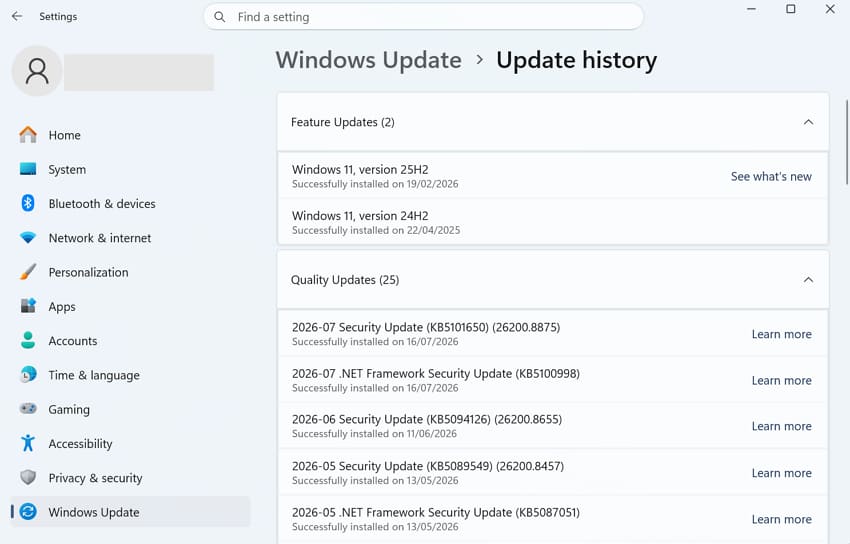
Open “Settings > Windows Update > Update history” and expand the failed entries. Write down the KB number and the date shown against the failure. A single KB failing repeatedly is a different problem from every update failing, and Parts 5 and 6 split along exactly that line.
See Whether Other Updates Install Successfully
Scroll further down that same update history list for extra context. Check whether Defender definitions or driver updates installed since that recent failure. Successful installs there mean only one specific update package remains truly stuck.
Check for a Pending Restart
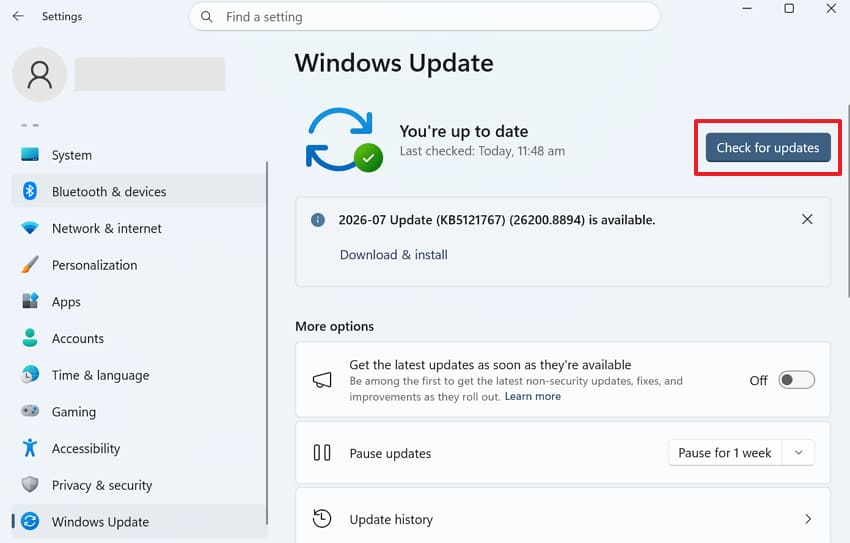
Many times, a pending restart can block the very next update from installing. Select “Restart Now” if the Windows Update page offers that exact option. You should also check for new updates again once the machine finishes restarting.
Confirm Whether the Error Returns After Every Reboot
Restart the machine and select “Check for Updates” just one more time. An error that returns instantly usually points to 0x8024001e Windows 11 components. One that clears first often traces back to a scheduled task instead.
Part 3. Start With the Checks Most Relevant to This Error
Start with these basic checks because they resolve many update interruptions. Review the table below to understand each check, its purpose, and recommended action:
| Check | Why It Matters for This Code | What to Do |
| Restart and Retry | Restarts Windows Update services and clears temporary update issues. | Restart Windows, then check for updates again. |
| Stable Power | Prevents interruptions while Windows installs updates. | Keep laptops plugged in during updates. |
| Free Disk Space | Microsoft lists insufficient disk space as a possible cause. | Free space on the system drive before retrying. |
| Internet Stability | Microsoft lists intermittent connectivity as a possible cause. | Use a stable internet connection and try again. |
| VPN or Proxy | May interfere with connections to Windows Update services. | Disconnect temporarily and retry the update. |
| Date and Time | Incorrect settings can interfere with update authentication. | Enable automatic date, time, and time zone. |
| The KB Number | Identifies whether one update or multiple updates are affected. | Record the KB number from Update History. |
| Update Pause | Paused updates prevent Windows from downloading new updates. | Resume updates before checking again. |
Part 4. Restore the Windows Update Services and Components
If the checks above changed nothing, the update components themselves need attention. You now need to follow the given methods to learn how to fix error code 0x8024001e:
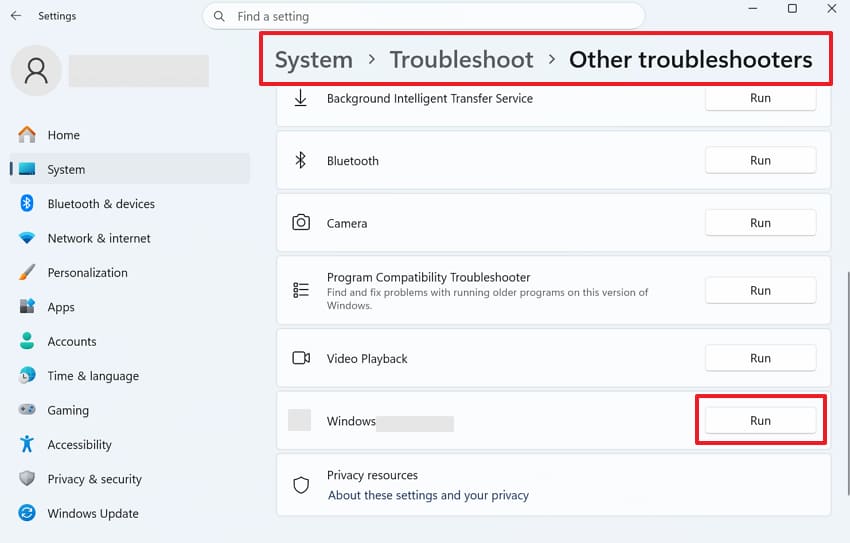
Fix 1. Run the Windows Update Troubleshooter
The troubleshooter checks common update problems and applies available fixes without requiring any command-line work. It reports what it changed at the end, and a result saying components must be repaired means the repair has already been applied. Retry the update afterward rather than assuming nothing happened. Go through the given guide to apply this fix:
Instructions. Head to “Settings > System > Troubleshoot > Other Troubleshooters” and press “Run” beside Windows Update.
Fix 2. Check the Windows Update and BITS Services
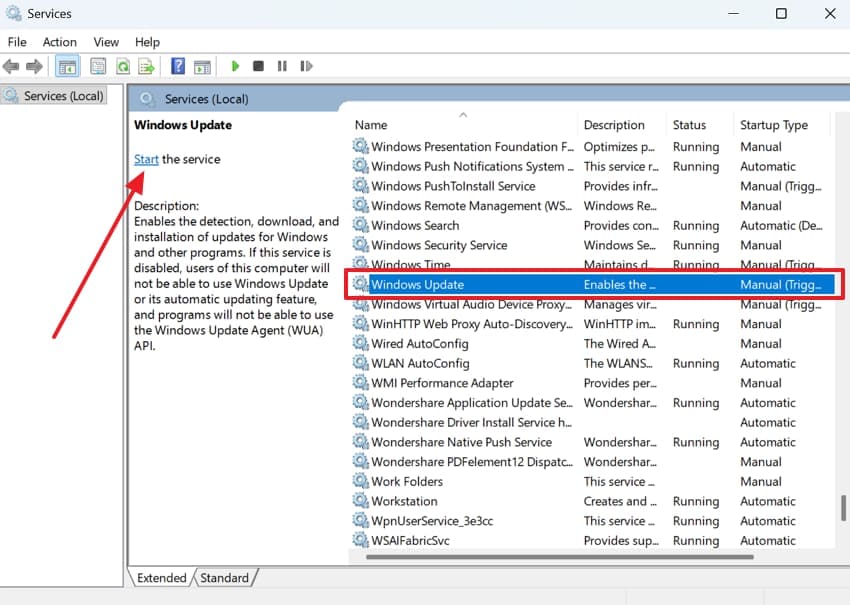
Windows Update relies on several services to download and install updates. If an update service stops unexpectedly, Windows Update may fail with error code 0x8024001E. This issue can occur if system optimization software disables required services. Microsoft states that BITS transfers files using idle network bandwidth. The steps below confirm that these services are running.
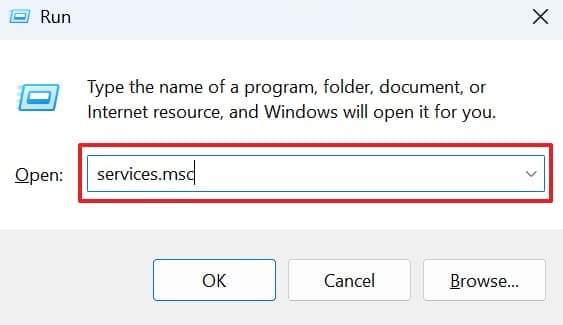
Step 1. You need to press “Windows + R” > Run the “services.msc” command.
Step 2. Confirm that “Windows Update,” “Update Orchestrator Service,” and “Background Intelligent Transfer Service” are started. If disabled, click these services and press “Start” to run them.
Fix 3. Restart the Windows Update Services
Restarting the services clears a session left half-finished, which is the exact state this code describes. Nothing is deleted, so it is safe to try even when you are unsure of the cause. So, review the steps below to resolve the 0x8024001e Windows 11 error:
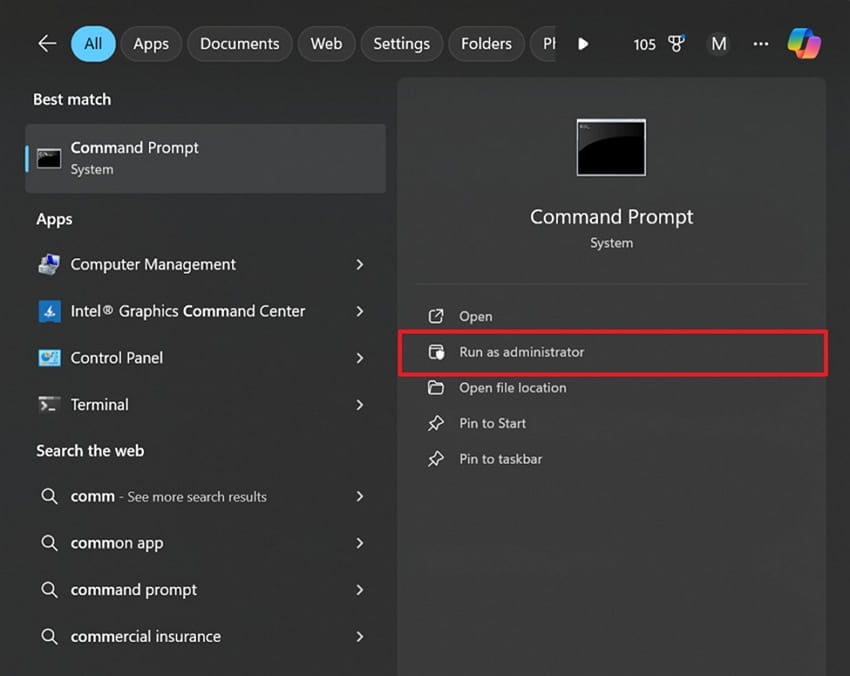
Step 1. After searching for “Command Prompt,” open it using “Run as Administrator.”
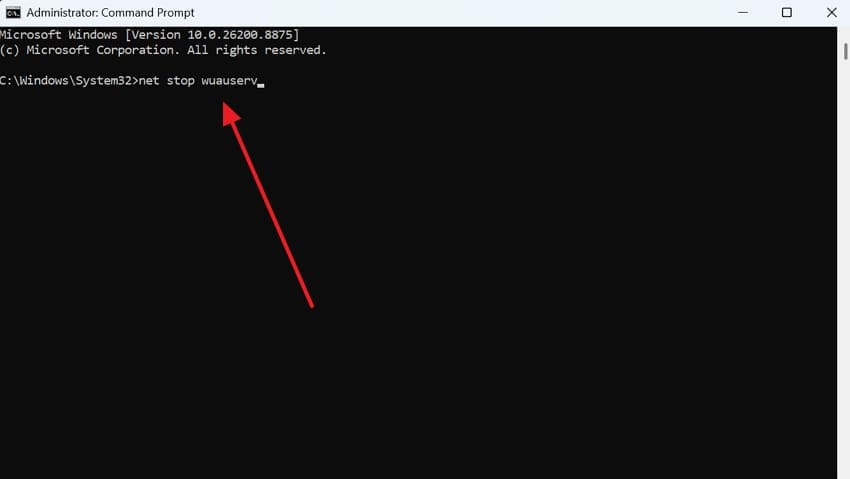
Step 2. Type the “net stop wuauserv” command and press “Enter.”
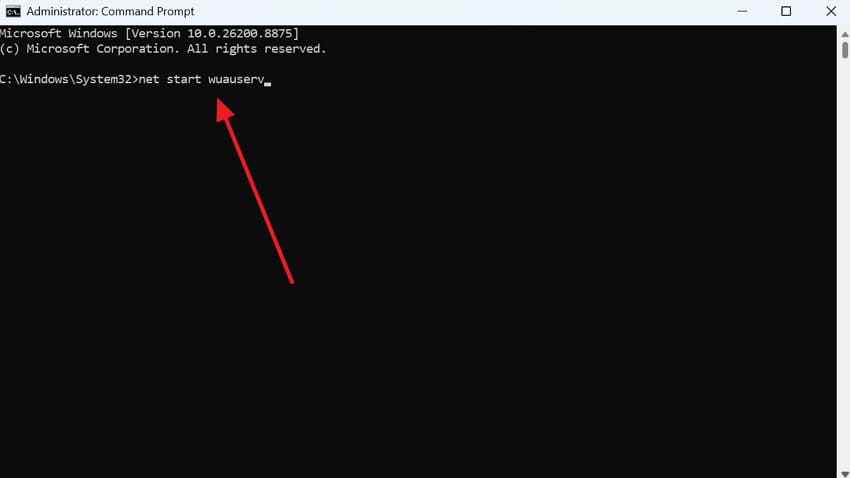
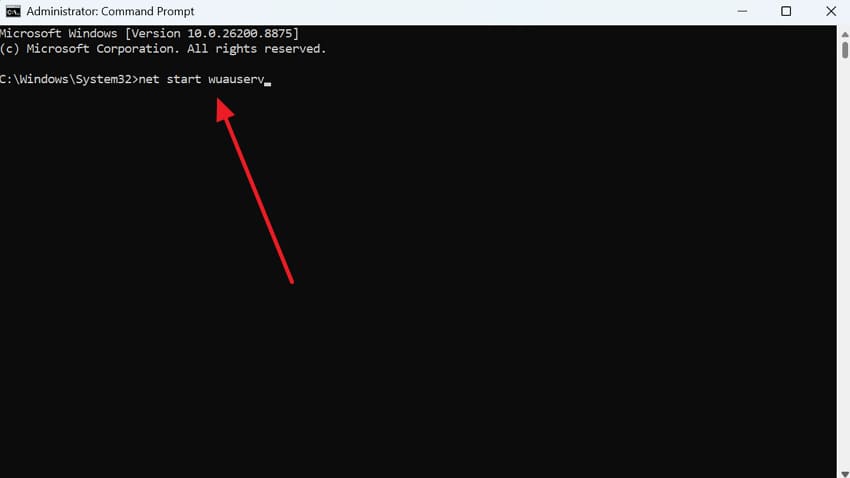
Step 3. Now, execute “net start wuauserv,” “net start UsoSvc,” and “net start BITS” in that order.
Fix 4. Clear the Pending Windows Update Download Cache
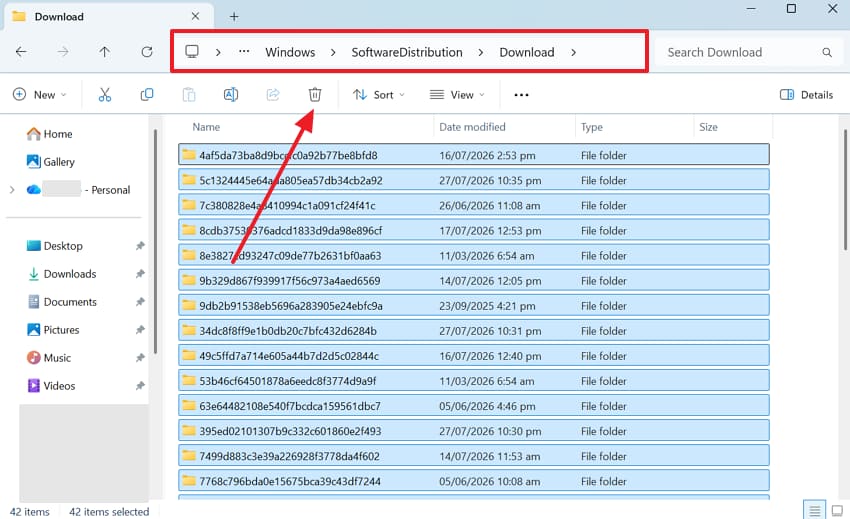
A package that downloaded only partway keeps failing every time Windows retries, because the same damaged files are reused. Yet, emptying the download folder forces a fresh copy from Microsoft's servers. Expect the next check to run longer, since the update has to download again from the start. Let’s explore the given guide to cater to error code 0x8024001e:
Instructions. Upon running “File Explorer,” go to “C:\Windows\SoftwareDistribution\Download” > Select all files > click “Delete.”
Fix 5. Reset the SoftwareDistribution and Catroot2 Folders
Renaming these two folders rebuilds the download store and the signature cache together. Windows recreates both automatically at the next update check. Your update history is cleared as a side effect, which is normal and does not remove installed updates. Go through the following steps to reset these two folders:
Step 1. When you open “CMD,” run “net stop wuauserv,” “net stop cryptSvc,” “net stop bits,” and “net stop msiserver.”
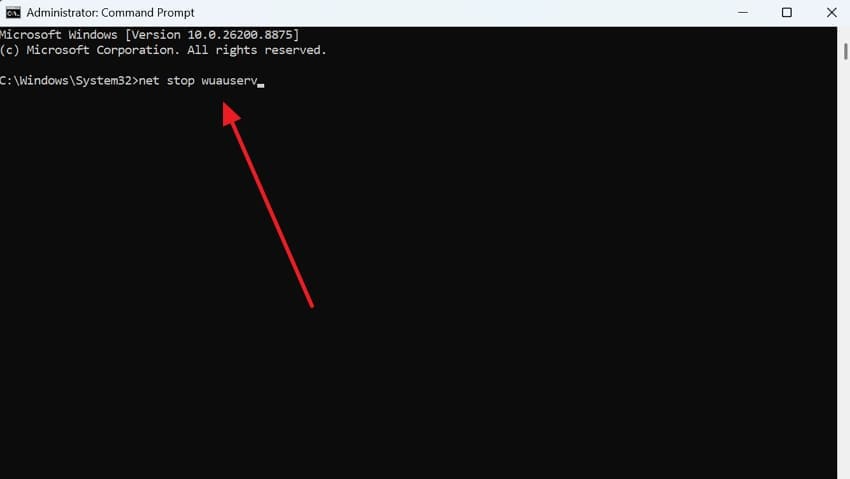
Step 2. Execute “ren C:\Windows\SoftwareDistribution SoftwareDistribution.old” and “ren C:\Windows\System32\catroot2 catroot2.old.”
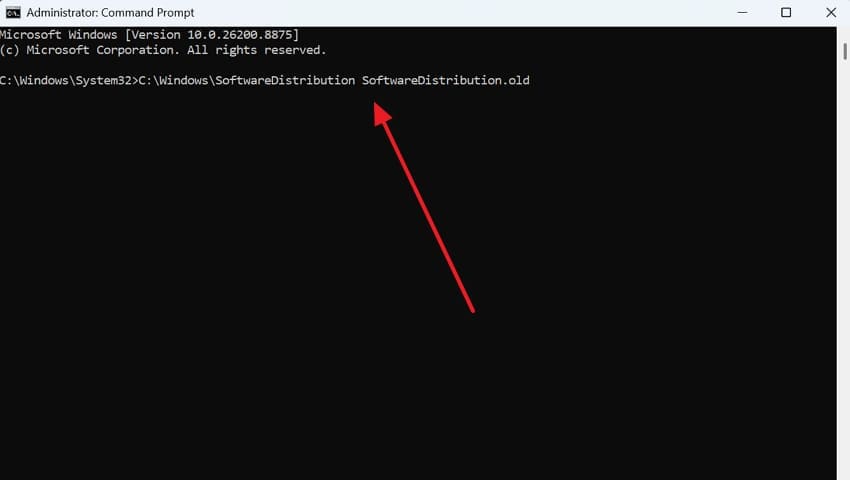
Step 3. Start all services again by running “net start wuauserv,” “net start cryptSvc,” “net start bits,” and “net start msiserver.”
Fix 6. Repair the Windows Component Store With DISM
Damaged servicing files stop an update from applying even when the download itself completed correctly. DISM inspects that store and repairs it against a known-good source, normally Windows Update. A working internet connection is required, and the repair can take minutes or longer on a slow disk. Explore the given guide to help you learn how to fix error code 0x8024001e:
Step 1. On “CMD,” input “DISM /Online /Cleanup-Image /ScanHealth” and press “Enter.”
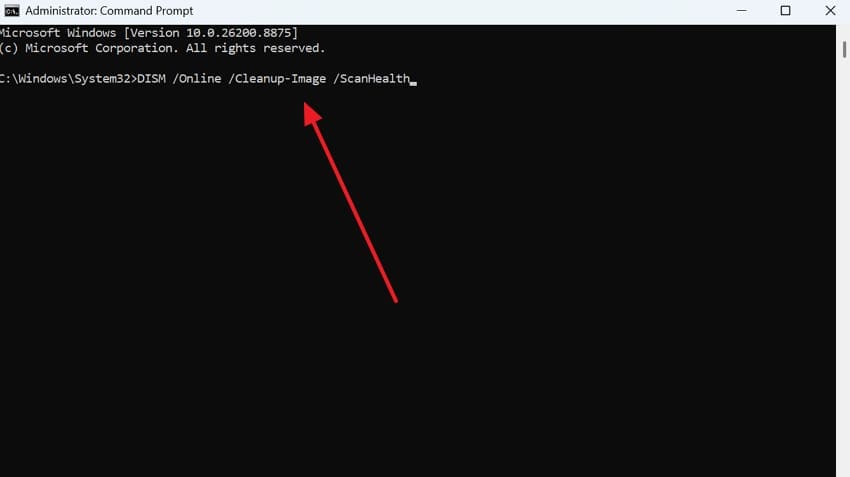
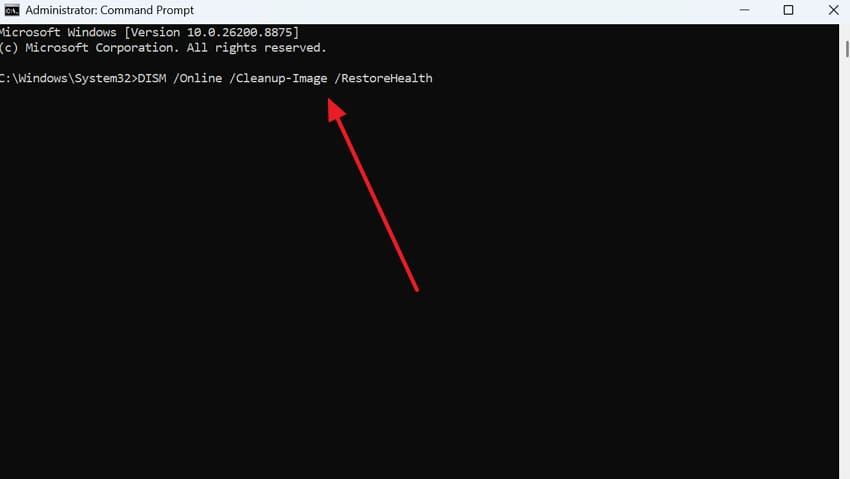
Step 2. Now, run the “DISM /Online /Cleanup-Image /RestoreHealth” command. Allow the second command time to finish, since it can sit at a percentage for several minutes.
Fix 7. Run SFC After DISM Completes
Microsoft Support confirms SFC replaces corrupted protected system files with cached copies. Running it before DISM can be a common mistake, because SFC needs an intact store to copy from. Read the summary line at the end, since it states whether corruption was found and whether the repair worked. Take guidance from the given guide to apply this solution:
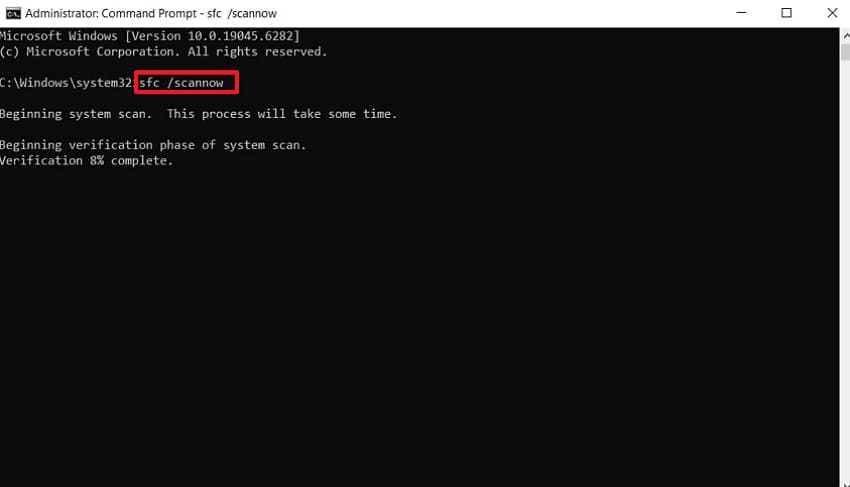
Instructions. Run “sfc /scannow” in the same administrator window, then restart and check for updates again.
Part 5. Fix Error 0x8024001E When a Specific KB Update Fails
Many times, only one specific KB update fails while everything else installs fine. These five steps target that single failing package instead of full components:
Retry the Update After a Clean Restart
Restart the computer before retrying the failed KB update. A restart resets Windows Update services and applies pending changes. Check whether error code 0x8024001e appears again after Windows finishes restarting.
Check the Update's Known Issues and System Requirements
Search the KB number and open Microsoft's official release notes page now. Some cumulative updates carry documented known issues affecting only particular builds sometimes. No component repair clears a 0x8024001e Windows update failure caused this way.
Download the Correct Package from Microsoft Update Catalog
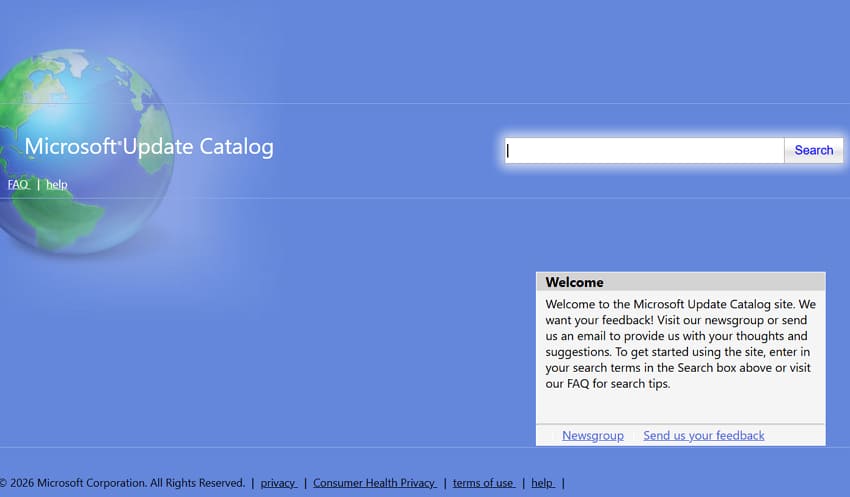
Installing the package by hand bypasses the service that keeps stopping. Search your KB number on the Microsoft Update Catalog, download it, and run the resulting file. If error code 0x8024001e persists, continue with the remaining troubleshooting methods.
Confirm the Windows Version and System Architecture
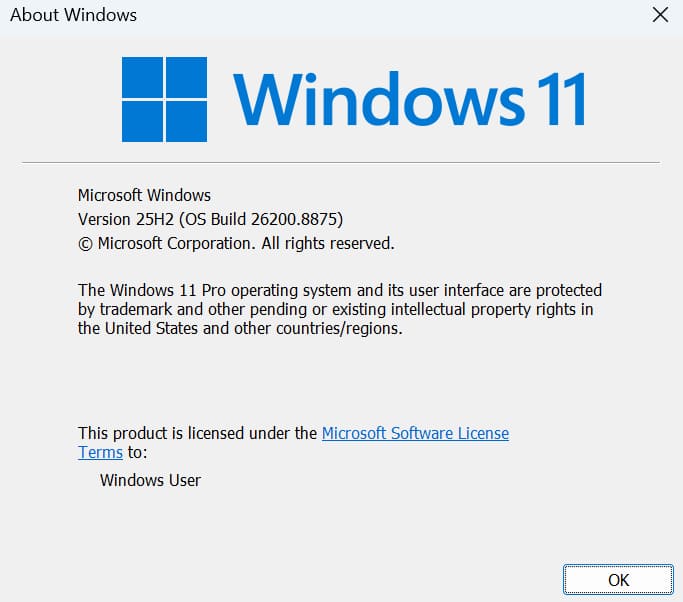
The catalog lists separate packages for every Windows version and architecture type. Installing the wrong package causes this same failure again. Press “Windows + R” to enter “winver,” and note the version and build before downloading.
Install Any Required Servicing or Prerequisite Updates
Some updates require earlier prerequisite updates before installation. Install any listed prerequisite, then restart Windows. Retry the main update after the restart completes.
Part 6. Repair Windows Update When Every Update Fails
When 0x8024001e continues after component repairs, external conflicts likely block Windows Update. Use the following solutions to identify interference and restore normal update functionality again:
Perform a Clean Boot to Check for Software Conflicts
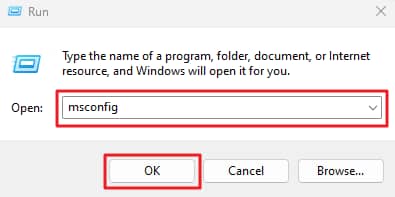
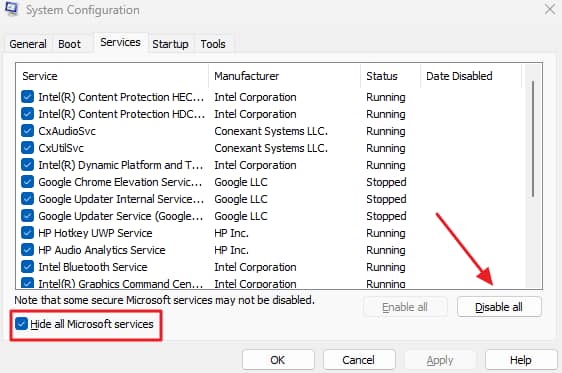
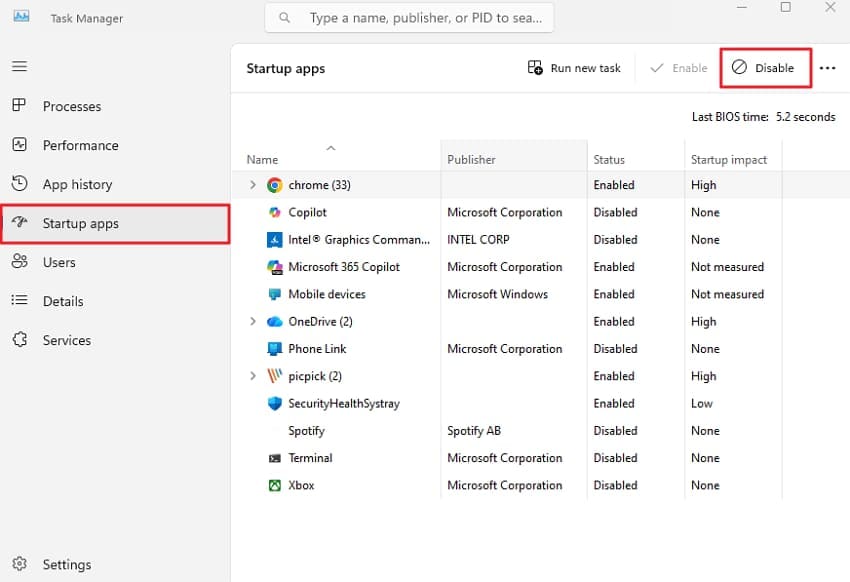
A clean boot starts Windows using only essential Microsoft services running in the background. This isolates any background application that keeps interrupting the update installer process, as per Microsoft. The steps below walk through starting a clean boot on your machine.
Step 1. Upon pressing “Windows + R,” run the “msconfig” command.
Step 2. When you access the “Services” tab, check “Hide All Microsoft Services” and choose “Disable All.”
Step 3. Now, access “Startup Apps” from “Task Manager” to choose the running apps and click “Disable.”
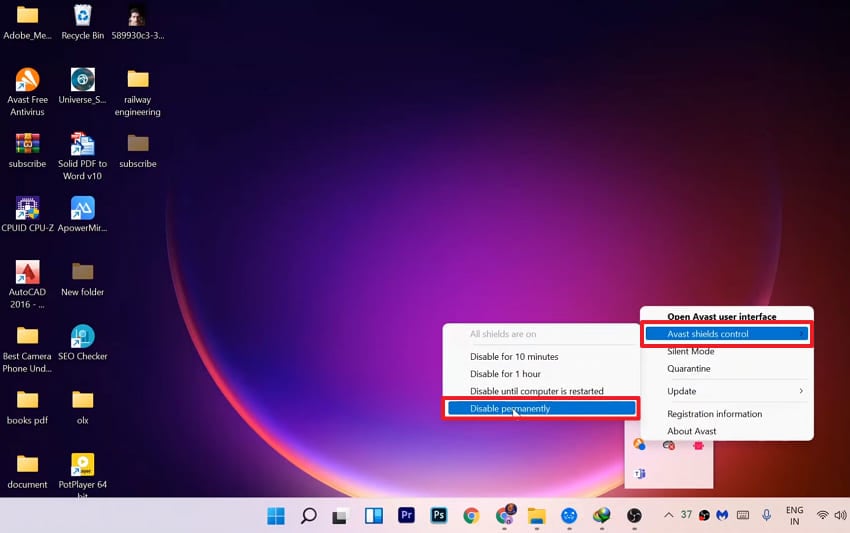
Temporarily Test Without Third-Party Security Software
Security suites sometimes lock files that the update installer needs to replace. Turn off real-time protection briefly, then retry the update installation. Follow this quick guide to test without your security software running:
Instructions. Right-click the tool icon like “Avast” in the “Taskbar” > Choose “Avast Shield Control” > “Disable Permanently.”
Check Whether Windows Update is Controlled by an Organization
On a work or school machine, policies can point updates at an internal server. If the Windows Update page shows a message about your organization managing settings, contact your IT team. Administrators should verify server health, since a fault there produces this code alongside the secondary error 0x800f0821.
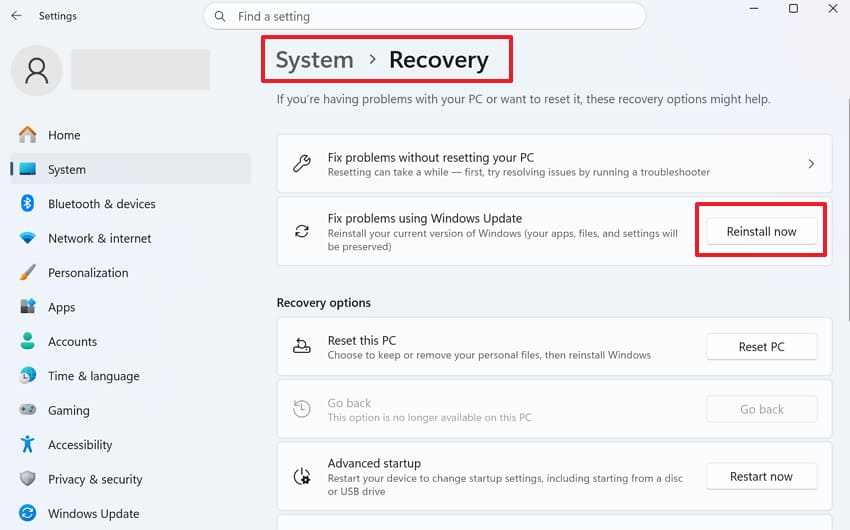
Reinstall the Current Windows 11 Version Through Windows Update
Windows can reinstall itself completely while keeping all your existing data intact. This option repairs damaged system files without touching any personal files stored. Review the given instructions to reinstall your current Windows version:
Instructions. Go to “Settings > System > Recovery” and press “Reinstall Now” next to “Fix Problems Using Windows Update.”
Perform an In-Place Repair Upgrade Using Official Windows Media
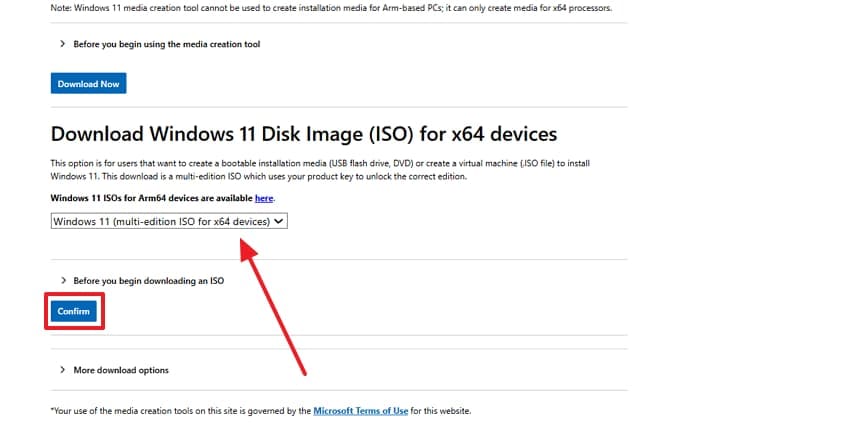
A repair upgrade rebuilds every servicing component more thoroughly than other fixes. It lets you download the official ISO file or the media creation tool from Microsoft. Go through these steps to run the repair upgrade correctly:
Step 1. Access the official “Microsoft” website > Find “ISO” > Select “Windows 11” > Click “Confirm.”
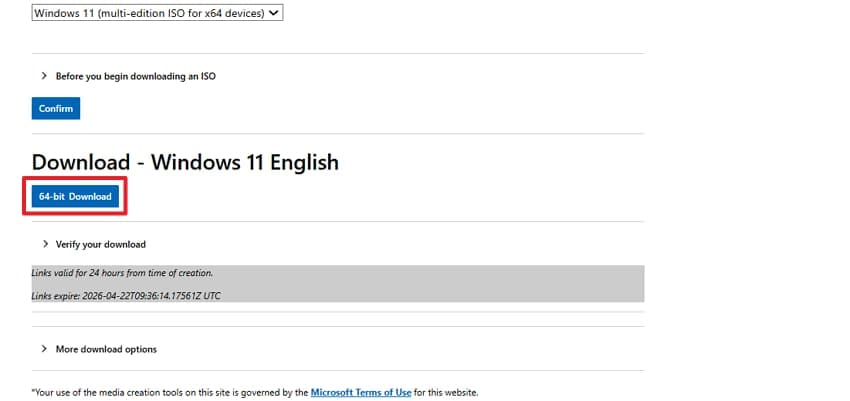
Step 2. Choose your preferred language > Press “Confirm” > Click the “64-bit Download” button.
Step 3. Right-click the “ISO” file > Select “Mount” > Press “Yes.”
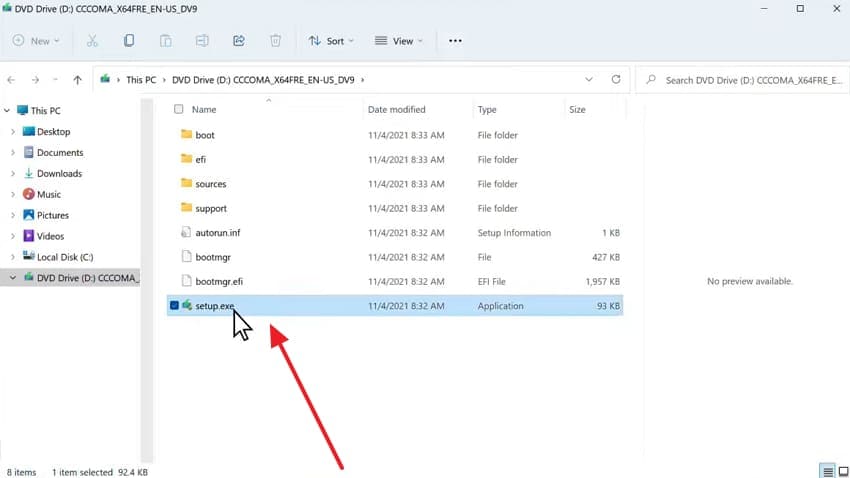
Step 4. Run the mounted drive > Click “Next” > Press “Accept” to continue.
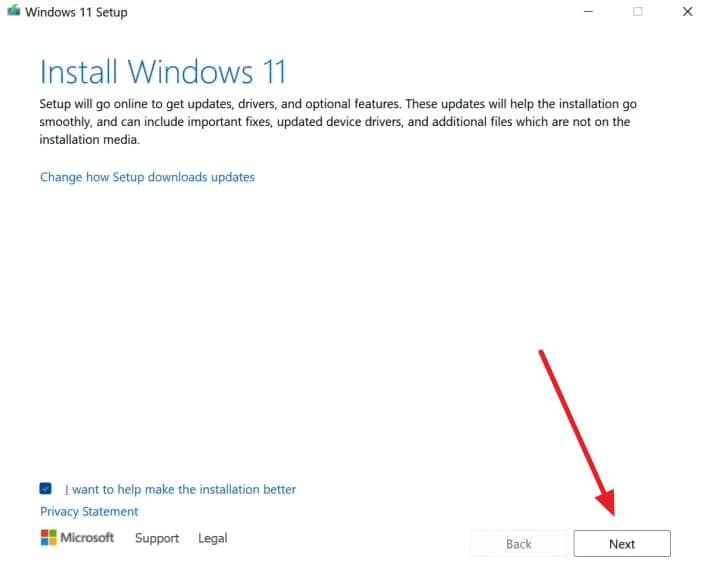
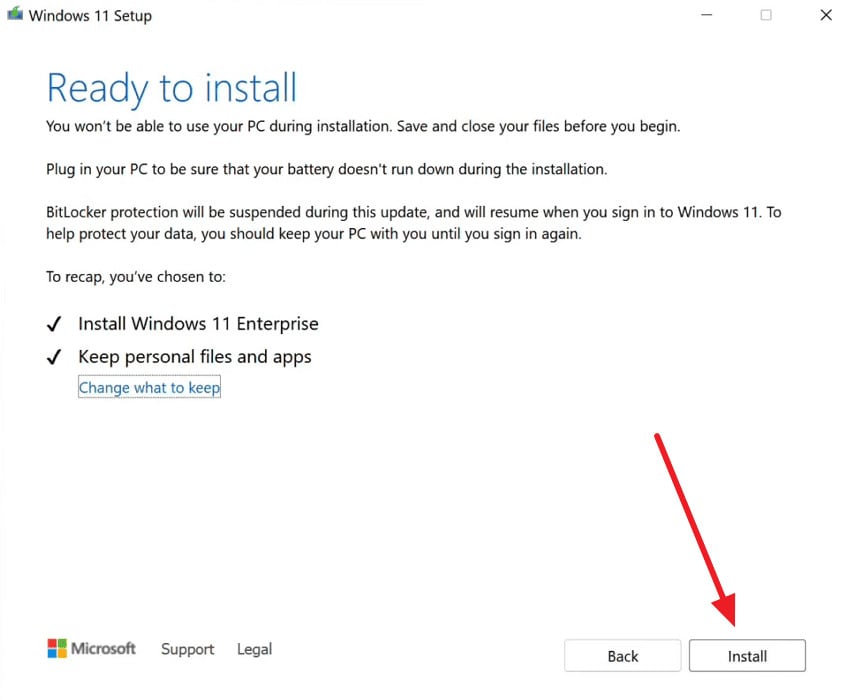
Step 5. Select “Keeps Personal Files and Apps” > Click “Next” > Press “Install.”
Part 7. Protect Your Files Before a Windows Repair Upgrade
A repair upgrade usually keeps everything intact, but these simple precautions protect your files:
Why is a Backup Still Recommended for a Repair Installation
A repair upgrade rewrites core system files while user data sits on the same volume. Power loss or disk errors during installation can cause severe data loss. You should copy important files to an external drive or cloud backup first. Yet, confirm that the repair option keeps personal files and applications safe.
Recover Inaccessible Files with Wondershare Recoverit
Many times, important files become inaccessible before a repair upgrade to resolve error code 0x8024001e. Copying those files becomes impossible because Windows cannot read damaged folders correctly. Yet, tools like Recoverit can recover inaccessible or missing files before system repairs overwrite valuable data. It rebuilds files from what remains stored, reaching items Windows has lost track of.
Key Features
- AI-Powered Recovery: Recoverit uses AI technology to identify and recover files from over 1 million devices.
- File Types Support: It even supports more than 1,000 file formats, including multimedia and documents.
- File Name Search: You can search scan results by exact filename instead of scrolling through everything.
Important Note: Recoverit works on your data, not on Windows servicing components. Use it before the repair upgrade, because anything overwritten during installation is gone for good.
How to Recover Files Before Starting the Upgrade
Go through the following guide to help you recover inaccessible files via this tool:
Step 1. Select the Drive or Folder to Recover Files
Go to “Hard Drives and Locations” > Select the folder that previously stored your inaccessible files.

Step 2. Look for Missing or Deleted Files
This data recovery tool will search for lost or inaccessible files and show live results.

Step 3. Save Your Recovered Files
Preview the recoverable files > Choose your desired ones > Click “Recover” to export them.

Conclusion
To conclude, 0x8024001e in Windows Update means the service stopped partway through rather than refusing the update outright. Establish whether one KB or every update is failing, then repair the components before considering a repair upgrade. Move anything irreplaceable to separate storage first, and use Recoverit for files Windows can no longer open.
FAQ
-
What does error 0x8024001E actually mean?
It is WU_E_SERVICE_STOP, meaning the operation did not finish because the service or system was shutting down. The update was interrupted rather than rejected. -
Why does the Microsoft Store fail at the same time?
The Store relies on the same update service, so a fault there affects both. Repairing Windows Update usually clears the Store errors as well. -
Will a repair upgrade delete my files and programs?
Not when you start Setup from within Windows and choose Keep personal files and apps. Booting directly from installation media performs a clean installation instead of a repair upgrade.


