

 TL;DR:
You can recover data from a formatted hard drive as long as you immediately stop using the drive to prevent new data from overwriting your lost files.
● Recovery is only possible if a Quick Format was performed; a Full Format writes zeros across all sectors and makes data restoration impossible.
● Restoring data from a formatted SSD is substantially more difficult than an HDD because the SSD TRIM command permanently erases data from flash cells.
● To retrieve your files, restore from a Windows File History backup or run recovery software like Wondershare Recoverit (supported on Windows Vista/7/8/10/11 and macOS X 10.10 or later).
Ask AI for a summary
 ChatGPT
 Perplexity
 Gemini
 Claude
 Grok
Grok
| Situation | Recovery chance | Best next step | Risk level |
| Quick-formatted HDD | High | Scan the drive with recovery software | Medium if you keep using the drive |
| Quick-formatted SSD | Moderate to low | Stop using the SSD and try recovery software immediately | High because TRIM may erase data quickly |
| Full-formatted HDD | Low | Try professional recovery only if the data is critical | High |
| Full-formatted SSD | Very low | Consider professional recovery service | Very high |
| You already have a backup | Very high | Restore from backup first | Low |
Have you accidentally formatted your hard drive and lost your precious data? There’s no reason to be worried. You can recover files from a formatted hard drive in several ways. We’ve prepared a guide to help you do that.
Our guide will help you understand why formatting your hard disk is essential and what you should do after it. We’ve prepared a step-by-step guide on three ways for formatted hard drive recovery to help you learn everything you need about formatted HDD data recovery.
Before trying to recover files from a formatted hard drive, follow these rules immediately:
- Stop saving new files to the formatted drive.
- Do not reinstall Windows or copy data onto the same disk.
- Disconnect the drive if possible until you are ready to scan it.
- Check whether you have File History, cloud backup, or another backup copy first.
- If the formatted drive is an SSD, act quickly because TRIM may permanently erase recoverable data.
When Do I Need to Format My Hard Drive?
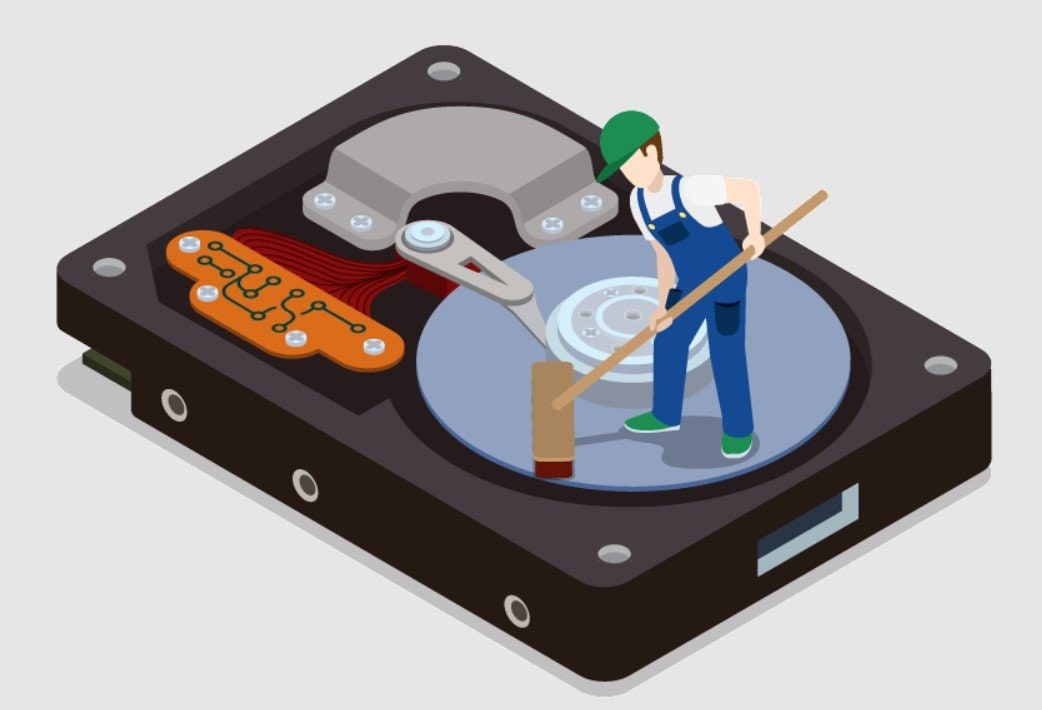
Formatting a hard drive deletes the existing file system structure and prepares the disk for new data. People usually format a hard drive when they want to reuse it, change the file system, reinstall an operating system, remove severe corruption, or wipe data before selling a device.
However, formatting should not be treated as routine maintenance for every disk problem. If your hard drive starts freezing, becomes inaccessible, shows bad sectors, makes unusual noises, overheats, or disappears from the system, formatting may hide the symptom without solving the underlying hardware problem. In some cases, especially with mechanical failure or firmware issues, formatting can make later recovery harder.
Use formatting only when:
| Valid reason to format a hard drive | Why it makes sense |
| You need a new file system | The drive must be reconfigured for Windows, macOS, or cross-platform use |
| You are reinstalling an OS | Formatting clears the old system partition before installation |
| The drive has logical corruption | A clean file system may resolve software-level errors |
| You are selling or repurposing the drive | Formatting helps remove old data before reuse |
If the drive contains valuable files, recover or back up the data before formatting whenever possible.
You may also be interested in: how to fix a corrupted external hard drive
I Accidentally Formatted My Hard Drive. What Should I Do First?
If you formatted the wrong hard drive by mistake, the most important step is to stop using it immediately. Every new file, update, or installation can overwrite the old data and reduce your recovery success rate.
Use this response order:
- Stop using the formatted drive.
- Do not copy files back to it.
- Identify whether it is an HDD or SSD.
- Check whether the format was quick or full.
- Restore from backup first if one exists.
- If no backup exists, scan the drive with recovery software or contact a professional service.
Why Formatted Hard Drive Data Can Still Be Recoverable
After a format, the operating system usually rebuilds the file system metadata instead of instantly destroying every file. In a Quick Format, the disk often becomes marked as empty, but much of the old data may still remain on the sectors until new data overwrites it.
That is why recovery is still possible in many formatted hard drive cases. However, the recovery window gets smaller if you keep using the drive, especially on SSDs where TRIM may clear data blocks automatically.
Is It Possible to Recover Files From a Formatted Hard Drive?
Yes, formatted hard drive recovery is often possible, but the result depends on the drive type and the type of formatting performed.
| Factor | Easier recovery case | Harder recovery case | Why it matters |
| Drive type | HDD | SSD | SSDs may use TRIM, which can permanently clear deleted data blocks |
| Format type | Quick Format | Full Format | Quick Format usually removes indexing data first, while Full Format greatly reduces recoverability |
| Drive activity after format | No new data written | New files copied after format | New data may overwrite the old files |
| Damage condition | Logically formatted but physically healthy drive | Drive with hardware failure | Physical problems complicate or block normal recovery |
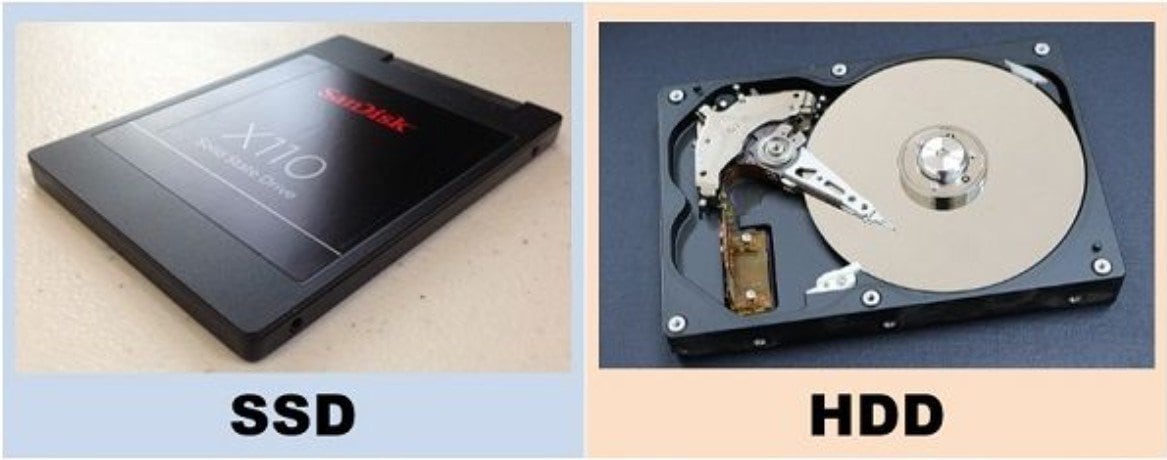
In most cases, a quick-formatted HDD offers the best recovery chance with software. A full-formatted drive or a TRIM-enabled SSD is much harder to recover, and professional recovery may be the only realistic option if the files are valuable.
3 Ways to Recover Files From a Formatted Hard Drive
If you’ve accidentally formatted your hard drive with the Quick Format and realized you need your data back, you can restore it in several ways. We’ve prepared three easy methods to recover lost files from a formatted hard drive.
| Recovery method | Best for | Speed | Success chance | Cost |
| Data recovery software | Quick-formatted HDDs or logically formatted drives | Fast | High in good cases | Low to medium |
| Backup restore | Users with File History or another backup | Fastest | Very high | Low |
| Professional recovery service | SSDs, full format, damaged drives, or critical files | Slowest | Depends on damage and format type | Highest |
Way 1. Recover Data From a Formatted Hard Drive With Recovery Software
For most users, recovery software is the first method to try after a quick format, especially on a traditional HDD. Wondershare Recoverit can scan formatted hard drives and recover documents, photos, videos, emails, archives, and many other file types from accidental formatting, deletion, partition loss, virus attacks, and similar data loss scenarios.
How to recover data from a formatted hard drive with Recoverit
- Install and open Wondershare Recoverit. Select your formatted hard disk in the Hard Drives and Locations section and click Scan.

- The program will start scanning for lost files on your hard disk. You can monitor the scanning process on the screen.

- When the scanning process is finished, you can preview the files found on your formatted hard drive. If you’re satisfied with the files, select the ones you want to restore and click Recover.

Way 2. Restore Files From Backup
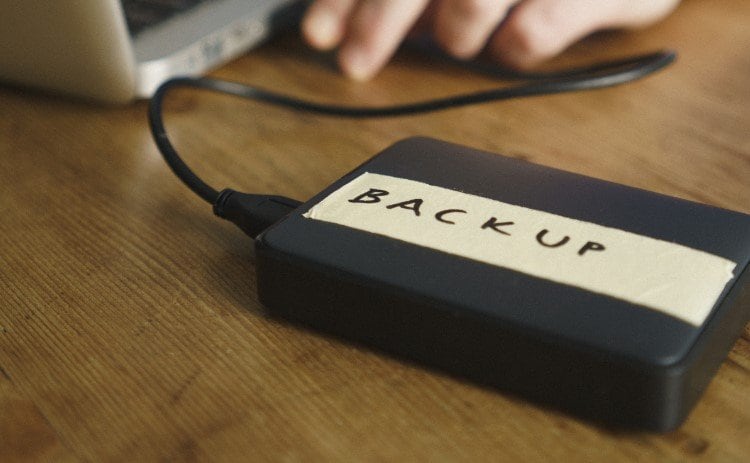
If you already have a backup, restore from backup before trying deep recovery software. This is usually the safest and fastest method because it does not depend on the formatted sectors still being intact.
Recover formatted hard drive files with File History
If you use Windows File History, follow these steps:
- Open Settings on your PC.
- Go to Update & Security and select Backup.
- Under Back up using File History, click More options.

- Choose Restore files from a current backup.
- Browse the available backup versions and select the files you want to restore.
- Click the green Restore button, or choose Restore to if you want to place the files in a new location.

Way 3. Contact Professional Data Recovery Services
Professional recovery services are the best choice when the formatted drive contains irreplaceable files or when software recovery is unlikely to work well.
Use a professional service if:
| Situation | Why a service is better |
| The drive is an SSD with TRIM enabled | Software recovery may have very limited success |
| You performed a full format | The recoverable data may be severely reduced |
| The drive makes clicking or grinding noises | There may be physical damage |
| The disk is not detected properly | Hardware or firmware faults may be involved |
| The files are business-critical or legally important | The risk of failed self-recovery is too high |
If the drive shows signs of physical failure, stop powering it on repeatedly and contact a professional lab as soon as possible.
How To Format a Hard Drive Without Data Loss
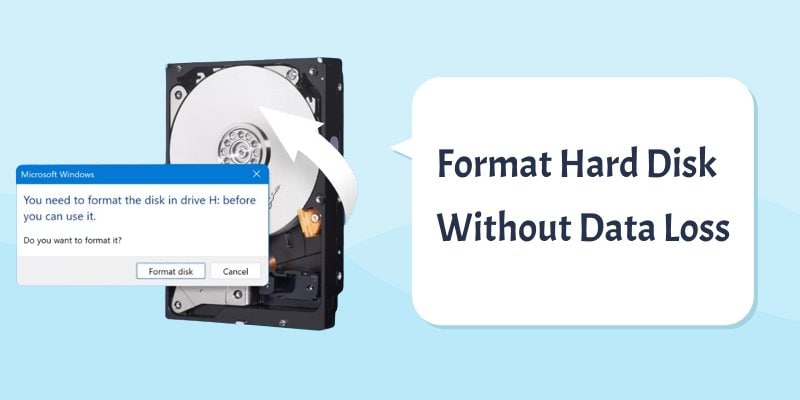
The only reliable way to format a hard drive without losing data is to back up the files first. Formatting itself removes access to the existing data, so the safe workflow is always backup first, format second.
Use this checklist before formatting:
- Copy important files to another internal drive, external drive, NAS, or cloud backup.
- Double-check that the backup opens correctly.
- Confirm that you selected the correct disk before formatting.
- Choose the required file system and use Quick Format only when appropriate.
If you are formatting a drive in Windows:
- Open File Explorer.

- Locate the drive you want to format.
- Right-click the drive and choose Format.

- Select the file system and check Quick Format if that is the format type you want.

- Click Start to begin formatting.
If you forgot to back up the data and already performed a quick format, stop using the drive and move directly to recovery.
Conclusion
If you formatted a hard drive by mistake, recovery may still be possible, especially after a quick format on an HDD. The best next step depends on your situation: use recovery software for a logically formatted drive, restore from backup if one exists, or contact a professional service for SSDs, full formats, physical failure, or highly valuable files.
The most important rule is simple: stop using the formatted drive immediately. The less new data written to the disk, the better your chance of successful recovery.
Formatted Hard Drive Recovery FAQs
-
Can a formatted hard disk be recovered?
Yes, you can recover data from a formatted hard disk using recovery software like Wondershare Recoverit:- Download and install Recoverit on your computer from the official website.
- Connect the formatted hard disk to your computer.
- Launch Recoverit and select the formatted hard disk from the Hard Disk Drives section.
- Recoverit will begin scanning the hard disk for lost files automatically.
- Once the scan is complete, preview and select the files you wish to recover.
- Click Recover and save the files to a new location, avoiding the formatted hard disk to prevent any potential data overwriting.
-
How do I recover an accidentally formatted hard drive?
There are multiple ways to unformat a hard drive. You can use Wondershare Recoverit to recover lost data quickly and easily. You can also recover data from a backup. Lastly, contact a reliable service provider and ask professionals for help. -
How to recover data from a formatted hard disk on Mac?
Follow these steps to recover data from a formatted hard drive on Mac using Wondershare Recoverit:- Download and open Wondershare Recoverit on your Mac device
- Go to Hard Drives & Locations and select your formatted hard drive
- Wondershare Recoverit will start the scan of your formatted hard disk. Wait for the scan to finish
- After the scanning process, preview the files it found.
- Select the files you want to restore and click Recover
-
Can a formatted SSD be recovered?
SSDs store and erase data differently from HDDs. If you format an SSD, it deletes files through the TRIM process. The files are deleted from the flash cells, and recovering lost data is more complex and challenging. However, professional data recovery software like Wondershare Recoverit can help you get data back from formatted SSD.


