 TL;DR:
An "Unknown Hard Error" in Windows 11/10 is a generic system warning typically caused by application conflicts or corrupted Windows components rather than guaranteed physical disk failure, meaning you should isolate the specific crashing process (like `explorer.exe` or `chrome.exe`) and back up your data before running system repairs.
● Resolve isolated desktop freezes by restarting Windows Explorer via Task Manager, but if the error persists across multiple apps, you must copy important files to a healthy destination before running potentially disk-stressing commands like CHKDSK, DISM, or SFC.
● Apply a Clean Boot to diagnose third-party service interference if the warning appeared after installing new software, or execute DISM and SFC commands as an administrator to repair core system files, provided your storage drive remains stable and detectable.
● Immediately stop DIY troubleshooting and consult a professional data recovery lab if the drive clicks or repeatedly disconnects; software like Recoverit can only retrieve missing files from readable media and cannot repair physically damaged hardware or resolve the underlying Windows error.
Ask AI for a summary
 ChatGPT
 Perplexity
 Gemini
 Claude
 Grok
Unknown Hard Error is a Windows warning that can appear with explorer.exe, chrome.exe, or another application name. It does not automatically mean your hard drive has failed. The name on the dialog, when it appears, tells you which process encountered the error, but further checks are needed to identify the cause.
Quick answer: Save open work if possible, note the exact process name and time, and restart only the affected application. If the error repeats, back up important files before running system repairs. Then test for an app conflict, repair Windows components, or enter Windows Recovery Environment (WinRE) if Windows no longer starts. Stop using a drive that clicks, disappears repeatedly, or reports hardware failure.
In This Article
Part 1. What Does Unknown Hard Error Mean?
The phrase is a generic system-level error dialog, not a specific diagnosis. Some affected computers show explorer.exe - System Warning: Unknown Hard Error, while others name chrome.exe or a different executable. A faulty application, conflicting third-party software, damaged Windows components, storage problems, or a recent update can produce similar symptoms. The dialog alone cannot identify which explanation applies.
If the screen is black or the Start menu is unresponsive, try to open Task Manager with Ctrl + Shift + Esc. If Windows starts normally but only Chrome crashes, first troubleshoot the browser. If multiple applications crash and the storage drive disconnects or reports errors, prioritize protecting your data and checking hardware health.
Part 2. Check the Error Before Changing Windows
Begin with observations that do not modify the operating system or disk. The goal is to distinguish a single-app failure from a broader Windows or storage problem.
| What you see | First safe action | Next branch |
| explorer.exe and frozen desktop | Use Task Manager to restart Windows Explorer | Clean boot and system-file checks if it returns |
| chrome.exe only | Save tabs, relaunch Chrome, check updates and extensions | Clean boot if other apps begin failing too |
| Warning after an update | Record the update and back up files | System Restore or update rollback when appropriate |
| Drive disappears, clicks, or reports hardware failure | Stop unnecessary disk activity | Professional recovery if physical damage is suspected |
| Windows cannot load | Try WinRE without resetting the PC | Protect files before Startup Repair or reinstall |
Write down the exact message, executable name, and whether the issue began after new software, drivers, or an update. If Windows loads, you can review the time of the failure in Event Viewer > Windows Logs > Application; an event near that time may offer a more specific fault, but not every event identifies the root cause.
Part 3. Protect Your Files and Check the Drive
If you can still access documents, photos, or project files, copy the important ones to another healthy drive or a verified backup destination before changing startup settings or running repairs. Confirm that several copied files open correctly. For a device that reports physical errors, repeatedly scanning it can make a bad situation worse.
If storage is visible in Windows, opening Disk Management is useful for observation only. Do not initialize, format, change partitions, or run CHKDSK on an at-risk source before safeguarding files. The existing hard drive not detected guidance explains common detection states.
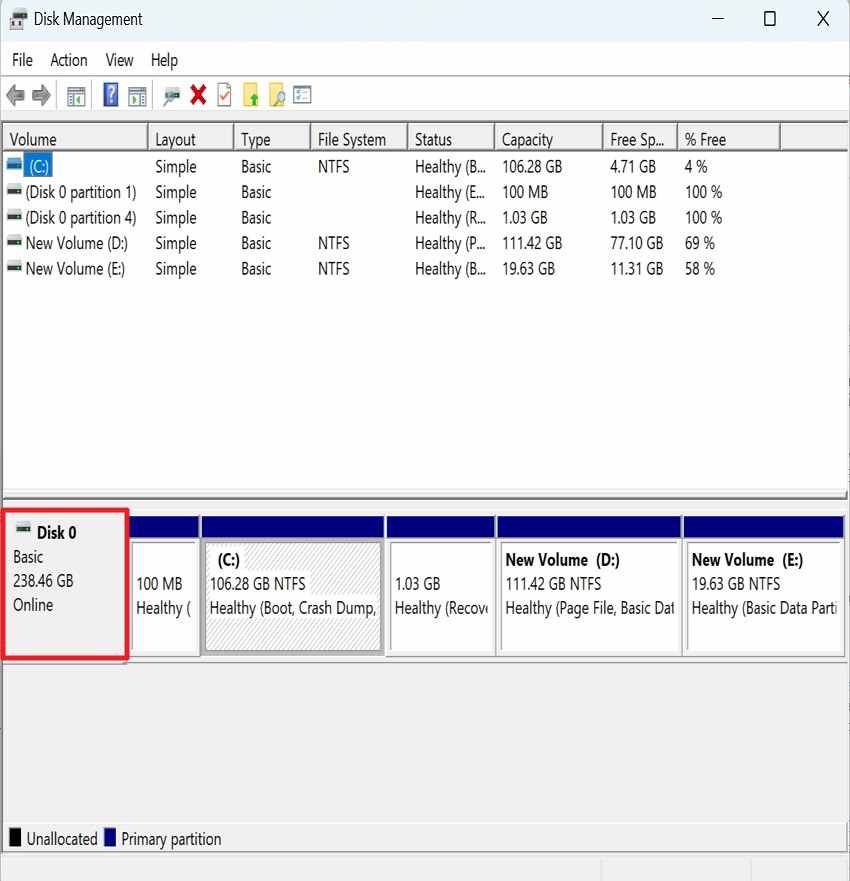
If a hard drive makes unusual sounds, disconnects repeatedly, or fails a manufacturer diagnostic, stop DIY repair and contact a qualified data recovery service. Recoverit is not a hardware repair tool and cannot repair physically damaged components.
Part 4. How to Fix Unknown Hard Error in Windows
Choose a method based on the affected process and what still works. Each method starts with a specific use case, and you should stop when the error disappears instead of performing every repair unnecessarily.
Restart Windows Explorer if the Desktop Is Frozen
Use when: the dialog names explorer.exe or your desktop, taskbar, and File Explorer stop responding while Task Manager still opens.
Step 1. Press Ctrl + Shift + Esc. In Task Manager, find Windows Explorer under Processes.
Step 2. Select Restart. The taskbar and desktop may briefly disappear and return. This restarts the shell without deleting personal files.
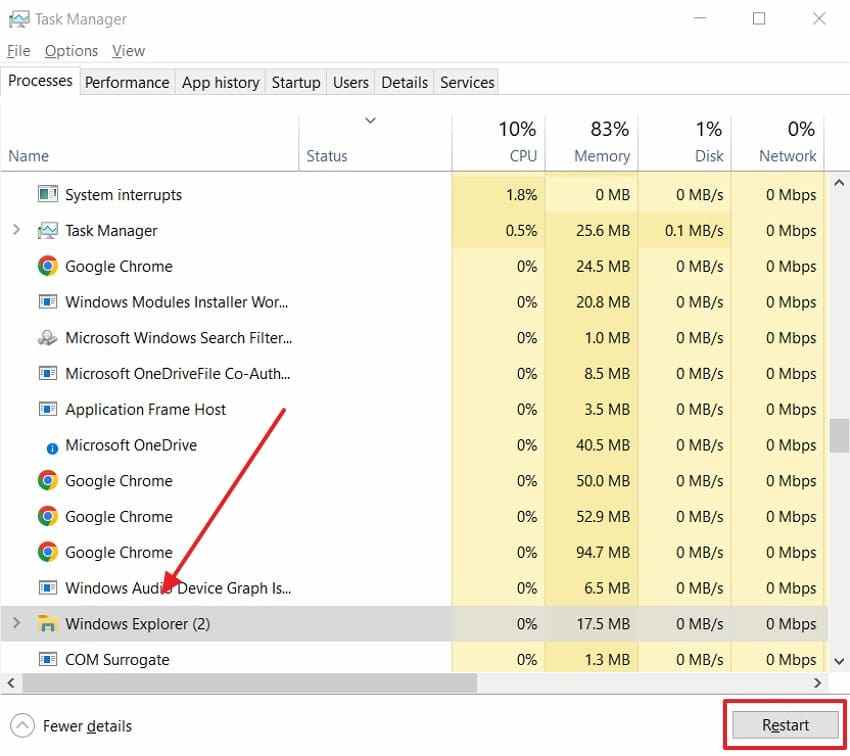
Step 3. Reopen File Explorer and perform the task that previously triggered the warning. If it recurs, continue with the clean-boot or system-file branch instead of repeatedly ending system processes.
If only Chrome displays the warning, update Chrome, test it with extensions disabled, and follow Google Chrome troubleshooting. A browser-only problem is not evidence of a damaged hard drive.
Use a Clean Boot to Test Software Conflicts
Use when: the error appears after a new app, background service, or update and Windows remains accessible. A clean boot helps identify interference by third-party services; it is a diagnostic test, not an automatic repair.
Step 1. Sign in as an administrator, press Windows + R, enter msconfig, and open System Configuration.

Step 2. On the Services tab, select Hide all Microsoft services before choosing Disable all. Never skip the Microsoft-services checkbox.
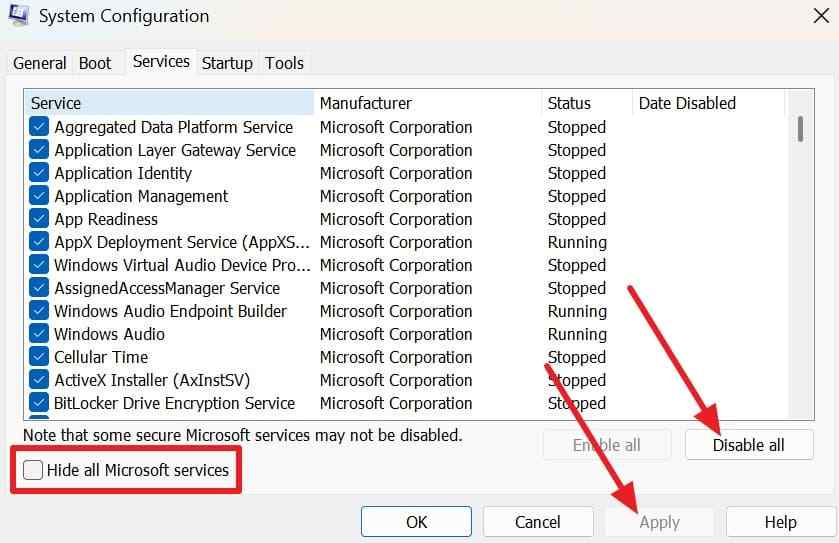
Step 3. Open the Startup tab, choose Open Task Manager, and disable the third-party startup apps you are testing. Restart Windows and see whether the same message appears.
Step 4. If the warning stops, re-enable services and startup items in groups to isolate the conflict. Restore normal startup settings when testing is complete. See Microsoft clean boot instructions for the full reversible procedure.
Repair Windows System Files With DISM and SFC
Use when: crashes occur across multiple apps, Windows components fail, and there is no evidence of unstable or physically failing storage. Preserve your files first; these commands can modify system files.
Step 1. Open Command Prompt or Terminal as administrator. On a normally booting Windows 10/11 computer, run:
DISM.exe /Online /Cleanup-image /Restorehealth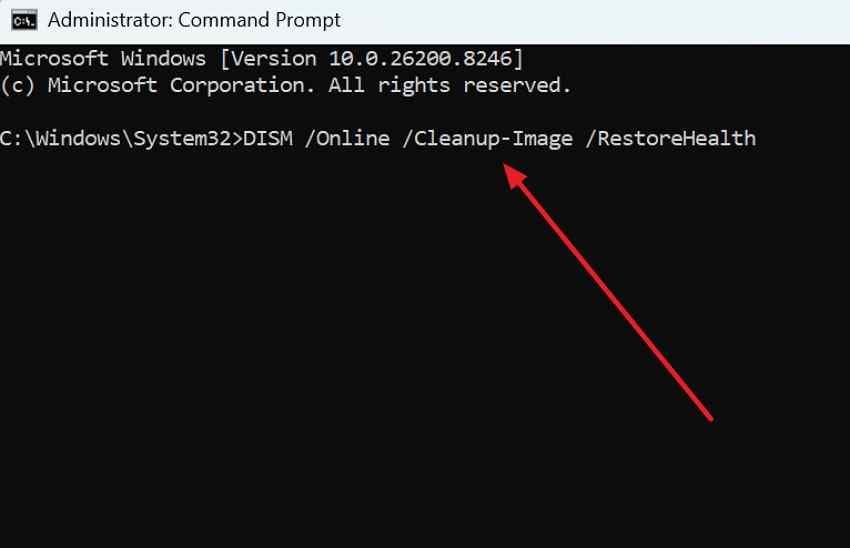
Step 2. After DISM completes, run the System File Checker with the required space:
sfc /scannow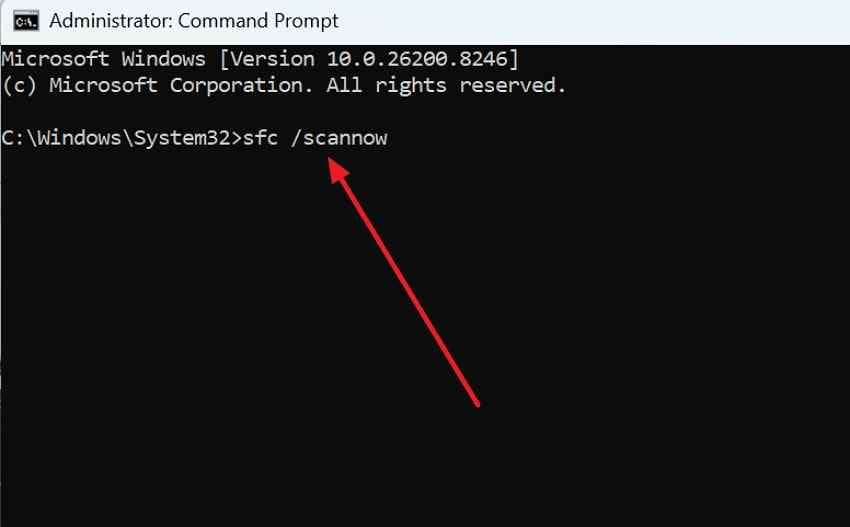
Step 3. Wait for completion and read the result. Restart, then test the affected application. If DISM fails because Windows cannot access repair sources or the system will not boot, do not assume the same online command works in WinRE; use the appropriate offline recovery procedure or specialist help. Microsoft documents the command order in System File Checker guidance.
Undo a Recent Change With System Restore
Use when: the warning began soon after a Windows, driver, or software change and a restore point exists. Back up important files first, and have any BitLocker recovery key available if the recovery environment requests it.
Step 1. Search for Create a restore point, choose System Restore, or open System Restore from WinRE > Troubleshoot > Advanced options if Windows cannot boot.
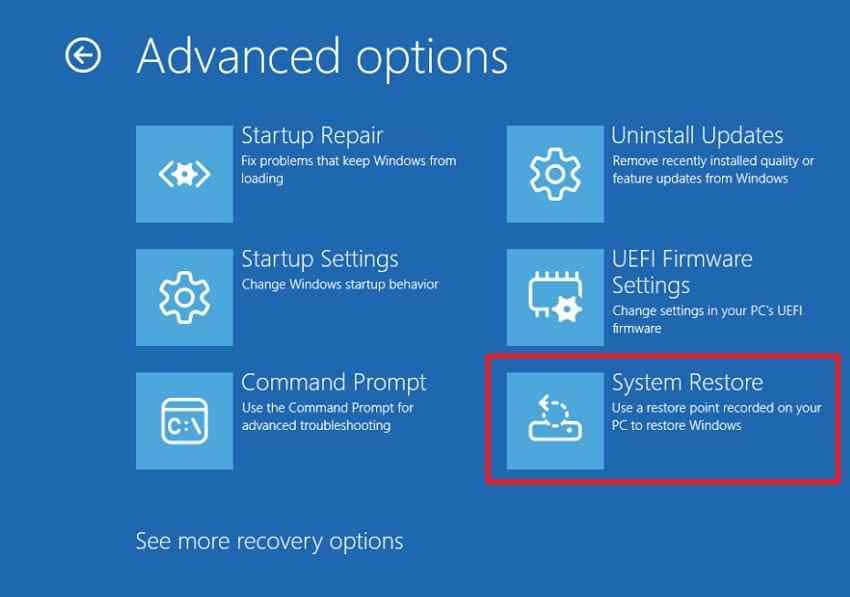
Step 2. Select a restore point dated before the first error. Use the option to scan for affected programs when offered, review the changes, and follow the confirmation prompts.
Step 3. After Windows restarts, confirm your files are present and test the affected program. System Restore is not a substitute for backing up personal files; see Microsoft recovery options.
Use Startup Repair if Windows Cannot Boot
Use when: the computer fails to start Windows. Startup Repair is designed for certain startup problems, not hardware failure, and may not fix an Unknown Hard Error caused by a defective drive.
Step 1. Open Windows Recovery Environment using a recovery screen or appropriate installation media. Choose Troubleshoot > Advanced options > Startup Repair.
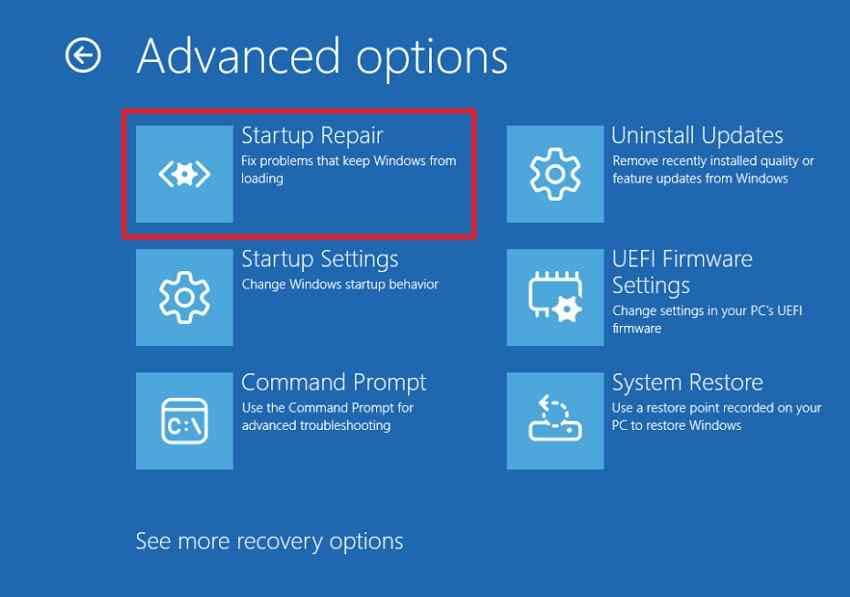
Step 2. Select your Windows installation and follow the prompts. If you are asked for a BitLocker key, use Microsoft BitLocker recovery-key help.
Step 3. Check whether Windows starts again. If Startup Repair reports that it cannot fix the PC, do not repeatedly reset or reinstall Windows while files remain unprotected. Assess storage health and the recovery options first.
Part 5. Recover Files If the Error Has Made Them Inaccessible
Recoverit is relevant only if files have actually been deleted, become inaccessible, or are missing from storage that remains sufficiently stable to read. It does not diagnose or fix the Unknown Hard Error itself. For a computer that cannot boot, check Windows system data recovery for the current bootable recovery workflow and requirements.
Step 1. Stop unnecessary writes to the affected storage. If Windows works and the disk is stable, run Recoverit from a different healthy disk when practical and select the source where the files were lost.

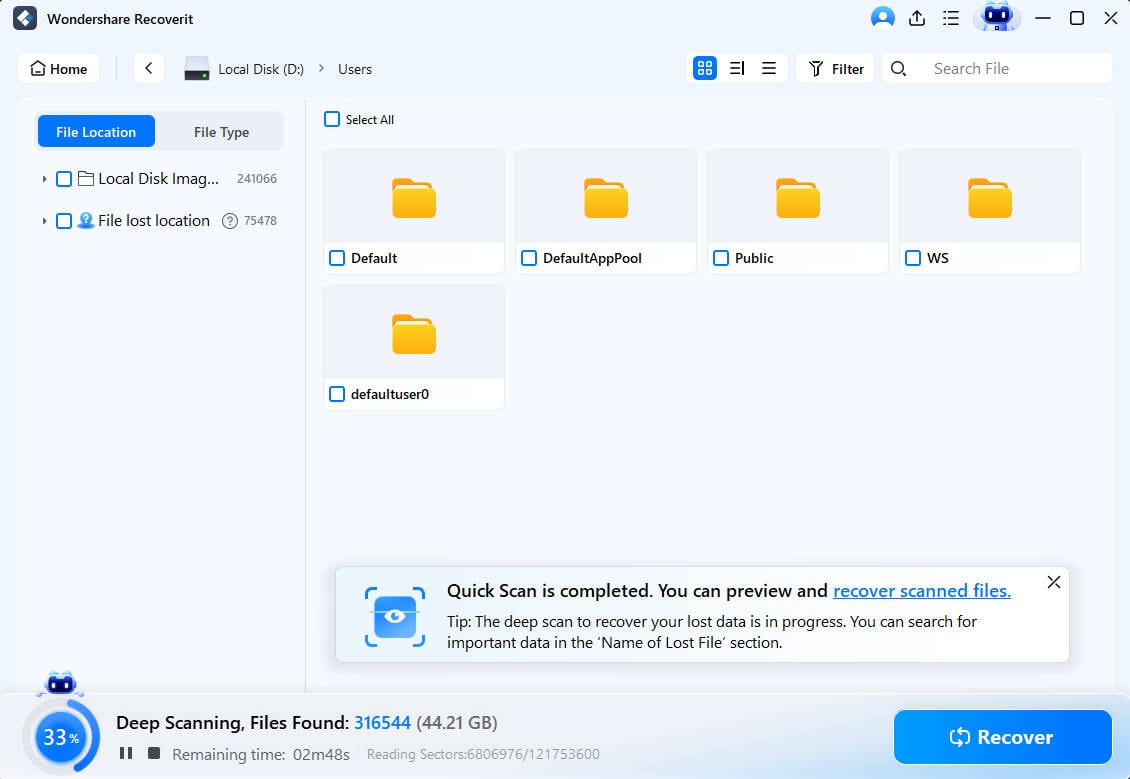
Step 2. Scan the chosen source and inspect the results. A completed scan cannot guarantee that a particular lost file is still available.
Step 3. Preview supported files, select only the needed items, and save them to a different healthy drive. Check the saved copies before attempting further Windows repair. This preview image is from an earlier Recoverit version.
If Windows cannot boot, the current Recoverit crashed-computer workflow may require a second working PC and a disposable USB drive. Creating boot media erases data on that USB. Do not select the affected source disk as the boot-media target or as the recovery destination. If the drive fails hardware diagnostics or repeatedly disconnects, use a professional recovery lab instead.
For detailed product steps and supported workflows, refer to the Recoverit official user guide. Results depend on drive condition, overwriting, encryption, and the available source data; no recovery outcome can be guaranteed.

Unknown Hard Error? Don't Let Missing Files Add to the Trouble
An explorer.exe or chrome.exe warning doesn't mean your files are gone. But if important documents or project files are genuinely missing or inaccessible, Recoverit can scan stable, detectable storage for recoverable data. Preview supported files and save them to another drive.
Part 6. How to Tell Whether the Problem Is Fixed
After the chosen repair, reboot normally and repeat the action that triggered the dialog. Open Windows Explorer or Chrome as applicable, verify the taskbar responds, and review Event Viewer for recurring errors at the same time. Confirm that recent files and backups still open, and re-enable any diagnostic services you temporarily disabled.
If the error returns immediately, record which process is named and whether it is isolated to one application. If the drive is missing or shows hardware problems, stop repeating repair commands and prioritize recovery expertise. Avoid unnecessary formatting, registry cleaners, or repeated CHKDSK scans on an unstable drive.
Conclusion
An Unknown Hard Error can stem from application conflicts, damaged Windows components, or storage trouble; the dialog alone does not establish the cause. Start with the specific process, protect your files, and choose a reversible fix. Use Recoverit only for genuine file loss on readable media, not as a generic solution to a Windows system warning.
FAQ
-
Does Unknown Hard Error always mean a failing hard drive?
No. The message may appear with an application or Windows component failure. Look for independent evidence such as drive disconnections, hardware diagnostic results, or repeated I/O failures before concluding that storage hardware is damaged. -
How can I fix explorer.exe Unknown Hard Error?
Try restarting Windows Explorer from Task Manager. If the warning comes back, back up files, test a clean boot and check Windows components using DISM and SFC when storage is stable. -
What if chrome.exe displays Unknown Hard Error?
First test Chrome updates and extensions. If other apps also crash or Windows becomes unstable, use the Windows-wide diagnostic branches rather than assuming a Chrome-only fault. -
Should I run CHKDSK /r to fix Unknown Hard Error?
Not as a first step. CHKDSK can modify a volume and can place additional stress on unstable media. Preserve data and assess drive health before deciding whether a disk repair command is appropriate. -
Can Recoverit remove the Unknown Hard Error dialog?
No. Recoverit is a data recovery application. It may help retrieve accessible or logically lost files from suitable detectable storage, but it does not repair Windows system errors or physically damaged drives.


