Free Data Recovery Software to Recover Deleted Files Free

Jun 23, 2026 • Filed to: Recover Files • Proven solutions
 TL;DR:
Permanently deleted files can be successfully recovered using built-in Windows tools or software like Wondershare Recoverit, as long as the original storage sectors remain intact and have not been overwritten by new data.
● To maximize recovery chances, stop using the affected hard drive immediately and perform the recovery as soon as possible to prevent the operating system from overwriting the deleted data blocks.
● Windows 10 users with File History enabled can recover files without third-party software by navigating to the original drive location, right-clicking, and selecting "Restore Previous Versions."
● Data recovery programs cannot bypass physical drive damage, bad sectors, or retrieve files once new data has overwritten their original reference points on the storage device.
Ask AI for a summary
 ChatGPT
 Perplexity
 Gemini
 Claude
 Grok
Grok
Do you ever feel that you have accidentally deleted some important files on your computer and there is no scope of recovering the same? This is something that can get really frustrating at times. Especially, if you have been working for days on it! But, losing your file is not the end of the world. There are several file recovery options you can look up to.
So, we have dedicated this article, offering you the right assistance you need, to recover the file. Just bear in mind, there are several instances, where the data is lost due to physical damages. This is something beyond software recovery.
🔍 Free vs. Professional Data Recovery Method Matrix
Evaluate your data loss scenario against the grid below to determine the most effective recovery path:
| Recovery Method | Technical Difficulty | Success Rate | Best Scenario | Cost |
| Wondershare Recoverit | Beginner Friendly (GUI) | Highest (99.5%) | Formatted drives, emptied Recycle Bins, RAW partitions, system crashes. | Free Scan & Preview |
| Windows File History | Beginner Friendly | High (If pre-configured) | Restoring previous file edits or older versions of files. | 100% Free |
| Windows File Recovery | Advanced (Command Line) | Moderate | Recent deletions on local NTFS file system drives. | 100% Free |
| Cloud Storage Backups | Beginner Friendly | High (If synced) | Restoring cloud-tracked data (OneDrive, Google Drive). | 100% Free |
Part 1: Is It Possible to Recover Deleted Files?
When you delete a file from your computer, it is rarely erased from existence immediately. Understanding how your operating system handles data deletion helps maximize your recovery chances:
- Standard Deletion (Recycle Bin Retention): Clicking "Delete" simply moves the file metadata to a temporary system folder (Recycle Bin on Windows or Trash on Mac). Files here can be instantly restored to their original paths.
- Permanent Deletion (Shift + Delete / Bin Emptied): Using
Shift + Deleteor clearing your Recycle Bin bypasses the temporary folder. The operating system marks the storage space as available, but the data layers remain hidden on the drive until new files are written directly over them. - Physical vs. Logical Data Loss: Data recovery software can fix logical errors (accidental deletion, formatting, RAW file systems). However, if your hard drive is making clicking noises or has suffered severe physical hardware damage, software scans cannot fix it; you will need a physical cleanroom recovery service.
There are two ways in which you can permanently delete a file. You can entirely empty your entire recycle bin or just use “Shift + Delete” while deleting a file. But, even after permanently deleting the files, you can still recover the same, as long as their reference data remains intact.
Part 2: Free File Recovery Software to Restore Permanently Deleted Files
Method 1: Use Wondershare Recoverit Data Recovery
With a plethora of free file recovery software to choose from, it can often get tedious at times. Neither less to say, with various of them implementing different recovery options. Wondershare Recoverit offers one of the most promising solutions when it comes to recovering your files. Having tremendous recovery success rates, Recoverit has gained several prizes for keeping up its claims.
So, here is a detailed step on how you can easily recover permanently deleted files from your Windows PC. Just bear in mind to follow the process as soon as your files are deleted. Once they are overwritten, there is no scope of recovery anymore.
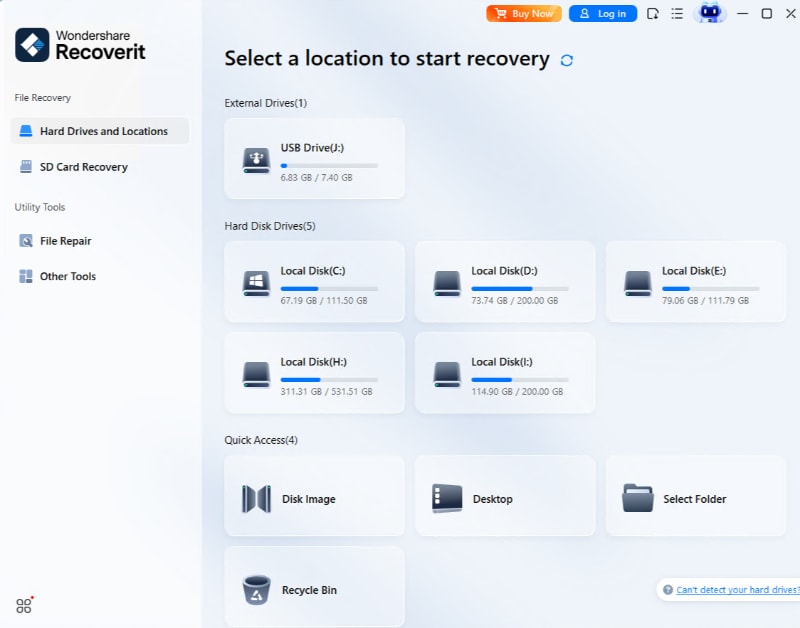
Step 1: Select the Location
The first and foremost task is to select the location from which the files were deleted. Under the “Hard Disk Drives,” you can select the drive you want to recover. Now click on “Start” in order for the scanning process to begin.
Step 2: Scan the Location
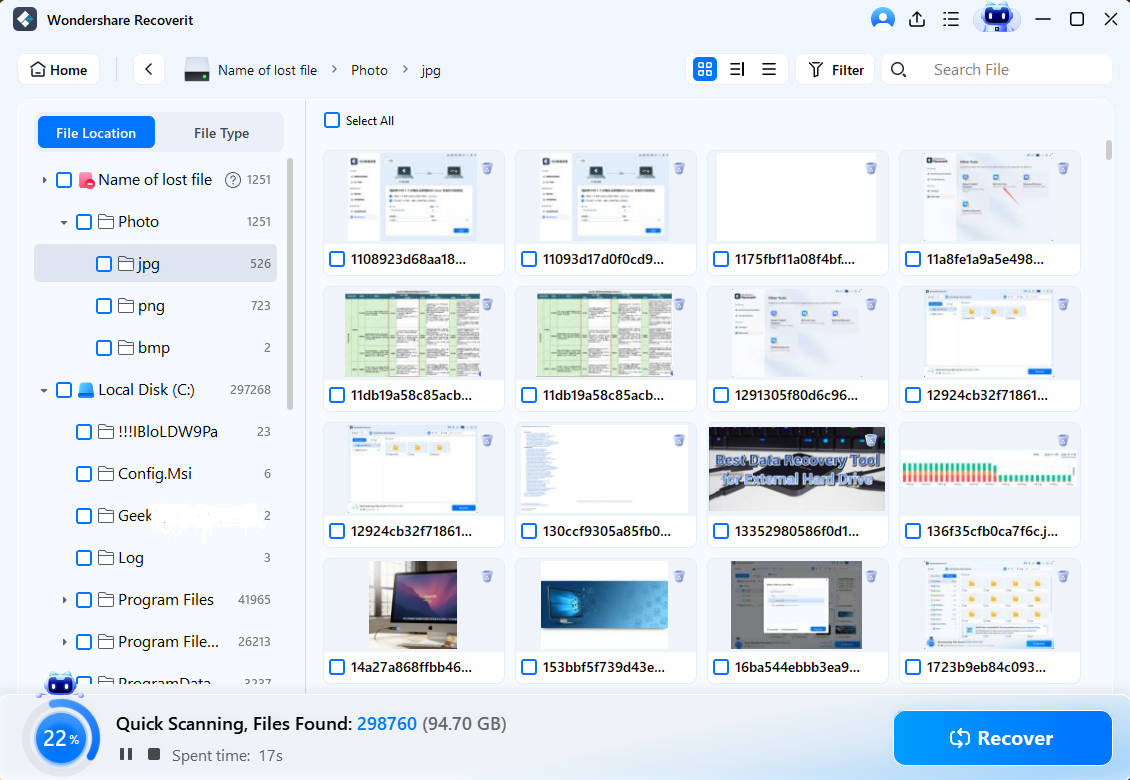
Based on the size of the data present in the disk, it can take from few minutes to even hours to scan. Recoverit offers a real-time display option, to view all the items while they are scanning. Recoverit also offers the flexibility to pinpoint files and even stop the scanning process all-along according to your convenience.
Step 3: Preview and Recover Files
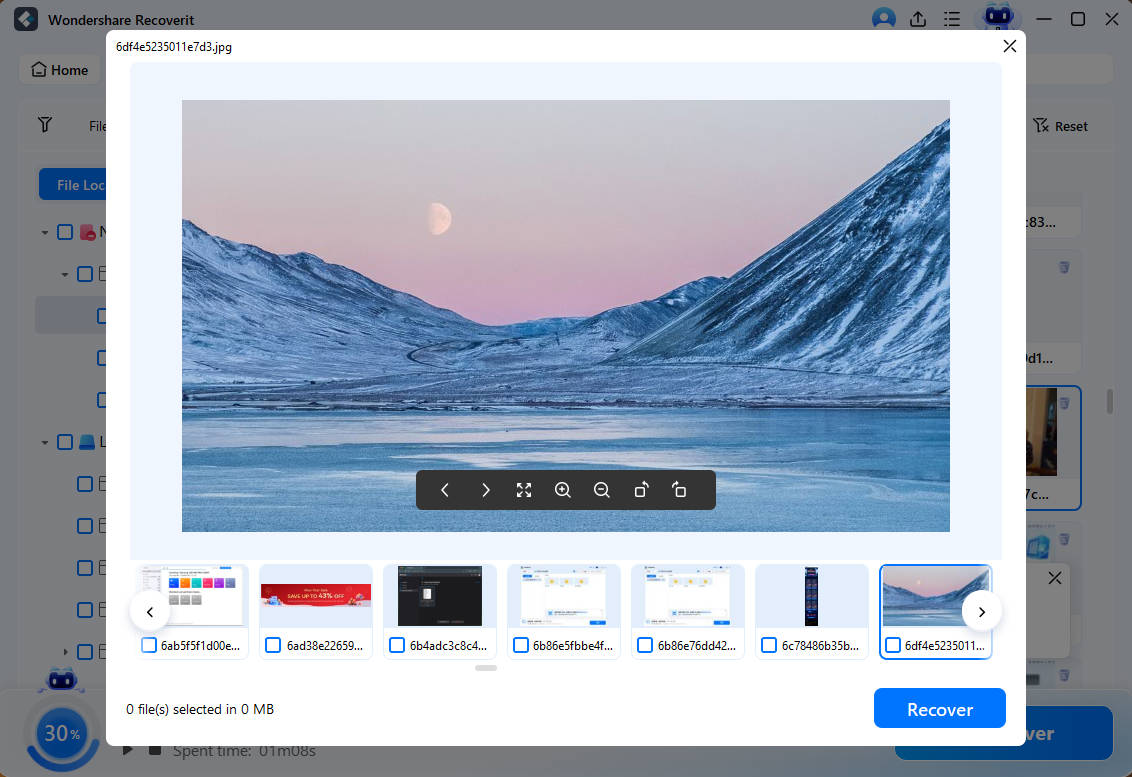
Recoverit will show you the file in the form of thumbnails. Now select the “Preview” button to get all the relevant information about the file. Recoverit supports a plethora of file formats for preview including images, documents, videos, and even emails.
Step 4: Recovering Your Files
Once you have reviewed all the files, you can just simply confirm them before backing them up. Select the “Recover” button will enable you to retrieve all of your lost data.
Video Tutorial on How to Recover Files from Hard Drive?

Part 3: Alternative Native Methods to Recover Files
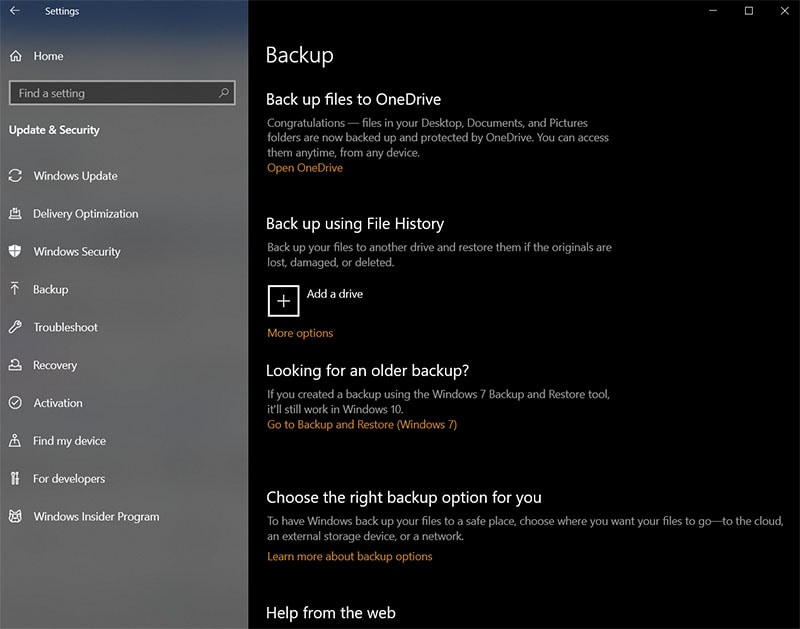
Method 1: Restore Files via Windows File History Backups
If you turned on the native Windows File History backup engine before your files were deleted, you can roll back your folders to a previous state to retrieve them.
Step 1. Locate the Source Folder Location
Open File Explorer and go to the folder where your deleted files used to be saved (e.g., C:\Users\Username\Documents).
Step 2. Open the Previous Versions Panel
Right-click inside the empty space of the folder, select Properties, and click on the Previous Versions tab at the top.
Step 3. Select and Restore a Saved Snapshot
Browse through the list of dated folder backups. Select a version created before your data was deleted, click the drop-down arrow next to Restore, and select Restore To to save the files to a safe location.
Method 2: Using System restore
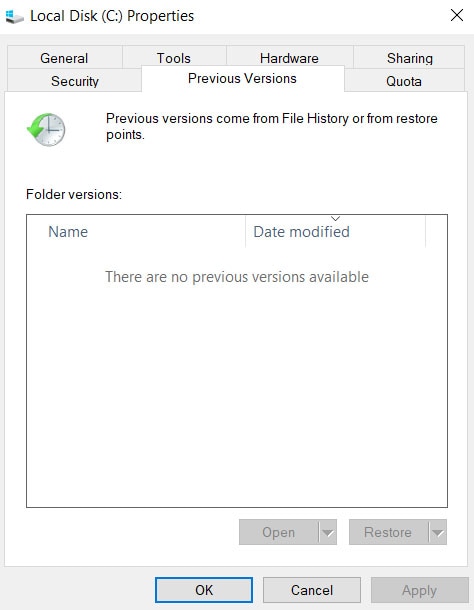
Step 1: In order to use System Restore, first of all, head over to the folder where the used to reside. For example, C:\. Just right click on the drive, and choose “Restore Previous Versions.”
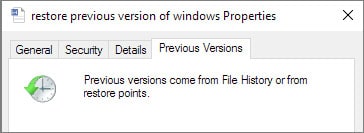
Step 2: All the previous versions of the file will be listed. Choose the one you want to restore and you are good to go.
Method 3: Use Microsoft Windows File Recovery (Command Line Utility)
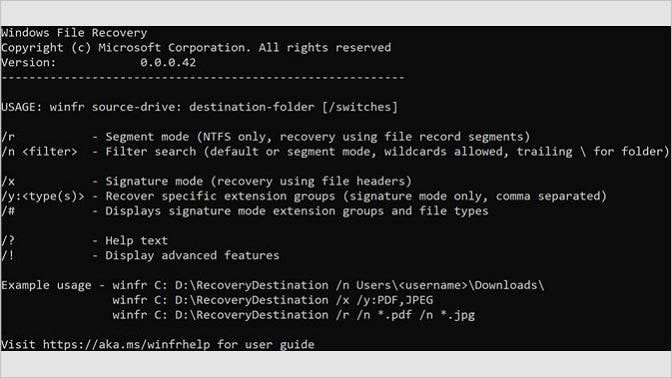
For users comfortable with command-line tools, Microsoft offers a free command-line utility called Windows File Recovery (winfr) through the Microsoft Store.
To use it, launch an elevated Command Prompt window as an administrator, and type your recovery command based on your situation:
- To recover a single specific file:
winfr C: D: /n \Users\Gavin\Documents\Reports\importantreport.docx - To recover an entire file type folder group (e.g., JPEG and PNG images):
winfr C: D: /n \Users\Gavin\Pictures\*.JPEG /n \Users\Gavin\Pictures\*.PNG - To search and recover files using a specific keyword string flag:
winfr C: D: /r /n *report*
4. Retrieve Data from Cloud Storage Recycle Bins
If you use cloud backup services like Microsoft OneDrive or Google Drive, deleting a file on your local computer often moves it to an online cloud recycle bin instead of permanently erasing it.
- OneDrive Recovery Steps: Log into the web interface for OneDrive, click on Recycle bin in the left sidebar menu, select your deleted files, and click Restore.
- Google Drive Recovery Steps: Open your online Google Drive dashboard, click Trash in the left-hand panel, right-click your missing files, and select Restore.
Video tutorial: Recover Deleted Files on Windows 10/8/7 Easily
Part 4: Tips to Avoid Deleted Files Become Unrecoverable
As we have stated throughout the article, file recovery can get complicated at times. There are several parameters that need to be checked, in order to recover the data. So, here are some of the best tips through which you can keep your deleted data from ever being unrecoverable.
- Try to use the hard drive as little as possible
If you want to make your data 100% recoverable, make sure you make the least usage of the hard drive. Right after deleting any important file, power off your computer. This, in turn, will restrict Windows from making any changes to the drive. You can just plug the hard drive into another computer and perform a file recovery.
- You should recover the file as soon as possible
Windows is constantly writing and overwriting data on your hard drive. So, the best way to ensure that your file doesn’t become unrecoverable is to recover them ASAP. Right after you find that you have lost your data, it is always advised to immediately perform file recovery. This will restrict the reference point for the data from vanishing.
The Bottom Line
In this article, we have discussed some of the most effective ways in which you can recover data from your Windows computer. Just bear in mind, right after deleting a file, look around for the same. If you have deleted your file the conventional way, Recycle Bin is where your file is going to end up.
But, just because it's been deleted doesn’t mean it's gone forever. You can always recover deleted files using any professional data recovery software. Recoverit Data Recovery can easily scan your hard disk and restore deleted files with ease. S, you don’t have to worry about losing your files ever again.
People Also Ask
- How long is too long before a file is unrecoverable?
Just because you have emptied your recycle bin, doesn’t really means your data is gone forever. But, if you wait for a longer duration of time, your file can become unrecoverable. Right after permanently deleting a file, your system marks the space as empty. Unless new files overwrite them, there is still scope for recovery. Anything past that and your data is gone forever.
- Why are some deleted files not 100% recoverable?
Ever after using data recovery software, there are several instances where you can’t completely recover data. One of the most common reasons being, right after deleting the data, new data overwrites them. If your data loss has occurred due to physical damage to the storage device, chances are your data may not be 100% recoverable. Bad sectors are yet another reason for data corruption which results in the same.
- Will a data recovery program undelete anything ever deleted?
The answer is straightaway NO. In fact, there is no data recovery software that can actually undelete everything. With the presence of data blocks on your storage device, data are constantly being read and rewritten. The file system actually keeps track of all the data that are present on the drive. But right after deletion, it stays on the blocks as long as new data overwrites them. So, you can only recover the data that hasn’t been written with a new one.


Amy Dennis
staff Editor