

 TL;DR:
A "not formatted" SD card error usually indicates a broken file-system index rather than physical damage, meaning you must immediately halt all writes and recover existing data before executing any formatting or repair commands.
● Native OS repair tools like Windows chkdsk /r, diskpart clean, and macOS First Aid actively rewrite regions of the card, making it strictly necessary to extract files to a different physical drive using raw block scanners like Recoverit beforehand.
● Fix the root cause sequentially by disabling physical write-protection, running "attributes disk clear readonly" in diskpart, or using Disk Management to format FAT32 for cards 32 GB and under and exFAT for capacities up to 2 TB.
● Utilize the official SD Association Formatter if OS-level formats are rejected, but permanently retire the card if it displays hardware failure symptoms such as capacity mismatches, recurring reader disconnects, or chkdsk reports exceeding five bad sectors per gigabyte.
Ask AI for a summary
 ChatGPT
 Perplexity
 Gemini
 Claude
 Grok
Grok
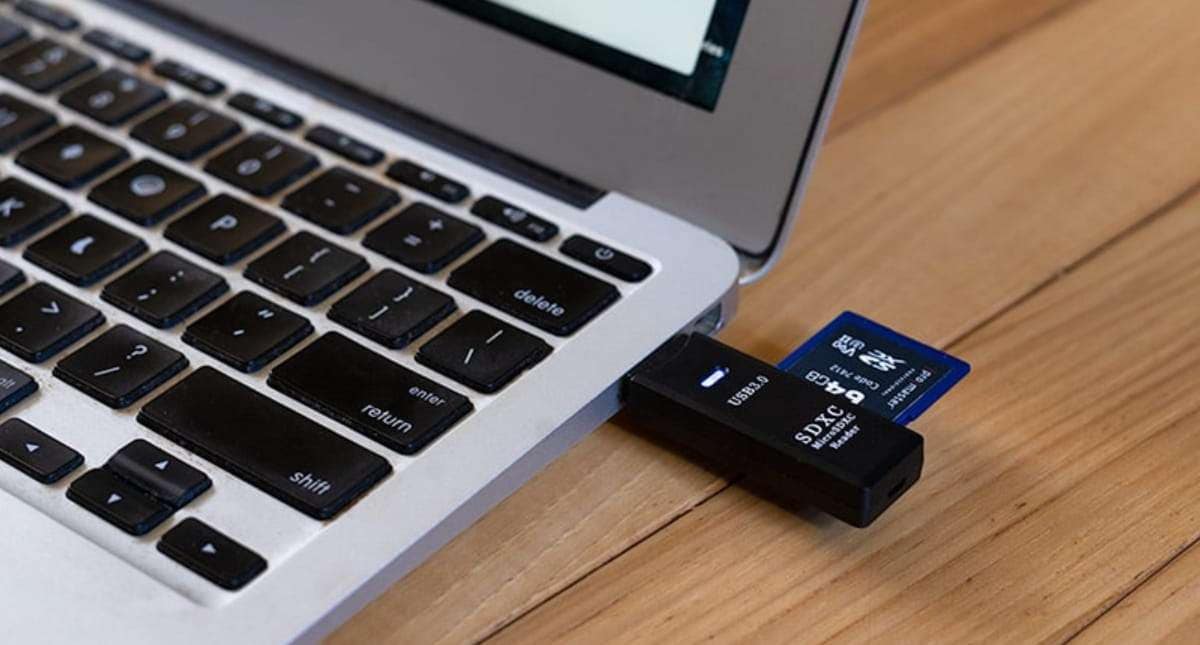
If Windows or macOS keeps saying your SD card is not formatted, the next move is not to fix the card. The first move is to protect whatever is still readable on it. This guide walks through the six safest ways to fix a card that will not reformat, in the order that prevents data loss, and shows when Recoverit becomes the correct next step.
Quick Answer. An SD card that shows "not formatted" or "unable to format" is reporting a broken file system, not a dead card. Stop writes to the card, run a recovery scan first, then use the OS-native fix that matches the fault (write-protection, drive letter, chkdsk, diskpart clean, or Disk Utility Erase).
- Read this first: a "not formatted" error almost always describes a broken file-system index, not physical damage. The card is usually still readable.
- Protect your data: stop writes to the card, then run a recovery scan before any repair or format action.
- Most likely cause: write-protection, file-system corruption, or bad sectors. Each has a different, safe fix.
- If the card is critical: use Recoverit SD Card Recovery to copy files off it before formatting. Recovery software cannot retrieve data after overwrite.
In This Article
Part 1. Why an SD Card Stops Formatting
An SD card stops formatting in three repeating scenarios: write-protection is on, the file system is corrupted, or the card has damaged sectors. Knowing which one matches your symptom saves time, because the fix is different for each. The four Windows messages "the disk is write protected", "the directory is corrupted", "Windows was unable to complete the format", and "the parameter is incorrect" all point to a fault below the file-system layer, not to a dead card.
The Four Real Causes
"Card is not formatted" reads like a statement about the card itself, but it almost always describes the file system on the card. The card's flash memory is usually still intact, and the index that records where each file lives is what breaks. The same fault triggers a slightly different message on cameras, Android phones, and Macs. Cameras and Android phones tend to ask "the card is not formatted, format now?", while Windows shows "the parameter is incorrect" or "the directory is corrupted", and macOS shows "unreadable, initialize now?" or lists the volume as read-only.
| Symptom | Most Likely Cause | Where to Look First |
| Card works on phone but not in PC reader | File system the PC cannot read (exFAT, APFS, Linux ext4) | Check the reader, then format a known-good copy |
| Card was working, now "not formatted" | Sudden ejection or power loss corrupted the index | Stop using it, run recovery scan, then check file system |
| Card is read-only everywhere | Write protection on (physical switch or attributes) | Physical lock, then diskpart clear readonly |
| Card shows 0 bytes or smaller than labeled | Damaged controller or bad sectors | Clone first, run recovery on the clone, replace the card |
Will Formatting Cause Data Loss?
Yes. Quick format overwrites the file-system index, so references to existing files disappear. The underlying photo and video bytes usually stay on the card for minutes, days, or weeks depending on capacity, until new data overwrites them. That is why file-recovery tools can usually pull photos back if you stop using the card right away. chkdsk with the "/r" switch and diskpart "clean" are even more aggressive than quick format, because they wipe the partition table. Always recover first if anything on the card matters.
Part 2. Before You Try to Format: Recover Data First
Every repair step in Part 3 and Part 4 changes files on the card. Even the Windows "repair this drive" option and the macOS "First Aid" tool may quietly rewrite regions of the card to fix the file system. Reading from the card is safe; writing to it is not.
The Three-Minute Safety Rule
After seeing the "not formatted" error on a card that holds photos, videos, or anything you cannot lose, follow these three moves before any repair action.
- Stop writes: stop using the card and the device that put files on it. No more photos, no more recordings, no more syncs.
- Leave the card in place: ejecting can hide the volume again on a subsequent reinsert.
- Read-only first: connect the card to a Windows PC or Mac with a working reader and run a recovery scan on the card before you run any repair tool.
If the card still mounts the volume correctly, copy visible files to a different drive first. The risk comes only from tools that write to the card.
Scan the Card With Recoverit
Recoverit reads directly from a card that the operating system sees as "not formatted", because it scans the entire surface for known file signatures instead of relying on the file-system index. Use it when any of these apply.
- Empty folders: the card still appears in File Explorer or Disk Utility but its folder structure is empty.
- Format prompt: the card asks "do you want to format the disk now?" and you declined.
- Important files: files existed on the card before the error and you need at least some of them.
Part 3. Windows Fixes: 5 Methods in Safe Order
These five methods run from cheapest to most destructive on the card. Always back up or recover before moving down the list.
Clear Write Protection With diskpart
The cheapest fix. If the card is locked at the SD controller level, no repair tool will be able to write to it until this is cleared.
Step 1. Slide the physical lock switch on the side of the SD card to the unlocked position.
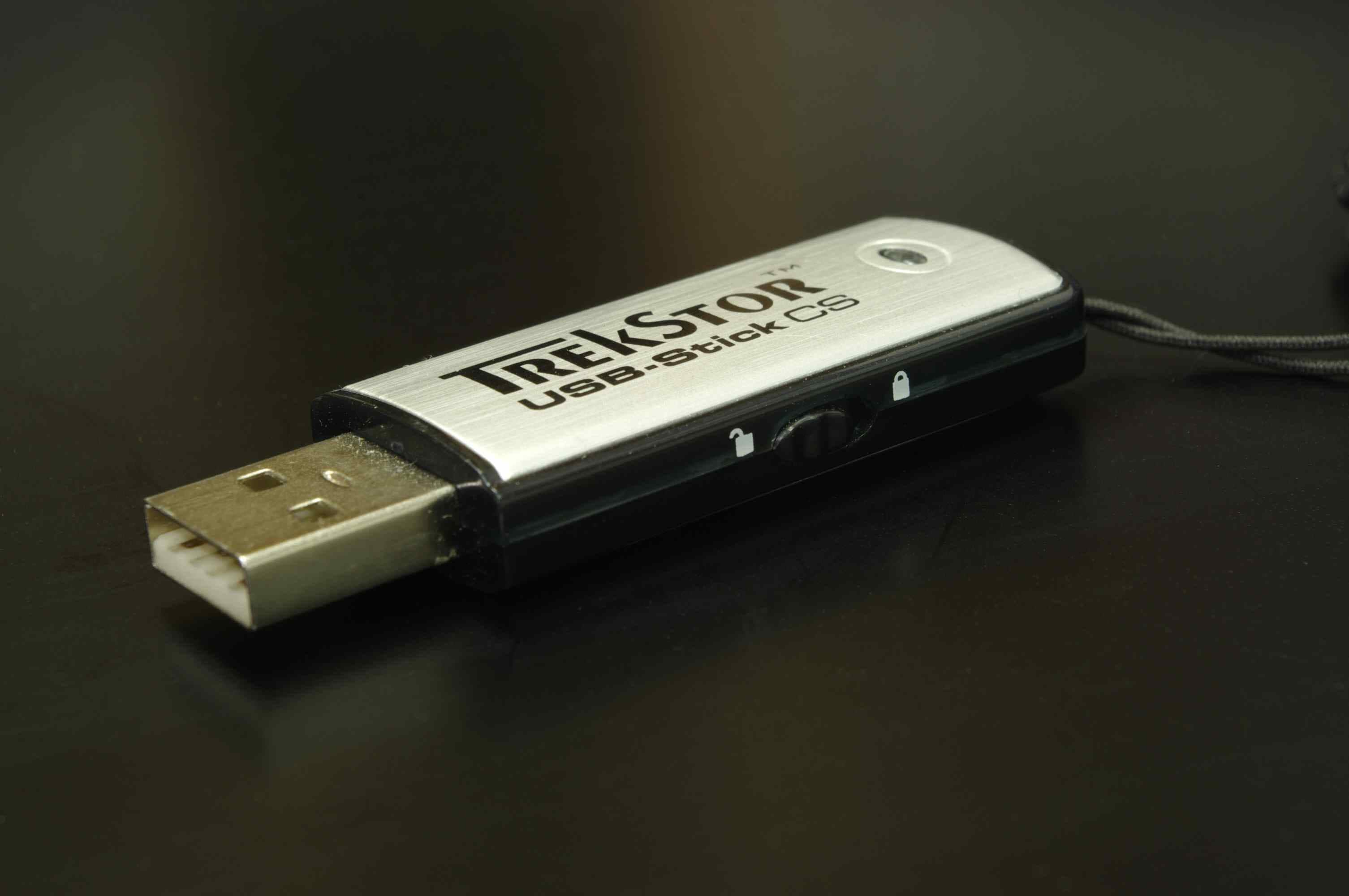
Step 2. Press Win + R, type "diskpart", then press Enter. Approve the User Account Control prompt.
Step 3. Type "list disk" and press Enter. Identify the SD card by its size, usually the smallest disk in the list.
Step 4. Type "select disk N" (replace N with the SD card's number) and press Enter.
Step 5. Type "attributes disk clear readonly" and press Enter.
Step 6. Type "exit".
You will see "Disk attributes cleared successfully." Try formatting the card in File Explorer. If Windows still refuses, move to Section 3.2.
Assign a New Drive Letter in Disk Management
Disk Management can see volumes File Explorer cannot, including the partition on a damaged SD card.
Step 1. Right-click the Start menu and pick "Disk Management".
Step 2. Locate the SD card by size and right-click its partition.
Step 3. Pick "Change Drive Letter and Paths".
Step 4. Click "Change", pick a drive letter that is not in use (for example, M:), then click OK twice.
The card should now show up in File Explorer under the new drive letter. If the partition is listed as "RAW" or "Unallocated", go straight to Section 3.5 (diskpart clean); chkdsk will not help on RAW volumes.
Format the SD Card in Disk Management
Disk Management's format dialog is more permissive than the File Explorer quick format. Use it when Windows says "the directory is corrupted" or "the parameter is incorrect" during a normal format.
Step 1. Open Disk Management as above.
Step 2. Right-click the SD card partition and pick "Format".
Step 3. Pick a file system: FAT32 for cards 32 GB and under used in cameras, drones, and 3DS/Switch; exFAT for cards up to 2 TB used in newer GoPros, drones, and Android tablets; NTFS only if the card is for Windows file storage.
Step 4. Set "Allocation unit size" to "Default" and leave "Perform a quick format" checked.
Step 5. Confirm the warning that the volume will be erased.

Note: If the format fails with "the volume is in use" or "the device is busy", close everything that might be touching the card (including OneDrive and antivirus) and retry.
Repair Bad Sectors With chkdsk Before Reformatting
chkdsk "/f" repairs file-system errors, "/r" locates bad sectors and tries to recover readable data, and "/x" forces the volume to dismount first so the scan can start. Run this only after you have recovered what you need, because "/r" writes a "found file" index on the card.
Step 1. Press Win + R, type "cmd", and press Enter.
Step 2. Type "chkdsk X: /f /r /x" (replace X with the drive letter you assigned in Section 3.2).
Step 3. Wait for scan completion. "/r" on a 128 GB card can take 30 to 90 minutes.
Step 4. Retry the format in Section 3.3 once chkdsk finishes.
If chkdsk reports "Windows has scanned the file system and found no problems" but the card still will not format, the issue is read/write reliability, not file-system corruption. Move to Section 3.5.
diskpart Clean and Create a New Partition
diskpart "clean" wipes the partition table. After this, nothing on the card can be recovered with file-system-level tools; Recoverit's deep signature scan can still find raw file bytes, which is why running recovery first matters. Use this only after Sections 3.1 through 3.4 have all failed and you are about to write the card off anyway.
Step 1. Open diskpart as in Section 3.1.
Step 2. Run "list disk", then "select disk N" (the SD card, identified by size).
Step 3. Run "clean". This writes zero to the first megabyte. "clean all" writes zero to the entire card but takes hours on big SD cards.
Step 4. Run "create partition primary".
Step 5. Run "format fs=exfat quick" (or "format fs=fat32 quick" for cards 32 GB and under).
Step 6. Run "assign letter=X".
Step 7. Run "exit".
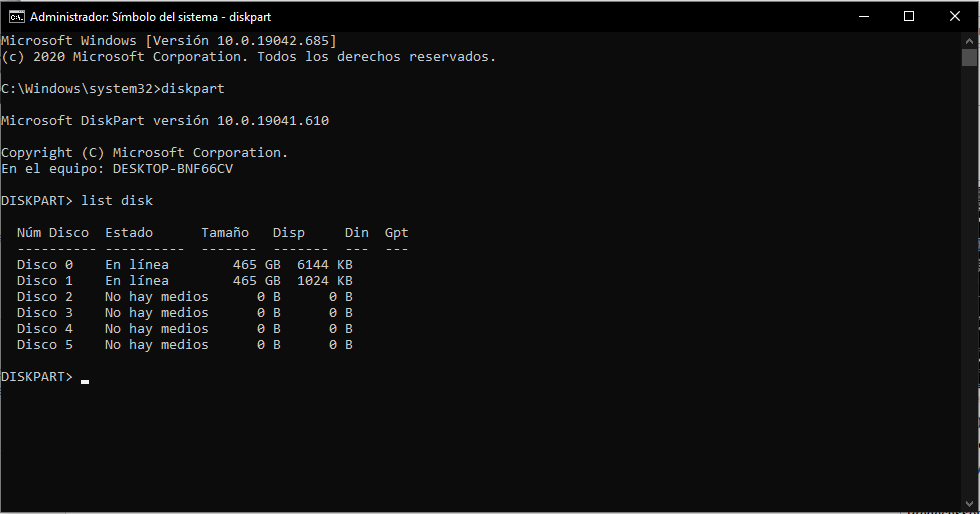
Part 4. macOS Fix: Erase in Disk Utility or Terminal
macOS reports the same symptom with two messages: "unreadable, initialize now?" for FAT/exFAT cards that lost their index, and "cannot repair, back up as many files as possible" when the file system is too damaged for First Aid. The fix sequence is the same: recover first, then erase.
macOS First Aid on the Card
Step 1. Plug in the card via a known-good reader.
Step 2. Open Disk Utility (Applications > Utilities).
Step 3. In the menu, set "Show All Devices". Select the SD card (the parent entry, not the volume underneath).
Step 4. Click "First Aid". macOS will scan with photorefs, repair the catalog, and check the file system. Decline any "Initialize" prompt; that would erase the card.
If First Aid reports "the underlying task reported failure", the card has structural damage that First Aid cannot fix. Move to Section 4.2.
Erase With Disk Utility
Step 1. In Disk Utility, click the SD card's volume (not the parent device) and click "Erase".
Step 2. Pick a scheme: MS-DOS (FAT) for cards up to 32 GB used cross-platform, ExFAT for larger cards, Mac OS Extended (Journaled) only when the card is exclusively for Time Machine.
Step 3. Click "Erase" and confirm any prompts.
diskutil eraseVolume From Terminal
Step 1. Open Terminal (Applications > Utilities > Terminal, or Spotlight).
Step 2. Type "diskutil list" to find the SD card. Identify it by "/dev/diskN" and by size.
Step 3. Unmount it: "diskutil unmountDisk /dev/diskN".
Step 4. Format in place: "diskutil eraseVolume ExFAT MyCard /dev/diskN" (replace "MyCard" with a label; swap ExFAT for "MS-DOS FAT32" on cards 32 GB and under).
Step 5. Wait for the green "finished" message.
Note: If Terminal returns "Resource busy", close Finder windows on the card, eject any connected phone app, and retry.
Part 5. Still Stuck? Try the SD Card Formatter
If Section 3.5 or Section 4.3 also fails, the card's flash translation layer is rejecting writes. Before assuming hardware failure, run the official SD Association formatter, which unconditionally issues block-format commands the OS GUI sometimes skips.
The Free SD Association Formatter
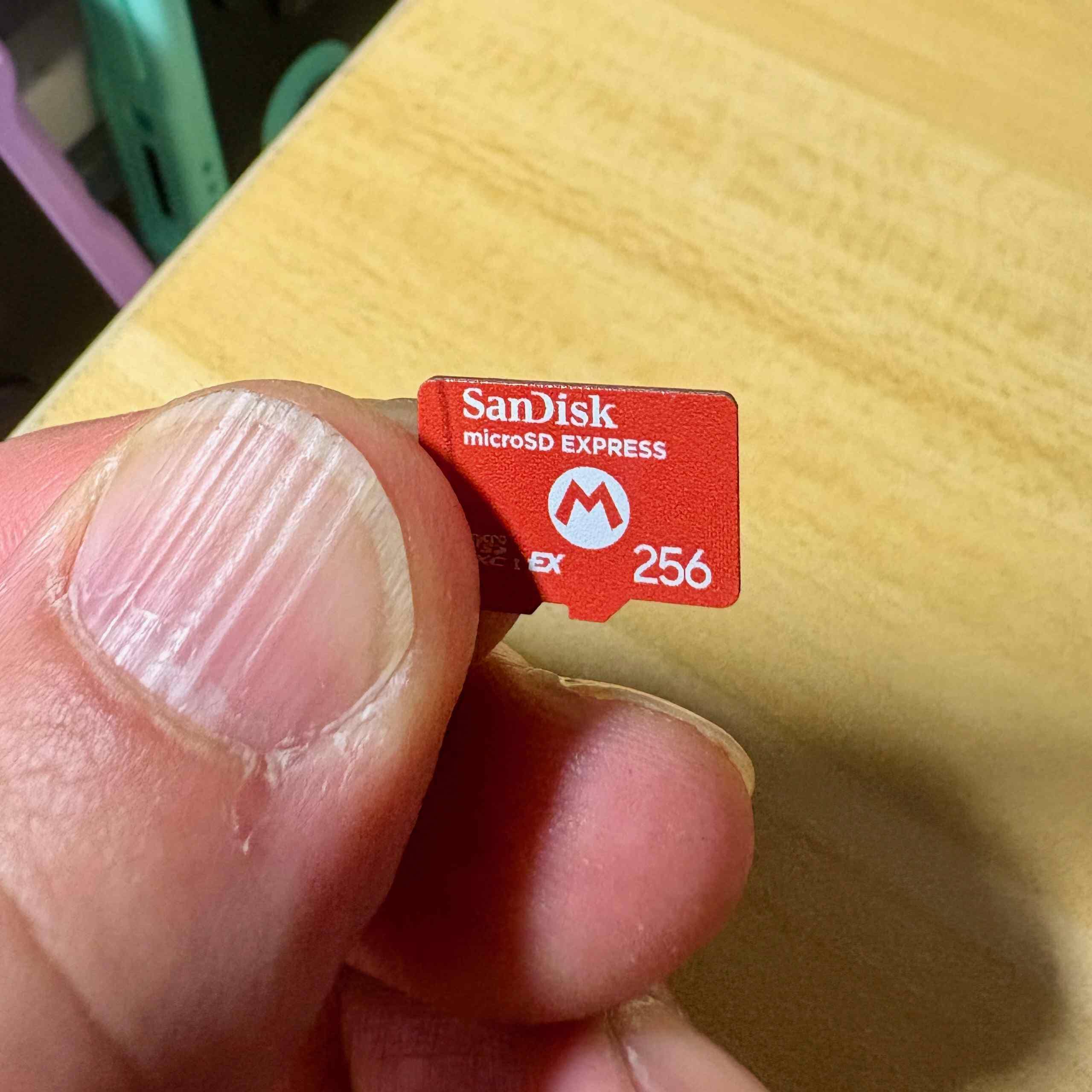
The SD Card Formatter from the SD Association is the same routine SD vendors ship in the box. It writes the SD spec-compliant format, which most card readers rely on for reliable operation. Windows and macOS versions are available. Run it after recovery but before replacing the card; it can sometimes revive a card that Disk Management and Disk Utility both refuse.
When to Suspect Hardware Failure
Stop force-reformatting when you see any of these signs.
- Repeated disconnects: the card drops off the reader during the format.
- Formatter self-test failure: SD Card Formatter reports "memory card write protected".
- High bad-sector count: five or more bad sectors per GB reported by chkdsk /r.
- Capacity mismatch: real capacity around half of what the card label claims.
- Physical damage: visible cracking on the card, water staining, or unusual heat when plugged in.
These symptoms mean the flash cells are failing. Continuing to force-reformat can corrupt the controller further. Once data has been recovered to a different drive, retire the card. For cards still under warranty, contact the manufacturer first: SanDisk, Lexar, Samsung, and Sony all have non-recovery RMA workflows.
Part 6. How to Recover Lost Data After an SD Card Won't Format
Recovery after a "not formatted" failure is different from file-system repair. File-system repair rebuilds the SD's index, which only helps if the original data blocks are still good. Data recovery reads raw blocks and matches against known file signatures, so even an unreadable FAT/exFAT index is bypassed. Run recovery before repair whenever possible.

Using Recoverit on Windows or macOS
Step 1. Plug in the SD card through a working reader. Do not reformat first.
Step 2. Open Recoverit and pick the SD card from the list of locations. Pick the card's entry by name or capacity, not by drive letter alone.
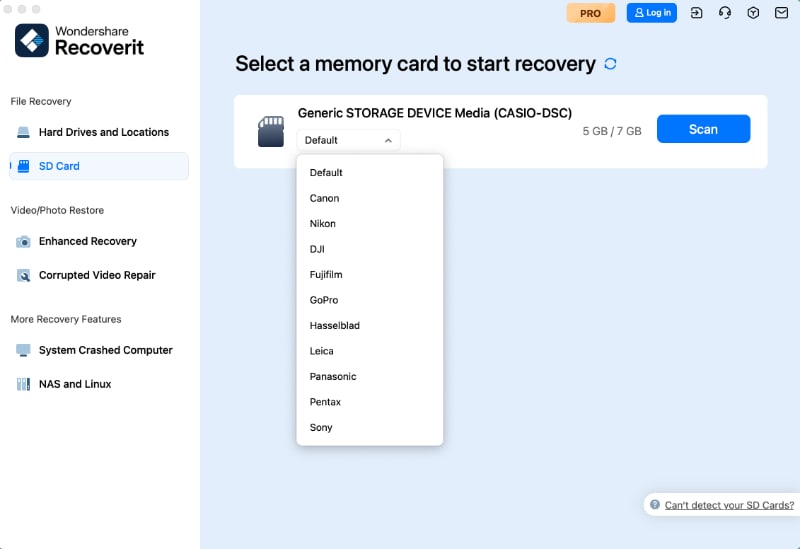
Step 3. Start the scan. Run an all-around scan rather than a quick scan for best results on a corrupted file system.
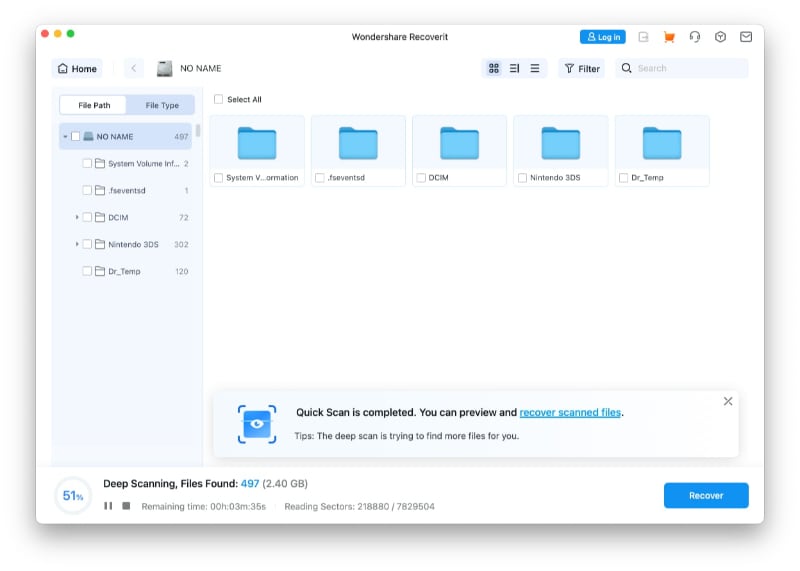
Step 4. Once the scan finishes, filter by file type (photo, video, document) and date range to find your target files. Preview before saving.
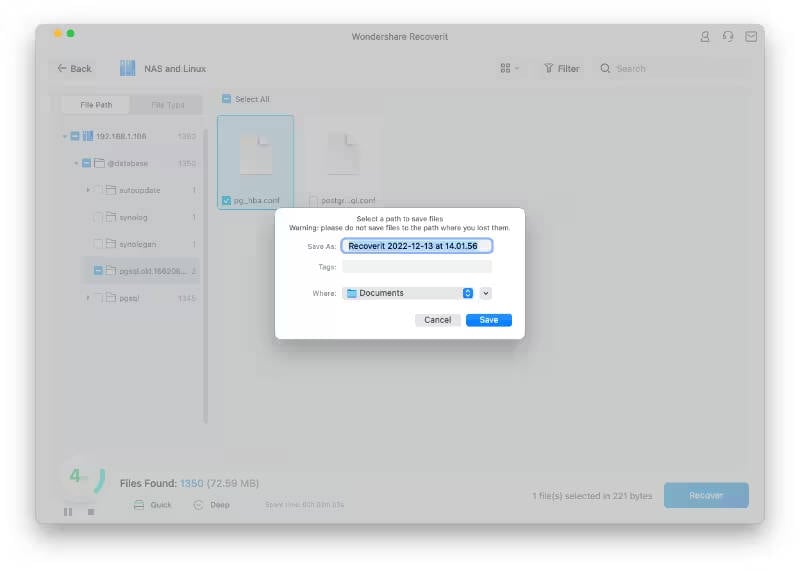
Step 5. Save recovered files to a different physical drive. Saving back to the same card overwrites the blocks you are trying to recover.
Recover Lost Data After an SD Card Won't Format
 Security Verified. Over 7,302,189 people have downloaded it.
File-System Repair vs Data Recovery
| Approach | What It Changes | What It Cannot Recover |
| chkdsk /f or First Aid | The card's file-system index only | Files already overwritten by new data |
| chkdsk /r | The card's file-system index plus bad-sector markers | Blocks marked bad by the controller |
| diskpart clean or Disk Utility Erase | Wipes the card | Everything on the card (use recovery first) |
| Recoverit deep scan | Only writes the recovered files into a different drive | Files overwritten by writes after the failure |
For complete recovery, the card should sit untouched in the reader while a deep scan runs. Disconnects, write-block reservation, and SSD wear leveling all add complexity, but none change the fact that the card's flash memory usually holds intact data blocks for hours to weeks after the card "fails".
Conclusion
An SD card that will not format is almost never a dead card. It is a card with a broken file-system index, a flipped write-protection bit, or a small run of bad sectors. Recover data first with a signature-based scan, then apply the OS-native fix that matches the fault: clear write-protection, reassign a drive letter, use Disk Management or Disk Utility to reformat, repair bad sectors with chkdsk, run diskpart clean, or fall back to the SD Association formatter. Save recovered files to a different drive, retire cards that fail hardware tests, and check the SanDisk recovery guide or the SD card repair tool comparison when the fault is brand-specific.
FAQ
-
What does "SD card is not formatted" mean?
It is the operating system's way of saying the file-system index on the card (FAT32, exFAT, NTFS, or similar) is unreadable. The card is usually still readable at the flash level, so a recovery scan can pull files back. Format only after saving what you can to a different drive. -
Why can't I format my SD card on Windows 11?
The most common reasons are write-protection (a physical lock switch or the "attributes disk clear readonly" state), a missing drive letter, a file system Disk Management is rejecting, or bad sectors. Try Sections 3.1 through 3.5 in order and recover important files first. -
Can a micro SD card be reformatted more than once?
Yes. SD cards are designed for thousands of rewrite cycles. Each format operation slightly wears the flash cells, but normal use will not hit the rated cycle limit during the card's lifetime. Run the SD Card Formatter now and then to keep the SD spec-compliant structure, and avoid cheap no-name cards that ship with mislabeled capacity. -
Is it safe to format a card that holds photos I have not backed up?
No. Quick format and diskpart clean both overwrite parts of the file-system index, so the photos will appear lost even if some bytes remain. Always run a deep recovery scan and save the recovered files to a different drive before formatting. -
Can I recover files from an SD card that will not format?
Yes, usually. Format failures mean the file-system index is broken, but the underlying photo and video blocks are typically still present on the card. Recoverit's deep scan reads raw blocks and matches them against known file signatures, so it has a chance to pull back photos, videos, documents, and other files as long as the card still appears in the operating system's device list. -
My Android phone asks if I want to format the card. Should I?
Not yet. Decline the format prompt and remove the card while the phone is off. Connect it to a computer through a working reader, run recovery software like Recoverit, then return to the phone and accept format only if the recovery step has saved what you need. Many "format now" prompts on phones replace the file system with one the phone understands, which is fine for reuse but destructive for the data. -
How long do recovered files linger on an SD card after a format?
On a 64 to 256 GB SD card used in a single-camera workflow, recovery can usually pull back at least the most recent photos for hours to days as long as no new files are written. Larger cards and small files (under 4 MB) tend to stay recoverable longer. This window closes once the card is reused for new recordings, so a quick scan and copy to another drive saves more than waiting.


