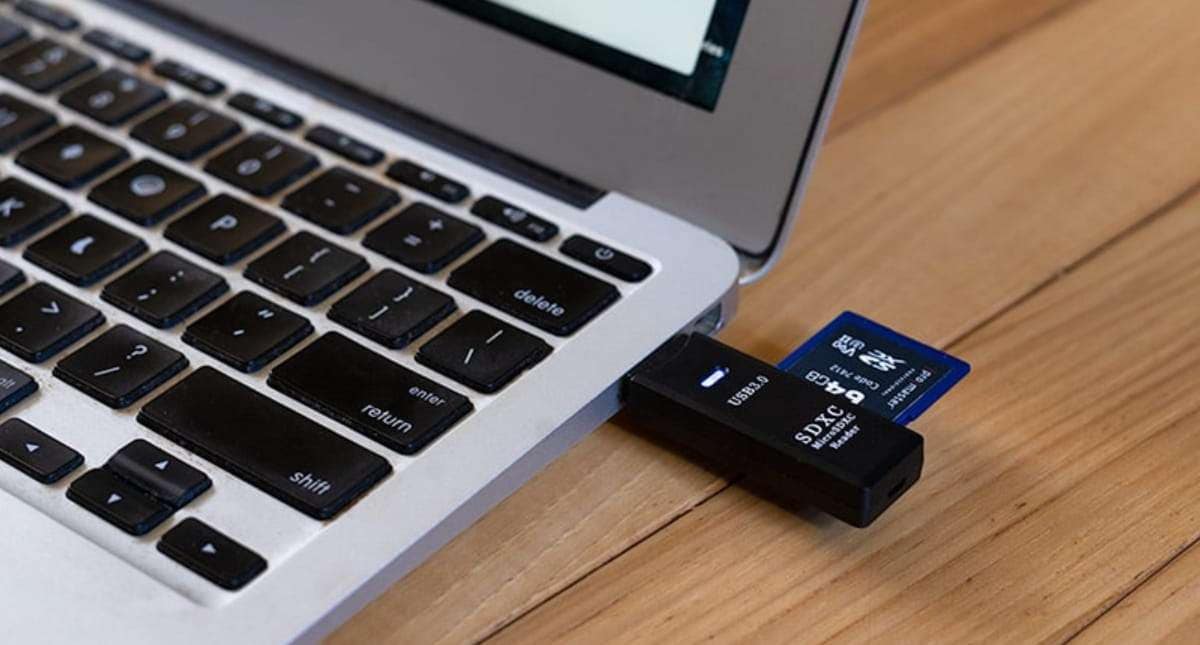


 TL;DR:
Because there is no universal SanDisk repair utility, you must match specific tools to the exact USB flash drive symptom: use Windows scan and repair or CHKDSK for file-system errors on readable drives, the Windows-only full-capacity restore tool for incorrect sizing, and DiskPart to rebuild partitions from scratch.
● Recover critical files using software like Recoverit or the SanDisk-linked RescuePRO before initiating any data-destructive processes, as CHKDSK writes file-system changes and formatting entirely erases the drive.
● The third-party full-capacity restore tool and Microsoft DiskPart clean command cause complete data loss and are only appropriate when you accept the irreversible destruction of the existing partition layout and files.
● Cease software repair attempts and consult a third-party professional data recovery company if the SanDisk drive is completely undetected across multiple computers, disconnects during scans, gets unusually hot, or shows 0 bytes, because utilities cannot fix underlying hardware failures.
Ask AI for a summary
 ChatGPT
 Perplexity
 Gemini
 Claude
 Grok
Grok
TL;DR: Quick Fix
- There is no single universal SanDisk USB repair tool download: use the tool that matches the exact problem on your flash drive.
- Start with low-risk checks first: if the drive is readable but shows errors, try Windows scan and repair or CHKDSK only after you back up or recover important files.
- Use destructive tools only when you accept data loss: restoring full capacity, DiskPart clean, repartitioning, and formatting erase data.
- If files matter, recover them before repair: use Recoverit USB recovery before you run formatting or destructive repair steps.
Quick answer: If you need a SanDisk repair tool for a USB flash drive, pen drive, or USB stick, match the tool to the failure you see. For a readable drive with file-system errors, start with Windows scan and repair or CHKDSK. For a drive that shows the wrong capacity, SanDisk support points to a destructive third-party full-capacity restore tool for Windows. For a drive that needs a clean rebuild, use DiskPart only after you accept full data loss. If your files still matter, recover them before any destructive repair step.
If you are looking for a SanDisk repair utility for a USB flash drive, pen drive, or USB stick, choose the tool by the problem you see. A readable drive with file-system errors, a drive with the wrong capacity, and a drive that is no longer detected do not need the same fix.
Fact-checked on September 9, 2026: repair and recovery steps on this page were checked against current SanDisk support, the current SanDisk software downloads page, SanDisk's current article on the full-capacity restore tool, SanDisk's current Windows error-testing guidance, and current Microsoft documentation for CHKDSK guidance and DiskPart.
In This Article
Part 1. Pick the right SanDisk repair path first
Pick the tool by symptom, not by keyword. A readable drive with directory or file-system errors needs a different fix from a drive that reports the wrong capacity or refuses to mount at all.
| If your SanDisk drive does this | Use this first | Do not start with |
| The drive opens, but Windows reports errors or asks to scan and repair | Windows scan and repair, then CHKDSK if needed | DiskPart clean or formatting before you copy or recover files |
| The drive shows the wrong size or lost capacity | The full-capacity restore tool on Windows | Random formatter downloads from unverified sites |
| The drive needs a complete rebuild and you accept data loss | DiskPart clean, create partition primary, and format | DiskPart before you confirm that no files need recovery |
| The drive is readable, but files are missing or deleted | Recover the files first | CHKDSK, clean, repartitioning, or full formatting |
| The drive is not detected, disconnects, gets hot, or stays at 0 bytes | Stop repeated repair attempts and move to support or professional recovery | Looping more repair commands after the drive disappears repeatedly |
If the drive still holds important files, protect them before you run any tool that writes changes to the file system or partition map.
Part 2. Repair a readable SanDisk USB flash drive
If your SanDisk USB flash drive still appears in Windows and opens at least part of the time, start with the least destructive tools first. SanDisk's current Windows guidance tells you to connect the drive directly to the computer, avoid a USB hub, and use Windows disk management scan and repair or other test-and-repair software when errors appear.
Method 1. Run Windows scan and repair
Use this method when Windows detects the drive and prompts you to scan and repair it, or when File Explorer shows file-system errors but the drive still mounts.
- Insert the SanDisk USB flash drive directly into a USB port on the computer.
- Open This PC and right-click the SanDisk drive.
- Open the Properties window and go to the Tools tab if that option is available on your Windows version.
- Choose the scan or repair option that checks the drive for file-system errors.
- Let Windows finish the check before you remove the drive.

If the drive opens after the scan, copy the important files to another location immediately. A repaired file system does not guarantee that the flash memory is healthy.
Method 2. Run CHKDSK after you protect the files
Use CHKDSK only after you back up readable files or recover important missing files. Microsoft's current guidance says to back up critical data before repair and to use CHKDSK to scan and repair NTFS volumes when corruption is present.
- Connect the SanDisk drive and note its drive letter.
- Open Command Prompt as administrator.
- Run a scan first if you want a non-writing check.
- Run the repair command only after you are ready for file-system changes.
- Let the repair finish, then test the drive and copy your files out if the drive opens normally again.
Use CHKDSK for file-system corruption, not for a drive that vanishes from Windows, shows the wrong size, or has clear hardware symptoms. If the drive stays unstable after repair, stop writing to it and recover the files before you try anything else.
Part 3. Restore a SanDisk USB drive to full capacity
If your SanDisk USB drive shows less space than it should, SanDisk support currently points to a Windows-only third-party utility to restore a memory card or USB drive to full capacity. SanDisk also warns that the process is data destructive and cannot be undone.
Method 3. Use the full-capacity restore tool on Windows
Use this path when the drive is detected, but the reported capacity is wrong and you already accepted data loss. If you are trying to download a SanDisk USB repair tool because the flash drive no longer shows its full size, this is the relevant repair path.
- Confirm that you no longer need any files on the SanDisk drive.
- Download the Windows-only full-capacity restore tool linked from the SanDisk support article.
- Right-click the downloaded file and choose Run as administrator.
- Select the correct SanDisk USB drive inside the tool.
- Format the drive and let the tool rebuild the capacity.

SanDisk support explicitly says all data on the drive will be lost during this process. Do not use this tool as your first step if your real problem is missing files rather than a wrong capacity report.
Part 4. Rebuild the drive with DiskPart only after data loss is acceptable
Use DiskPart when you need to wipe the existing partition layout and create a fresh partition on the SanDisk drive. Microsoft documents DiskPart as a command interpreter for managing disks, partitions, and volumes. The clean command removes partition and volume formatting from the selected disk, so use it only after you accept full data loss.
Method 4. Clean and recreate the partition
- Connect the SanDisk USB drive and open Command Prompt as administrator.
- Type diskpart, then run list disk and identify the SanDisk drive by size.
- Run select disk X with the correct disk number.
- Run clean only after you verify that you selected the correct disk.
- Run create partition primary, then format the new partition with the file system you need.
DiskPart is effective when the partition table is broken or the drive needs a complete rebuild, but it is the wrong starting point for file recovery. Double-check the disk number before you use clean.
Part 5. Recover files from a SanDisk pen drive before destructive repair
If the drive is still detected and your files matter, recover them before you format, restore full capacity, or run destructive partition tools. This is the safer order when you need SanDisk pen drive recovery or when a flash drive repair step would otherwise erase the data.
Method 5. Recover files with Recoverit

Recoverit USB Flash Drive Recovery can help you recover files from a readable SanDisk USB flash drive before you try destructive repair. SanDisk's own support pages also list RescuePRO downloads for deleted or formatted files, but SanDisk states that it does not perform data recovery services itself and does not provide troubleshooting for third-party software.
- Connect the SanDisk USB flash drive to the computer and open Recoverit.
- Select the USB drive and start the scan.
- Preview the recoverable files and save them to another drive, not back to the same SanDisk device.
After you save the recovered files somewhere else, you can return to CHKDSK, the full-capacity tool, or DiskPart with much lower risk.
Recover files from a SanDisk pen drive before destructive repair
 Security Verified. Over 7,302,189 people have downloaded it.
Part 6. Know when no SanDisk repair utility will fix the drive
Stop software repair attempts if the SanDisk drive is no longer detected, disconnects during use, reports 0 bytes, becomes unusually hot, or disappears across multiple computers. At that point, a repair utility may not fix the underlying hardware problem.
SanDisk's current data-recovery policy states that SanDisk does not perform data recovery services and that drives that are not working will need to go to a third-party data recovery company. If the files are valuable, stop repeated write attempts and move to professional help instead of forcing more repairs.
| Symptom | What it usually means | Safer next move |
| The drive is not detected on multiple computers | Controller, connector, or flash-memory failure | Stop software repair and move to support or professional recovery |
| The drive disconnects during copy or scan | Unstable connection or failing hardware | Try one direct USB port only, then stop repeated writes |
| The drive is readable but keeps returning errors | The file system may repair temporarily while the hardware keeps degrading | Recover files first, then replace the drive |
| The drive shows 0 bytes or nonsense capacity | Firmware, partition, or hardware failure | Use a restore tool only if data loss is acceptable |
Part 7. Compare the main SanDisk repair tools and utilities
| Tool | Best use | Writes changes to the drive | Use it when |
| Windows scan and repair | Basic file-system error checking | Yes, when repair starts | The SanDisk drive is detected and Windows offers repair |
| CHKDSK | File-system repair on a readable drive | Yes | You already protected the files and need a deeper Windows repair path |
| Full-capacity restore tool | Wrong size or lost capacity | Yes, destructive | The drive size is wrong and you accept total data loss |
| DiskPart | Rebuild partitions from scratch | Yes, destructive | You need a clean rebuild and the files are no longer needed |
| Recoverit | File recovery before destructive repair | No repair writes to the source drive | The drive is detected and your files still matter |
| RescuePRO | Deleted or formatted file recovery | No repair writes to the source drive | You want the recovery software that SanDisk support links to |
Conclusion
The best SanDisk repair tool is the one that matches the exact failure on your USB flash drive. Use Windows scan and repair or CHKDSK for readable file-system errors, the full-capacity restore tool when the drive reports the wrong size, and DiskPart only when you want a complete rebuild and accept data loss.
If your files still matter, recover them before you run destructive repair steps. If the drive is no longer detected or keeps disconnecting, stop software repair attempts and move to support or professional recovery.
FAQ
-
What is the best SanDisk repair tool for a USB flash drive?
The best tool depends on the problem. Use Windows scan and repair or CHKDSK for readable file-system errors, the full-capacity restore tool when the drive shows the wrong size, and DiskPart only when you want a full rebuild and accept data loss. -
Is there an official SanDisk USB repair tool download?
There is no single universal SanDisk USB repair utility download for every problem. SanDisk currently provides a software downloads page, links to a Windows-only full-capacity restore tool for specific capacity issues, and links to RescuePRO for file recovery. -
How do you repair a SanDisk flash drive without losing data?
Start by copying readable files or recovering missing files first. After that, use low-risk Windows tools such as scan and repair or CHKDSK. Avoid DiskPart clean, repartitioning, or destructive formatting until your files are safe somewhere else. -
Can you use CHKDSK on a SanDisk USB drive?
Yes, if the drive is detected and uses a Windows-readable file system. Back up or recover important files first because CHKDSK repairs the file system and writes changes to the drive. -
What if your SanDisk pen drive is not detected at all?
Try one direct USB port on another computer and avoid a USB hub. If the drive is still not detected, software repair tools may not help. Stop repeated repair attempts and consider support, warranty replacement, or professional data recovery if the files are valuable. -
Can Recoverit recover files before you format the SanDisk drive?
Yes. If the SanDisk drive is still detected, Recoverit can help you recover files before you run destructive repair steps such as formatting, full-capacity restore, or DiskPart clean. Save recovered files to another drive.


