

 TL;DR:
Stop using the damaged SD card immediately to prevent data overwriting, cancel all format prompts, and extract your files using recovery software like Recoverit only if Windows or macOS still detects the card with a normal, stable capacity.
● Save all recovered files to a separate, healthy internal or external drive before attempting to restore card access with CHKDSK or formatting, as these operating system tools modify partition metadata and can permanently destroy unrecovered data.
● Software cannot fix failing hardware, so if the SD card is physically broken, repeatedly disconnecting, or displaying as 0 bytes or No Media, halt all DIY scanning attempts to prevent further component degradation and consult a professional laboratory.
Ask AI for a summary
 ChatGPT
 Perplexity
 Gemini
 Claude
 Grok
Grok
Quick Answer: Stop using the card and cancel every format, initialize, or repair prompt. If Windows or macOS detects the SD card with its normal capacity and the connection is stable, recover the files first with Recoverit or another appropriate recovery tool, then repair or format the card. A cracked, bent, wet, burned, 0-byte, or repeatedly disconnecting card should not be scanned repeatedly; software cannot repair failed hardware.
Recovery Order: Protect the card, identify whether the problem is logical or physical, scan a readable card, save files to another drive, and only then try access-repair or formatting steps.
This guide covers damaged SD card recovery for deleted, formatted, hidden, corrupted, or inaccessible files. It also explains the important difference between a damaged file system and a physically damaged SD card. That distinction determines whether recovery software can help or whether further testing may make the situation worse.
In This Article
Part 1. Can You Recover Data From A Damaged SD Card?
Whether you can recover data from a damaged SD card depends less on the error message and more on what the computer can still read. A card with logical corruption may be recoverable because the flash memory is still present even though the file system, partition table, or directory entries are damaged. A physically broken card is a hardware problem and needs a different response.
| Card Condition | What It Usually Means | Best First Action |
| Normal capacity, stable connection, missing or deleted files | Deletion, hidden files, or directory damage may be involved. | Stop writing and scan the card before using repair tools. |
| Windows asks to format the card, but the capacity looks correct | The file system may be corrupted or unsupported. | Cancel the prompt and recover files before formatting. |
| The card appears as RAW, unallocated, or an unknown file system | Partition or file-system metadata may be unreadable. | Use a recovery workflow first; do not create a new volume yet. |
| 0 bytes, No Media, changing capacity, or repeated disconnects | A reader, controller, power path, or flash-memory failure is possible. | Try one known-good reader once, then stop repeated DIY scans. |
| Cracked, bent, burned, wet, or broken connector | The SD card is physically damaged. | Do not power it repeatedly; contact a professional recovery service. |
Logical Damage Versus Physical Damage
Logical Damage affects how the operating system organizes or finds data. Common examples include an interrupted write, an unsafe removal, a corrupted file system, a damaged partition table, accidental deletion, or a quick format. If the card remains detected with a stable capacity, software may be able to find and copy some or all of the remaining file data.
Physical Damage affects the card, contacts, controller, or flash components themselves. A broken microSD card, missing contact, liquid-exposed card, or card that shows no usable capacity may require controlled hardware work. Recoverit and similar software cannot replace a failed controller or repair a broken circuit.
That is why broken SD card data recovery and data recovery from a broken SD card should begin with a detection check. If the card is physically damaged but still mounts with a stable capacity, a careful read-only scan may be possible. If it is not detected, shows No Media, or disconnects, treat it as a hardware case. For a stable card with file-system errors, you can try to recover data from a corrupt SD card before attempting any repair or format.
Part 2. Stop Using The Card Before Recovery
When files are deleted or a file system becomes corrupted, new writes can overwrite the data that recovery software needs to find. Cameras can write more than the visible photo or video: thumbnails, indexes, metadata, and temporary files may also use the card. Protect the source before you attempt damaged SD card data recovery.
- Turn Off The Camera Or Device: Remove the card only after the device has stopped writing.
- Do Not Record Or Copy New Data: Do not record, copy, delete, or rename files. Do not use the card as temporary storage.
- Cancel Format And Initialize Prompts: Do not accept messages such as “You need to format the disk before you can use it.”
- Delay Repair Commands: Do not run CHKDSK, Disk Utility First Aid, DiskPart clean, partition deletion, or formatting before important files are protected.
- Use One Reliable Card Reader: A direct connection through a compatible reader is preferable to repeatedly testing the card in cameras, phones, hubs, and adapters.
- Prepare A Different Destination: Recovered files must be saved to the computer's internal drive or another healthy external drive, never to the damaged SD card.
Note: Do not judge the card by a single format prompt. Formatting may make the card appear usable again, but it can remove file-system information and reduce the chance of recovering files. Recover or back up the data first.
Part 3. Recover Data From A Damaged SD Card With Recoverit
When the card is still detected and stable enough to scan, Wondershare Recoverit can provide a guided workflow for damaged SD card recovery. It can search readable SD and microSD cards for deleted, formatted, or inaccessible photos, videos, documents, and other files on Windows or Mac. Preview the results where supported, and save selected files to another drive.

Recoverit is a data recovery tool, not a hardware repair tool. It cannot repair a cracked card, replace a failed controller, bypass encryption, or guarantee that every file will be recovered or playable. Use it only while the card is detected and its connection remains stable. For broader guidance, see Recoverit's memory card recovery resources.
Recover Files From A Corrupted SD Card
Use the following sequence when your SD card appears in Recoverit or in the operating system with a plausible capacity. The screenshots are placed directly below the related operation.
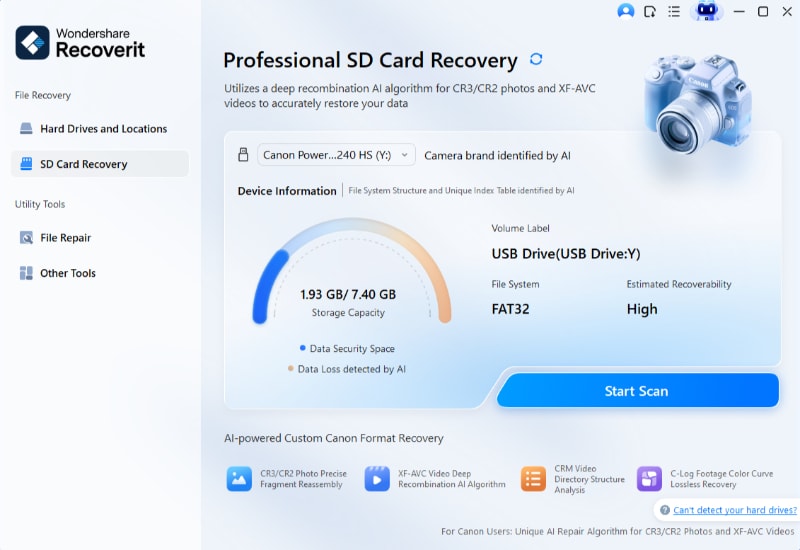
Step 1. Connect The SD Card And Open SD Card Recovery
Insert the SD card into a reliable reader and connect it to the computer. If Windows or macOS asks you to format or initialize the card, cancel the prompt. Open Recoverit and select the connected SD card or external device.
Step 2. Scan The Card For Lost Files
Start the scan and keep the reader connected. A damaged file system or a large camera card may take longer to scan than a simple deleted-file case. Do not use the card or disconnect the reader while the scan is running.
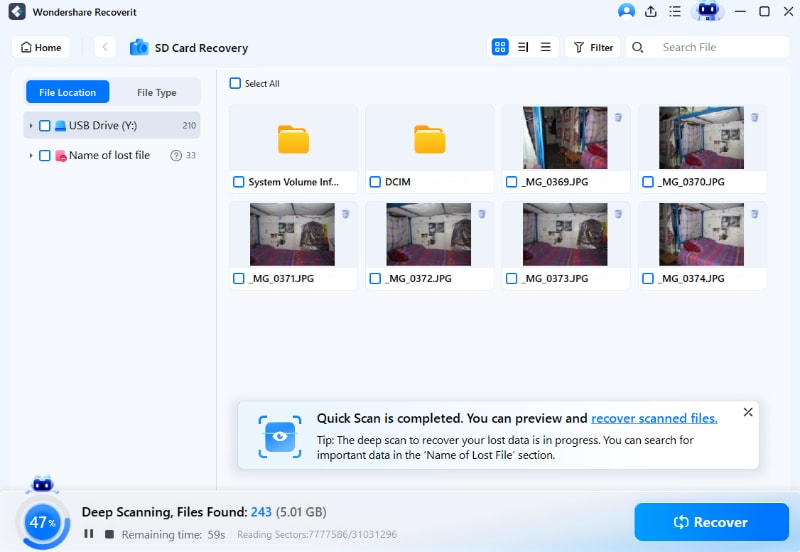
Step 3. Filter And Preview The Results
Filter by file type, path, or search term to find the files you need. For camera cards, common extensions may include .jpg, .jpeg, .raw, .arw, .mp4, .mov, .mts, and .m2ts, depending on the camera. Preview important photos and documents where available. For videos, check the file size, thumbnail, duration, and playback after recovery.

Step 4. Save Recovered Files To Another Drive
Select the files you want to recover and choose a destination on the computer or another healthy drive. Never save recovered files to the damaged SD card because doing so can overwrite other recoverable data.
Step 5. Verify The Recovered Data
Open representative photos and documents, play important videos, and compare file sizes. A recovered file name or thumbnail does not prove that all of its data is intact. If the files are valuable and the card becomes unstable during scanning, stop and consider professional recovery instead of repeatedly restarting the scan.
Recover Data From A Damaged SD Card With Recoverit
 Security Verified. Over 7,302,189 people have downloaded it.
Part 4. Restore Access After Your Data Is Safe
These Windows tools are for restoring access to a stable, physically functional card after important files have been recovered or backed up. They are not substitutes for data recovery, and some of them modify the card's file-system metadata. For command details, see Microsoft's CHKDSK documentation.
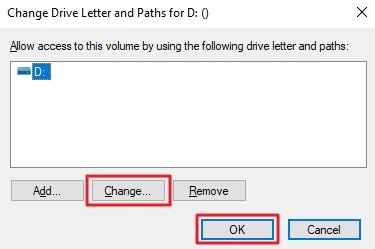
Assign A New Drive Letter
This can help when Disk Management detects the card but File Explorer does not show a usable drive letter. It does not repair physical damage or recover overwritten files.
Step 1. Open Disk Management, right-click the SD card volume, and choose Change Drive Letter And Paths.
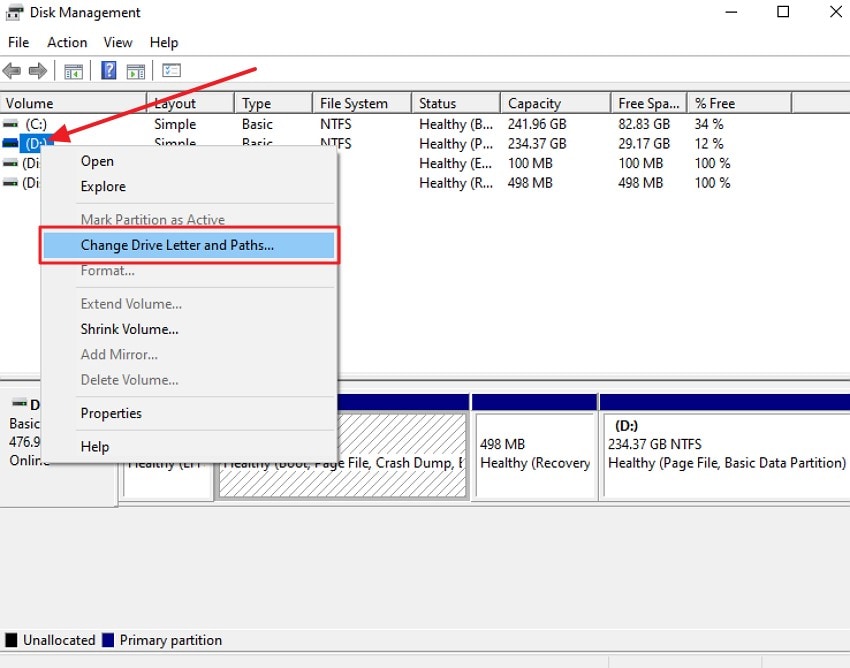
Step 2. Choose Change, select an unused drive letter, and confirm the change. If the card is listed as RAW, 0 bytes, or No Media, assigning a letter will not solve the underlying problem.
Use Windows Error Checking
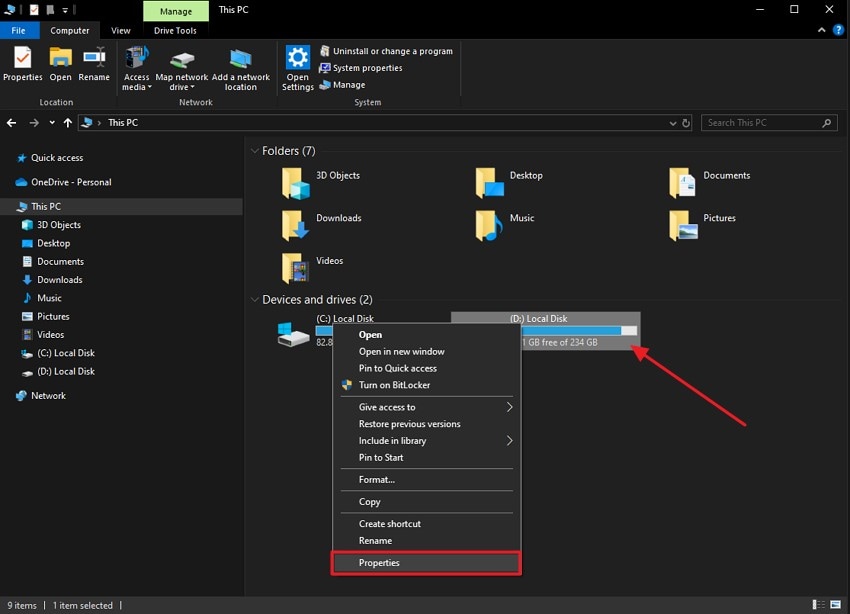
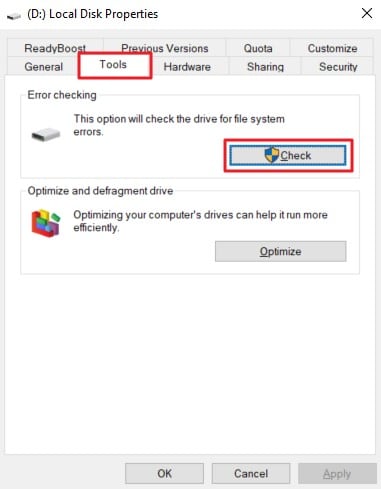
Windows Error Checking is a graphical file-system check. Use it only after your important data is safe and only when the card remains stable.
Step 1. In File Explorer, right-click the SD card, choose Properties, and open the Tools tab.
Step 2. Select Check and follow the Windows prompts. If the card disconnects, shows a changing capacity, or produces a hardware error, stop the check.
Run CHKDSK After Recovery
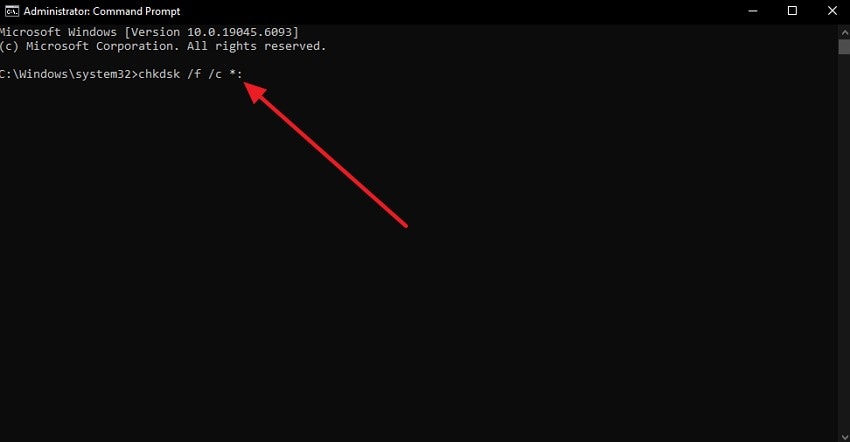
CHKDSK can check and repair logical file-system errors, but it can also change directory and allocation metadata. Do not use it as the first step when you need to retrieve data from a corrupted SD card. After recovery, replace E: below with the actual SD card letter.
Step 1. Search for Command Prompt, right-click it, and choose Run As Administrator.
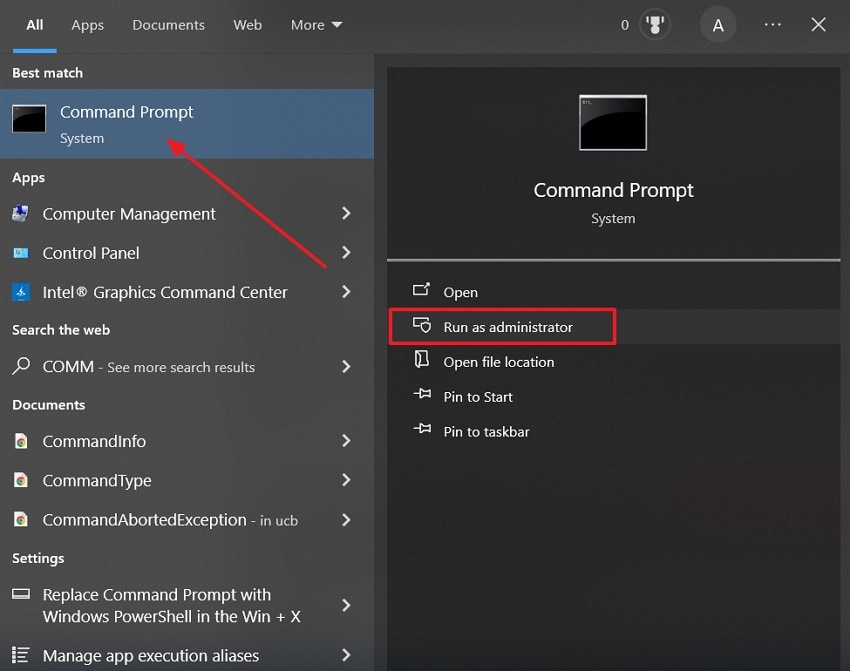
Step 2. Enter chkdsk E: /f and press Enter. Let the check finish. If Windows reports that the volume is RAW, inaccessible, or not present, do not keep forcing repair commands.
Recreate The Partition Only As A Last Resort
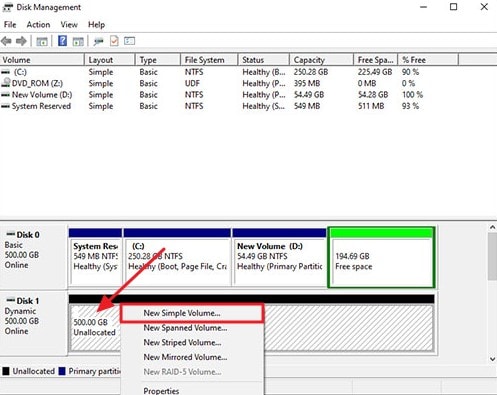
If Disk Management shows unallocated space and the data has already been recovered, creating a new volume can make the card usable again. This changes the partition layout and may remove information needed for later recovery. Do not use this option for an unrecovered card.
Step 1. In Disk Management, right-click the correct unallocated area and choose New Simple Volume. Confirm the disk number and capacity carefully before continuing.
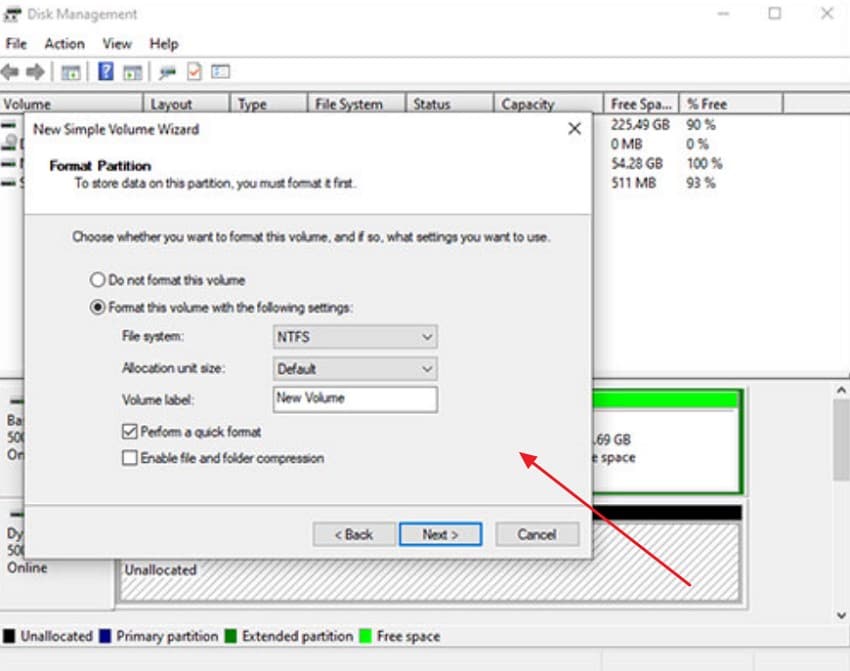
Step 2. Follow the New Simple Volume Wizard to assign a drive letter and choose a file system. If the card repeatedly fails during this process, replace it rather than continuing to write to it.
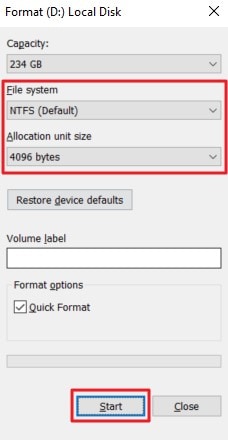
Format The SD Card After Recovery
Formatting is a last resort for a card whose files are already safe or no longer needed. It deletes the existing file-system structures and may not fix a card with failing flash memory or a bad controller.
Step 1. In File Explorer, right-click the SD card and choose Format. Confirm that you have selected the correct removable drive.
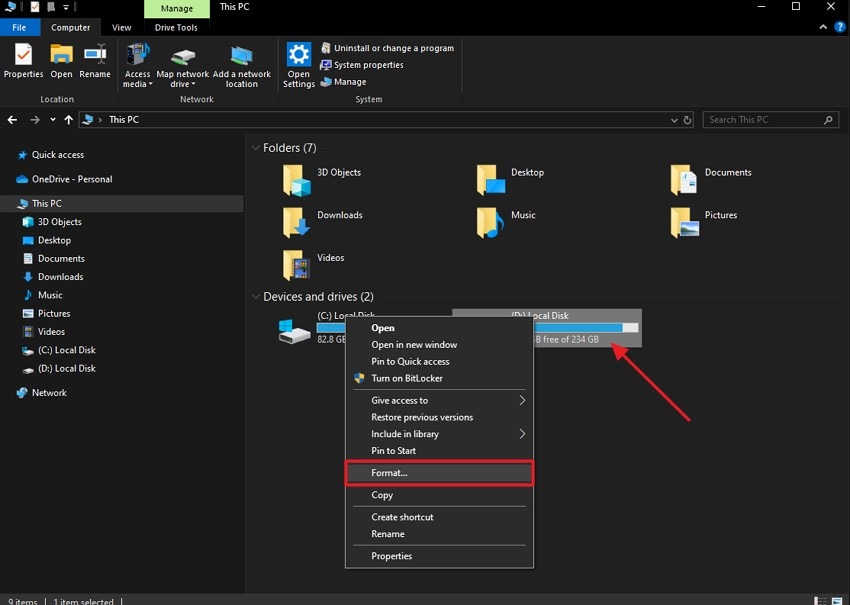
Step 2. Choose a file system supported by the device that will use the card, then select Start. For camera cards, follow the camera manufacturer's guidance and format a healthy replacement card in the camera when possible.
Part 5. What To Do With A Physically Damaged SD Card
Software is appropriate only when the operating system can detect and read the card. A physically damaged SD card may need a laboratory that can preserve the original media, diagnose the controller and flash components, and use specialist equipment where appropriate.
| Physical Symptom | Recommended Response |
| Cracked, snapped, or bent card | Keep it still and do not try to straighten or glue it. Contact a recovery professional. |
| Broken or detached contacts | Do not scrape, solder, or repeatedly insert the card. A lab should assess the contact and board condition. |
| Liquid exposure | Do not power or heat the card. Keep it isolated and explain the exposure to the recovery service. |
| Burn marks, unusual heat, or electrical odor | Stop immediately and do not reconnect it. Further power can damage components or reduce recovery options. |
| 0 bytes, No Media, or no detection in multiple known-good readers | Stop repeated software scans. The controller or flash interface may not be presenting readable media. |
Do not freeze, heat, wash, scrape, bend, open, or repeatedly reconnect a broken SD card. Do not test an important card in many devices just to see whether one of them works. Tell the recovery service what happened, whether the card was formatted or written to afterward, and which files are most important.
Part 6. Format Or Replace The Card After Recovery
Once the recovered data has been checked, decide whether the card is safe to reuse. A card that has become corrupted once may work again after a clean format, but recurring failures are a reliability warning rather than a formatting problem.
- Replace The Card: Replace it if it disconnects, changes capacity, becomes unusually slow, shows repeated format prompts, or fails a full write-and-read test.
- Use A Full Backup: Before testing a previously corrupted card, keep more than one copy of important photos, videos, and work files.
- Format For The Target Device: After recovery, format the card for the camera or device that will use it. Devices may create different folder structures or settings.
- Test Before Important Use: Do not trust a successful quick format alone. Test the card with non-critical data before using it for an important shoot.
If you need a separate guide for a card that was already formatted, see how to recover files from a formatted SD card. For a card that shows RAW or has file-system corruption, see Recoverit's corrupted SD card recovery guide.
Part 7. Prevent Future SD Card Corruption
Good handling reduces the chance of another damaged SD card recovery case, but no flash card should be treated as a backup.
- Wait until the camera or device finishes writing before opening the card door or removing the card.
- Use the operating system's safe-eject option before removing a reader from a computer.
- Keep at least two verified copies of important photos, videos, and documents.
- Use a card with the speed class and capacity required by the camera or recording device.
- Keep cards in a protective case and away from moisture, excessive heat, dust, bending, and damaged slots.
- Do not fill a card to its limit when the device needs working space for recording and file-system updates.
- Retire cards that show slow writes, missing files, recurring errors, or random disconnects.
- For camera workflows, verify imports and play important clips before formatting the card for the next shoot.
For general SD card handling and recovery options, visit Recoverit's memory card recovery hub. For camera-specific file loss, the camera recovery guide provides a narrower starting point.
Conclusion
Damaged SD card recovery is most successful when you protect the card before trying to repair it. Stop recording, cancel format prompts, and check whether the card is detected with a stable capacity. If it is readable, Recoverit can scan the card and save recoverable files to another drive. Windows tools such as drive-letter assignment, Error Checking, and CHKDSK are better treated as post-recovery access steps, not as the first response to important data loss.
A cracked, wet, burned, 0-byte, or repeatedly disconnecting SD or microSD card is a different case. Software cannot repair failed hardware, so stop repeated testing and seek professional recovery help. After your files are verified, replace unreliable cards and maintain more than one backup copy.
FAQ
-
Can I Recover Data From A Damaged SD Card?
Yes, recovery may be possible when the card is detected with a stable capacity and can be scanned. Stop using it first and save recovered files to another drive. A physically broken or undetected card may need professional recovery. -
Can Recoverit Recover Files From A Corrupted SD Card?
Recoverit can scan many readable SD and microSD cards for deleted, formatted, or inaccessible files on Windows or Mac. It cannot repair physical damage, replace a failed controller, bypass encryption, or guarantee recovery of every file. -
Should I Run CHKDSK Before Recovering Data?
When the files are important, no. CHKDSK can change file-system metadata while it repairs logical errors. Recover or back up important files first, then consider CHKDSK for a stable card that you only need to make accessible again. -
What If The SD Card Is Not Detected?
Try the card once in a known-good reader and check whether it appears with a normal capacity. If it shows 0 bytes, No Media, an unstable capacity, or repeated disconnects, stop repeated scans and seek professional advice. -
Can I Recover Data From A Physically Broken MicroSD Card?
Software usually cannot recover a physically broken microSD card unless the card is still detected and readable. Do not bend, heat, scrape, glue, or repeatedly connect it. Important data should be handled by a professional recovery laboratory. -
Can Formatting Recover A Corrupted SD Card?
Formatting can rebuild a file system, but it erases the file-system structures needed to access existing files and can reduce later recovery options. Recover or back up data before formatting. -
Why Does An SD Card Show 0 Bytes Or No Media?
The reader, contacts, controller, flash memory, or card power path may be failing. A software scan generally requires the operating system to present a readable storage device, so 0 bytes or No Media is a reason to stop DIY attempts. -
Should I Replace An SD Card That Keeps Becoming Corrupted?
Yes. Repeated corruption, random disconnects, changing capacity, slow writes, or recurring format prompts indicate that the card or its use environment is unreliable. After recovery, replace the card and verify the replacement before using it for important data.


