
 TL;DR:
To fix the "volume does not contain a recognized file system" error without permanent data loss, prioritize extracting your files using data recovery software like Recoverit before attempting any built-in Windows repair or formatting tools.
● Attempt non-destructive fixes first by testing different motherboard USB ports, running the `chkdsk /f /r` command to repair minor corruption, or using third-party tools like MiniTool Partition Wizard to rebuild broken partition tables.
● If repair commands fail, use Windows Disk Management or Diskpart (`clean` and `format fs=ntfs quick`) to create a fresh file system, but only execute this after data recovery as it permanently wipes the drive.
● Be aware that if the error persists across multiple computers despite driver updates and successful formatting, the storage device is likely experiencing physical failure and requires replacement.
Ask AI for a summary
 ChatGPT
 Perplexity
 Gemini
 Claude
 Grok
Grok
You plug in your USB drive. Windows shows an error message. It says "the volume does not contain a recognized file system." Your heart sinks. All your important files seem lost. This error is scary but fixable.
Don't panic when you see this error. Many people face this problem daily. The good news is that solutions exist. This guide will help you fix the volume does not contain a recognized file system error. We'll explain what it means.
We'll show you how to recover your data. You'll learn simple fixes that work.
Table of Contents
-
- Fix 1: Use Recoverit to Recover Data
- Fix 2: Try a Different USB Port or Card Reader
- Fix 3: Run CHKDSK Command (Windows)
- Fix 4: Format the Drive Using Disk Management
- Fix 5: Use Diskpart to Clean and Format
- Fix 6: Use Third-Party Partition Repair Tools
- Fix 7: Run System File Checker - SFC Command
- Fix 8: Scan your Drive for Errors
- Fix 9: Update the USB Driver
Part 1: What Does "The Volume Does Not Contain a Recognized File System" Mean?
This error means Windows cannot read your drive. Your computer doesn't understand the file system on the device. A file system organizes data on storage devices. Common file systems include NTFS, FAT32, and exFAT. When the file system gets corrupted, Windows cannot access it.
The volume does not contain a recognized file system in Windows PC happens with many storage devices. It affects USB drives most often. External hard drives also show this error. SD cards and pendrives face this problem too. Your data might still be there. The computer just cannot read it properly. Think of it like a book in a language you don't understand. The words exist but you cannot read them.
Part 2: Common Causes: Volume Does Not Contain a Recognized File System Issue
Several reasons cause the volume does not contain a recognized file system USB error. Understanding these causes helps prevent future problems. Here are the main culprits:
- Improper ejection: Removing drives without safely ejecting damages the file system. This is the most common cause of errors.
- Virus or malware infection: Malicious software corrupts file system structures. Viruses can destroy partition tables completely.
- Physical damage: Drops or water exposure harm storage chips. Physical damage creates bad sectors on drives.
- Power surge: Sudden power loss during file transfers corrupts data. Unstable power damages file system integrity.
- Bad sectors: Worn-out storage areas prevent proper reading. Bad sectors multiply over time.
- Formatting errors: Incomplete or interrupted formatting creates problems. Failed format operations leave drives unreadable.
- File system corruption: System crashes during write operations damage structures. The volume does not contain a recognized file system raw error occurs when corruption is severe.
Part 3: How to Fix the Volume Does Not Contain a Recognized File System?
Now let's solve the volume does not contain a recognized file system pendrive problem. We'll start with data recovery. Then we'll fix the drive itself.
Fix 1: Use Recoverit to Recover Data
Data recovery should be your first priority. Don't format yet. Formatting erases everything permanently. Recovery software can save your files first.
Recoverit is powerful data recovery software. It works even when Windows shows errors. The program scans damaged drives thoroughly. It finds files that seem lost forever.
Step 1: Get Recoverit on your computer. Launch the program. Select your problematic drive from the list. Click the "Start" button.

Step 2: Wait for the scan to complete. This takes time, depending on drive size.

Step 3: Preview the recovered files. Select the files you need. Click "Recover" and save them to a different drive. Never save recovered files back to the same damaged drive.

Video Tutorial: How to Recover Lost Files from Hard Drives?

Fix 2: Try a Different USB Port or Card Reader
Sometimes the problem isn't the drive itself. The USB port might be faulty. Your card reader could be malfunctioning. This is the easiest fix to try.
Hardware connections cause many drive recognition issues. A loose connection creates read errors. Damaged ports cannot communicate properly with devices. Testing different connections takes seconds.
- Unplug your USB drive or SD card. Try plugging it into another USB port. Use ports on the back of desktop computers. These ports connect directly to the motherboard. They work more reliably than front ports.
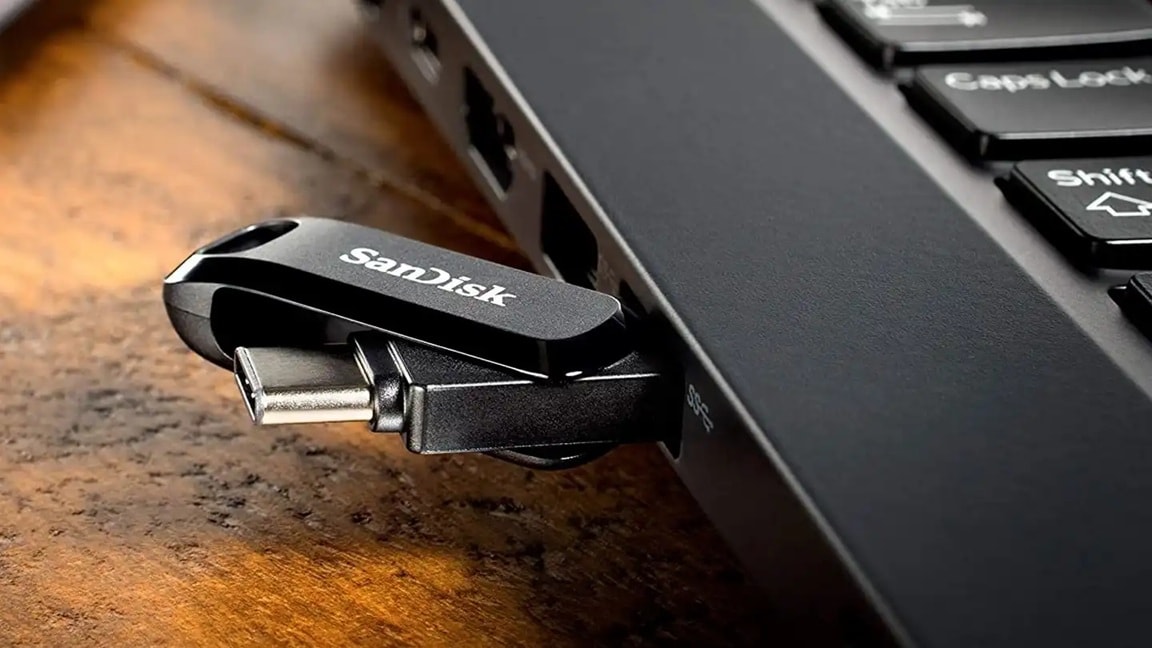
- If the volume does not contain a recognized file system USB error persists, try another computer. This helps determine if the problem is the drive or your computer. Test with different card readers for SD cards. Sometimes the reader is the problem, not the card.
Fix 3: Run CHKDSK Command (Windows)
CHKDSK is Windows' built-in repair tool. It fixes file system errors automatically. This command works for minor corruption issues. It's safe and free to use.
The Check Disk utility scans for problems. It repairs file system structures when possible. CHKDSK can fix the volume does not contain a recognized file system error in many cases.
- Press Windows + X, then choose Command Prompt (Admin) or PowerShell (Admin). Type chkdsk E: /f /r (replace E with your drive letter) and hit Enter.
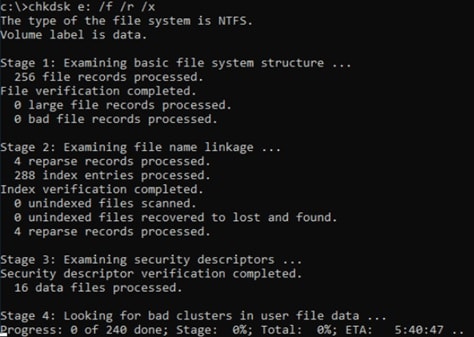
- Wait for CHKDSK to complete its work. This process takes several minutes to hours. The time depends on drive size and damage level. Don't interrupt the process. After completion, check if you can access the drive.
Fix 4: Format the Drive Using Disk Management
If fixboot the volume does not contain a recognized file system error continues, formatting might be necessary. Format only after recovering your data. This method erases everything on the drive.
Disk Management is Windows' partition tool. It can reformat corrupted drives. This creates a fresh file system. Your drive becomes usable again.
- Press Windows + X and select "Disk Management". Find your problematic drive in the list. It might show as "RAW" or "Unallocated". Right-click on the drive. Select "Format" from the menu.
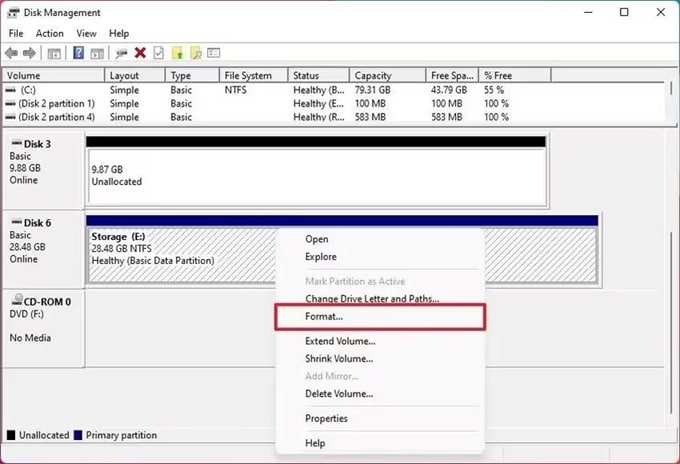
- Choose a file system. NTFS works for Windows computers. FAT32 works everywhere, but limits file sizes. exFAT is good for large files and cross-platform use. Check "Perform a quick format". Click "OK" to start. Wait for formatting to complete.
Fix 5: Use Diskpart to Clean and Format
Diskpart is a powerful command-line tool. It provides more control than Disk Management. Use this when the volume does not contain a recognized file system raw error won't go away. This method completely wipes the drive.
This solution works for stubborn corruption problems. Diskpart removes all partitions. It creates a clean slate. Then you can create new partitions.
- Press Windows + X and select Command Prompt (Admin). Type diskpart and press Enter. Type list disk to see all drives. Identify your problem drive by size. Type select disk # (replace # with your disk number). Be very careful to select the correct disk.
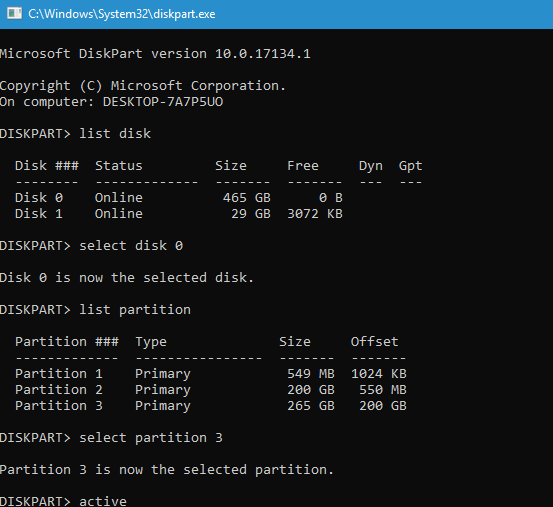
- Type clean and press Enter. This erases all data. Type create partition primary to make a new partition. Type format fs=ntfs quick to format it. Type assign to give it a drive letter. Exit Diskpart and check your drive.
Fix 6: Use Third-Party Partition Repair Tools
Professional tools offer advanced repair options. They fix problems that Windows tools cannot. These programs cost money but work effectively. Consider them when free methods fail.
Programs like MiniTool Partition Wizard or EaseUS Partition Master help repair drives. They have user-friendly interfaces. These tools can rebuild partition tables. They recover lost partitions, too.
- Download and install a partition repair tool like MiniTool Partition Wizard. Launch the program. It will display all your drives. Select the drive showing the error. Look for options like "Check File System" or "Rebuild MBR". Click the appropriate repair function.
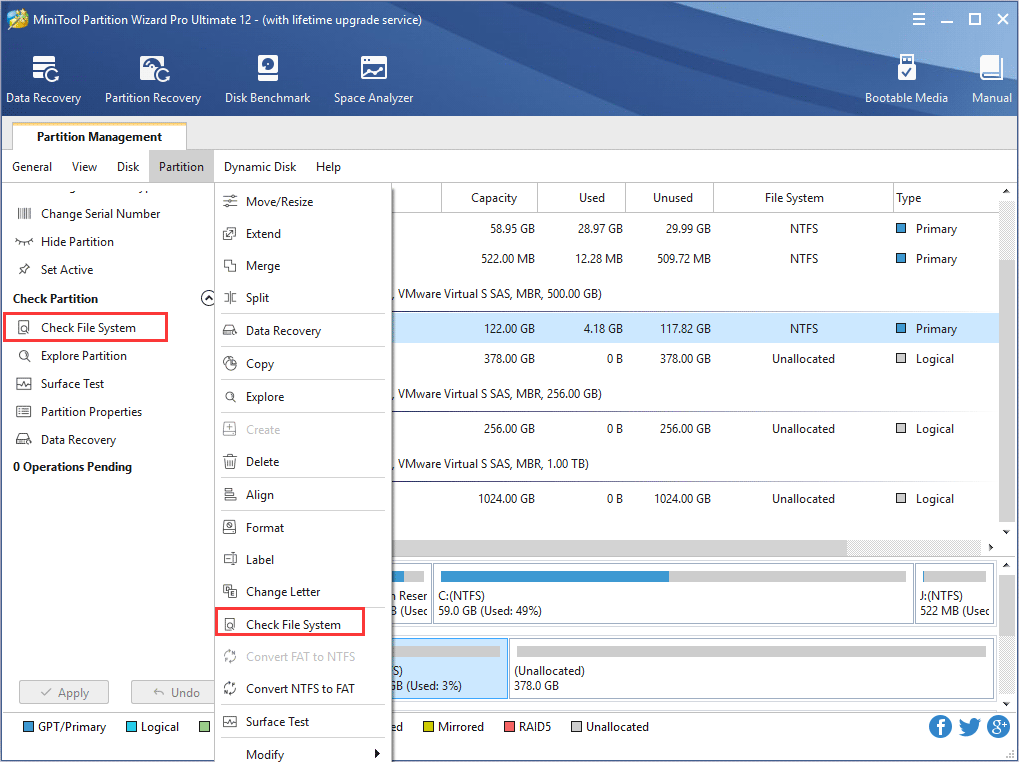
- Follow the on-screen instructions. Each program has different steps. Most tools will scan the drive first. They'll show what problems they found. Click "Apply" or "Execute" to fix the issues. Restart your computer after repairs are complete.
Fix 7: Run System File Checker - SFC Command
Step 1: Type cmd and then right-click on Command Prompt. Now, click on “Run as administrator.”

Step 2: Now, type the command sfc/scannow in the command prompt and press Enter.

After scanning all your corrupted system files, the command will replace them with the cached copy. It is located in a zip or compressed folder which is in Windows operating system folder. Once the process completes type Exit to close Command Prompt. Now restart and see whether the error ‘The volume does not contain a recognized file system’ is fixed.
Fix 8: Scan your Drive for Errors
Connect the drive to your system and follow these steps:
Step 1: Open the File Explorer and select This PC.
Step 2: Right-click on the drive on which you are getting the error and then on “open” and proceed to Properties.

Step 3: Go to the Tools button, and click on Check.

Step 4: When prompted, click on the Scan drive.

Once the scan is complete, proceed to close the window and then go to “This PC” button to check if you can now able to access the drive.
Fix 9: Update the USB Driver
You can update the USB driver in Windows and fix the volume that doesn’t contain any recognized file system. Follow the given steps, you need to simply your PC after configuration.
Step 1: Press the keys “Windows + R” and run devmgmt.msc as an administrator.
Step 2: In Device Manager, look for Universal Serial Bus controllers. Then right click on Generic USB Hub. Now tap on the option Update Driver Software.

- Always use "Safely Remove Hardware": Click the USB icon in your taskbar. Select your drive and eject it properly. This ensures all write operations complete.
- Use quality storage devices: Buy drives from reputable brands. Cheap drives fail more often. Invest in reliable storage.
- Keep antivirus software updated: Scan drives regularly for malware. Viruses cause serious file system damage. Protection software prevents infections.
- Avoid sudden power loss: Use a UPS for desktop computers. Save work frequently during transfers. Power interruptions corrupt file systems.
- Don't fill drives completely: Leave 10-15% free space. Full drives perform poorly. They're more prone to errors.
- Handle devices carefully: Avoid drops and water exposure. Physical damage destroys storage. Keep drives in protective cases.
- Regular backups: Copy important files to multiple locations. Use cloud storage for critical data. Backups save you from data loss.
- Check drives periodically: Run error checking monthly. Windows has built-in tools for this. Early detection prevents major problems.
Part 4: Pro Tips to Prevent File System Errors
These tips protect your drives from the volume does not contain a recognized file system error. Follow them to keep your data safe.
Conclusion
The volume does not contain a recognized file system error looks scary. But it's fixable in most cases. This guide showed you multiple solutions. Start with data recovery using Recoverit. Try simple fixes like changing USB ports. Use Windows tools like CHKDSK and Disk Management. Advanced users can try Diskpart commands.
Remember to always recover data first. Never format before trying recovery. Prevention keeps your drives healthy. Follow our pro tips to avoid future problems. With these practices, you'll rarely face this error again. Your data stays safe and accessible.
Try Recoverit to Recover Lost Data
 Security Verified. Over 7,302,189 people have downloaded it.
FAQs
-
Q1: Can I recover data after the volume does not contain a recognized file error appears?
Yes, data recovery is usually possible. The error means the file system is unreadable, not that files are gone. Professional recovery software like Recoverit can scan the raw drive. It finds and restores files even without a working file system. Act quickly and avoid formatting the drive. Don't write new data to the damaged drive. This overwrites recoverable files. Success rates are high when you use recovery tools immediately after the error appears. -
Q2: Why does the volume does not contain a recognized file system in Windows PC happen repeatedly?
Repeated errors suggest hardware problems. Your USB drive might be failing physically. Bad sectors multiply over time in dying drives. Poor-quality storage devices fail frequently. Connection problems also cause recurring errors. Check your USB ports for damage or loose connections. Try the drive on different computers to isolate the issue. If errors persist across multiple computers, the drive is likely failing. Replace it before complete failure. Regular backups prevent data loss from failing hardware. -
Q3: Is formatting the only solution for the volume does not contain a recognized file system on a pendrive problem?
No, formatting is not the only option. Try the CHKDSK command first, as it repairs file systems. Change USB ports or card readers to rule out connection issues. Third-party repair tools can fix corruption without erasing data. Formatting should be your last resort after recovering files. Some drives work again after running error-checking tools. Only format when repair methods fail completely. Always recover your data before formatting. Once formatted, file recovery becomes much harder and sometimes impossible.


