 TL;DR:
Resolving the "This Device Cannot Start" Code 10 error requires addressing the underlying driver communication failure or power state conflict through physical connection adjustments, power configuration resets, or targeted manufacturer driver rollbacks.
● If the error includes STATUS_DEVICE_POWER_FAILURE after the system wakes from sleep, uncheck "Allow the computer to turn off this device to save power" in the device properties rather than replacing the driver.
● For external USB hardware, bypass unpowered hubs and connect directly to a rear motherboard port or use a Y-cable to guarantee sufficient power delivery before attempting to uninstall the device in Device Manager.
● When the error affects a storage drive, stop using the device to prevent hardware degradation, as data recovery software like Recoverit can only extract files if the drive still registers in Windows Disk Management.
Ask AI for a summary
 ChatGPT
 Perplexity
 Gemini
 Claude
 Grok
Grok
Many people suddenly find their devices stopping without any clear warning. Seeing “This Device Cannot Start" Code 10 often creates confusion and stress. The problem can affect many hardware components, such as USB devices and Bluetooth devices. Luckily, most causes behind this error are simple and easy to fix. This guide walks through easy solutions, helping you restore normal device operation.
In this article
Part 1. What Code 10 Means in Device Manager
Code 10 in Device Manager means Windows cannot start a connected hardware device properly. This error usually appears when the device fails to load or respond correctly. The message helps identify hardware problems before you apply the correct troubleshooting steps.
Where the "This Device Cannot Start" Message Appears
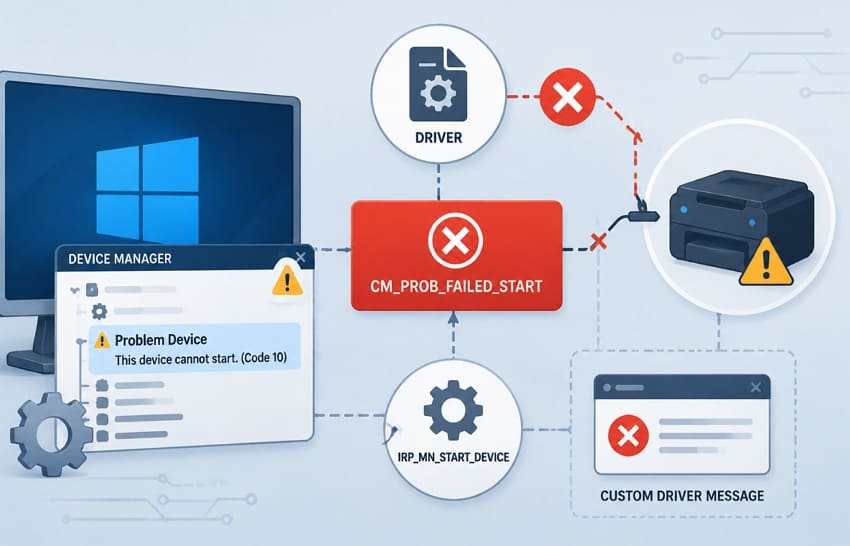
Device Manager keeps this warning inside each hardware item's properties window. A small yellow triangle marks any device with a serious problem. The "This Device Cannot Start" Code 10 error sits inside that status box. A General tab inside that window holds the complete official error description. This tab always shows more accurate information than the small hover tooltip.
Why Windows Cannot Start the Device
Microsoft Learn officially labels this exact problem internally with the code CM_PROB_FAILED_START. This usually happens because the required driver fails while starting communication with the device. That failing request is officially known as IRP_MN_START_DEVICE in driver terms. Sometimes Windows shows a custom driver message instead of the standard Code 10 description.
What STATUS_DEVICE_POWER_FAILURE Means
STATUS_DEVICE_POWER_FAILURE indicates the device failed while changing between different power states in Windows. This extra text always comes from a special hidden Windows property. That property is officially called DEVPKEY_Device_ProblemStatus inside every Windows system. This value carries the official hexadecimal code 0xC000009F inside Windows systems. Review the table below to understand what each Code 10 message usually means:
| Text After the Code | What It Means |
| Nothing | No additional error details were recorded. |
| STATUS_DEVICE_POWER_FAILURE | The device failed during a power state change. |
| A Device Which Does Not Exist Was Specified | Windows could not find the specified device or the device was no longer accessible. |
| The Requested Operation Was Unsuccessful | The requested device operation could not be completed. |
| Insufficient System Resources Exist | Windows did not have sufficient system resources to start or operate the device. |
Part 2. Quick Checks Before Changing Drivers
Review these checks if you see the "This Device Cannot Start" Code 10 (STATUS_DEVICE_POWER_FAILURE) error:
Perform a Full Shutdown and Power Cycle
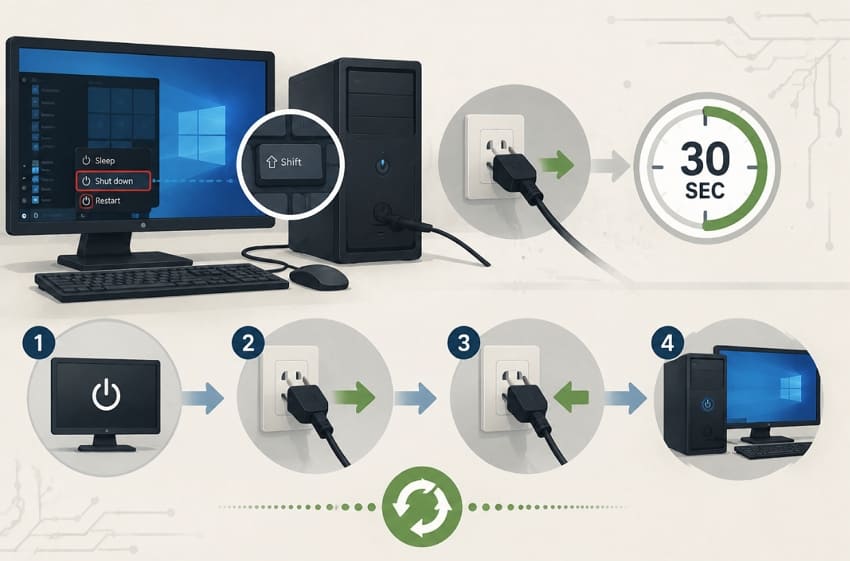
A full shutdown clears temporary device information that may block normal hardware startup. Some Windows power features keep parts of the previous session for faster startup. This can cause “This Device Cannot Start" Code 10 after restarting. Hold “Shift” while selecting Shutdown, wait 30 seconds with power disconnected, then start again.
Reconnect the Device and Try Another Port
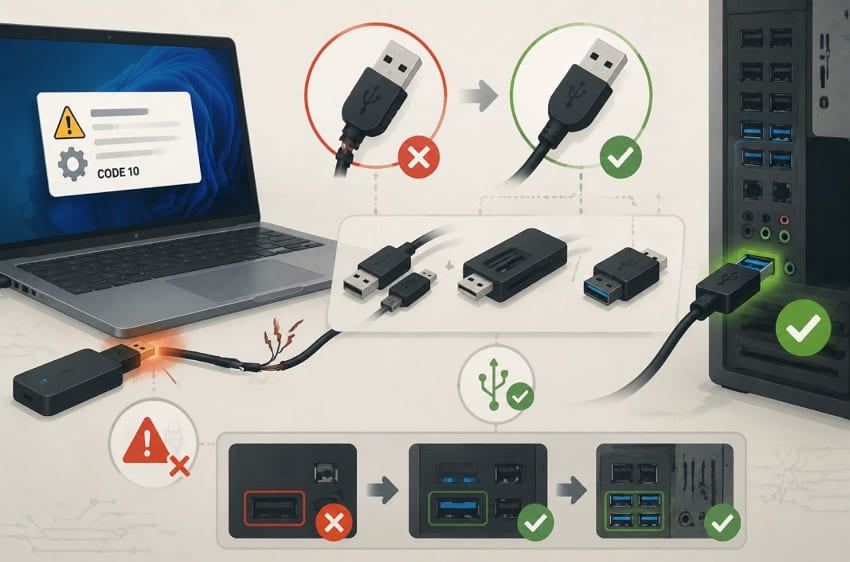
Reconnect the device using another port to check connection-related problems. Direct computer ports often provide better stability than external hubs. Desktop rear ports connect closer to the motherboard for reliable performance.
Replace the USB Cable, Reader, or Adapter
Some Code 10 problems happen because the device connection becomes weak or unstable. A stable connection helps Windows detect and start the device without errors. Different USB ports may provide better stability depending on power delivery and controller configuration. The "This Device Cannot Start" Code 10 (STATUS_DEVICE_POWER_FAILURE) error can also appear when connections fail.
Check Whether the Device Needs External Power
Many external drives and capture devices need more power than one USB port provides. A Y-cable can deliver extra power when supported by the manufacturer. Devices with low power may disconnect, fail to start, or show “This Device Cannot Start" Code 10. Using the correct power source improves reliable Windows performance.
Create a Restore Point Before Major Driver Changes
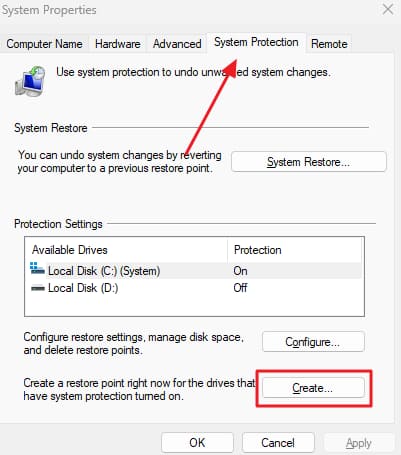
A restore point saves important Windows settings before making major changes. It provides a safe way to return earlier system settings if problems appear later. This protection helps reduce risks when updating or removing hardware drivers in Windows. Microsoft’s official support page explains how System Protection creates recovery restore points. Follow the instructions below to create a new restore point:
Instructions. Search for “Create a Restore Point” > Go to “System Properties.” Select your system drive > Choose “Create” and name it.
Part 3. Fix Code 10 Caused by Drivers or Connections
Try the following practical solutions when “This Device Cannot Start" Code 10 affects your hardware:
Disable and Re-Enable the Device
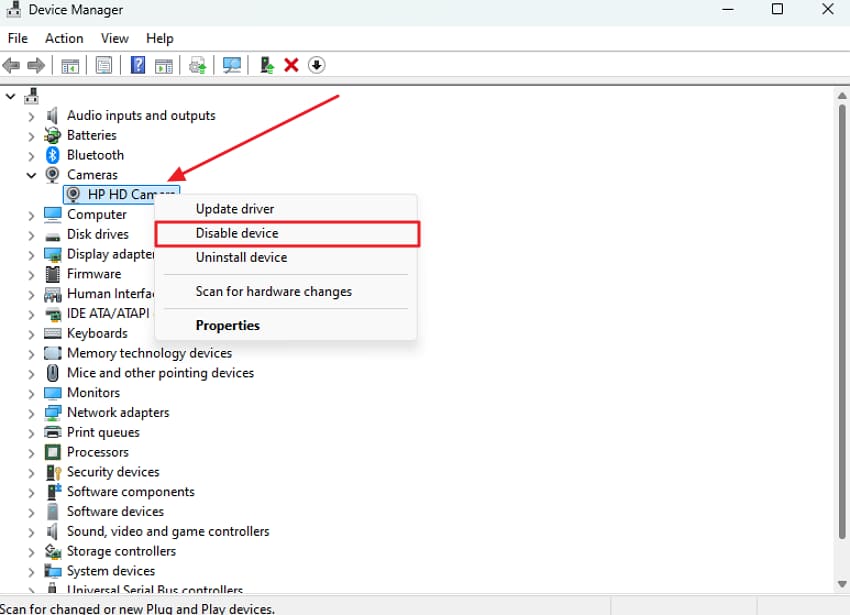
Windows needs another chance to start the device after a temporary problem occurs. Disabling and enabling the device refreshes its connection without changing important system files. This can help resolve the "This Device Cannot Start" Code 10 (STATUS_DEVICE_POWER_FAILURE) error by clearing small driver problems. Review the guidelines below to turn off the device:
Instructions. Right-click the flagged device in “Device Manager” > Select “Disable Device.” Wait a few seconds > Right-click again > Choose “Enable Device.”
Scan for Hardware Changes
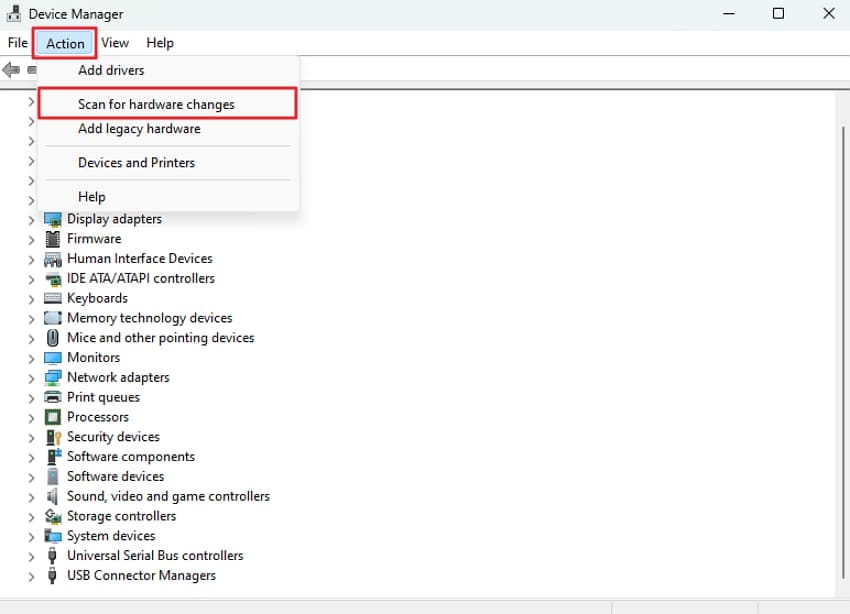
Windows may not detect a connected device correctly during the first startup process. So, scanning for hardware changes helps refresh device information and fix the “This Device Cannot Start" Code 10 issues caused by temporary detection problems. This action can restore devices that Windows missed during startup or connection changes. Take guidance from below to scan for hardware changes:
Instructions. After opening the “Device Manager,” choose “Action > Scan for Hardware Changes.”
Install Driver Updates from Windows Update or the Manufacturer
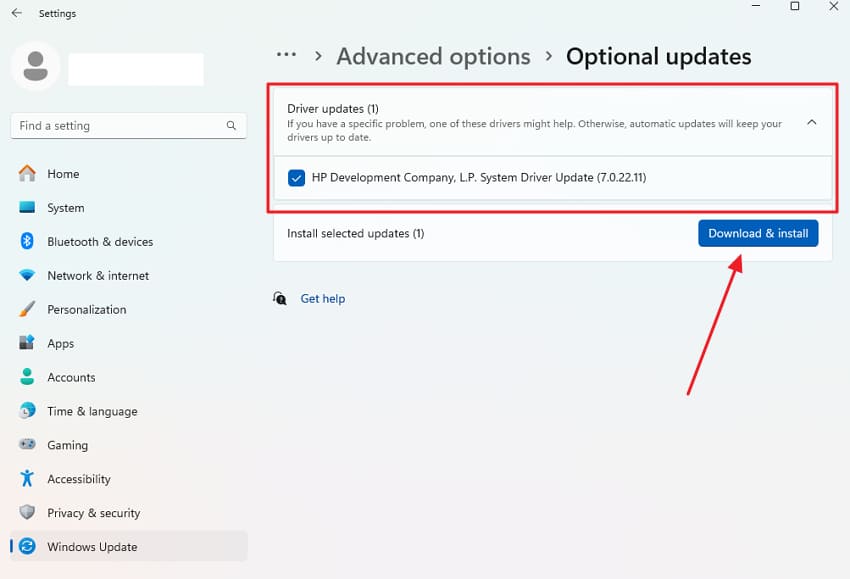
Updated drivers can fix problems that prevent Windows from starting a device. Windows Update provides compatible drivers, while device manufacturers may release newer versions for specific hardware. These updates can improve compatibility, stability, and performance. Follow the steps below to install driver updates.
Step 1. To initiate, open “Settings > Windows Update > Advanced Options > Optional Updates.”
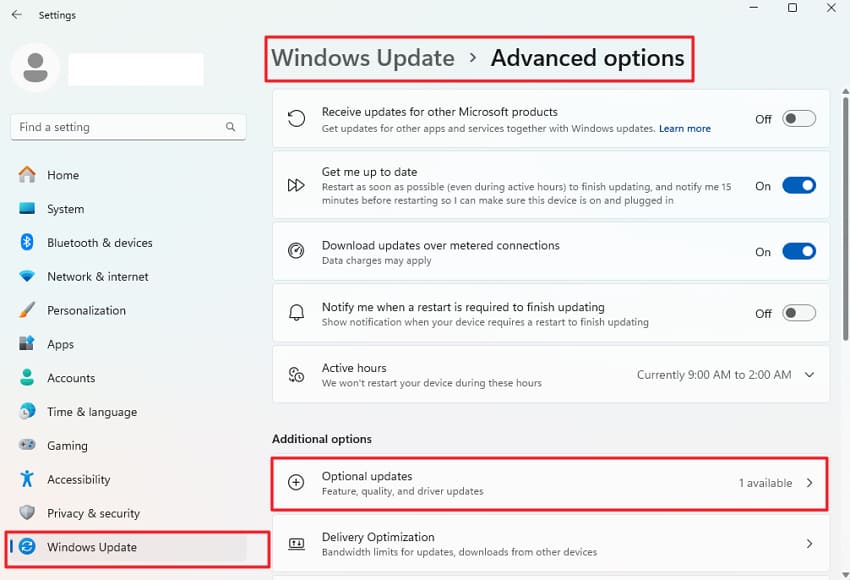
Step 2. Now, opt for the “Download and Install” button under driver updates.
Roll Back a Recently Updated Driver
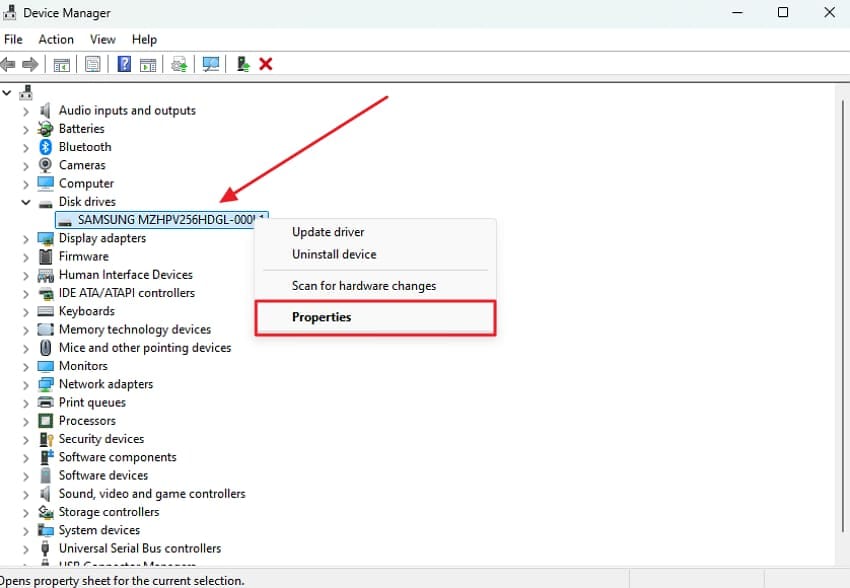
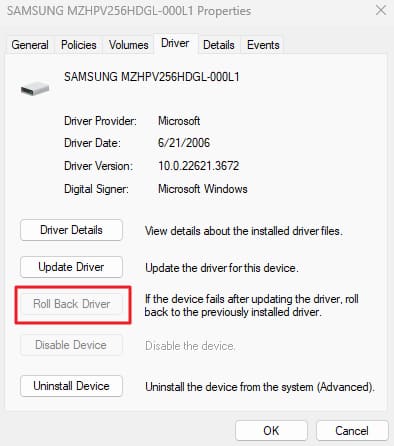
Sometimes a new driver update can create problems and stop a device from working. Therefore, the “This Device Cannot Start" Code 10 may appear after a faulty driver change. Rolling back returns the driver to an earlier version that was working properly before. Follow these steps to roll back the driver:
Step 1. Upon accessing the “Device Manager,” right-click the driver > Opt for “Properties.”
Step 2. Go to the “Driver” tab > Select “Roll Back Driver” if available.
Uninstall the Device and Restart Windows
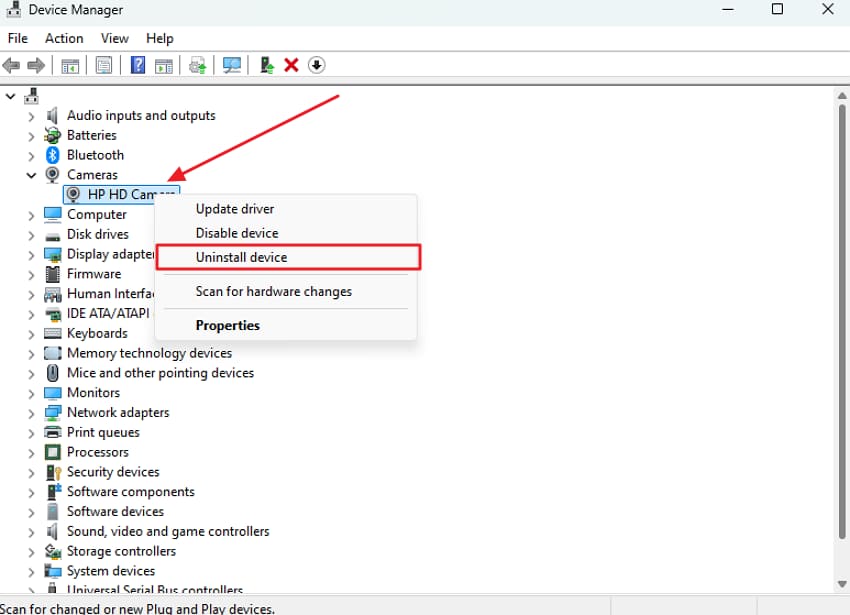
Removing a device entry allows Windows to create a fresh connection after restarting. This can fix damaged settings or incorrect device records causing startup problems. Windows usually detects the hardware again and installs the needed drivers automatically. Review the steps below to use this solution:
Instructions. Open “Device Manager” > Find the device showing the Code 10 error. Next, right-click the device > Select “Uninstall Device.”
Update Chipset, Firmware, or BIOS When Recommended by the Manufacturer
Chipset drivers help Windows communicate with different hardware parts inside your computer. However, old chipset or firmware files can create device problems even when hardware works. So, use updates made for your exact model and follow manufacturer advice before BIOS changes.
Part 4. Fix STATUS_DEVICE_POWER_FAILURE
Microsoft's Windows Driver Kit (WDK) documentation explains how kernel-mode drivers use NTSTATUS values to report the outcome of operations. This section covers fixes for the "This Device Cannot Start" Code 10 (STATUS_DEVICE_POWER_FAILURE) error.
Check Whether the Error Appears After Sleep or Hibernation
Some devices fail only after Windows wakes from sleep or hibernation mode. If the device works after a full restart, the wake process may cause issues. This clue helps separate power problems from regular driver or hardware problems.
Perform a Cold Reboot
A cold reboot can help when “This Device Cannot Start" Code 10 appears because of power issues. It fully resets device connections and clears stored power states. This can fix problems that remain after normal restarts or sleep recovery. A complete shutdown gives Windows a fresh start and may restore affected devices.
Disable Device Power Saving When Available
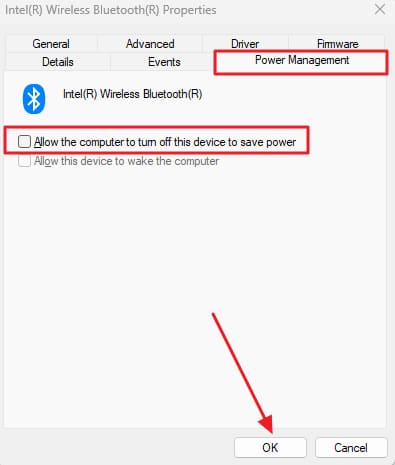
Windows may turn off unused devices to reduce power use during idle periods. Some hardware does not wake up correctly after these power changes. Microsoft documents this USB power management checkbox controlling device sleep and wake behavior. Changing power settings can help prevent connection problems caused by device sleep features. Follow the steps below to turn off device power saving:
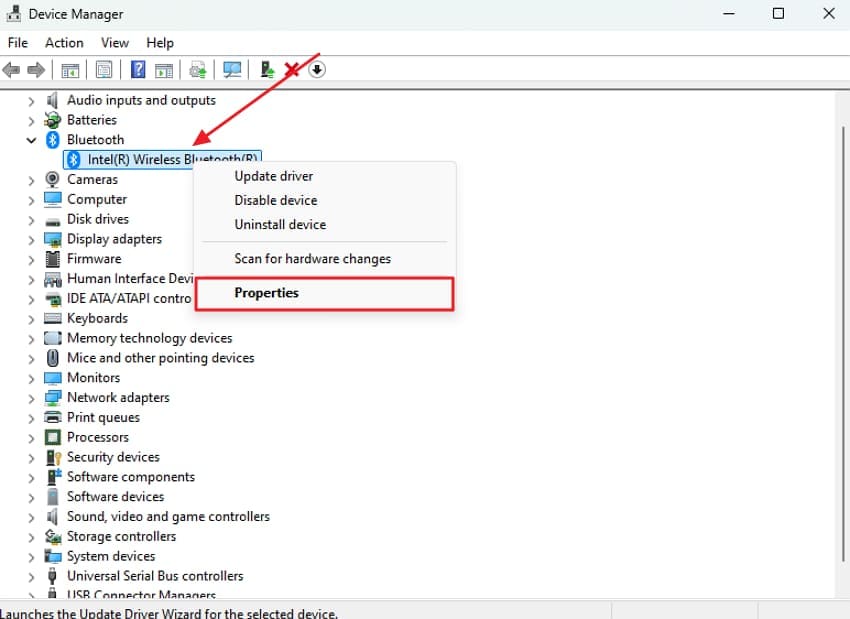
Step 1. Right-click the driver > Opt for “Properties.”
Step 2. Access “Power Management” > Uncheck “Allow the Computer to Turn Off This Device to Save Power” > Click “OK.”
Restore Default Power Settings
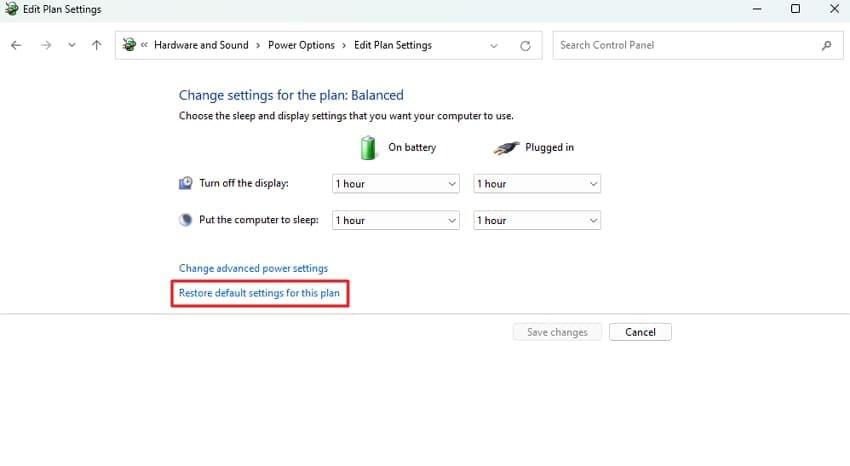
A changed power plan can stop devices from working during normal use. Some custom settings may put hardware into sleep mode too quickly. When “This Device Cannot Start" Code 10 appears, restoring the default power settings can help resolve device power management issues. This can improve stability and reduce power-related issues. Review the given steps to restore default power settings.
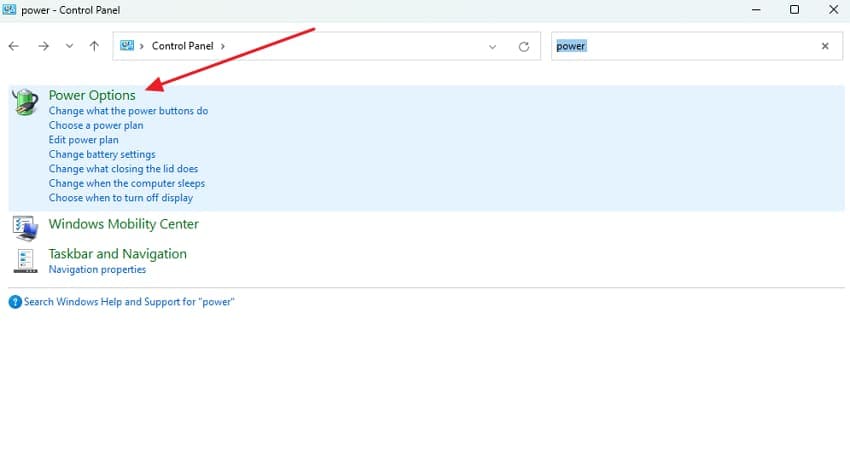
Step 1. Run “Control Panel” > Go to “Power Options.”
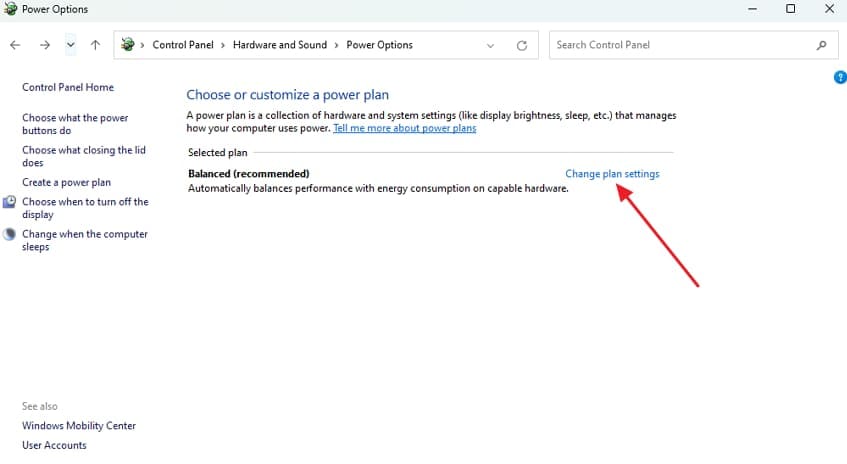
Step 2. After that, opt for the “Change Plan Settings” option.
Step 3. Choose the "Restore Default Settings for This Plan” option.
Update Bluetooth, Chipset, and Power Management Drivers
Power changes depend on multiple drivers working together inside your computer. Updating only the device driver may not fix the "This Device Cannot Start" Code 10 (STATUS_DEVICE_POWER_FAILURE) error. Installing the manufacturer's Bluetooth and power drivers can improve device stability. These updates help Windows manage hardware connections and power changes.
Part 5. Apply Device-Specific Code 10 Fixes
In this part, various solutions address “This Device Cannot Start" Code 10 for specific hardware issues.
Bluetooth Adapter Fixes
Bluetooth adapters can show the "This Device Cannot Start" Code 10 (STATUS_DEVICE_POWER_FAILURE) error. The issue often relates to drivers, firmware, or power settings on specific models. Using drivers from the laptop or Bluetooth adapter manufacturer can improve compatibility and device support.
USB Device and Storage Enclosure Fixes
USB devices can show Code 10 errors because of controller or connection problems. “This Device Cannot Start" Code 10 may appear when Windows cannot communicate properly with hardware. A faulty USB hub or controller can affect multiple connected devices.
Network or Wi-Fi Adapter Fixes
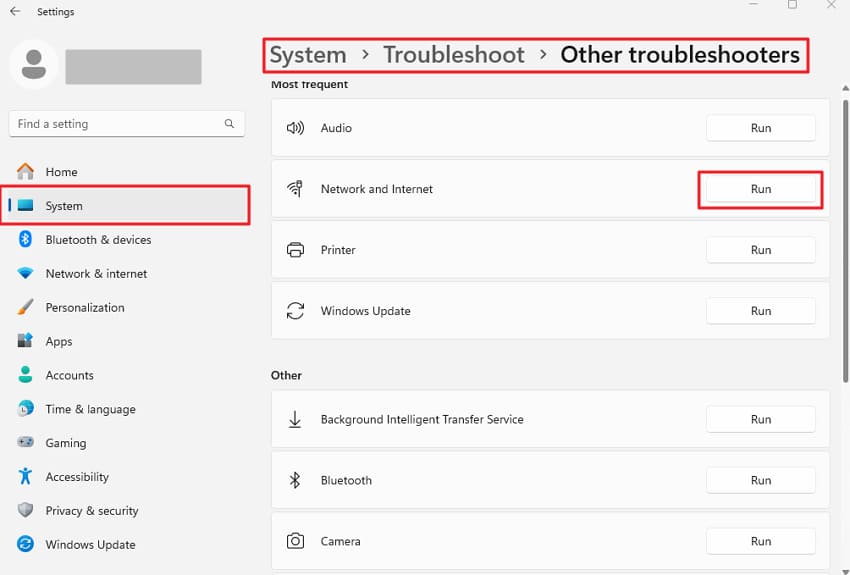
Network or Wi-Fi adapters may show Code 10 because of driver or setting problems. Windows includes prebuilt tools that can detect and fix common network issues. A network reset can remove old adapter settings and reinstall network connections. Follow the guidelines below to fix a network or Wi-Fi adapter:
Instructions. Open “Settings > System > Troubleshoot > Other Troubleshooters > Network and Internet > Run.”
Audio, Webcam, or Graphics Device Fixes
Audio and webcam problems often improve when Windows rebuilds the device connection. Removing the device can help load a fresh driver before adding vendor software. Graphics devices need different handling because display drivers may require clean removal. A fresh manufacturer driver install can fix many Code 10 problems.
When to Contact the PC or Device Manufacturer
Contact the manufacturer when the device fails on another computer too. Hardware checks from the company can confirm problems that drivers cannot fix. Repeated disconnects or missing devices may point to physical hardware faults. In these cases, more driver changes usually will not solve the issue.
Part 6. Recover Data if Code 10 Affects a Storage Device
This section covers data recovery when the "This Device Cannot Start" Code 10 (STATUS_DEVICE_POWER_FAILURE) error occurs.
Stop Using the Drive If It Disconnects or Reports I/O Errors
Stop using the drive when it disconnects often or shows read errors. Repeated connections and file transfers can increase stress on failing hardware. Leaving the drive unused helps protect remaining data before recovery attempts begin. This reduces the chance of causing further damage to the storage device.
Check Whether the Drive Appears in Disk Management
You should check Disk Management to see whether Windows can access the storage device. A visible drive may still be recovered even if it shows RAW or unallocated status. If the drive appears only with a Code 10 error, Windows has not loaded the storage system.
Try Another Cable, Reader, Enclosure, or Computer
Testing different connections helps identify whether the issue comes from the drive itself. A new cable, enclosure, reader, or computer can reveal hidden connection problems. If the drive works elsewhere, the original setup may be faulty.
Recover Accessible Files with Recoverit Only If the Disk Appears
A faulty connection is not always the reason behind storage access problems after Code 10 errors. When drives appear, but files remain unavailable, recovery tools can help restore important data. Recoverit helps recover accessible files when “This Device Cannot Start" Code 10 affects storage devices. This tool completes average scans in around 3-5 minutes for faster file searching.
Moreover, it finds lost partitions and restores files from damaged storage sections. During the recovery process, the existing data of lost files is never modified. Recoverit even uses a secure process to protect recovered files during scanning. Along with this, users can restore files from RAW drives before formatting them again.
Key Features
- File Support: Recovers over 1,000 file types, including photos, videos, documents, audio files, emails, and archives.
- Deep Scan: Uses advanced scanning algorithms with AI-enhanced recovery to locate files from formatted, corrupted, or damaged storage devices.
- AI File Repair: Repairs corrupted photos, videos, and documents after recovery using AI-powered repair technology.
How to Recover Files from a Drive Flagged with Code 10
The following quick guide helps you restore your missing files from a drive flagged with Code 10:
Step 1. Choose the Drive to Recover Files
From the “Hard Drives and Locations” tab, select the drive flagged with Code 10.

Step 2. Search for Missing Drive Files
Following that, Recoverit initiates scanning your selected drive and finds deleted files.

Step 3. Save Your Recovered Files
Finally, click the “Recover” button and save your desired files from the drive flagged as Code 10.

Use Professional Service if the Disk is Absent or Physically Damaged
A drive missing from Disk Management may have a serious hardware problem. Strange sounds, overheating, or complete absence can mean software cannot help further. Professional recovery labs use special tools to access damaged storage safely. Avoid repeated power attempts because they may reduce chances of successful recovery.
Part 7. Prevent Code 10 From Returning
These habits can help reduce repeated device problems after fixing “This Device Cannot Start" Code 10:
- Use OEM Drivers: Install drivers from your PC maker for better hardware support and compatibility.
- Avoid Unpowered Hubs: Use powered hubs or direct ports for devices needing extra power.
- Keep Chipset Stable: Update chipset and firmware after checking the current working version.
- Backup External Storage: Keep another copy of files because external drives can fail unexpectedly.
Conclusion
To conclude, “This Device Cannot Start" Code 10 shows that Windows could not start the device. The message beside the code helps identify the possible cause and choose the right fix. Driver issues need different solutions than power problems. However, storage devices need extra care because important files may become unavailable. Recoverit helps recover accessible files before the drive stops responding.
FAQ
-
Does Code 10 always mean the driver is outdated?
No, Microsoft defines it as a driver in the device stack failing the start request. That can follow a hardware fault, a resource conflict, or a power problem just as easily. -
What does STATUS_DEVICE_POWER_FAILURE mean in Device Manager?
It is NTSTATUS 0xC000009F, reported when a device fails to complete a power state change. The error appears most often on Bluetooth radios and USB controllers after sleep. -
Why does my Bluetooth show Code 10 after every resume from sleep?
Windows is powering the radio down, and the driver is not restoring it. Clearing the power saving checkbox on the device and updating the chipset drivers usually resolves it.