 TL;DR:
You can recover files from a corrupted USB drive without formatting by first verifying its capacity in Windows Disk Management or Mac Disk Utility, and then extracting your data to a separate healthy drive using backups or recovery software before attempting any disk repairs.
● Do not execute CHKDSK, macOS First Aid, or accept formatting and initialization prompts while files are still needed, as these actions modify the file system and jeopardize data retrieval.
● Windows File Recovery offers a free command-line tool exclusively for eligible Windows 10 and 11 users, whereas Wondershare Recoverit provides a graphical interface for both Windows and macOS to scan detectable drives appearing as RAW or Unallocated.
● Immediately halt all software scans and consult a professional data recovery service if the USB drive physically overheats, repeatedly disconnects, or reports a "No Media" or "0 bytes" status indicating potential hardware failure.
Ask AI for a summary
 ChatGPT
 Perplexity
 Gemini
 Claude
 Grok
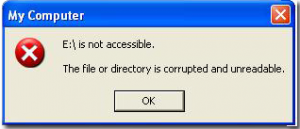
If your USB flash drive says “The file or directory is corrupted and unreadable”, appears as RAW, or asks to be formatted, your files may still be recoverable. The first move is to stop writing to the USB and check whether your computer detects the device at its expected capacity. Restore an existing backup or scan a detectable, stable drive before attempting repairs.
Do not click Format or Initialize, run CHKDSK with repair switches, or use DiskPart's clean command while you still need files from the USB. Those actions can change the file system or partitions. If the flash drive is physically broken, repeatedly disconnects, or reports No Media or 0 bytes, stop software scans and consider a professional data recovery service instead.
In This Article
Part 1. Can You Recover Files from a Corrupted USB Drive?
Sometimes. A corrupted flash drive is not necessarily a physically broken one. Its USB controller may still work while the file system, directory entries, or access permissions prevent Windows or macOS from opening files normally. If the computer detects the drive reliably, data recovery software may be able to locate files that the operating system cannot show. That is different from fixing the USB so you can use it again.
Your next step depends on what the computer can actually see. Use the following distinctions before choosing a recovery method.
| What you see | What it may mean | Safest first move |
| USB opens, but folders or files are missing | Hidden files, deleted data, or a damaged directory | Copy the files you can access to another disk; check backups and scan only if needed |
| USB shows a normal capacity but cannot be opened or is RAW | Logical file-system damage is possible | Do not format; check whether a recovery tool can scan the detected device |
| USB appears as Unallocated or Not Initialized | Partition information may be missing or damaged | Do not create a partition or initialize the disk; assess recovery options first |
| USB reports No Media, 0 bytes, or repeatedly disconnects | Possible controller, connector, or flash hardware failure | Stop repeated scans and seek professional advice for valuable data |
A recoverable file and a repaired file are not the same thing. Recoverit can search a suitable storage device for available file data, but data that has been overwritten, physically lost, or never fully written cannot be recreated just by scanning. If a restored document or video will not open, its content may itself be damaged and requires a separate assessment.
Part 2. Check Your USB Drive Before Recovery
Start with checks that do not erase the USB or rewrite its file system. If you can still open some files, copy the important ones to a healthy computer drive or another external disk now. Do not move them back onto the troubled USB.
- Check the connection once. Use a known-working USB port, preferably directly on the computer rather than an unstable hub. If appropriate, test on another computer. If the connector is cracked, the drive becomes very hot, or it repeatedly drops offline, stop here.
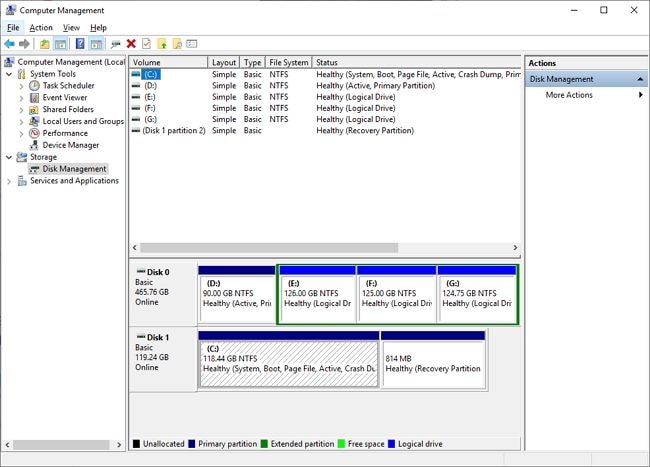
- Look at detection, not just the drive letter. On Windows, right-click Start and select Disk Management. Identify the flash drive by capacity and the disk label; check whether it is Online, RAW, Unallocated, or No Media. Do not select any Format or Initialize prompt.
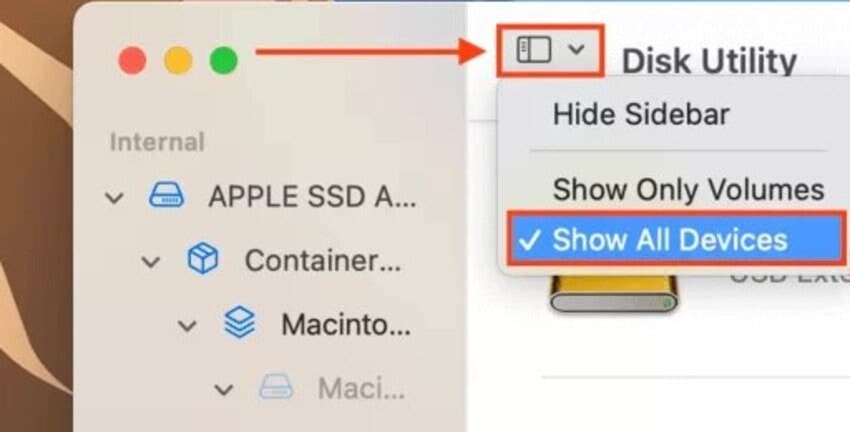
- On Mac, inspect the device list. Open Disk Utility, choose View > Show All Devices, and check whether the physical USB device appears in the sidebar. Do not click Erase or run First Aid before protecting your files.
- Prepare another destination. Make sure the computer's internal drive or a separate healthy disk has enough space for the files you want to save. Recovery output should never go onto the damaged source USB.
These checks help distinguish a readable USB from a drive with possible hardware failure. They do not establish that every file is intact. If the capacity looks wrong or the device is unstable, repeated full scans may worsen a failing device's condition.
Part 3. How to Recover Data from a Corrupted Flash Drive
Recover the files first; restore the USB's normal operation later. Choose an existing backup if one is available, then a scan of a stable drive if the files are missing. The three methods below differ in their prerequisites and do not guarantee the same results.
Method 1. Restore Copies from an Existing Backup
Best for: USB files that were already copied to your computer, another external disk, or a cloud service before the corruption occurred. Retrieving those saved copies avoids reading a potentially failing flash drive.
- Open the folder, backup disk, or cloud account where you previously stored the USB files.
- Locate the most recent intact version of each needed folder. Compare file dates and open a few photos, documents, or videos to confirm the content is usable.
- Copy the files to your computer or another healthy disk. Keep the damaged USB unchanged until you have confirmed the copied files are complete.
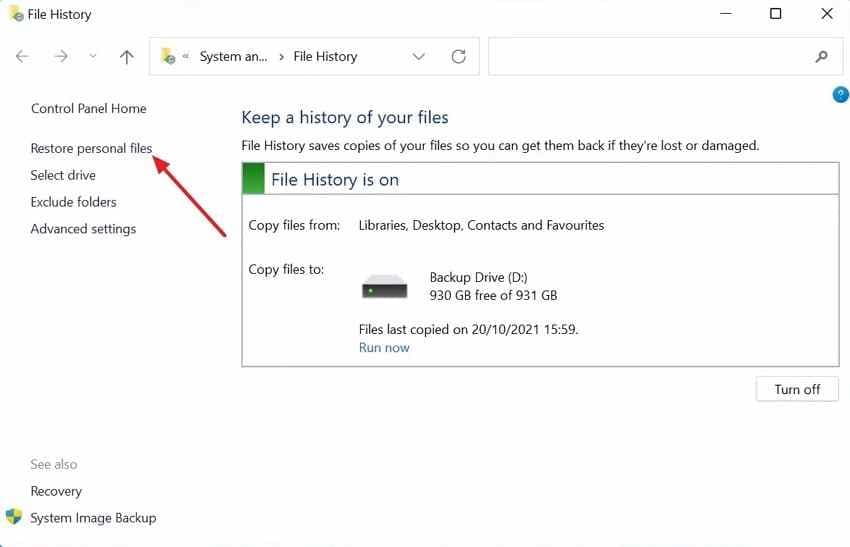
On Windows, File History may help if those files were included in an existing backup. File History cannot recover data from a USB that was never backed up.
If File History was already enabled for the missing folders: Open Control Panel > System and Security > File History, then choose Restore personal files. The following Windows screenshot shows that option.
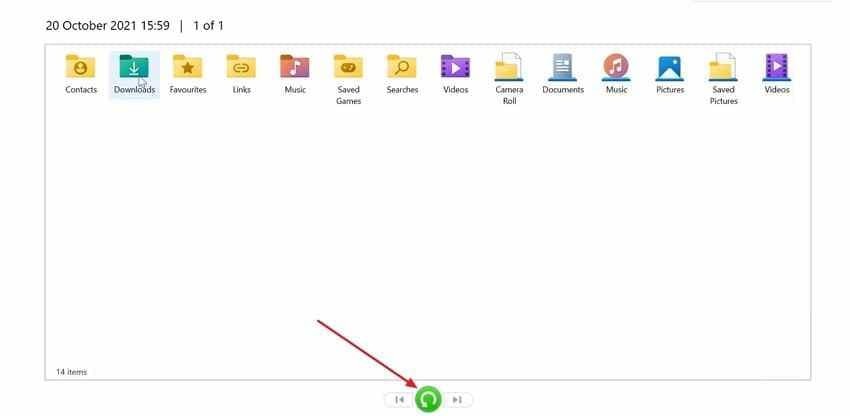
Browse the saved folders and backup dates, and select the copies you need. In this version of the File History interface, the green button restores to the original location by default; right-click the Restore control and choose Restore to (or use the available alternate-location option) to save the files to a separate healthy location. The screenshot shows the backup-selection view, not a completed restore.
If your backup is incomplete, scan the source drive only if it remains stable and detectable.
Method 2. Scan a Detectable USB Drive with Recoverit
Best for: A USB flash drive that the computer still recognizes consistently but that has missing files, a damaged file system, or inaccessible folders. Wondershare Recoverit USB Data Recovery offers a graphical scan and file-preview workflow on supported Windows and Mac computers. It cannot repair a broken USB controller or guarantee recovery from physically damaged or overwritten storage.
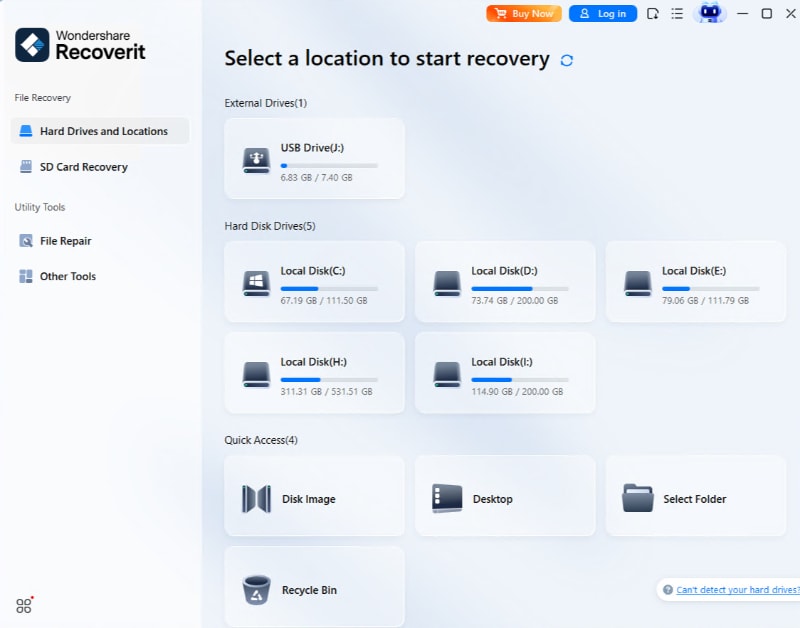
Step 1. Connect and select the USB drive. Open Recoverit and find the USB in the available storage locations. Match the name and capacity where shown, and select the correct device. If the drive does not appear at all or keeps disconnecting, stop rather than retrying scans.
Step 2. Scan for recoverable files. Start the scan, allow the software to examine the selected USB, and use the available file-type or path filters to locate the files that matter. A scan result is only a candidate for recovery; it does not prove the file is complete.
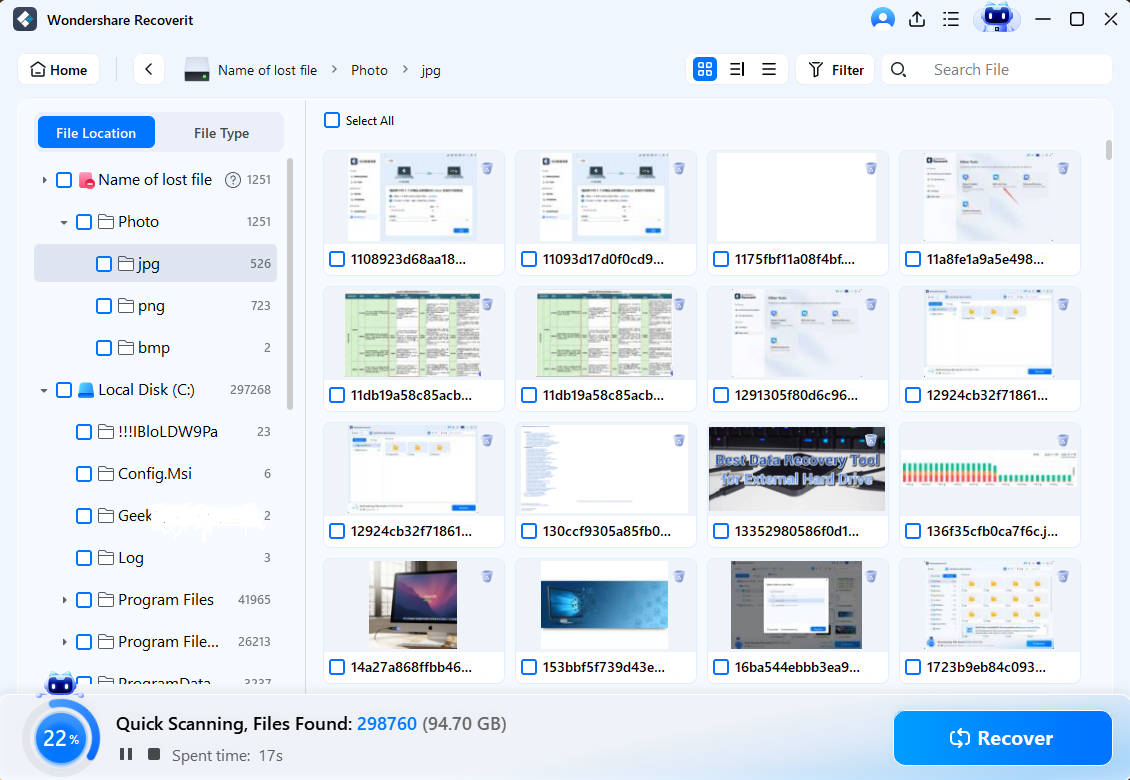
Step 3. Preview and recover to a different disk. Where preview is available for the file type and plan, check important results, choose the files you need, and click Recover. Save them to a healthy internal disk or a different external drive, not to the corrupted USB. Open the saved files afterward and verify their contents.
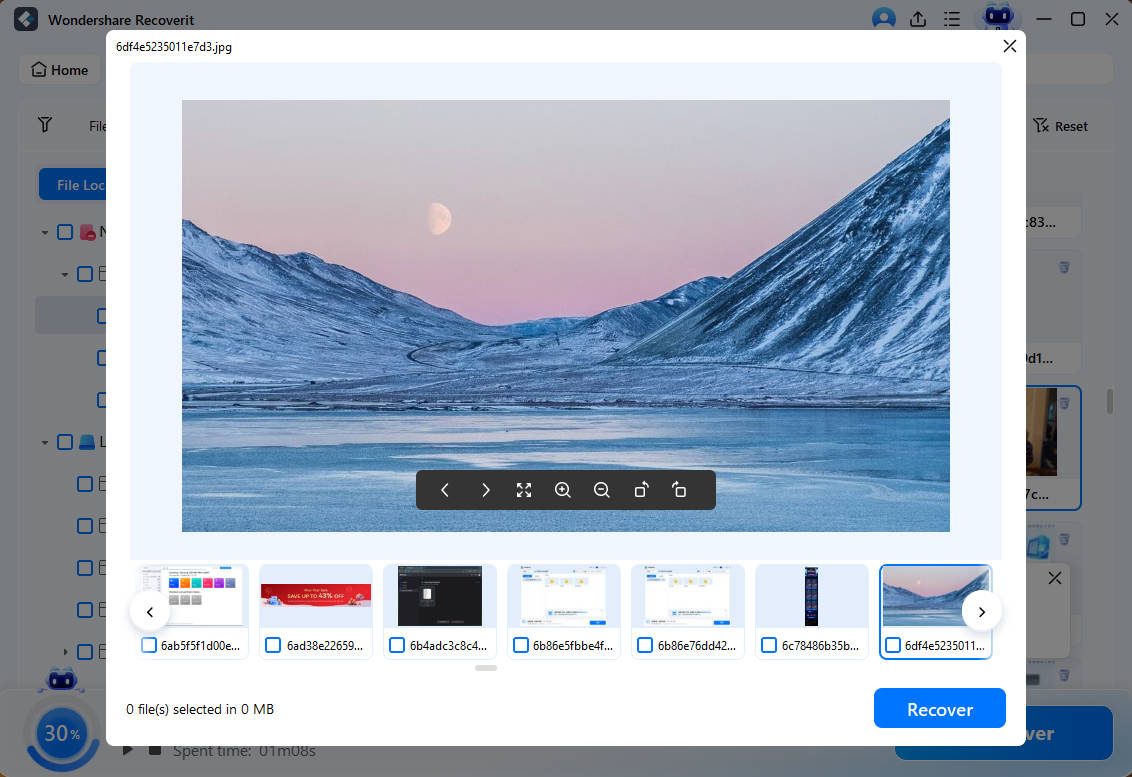
If no useful files are found: Do not assume another repair or formatting attempt will reveal them. Recheck backups and the drive's detection status; for critical files on an unstable device, consult a data recovery specialist. Downloading, scanning, or previewing does not guarantee that saving recovered data is free or that every found file will open.
Method 3. Try Windows File Recovery for Free
Best for: Windows 11 or eligible Windows 10 users comfortable with Command Prompt whose USB still has a usable drive letter, remains connected, and can tolerate a scan. Microsoft Windows File Recovery is a free command-line recovery app for local drives, including USB devices. It is not a hardware repair utility and is not available on macOS.
- Install Windows File Recovery from Microsoft's official instructions on the computer, never on the corrupted USB.
- Identify the USB's source drive letter and a different destination drive with enough free space. For example, the USB might be E: and the computer's internal storage C:. Confirm both before continuing.
- Run Windows File Recovery in Extensive mode for FAT/exFAT storage or an NTFS disk with corruption. For the example letters only, the command is
winfr E: C: /extensive. Replace E: and C: with your actual source and destination letters.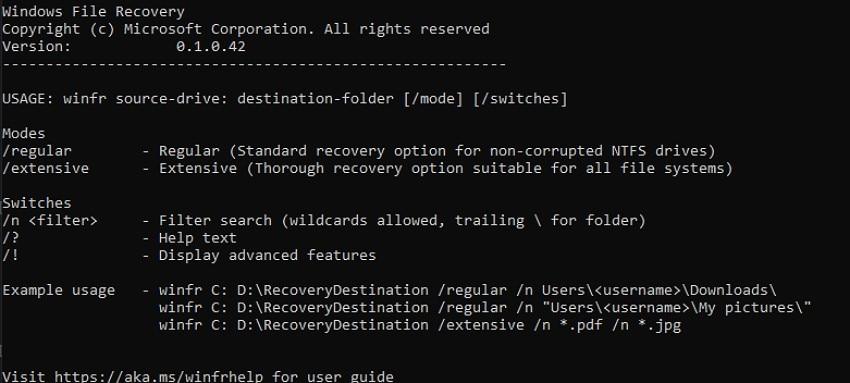
The screenshot shows Windows File Recovery help and its
/extensivemode. It does not show an actual scan or successful recovery. Run the command above using your verified source and destination drive letters. - Review the recovered files in the folder the utility creates on the destination drive. Open a few examples to check whether the data is intact.
If the source has no usable drive letter, the USB disconnects, or the recovery scan cannot read it, this command is not a substitute for repairing hardware. Do not run chkdsk /f or attrib as a way to recover the same lost files; those commands address different problems.
Part 4. What If the USB Is RAW, Unallocated, or Not Detected?
A single “corrupted USB” message can describe very different failures. Use the device's actual status to decide whether to scan, check a connection, or stop working with it. Avoid writing new partition information while the old files are still needed.
| USB status | What to do next |
| RAW in Disk Management | Do not accept the format prompt. A detectable RAW volume may still be scanned; see RAW USB recovery for the specific workflow. |
| Unallocated space or a prompt to initialize | Do not create a new volume or initialize the disk. If the correct capacity appears, investigate recovery of lost files or partition data before any write. |
| USB absent from File Explorer but shown with the right capacity in Disk Management | Check the volume's status and whether it has a drive letter. A drive-letter issue is different from actual file-system damage; do not format to make it appear. |
| USB does not appear in Disk Management or Disk Utility | Try one known-working connection, then see USB detection troubleshooting. If it still does not enumerate, software recovery may not be possible. |
| No Media, 0 bytes, unexpected capacity, severe heat, or repeated disconnects | Possible physical failure. Stop repeated plug-in attempts and software scans when the files matter; see broken USB recovery options. |
A device that appears only in Windows Device Manager but has no recognized storage capacity in Disk Management is not yet a reliable recovery source. The next step is diagnosis of its connection or hardware, not a formatting command. If the USB is stable and appears normally, protect the data before changing drivers or partitions.
Part 5. Fix the Corrupted USB Only After Saving Your Files
Once you have copied or recovered important files and verified that they open on a different disk, you can investigate whether the USB is safe to reuse. Drive-letter changes, disk checks, and formatting serve different purposes. None of them should be presented as a substitute for the recovery process above.
The Recoverit video below demonstrates drive-letter changes, Windows and Mac repair utilities, CHKDSK, formatting, and software recovery. The video introduces some repairs before the recovery segment at 5:15. For a USB that still contains irreplaceable files, follow this article's recover-first sequence rather than performing those repair steps in the video's order.

Check a Missing Drive Letter on Windows
If Disk Management shows a normal USB volume with the expected capacity but File Explorer does not show it, a missing drive letter may explain the problem. Only attempt this when you have protected the data and the drive is not showing signs of hardware failure.
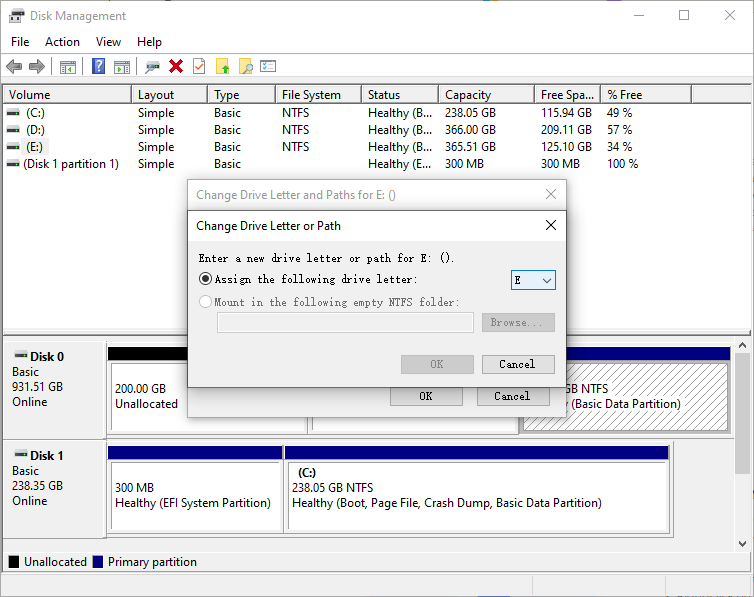
- Right-click Start and choose Disk Management. Locate the USB by name and capacity, not by its disk number alone.
- Right-click the existing USB volume and select Change Drive Letter and Paths. If it has no letter, click Add and choose an unused letter. If the volume is RAW or Unallocated, stop instead of creating a new volume.

Confirm the change, reopen File Explorer, and check whether the USB is accessible. A new letter only changes how Windows addresses the volume; it does not reconstruct damaged files.
Use File-System Repair or Formatting Only When Data Is Safe
If recovered files have been checked and saved elsewhere, Windows Error checking or CHKDSK may help resolve logical file-system errors on a stable drive. Both can change file-system records. On Mac, Disk Utility > First Aid is similarly a repair operation, not a way to extract lost files. Use the official instructions for your operating system and keep your backup available.
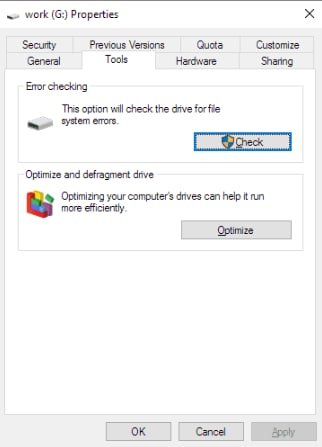
Microsoft's CHKDSK documentation describes the repair switches; Apple's Disk Utility guidance explains First Aid. If you want the full device-repair workflow, use how to fix a corrupted USB drive after recovery, rather than repeating repair commands on an unprotected source.
Formatting or recreating a partition removes access to the previous file layout, and can make further recovery harder. Consider formatting only if you have already verified the files elsewhere and accept losing what remains on the USB. If it continues to fail, heats up, or disconnects after the repair, replace it instead of trusting it with important data.
Part 6. Verify Recovered Files and Prevent Future Corruption
The recovery task is not finished when the scan ends. Check the files you saved before reusing or discarding the flash drive:
- Open representative files. Test a few documents, images, and videos from the new destination. A recovered filename and file size alone do not prove the content is intact.
- Compare folders and versions. Check important projects against an older backup, if you have one, to identify gaps.
- Keep two copies. Save another copy of irreplaceable files on a separate drive or supported cloud backup rather than relying on one USB.
- Eject safely. Wait for file transfers to finish, then use your operating system's eject option before unplugging the device.
- Replace unstable hardware. A USB that repeatedly becomes unreadable should not remain the only location for important work.
If saved files still will not open, compare them with an intact backup or sample file. A damaged video or document may need file-level repair, but such repair cannot recreate source data that was never recovered.
Conclusion
To recover files from a corrupted flash drive, first stop using the USB and check how it appears in Windows Disk Management or Mac Disk Utility. Restore a backup when possible; if the device remains detectable and stable, scan it and save any recoverable files to another healthy disk. Verify the output before attempting CHKDSK, First Aid, formatting, or other repair actions. A USB with physical damage, No Media, or repeated disconnects needs a different approach and may require professional help.
FAQ
-
Can I recover files from a corrupted USB drive without formatting?
Sometimes. If the drive is detected reliably and the data has not been overwritten or lost to hardware failure, you may be able to restore backups or scan for recoverable files. Do not accept a format prompt before protecting important data. -
How do I recover data from a corrupted flash drive for free?
Start with existing copies and backups. On Windows, Microsoft's Windows File Recovery is a free command-line option for supported, stable local drives, including USB storage. It requires a different destination drive and does not repair broken hardware. -
Can CMD recover corrupted files from my USB?
Commands do different jobs. Windows File Recovery (winfr) searches for lost files on supported storage. CHKDSK repairs file-system structures, while ATTRIB changes attributes on existing files. Neither CHKDSK nor ATTRIB is a substitute for recovering missing file content. -
Can I recover USB files if the drive shows as RAW?
A RAW label can indicate that Windows cannot read the file system. If the USB is detected with the expected capacity and remains stable, recovery software may be able to scan it. Do not initialize, format, or recreate the partition while you still need the old files. -
What if my USB shows 0 bytes or No Media?
That can indicate a USB controller or flash-memory hardware problem. When important data is involved, avoid repeated scans and formatting attempts and ask a professional recovery service to assess the device. -
Why do recovered files still appear corrupted?
Scan results can include incomplete or damaged files, especially when data has been overwritten or storage is failing. Save the recovery output elsewhere and try opening it. A separate file-repair process may help some intact-but-damaged files, but it cannot restore content that was not recovered.


