 TL;DR:
To recover lost USB data safely, you must immediately stop writing to the drive, avoid formatting or running repair utilities like CHKDSK, and choose a recovery tool based on your specific logical failure and free recovery limits.
● Choose Wondershare Recoverit or Disk Drill for guided visual scanning with file previews, switch to DMDE or R-Studio for complex file system damage requiring technical inspection, or use PhotoRec for completely free open-source file carving when you can accept losing the original filenames and folder paths.
● Always save the recovered files and disk images to a separate healthy computer disk or external drive, as writing data back to the affected USB will overwrite the missing files and permanently destroy recoverable sectors.
● Skip software scans and consult a professional recovery service if the USB drive keeps disconnecting, smells burnt, shows 0 bytes, or remains undetected by the computer, because recovery applications cannot bypass failed USB controllers or restore overwritten and TRIM-discarded flash data.
Ask AI for a summary
 ChatGPT
 Perplexity
 Gemini
 Claude
 Grok
If you deleted a folder from a USB stick, formatted the wrong drive, or suddenly see a RAW volume, the right recovery software depends on what happened to the device. Wondershare Recoverit and Disk Drill offer guided scans and file previews; PhotoRec is an entirely free option when you can live without the original filenames; and R-Studio or DMDE offer more control if the file system is damaged. None of them can promise to recover overwritten data or repair a failed USB controller.
Before trying any tool: Stop saving files to the USB drive. Do not format it, run CHKDSK or First Aid, initialize it, or recover files back onto it. If the drive keeps disconnecting, smells burnt, or is not detected by the computer at all, skip repeated scans and consider a professional recovery service.
In This Article
-
- 1. Wondershare Recoverit: Guided USB Recovery with Previews
- 2. Disk Drill: Visual Scanning with a Byte-Level Backup Option
- 3. R-Studio: Advanced Tools for Complicated USB Cases
- 4. DMDE: A Generous Folder-Based Free Option
- 5. PhotoRec: Free, Open-Source File Carving
- 6. Recuva: A Free First Try for Recently Deleted Windows Files
- 7. EaseUS Data Recovery Wizard: Guided Scans and File Filtering
- 8. MiniTool Power Data Recovery: Simple Windows Recovery with a 1 GB Free Tier
- 9. Windows File Recovery: Microsoft's Free Command-Line Utility
- 10. Stellar Data Recovery: A 1 GB Free Starting Point for Windows or Mac
Part 1. Quick Picks and Comparison of USB Recovery Tools
A good choice lets you inspect recoverable files before paying, fits your operating system, and does not require writing to the problem drive. Start with the situation closest to yours rather than choosing by a star rating alone.
Which USB Recovery Tool Should You Try First?
- Guided scanning and preview: Recoverit suits a detectable USB drive when you want to select files visually and save them elsewhere.
- Friendly interface plus disk imaging: Disk Drill is worth considering for a readable drive or an image-based workflow.
- Completely free, open-source recovery: PhotoRec suits people comfortable sorting recovered files without their usual names or folders.
- Damaged file system or complex partitions: DMDE and R-Studio provide more technical inspection and imaging options.
- Simple deleted files on Windows: Recuva and Microsoft Windows File Recovery provide free starting points, with very different interfaces.
Comparison Table: Platforms, Free Recovery Limits, and Best Uses
The allowance below refers to files you can save, not merely scan or preview. Some limits are per file, per folder, or platform-specific; those are not interchangeable. Paid prices, upgrade terms, and edition entitlements should be checked on each official site before purchasing.
| Tool | OS | Free use / limit | Best fit | Main trade-off |
| Wondershare Recoverit | Windows, Mac | Free scan/preview; recovery allowance varies by offer | Visual USB recovery; mixed photos, videos, documents | Physical failures and overwritten files |
| Disk Drill | Windows, Mac | Windows: 100 MB; Mac: free preview (edition-dependent) | Beginner-friendly previews; byte-level backup | No Linux build; paid for larger restores |
| R-Studio | Windows, Mac, Linux | Demo: files up to 1,024 KB | Advanced file systems, disk images, technical cases | Steep learning curve |
| DMDE | Windows, Mac, Linux | Up to 4,000 files from one open directory per operation | Free folder-level saves and detailed partition inspection | Bulk folders require license; controls are technical |
| PhotoRec | Windows, Mac, Linux | Free, open source; no volume cap | File carving on damaged or reformatted volumes | Most original names and paths are not recovered |
| Recuva | Windows | Free version available | Fast first pass for accidental deletion | Less control for complex file-system damage |
| EaseUS Data Recovery Wizard | Windows, Mac | Windows free edition: up to 2 GB | Guided recovery and filtering | Mac terms and paid plans differ |
| MiniTool Power Data Recovery | Windows | Free edition: up to 1 GB | Straightforward Windows wizard | This product is Windows-focused |
| Windows File Recovery | Windows 10/11 | Free Microsoft utility | Command-line recovery for NTFS, FAT, exFAT | No graphical interface |
| Stellar Data Recovery | Windows, Mac | Free edition: up to 1 GB | Simple preview and recovery on both platforms | Advanced features vary by edition |
Important: The vendor pages for Recoverit currently describe different free-file allowances for different offers/editions, so this table intentionally does not promise a fixed Recoverit recovery quota. Check the allowance shown by the current installer and offer. The 2 GB EaseUS figure refers to its Windows free product page; it should not be assumed to apply unchanged to every Mac edition.
Part 2. 10 Best USB Flash Drive Recovery Software Options
The following options are ordered for breadth of use rather than measured recovery speed. Choose a tool whose free or trial mode lets you inspect relevant results, then decide whether a paid upgrade actually helps your case. When an option includes partition editing or disk-writing features, use recovery-only functions until the files are safely copied.
1. Wondershare Recoverit: Guided USB Recovery with Previews
If your Windows PC or Mac can still detect the USB drive, Recoverit provides a straightforward scan-and-preview workflow for deleted files, formatted volumes, and many logical access problems. Its official USB recovery page covers FAT32, exFAT, NTFS, and APFS and explains how to select files for recovery without writing them back to the source. The current Windows V15 guide includes external-device recovery, and available menus may differ by build.
- Useful for: Recovering selected photos, videos, office files, and other documents from a USB volume that the software can read.
- Why consider it: Visual results, file-type filtering, previews where supported, and a separate recovery destination.
- Limitation: A preview is not proof that a file will open after recovery; device failure, overwriting, and unavailable decryption credentials remain real barriers.
See the official Recoverit USB Flash Drive Recovery page for supported scenarios and current download options.
2. Disk Drill: Visual Scanning with a Byte-Level Backup Option
Disk Drill for Windows and macOS combines a visual recovery browser with a byte-level backup feature. That makes it appealing when you want to scan a disk image rather than repeatedly read a vulnerable USB drive, provided the device is still stable enough to image. It can preview files and sort results by recovery chance; those indicators are helpful clues, not guarantees.
The vendor currently lists 100 MB of free file recovery on Windows. Its macOS free experience focuses on previewing before an upgrade, so the Windows allowance should not be assumed on a Mac. The interface is friendlier than professional tools but a paid license may be necessary for a large recovery job.
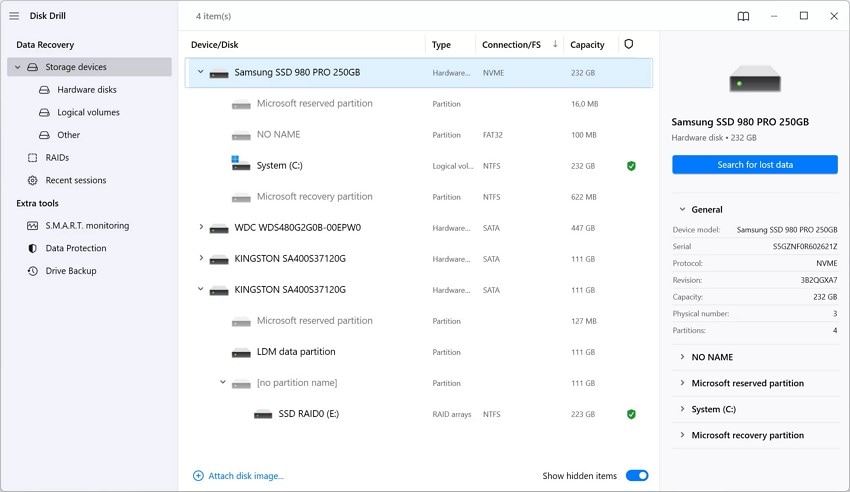
Best fit: Someone who values a guided interface, visual previews, and a disk-image option. Check Disk Drill features and the current Windows offer.
3. R-Studio: Advanced Tools for Complicated USB Cases
R-Studio is a stronger fit for technicians or experienced computer users who need detailed file-system views, image-based recovery, and control over complex scan results. It is available for Windows, macOS, and Linux, and may be useful when a basic wizard is unable to show a sensible folder structure.
The official demo lets you inspect results but restricts saving to files of 1,024 KB or smaller. Large recovered documents or media normally require a paid license. The software offers powerful options, but a beginner should avoid experimental write operations on the source drive.
Best fit: Complex logical data loss on a readable USB device, especially when you need technical inspection. Check the current R-Studio demo restrictions.
4. DMDE: A Generous Folder-Based Free Option
DMDE can inspect lost volumes, rebuild file listings in memory, and recover files from FAT, exFAT, NTFS, and other file systems. Unlike tools that meter free use by total gigabytes, the free edition allows up to 4,000 files from one open directory in a single recovery operation, with repeated operations permitted. It does not offer unrestricted one-click recovery of an entire folder tree.
You can inspect found directories and preview common image types. DMDE also includes cloning and a disk editor, but those are separate technical functions: do not edit partitions or write an image back to the original USB as a shortcut to file recovery.
Best fit: A careful user who can navigate a technical interface and wants file-by-file or single-folder recovery without a volume-based cap. Read the official DMDE Free Edition limits.
5. PhotoRec: Free, Open-Source File Carving
PhotoRec searches for recognizable file data rather than relying entirely on the USB file system. That makes it worth trying after a format or when a directory structure is badly damaged and simpler recovery cannot find the files. It runs on Windows, macOS, and Linux and is free, open-source software with no paid recovery quota.
The trade-off is organization. PhotoRec usually cannot restore the original filenames or folder paths; it may produce many generically named files that you have to sort afterward. Fragmented video and archive files may also be incomplete. Choose a healthy second disk for the output directories before starting a scan.
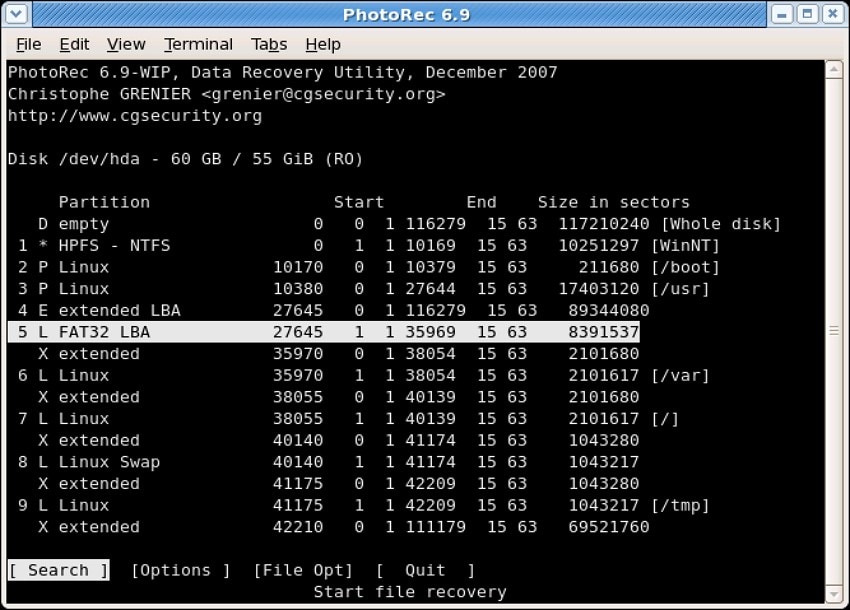
Best fit: Free recovery of identifiable file contents when lost names and folders are acceptable. Read the developer's PhotoRec overview and filename limitations.
6. Recuva: A Free First Try for Recently Deleted Windows Files
Recuva is a Windows utility with a free basic version that can search removable USB drives for deleted pictures, documents, and other files. It is a sensible first attempt when you accidentally deleted a folder from an otherwise healthy flash drive and want a simple interface. Recuva also offers a deeper scan mode, although deeper searching cannot reverse physical damage or overwriting.
The developer published a maintenance update in June 2026, so Recuva should not be dismissed merely because the product has a long history. Start with its ordinary recovery function; do not use any secure-delete or overwrite feature on a USB that still holds missing data.
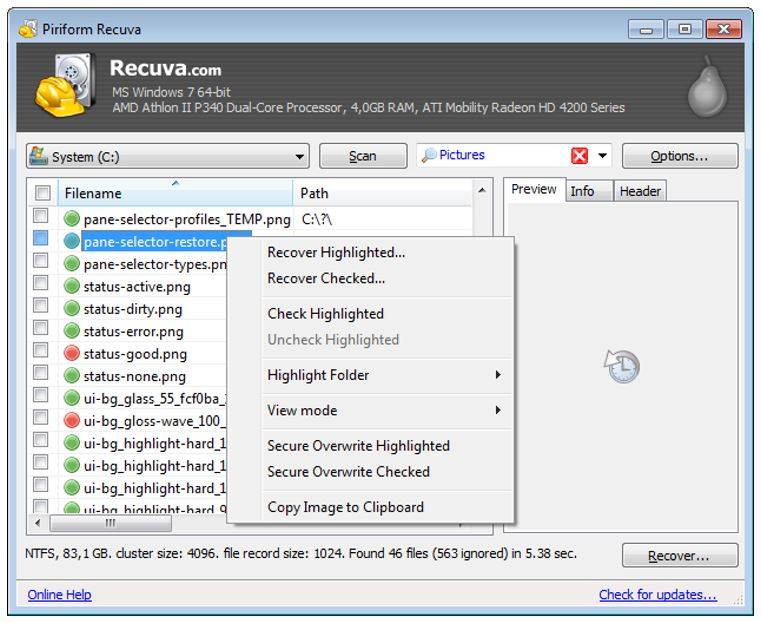
Best fit: A Windows user with a recent deletion, not a severely damaged drive. View the official Recuva download and feature page.
7. EaseUS Data Recovery Wizard: Guided Scans and File Filtering
EaseUS Data Recovery Wizard offers a wizard-like interface to scan USB drives, filter the results, and preview selected files. Its Windows free product page currently advertises up to 2 GB of recovery; the exact eligibility and macOS offering need to be checked separately before installation. Paid versions expand recovery allowances and features.
This is an alternative for someone who wants to examine scan results visually rather than use command-line tools. If the affected USB keeps disappearing from the drive list, do not run repeated scans merely because the software has a deep-scan option.
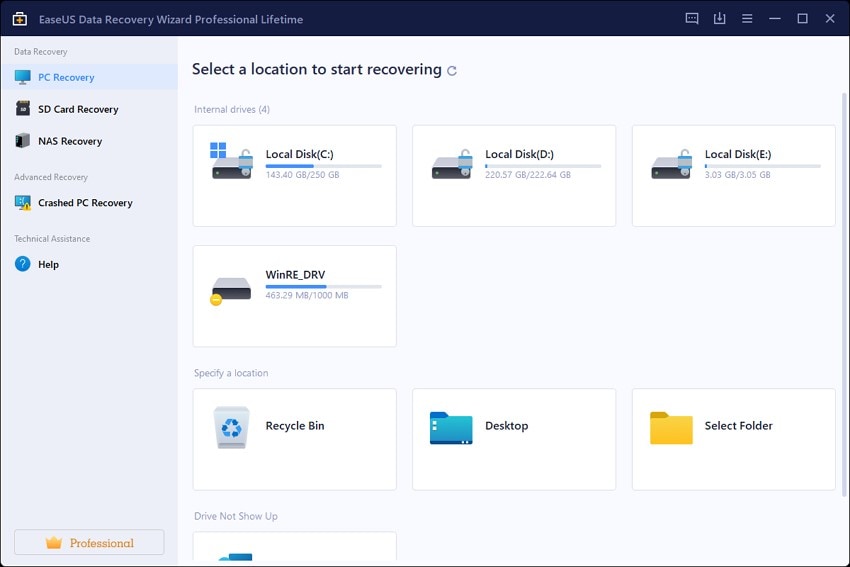
Best fit: Guided recovery of deleted or formatted USB files on a healthy, detected drive. Check the official Windows free-version comparison.
8. MiniTool Power Data Recovery: Simple Windows Recovery with a 1 GB Free Tier
MiniTool Power Data Recovery is a Windows-focused option that organizes recoverable files by location, path, and type. It allows users to inspect previewable files and save up to 1 GB in the free edition, according to its current official comparison. This can be enough for a small missing folder, but not a large archive of videos.
A scan can find candidates without proving every recovered file will be intact. Inspect a few important documents or photos after saving them to a different physical disk. If the missing files are not listed, move to a more advanced tool only while the source remains stable.
Best fit: A Windows user wanting a basic guided interface and a clearly stated free quota. View MiniTool's free-edition details.
9. Windows File Recovery: Microsoft's Free Command-Line Utility
Windows File Recovery is a free Microsoft Store utility for Windows 10 and Windows 11. Its command-line interface is best for someone comfortable identifying the correct drive letters and reading command output. It supports recovery from USB devices, but does not supply the browse-and-preview experience of the graphical tools.
For a USB drive formatted as FAT or exFAT, Microsoft recommends Extensive mode rather than Regular mode. The source and destination must be separate drives. For example, if the affected USB is E: and a healthy recovery destination is D:, winfr E: D: /extensive is a basic pattern; replace the letters with the actual devices. Double-check them before running any command.
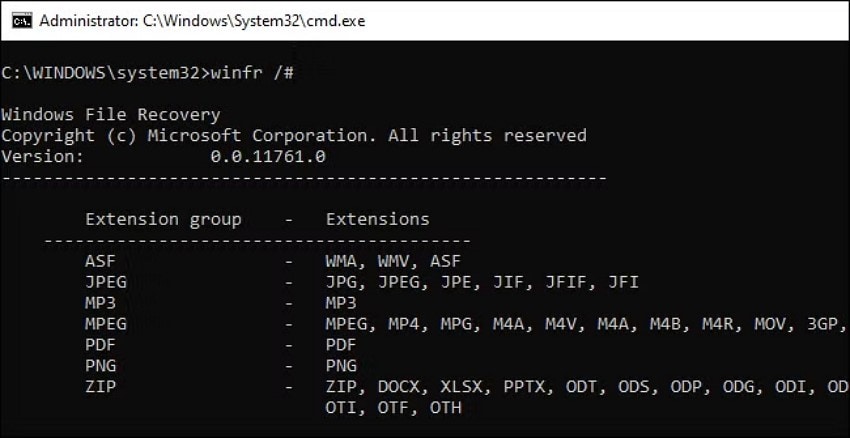
Best fit: Free command-line recovery on a detected USB drive attached to a Windows PC. Follow Microsoft's current syntax and mode guidance.
10. Stellar Data Recovery: A 1 GB Free Starting Point for Windows or Mac
Stellar offers desktop data recovery products for Windows and macOS. Its current official free-recovery page lists up to 1 GB of saved files for each desktop platform, with preview and paid editions available. This can be a practical starting point if you need to retrieve a modest set of USB documents or pictures.
Stellar announced a redesigned Windows Data Recovery 14.0 release in late October 2026. Because edition names and bundled tools can change, check the current product page rather than relying on an older list of repair functions or a static price. The source drive must still be readable; the software cannot fix a failed USB controller.
Best fit: Basic desktop recovery with a clear 1 GB free allowance. Review the current Stellar free edition.
Part 3. Choose by USB Failure Scenario, Not Just by Software Name
Two people searching for "USB recovery" may need different tools. A deleted folder on a healthy drive is not the same problem as a USB stick that vanishes from the computer each time it is plugged in.
Files Deleted from a USB Drive That Still Opens
If the USB mounts normally and only the files are missing, stop writing to it and consider Recuva, Recoverit, MiniTool, or Windows File Recovery. Scan for the missing filenames or types, preview where available, and save the results to another disk. If you can retrieve the same files from a verified backup, that is safer than scanning at all. For more device-specific recovery methods, see how to recover files from a USB drive.
A Formatted, RAW, or "You Need to Format" USB Drive
Do not agree to format the drive again. If the device is still detected, Recoverit, Disk Drill, DMDE, R-Studio, or PhotoRec may find data despite damaged file-system metadata. A disk image can reduce repeated reads if the USB is stable enough to create one. If file names and folders matter, try a file-system-aware tool before PhotoRec's signature-based carving.
A Drive That Disconnects, Shows 0 Bytes, or Is Not Detected
A drive that repeatedly disconnects, gets unusually hot, smells burnt, or never appears to the operating system is a different class of problem. Swapping to a known-good port or adapter once is reasonable, but repeated reconnection or software scans can make a failing device worse. If the data matters, ask a qualified recovery lab about the device rather than using a partition-repair utility.
Encrypted, Overwritten, or Flash-Trimmed Data
Recovery tools cannot invent decryption keys or restore sectors already overwritten. Some solid-state media also discard deleted data through TRIM or internal garbage collection. If the USB has been reused to create installation media or to copy new files, previously occupied blocks may no longer be recoverable. Do not pay for a license simply because a scan lists filenames; first verify representative files can actually open.
Part 4. How to Scan a USB Flash Drive with Recoverit Safely
If the USB is detected and the problem is logical file loss, Recoverit can offer a guided way to check what is still recoverable. These steps follow the official Windows V15 external-device workflow; the names of categories and buttons can vary slightly by installed build.
Step 1. Confirm the USB Is Detectable and Choose the Right Device
Connect the affected flash drive to a stable USB port. If you can already open the files, copy them to a different disk first. Otherwise, install or launch Recoverit on your computer without placing its installer or working files on the affected USB. In the data-recovery area, choose the detected external/USB device by capacity and drive letter before starting a scan. If it is absent or disconnects repeatedly, stop instead of trying destructive disk fixes.
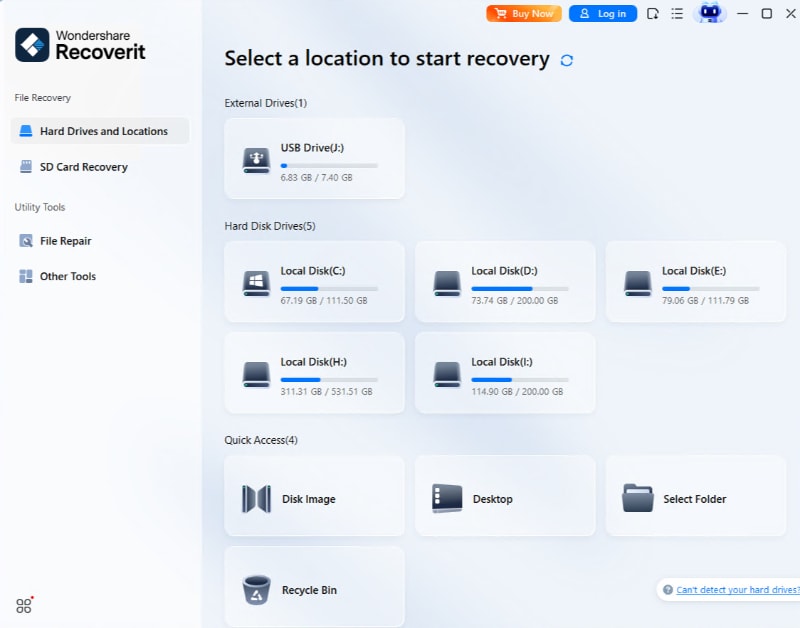
Step 2. Scan, Filter, and Preview Recoverable Files
Scan the selected USB volume and give the scan time to finish if the drive remains stable. Use the file-type or location filters to locate the missing photos, videos, and documents. Preview supported items and check their names and sizes. When a preview is unavailable, inspect other results or use a second, suitable tool rather than treating the first scan result as proof of recovery.
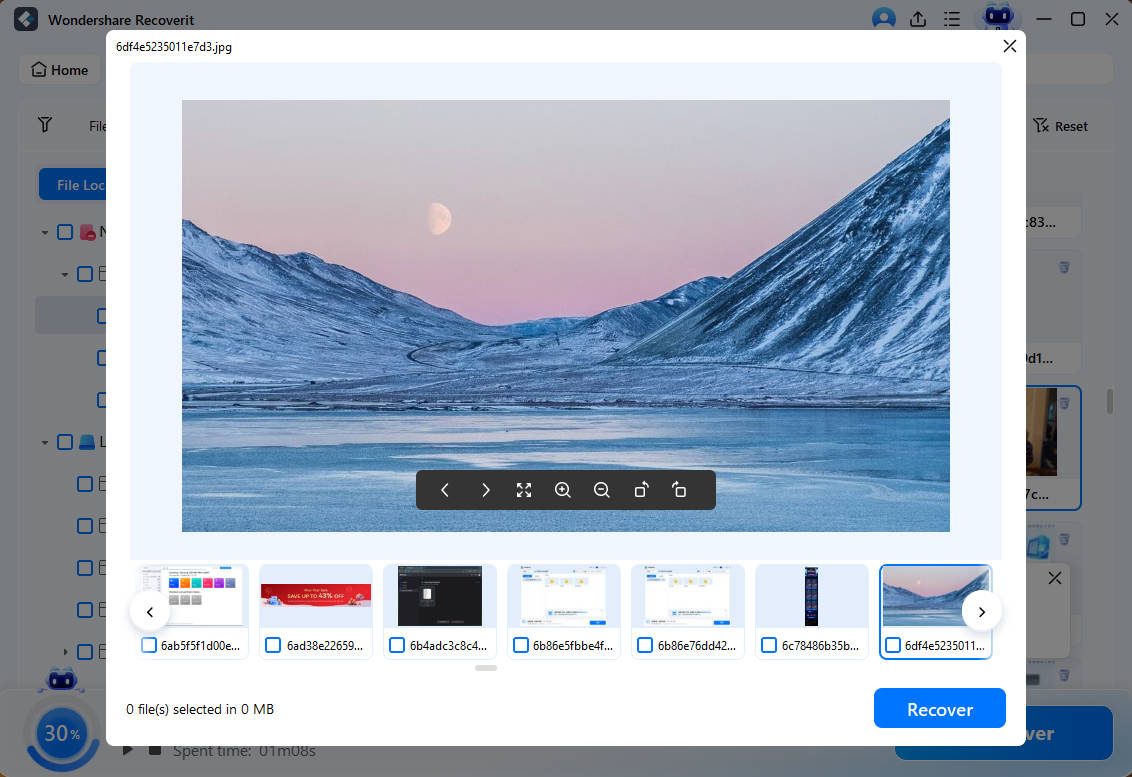
Step 3. Recover Elsewhere and Verify the Saved Files
Select the files you need and choose Recover. Save them to your computer or another healthy external drive, not to the USB you are scanning. Open a sample of the saved photos, videos, documents, and archives to confirm the results. If files are unreadable or missing, preserve the original USB and assess another recovery method or professional help before making repairs to the source.
For a detailed walkthrough, refer to the current Recoverit Windows user guide and USB recovery product page.
If your USB is visible and a safe scan is appropriate, use the links below to reach the current Recoverit download pages for Windows or Mac. Install the program on your computer rather than on the affected USB. A scan cannot guarantee recovery.
Part 5. What to Check Before You Pay for USB Recovery Software
A large free quota is useful only if the tool recognizes the right USB and can reconstruct the files you need. These checks help avoid paying for a license that cannot solve the problem:
- Confirm device detection: Check that the app sees the correct USB size or volume. A drive that is not detected by the system may need hardware diagnosis.
- Check the data-loss type: Recent deletion, formatting, file-system corruption, and hardware faults are not equivalent problems.
- Look beyond filenames: A found filename can belong to an overwritten or partly damaged file. Preview it and, where possible, test a legitimately free recovered sample.
- Check the actual free rule: A 100 MB quota, a 1 GB quota, a per-file demo cap, and 4,000 files from one folder all mean different things.
- Protect the source: Confirm that recovery output and disk images will be written to another physical drive, not the problem USB.
- Review the license: Verify the operating system, allowed computers, subscription terms, and whether the recovery feature you want requires a higher edition.
The comparisons above are based on first-party documentation checked on November 6, 2026, not a new lab benchmark. We prioritized platform availability, clear free-license boundaries, safe recovery paths, relevant file-system features, and the amount of technical work each tool expects from you. Real recovery results still depend on how the USB was damaged, whether data was overwritten, and the device's current condition.
Conclusion
For a detected USB drive and an easier scan-and-preview workflow, Recoverit and Disk Drill are reasonable starting points. If you need genuinely free recovery, Recuva is simple on Windows, Windows File Recovery works if you know the command line, and PhotoRec is valuable when recovering the file contents matters more than keeping original names. DMDE and R-Studio offer deeper control for experienced users.
Whichever option you choose, stop writing to the USB, recover to another disk, and confirm the files open. If the flash drive is physically failing or is never detected, a software comparison cannot replace an appropriate hardware diagnosis.
FAQ
-
What is the best free USB recovery software?
PhotoRec is free and open-source with no paid recovery quota, but it usually loses original filenames. For a simpler Windows interface, Recuva has a free version. DMDE can save up to 4,000 files from one open folder per operation, and Microsoft Windows File Recovery is free for supported Windows systems. Choose based on the state of your USB and how much manual work you can handle. -
Can USB recovery software restore files after formatting?
Sometimes. If the USB is still detected and the original data has not been overwritten, a recovery scan may find files on a formatted or RAW volume. Avoid further formatting and save recovered files elsewhere. A successful scan or filename match is not a guarantee of an intact file. -
Can I recover a USB drive that is not detected at all?
Software normally requires the device to be readable at some level. If another known-good port or computer still cannot detect the USB, or the device repeatedly disconnects, stop repeated scanning attempts and consider a qualified recovery service. -
Should I repair a corrupted USB before recovering files?
If the data matters, recover or safely image the accessible data first. Avoid CHKDSK, partition edits, initialization, or formatting until you have verified copies. Those operations can change the source and complicate recovery. -
Why should recovered files be saved to a different drive?
Saving to the problem USB may overwrite blocks that still contain other missing files. Choose a healthy computer disk or a separate external device with enough free space, then open and verify the recovered files.


