Windows error 0x800703EE can interrupt a file transfer to or from a USB flash drive, SD card, or external hard drive. Windows may report that the volume for a file has been externally altered and that the open file is no longer valid.
Start by checking whether the original file is still readable, whether the destination has enough space, and whether the external drive stays connected. A failed transfer does not necessarily mean your files are lost or your USB drive needs formatting. If important files are inaccessible or the drive repeatedly disconnects, protect the data before attempting repairs.
The same code can also appear during Windows Update or installation media creation. Those cases need different troubleshooting, which is covered in Part 4.
In This Article
-
- Method 1. Reconnect the Drive and Try Another USB Port
- Method 2. Check the Source File and Destination Drive
- Method 3. Pause Conflicting Backup and Background Programs
- Method 4. Update or Reinstall the Affected USB Driver
- Method 5. Diagnose Software Conflicts With a Clean Boot
- Method 6. Repair Windows System Files With DISM and SFC
Part 1. What Does Error 0x800703EE Mean?
Microsoft identifies the underlying Windows error as ERROR_FILE_INVALID (1006, or 0x3EE). The message is: "The volume for a file has been externally altered so that the opened file is no longer valid." See Microsoft's system error code reference for the definition.

This means Windows can no longer complete the operation using the open file. An interrupted storage connection, a file system problem, or interference from software or drivers may be involved. The error alone does not establish which drive is at fault or prove that a partition table is damaged.
Use the circumstances of the failure to narrow down the problem before changing any settings.
| What Happens | What to Check | Where to Start |
| Only one file fails to copy. | The original file, file access, or file-specific read errors. | Method 2 |
| Copying to one USB drive fails, but other destinations work. | The destination's connection, free space, file system, or write access. | Methods 1 and 2 |
| Files cannot be copied from one external drive to any healthy destination. | The source drive or its connection. | Method 1 if stable; Part 3 if files remain inaccessible |
| Only large files fail to copy. | Available space and the destination's file size limit. | Method 2 |
| Several healthy external drives fail on the same PC. | Computer-side drivers or software conflicts. | Methods 3 to 6 |
| The drive disappears, overheats, or repeatedly freezes during transfers. | Potential connection or hardware failure. | Stop repeated attempts; see Part 3 |
| The code appears in Windows Update or while creating installation media. | The update, installation, or media creation process. | Part 4 |
Part 2. How to Fix Error 0x800703EE When Copying Files
These six methods apply to Windows 11 and Windows 10 file transfer problems. You do not need to try every method. If the source drive is stable and your files are readable, make a separate copy of important files first. If the original is missing or cannot be read, go to Part 3 before running disk repairs or writing more data to the affected drive.
Method 1. Reconnect the Drive and Try Another USB Port
Use this check if the error appears while accessing an external storage device. A direct connection can help you rule out an unreliable hub, adapter, or cable without changing the file system.
Step 1. Cancel the failed transfer. Close applications using the external drive and safely eject it if Windows allows. Do not unplug a drive while another operation is writing to it.
Step 2. Connect the device directly to another USB port, without a hub. For a portable hard drive or SSD with a detachable cable, try a compatible, known-good cable. For an SD card, try a reliable card reader.

Step 3. Open This PC and confirm that the drive appears with its expected capacity. If it is stable, try copying a small, nonessential file to a different healthy drive, or test the original copy direction using disposable test files on healthy storage.
If the problem disappears, back up the important files while the connection is working. If the drive remains stable but still fails, try it on another trusted computer. If Windows no longer detects it, use the USB flash drive not recognized guide. Stop if the device repeatedly drops offline or shows signs of physical damage.
Method 2. Check the Source File and Destination Drive
A copy operation depends on two locations: the drive holding the original file and the drive receiving the copy. Testing them separately can prevent unnecessary changes to a drive that is working correctly.
Step 1. Check whether the original file is still present. If the source is stable, open the original in its usual application or try copying it once to another healthy destination. Do not repeatedly open a file that causes the drive to freeze.
Step 2. In File Explorer, right-click the destination drive in This PC and select Properties. Check its free space and file system. Make sure the destination is writable and that you have permission to save files there.
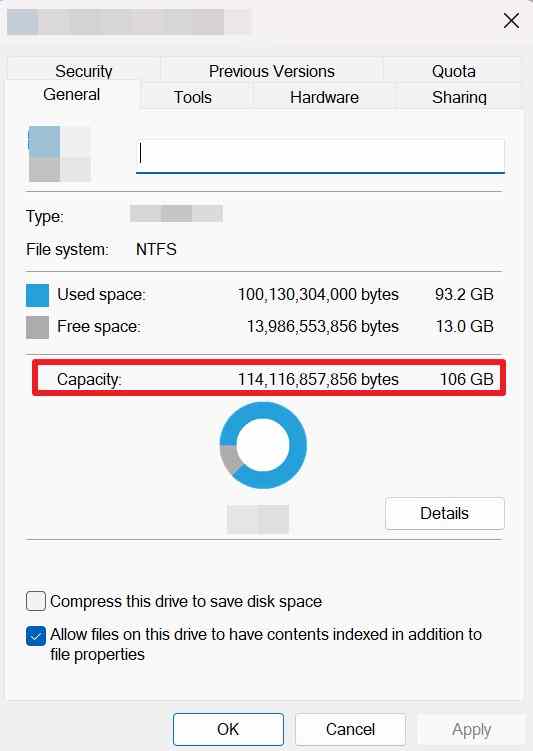
Step 3. If the destination is FAT32 and the file is 4 GiB or larger, use another healthy drive formatted with NTFS or exFAT, provided it is compatible with the device that needs the file. FAT32's single-file size limit is approximately 4 GiB; this is a separate transfer constraint, not proof that FAT32 caused error 0x800703EE. See Microsoft's file system comparison.
Step 4. If the original file remains intact, copy it again to a different folder on a healthy drive. Compare its size with the original and open the new copy. For critical files, compare checksums if both copies are safely readable. Do not delete the original or replace your only complete copy until verification is complete.
If the error follows one source drive even when you change destinations, prioritize its files. If copying fails only to one destination, use a different destination and investigate the original target after protecting any data stored on it.
Method 3. Pause Conflicting Backup and Background Programs
If the error occurs during a scheduled backup, a sync operation, or when a particular program is using the same files, check that program before modifying Windows services.
Step 1. Close applications that are editing the source file. Open the backup or sync software, review its current activity, and let the operation finish or pause it through its own controls.
Step 2. Press Ctrl + Shift + Esc to open Task Manager. In Processes, check the Disk column for heavy activity from applications you recognize. Do not terminate unfamiliar Windows services.
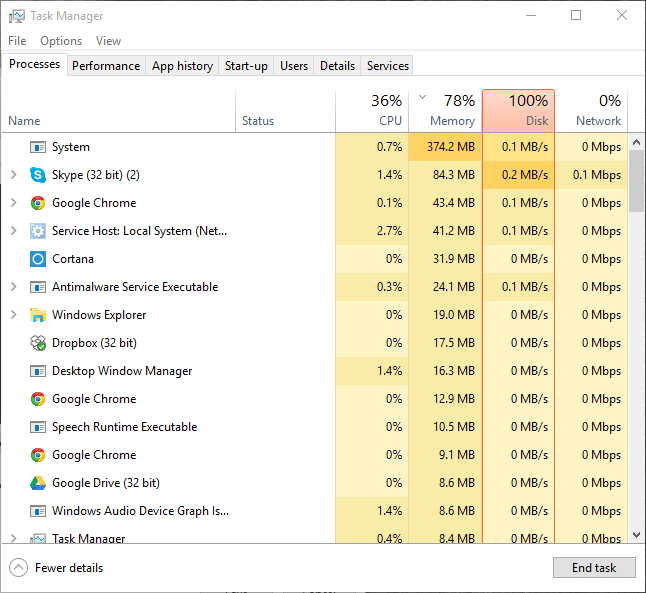
Step 3. Retry a small transfer between healthy locations. If the error stops only when a particular program is paused, check its logs and install any supported update or contact its vendor. Resume scheduled backups when finished.
Keep antivirus protection enabled. If security software reports a blocked or suspicious file, review its alert or quarantine details instead of bypassing the protection. If a backup job specifically reports a snapshot failure, check its log and the vendor's guidance for Volume Shadow Copy Service (VSS). VSS coordinates snapshots for backup; it is not required for every ordinary file copy.
Method 4. Update or Reinstall the Affected USB Driver
Consider this method if otherwise healthy external devices work on another PC, or Device Manager reports a problem with the relevant storage device. Do not uninstall all USB controllers as a first step.
Step 1. Finish or cancel active transfers and back up any accessible important files. Check Windows Update and your computer manufacturer's support page for the appropriate drivers.
Step 2. Right-click Start and open Device Manager. Under Disk drives or Universal Serial Bus controllers, identify the affected external storage device. If you cannot identify the correct entry, stop here rather than guessing.
Step 3. Right-click the identified device and select Update driver. Choose Search automatically for drivers, then follow the prompts. If a targeted reinstall is necessary, right-click only that device, choose Uninstall device, and restart Windows. Windows will attempt to reinstall its driver.

Note: The older Device Manager image shows the USB Mass Storage Device context menu. Use it only to locate the relevant command; do not remove every controller or hub. Follow Microsoft's driver update and reinstall instructions.
Step 4. Reconnect the external drive after restarting. Check Device Manager for the device and test a small transfer if the drive is stable. If only one drive fails on multiple computers, further driver changes on your PC are unlikely to solve that drive's problem.
Method 5. Diagnose Software Conflicts With a Clean Boot
If the error affects several healthy drives on the same PC and you suspect a background application, a clean boot can help isolate a third-party service or startup program. It is a diagnostic test, not a guaranteed fix. Use an administrator account and follow your organization's IT policies on managed computers.
Step 1. Record your current startup and service settings. Search for msconfig and open System Configuration. Select the Services tab.

Step 2. Check Hide all Microsoft services before selecting Disable all, and select Apply. Do not disable Microsoft services. This diagnostic may suspend third-party protections or other essential software; if that would leave your computer unprotected or violate IT policy, skip this method and contact IT support.
Step 3. In the Startup tab, select Open Task Manager. Note which startup items are enabled, disable those items, close Task Manager, and restart the computer.
Step 4. Test only a known, safe local file on healthy storage. If the error disappears, follow Microsoft's process of re-enabling groups of services and startup items to identify the conflict. If it continues, the disabled items are less likely to explain the problem.
Step 5. Restore normal startup promptly after the test. Open System Configuration, select Normal startup in General, restore the service and startup settings you recorded, and restart. Confirm that your normal security and backup protection are active again. See the full Microsoft clean boot and reset instructions.
Method 6. Repair Windows System Files With DISM and SFC
Use these tools when there are broader Windows problems, such as several unrelated applications failing or evidence of system file corruption. DISM and SFC repair Windows components and protected system files; they do not repair a damaged USB controller or recover missing documents.
Step 1. Open the Windows search box, type cmd, and choose Run as administrator for Command Prompt.
Step 2. Run the following command and wait for it to finish:
DISM.exe /Online /Cleanup-image /Restorehealth
Step 3. After DISM reports successful completion, run:
sfc /scannow

Step 4. Wait for verification to complete, review the result, and restart Windows. If DISM fails or SFC reports files it could not repair, consult Microsoft's system file repair guidance rather than repeating the commands indefinitely.
After restarting, check a small transfer on healthy storage. If the original external drive alone still fails, focus on its data and condition instead of repeatedly repairing Windows.
Part 3. How to Recover Files If Error 0x800703EE Persists
A failed copy can leave an incomplete file at the destination while the original remains intact. It can also expose an underlying storage problem that makes the original files inaccessible. Establish which situation applies before choosing recovery software.
Check Whether Your Files Actually Need Recovery
- The original is intact: Copy it to a healthy destination after resolving the connection or transfer problem. Recovery software is unnecessary.
- Files are missing or inaccessible, and the original drive remains detectable and stable: Stop writing to that drive. A recovery scan may locate recoverable files if their contents still exist.
- The external drive repeatedly disconnects, reports zero capacity, or is physically damaged: Stop further scans or repair attempts. If the data is important, consider a professional data recovery service.
Scan, Preview, and Save Lost Files With Recoverit
If error 0x800703EE leaves important files missing or inaccessible on a USB flash drive that your computer can still detect reliably, Wondershare Recoverit USB data recovery can scan the affected storage and let you preview supported file types before saving recoverable files elsewhere. Recoverit is a data recovery tool, not a 0x800703EE repair utility. Results depend on the condition of the drive and whether the original data is still present.
Install Recoverit on a healthy drive, never on the storage where the missing files were originally saved. Prepare another healthy destination with sufficient free space. The Windows workflow below follows the official Recoverit guide.
Step 1. Select the original drive. Connect the affected external drive to a working port and launch Recoverit. Under Hard Drives and Locations, select the location where your missing files were originally stored, using the drive label and capacity to identify it. Start the scan.
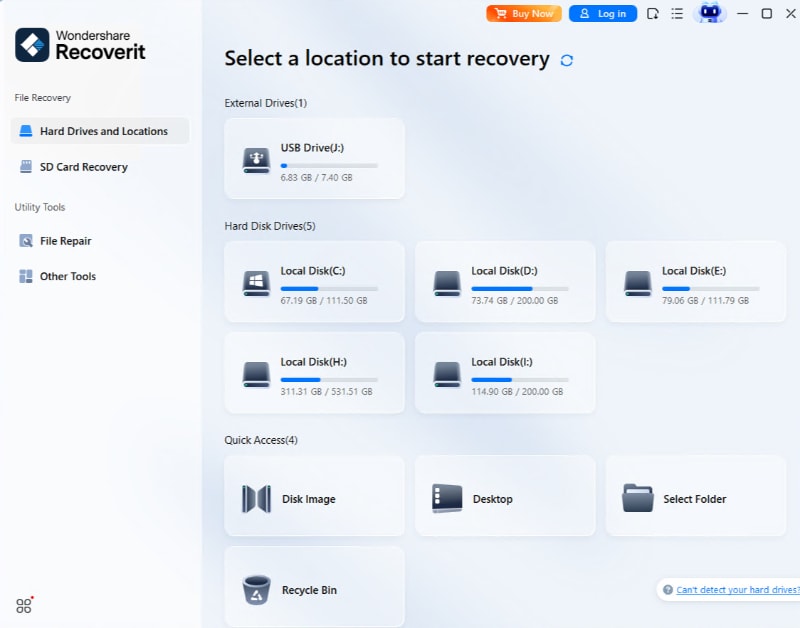
Step 2. Scan for missing files. Keep the drive connected and allow the scan to search for recoverable items. Use the results or filters to locate the files you need. If the device starts disconnecting or freezing, stop the scan and reassess its condition.
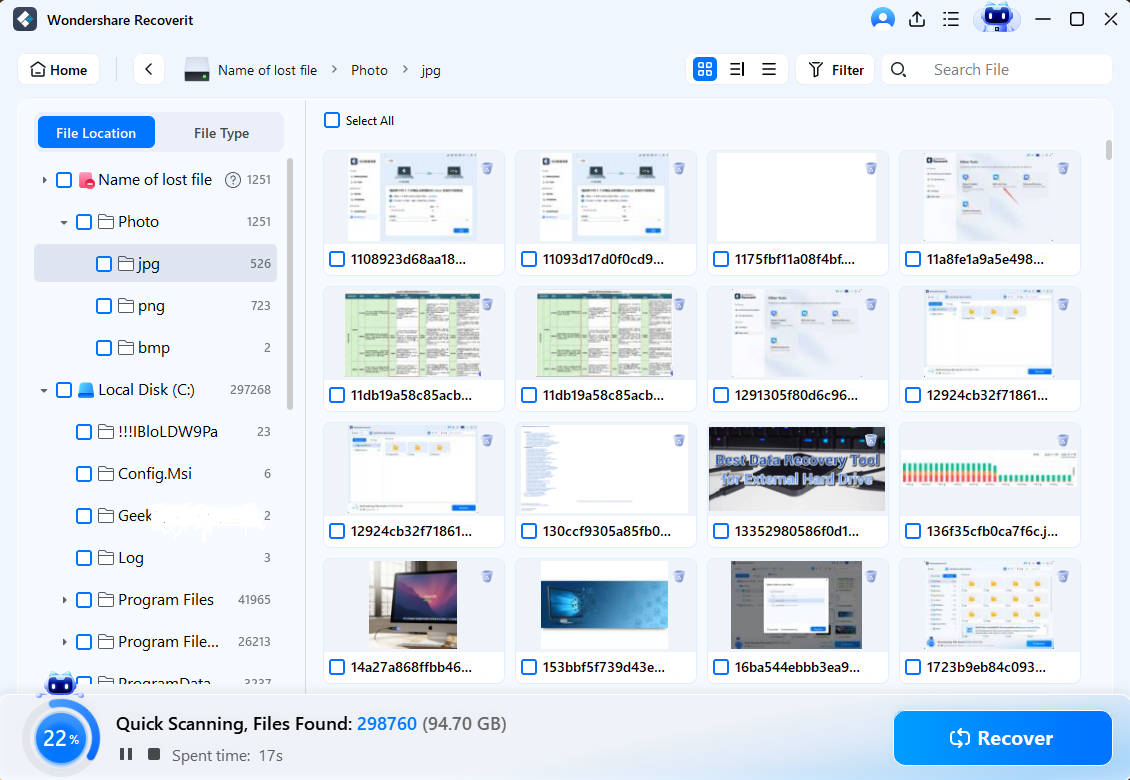
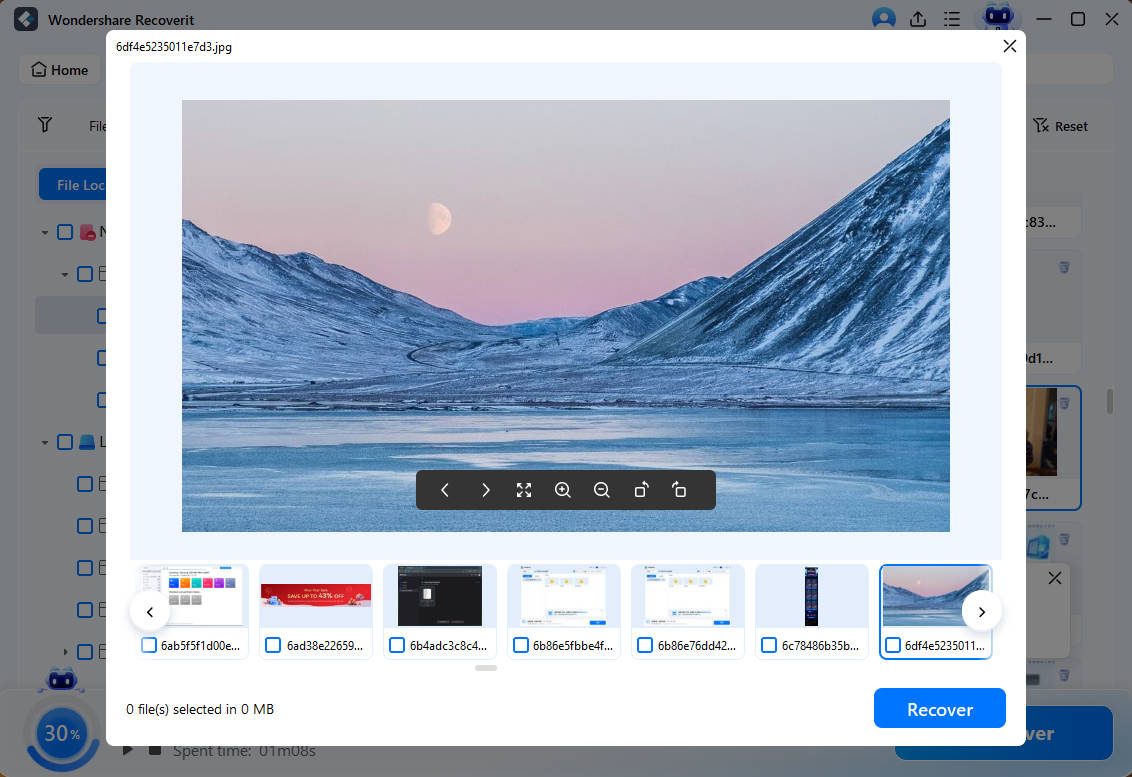
Step 3. Preview and select files. Preview supported files when available and select the ones you need. A recognizable filename or thumbnail alone does not prove that the whole file is intact.
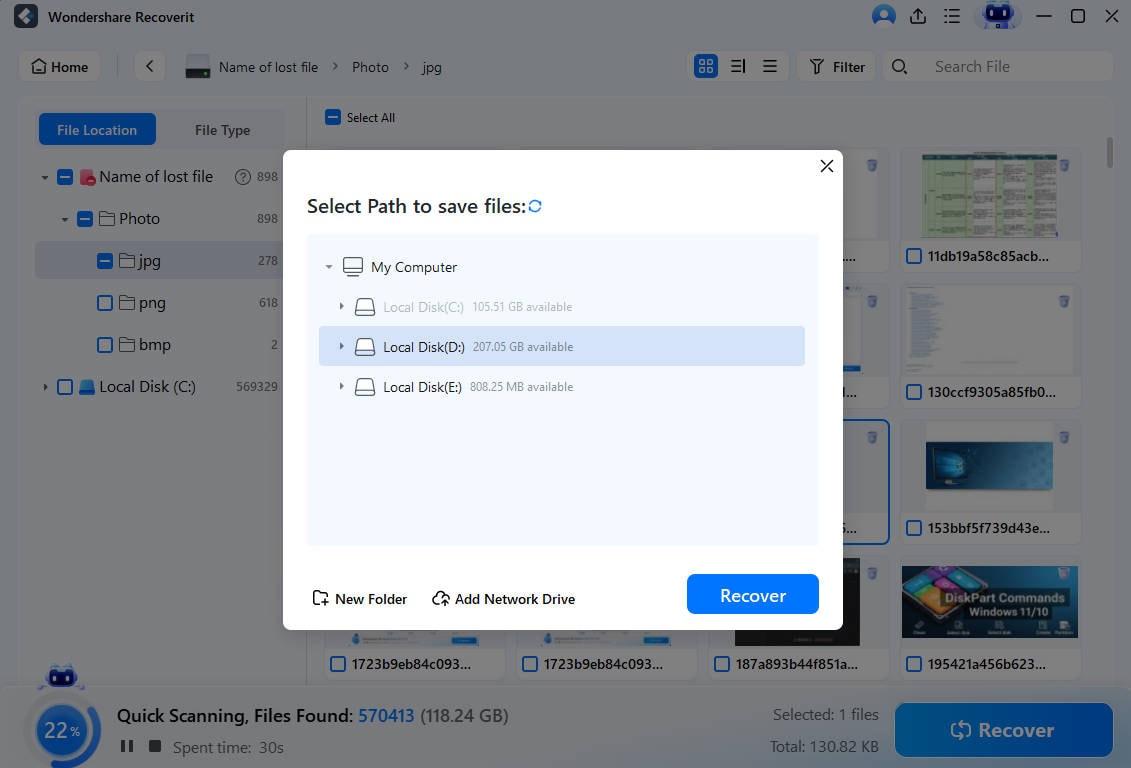
Step 4. Recover to another healthy drive. Click Recover and choose a different physical drive as the destination. Check any licensing prompts before proceeding. Do not save recovered files back to the affected USB or other original storage.
Open the recovered documents, photos, or videos and confirm that the files you need are usable. Keep the original drive unchanged until you have verified the recovered copies. Overwritten or unreadable data may not be recoverable.
Part 4. What if 0x800703EE Appears During Windows Update or Installation?
The same hexadecimal code does not mean every failed operation has the same cause. If you are not copying personal files, use the troubleshooting path for the task that actually failed.
- Windows Update: In Windows 11, open Settings > System > Troubleshoot > Other troubleshooters and run Windows Update troubleshooting if available. Microsoft also provides the Get Help diagnostic. For Windows 10, use the Windows Update troubleshooting option under Settings > Update & Security > Troubleshoot. Restart and follow the official Windows Update troubleshooting guidance if the error persists. Standard Windows 10 support ended on October 14, 2025; update eligibility depends on your edition and support arrangements.
- Media Creation Tool (0x800703EE - 0xA001B): If the code appears while preparing a Windows installation USB, note the full error and check that the destination USB is stable. Try a different, empty, healthy USB drive of at least 8 GB. Follow Microsoft's installation media creation instructions. The tool can erase the selected USB, so do not use one containing your only copy of important files. A completed installer that will not boot is a separate problem from a failed media creation operation.
- Windows Setup: Record the full error and the stage where installation stopped. Back up important files before another installation attempt. Check the installation media and the target disk using official installation support. Do not delete partitions merely because this code appears.
Part 5. When Should You Repair or Replace the USB Drive?
Only consider file system repair or formatting once your important files are safely copied or recovered and verified. If the drive is physically damaged or repeatedly disconnects, replacement or professional recovery may be more appropriate than continued repair.
If Windows consistently detects the drive and you suspect a logical file system error, open an administrator Command Prompt. Confirm its actual drive letter and close files using that drive. For example, if the affected drive is E:, run chkdsk E: to check its reported file system status without requesting fixes. A scan of an active volume can report spurious errors, and even read-only checks are unsuitable for an unstable or failing drive.
After your files are safe, you may consider Windows error checking or chkdsk E: /f for confirmed logical file system errors on that stable volume. Replace E: with the correct drive letter. The repair option changes file system metadata and does not restore damaged physical storage. Microsoft's CHKDSK documentation explains the difference between checking and fixing errors.
If errors persist after repair and your files are already safe, you can consider formatting the correct external drive with a file system suitable for its intended use. Formatting erases access to existing files and cannot repair failing hardware. Test the drive with disposable files before trusting it with important data. If errors or disconnects return, replace the drive rather than relying on it for your only backup.
Conclusion
Error 0x800703EE means Windows has lost valid access to a file during an operation. Check the connection and both sides of the transfer first. Investigate Windows drivers or background software only when the evidence points to the computer. If the source files are missing or inaccessible, prioritize recovery to a different drive before changing the affected file system. Once you have verified a good copy, you can decide whether repair or replacement makes sense.
FAQ
-
Can error 0x800703EE occur when copying files to an SD card?
Yes. The error is not limited to USB flash drives. Check the card reader, connection, source file and destination space. If the card repeatedly disconnects or contains inaccessible important files, stop writing to it and prioritize data protection. -
Can I safely delete UpperFilters and LowerFilters to fix error 0x800703EE?
Do not delete registry filter values as a general USB fix. They belong to specific device classes, and removing them can interfere with device or software operation. Use device-specific troubleshooting from the manufacturer if a filter driver conflict has been confirmed. -
Why does error 0x800703EE come back after I restart my PC?
A restart may clear a temporary conflict without resolving its cause. Compare the same drive on another PC if it is stable, and check whether the failure is limited to one file, one destination, or one background program. Repeated disconnects or read errors warrant protecting the data instead of repeated restarts.


