 TL;DR:
For PS4 backups, system updates, and media playback, format your USB drive to FAT32 or exFAT on a computer, but to install and play games, you must use the PS4 console's native Format as Extended Storage setting.
● To qualify as Extended Storage for game installations, the external drive must connect directly to the console without a hub, have a capacity between 250 GB and 8 TB, and support SuperSpeed USB 5 Gbps or faster.
● Choose exFAT over FAT32 for standard console backups or video files to bypass FAT32's inability to store individual files sized 4 GiB or larger.
● Never accept a Windows or Mac prompt to initialize an existing PS4 game drive, as computers cannot natively read the console's extended-storage layout and reformatting will permanently destroy your installed applications.
Ask AI for a summary
 ChatGPT
 Perplexity
 Gemini
 Claude
 Grok
For PS4 backups, system updates, and USB media files, use FAT32 or exFAT. For an external drive that will store installed PS4 games, use the console's "Format as Extended Storage" option instead. These are different uses of a USB drive, and they do not share the same setup process. Formatting a drive as exFAT on a computer does not, by itself, turn it into PS4 extended storage.
If your USB drive already contains photos, backup files, or anything else you need, copy those files to a separate drive before following any formatting steps. Formatting erases access to the existing contents; if you have already lost files, go to Part 6 before changing the drive again.
In This Article
Part 1. Which USB Format Does PS4 Need?
Choose the format according to what you want the drive to do, not simply its capacity. A USB stick used for a system update is different from an external hard drive used to install games. The following choices follow PlayStation's backup guidance, extended storage requirements, and USB media guidance.
| What you need the USB for | Format or setup | What to know |
| Back up PS4 console data | FAT32 or exFAT | Make sure the drive has enough free space for the backup. |
| Install a PS4 system update from USB | FAT32 or exFAT | The official update file and PS4/UPDATE folder structure are also required. |
| Play supported video or music from USB | FAT32 or exFAT | The media files must also use a format supported by PS4. |
| Install and run PS4 games from an external drive | Format as Extended Storage on PS4 | The drive must meet Sony's capacity and USB speed requirements. |
| Use an NTFS-formatted PC drive for these standard PS4 USB tasks | Reformat to the appropriate supported option after protecting the files | NTFS is not one of the file systems specified for Sony's ordinary USB backup, update, or media workflows. |
Supported Formats for Regular USB Files
FAT32 works for compatible USB tasks but cannot hold a single file of 4 GiB or more. That is a per-file limit, not a claim that a PS4 game larger than 4 GB cannot be installed. exFAT supports much larger individual files and is often the more practical choice for transferring large video clips or making a substantial backup. Microsoft documents the file-size distinction in its file-system comparison.
Both options are acceptable for the ordinary PS4 USB uses listed above. If a drive is already readable and serving its purpose, you do not need to reformat it just to switch from FAT32 to exFAT.
Why Game Installations Need Extended Storage
A PS4 game-installation drive is different. Sony requires you to initialize a compatible external drive from Settings > Devices > USB Storage Devices > Format as Extended Storage. Its purpose is to hold game applications and add-ons; it is not the location for application saved data, themes, screenshots, or video clips. Those categories require the console's other supported storage or backup options.
Don't format an existing PS4 extended-storage drive on your PC because Windows or macOS offers to initialize it. A computer may not read the PS4's game-storage layout as ordinary files. Reformatting it for PC use can destroy the installed game data.
Part 2. What to Check Before Formatting
Formatting is only necessary when the current format is unsuitable or when you are deliberately setting up a new drive. Decide which of the following applies before clicking Erase, Start, or Format.
- You need files already on the USB: Copy accessible files to a separate healthy disk first. Verify that the copies open. If files are missing, do not format while trying to find them.
- You want to install games: Use a compatible external drive and the PS4 console's extended-storage setting. There is no benefit to formatting it as exFAT on Windows first.
- You only need an update, backup, or media: Check whether the existing FAT32 or exFAT drive already works. Reformat only if needed.
- The drive disconnects, reports a hardware fault, or is physically damaged: Stop repeated format attempts. Check a known-good connection without writing to the drive; seek professional assistance for suspected physical failure.
Important: A quick format is still a format. It is not a safe way to check whether deleted files are recoverable, and it is not a substitute for backing up the original data.
Part 3. How to Format an External Drive for PS4 Games
Use this procedure only when your goal is to install and run PS4 game applications from an external drive. The console must configure the drive itself, even if the drive arrived from the manufacturer already formatted as exFAT.
Check the Drive Requirements
Sony's current PS4 USB extended storage guide specifies a PS4 running system software version 4.50 or later and an external HDD with a SuperSpeed USB 5 Gbps (USB 3.0) or faster interface. Capacity must be at least 250 GB and no more than 8 TB. Compatibility is not guaranteed for every drive model.
Connect the drive directly to the console rather than through a USB hub. A small standard USB stick should not be assumed to meet the game-storage requirements simply because the PS4 can read its files.
Format the Drive on Your PS4
- Protect the current data. Transfer any files you want to keep to another drive. This setup erases the selected external drive.
- Connect the external drive. Plug it directly into a USB port on the PS4, then turn on the console.
- Open USB storage settings. Go to Settings > Devices > USB Storage Devices.
- Select the correct drive. Choose the external disk you intend to use, then select Format as Extended Storage.
- Confirm the warning. Follow the PS4 prompts and allow formatting to finish. Do not unplug the drive or turn off the console during this process.
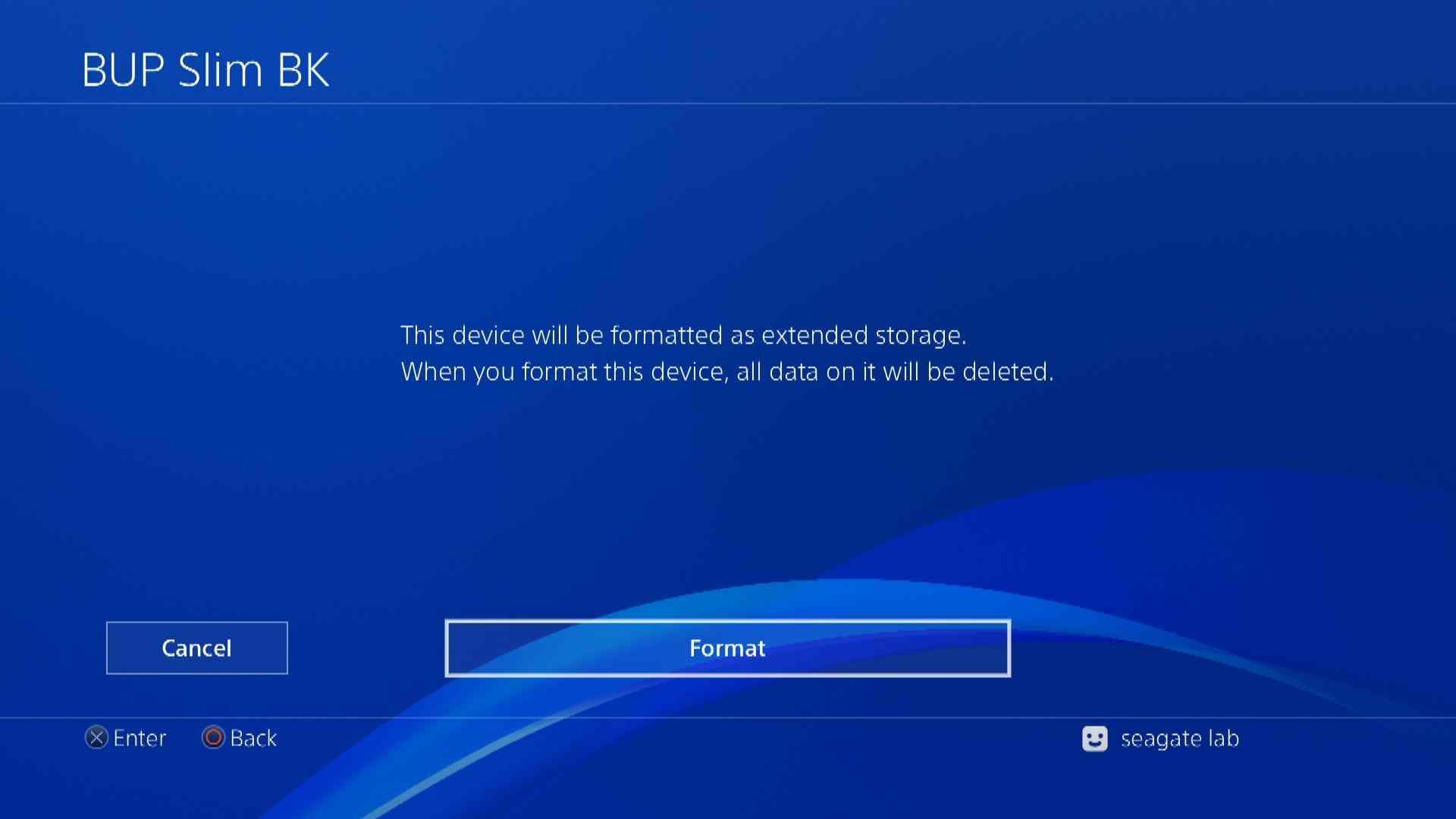
- Verify the result. Open Settings > Storage and check that the drive is listed as extended storage.
If the PS4 rejects the device because of capacity, connection speed, or an unsupported model, changing its PC file system will not resolve those hardware requirements. Try a directly connected compatible external drive instead.
Move Games and Disconnect Safely
After successful setup, you can move supported applications to the external drive. In Settings > Storage, select the storage location containing the applications, open Applications, press OPTIONS, and choose the move option. You can also use Settings > Storage and the OPTIONS button to review the application install location. Check that the game appears in extended storage before assuming the move finished.
Before unplugging an active extended-storage drive, select Sound/Devices > Stop Using Extended Storage from the quick menu, or use Settings > Devices > USB Storage Devices > Stop Using This Extended Storage. Disconnecting during a transfer, shutdown, or rest-mode transition can damage data.
Part 4. How to Format a USB Drive for PS4 on Windows or Mac
Use a computer to format a regular USB drive for PS4 backups, system updates, or compatible media files. These steps do not create a PS4 game-installation drive. In both operating systems, identify the removable USB by its size and contents before erasing anything.
Format a PS4 USB Drive on Windows
On Windows 10 or 11, File Explorer provides a straightforward way to create an exFAT volume on a USB drive that has already been backed up.
Step 1. Connect the USB drive to your PC, open File Explorer > This PC, and identify the removable drive by its label and capacity. The following original article screenshot shows an older Windows view of this step.

Step 2. Right-click the correct USB volume and choose Format. Stop if you are unsure which disk is selected; formatting the wrong drive can erase important files.

Step 3. Select exFAT for general PS4 backup, update, or large media files. FAT32 also works for these supported uses when available and suitable for your files. Review the label and options, then select Start and confirm the warning.

Step 4. When Windows reports formatting is complete, reopen the USB in File Explorer to confirm that it is accessible and empty. Copy back only the files needed for your PS4 task, then eject it safely. Windows may not offer FAT32 for larger volumes in this interface; do not use risky partition commands merely to force FAT32 when exFAT satisfies Sony's requirements.
Format a PS4 USB Drive on Mac
Apple's Disk Utility instructions explain how to erase and reformat external storage. A standard PS4 update, media, or backup USB can use exFAT; Disk Utility may show FAT32 as MS-DOS (FAT).
- Connect the USB drive and open Disk Utility from Applications > Utilities, or search for it with Spotlight.
- Choose View > Show All Devices, then select the intended external USB volume or device in the sidebar. Double-check its name and capacity; do not select your Mac's startup disk.
- Click Erase, choose exFAT from the Format menu, and enter a simple name. If partition scheme controls appear, review the selected scheme and your device's requirements instead of changing unrelated disks.
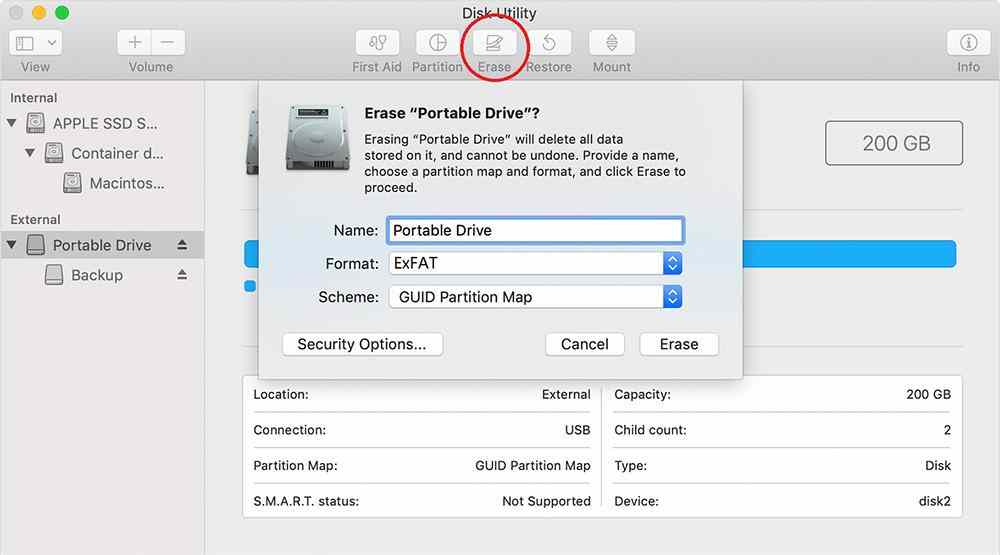
- Click Erase, wait for completion, and choose Done. Confirm the USB mounts normally in Finder before copying your PS4 files onto it.
If the drive contains files that matter and does not appear normally, do not erase it as a troubleshooting experiment. Check the cable, port, and disk detection first.
Prepare the USB for Your Actual Task
For a PS4 system update: On the FAT32/exFAT USB drive, create a folder named PS4 and inside it another folder named UPDATE. Download the correct official update file from PlayStation's PS4 software page and save it as PS4UPDATE.PUP inside the UPDATE folder. Use the console's supported update process; do not confuse an update file with the separate reinstallation file, which can erase console data. For detailed steps, see our guide to updating PS4 with a USB drive.
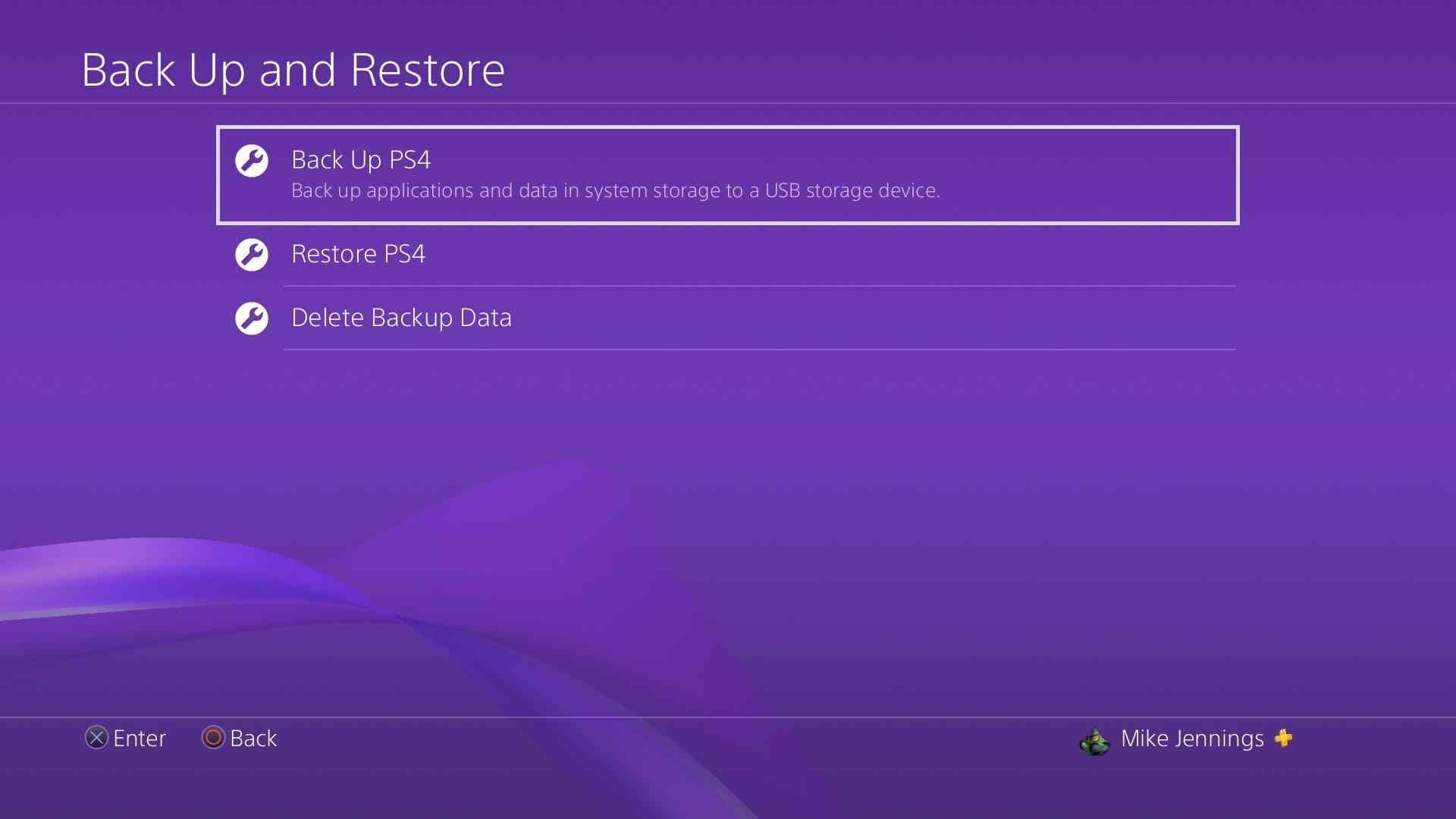
For a console backup: Insert the FAT32/exFAT drive and go to Settings > System > Back Up and Restore > Back Up. Sony requires adequate free space and recommends protecting saved game progress. See its backup and restore instructions for the full process.
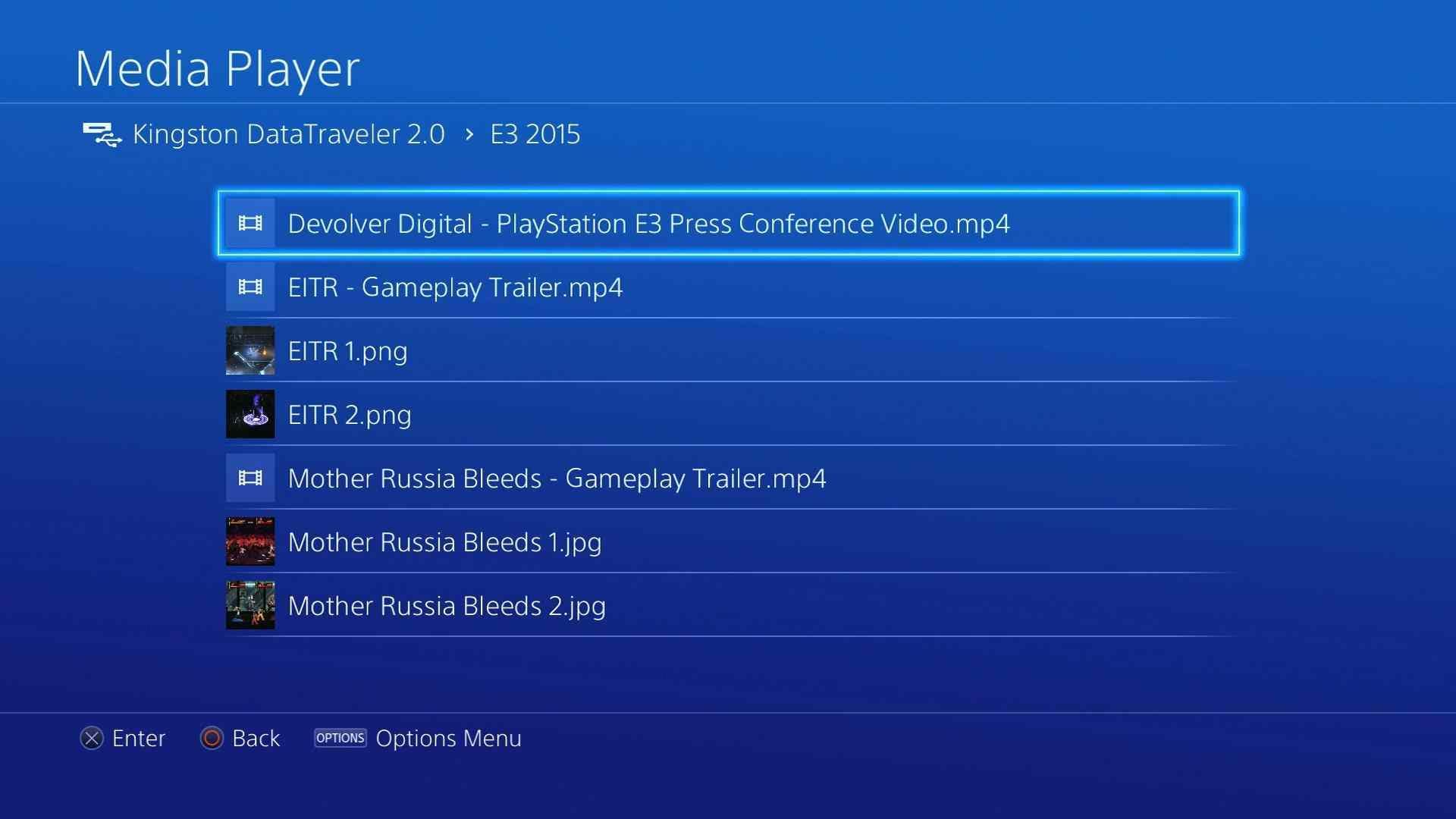
For video or music: Put compatible files in the required USB folders, then open the applicable PS4 media app. A recognized USB format does not make every video codec playable; consult PlayStation's supported media formats if a specific file will not open.
Part 5. What If PS4 Doesn't Recognize Your USB?
First check whether you are trying to use the USB for ordinary files or game installations. The correct fix depends on that distinction, and formatting should not be the first response to a drive that contains irreplaceable files.
- Regular USB not detected: Check that the connector is fully seated, try a direct console port, and verify on a computer whether the volume is FAT32 or exFAT. If the computer can read the files, copy them before considering any change.
- Game drive rejected as extended storage: Recheck the SuperSpeed connection, 250 GB–8 TB capacity requirement, direct connection without a hub, and PS4 software version. These are different from FAT32/exFAT requirements.
- PS4 update file not found: Confirm the uppercase PS4/UPDATE folders and PS4UPDATE.PUP file name, and download the file only from PlayStation.
- Computer asks to initialize a former PS4 game drive: Cancel. That prompt alone does not mean the drive is empty; PC formatting is not an appropriate way to access PS4-installed game data.
- Drive is repeatedly disconnecting or has physical symptoms: Stop repeated write or repair attempts. A failing device may require professional help.
If the issue is a connection or console error rather than a format choice, see how to fix a PS4 USB storage device not connected instead of repeatedly formatting the drive.
Part 6. How to Protect or Recover Files Before Reformatting
If a drive contains photos, documents, videos, or other files you need, start with the least destructive option. Copy what you can still open. If the files are missing, stop saving new data to that USB and avoid format, repair, initialize, or partition commands until you have assessed whether recovery is possible.
Check What Kind of Data Is Missing
Ordinary files on a FAT32/exFAT USB: If a Windows PC or Mac still detects the original USB, software may be able to scan for deleted or otherwise recoverable files. Results depend on overwriting, storage condition, and the specific loss. If the device has serious physical symptoms, seek hardware help instead.
PS4 installed games or application saved data: Treat this separately. PlayStation's extended storage holds applications and add-ons, not game save files. Do not assume a PC data-recovery tool can read the PS4-specific game installation layout or restore console saves. Check the PS4 itself and your existing PlayStation backups first.
Scan a Regular USB Drive With Recoverit
If you accidentally deleted files from an ordinary USB drive or formatted it before copying files, Wondershare Recoverit USB recovery can scan a computer-detectable USB drive for recoverable photos, videos, documents, and other standard files. It cannot guarantee results or bypass PS4-specific game storage protection.
Step 1. Connect the original USB drive. Connect the original regular USB drive to a working Windows computer. If it keeps disconnecting or shows physical damage, stop repeated scans and seek professional advice.
Step 2. Select the USB drive in Recoverit. Open Recoverit and choose the detected USB volume as the source for recovery. Check the drive name or capacity to avoid scanning a different disk.
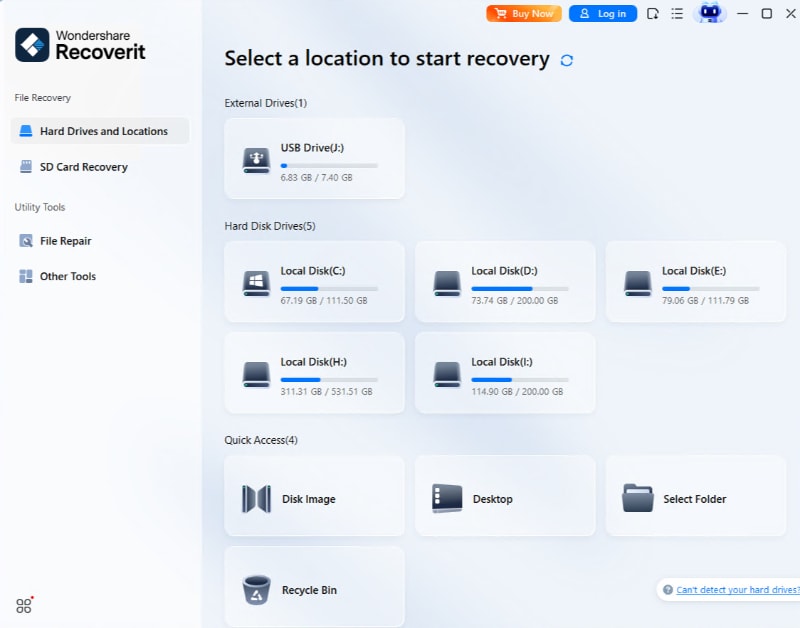
Step 3. Scan for missing files. Start the scan and let Recoverit search the selected USB. You can use file type filters and inspect the results. Allow the scan to finish when possible before deciding which files to recover.
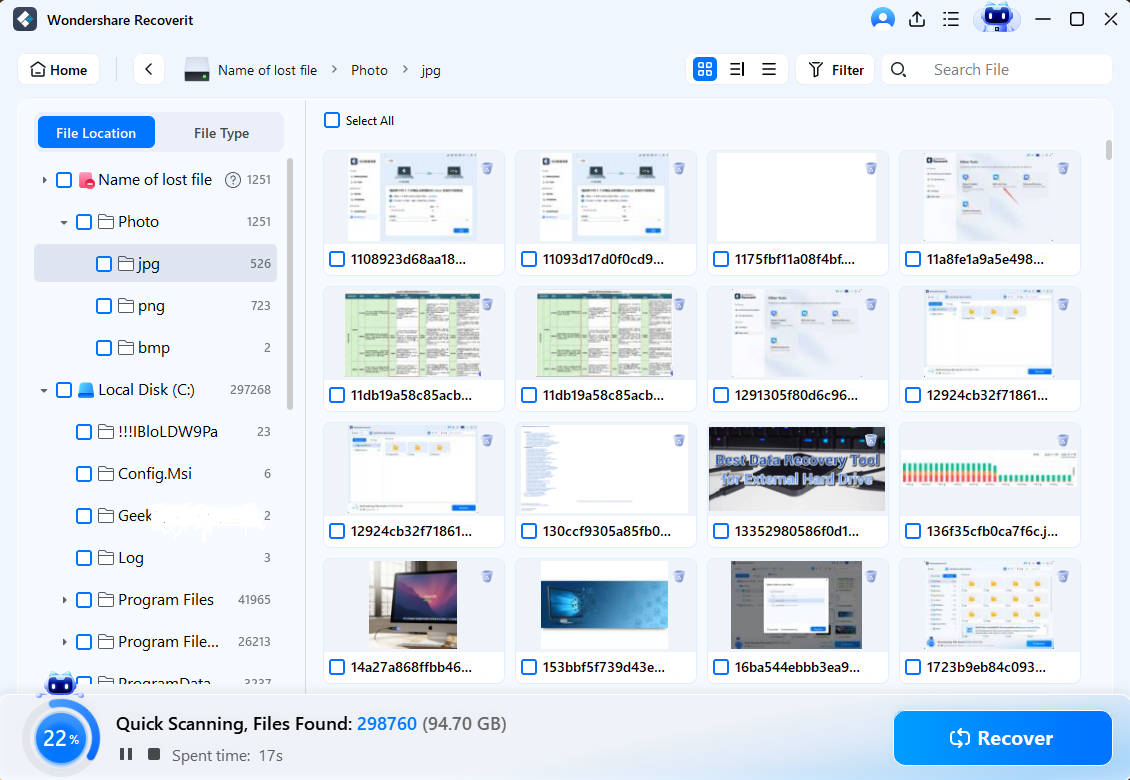
Step 4. Preview and save recovered files elsewhere. Preview the files you need, select the recoverable results, and choose Recover. Save the copies to a different healthy disk, not the original USB; then open the saved files to verify them.
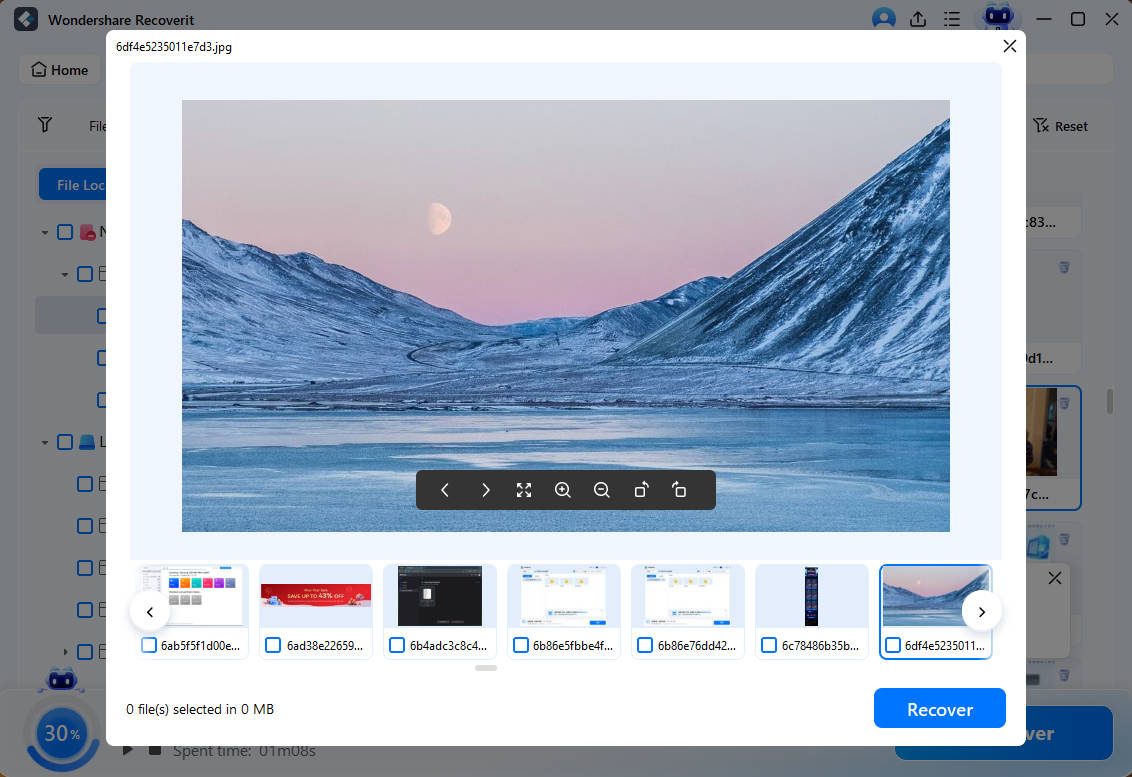
Recoverit is relevant here only because files may still be recoverable on an ordinary USB device. If a quick format has already happened, follow the formatted USB file recovery guide rather than writing more data to the source drive.
Conclusion
FAT32 or exFAT is the right format for a regular PS4 USB used for backups, updates, and supported media. Use exFAT if you need to store large individual files. To install PS4 games on an external HDD, meet the hardware requirements and use Format as Extended Storage on the console—not a computer's exFAT format option. Whatever the task, protect the files already on the drive before changing its format.
FAQ
-
Does PS4 support exFAT USB drives?
Yes. PS4 supports exFAT for documented USB tasks such as system updates, backups, and supported media playback. An exFAT drive is not automatically configured as extended storage for installing games. -
Can PS4 read an NTFS-formatted USB drive?
NTFS is not among Sony's specified file systems for the standard USB backup, manual update, or media workflows. Use FAT32 or exFAT for those tasks after copying any files you need to keep. -
Is FAT32 or exFAT better for a PS4 USB stick?
Both work for supported ordinary USB tasks. exFAT is usually more convenient when individual files are 4 GiB or larger, because FAT32 cannot store such a file. Neither format replaces the console's Extended Storage setup for game installations. -
Can I install PS4 games on any USB flash drive?
No. Sony specifies compatible SuperSpeed external storage with capacity from 250 GB to 8 TB and warns that operation is not guaranteed for every model. A small USB stick used for files should not be assumed to work as a game-installation drive. -
Will formatting PS4 extended storage delete my game saves?
Formatting erases the selected drive's existing contents. Sony states that application saved data is not stored on PS4 extended storage; installed game applications and add-ons can be. Protect any console saved data through the supported backup options before other storage changes. -
Why does my computer ask to format a PS4 extended-storage drive?
A drive formatted by PS4 as extended storage is not intended to be browsed as ordinary PC files. Cancel the prompt if you still need the PS4 game installation data; formatting it for a computer may erase that data.


