TL;DR:
Data recovery from an EXT4 partition on a hardware-encrypted drive is strictly dependent on successfully unlocking and mounting the device using its required password, PIN, or hardware key first.
● Data recovery software like Recoverit cannot bypass or decrypt hardware encryption; it functions entirely by scanning the exposed EXT4 file system for missing or RAW data after authentication.
● Avoid running repair utilities like fsck or formatting commands like mkfs.ext4 on the accessible volume before scanning, as these actions alter metadata and permanently overwrite lost files.
● You must extract and save all recovered data to a completely separate physical disk or network share to prevent overwriting the recoverable blocks on the original encrypted drive.
Ask AI for a summary
 ChatGPT
 Perplexity
 Gemini
 Claude
 Grok
Grok
Can You Recover EXT4 Data from Hardware-Encrypted Drives?
You can often recover data from an EXT4 volume that lives on a hardware-encrypted drive, but only after the device is properly unlocked, mounted, and readable in your operating system. Once the drive is authenticated and behaves like a normal disk, tools such as Recoverit can scan the accessible EXT4 partition for deleted or lost files.
However, no software can recover data from a still-locked encrypted device or guarantee that all lost files will be restored. Recovery depends on factors like whether the EXT4 partition is detected, how much data has been overwritten, the health of the hardware-encrypted drive, and how carefully you handle the disk after noticing data loss. In this guide, you will see how to safely confirm access, check backups, and scan the unlocked EXT4 volume.
In this article
Common Reasons EXT4 Data Gets Lost from Hardware-Encrypted Drives
Even after a hardware-encrypted drive is successfully unlocked, EXT4 data on it can still be lost due to everyday mistakes or file system issues. Understanding what went wrong helps you choose the safest recovery approach.
- Accidental deletion of files or folders from the unlocked EXT4 partition while cleaning up data or using command-line tools like rm.
- Formatting or re-creating the EXT4 partition after authentication, for example by running mkfs.ext4 on the wrong device or using a partitioning tool incorrectly.
- File system corruption on the accessible EXT4 volume caused by improper ejection, sudden power loss, kernel crashes, or unsafe shutdowns while the drive is mounted.
- Interrupted file transfers between the hardware-encrypted drive and another disk, leading to partial writes, missing files, or inconsistent directory structures.
- Logical issues after resizing, moving, or changing partitions on the unlocked encrypted disk, which can leave the EXT4 file system damaged or reported as RAW or unmountable.
- Physical problems or unstable connections with the hardware-encrypted enclosure that cause read errors or disconnections while the EXT4 partition is in use.
How to Recover EXT4 Data from Hardware-Encrypted Drives
Recovering EXT4 data from a hardware-encrypted drive follows a clear sequence: first ensure the device is unlocked and the EXT4 volume is accessible, then look for backups, and finally scan the readable partition with data recovery software if needed.
Method 1. Confirm the Hardware-Encrypted Drive Is Unlocked and the EXT4 Volume Is Accessible
Before thinking about recovery tools, make sure your hardware-encrypted drive is correctly authenticated and that the EXT4 volume actually mounts and appears on the system. Recovery is only possible from an unlocked, readable volume, not from a locked encrypted device.
- Connect the hardware-encrypted drive directly to the computer, using the original cable or enclosure, and ensure it has adequate power and a stable connection.
- Use the manufacturers utility, hardware keypad, or your normal login procedure to unlock the hardware-encrypted drive with the correct password, PIN, or recovery method.
- On Linux, run lsblk or open your file manager to confirm the unlocked EXT4 partition appears with a mount point and is accessible without constant read errors.
- If the volume does not auto-mount, try mounting it manually in Linux or using a live Linux environment, but avoid running repair or format commands before data recovery.
- Once the EXT4 volume is visible and you can list folders, stop intensive use of the drive to prevent further changes before attempting any data recovery scan.
Method 2. Check Backups, Snapshots, and Previous Copies of EXT4 Data
If your EXT4 data was on an unlocked hardware-encrypted drive, there is a chance it was also backed up or synced elsewhere. Checking backups and snapshots can restore needed data without stressing the affected encrypted disk.
- Check any regular backup system you use for Linux, such as rsync backups, Timeshift snapshots, or other scheduled backup tools that may include the lost EXT4 folders.
- Look in network storage, NAS devices, or external backup drives for earlier copies of your home directory, project folders, or server data originally stored on the EXT4 partition.
- If you sync important folders to cloud services, sign in from a trusted device and check previous versions, trash, or history features for copies of recently deleted files.
- Ask your system administrator or IT team whether server-side snapshots, LVM snapshots, or RAID backups exist that contain the missing EXT4 data from before the loss event.
- If you cannot unlock the hardware-encrypted drive at all, prioritize vendor or IT support to regain access, because typical backup or recovery software cannot read a locked encrypted device.
Method 3. Use Recoverit to Recover EXT4 Data from Hardware-Encrypted Drives
When the hardware-encrypted drive is successfully unlocked and the EXT4 partition is visible but data is missing, you can use Recoverit to scan the accessible volume. Recoverit focuses on recovering files from the readable EXT4 partition, not on repairing encryption or the file system itself.
Recoverit is designed to scan accessible disks and partitions, including unlocked hardware-encrypted drives that expose an EXT4 volume to the system. Once the encrypted device is authenticated and mounted, you can use Recoverit to search for deleted or lost data. Download it from the Recoverit official website and follow a careful, read-only workflow to protect your remaining files.
- Scans unlocked EXT4 partitions on hardware-encrypted drives without altering the existing file system structure.
- Supports deep scanning of large Linux volumes to locate deleted files, lost folders, and data from formatted partitions.
- Allows flexible file filtering and preview where available, so you can evaluate recovered data before saving it to a safer destination.
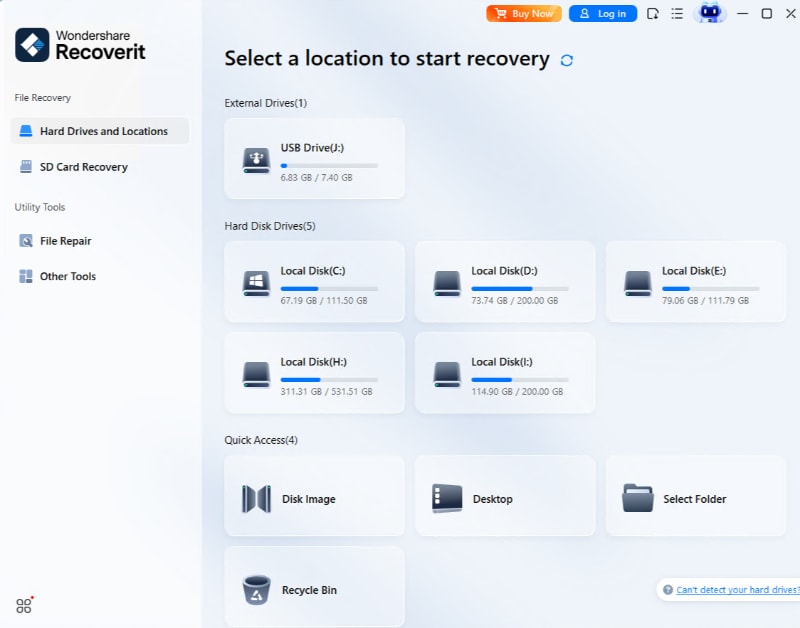
- Choose a Location to Recover Data. After unlocking and mounting the hardware-encrypted drive, launch Recoverit and select the exposed EXT4 partition or its corresponding disk entry as the recovery location. Ensure you run Recoverit from a separate system disk whenever possible.
- Deep Scan the Location. Click Start to begin a deep scan of the selected EXT4 volume. Let Recoverit complete its pass over the unlocked drive and avoid copying, moving, or modifying files on that device during the scan.
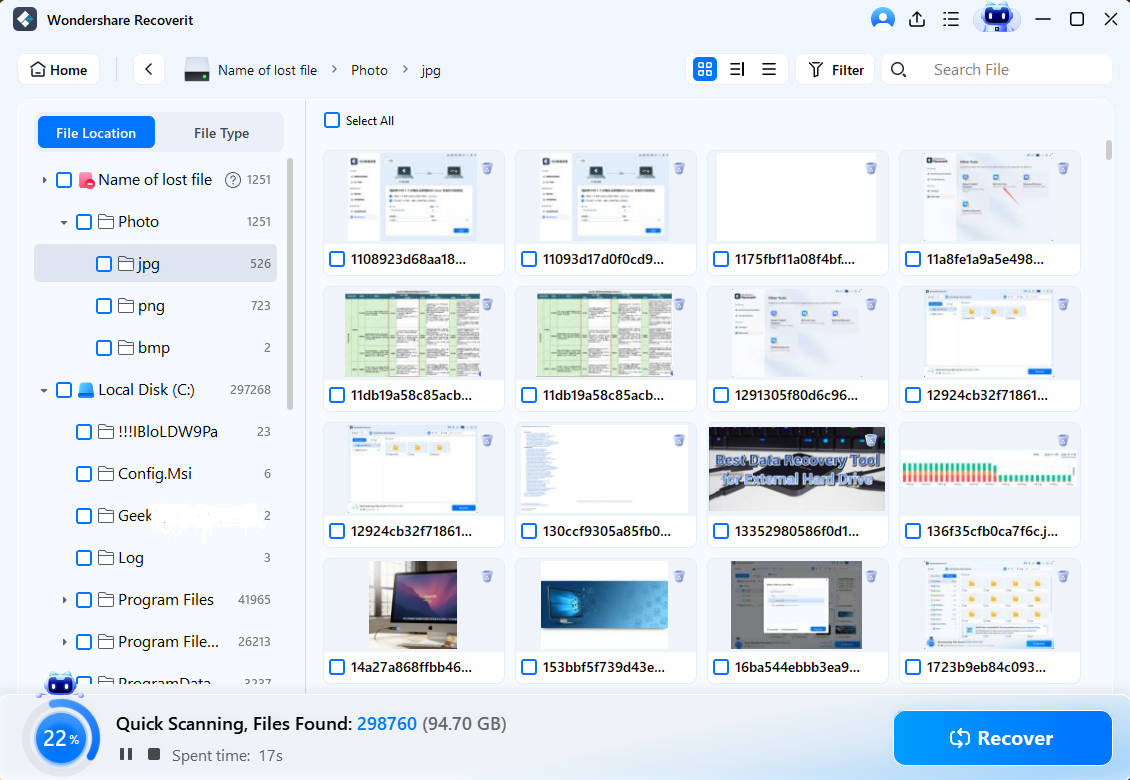
- Preview and Recover Your Desired Data. When the scan finishes, browse folders or filter by type to find required EXT4 data, preview supported files, then recover them to a different drive or storage location, not the same hardware-encrypted volume.

Try Recoverit to Recover EXT4 Data from Hardware-Encrypted Drives
 Security Verified. 3,591,664 people have downloaded it.
What to Check Before and During Recovery
Before you start scanning an unlocked hardware-encrypted drive, run through a few checks to reduce risks and improve the chances of getting usable EXT4 data back.
- Verify the Drive Is Fully Unlocked: Confirm the hardware-encrypted drive is authenticated with the correct password, PIN, or token and that its EXT4 partition is visible and readable in the operating system before starting any recovery scan.
- Confirm the EXT4 Volume Is Detected: Use tools like lsblk, fdisk -l, or Disk Management equivalents to check that the EXT4 partition appears with a size, label, and, ideally, a mount point without constant I O errors.
- Avoid Formatting or Running Repair First: Do not run mkfs, fsck with aggressive options, or format the EXT4 partition before trying data recovery, because these operations may overwrite structures that recovery software relies on to locate lost files.
- Check Destination Storage Space: Prepare another internal disk, external drive, or network share with enough free space to store recovered EXT4 data so you never write new files back to the affected encrypted drive.
- Ensure a Stable Connection and Power: For external hardware-encrypted drives, use direct motherboard USB or SATA connections where possible and avoid hubs, loose cables, or low power that could cause disconnects during scanning or recovery.
- Understand Encryption Limitations: Remember that data recovery tools operate only on the unlocked volume. They cannot decrypt, unlock, or recover passwords or hardware encryption keys, so maintain access credentials and contact the vendor or IT if authentication fails.
Tips to Improve the Recovery Success Rate
Careful handling of the unlocked hardware-encrypted drive and EXT4 partition can significantly influence how much data you are able to restore.
- Stop Writing New Data to the EXT4 Volume: Once you notice missing files, avoid copying new data, installing software, or running heavy workloads on the unlocked EXT4 partition to reduce the chance of overwriting recoverable blocks.
- Keep the Encrypted Drive Unlocked but Idle: After authentication, keep the drive unlocked for scanning but limit other activity. Idle drives are less likely to suffer further logical corruption or overwrite deleted EXT4 data during recovery.
- Document Any Errors Before Recovery: Note error messages, kernel logs, or dmesg output related to the EXT4 partition. This information can guide your next steps and help professionals if you later need advanced assistance.
- Prioritize Most Important Data First: During recovery, first select critical folders such as home directories, project repositories, databases, or configuration files, then move on to less essential items once you confirm they are readable after export.
- Verify Recovered Files on Another Device: Open recovered EXT4 data from a separate system or drive to confirm integrity. Check that documents open, archives extract, and projects compile or run as expected before deleting any original copies.
- Maintain Regular Backups Outside the Encrypted Drive: Going forward, schedule backups of important EXT4 partitions to separate disks or network locations so a failure of the hardware-encrypted drive or loss of credentials does not become a single point of data loss.
Conclusion
Recovering EXT4 data from a hardware-encrypted drive is only realistic after the device is successfully unlocked and the EXT4 partition is visible to the system. Once the encrypted disk is authenticated and mounted, you can concentrate on safe, read-only recovery steps: confirm detection, avoid formatting or aggressive repairs, and check existing backups or snapshots first.
If important files are still missing from the unlocked EXT4 volume, Recoverit can scan the accessible partition and help you extract key folders to another storage location. Combined with careful handling of the hardware-encrypted drive and a robust backup strategy, this approach provides a structured way to respond to EXT4 data loss without exposing your data to unnecessary risk.
Try Recoverit to Recover EXT4 Data from Hardware-Encrypted Drives
Security Verified. 3,591,664 people have downloaded it.
Next: Recover NTFS Data from Hardware-Encrypted Drives
FAQ
-
1. Can I recover EXT4 data from a hardware-encrypted drive that is still locked?
No. You must unlock the hardware-encrypted drive with the correct password, PIN, recovery key, or authentication method first. Recovery tools like Recoverit can only scan the readable volume, not a locked encrypted device. -
2. Does Recoverit decrypt or unlock a hardware-encrypted drive?
Recoverit cannot decrypt, unlock, bypass, crack, remove, or recover passwords, PINs, recovery keys, or hardware encryption keys. It only works with drives that are already unlocked and accessible to the operating system. -
3. Can Recoverit recover an EXT4 partition that became RAW or inaccessible on an unlocked encrypted drive?
If the hardware-encrypted drive is unlocked and the partition appears but is inaccessible, Recoverit may still detect the underlying data and attempt recovery. However, the result depends on the extent of logical damage and any data that has been overwritten on that EXT4 partition. -
4. Is it safe to run fsck before using Recoverit on an EXT4 volume?
Running fsck with repair options can change metadata and sometimes make recovery harder. When data is important, prioritize non-destructive recovery first, then consider fsck afterward or consult a professional before making changes. -
5. Where should I save recovered EXT4 data from a hardware-encrypted drive?
Always save recovered files to a different disk, partition, or network location. Do not write recovered data back to the same hardware-encrypted drive or EXT4 volume you are scanning, to avoid overwriting additional recoverable data.