
 TL;DR:
Resolve the "SD card full" error on Nextbase, Orskey, XCD, and Chortau dash cams by shortening loop recording to 1-3 minutes and switching to a High-Endurance memory card.
● Lower the G-sensor sensitivity to prevent the camera from permanently locking minor road bumps as protected files, and clear corrupted data by formatting the card directly inside the dash cam (FAT32 for ≤32GB, exFAT for ≥64GB).
● Standard memory cards fail rapidly under continuous rewriting; upgrade to a High-Endurance card from SanDisk, RedTiger, or Samsung with at least 32GB of storage to stop hardware degradation and persistent "Format SD Card" prompts.
● If important footage is already inaccessible due to the full storage error, manually extract the locked files via a PC or use Recoverit to restore corrupted videos before applying manufacturer firmware updates or wiping the drive.
Ask AI for a summary
 ChatGPT
 Perplexity
 Gemini
 Claude
 Grok
Grok
A dash cam SD card full message does not always mean that the card is physically full or dead. The usual causes include loop recording being disabled, too many locked event files, an unsupported or worn card, file-system corruption, or a camera that cannot overwrite old footage.
If the card contains accident footage or other evidence, stop recording before deleting files or formatting the card. Copy important videos to another drive first. Then check loop recording, protected files, card compatibility, and firmware in that order.

The steps below apply to many Orskey, Nextbase, XCD, Chortau, and other dash cams, but menu names, supported capacities, and file systems vary by model.
| What You See | Likely Cause | Best First Action |
| Card is genuinely full | Loop recording is off or the capacity is too small | Back up needed clips, then enable loop recording or replace the card |
| Many event files are locked | G-Sensor sensitivity is too high or events are marked manually | Back up protected files and lower sensitivity if the model allows it |
| Card says full but has free space | File-system corruption or loop-recording failure | Protect footage, then format the card in-camera |
| Memory error or card error | Unsupported, worn, counterfeit, or failing card | Use a supported high-endurance card |
| Error returns after formatting | Card wear, firmware issue, or incompatible capacity | Update firmware and replace the card if the error continues |
Part 1: Why Does My Dash Cam Say “Memory Card Full”?
The alert means that the dash cam cannot find enough usable space for a new recording. The card may be genuinely full, or the camera may be unable to reuse space because old clips are locked, the file system is damaged, or loop recording is not functioning.
| Card State | What It Means | What to Do |
| Full and recording normally | New files use the available capacity | Back up important clips and check loop settings |
| Full with many protected files | Locked clips cannot be overwritten | Export needed clips and remove only files no longer required |
| Full message with visible free space | Loop recording or file-system metadata may be broken | Back up data and format the card in-camera |
| Card disappears or disconnects | Reader, card, power, or hardware fault | Stop repeated writes and assess the card before reuse |
Part 2: Common Causes of the “SD Card Full” Error
- Loop recording is disabled: The camera does not automatically overwrite the oldest clips.
- Too many event files are locked: High G-Sensor sensitivity can mark normal bumps or braking events as protected files.
- Manual protection is enabled: Locked clips continue using space until they are backed up and removed.
- File-system corruption: The camera may report full even when Windows or the camera shows free capacity.
- Unsupported or worn card: A regular, counterfeit, low-speed, or heavily used card may fail under continuous recording.
- Write protection is active: The card becomes read-only, so the dash cam cannot save or overwrite files. This usually affects writing, not reading.
- Firmware or settings issue: Bugs or an incompatible capacity can interfere with loop recording.
- Insufficient capacity: High-resolution video and parking-mode recording consume space quickly.
Part 3: 6 Ways to Fix a Full Dash Cam SD Card
Protect important footage first. Then work through the fixes below. Menu names vary by Orskey, Nextbase, XCD, Chortau, and other models, so check the camera manual when a setting is unavailable.
- Check loop recording and clip length.
- Reduce unnecessary G-Sensor locking.
- Back up files and format the card in-camera.
- Use a compatible high-endurance card.
- Remove only backed-up or unnecessary locked files.
- Update dash cam firmware.
Fix 1: Enable Loop Recording and Check Clip Length
Loop recording allows the dash cam to overwrite the oldest unprotected clips when the card needs space. If it is disabled, the card can remain full even though the camera is designed for continuous recording.
- Open the dash cam settings menu.
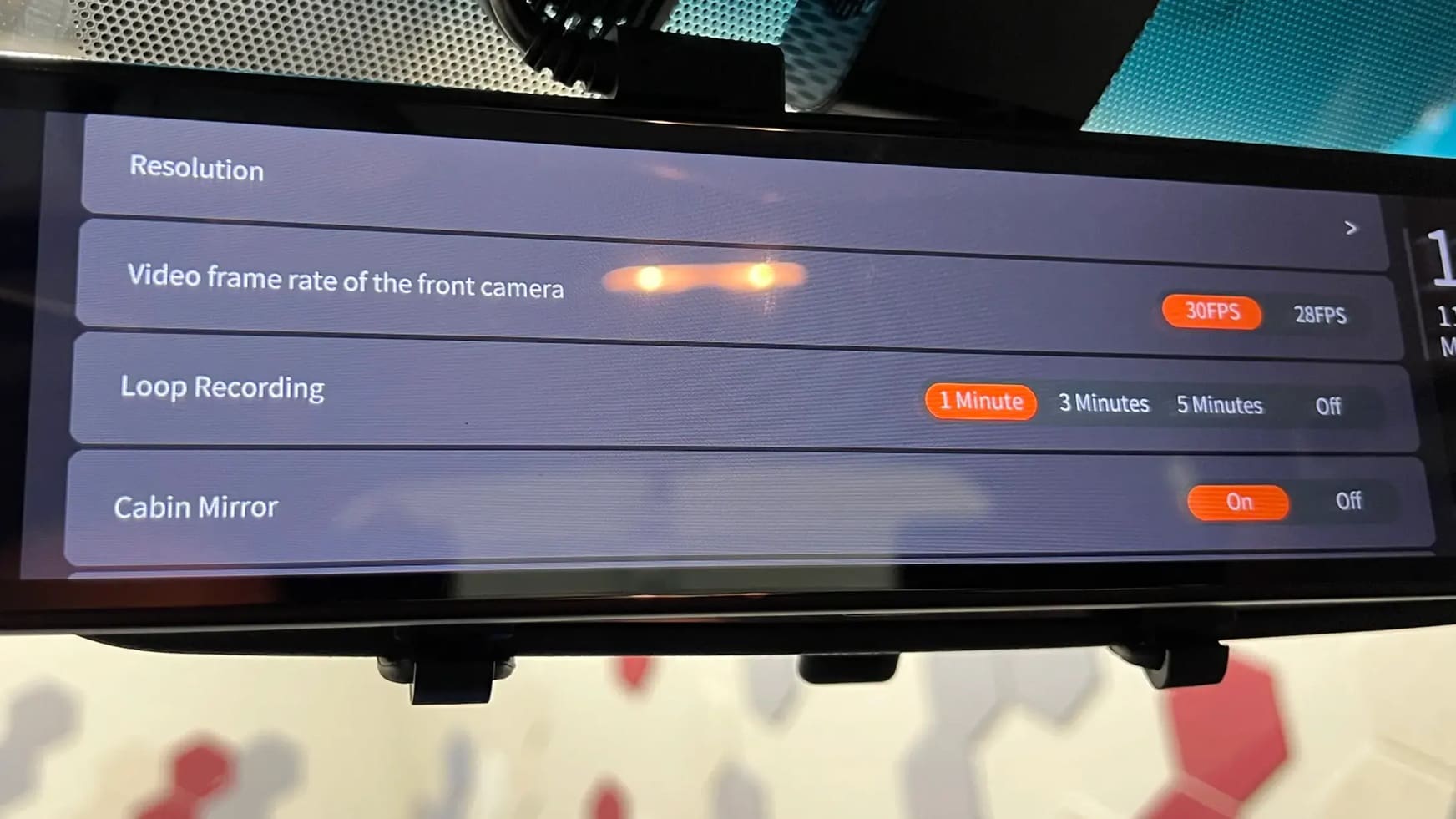
- Find Loop Recording and turn it on.
- Choose a supported clip length. Shorter clips may make file management easier, but use the options provided by your model.
- Confirm that parking-mode or emergency clips are not filling the card independently.
Fix 2: Reduce Unnecessary G-Sensor Locking
The G-Sensor marks clips as important after impacts or sudden movement. If sensitivity is too high, normal bumps can lock many files, leaving too little space for loop recording.
- Open the G-Sensor or impact-sensitivity setting.
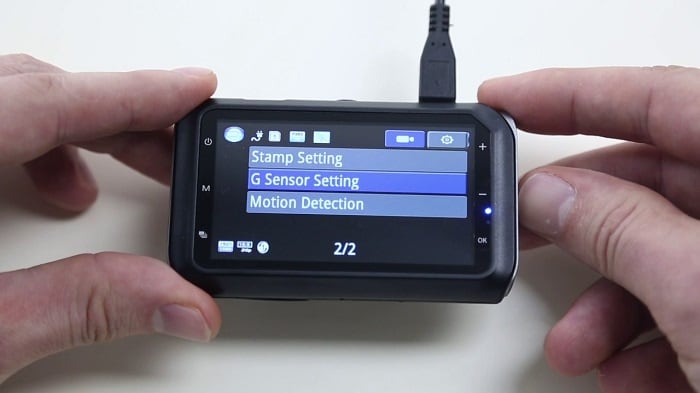
- Choose a lower setting supported by your dash cam, such as medium instead of high.
- Keep genuine accident or evidence clips protected and export them regularly.
- Do not delete locked files until you have confirmed that they are no longer needed.
Fix 3: Back Up Footage and Format the Card in the Dash Cam
Formatting can clear corrupted file-system data and restore the card for recording, but it erases the current files. Use this fix only after copying important footage to another drive.
- Connect the card to a computer and copy accident clips or other important files.
- Safely eject the card and insert it into the dash cam.
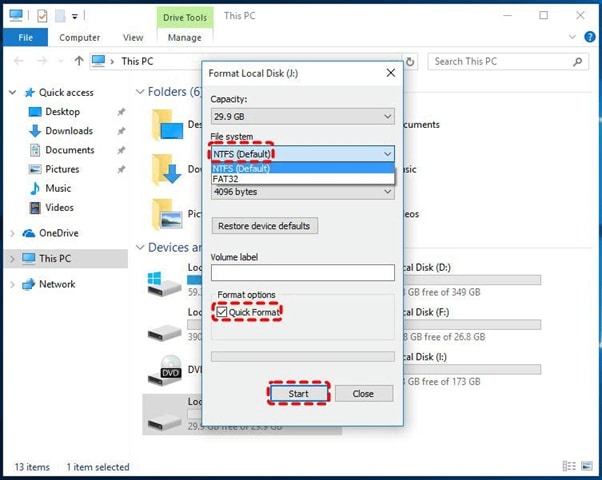
- Open the camera settings and choose Format SD Card or the equivalent option.
- Confirm the erase operation and allow the camera to complete the format.
- Record a short test clip and confirm that loop recording works.
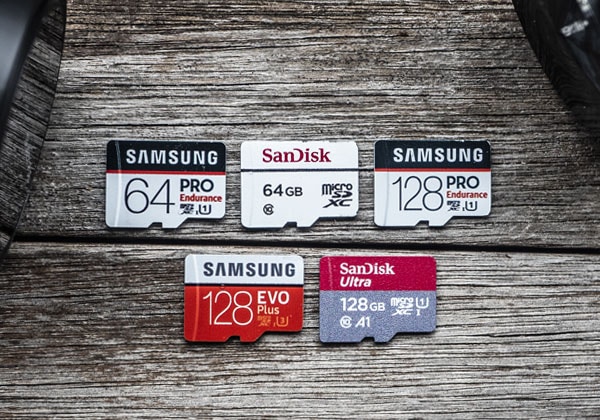
Fix 4: Use a Supported High-Endurance SD Card
Dash cams write video continuously, so a high-endurance microSD card is usually more suitable than a standard card. The correct capacity, speed class, and file system still depend on the dash cam model.
- Check the manufacturer's manual for supported capacity and speed class.
- Choose a genuine high-endurance card from a reliable source.
- Insert the new card and format it in the dash cam.
- Test loop recording and check whether the full-card error returns.
If the error continues with a new compatible card, investigate firmware or a camera hardware problem instead of repeatedly formatting cards.
Fix 5: Check for Corrupted or Locked Files
Locked event files and corrupted clips can prevent loop recording from freeing space. Check them only after important footage has been copied to another drive.
- Power off the dash cam and remove the card safely.
- Connect the card to a computer with a reliable reader.
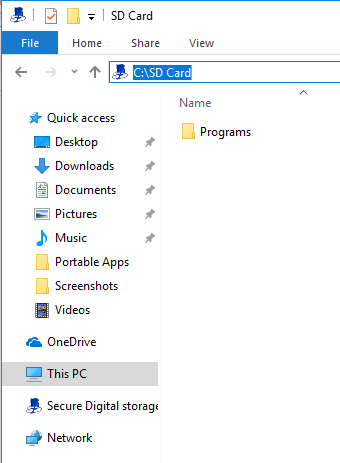
- Copy playable accident clips and other important files first.
- Review locked, emergency, parking-mode, and corrupted files.
- Delete only files that are backed up and no longer needed, then safely eject the card.
Fix 6: Update Dash Cam Firmware
Firmware updates may fix loop-recording bugs, card compatibility problems, or false storage alerts. Use only firmware intended for the exact dash cam model.
- Back up important footage and note the current firmware version.
- Visit the manufacturer's official support page and confirm the exact model.
- Follow the installation instructions and keep the dash cam powered during the update.
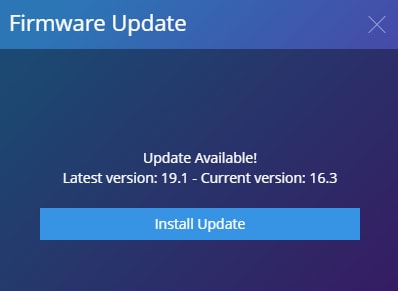
- After updating, insert the card, format it in-camera if the manufacturer requires it, and test loop recording.
Part 4: Recover Lost Dash Cam Footage Before Formatting
Recoverit Data Recovery can help scan a detectable dash cam SD card for deleted, formatted, or inaccessible video files. It is useful when the card appears in Windows or macOS but the footage is missing or the file system cannot be opened normally.
Try Recoverit to Retrieve Lost Data
 Security Verified. Over 7,302,189 people have downloaded it.
- Stop recording: Remove the card from the dash cam and do not format or delete files.
- Connect the card: Use a reliable reader and cancel any prompt to format or initialize it.
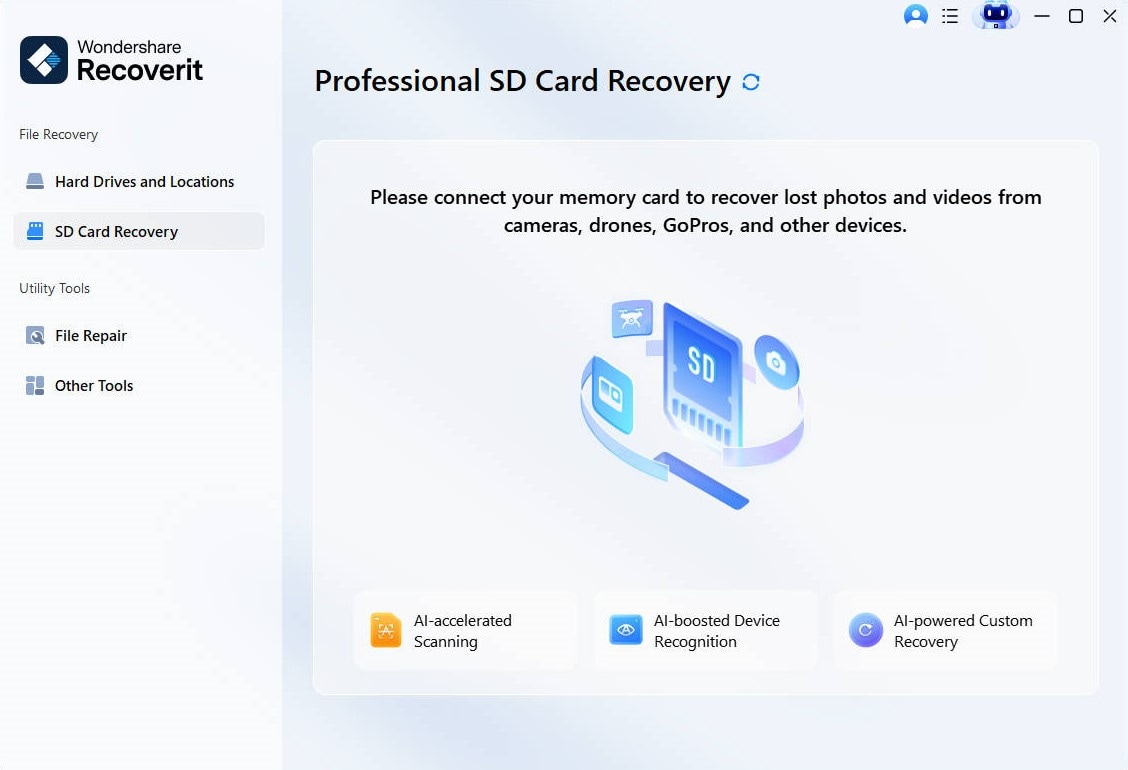
- Select the source: Open Recoverit and choose the dash cam SD card from the available drives.
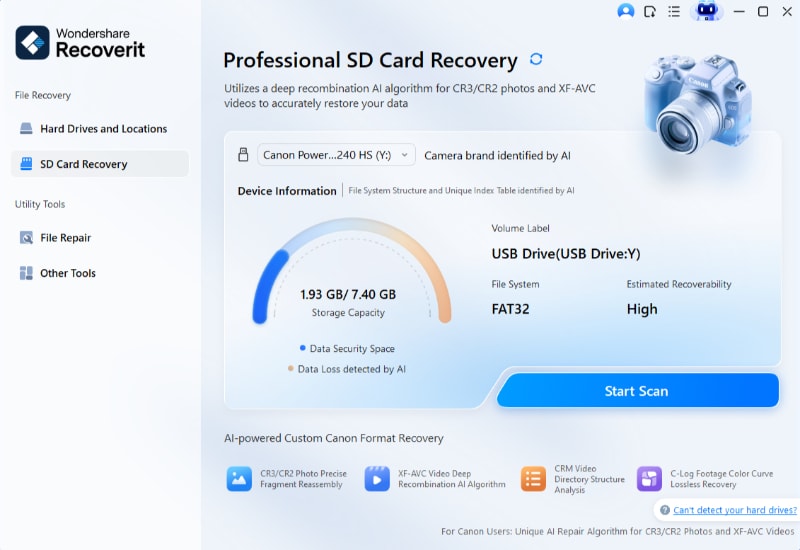
- Scan the card: Let the scan complete without disconnecting the card.
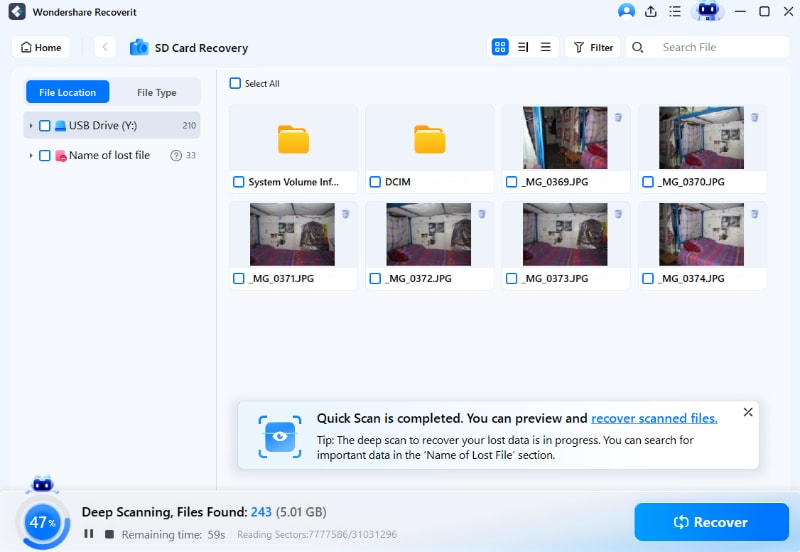
- Preview videos: Filter for video files and preview important clips before recovery.
- Recover elsewhere: Save selected footage to the computer or another healthy drive.
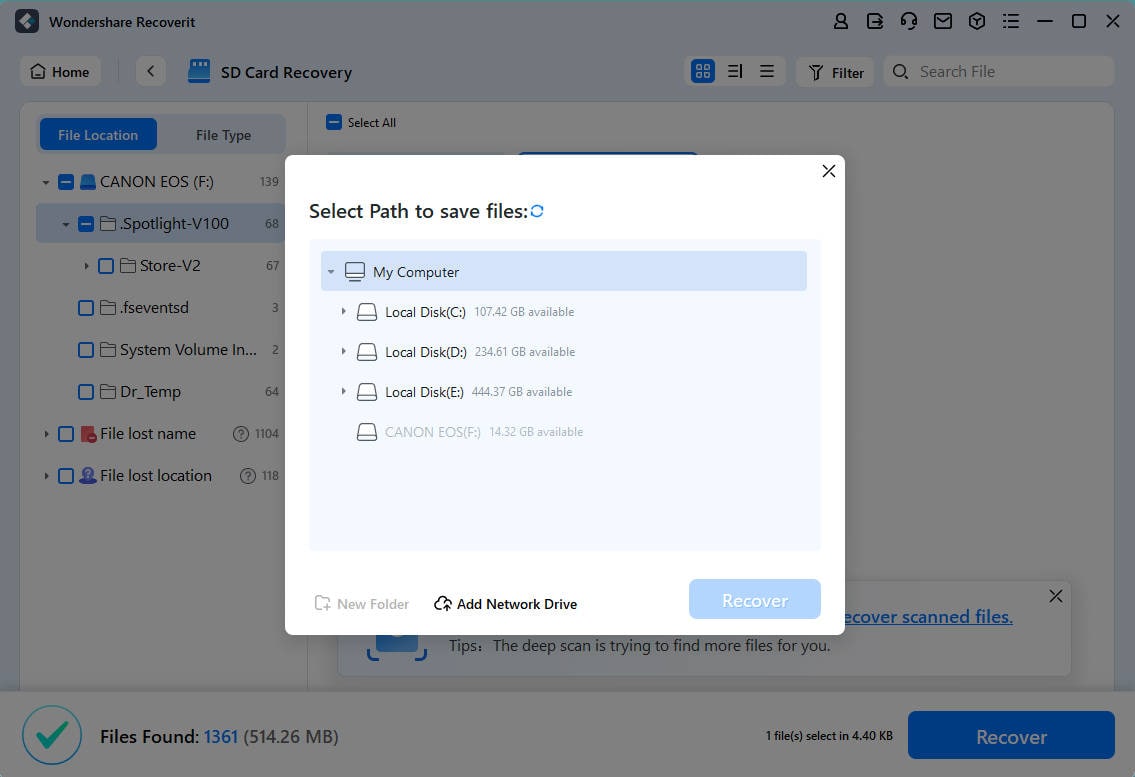
- Verify evidence: Open the recovered videos and check duration, image, and audio.
Part 5: Tips to Prevent Dash Cam SD Card Full Errors
- Use loop recording: Confirm that the feature is enabled and working after formatting.
- Back up important clips: Export accident, parking-mode, and manually locked videos regularly.
- Use a supported high-endurance card: Match capacity and speed requirements to the dash cam manual.
- Review G-Sensor sensitivity: Use a setting that does not lock ordinary bumps as permanent events.
- Format in-camera when needed: Format after backup and follow the manufacturer's recommended interval.
- Update firmware carefully: Use the exact model's official firmware and stable power.
- Replace cards based on condition: Repeated errors, missing clips, slow recording, or format prompts indicate that the card may need replacement.
- Keep contacts and storage conditions clean: Protect the card from heat, moisture, dust, and physical damage.
Part 6. Beyond “Card Full”: Other Dash Cam SD Card Errors
What to Do When the Dash Cam Does Not Recognize the SD Card
- Check the camera manual for supported capacity, speed class, and card type.
- Power off the dash cam, reinsert the card, and inspect the lock switch or adapter.
- Test the card with a reliable reader. If the computer detects it, back up or recover footage before formatting.
- Use the dash cam's own format option only after important videos are safe.
- If the card is invisible in the camera, computer, and another reader, stop repeated attempts and assess possible hardware failure.
Why Does the Dash Cam Keep Saying “Format SD Card”?
This message commonly indicates file-system corruption, an unsupported card, card wear, or a firmware issue. Cancel the prompt if important footage is unrecovered. Back up or recover the files first, then format the card in-camera. If the message returns with a new supported card and current firmware, the dash cam may need service.
Conclusion
A dash cam SD card full error can result from disabled loop recording, too many locked files, file-system corruption, an unsupported card, or firmware problems. Back up important footage first, then check the settings and card compatibility before formatting.
If footage is missing or the card is corrupted, stop recording and recover data while the card is still detectable. Format the card in-camera only after the data is safe, and replace it when errors return with a supported high-endurance card.
Try Recoverit to Retrieve Lost Data
Security Verified. Over 7,302,189 people have downloaded it.
FAQ About Dash Cam SD Card Full Errors
-
Why does my dash cam say the SD card is full when it has free space?
Loop recording may be disabled, event files may be locked, or the card's file system may be corrupted. Back up important clips and format the card in-camera only after the data is safe. -
Can I delete locked dash cam files to free up space?
Yes, but only after copying accident or evidence footage elsewhere. Locked files are protected because the camera treats them as important. -
Should I format a dash cam SD card on a computer?
Use the dash cam's format option when the manufacturer recommends it. Computer formatting can create a file system or allocation format that the camera does not support. -
Does a high-endurance SD card prevent the full-card error?
It can reduce failures caused by continuous writing, but it does not fix disabled loop recording, too many locked files, incompatible capacity, or a faulty dash cam. -
Can Recoverit recover dash cam videos from a full or corrupted card?
It can scan a card that the computer still detects. Stop recording and save recovered videos to another drive. It cannot scan a card that no reader or computer recognizes. -
When should I replace my dash cam SD card?
Replace it when errors, missing clips, repeated format prompts, recording interruptions, or read and write failures continue with compatible settings and a reliable reader.


