
 TL;DR:
To fix a mapped network drive that is connected but invisible in Windows 11 or 10, manually remap the drive using its exact IP address and ensure the "Reconnect at Sign In" option is checked.
● Enable "Turn on Network Discovery" in the Network and Sharing Center and activate "SMB 1.0/CIFS File Sharing Support" via Windows Features so the operating system can enumerate and detect shared network paths.
● Clear authentication failures and blocked TCP/UDP ports by updating saved server logins in the Windows Credential Manager and allowing "File and Printer Sharing" through the Windows Defender Firewall.
● If the mapped drive permanently fails to mount, Wondershare Recoverit can bypass File Explorer to scan the hidden network path directly, permitting up to 500 MB of free file recovery.
Ask AI for a summary
 ChatGPT
 Perplexity
 Gemini
 Claude
 Grok
Grok
A network administrator opens a Windows PC, ready to access important files stored on a shared drive, only to find that the mapped network drive is not showing. Deadlines loom, and projects can’t move forward without access to crucial data. This common issue disrupts workflow, leaving both professionals and home users frustrated and searching for solutions.
While the underlying causes can vary, knowing how to quickly address the problem is essential to maintaining productivity. In this guide, practical steps and methods will be shared to help restore visibility and access to any mapped network drive not showing, ensuring smooth file management.
Try Recoverit to Perform Data Recovery
 Security Verified. 3,591,664 people have downloaded it.
In this article
-
- Fix 1: Restart the Computer and Network Connection
- Fix 2: Reconnect the Mapped Network Drive
- Fix 3: Check Network Discovery and File Sharing Settings
- Fix 4: Verify Network Credentials and Permissions
- Fix 5: Map the Network Drive Again Manually
- Fix 6: Update Network Adapter Drivers
- Fix 7: Enable SMB Protocol in Windows Features
- Fix 8: Run Windows Network Troubleshooter
- Fix 9: Check Firewall or Antivirus Network Restrictions
- Fix 10: Reset Network Settings in Windows
Part 1. Mapped Network Drive Not Showing Error - Meaning
The mapped drive not showing Windows 11 and 10 error occurs when a network drive that has been mapped to the system does not appear in File Explorer. Essentially, Windows recognizes that a drive letter has been assigned to a network location, but it fails to display the drive under “This PC” or “Network Locations.”
Users may see the drive listed in certain command-line tools but cannot access it through the usual graphical interface. This error prevents direct access to shared files and folders, creating confusion about the drive’s availability. It highlights a visibility issue rather than a missing or deleted network resource.
Part 2. Common Causes of a Mapped Network Drive Not Accessible
After understanding the error, it’s essential to identify the specific causes of a “mapped network drive not accessible” problem. Some of the common causes are mentioned below:
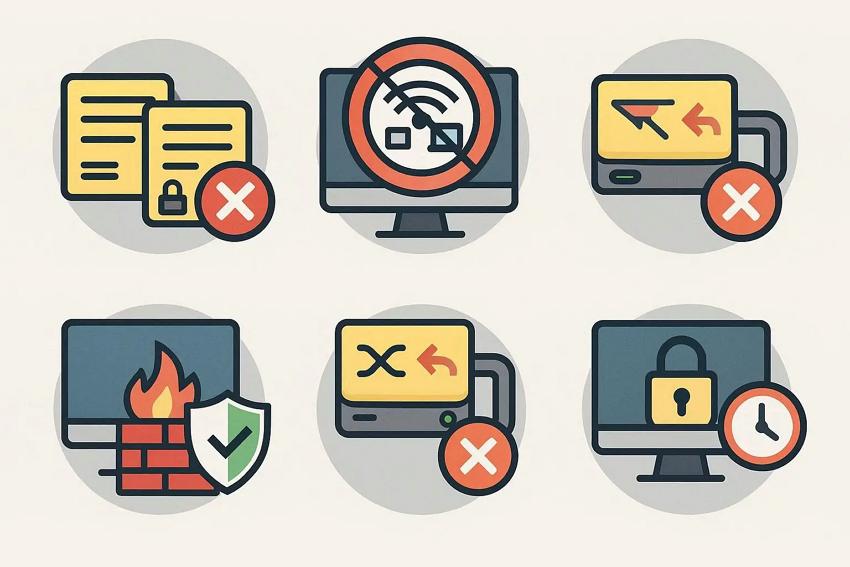
- Credential Conflicts: Windows stores credentials for network shares, and if multiple accounts exist for the same server, the system may fail to authenticate the correct one.
- Network Discovery Disabled: When network discovery is turned off, Windows 11 cannot enumerate devices on the network segment. As a result, mapped drives relying on network paths are not listed in File Explorer.
- Incorrect Drive Mapping: Assigning a drive letter already in use or pointing to an unavailable UNC path can cause Windows to fail loading the mapped drive. Even if the network path exists, the mismatch prevents visibility.
- Firewall or Antivirus Rules: Specific firewall rules or antivirus network shields can block the TCP/UDP ports used for SMB connections. Without proper SMB traffic, Windows cannot maintain the mapped drive connection.
- Session Persistence Issues: Mapped drives configured to reconnect at login may not persist if the user session ends unexpectedly or if the system delays network initialization.
Part 3. How to Fix Mapped Network Drive Not Showing - 10 Fixes
Experiencing a “network drive not showing all folders” error can disrupt file access and workflow, but several practical fixes can restore visibility. The following 10 methods address the most common issues, helping Windows recognize and display all mapped drives:
Fix 1: Restart the Computer and Network Connection
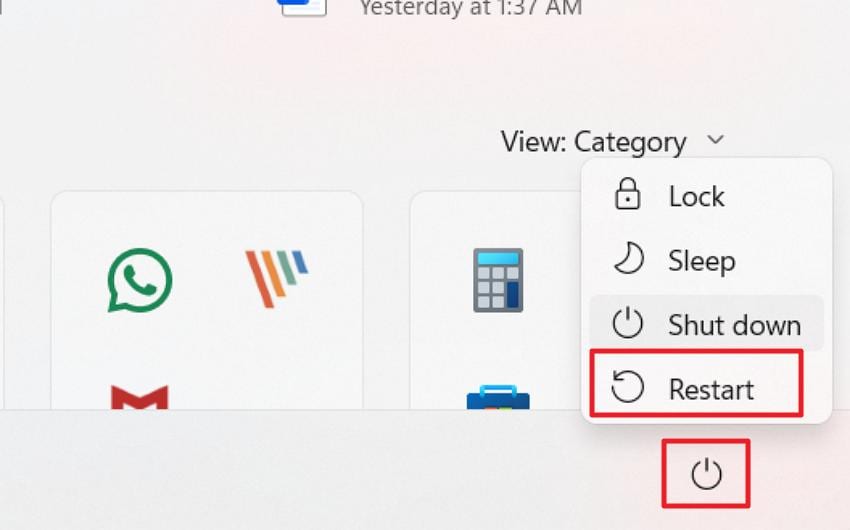
Rebooting the system can often resolve a “mapped network drive not showing" issue by refreshing network sessions. Network adapters and temporary caches are reset during restart, which can help Windows detect mapped drives that were previously invisible. This simple action can restore access to network locations without further configuration. To learn how to restart a PC, read the instructions next:
Instructions. Begin by selecting the “Windows” icon located in the bottom-left corner of your screen. Next, click on “Power” and choose “Restart” to reboot your computer properly.
Fix 2: Reconnect the Mapped Network Drive
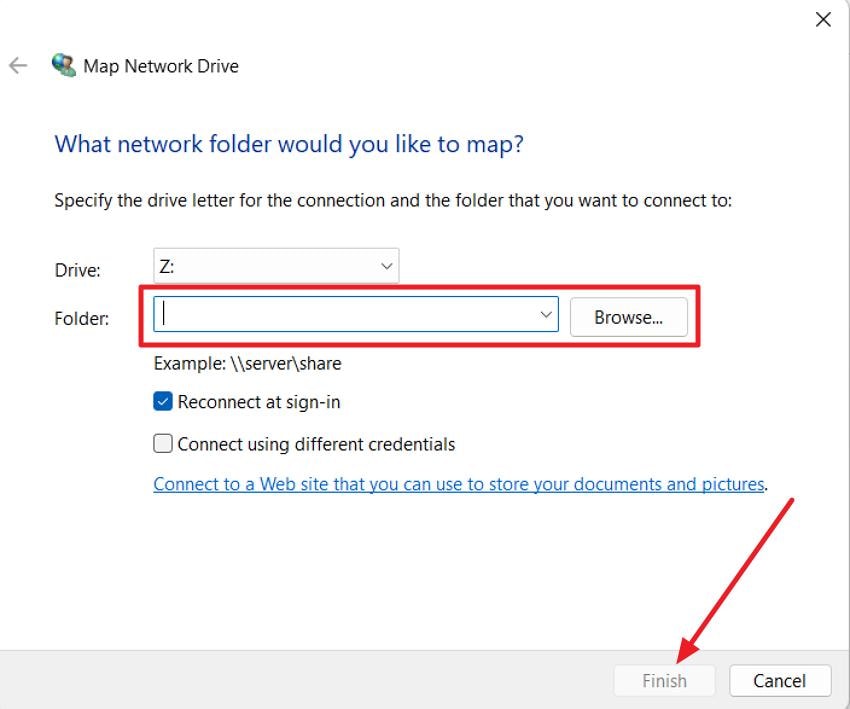
Temporarily disconnecting and reconnecting the drive can address a “mapped drive not showing Windows 11” problem caused by session conflicts. Re-establishing the connection prompts Windows to reauthenticate and reload the network path, making the shared folders visible again. This method often restores missing drive letters in File Explorer. Follow the instructions provided below to learn how to reconnect the append network drive:
Instructions. Locate the mapped drive that is missing or disconnected. Right-click on it and select Map Network Drive if it doesn’t appear. In the following window tick the checkbox for “Reconnect at Sign In” and enter the drive address. Press “Finish” to complete the reconnection.
Fix 3: Check Network Discovery and File Sharing Settings
Enabling network discovery and file sharing ensures that the system can detect other devices. If a mapped network drive is not accessible, adjusting these settings can allow Windows to recognize shared folders and display all drives properly across the network. Follow the steps provided below to learn how to change network discovery and file sharing settings:
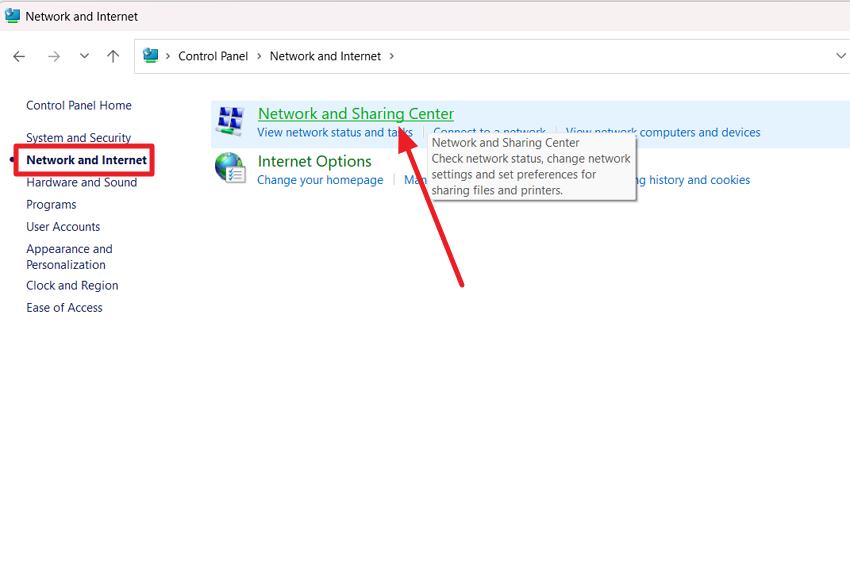
- Open the Control Panel from the Windows search bar. Select “Network and Internet” and then click “Network and Sharing Center.”
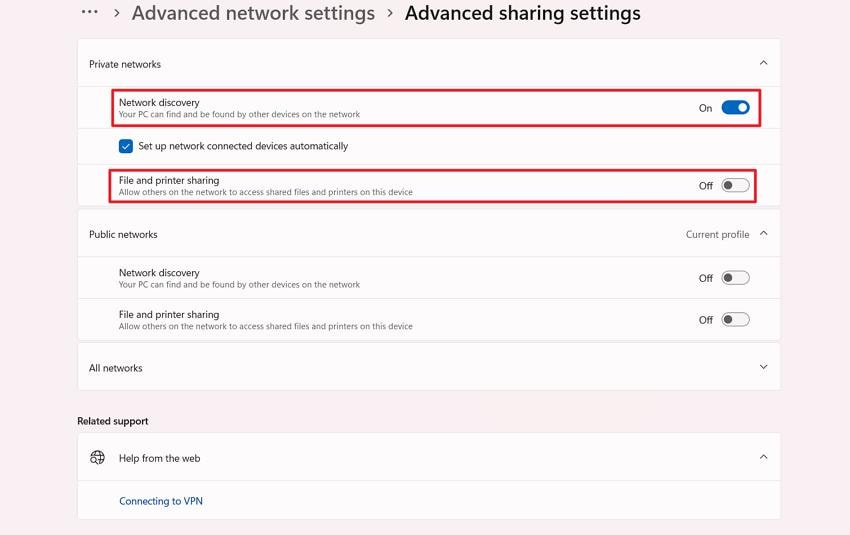
- From the left panel, choose “Change Advanced Sharing Settings.” Under the Private network section, ensure “Turn on Network Discovery” and “Turn on File and Printer Sharing” are enabled.
Fix 4: Verify Network Credentials and Permissions
Incorrect or outdated credentials can trigger a network drive not showing all folders scenarios, even if the drive is mapped. Confirming the correct username and permissions ensures Windows can access the network resource without restrictions, resolving access issues efficiently. To learn how to verify network credentials and permissions, read the steps provided below:
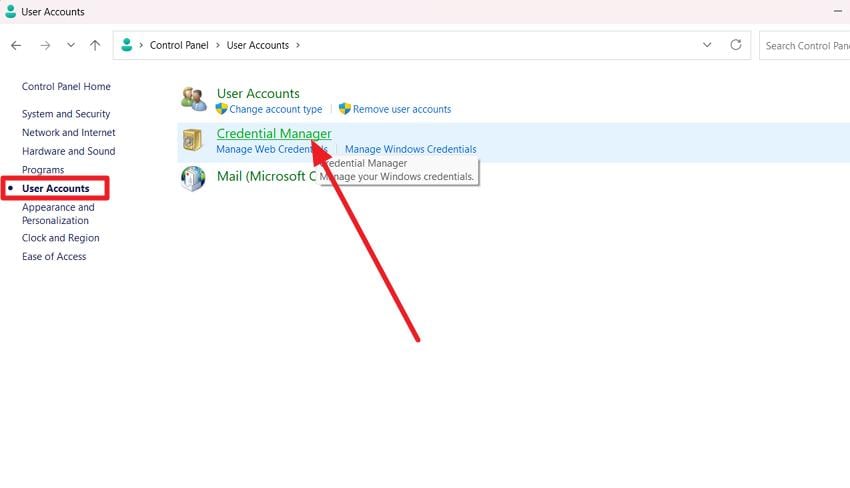
- Open the Control Panel and navigate to "User Accounts." Next, locate the "Credential Manager" option and click on it.
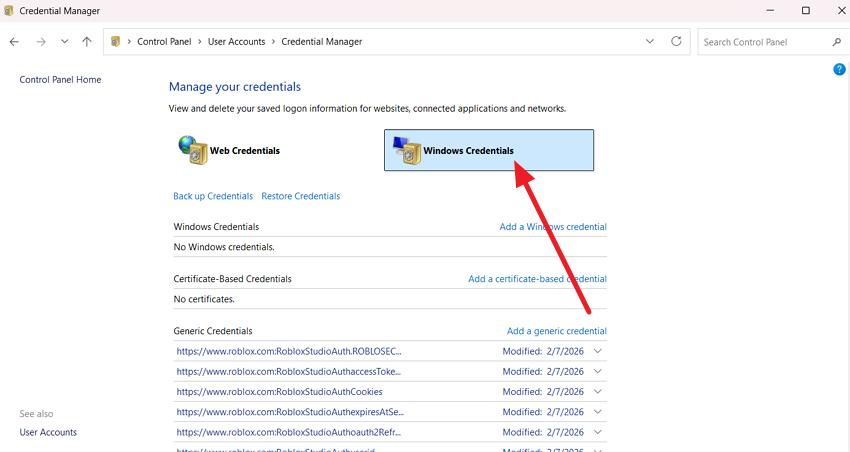
- In the following interface, select "Windows Credentials" and look for the saved credentials related to the network server or shared drive. Check whether the username and password match the credentials required by the network location. If needed, edit or remove the stored credentials and reconnect to the network drive.
Fix 5: Map the Network Drive Again Manually
Manually remapping the drive can fix a “mapped network drive not showing” error when automatic connections fail. Assigning a correct drive letter and network path ensures proper recognition in Windows Explorer and restores access to all shared folders. If you do not know how to map the network drive manually, read the steps provided below:
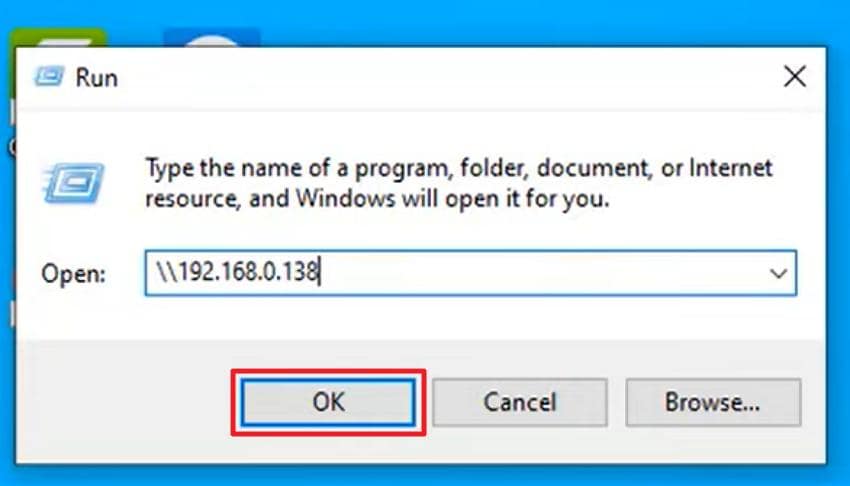
- Start by typing the IP address of your network in the "Windows + R" window and clicking the "OK" button.
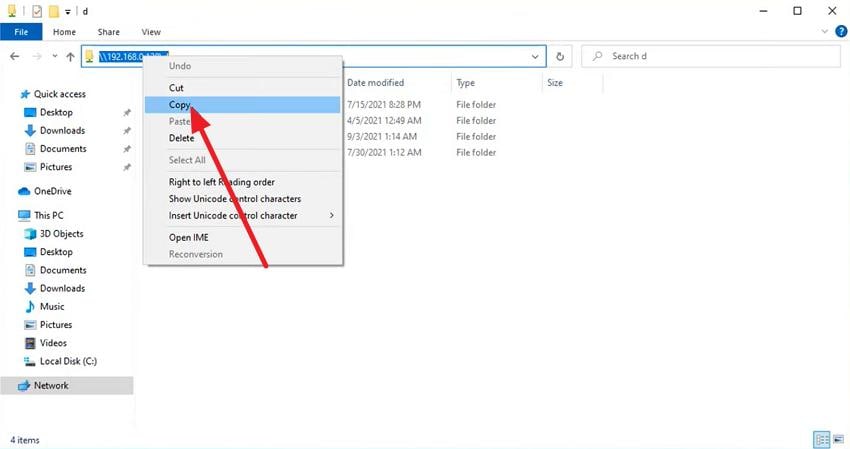
- This will open your network folder in File Explorer. Head to the top and copy the folder address by right-clicking and choosing "Copy."
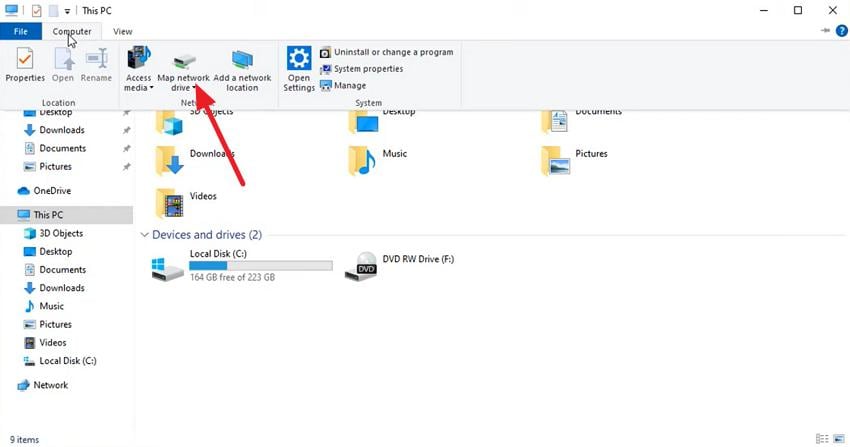
- Next, open File Explorer and click on “Map Network Device” under the “Computer” section.
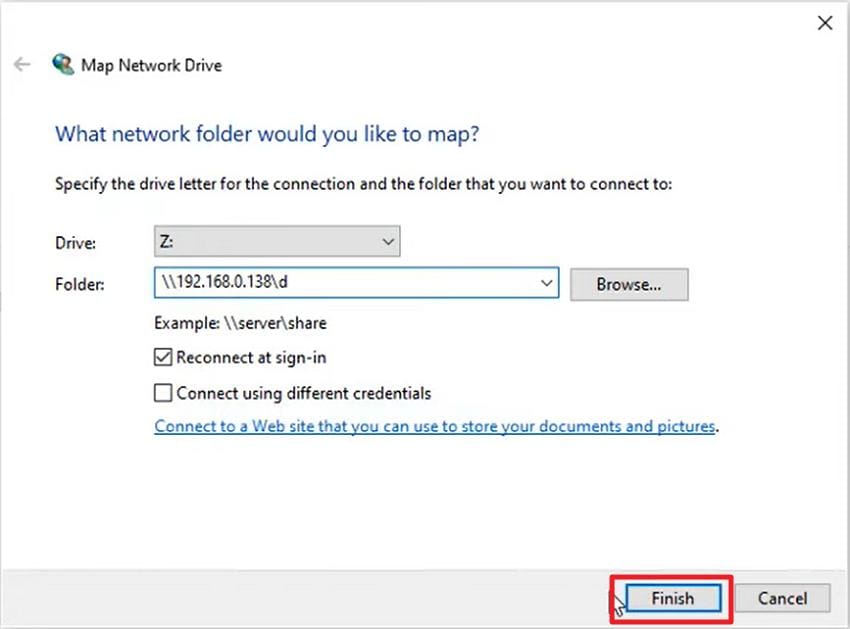
- Paste the address in the following window and hit the “Finish” button to create a network drive.
Fix 6: Update Network Adapter Drivers
Outdated or corrupted network drivers often cause "mapped drive not showing Windows 11" problems. Updating drivers allows Windows to communicate correctly with the network, restoring visibility and access to mapped drives without connection errors. Read the steps provided below to learn how to update the network adapter drivers of your device:
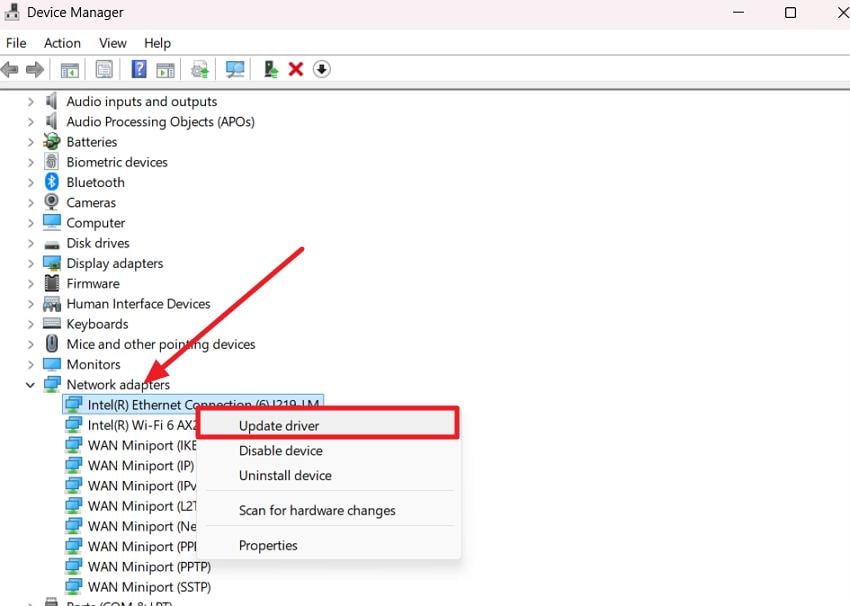
- In the Device Manager window, expand the “Network Adapters” category. Locate your network adapter, right-click on it, and choose “Update Driver.”
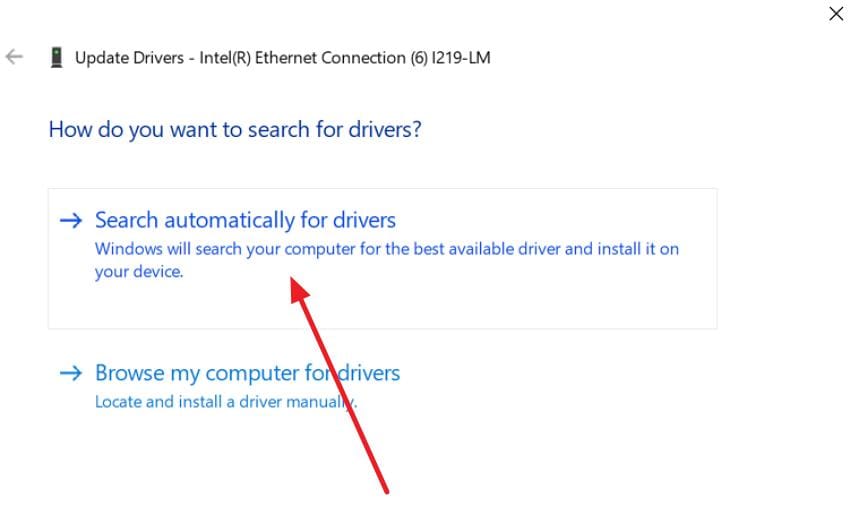
- Select "Search Automatically for Drivers," so Windows can find the latest version and update the driver successfully.
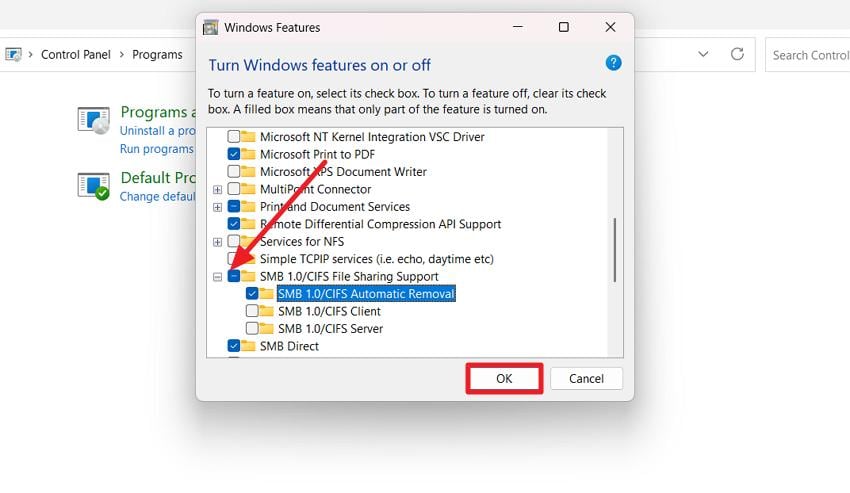
Fix 7: Enable SMB Protocol in Windows Features
SMB protocol mismatches can lead to a mapped network drive not accessible, resulting in a fix scenario, preventing Windows from displaying shared folders. Enabling the required SMB versions ensures compatibility between the PC and the server, allowing the drive and its contents to appear properly. To learn how to enable the SMB protocol in Windows, read the steps provided next:
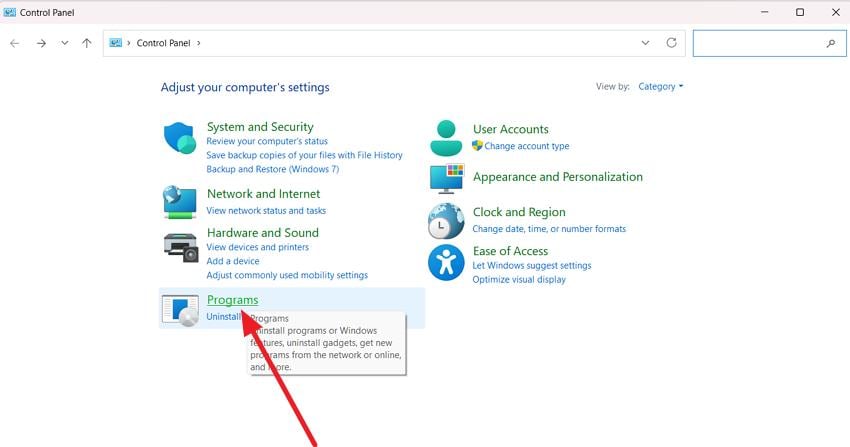
- Begin by accessing the Control Panel and locating the "Programs" option to click on it.
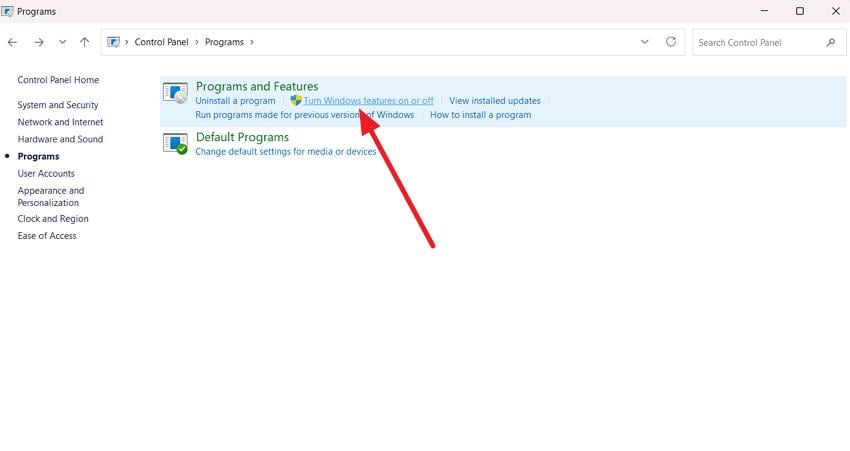
- In the following interface, find the “Turn Windows Features On or Off” and press it.
- In the list of features, scroll down and locate “SMB 1.0/CIFS File Sharing Support.” Check the box next to this option and expand it if you want to enable specific SMB components. Click “OK” to save the applied changes.
Fix 8: Run Windows Network Troubleshooter
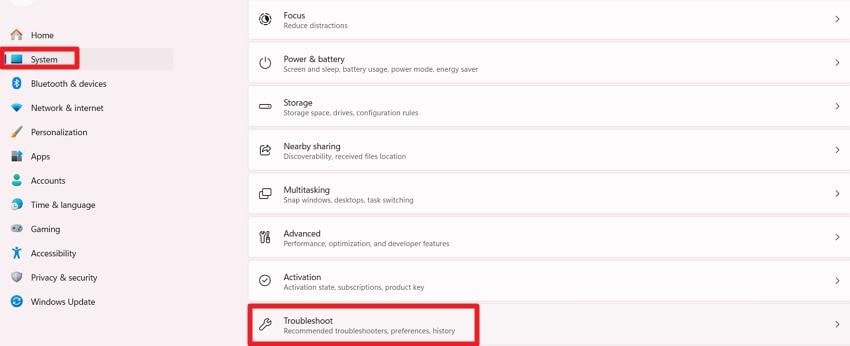
Using the built-in troubleshooter can resolve connectivity issues, causing a network drive not showing all folders. The tool detects configuration errors, network conflicts, or authentication problems and suggests adjustments to restore mapped drive access. Follow the steps mentioned next to learn how to run the Windows network troubleshooter on your device:
- Click the “Windows” icon, open “Settings”, select “System”, and scroll down to choose “Troubleshoot.”
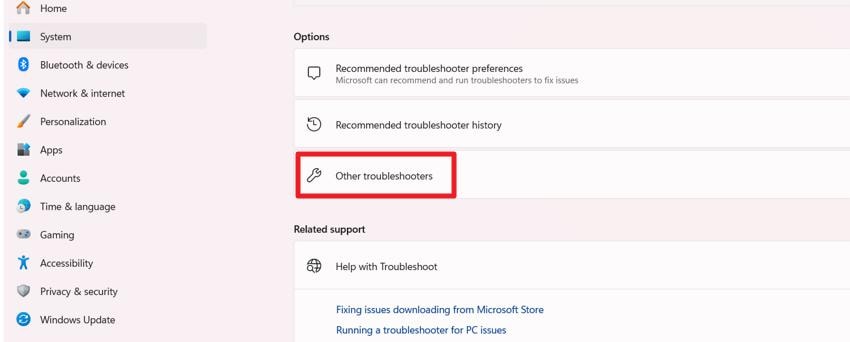
- In the following interface, locate the “Other Troubleshooters” and click on it.
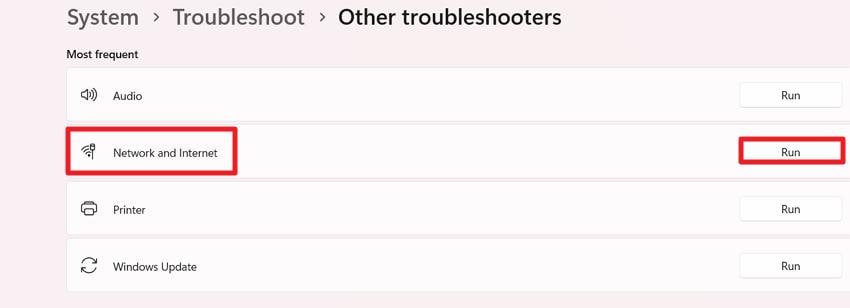
- Find “Network and Internet” and press the “Run” button next to it. Allow Windows to analyze the network connection and detect any issues.
Fix 9: Check Firewall or Antivirus Network Restrictions
Security software can block connections, causing a “mapped network drive not showing" error even if the path exists. Reviewing firewall and antivirus rules ensures that SMB traffic and network shares are allowed, allowing the mapped drive to appear correctly in File Explorer. To learn how to check firewall restrictions, read the steps mentioned in the following section:
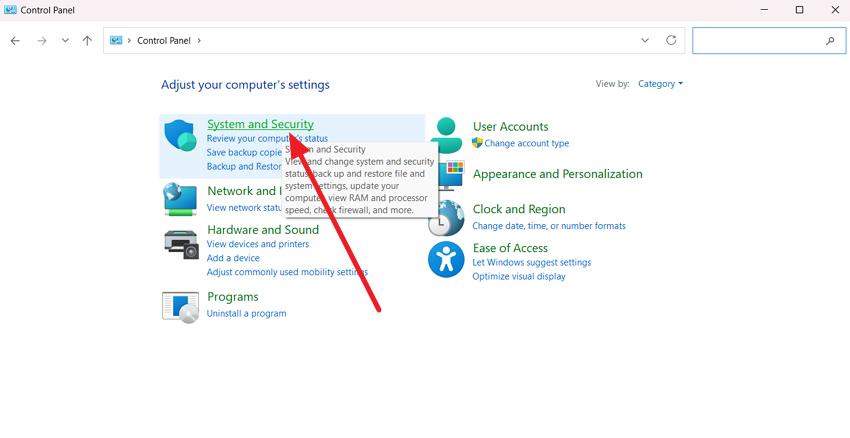
- After opening the Control Panel, locate the "System and Security" option and select it by clicking.
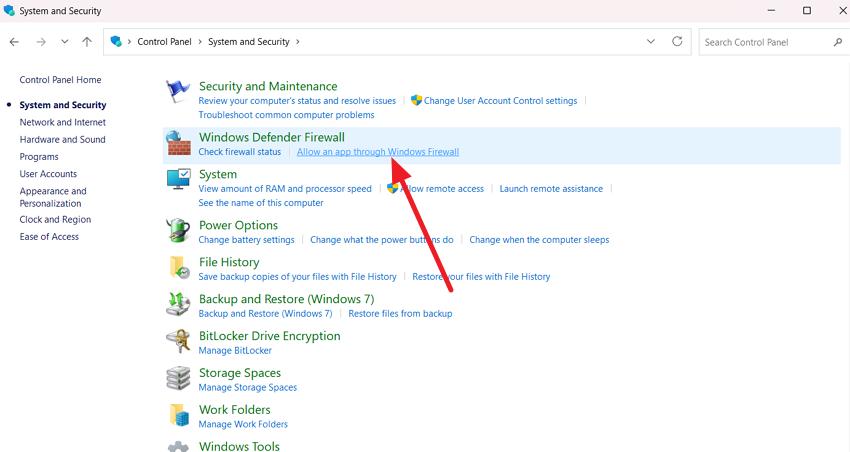
- In the following interface, locate the “Allow an App or Feature Through Windows Defender Firewall” under the “Windows Defender Firewall” option.
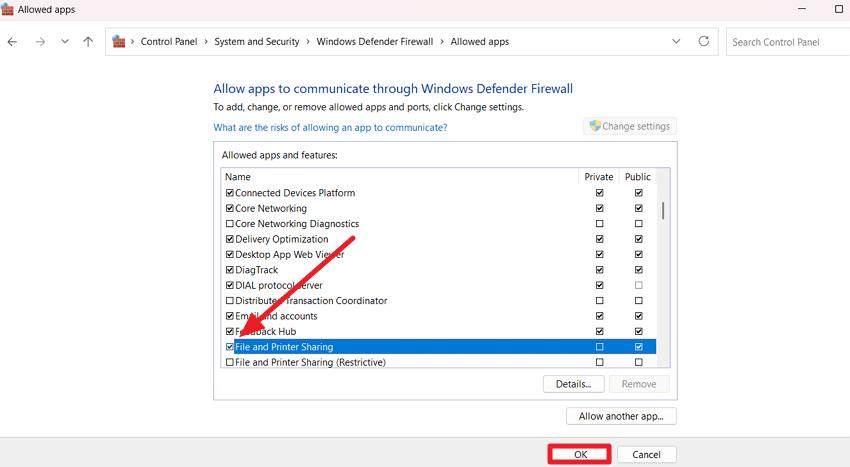
- Review the list of allowed applications and tick the checkbox for "File and Printer Sharing" to unrestrict the function. Once done, hit the "OK" button to save the changes.
Fix 10: Reset Network Settings in Windows
Resetting network settings can fix persistent issues with a “mapped drive not showing Windows 11”, including IP conflicts or misconfigured adapters. This action clears saved connections and network cache, giving Windows a clean slate to detect and reconnect all mapped drives successfully. Read the steps provided below to know how to reset network settings:
- After opening your system settings, click the “Network & Internet” option. Scroll down and choose “Advanced network settings.”
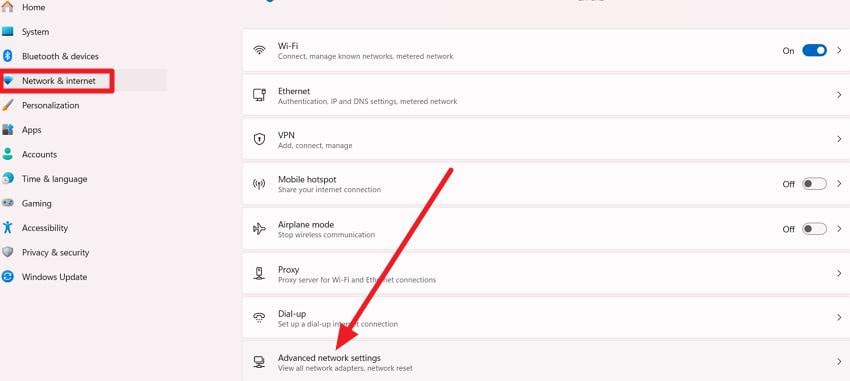
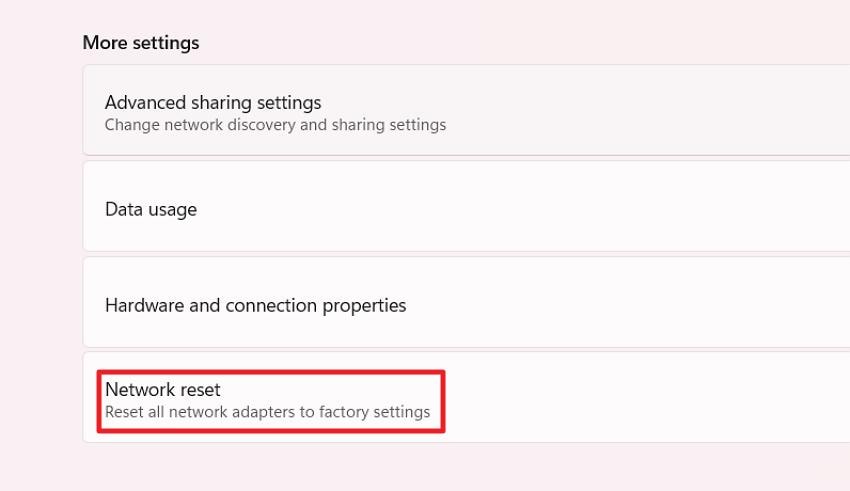
- In the next interface, locate and click "Network Reset" under the More Settings option.
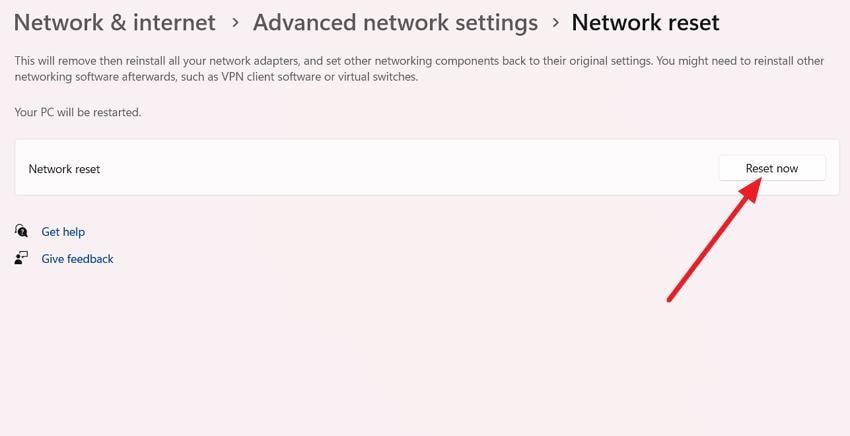
- Press the “Reset now” button and confirm the action. Restart your computer after the reset completes.
Pro Tip: How Recoverit Helps Recover Data from Hidden or Missing Network Drives
When a mapped network drive is not showing or becomes hidden, critical files and folders can suddenly seem lost, creating serious workflow disruptions. Recoverit by Wondershare is designed to tackle exactly this scenario, providing a reliable solution to recover data from inaccessible or hidden network locations. The software scans the storage path comprehensively, detecting lost, deleted, or hidden files. Its advanced algorithms can even retrieve data from drives that appear connected but remain invisible in Windows Explorer.
With Recoverit, users get the ability to retrieve data up to 500 MBs for free. Recoverit's interface is intuitive, allowing users to preview recoverable files and selectively restore them, minimizing downtime and preventing unnecessary overwrites. Supporting both local drives and network paths ensures that important business or personal files are quickly recovered.
Coherent Feature Offered By Recoverit
- Multiple File Format Support: Recoverit can recover a wide range of file types, including documents, images, videos, and audio files, from hidden or missing network drives
- Batch Data Recovery: The software allows restoring multiple files simultaneously, saving time and ensuring efficient recovery of large amounts of data.
- Pause and Resume Scan: Users can pause an ongoing scan and resume it later without losing progress, offering flexibility during lengthy recovery processes.
How to Recover Data from Hidden or Missing Network Drives with Recoverit
When a “mapped network drive not showing” error leaves important files inaccessible, using a reliable tool like Recoverit becomes essential. The following guide explains how to safely recover data from hidden or missing network drives using Recoverit:
- Connect and Launch Recoverit
Begin by ensuring your network drive or storage device is accessible on the computer. Open Recoverit, and from the main interface, locate the connected drive to start scanning for hidden or missing files.
- Scan and Identify Files
After the scanning process completes, Recoverit will list all recoverable data from the drive, including files that were previously invisible. Select the files and press "Recover" at the bottom.
- Preview and Restore Files
Use the preview feature to verify that the files are correct before restoring. Once confirmed, click the “Recover” button to safely retrieve your lost or hidden data from the network drive.
Conclusion
All in all, this article provided a detailed guide on troubleshooting a “mapped drive not showing” and restoring network accessibility. Following these methods helps prevent downtime and ensures files remain reachable. When hidden or missing data persists, Recoverit delivers a safe, comprehensive recovery solution. This allows users to scan network drives, preview recoverable files, and restore them with minimal effort.
FAQ
-
1. Why is my mapped network drive not showing in Windows 11?
This can happen due to credential conflicts, network discovery being disabled, or SMB protocol mismatches. Ensuring correct login details and network settings often resolves the issue. -
2. Can I recover files if the mapped network drive is hidden?
Yes, files can still be recovered even if the drive is invisible. Recoverit can scan hidden or missing network drives and retrieve lost or inaccessible data efficiently. -
3. How do I restore all folders if the network drive is not showing?
Using built-in Windows fixes may sometimes restore visibility, but not always. Recoverit provides a secure way to recover all missing or hidden folders from the network drive without overwriting existing files. -
4. Will disconnecting and remapping the drive fix the problem?
Sometimes remapping the drive solves temporary connection or session issues. If the drive still appears inaccessible, recovery software like Recoverit can retrieve files safely.


