

 TL;DR:
You can recover deleted or missing PPT and PPTX files from a hardware-encrypted drive, provided you first authenticate and unlock the device using the correct password, PIN, or vendor utility so it mounts as a fully accessible volume.
● Software like Recoverit cannot bypass, remove, or crack hardware encryption; if you cannot unlock the drive to make it visible in your operating system, you must seek help from the manufacturer or an IT administrator.
● Immediately stop writing new data to the encrypted drive to prevent overwriting the deleted presentations, and always save your recovered files to a completely different storage device.
● Before initiating a deep scan, check File History, Previous Versions, or cloud synced copies, because recovery software cannot guarantee the restoration of heavily overwritten slides.
Ask AI for a summary
 ChatGPT
 Perplexity
 Gemini
 Claude
 Grok
Grok
Can You Recover PPT Files from a Hardware-Encrypted Drive?
You can often recover PPT files from a hardware-encrypted drive if the drive is properly unlocked, mounted, and detected as an accessible volume, and the lost presentations have not been heavily overwritten. Recovery focuses on reading data sectors from the already unlocked storage, not on breaking or bypassing encryption.
To attempt recovery safely, you must authenticate with the correct password, PIN, recovery key, vendor utility, or system login so the drive behaves like a normal disk in your operating system. If the encrypted drive cannot be unlocked or does not appear at all, software such as Recoverit cannot help; you should instead contact the drive manufacturer, IT administrator, or a professional data recovery service.
In this article
Common Reasons PPT Files Get Lost from Hardware-Encrypted Drives
PPT and PPTX presentations stored on an unlocked hardware-encrypted drive can disappear for many everyday reasons, even though the encryption itself is working correctly. Understanding what went wrong can help you choose the right recovery approach.
- Accidental deletion of PPT or PPTX files from an unlocked encrypted volume while cleaning folders or managing project files.
- Formatting or reinitializing the unlocked hardware-encrypted drive or partition after authentication, wiping the visible file system metadata.
- File system errors, corruption, or bad sectors on the accessible encrypted volume that cause PPT folders or files to become unreadable or appear as 0 bytes.
- Interrupted transfers or unsafe removal of an encrypted external drive while copying PowerPoint presentations between devices.
- Saving new data to the same unlocked encrypted drive after deletion, which may overwrite sectors that previously stored your PPT files.
- Incorrect changes to partitions or drive letters on an already unlocked encrypted disk, making the location of PowerPoint files difficult to find.
How to Recover PPT Files from Hardware-Encrypted Drives
When PPT files vanish from a hardware-encrypted drive, work through the methods below in order. Start by confirming that the drive is properly unlocked and accessible, then check backups, and finally consider scanning the unlocked volume with a data recovery tool such as Recoverit.
Method 1. Confirm the Hardware-Encrypted Drive Is Unlocked and Accessible
Before trying any PPT recovery, make sure the hardware-encrypted drive is properly connected, authenticated, and visible as an accessible volume. Recovery tools only work on unlocked storage, not on locked or undetected encrypted devices.
- Connect the hardware-encrypted drive directly to your computer and ensure any required power or data cables, adapters, or docking stations are firmly attached.
- Use the drive vendors utility, password prompt, PIN, or system authentication to unlock the hardware-encrypted drive and wait until it reports successful access.
- Open File Explorer or Finder and confirm the unlocked drive appears with a drive letter or volume name that you can browse without errors.
- Search the drive for your missing PPT files using the operating systems search box, filtering by .ppt or .pptx extensions and checking recent folders or project directories.
- If the drive does not unlock or throws access errors, stop further attempts and contact the manufacturer or IT administrator instead of repeatedly guessing passwords.
Method 2. Recover PPT Files from Backups, Previous Versions, or Cloud Copies
If you saved PPT files from an unlocked hardware-encrypted drive to other locations or had backup features enabled, you may restore them without deep scanning. Check File History, Previous Versions, and any cloud or manual backups you maintain.
- On Windows, right-click the folder where the PPT was stored, select Properties, then Previous Versions, and look for earlier snapshots that may contain the missing presentation.
- If you enabled File History or system backup, open the corresponding restore interface, navigate to your PPT folder, and restore the required files to a different, non-encrypted location.
- Check cloud services such as OneDrive, Google Drive, Dropbox, or your organizations cloud storage for synced or shared copies of the PowerPoint presentation.
- Review email attachments, exported project folders, or USB backups where you might have shared or archived earlier PPT versions, copying them back to your computer.
- If you do not have valid backups and the unlocked drive is still accessible, proceed to a professional data recovery tool such as Recoverit to scan the available volume.
Method 3. Use Recoverit to Recover PPT Files from a Hardware-Encrypted Drive
When the hardware-encrypted drive is already unlocked and accessible but PPT files are deleted or missing, Recoverit PPT recovery can scan the volume for recoverable documents. It focuses on reading existing sectors and listing discoverable PPT files without altering the encryption state.
Recoverit is a dedicated data recovery solution that can scan unlocked hardware-encrypted drives and other storage devices for deleted or lost PPT files. After you unlock the drive with the correct method, you can download Recoverit from the Recoverit official website and safely attempt document recovery without modifying the encryption configuration.
- Scans unlocked hardware-encrypted drives for deleted or lost PPT and PPTX presentations without changing existing encryption settings.
- Supports targeted filtering and preview for common Office document formats, helping you confirm PPT content before saving recovered presentations.
- Provides a straightforward workflow suitable for business, education, and home users who need to recover important slides from accessible storage volumes.
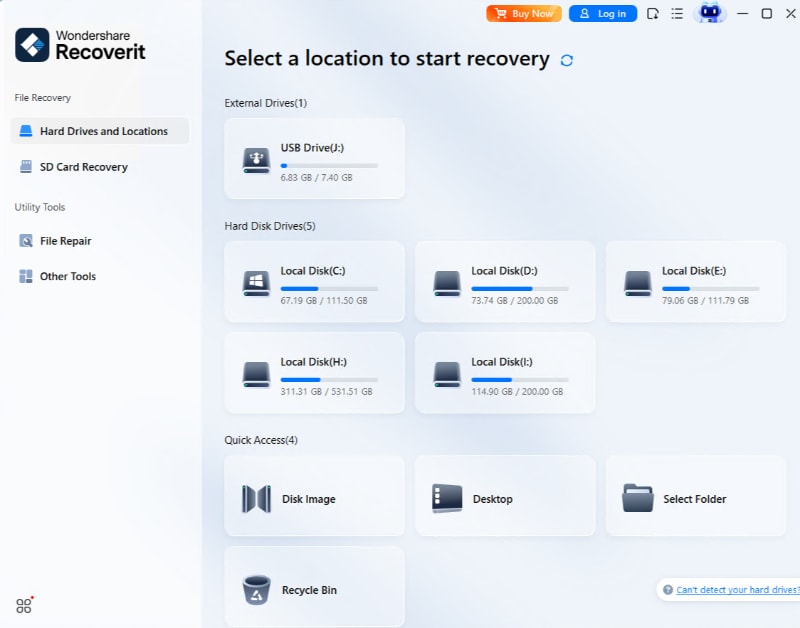
- Choose a Location to Recover Data. Unlock your hardware-encrypted drive so it appears as an accessible volume. Open Recoverit, locate that drive or partition in the interface, and select it as the target location for PPT recovery.
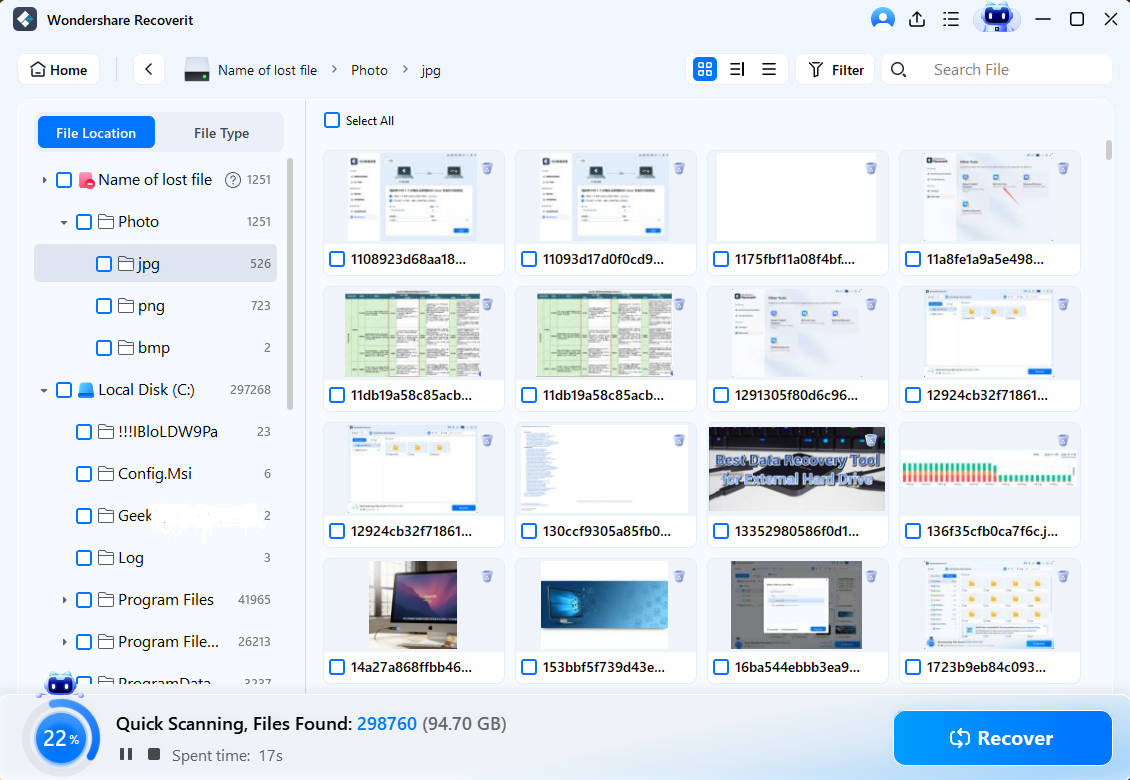
- Deep Scan the Location. Start the scan and let Recoverit perform a full analysis of the unlocked drive. Avoid creating or moving new files on this device while the scan is running to limit potential overwriting.
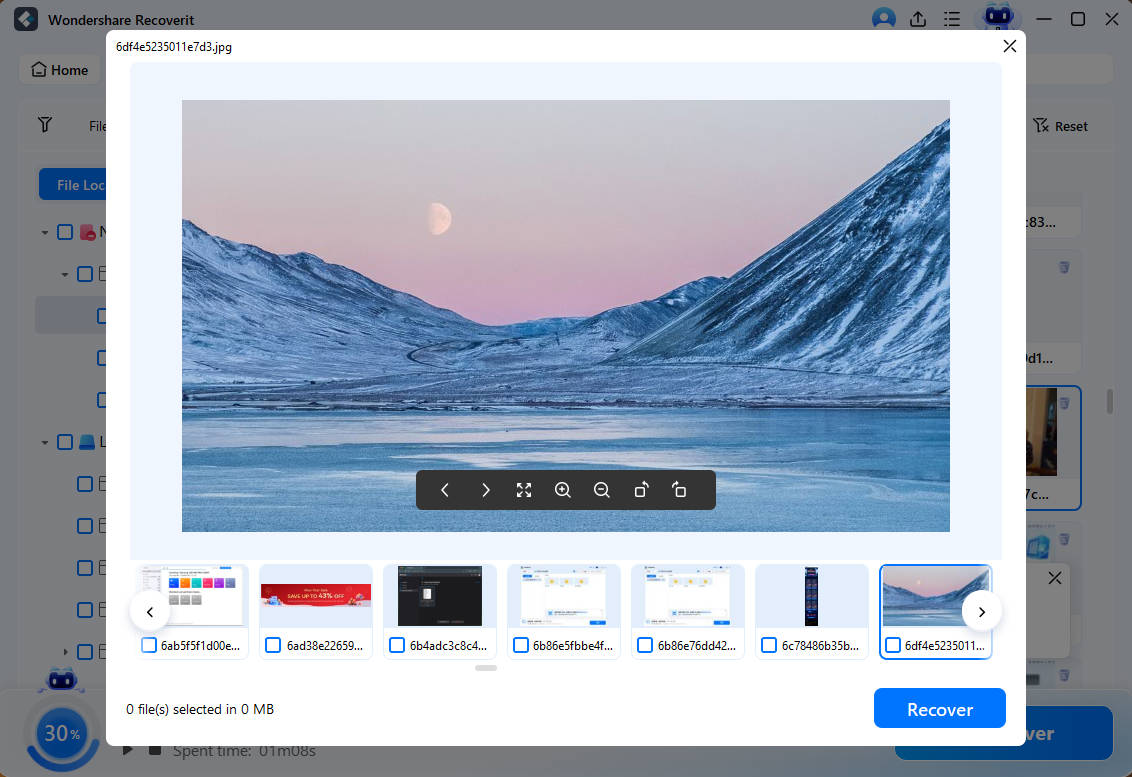
- Preview and Recover Your Desired Data. After the scan, filter by PPT or PPTX, preview available presentations when possible, select the required files, and recover them to a different drive or external storage, then confirm they open correctly.
Try Recoverit to Recover PPT Files from Hardware-Encrypted Drives
 Security Verified. 3,591,664 people have downloaded it.
What to Check Before and During Recovery
Before scanning an unlocked hardware-encrypted drive or copying restored presentations, review these checks to reduce risks and improve the chances of successfully retrieving usable PPT files.
- Verify the Drive Is Properly Unlocked: Confirm the hardware-encrypted drive is unlocked with the correct password, PIN, or authentication and appears as a browseable volume. Recovery tools cannot scan a still-locked or inaccessible encrypted device.
- Confirm Stable Power and Connection: Use reliable USB cables, ports, and power sources, especially for desktop external drives. Intermittent connections during scanning or copying may corrupt recovered PPT files or interrupt the recovery process.
- Check Drive Letter and Visibility: Open Disk Management or Finder to ensure the unlocked encrypted drive has a drive letter or mount point. If it does not appear at all, consult the manufacturer or IT support before attempting recovery.
- Ensure Enough Free Space for Recovery: Prepare another internal drive or external disk with ample free space to store recovered PPT files. Saving recovered data back to the same encrypted drive raises overwrite and corruption risks.
- Avoid Formatting or Reinitializing the Drive: Do not format, re-partition, or reinitialize the hardware-encrypted drive when errors appear. Such actions may reduce the chances of retrieving lost PPT files from the existing data structures.
- Evaluate File Integrity After Recovery: After restoring PPT files, open them in PowerPoint and review important slides, embedded media, and notes to verify that the recovered files are usable for your work or presentation.
Tips to Improve the Recovery Success Rate
Following some best practices when you first notice missing PPT files can help preserve data and improve the likelihood that recovery tools or backups will hold a usable version of your presentations.
- Stop Writing New Data to the Encrypted Drive: Once you notice missing PPT files, avoid copying new data to the unlocked hardware-encrypted drive. New writes can overwrite sectors that previously stored deleted presentations, reducing recovery probability.
- Organize PPT Storage and Backups: Maintain dedicated folders for important PPT projects and regularly back them up to another drive or cloud storage. Clear organization helps you quickly locate data and restore earlier versions when needed.
- Use File History or Versioning for Slides: Enable File History, Previous Versions, or cloud version history for folders where you keep PowerPoint work. These tools often provide quick rollbacks when a presentation is overwritten or accidentally deleted.
- Keep Encryption Credentials Secure: Store passwords, PINs, and recovery keys for your hardware-encrypted drive in a secure password manager. Without proper authentication, software like Recoverit cannot access or scan the encrypted contents.
- Test Recovered PPT Files Immediately: After recovery, open each important PPT in PowerPoint, run Slide Show mode, and check animations, audio, and embedded objects to ensure the presentation still works for meetings or classes.
- Consider Professional Help for Physical Issues: If the unlocked drive disconnects frequently, clicks, or shows severe hardware errors, pause home attempts and consult professional data recovery services to avoid aggravating damage while chasing lost PPT files.
Conclusion
Recovering PPT files from a hardware-encrypted drive is often possible when the device is unlocked, accessible, and not heavily overwritten. Start by checking connections, confirming the drive is authenticated and visible, and looking for backups, Previous Versions, or cloud copies that may contain your missing slide decks.
If no backup exists but the encrypted drive is properly unlocked and mounted, a data recovery tool like Recoverit can scan the accessible volume for deleted or lost PPT files. Always save restored presentations to a different storage device, protect your encryption credentials, and avoid risky actions such as formatting or repartitioning, which can further reduce your chances of getting important presentations back.
Try Recoverit to Recover PPT Files from Hardware-Encrypted Drives
Security Verified. 3,591,664 people have downloaded it.
Next: Recover PDF Files from Hardware-Encrypted Drives
FAQ
-
1. Can I recover PPT files from a hardware-encrypted drive that is still locked?
No. You must unlock the hardware-encrypted drive first using the correct password, PIN, recovery key, or vendor utility so it mounts as an accessible volume. Recoverit cannot decrypt, unlock, bypass, crack, remove, or recover encryption credentials for locked encrypted devices. -
2. Will using Recoverit affect the encryption on my hardware-encrypted drive?
Recoverit reads data from an already unlocked and accessible volume. It does not change encryption settings or remove hardware encryption. You should unlock the drive using the official method before running any scan, and the existing encryption remains managed by the drive and its firmware or security software. -
3. Can Recoverit restore overwritten versions of a PPT presentation?
If a PPT file has been heavily overwritten by new data, recovery may be limited. Recoverit can sometimes locate earlier deleted copies, but it cannot guarantee restoration of every previous version or all overwritten slides. To improve your chances, stop writing new data to the drive as soon as you notice the loss. -
4. What should I do if my encrypted drive does not appear in Recoverit?
First confirm the drive is unlocked with the correct authentication, properly powered, and visible in your operating system (for example in Disk Management or Finder). If it still does not appear, check cables, ports, and any required vendor utilities, then contact the drive manufacturer or IT support for further hardware or encryption assistance. -
5. Are PPT files recovered from an encrypted drive safe to open?
PPT files recovered from your own unlocked hardware-encrypted drive are generally safe to open, especially if you recognize the source and content. When in doubt, scan the files with antivirus software and then open them in PowerPoint to verify that the presentations display correctly before using them in important meetings or classes.


