
Have you ever seen a "volume hash mismatch" error on your Mac and wondered what it means? Mac hash mismatch detected? This error is common and can cause problems with your computer. It might seem confusing, but don't worry, there are ways to fix it.
Understanding what a volume hash mismatch is and how to fix the issue is important. This error can happen for many reasons, such as corrupted data or system problems. But with the right solutions, you can get your Mac running smoothly again.
In this article, we will explain what a volume hash mismatch is, what causes it, and how to fix it. We'll also share some tips to help you avoid this problem in the future. By the end, you'll know how to resolve the volume hash mismatch issue and keep your Mac in good shape.
⚡ Quick Answer: Fix "Volume Hash Mismatch" on Mac
| Situation | Best Fix | Difficulty |
| Error appears at boot | Run Disk Utility First Aid | Beginner Friendly |
| Just installed a macOS point update | Update macOS to the latest full version | Beginner Friendly |
| Used OCLP on an unsupported Mac | Disable FeatureUnlock | Intermediate |
| First Aid cannot repair the disk | Clean reinstall macOS in Recovery Mode | Advanced |
| Corrupted cache is suspected | Flush disk cache: sudo purge |
Intermediate |
| Data loss happened | Recover files with Wondershare Recoverit | Beginner Friendly |
Part 1: What is Volume Hash Mismatch?
A volume hash mismatch happens when the data on your Mac's hard drive doesn't match the expected value. This means there could be a problem with the data, like corruption or missing files. When this happens, your Mac might show an error message that tells you something is wrong.
Technically, this is a Signed System Volume (SSV) verification failure: macOS seals the system volume with cryptographic hashes, and when the running data no longer matches the sealed hash, the system reports a mismatch. It is most often seen on macOS Monterey (especially after point updates like 12.1) and can also appear on Ventura and Sonoma.

disk1s1. macOS should be reinstalled on this volume." — note the exact volume name (disk1s1) it mentions, as you will need it when running First Aid.So, what exactly is a volume hash mismatch? It's a sign that your hard drive is not working as it should. This could happen because of software issues or hardware problems. For example, the software might be corrupted, or there could be physical damage to the hard drive.
Understanding what a volume hash mismatch is can help you know how to fix it. Knowing the possible causes, like software bugs or hardware failures, can guide you in choosing the right solution. This way, you can fix the volume hash mismatch error and keep your Mac running smoothly.
Part 2: What Causes Volume Hash Mismatch
There are several reasons why a volume hash mismatch might happen on your Mac. Understanding these causes can help you fix the problem more easily.
Here are some common reasons behind this issue.
- Corrupted Data: When files get damaged or corrupted, they can cause a volume hash mismatch.
- Failed Updates: Incomplete or interrupted macOS updates can lead to this error.
- Disk Errors: Physical or logical errors on your hard drive can trigger the issue.
- Malware: Malware, such as viruses and other harmful software, can damage your data and lead to mismatches.
- FeatureUnlock Issues: Problems with the FeatureUnlock feature can lead to hash mismatches.
- System Crashes: Unexpected crashes and system failures can damage files and cause errors.
- Bad Sectors: Areas of the disk that are damaged and can't be used properly can cause mismatches.
- Flushed Disk Cache: Clearing the disk cache can sometimes result in this error.
More Possible Causes
- Upgrading an Unsupported Mac via OCLP: Using OpenCore Legacy Patcher to install macOS on an unsupported Mac is a common trigger for volume hash mismatch.
- Point Releases: The error is frequently reported right after installing a macOS point update (for example, macOS 12.1 on Monterey).
Understanding these causes can help you diagnose and fix the volume hash mismatch issue effectively.
Part 3: How to Fix Volume Hash Mismatch Error
To fix the volume hash mismatch error, you need to try several methods. This is because the error can be caused by different issues, so one solution might not work for everyone. Each method targets a specific potential cause of the problem.
For instance, using Disk Utility First Aid can fix disk errors, while updating macOS can solve issues related to outdated software. Disabling FeatureUnlock might help if that feature is causing conflicts. By trying multiple methods, you can cover all possible causes and find the right fix for your Mac.
Here are the steps:
Fix 1: Use Disk Utility First Aid
Using Disk Utility First Aid is a simple and effective way to fix the volume hash mismatch error on your Mac. This tool is built into macOS and helps to repair disk issues.
Disk Utility will scan the disk for problems and attempt to fix any it finds. It's a good first step to resolving the volume hash mismatch problem.
Here’s How to fix volume hash mismatch error Mac:
- Go to Applications > Utilities > Disk Utility. Choose the disk showing the error.

- Click "First Aid". And Mac will now repair the disk.
Fix 2: Update macOS
Updating macOS is very important to fix the volume hash mismatch error. By keeping your operating system up-to-date, you make sure it has the latest bug fixes and security updates. These updates often have improvements that can fix the problems causing the volume hash mismatch.
By regularly updating your macOS, you help maintain the stability and performance of your Mac, reducing the chances of encountering such errors in the future. It's a simple yet effective way to keep your system running smoothly.
Here’s How to fix volume hash mismatch error:
- Open Settings on Mac. Head to General > Software Update.

- Hit the "Update Now" button. Download and install any available updates.
Fix 3: Disable FeatureUnlock
Disabling FeatureUnlock can help fix the volume hash mismatch error on your Mac. Sometimes, this feature can cause conflicts that lead to errors. By turning it off, you might resolve the issue and get your Mac working smoothly again. It's a quick fix that can make a big difference in solving the volume hash mismatch problem.
- Rerun the installer for macOS Monterey using OpenCore Legacy Patcher (OCLP).

- Disable FeatureUnlock in Settings > Misc Settings.
Fix 4: Flush Disk Cache
Flushing the disk cache can help fix the volume hash mismatch error on your Mac. The cache holds temporary data, and sometimes this data can cause issues if it gets corrupted. By flushing the cache, you remove these temporary files, which can resolve the problem. It's a straightforward fix that can help clear up any underlying issues contributing to the volume hash mismatch.
- Go to Applications > Utilities > Terminal.

- Type sudo purge and press Enter.
Fix 5: Reset SMC and NVRAM
The SMC (System Management Controller) and NVRAM (Non-Volatile Random-Access Memory) control many hardware functions. Sometimes, resetting these can clear up issues causing the error. It's a helpful step that can restore your Mac to normal function and fix the volume hash mismatch problem.
On Intel Macs:
- Turn off your computer. Press Shift + Control + Option + Power for 10 seconds.

- Turn on your Mac and hold Option + Command + P + R for 20 seconds.
Fix 6: Run Apple Diagnostics
Running Apple Diagnostics can check your Mac for hardware issues and identify problems that might be causing the error. By running Apple Diagnostics, you can find and fix any hardware issues, helping to resolve the volume hash mismatch and keep your Mac running smoothly.
Here’s how you can resolve the volume hash mismatch issue using Apple Diagnostics:
- Turn off your computer. Turn on your Mac and hold the D key.

- Follow the on-screen instructions.
Fix 7: Clean Reinstall macOS
If First Aid cannot repair the volume and the hash mismatch persists, a clean reinstall of macOS is the most reliable fix. It rebuilds the system volume with a fresh, correctly sealed hash.
- Back up your important files with Time Machine or an external drive.
- Restart your Mac and hold Command + R to boot into Recovery Mode.
- Choose Disk Utility and run First Aid on the affected volume once more.
- Quit Disk Utility, select Reinstall macOS, and follow the on-screen instructions.
Part 4: Lost Data Due to Volume Hash Mismatch Error? Try Recoverit Today
Losing data because of a volume hash mismatch error can be frustrating. But Recoverit is here to help. This powerful tool can recover lost files quickly and easily.
Recoverit is simple to use and very effective. It works on different types of drives and can recover many file types. If you lose data due to a volume hash mismatch error, Recoverit can save the day. Here’s how:
Key Features of Recoverit:
- High Success Rate: Recovers most lost files.
- User-Friendly Interface: Easy to use, even for beginners.
- Wide Compatibility: Supports various drives and file types.
Steps to Use Recoverit:
- Get the Recoverit software and install it on your Mac. Launch Recoverit and select the drive with the error.
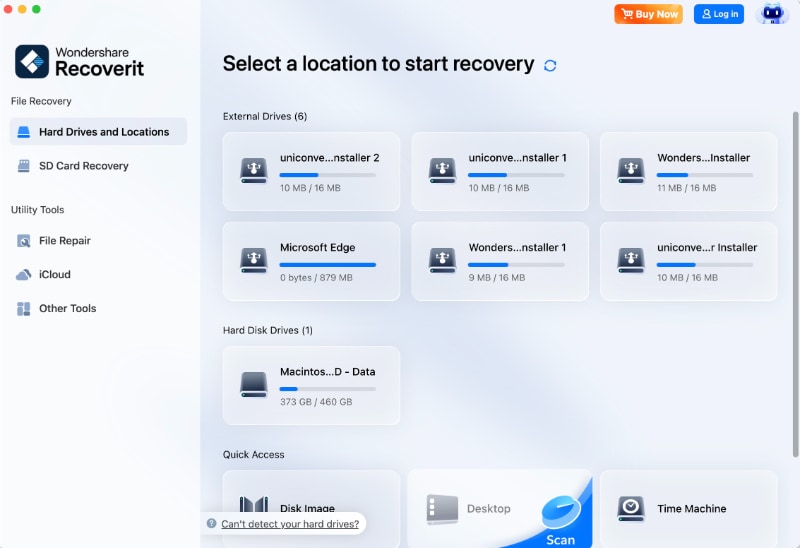
- Wait for the scanning process.

- After the scan, preview the files and select the ones to recover.
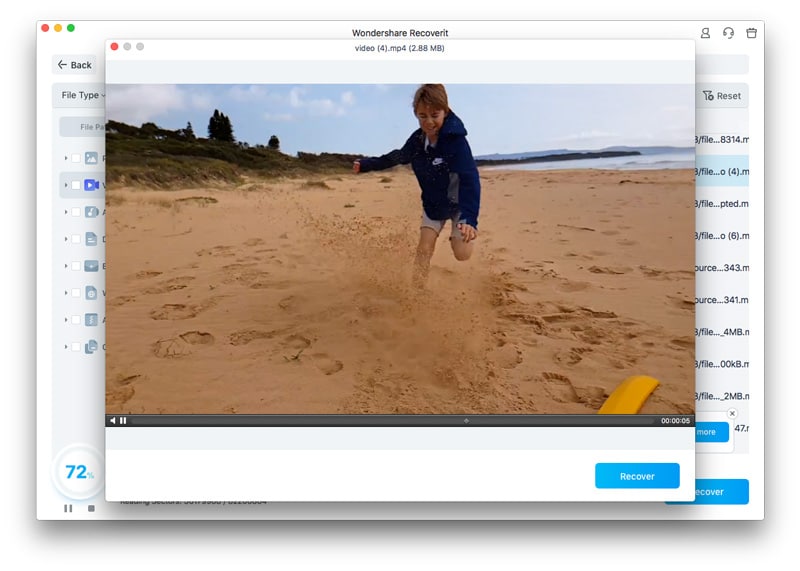
Part 5: Tips to Resolve the Volume Hash Mismatch Issue
Keeping your Mac in good shape means taking proactive steps to prevent errors. The volume hash mismatch issue can be tricky, but with the right precautions, you can avoid it.
By following some simple tips, you can maintain your Mac's health and ensure smooth performance. Here are some helpful suggestions to resolve the volume hash mismatch issue effectively.
- Regular Backups: Always keep a backup of your important data. This way, if something goes wrong, you can restore your files easily.
- Keep macOS Updated: Regularly update your operating system to the latest version. Updates often include fixes for known issues that can cause volume hash mismatches.
- Use Reliable Software: Only use trusted software to avoid corrupting your data. Unreliable software can cause errors and data loss.
- Check Disk Health: Regularly check your disk for errors using tools like Disk Utility. This helps catch and fix problems before they become serious.
- Avoid Overloading Disk: Make sure there's enough free space on your hard drive. Overloading it can lead to performance issues and errors.
- Run Regular Diagnostics: Use Apple Diagnostics to check your system for hardware issues. This helps ensure your Mac is running smoothly.
- Be Careful with Terminal: Only use Terminal commands you understand. Incorrect commands can cause serious issues.
- Protect from Malware: Use antivirus software to keep your Mac safe from viruses and malware that can corrupt your data.
- Avoid OCLP on Unsupported Macs: If your Mac is not officially supported by the latest macOS, avoid installing it via OpenCore Legacy Patcher unless you fully understand the risks — it is a common trigger for volume hash mismatch.
Conclusion
Understanding how to fix a volume hash mismatch can save you from a lot of trouble. Whether it's using Disk Utility, updating macOS, or running Apple Diagnostics, these methods can help you resolve the issue.
If you lose data during this process, don’t worry. Tools like Recoverit can help you recover your files quickly and easily. Remember to always back up your important data and keep your macOS updated to prevent future issues.
By following these tips and steps, you can fix the volume hash mismatch error and keep your Mac running smoothly. Don’t let this error disrupt your work—take action and resolve it today.
FAQ
-
What does "volume hash mismatch" mean on Mac?
It means macOS detected that the data on a volume (for example,disk1s1) no longer matches the cryptographic hash sealed in the Signed System Volume. It usually points to corrupted system data, a failed update, or an unsupported upgrade via OCLP. -
Why do I keep getting volume hash mismatch on my Mac?
The error often recurs after a reboot if the underlying cause is not fixed. Common triggers: corrupted data, interrupted macOS updates, OCLP upgrades on unsupported Macs, disk errors, or bad sectors. Run Disk Utility First Aid first, then reinstall macOS if it persists. -
How do I fix "Mismatch detected on volume disk1s1"?
Open Disk Utility, select the volume named in the error (disk1s1), and click First Aid. If that does not help, restart into Recovery Mode and run First Aid again, then reinstall macOS as a last resort. -
Will resetting NVRAM fix volume hash mismatch on Apple Silicon?
On Apple Silicon Macs there is no NVRAM reset shortcut. Simply shut down and turn the Mac back on. NVRAM reset (Option + Command + P + R) applies to Intel Macs only. -
Can I recover data after a volume hash mismatch?
Yes. If the mismatch led to data loss, Wondershare Recoverit can scan the affected drive and restore deleted or lost files before you reinstall macOS or replace the disk.


