

 TL;DR:
File recovery from an accidentally formatted SD card is highly possible provided you stop using the card immediately to prevent new data from overwriting the hidden files.
● Check existing cloud syncs (like Google Photos or Microsoft OneDrive) first, and if none exist, scan the readable card with local recovery software such as Wondershare Recoverit.
● Never shoot new media, reformat the card again, or save recovered files back onto the same SD card, as any new write operation will permanently destroy the remaining recoverable data.
● Escalate to a professional data recovery lab instead of running repeated software scans if the SD card is physically failing, undetectable, or if initial tools fail to locate irreplaceable files.
Ask AI for a summary
 ChatGPT
 Perplexity
 Gemini
 Claude
 Grok
Grok
If you accidentally formatted an SD card, stop using it immediately. Formatting removes or changes the file-system references, while some original data may remain until new files overwrite it. Recovery depends on the card's current readability, the type of format or reset used, and what happened after the format.
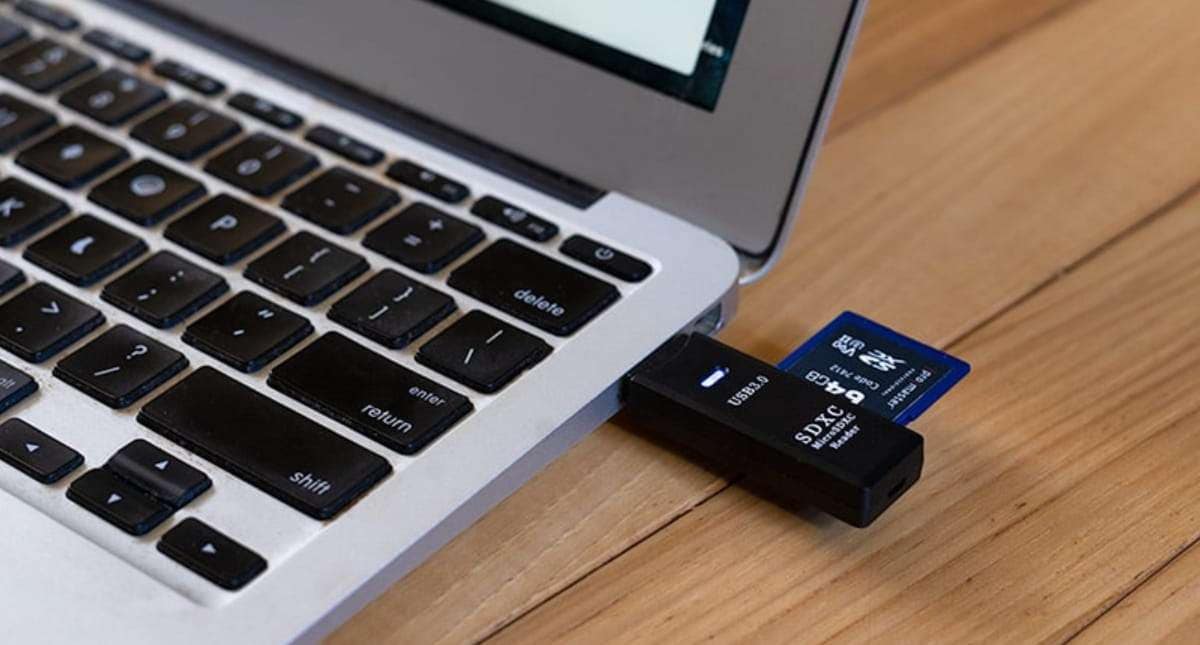
Check for an existing backup before scanning the card. If no backup exists, connect the card through a stable reader and recover files to a different drive. Do not record, copy new files, format again, initialize the card, or save recovered files back to the same card.

Part 1. Can You Recover an Accidentally Formatted SD Card?
Often, yes, if the card is still detectable and new data has not overwritten the old files. Formatting mainly changes the file-system information used to locate files, but the recoverability of the underlying data depends on the card, the formatting process, and what happened afterward.
| Situation | Recovery Outlook | Best First Move |
| You formatted the card and stopped using it immediately | Usually better | Remove the card and begin backup checks or a recovery scan |
| You kept shooting, recording, or copying files | Usually worse | Stop writing now and scan before any more changes |
| A cloud, phone, or computer copy exists | Often the safest path | Restore the existing copy before scanning the card |
| The card is detectable but files are missing | Software recovery may help | Scan the original card and save results elsewhere |
| The card is physically damaged or invisible everywhere | More limited | Stop repeated home attempts and consider professional recovery |
If the format happened in a camera, phone, drone, or computer, treat every additional write as a possible overwrite. Do less first, not more.
Part 2. What to Do Immediately After Formatting the Card
- Stop using the card: Do not record, shoot, download, copy, or move new files onto it.
- Remove it safely: Eject the card from the device and keep it out of active use.
- Do not repair or format again: Do not run file-system repair, initialize the card, or create a new volume before recovery.
- Check for another copy: Look in cloud storage, gallery sync, computer folders, phone backups, and external drives.
- Use a stable reader: If no backup exists, connect the original card to a computer with a reliable card reader.
- Recover to another location: Save recovered data to the computer or a second healthy drive.
Part 3. Which Recovery Method Should You Try First?
Choose the method based on whether another copy exists and whether the formatted card is still detectable.
| Your Situation | Best First Move | Why |
| Photos or documents already exist in cloud storage | Restore the cloud copy | It is faster and avoids further risk to the card |
| No backup exists and the card is detectable | Run local recovery software | The card can still be scanned for files left after formatting |
| One scan finds nothing but the files are critical | Stop writing and compare another reputable tool or professional service | Different tools may interpret file structures differently, but repeated writes increase risk |
| The card is unstable or physically failing | Consider professional recovery | Repeated home scans can worsen an unstable device |
Recovery after formatting is mainly about timing and preservation. There is no need to keep experimenting with the card once the data is at risk.
Part 4. Practical Ways To Recover A Formatted SD Card
Method 1. Restore From Cloud or Another Existing Copy
Check for another copy before scanning the formatted card. A phone gallery, cloud folder, computer import, external drive, or camera workflow may have already saved the files.
- Check the cloud service or synced folder used by the phone, camera workflow, or computer.
- Open the service's Trash, Recycle Bin, or deleted-items area if the files were deleted after syncing.
- Restore the files while they are still within the service's retention period.
- Copy the restored files to a second location and verify that they open correctly.
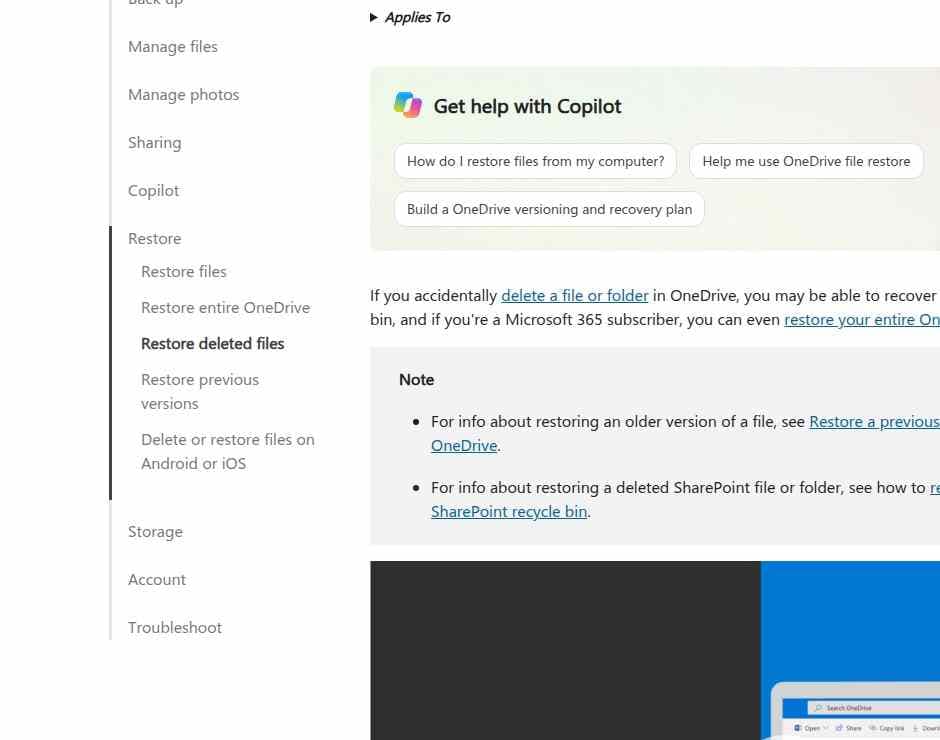
This method restores an existing copy. It does not repair the formatted SD card, but it is often the safest way to get the files back.
Method 2. Scan the Formatted Card with Recoverit
If no backup exists, use Recoverit while the formatted SD card is still detectable. It may help find deleted or lost photos, videos, documents, and other files that have not been overwritten.

- Connect the original card: Use a reliable card reader and avoid an unstable hub or adapter.
- Select the source: Open Recoverit, go to the SD Card Recovery section and choose the formatted SD card by checking its name and capacity.
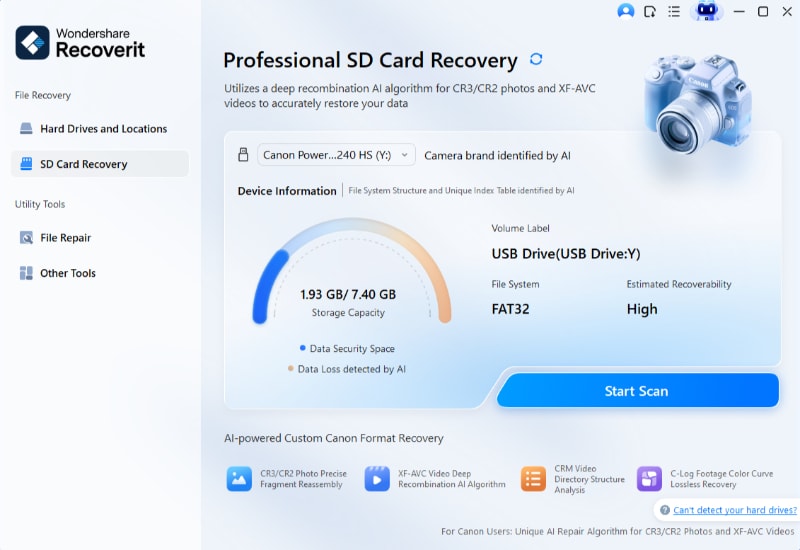
- Run the scan: Let the scan search the card, then use file type, path, date, or size filters if needed.
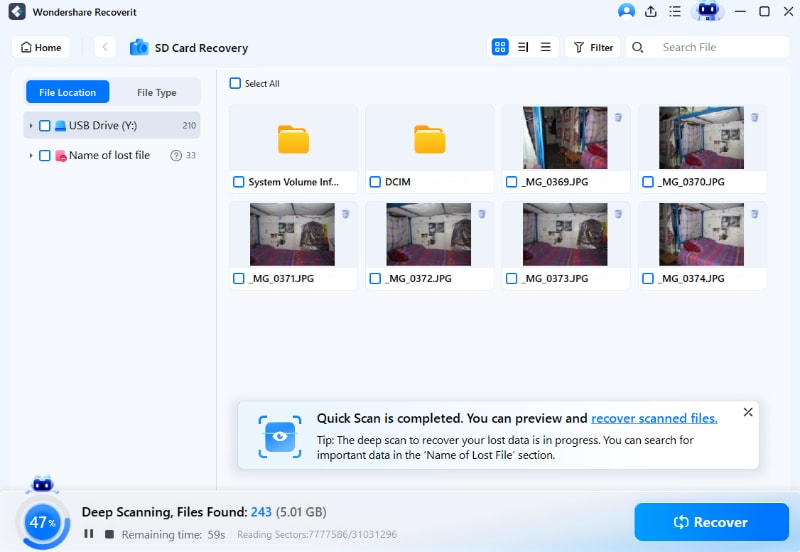
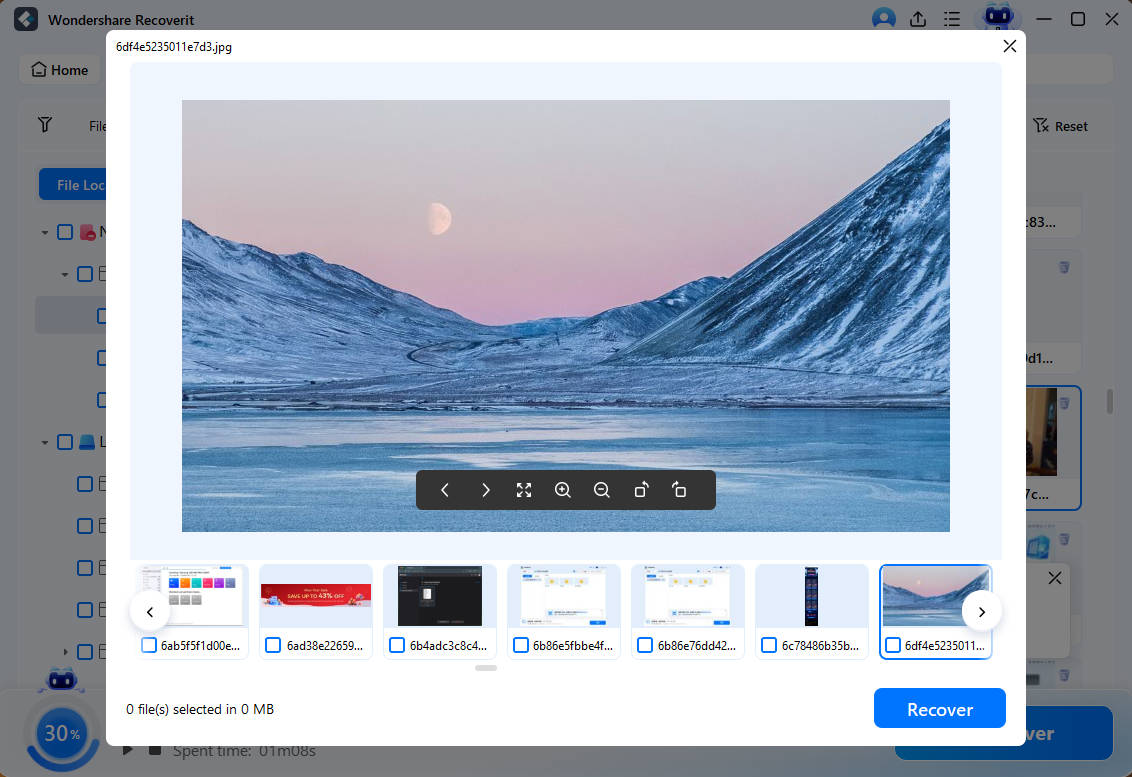
- Preview the results: Confirm the photos, videos, or documents when previews are available.
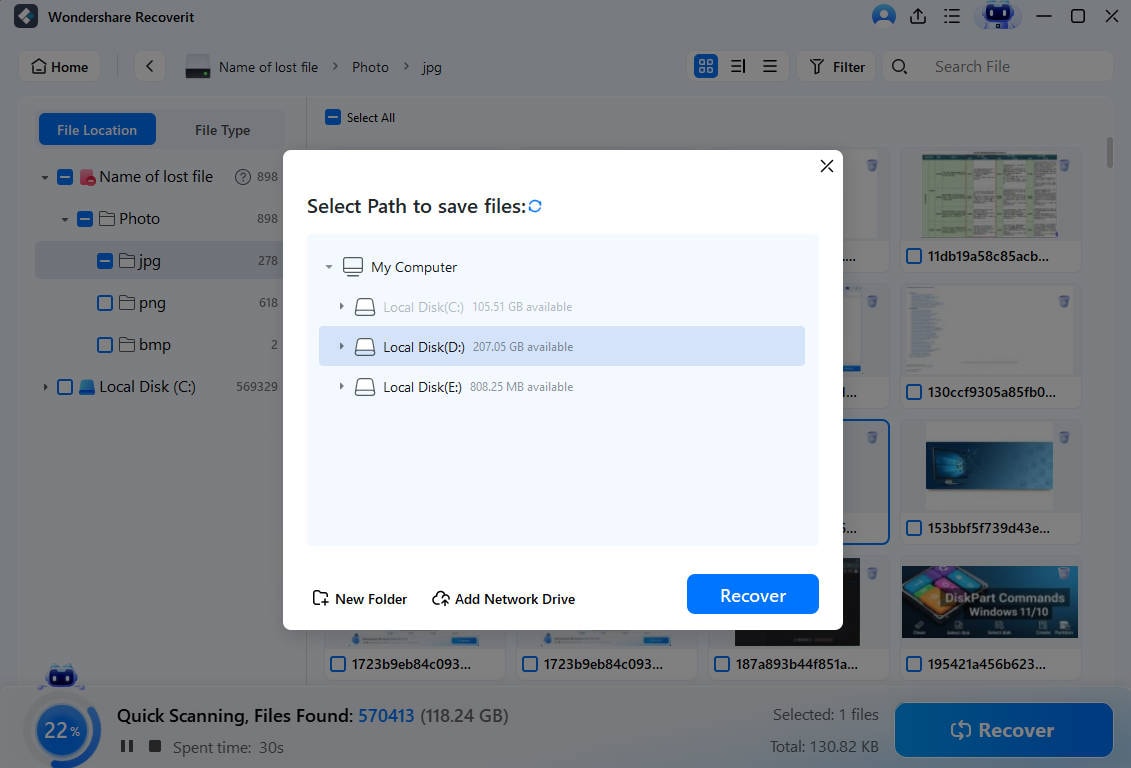
- Save elsewhere: Click Recover and save the files to the computer or another healthy drive.
Method 3. Try Another Recovery Tool or a Professional Service If Needed
If the first scan finds nothing, do not immediately format or reuse the card. A second reputable recovery tool may produce different results, especially when the card contains fragmented camera media or uncommon file structures.
- Stop after an unstable scan: If the card disconnects, becomes hot, or makes the computer hang, stop home recovery.
- Try one second tool only when the card remains stable: Compare the results without writing anything to the card.
- Escalate critical cases: If irreplaceable files are not found, contact a professional recovery service instead of repeating format or repair operations.
Professional recovery is especially appropriate when the card is not detected consistently, is physically damaged, or fails across several known-good readers.
Part 5. What Lowers Recovery Chances After Formatting
| What Happens After the Format | Why It Matters | Safer Choice |
| You keep shooting or recording to the same card | New data may overwrite the old files | Remove the card and stop all writes |
| You copy new files onto the card | New folders and metadata can replace recoverable areas | Use another drive for new files |
| You save recovered files back to the card | You may overwrite other files that have not been recovered | Save to the computer or another healthy drive |
| You format or reset the card again | You add more changes before recovery is complete | Recover first and erase only afterward |
| You repeatedly scan an unstable card | Power cycles and read attempts can stress a failing device | Stop and consider professional recovery |
The safest order is simple: stop writes, restore an existing backup, scan the original card, and escalate when the card or files are critical.
Part 6. What Not to Do After You Accidentally Format an SD Card
- Do not format the card again while recovery is still needed.
- Do not keep using the card for photos, videos, downloads, or file transfers.
- Do not run repair or initialization steps before protecting important files.
- Do not save recovered files to the same SD card.
- Do not keep forcing an unstable, hot, damaged, or repeatedly disconnecting card through multiple scans.
Safe Recovery Order After an Accidental Format
- Stop writes: Remove the formatted card from the camera, phone, drone, or computer.
- Find another copy: Check cloud storage, gallery sync, computer folders, and external backups.
- Stabilize the connection: Use a reliable reader and confirm the card is detected.
- Scan the original card: Use recovery software while the card is still readable.
- Preview and save elsewhere: Recover selected files to another drive.
- Escalate or reformat later: Consider professional recovery for critical or unstable cases, and format only after data is safe.
Conclusion
If you accidentally formatted an SD card, stop using it before the old files are overwritten. Check cloud and computer backups first. If no copy exists and the card is detectable, scan the original card with recovery software and save the results somewhere else.
Use another recovery tool or a professional service only when the first path is not enough, the files are critical, or the card is unstable. Format or reuse the card after recovery is complete and the data is safe.
FAQ
-
Can You Recover An Accidentally Formatted SD Card?
Yes, often you can, especially if you stopped using the card immediately and no new files were written to it afterward. -
I Accidentally Formatted My SD Card. What Should I Do First?
Stop using the card right away, remove it from the device, and avoid formatting or writing anything else to it before recovery. -
Should You Check Backup Before Running Recovery Software?
Yes. If cloud or computer copies already exist, restoring those files is usually faster and safer than relying only on card recovery. -
What If One Recovery Tool Finds Nothing?
If the card is still readable, you may compare results with another reputable tool. If the files are critical and the card is unstable, stop experimenting and consider professional recovery. -
What Lowers Recovery Chances The Most?
Continuing to use the card after formatting is one of the biggest risks because new files may overwrite the old ones.


