
 TL;DR:
Deleted photos on an SD card can typically be recovered using built-in OS backups or third-party tools like Wondershare Recoverit, provided you immediately stop using the card to prevent permanent data overwriting.
● Immediately eject and stop using the SD card after data loss, and always save any recovered photos to a different drive or computer rather than the original card to avoid permanently overwriting the remaining data.
● Before attempting third-party software recovery, connect the card to a computer to check the Recycle Bin or Trash, reveal hidden files via file explorer settings, or restore from active local backups like Windows File History or macOS Time Machine.
● If the SD card exhibits logical file system errors, run the CHKDSK command on Windows or Terminal on Mac to repair readability; however, recovery remains impossible if the card has been securely wiped or completely filled with new files.
Ask AI for a summary
 ChatGPT
 Perplexity
 Gemini
 Claude
 Grok
Grok
Accidentally deleted photos from an SD card on Windows or Mac? Stop using the card immediately. Deleted photos are often recoverable because the SD card usually marks their storage space as available instead of erasing the image data right away. Once new photos, videos, repairs, or formatting overwrite that space, recovery becomes much harder or impossible.
This Windows and Mac guide explains how to recover deleted photos from an SD card with Recoverit, Recycle Bin or Trash, cloud backups, hidden file checks, File History, Time Machine, Windows File Recovery, and safe repair steps. The key is to recover photos first and save them to another drive, not back to the same SD card.

Try Recoverit to Perform SD Card Data Recovery
 Security Verified. 3,591,664 people have downloaded it.
Part 1. Can You Really Recover Deleted SD Card Photos?
Yes, deleted SD card photos can often be recovered if the image data has not been overwritten. When you delete photos, the SD card usually marks the storage space as free. The photo files may remain on the card until new data uses the same space.
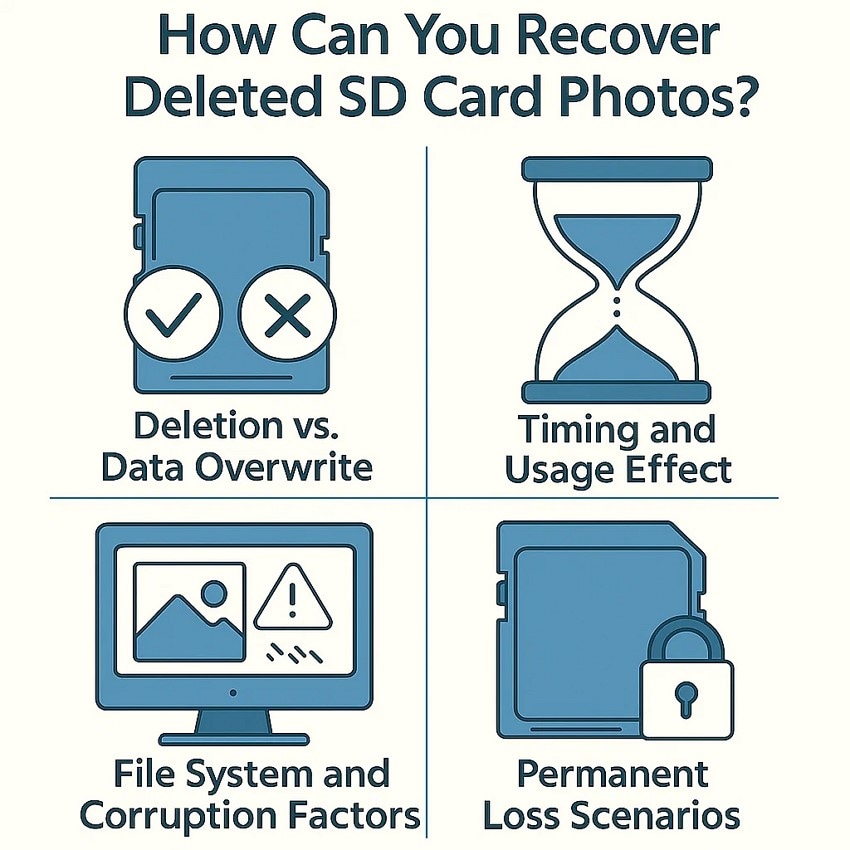
| Factor | What It Means | Recovery Impact |
| Deletion vs overwrite | Deleted photos may still exist until new photos or files overwrite their space. | High recovery chance if you stop using the card quickly. |
| Timing and card usage | Continued shooting, copying, or editing writes new data to the card. | Lower recovery chance with every new write operation. |
| File system condition | A healthy or slightly corrupted file system is easier to scan than a severely damaged card. | Recovery software may still find photos through deep scan or signature scan. |
| Formatting type | Quick format is usually more recoverable than overwrite or secure erase. | Try recovery software before reusing the card. |
| Physical damage | Water, cracks, bends, burns, or complete non-detection can block software access. | Use a professional recovery service instead of repeated DIY scans. |
Part 2. Common Reasons Your Photos Were Deleted From an SD Card
Photo loss can happen for different reasons. The cause helps decide whether you should check a backup, scan the SD card, or stop DIY recovery.
| Reason | What Happens | Best Recovery Path |
| Accidental deletion | Photos are removed from the camera, phone, Windows PC, or Mac by mistake. | Check Recycle Bin, Trash, Recently Deleted, then scan with Recoverit. |
| Formatting the SD card | The folder structure is reset and photos disappear from normal view. | Stop using the card and run a deep scan. |
| File system corruption | The card may show errors, missing folders, RAW status, or unreadable files. | Recover photos before using CHKDSK, Terminal, First Aid, or formatting. |
| Physical damage | The card is bent, cracked, wet, burned, or not detected by any device. | Stop DIY recovery and use a professional recovery service. |
| Virus or malware infection | Photos may be hidden, deleted, renamed, or encrypted. | Scan the computer for malware, show hidden files, then use recovery software. |
| Unsafe removal or power loss | The device stops writing before photo files are saved completely. | Try another reader and scan the card for deleted or damaged images. |
Part 3. First Aid: Protecting What Is Still Recoverable
Before you try any recovery method, protect the remaining data on the SD card. The goal is to prevent overwriting and reduce unnecessary repair operations.
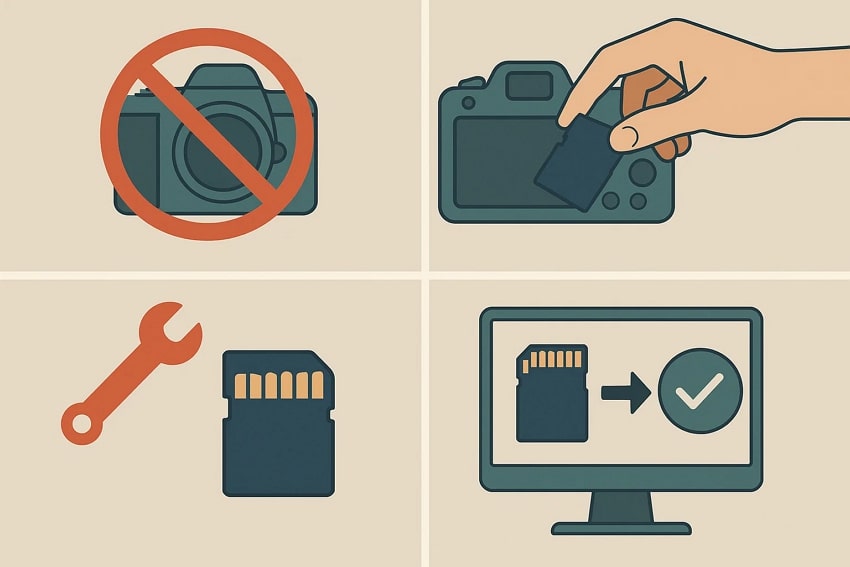
- Stop using the SD card: Do not take new photos, record videos, copy files, or format the card.
- Remove the card safely: Power off the camera, phone, drone, or device if possible, then remove the card carefully.
- Use a reliable card reader: Connect the SD card to a Windows PC or Mac through a stable card reader.
- Recover before repair: Do not run CHKDSK, Terminal repair commands, First Aid, or formatting before recovery if the photos matter.
- Prepare a destination drive: Save recovered photos to your computer or another external drive.
- Create an image if the card is unstable: Advanced users can create a backup image of the SD card and scan the image instead of repeatedly scanning the original card.
Part 4. Which Deleted SD Card Photo Recovery Method Should You Use?
| Your Situation | Best First Method | Why |
| Photos were deleted on Windows | Check Recycle Bin first. | Windows may keep deleted files in Recycle Bin if they were deleted through File Explorer. |
| Photos were deleted on Mac | Check Trash and Photos Recently Deleted. | Mac files remain in Trash until emptied, while Photos app items may remain in Recently Deleted for 30 days. |
| Photos are not in Trash or backup | Scan the SD card with Recoverit. | Recovery software can search for deleted photo data still present on the card. |
| Photos were synced online | Check Google Photos, iCloud Photos, OneDrive, or Google Drive. | Cloud services may keep deleted photos in trash or recently deleted folders for a limited time. |
| Photos were backed up before deletion | Use File History or Time Machine. | These tools restore backed-up copies, not photos that existed only on the SD card. |
| Windows user needs a free command-line tool | Try Windows File Recovery. | It can recover deleted files from local storage devices when Recycle Bin and backups are unavailable. |
| The SD card is physically damaged | Use a professional recovery service. | Consumer software needs the card to be detected and readable. |
Part 4. How to Recover Deleted Photos From SD Card Easily: Top Methods
Having discussed the reasons for the deletion of pictures from your SD card, let us explore some of the most effective methods to recover your image files:
Method 1. Recover Deleted SD Card Photos With Recoverit
Wondershare Recoverit is a practical option when deleted SD card photos are no longer available in Recycle Bin, Trash, Recently Deleted, cloud backups, File History, or Time Machine. It can scan SD cards, microSD cards, camera cards, USB drives, and other storage devices on Windows and Mac.
Coherent Features Offered by Recoverit
- Batch recovery: Recover multiple photos at once instead of restoring images one by one.
- Photo format support: Recover common and camera formats such as
.jpg,.jpeg,.png,.tiff,.heic,.cr2,.nef, and.dng. - Deep scan: Search more thoroughly when photos were deleted, formatted, hidden, or lost after card errors.
- Preview before saving: Check recovered photos before restoring them.
- Windows and Mac support: Recover photos from SD cards on both operating systems.
Steps for Recovering Deleted Photos on an SD Card With Recoverit
- Connect the SD card: Insert the SD card into a reliable card reader and connect it to your Windows PC or Mac.
- Open Recoverit: Launch Recoverit and select the SD card from SD Card Recovery.
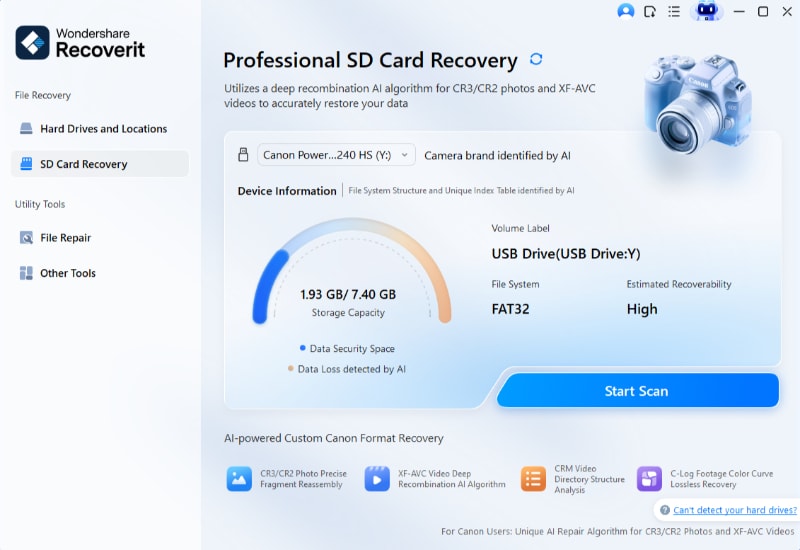
- Start scanning: Click Scan and wait while the software searches for deleted photos.
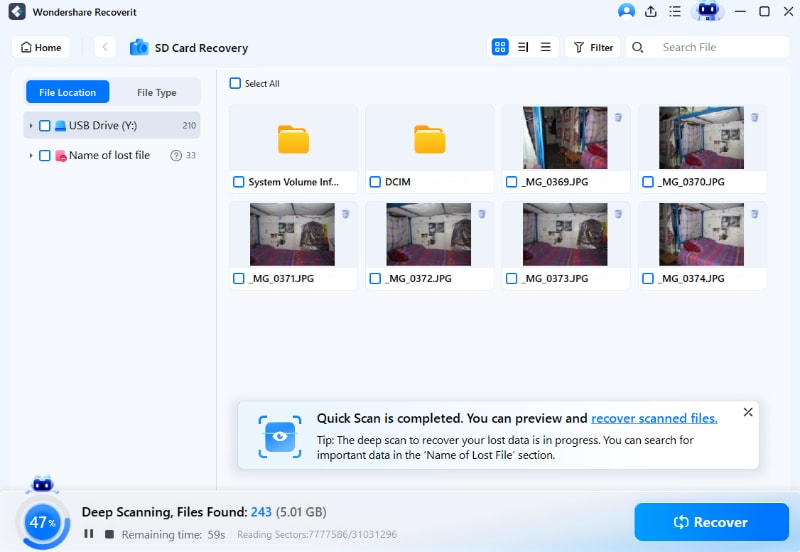
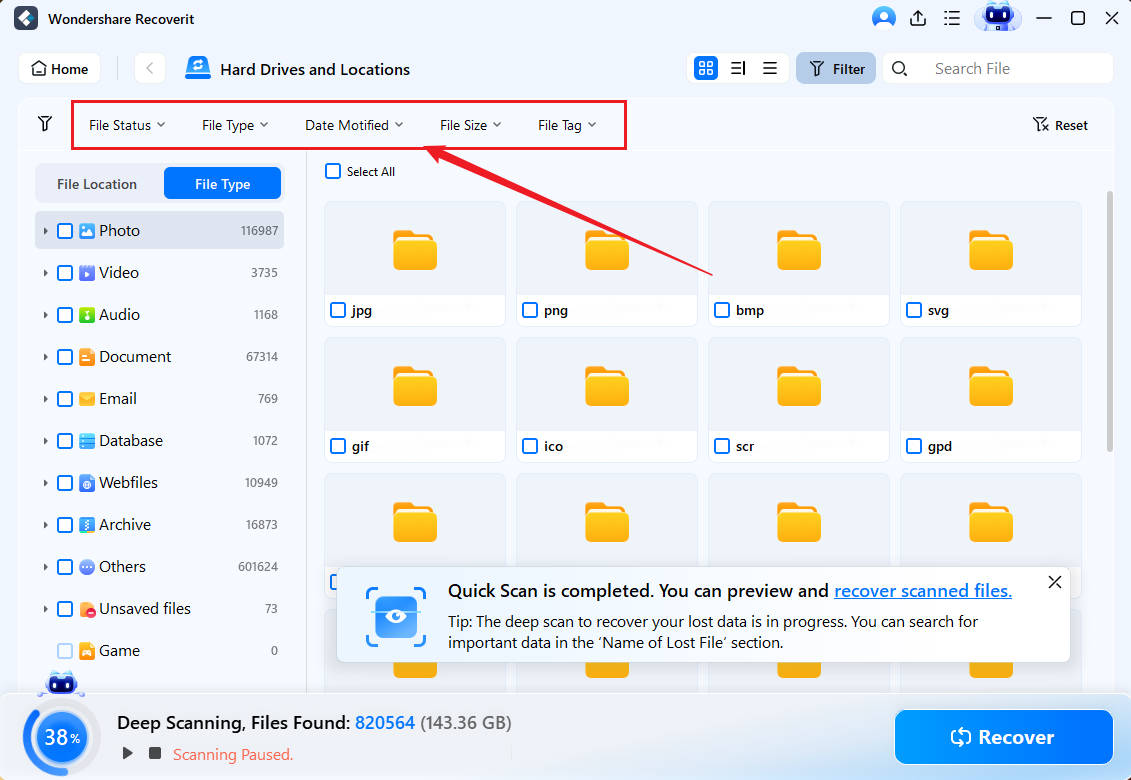
- Filter photo results: Use file type, date, size, and name filters to find images faster.
- Preview photos: Open recoverable images in preview to confirm quality.

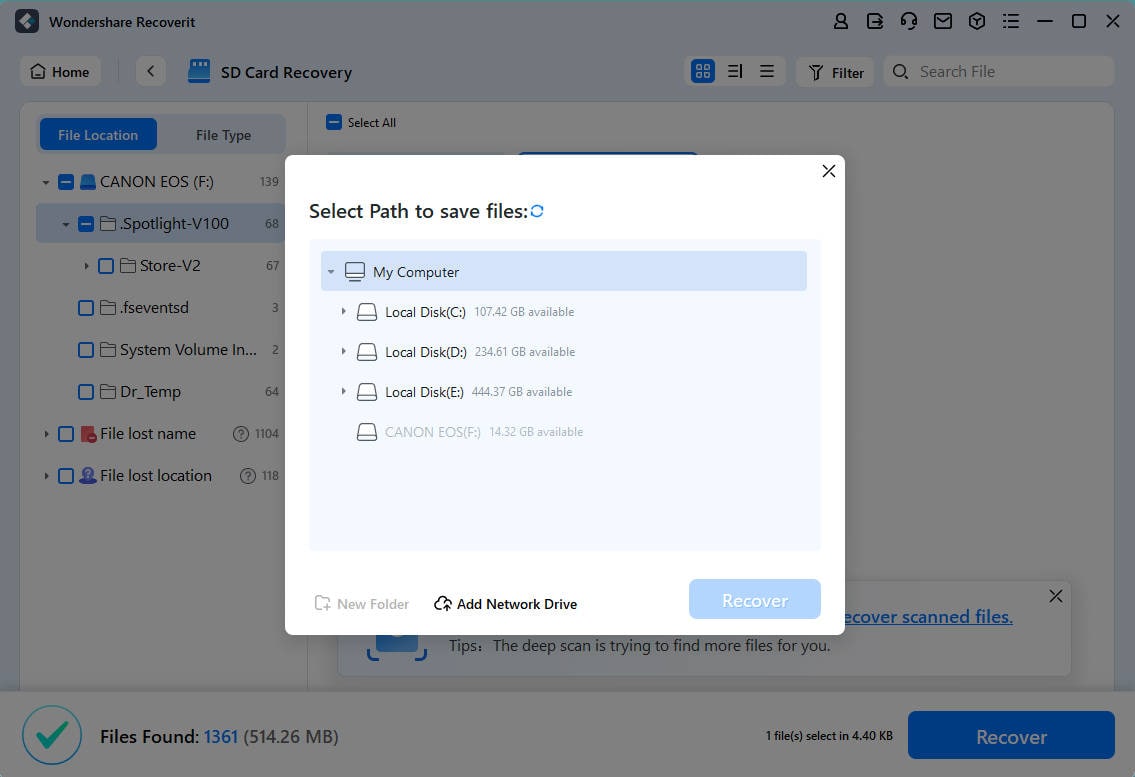
- Recover to another drive: Select the photos and click Recover. Save them to your computer or another external drive, not to the SD card.
Video Tutorial on How to Recover Deleted Photos from SD Card on Mac
Method 2. Check Recycle Bin, Mac Trash, or Recently Deleted
If you deleted SD card photos while the card was connected to a computer, the files may still be in the system trash location. This method is fast and free, so check it before scanning the SD card.
On Windows
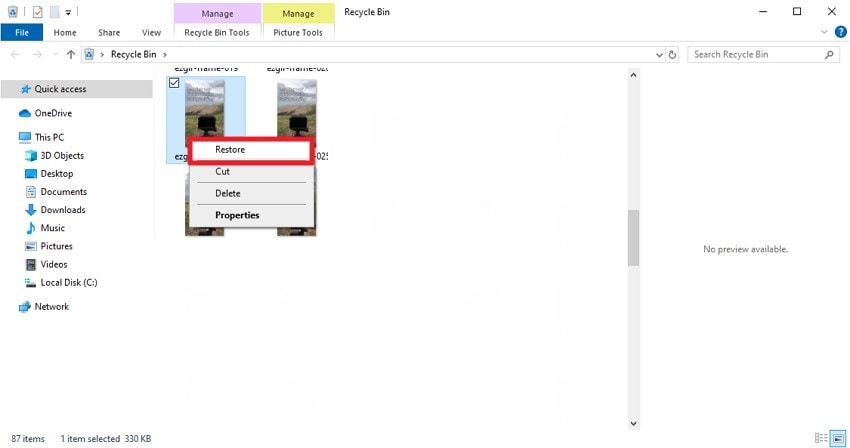
- Open Recycle Bin: Double-click Recycle Bin on the desktop.
- Find deleted photos: Search for the missing images by name, type, or deletion date.
- Restore photos: Right-click the selected photos and choose Restore.
- Copy to a safe folder: Move restored photos to your computer or another backup location.
On Mac
- Open Trash: Click the Trash icon in the Dock.
- Search for photos: Look for deleted files from the SD card.
- Put Back: Control-click a photo and choose Put Back, or drag it to a safe folder.
In Photos Apps
- Apple Photos: Open Recently Deleted and recover photos within the 30-day window.
- Google Photos: Open Trash. Backed-up photos may stay for up to 60 days, while photos not backed up may stay for up to 30 days.
Method 3. Restore From Cloud Backups if Available
Cloud recovery works only if the SD card photos were uploaded, synced, or backed up before deletion. Check all services that may have stored copies of the images.
- Check Google Photos: Go to Trash and restore photos if they are still available. Backed-up photos may stay for up to 60 days, while photos not backed up may stay for up to 30 days.
- Check iCloud Photos: Open Photos on your Mac or iCloud.com, then check Recently Deleted and recover items within 30 days.
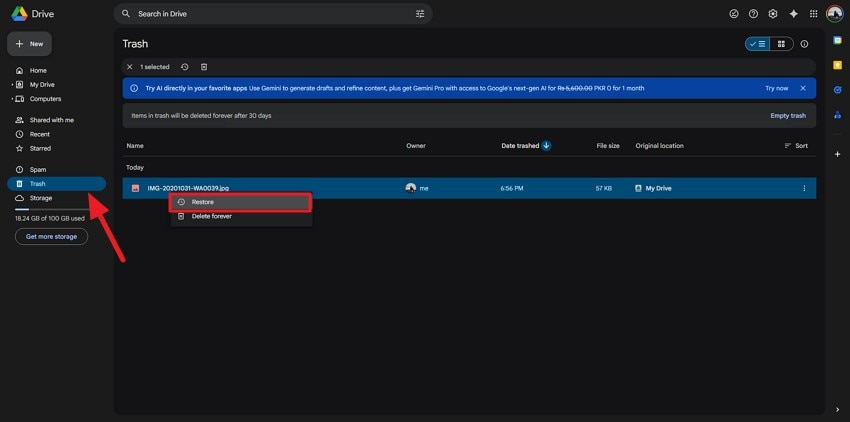
- Check Google Drive: Open Trash, right-click the image, and choose Restore. If the photo is still in Drive, choose Download.
- Check OneDrive or Dropbox: Open Recycle bin, Deleted files, or version history if available.
- Download recovered photos: Save restored files to your computer or another safe storage location.
Method 4. Show Hidden Files on the SD Card
Sometimes photos are not deleted. They may be hidden by malware, system settings, or file attributes. Try this method when the SD card still shows used space but photo folders look empty.
Show Hidden Files on Windows
- Open File Explorer: Press Windows + E.
- Open the SD card: Select the card from the drive list.
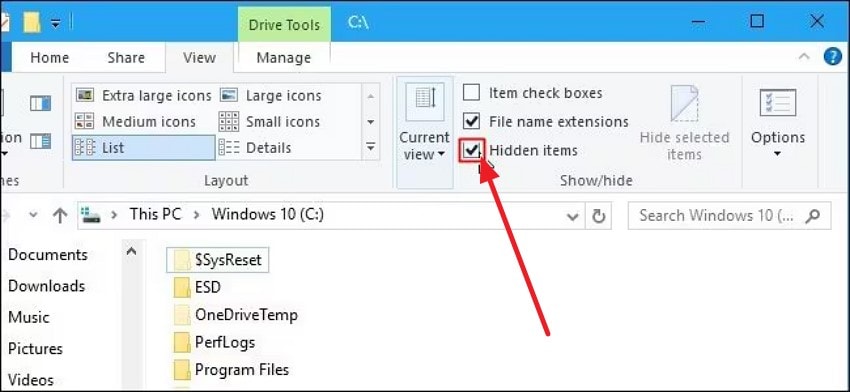
- Show hidden items: Choose View > Show > Hidden items.
- Copy visible photos: If missing photos appear, copy them to your computer immediately.
Show Hidden Files on Mac
- Open Finder: Select the SD card from the sidebar.
- Reveal hidden files: Press Command + Shift + Period.
- Copy useful photos: Move important files to your Mac or another external drive.
- Hide hidden files again: Press Command + Shift + Period again when finished.
Method 5. Use File History on Windows if Enabled
File History can restore deleted SD card photos only if the photos were previously copied to a backed-up Windows library or folder. It does not recover photos that only existed on the SD card and were never included in a backup.
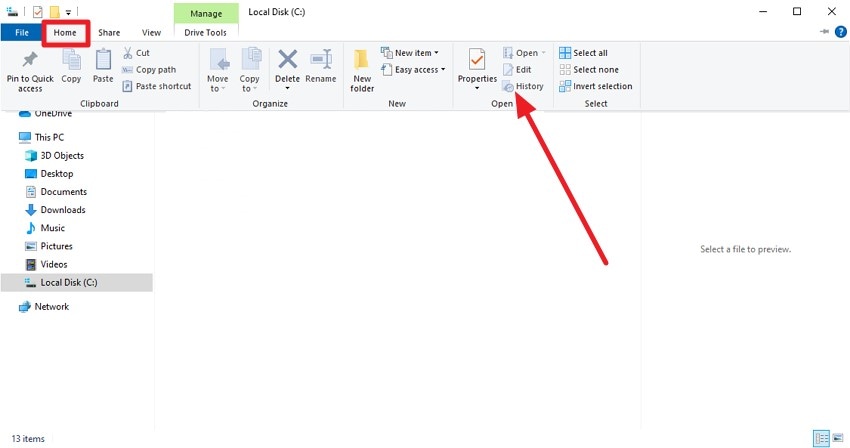
- Open the original folder: In File Explorer, open the folder where the SD card photos were copied before deletion.
- Restore previous versions: Right-click the folder and choose Restore previous versions.
- Choose a backup date: Select a version from before the photos were deleted.
- Preview if possible: Open the backup version to confirm the photos are there.
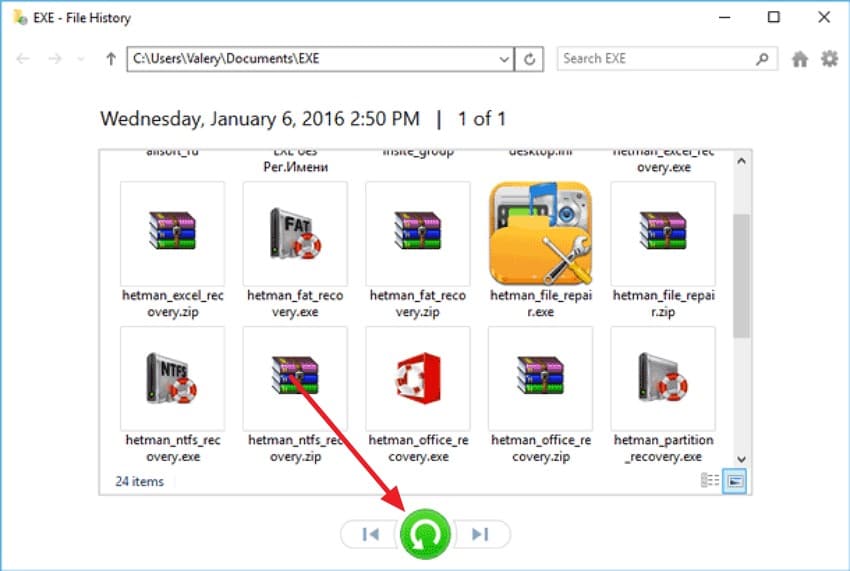
- Restore safely: Click Restore, or use Restore to to avoid overwriting current files.
Method 6. Try Time Machine Backup on Mac
Time Machine can restore SD card photos if the images were copied to your Mac or included in a Time Machine backup before deletion. It cannot restore photos that only existed on the SD card and were never backed up.
- Connect the backup drive: Make sure your Time Machine backup disk is available.
- Open the original folder: Open the folder where the SD card photos were previously saved, such as Pictures, Desktop, or a project folder.
- Enter Time Machine: Use Spotlight or the Time Machine menu to open Time Machine.
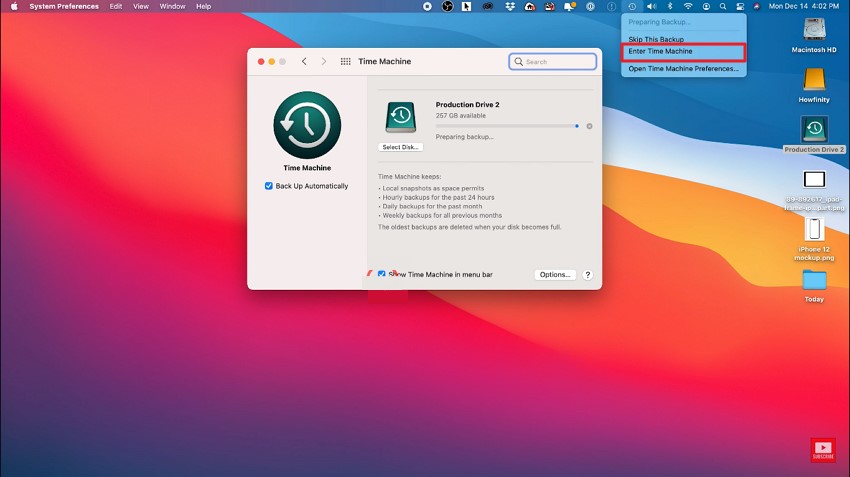
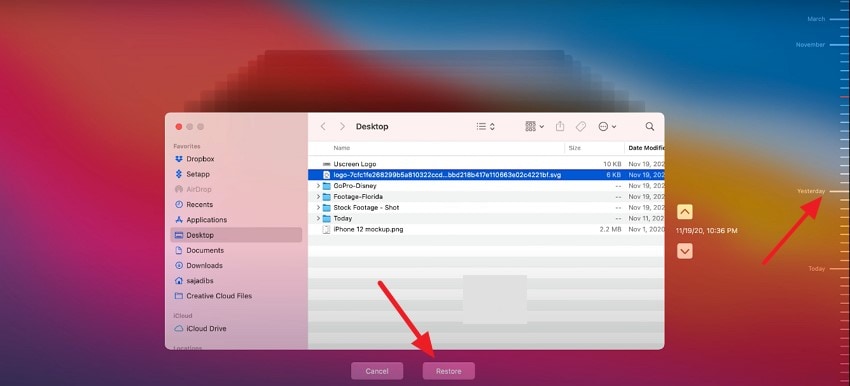
- Choose a backup date: Use the timeline to find a date before deletion.
- Restore photos: Select the photos or folder and click Restore.
Method 7. Use Windows File Recovery or Repair Tools Carefully
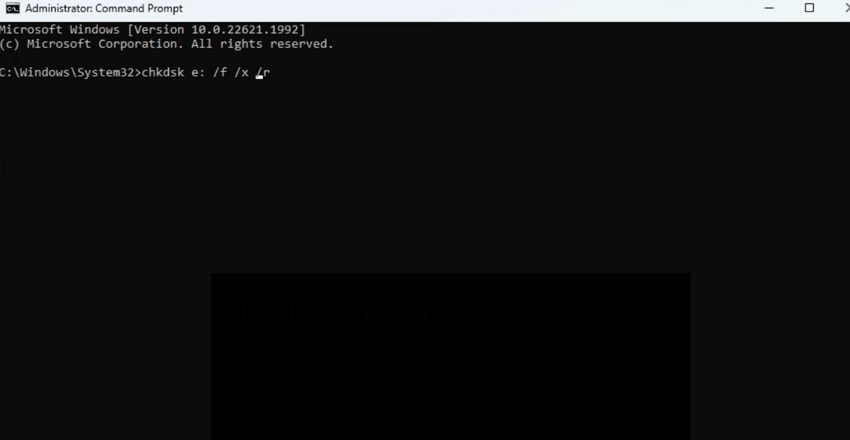
chkdsk on Windows and repair commands on Mac can fix file system errors, but they are not the safest first step for deleted photo recovery. If photos are important, recover them first, then repair the SD card.
Use Windows File Recovery for Command-Line Recovery
- Install Windows File Recovery: Get it from the Microsoft Store.
- Prepare another destination drive: The recovery destination must be different from the SD card.
- Check the SD card drive letter: Note the source drive letter, such as
E:. - Run a photo recovery command: Use a command such as
winfr E: D: /extensive /n *.jpg /n *.png /n *.heic /n *.dng. - Check recovered files: Open the recovery folder created on the destination drive.
Use CHKDSK Only After Recovery
- Open Command Prompt as administrator: Search for Command Prompt and choose Run as administrator.
- Run CHKDSK: Type
chkdsk X: /fand replaceX:with the SD card drive letter. - Check access: After repair, open the card and copy any remaining accessible files.
chkdsk /f /r /x as the first recovery step for deleted photos. Repair operations can modify file system records.Part 6. Tips to Safely Recover Deleted SD Card Photos on Windows/Mac
- Stop using the SD card immediately: New photos, videos, downloads, or repairs can overwrite deleted images.
- Use trusted recovery software: Download tools such as Recoverit only from official sources.
- Recover before repairing: Run recovery before CHKDSK, Terminal repair commands, First Aid, formatting, or partition changes.
- Preview before recovery: Check image quality before saving recovered files.
- Save to another drive: Use your computer, external drive, or cloud storage instead of the original SD card.
- Check backups early: Look in File History, Time Machine, Google Photos, iCloud Photos, OneDrive, and Google Drive.
- Use a reliable card reader: A bad adapter or loose port can make a healthy SD card look corrupted.
- Stop DIY for physical damage: If the card is cracked, bent, water-damaged, or not detected anywhere, contact a professional service.
- Back up after recovery: Keep important photos in at least two places before reusing or formatting the SD card.
Conclusion
Deleted photos from an SD card can often be recovered if you stop using the card quickly and avoid overwriting the deleted data. Start with simple restore locations such as Recycle Bin, Mac Trash, Photos Recently Deleted, Google Photos, iCloud Photos, File History, and Time Machine when those backups or trash folders apply.
If the photos are not available there, scan the SD card with Wondershare Recoverit on Windows or Mac, preview the recovered images, and save them to another drive. Windows users who prefer a free command-line option can also try Windows File Recovery.
If the SD card is physically damaged, not detected anywhere, or repeatedly freezes your computer, stop DIY recovery and contact a professional recovery service.
FAQ About Recovering Deleted Photos From SD Card
-
Can I recover deleted photos from an SD card?
Yes, deleted SD card photos can often be recovered if the photo data has not been overwritten. Stop using the card and scan it with recovery software as soon as possible. -
Do deleted SD card photos go to Recycle Bin or Trash?
They may go to Recycle Bin or Trash if deleted through Windows File Explorer or Mac Finder. Photos deleted inside a camera usually do not appear in those locations. -
Can Google Photos or iCloud recover deleted SD card photos?
Yes, if the photos were synced or uploaded before deletion. Google Photos Trash may keep backed-up items for up to 60 days and non-backed-up items for up to 30 days. Apple Photos Recently Deleted keeps items for 30 days. -
Can File History or Time Machine restore SD card photos?
Yes, but only if the photos were copied to a backed-up Windows or Mac folder before deletion. They cannot restore photos that only existed on the SD card and were never backed up. -
Should I run CHKDSK before recovering deleted photos?
No. Recover photos first if the files are important. CHKDSK can repair file system errors, but it may change file system records and reduce recovery options. -
Where should I save recovered SD card photos?
Save recovered photos to your computer, an external drive, or cloud storage. Do not save them back to the same SD card during recovery.


