

 TL;DR:
BitLocker is a full-disk encryption feature exclusive to Windows 10/11 Pro, Enterprise, and Education editions that utilizes AES cryptography and TPM hardware to protect system and removable drives from physical theft and offline attacks.
● While Windows Home restricts users to basic device encryption, full BitLocker allows customized authentication methods such as combining TPM hardware checks with a user-provided startup PIN for stronger two-factor security.
● You must temporarily suspend BitLocker before installing major BIOS/UEFI firmware updates to prevent the system from triggering a recovery lockout during the next reboot.
● Third-party software like Wondershare Recoverit can restore deleted or formatted files from an encrypted volume, but this strictly requires unlocking the drive in Windows first, as losing your password and recovery keys makes the data permanently inaccessible.
Ask AI for a summary
 ChatGPT
 Perplexity
 Gemini
 Claude
 Grok
Grok
BitLocker is Microsofts built in full disk encryption feature designed to protect your data by encrypting entire drives on Windows devices. When enabled, BitLocker helps ensure that only authorized users with the correct credentials or recovery keys can access the information stored on your computer, even if the device is lost, stolen, or taken offline. Understanding how BitLocker works, its types, and practical usage tips can help you balance strong security with day to day convenience and prepare for issues such as forgotten passwords or data loss on encrypted drives.
Try Recoverit to Perform Data Recovery
 Security Verified. 3,591,664 people have downloaded it.
In this article
What Is BitLocker
BitLocker is a Windows feature that provides full disk encryption for internal and removable drives. By encrypting the entire volume, it ensures that all files, system data, and even temporary files are stored in an unreadable format unless the drive is properly unlocked.
Unlike simple file or folder encryption, BitLocker protects everything on the drive. If someone removes your drive and connects it to another computer, the content remains inaccessible without the correct key, PIN, or password.
Where you can use BitLocker:
- System drives that contain Windows and your user profiles.
- Fixed data drives such as secondary internal hard disks or SSDs.
- Removable data drives like USB flash drives and external hard drives using BitLocker To Go.
BitLocker is most commonly used on laptops and business PCs to protect sensitive data against theft, loss, or unauthorized access, but power users and home users can benefit from it as well whenever enhanced data protection is required.
How Does BitLocker Work
BitLocker works by encrypting data on the fly using strong cryptographic algorithms. Data is encrypted when written to the disk and decrypted when read, as long as the drive is unlocked and the user is authorized.
Core components of BitLocker encryption:
- Encryption algorithm: BitLocker typically uses AES (Advanced Encryption Standard) with 128-bit or 256-bit keys to provide robust drive encryption.
- Encryption key (Volume Master Key): A secret key that actually encrypts and decrypts the data. This key is further protected by your password, PIN, TPM, and recovery key.
- Trusted Platform Module (TPM): A hardware chip on many modern motherboards that securely stores keys and verifies system integrity before unlocking the disk.
When you turn on BitLocker encryption, Windows performs an initial encryption of the drive. After that, new data is encrypted automatically in the background. BitLocker can be configured to require one or more unlock methods:
- Password or PIN during startup.
- TPM-only (automatic unlock when system integrity checks pass).
- USB startup key that must be inserted when booting.
- Recovery key, which acts as a backup if you forget your password or your hardware changes.
Why BitLocker protects offline attacks: Many data theft scenarios involve removing a drive from a PC or booting from an external USB to bypass the operating system. With BitLocker, the raw contents of the drive are encrypted, so attackers see only scrambled data unless they have your keys.
However, BitLocker does not replace other security practices. Once you are logged in and the drive is unlocked, malware or malicious insiders with access to your account can still read files. BitLocker is strongest against physical theft and offline attacks.
What are the Types of BitLocker
BitLocker offers several modes and types depending on the Windows edition, whether the drive is a system or data drive, and whether it is internal or removable. Understanding these helps you choose the right configuration for your environment.
BitLocker Device Encryption Modes
BitLocker appears in a few closely related forms that target different drive scenarios on Windows.
| Type | Description |
|---|---|
| BitLocker (Operating System Drive) | Encrypts the Windows system partition that contains the OS, boot files, and user profiles. Protects data if the PC is lost or the drive is removed. |
| BitLocker (Fixed Data Drives) | Encrypts additional internal volumes, such as a secondary HDD or SSD that stores data but does not host the operating system. |
| BitLocker To Go (Removable Drives) | Applies BitLocker style windows encryption to USB flash drives and external hard drives so they remain protected when connected to other computers. |
Device encryption vs. full BitLocker: Some Windows Home devices provide a simplified "device encryption" feature that automatically encrypts the system drive when you sign in with a Microsoft account. In contrast, full BitLocker in Pro and Enterprise editions exposes more configuration options, such as choosing encryption strength, requiring startup PINs, and managing group policies.
BitLocker Management and Authentication Options
Beyond the drive types, BitLocker can be configured with different authentication and management approaches tailored to home users, IT departments, and enterprises.
- TPM-only protection: The TPM stores keys and unlocks the drive automatically when system integrity checks pass. This is convenient but less resistant to certain targeted attacks than requiring a PIN as well.
- TPM + PIN: Combines hardware protection with a user provided PIN at startup. This two-factor style approach significantly increases security.
- Password or smart card unlock: For some configurations, especially data drives or domain environments, BitLocker can use passwords or smart cards.
- Recovery key / recovery password: A 48-digit numeric key or file that acts as a fallback when you forget your password or make major hardware changes.
- Domain and Azure AD integration: In managed environments, recovery information can be backed up to Active Directory or Azure AD for centralized control.
On top of these options, IT admins can enforce policies such as required encryption algorithms, startup authentication methods, and whether users can pause or disable BitLocker. For individuals, the most important choice is balancing convenience (automatic unlock) with risk tolerance (requiring a PIN or key).
Practical Tips for BitLocker
Setting up BitLocker is only the first step. Good habits and planning will help you avoid lockouts and ensure that your encrypted data remains both safe and accessible.
1. Back up your recovery key in multiple places
- Save the recovery key to your Microsoft account so you can retrieve it online.
- Print a physical copy and store it in a secure place such as a safe or locked drawer.
- Optionally store the key in a reputable password manager that supports secure notes.
2. Choose the right unlock method for your risk level
- For maximum convenience on a home PC, TPM-only may be acceptable.
- For laptops or sensitive business data, use TPM + PIN or a strong password.
- Avoid PINs and passwords that are easy to guess (birthdays, simple patterns).
3. Encrypt new devices and external drives early
- Enable BitLocker shortly after setting up a new PC to reduce the amount of unprotected data.
- Turn on BitLocker To Go for USB drives that carry work files or personal documents.
- Label encrypted USB drives so you know they require a password before use.
4. Keep your system and firmware updated
- Install Windows updates and firmware (BIOS/UEFI) updates to maintain compatibility with BitLocker and the TPM.
- Before major firmware changes, temporarily suspend BitLocker to avoid triggering recovery on reboot.
5. Plan for data recovery on BitLocker drives
- Remember that bitlocker recovery for lost or deleted files still requires that the drive be unlocked first.
- Use trusted tools like Recoverit to recover BitLocker drive data from unlocked volumes after accidental deletion, formatting, or partition issues.
- Never write new data to a drive you need to recover from, as this can overwrite lost files.
How to Use Recoverit to Recover Lost Data
Recoverit by Wondershare is a professional data recovery solution that can scan and restore deleted or lost files from internal and external drives, as long as the BitLocker volume is unlocked in Windows. To learn more or download the latest version for Windows and macOS, visit the Recoverit official website.
Once the encrypted drive is accessible, Recoverit can help you retrieve photos, documents, videos, and many other file types from situations like accidental deletion, formatting, corruption, or unexpected system crashes.
Key Features Offered by Recoverit
- Supports recovery from internal and external drives, USB flash drives, SD cards, and other common storage media once the BitLocker volume is unlocked.
- Advanced scanning modes that locate data from formatted, corrupted, or previously inaccessible partitions while preserving the original folder structure where possible.
- Intuitive interface with file preview, filtering, and search options so you can verify and selectively restore only the files you actually need.
Step-by-Step Guide on How To Recover Lost Data
1. Choose a Location to Recover Data
Launch Recoverit and ensure your BitLocker encrypted drive is connected and unlocked in Windows. On the main screen, select the specific disk or partition where the data loss occurred, such as the encrypted system drive or an external BitLocker To Go USB. Confirm your selection so Recoverit can focus the scan on that location.

2. Deep Scan the Location
Click the Start button to begin scanning the selected drive. Recoverit will perform an in depth scan, searching for deleted, lost, or formatted files on the unlocked BitLocker volume. You can monitor progress in real time, pause or stop if required, and narrow down results using filters such as file type, modification time, or folder path as items are discovered.

3. Preview and Recover Your Desired Data
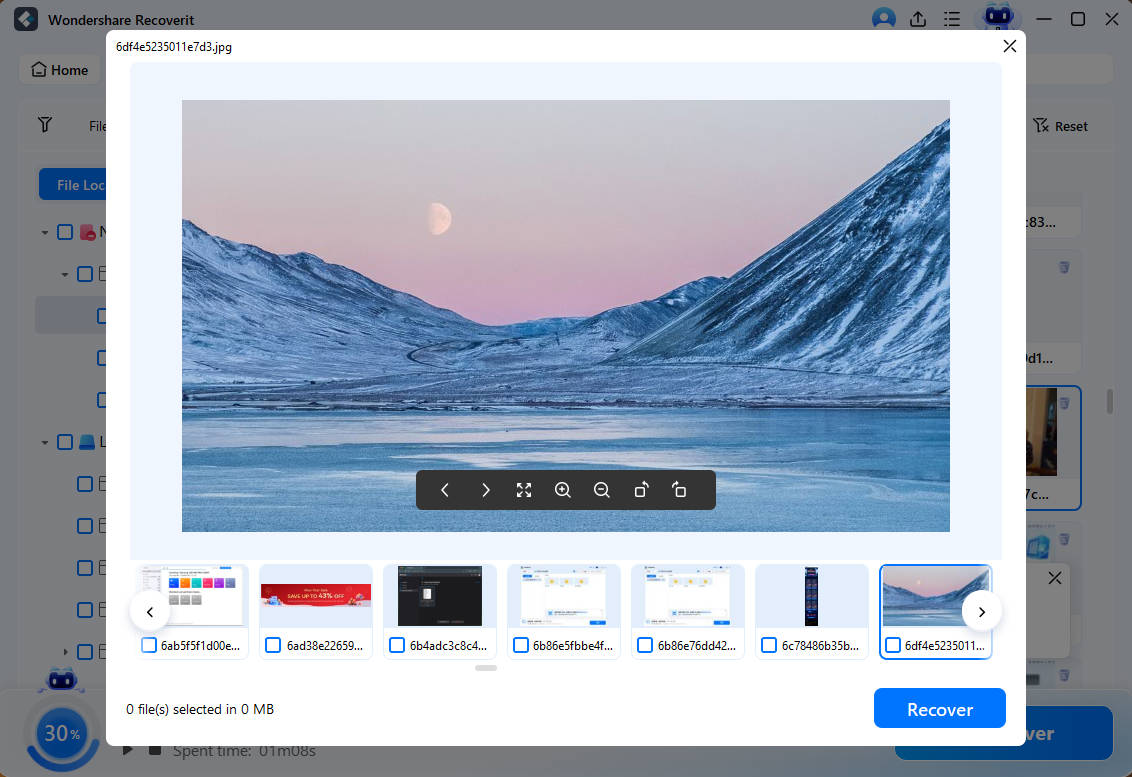
After the scan completes, review the list of recoverable files. Use the preview feature to open documents, photos, or videos and verify their integrity before recovery. Select the files or folders you want to restore, click the Recover button, and choose a safe storage location on a different, healthy drive to save the recovered data and avoid overwriting remaining lost files on the BitLocker disk.
Conclusion
BitLocker provides strong, integrated encryption for Windows drives, helping shield your files from unauthorized access when a device is lost, stolen, or tampered with. By understanding how it operates, the available protection modes, and everyday best practices, you can use BitLocker without locking yourself out of your own data.
If problems arise, such as accidental deletion or drive issues on an unlocked BitLocker volume, tools like Recoverit can help you rescue important files. Combining proper key management with a capable data recovery solution gives you both robust security and a reliable safety net for your information.
Next: FileVault
FAQ
-
What is BitLocker used for?
BitLocker is used to encrypt entire drives on Windows computers so that data remains protected if the device is lost, stolen, or accessed by unauthorized users. Only someone with the correct password, PIN, or recovery key can unlock and read the contents. -
Does BitLocker slow down my computer?
On most modern systems that support hardware acceleration for encryption, BitLocker has a minimal performance impact. You may notice a small overhead during the initial encryption or when copying very large files, but everyday tasks like browsing, office work, and streaming are usually unaffected. -
Can I recover data from a BitLocker encrypted drive?
Yes. As long as you can unlock the BitLocker drive with the correct password or recovery key, data recovery tools such as Recoverit can scan the unlocked volume and restore deleted or lost files due to formatting, accidental deletion, or corruption. -
What happens if I lose my BitLocker recovery key?
If you lose your BitLocker recovery key and have no other way to unlock the drive, you will not be able to access the encrypted data. That is why it is essential to back up the recovery key to several safe places, such as your Microsoft account, a printed copy, and a secure password manager. -
Is BitLocker available on all versions of Windows?
BitLocker is included in specific Windows editions like Windows 10/11 Pro, Enterprise, and Education. Standard Home editions generally do not include full BitLocker, though some devices ship with a simplified device encryption feature that offers limited capabilities.


