TL;DR:
Recovering lost or deleted .GZ archives requires immediately halting all use of the affected drive to prevent data overwriting, followed by scanning the storage sectors using dedicated recovery software like Recoverit.
● For logical data loss such as accidental deletion or formatting, utilize consumer software on Windows or macOS, but if the drive exhibits physical failure signs like clicking noises, immediately power down the device and consult a professional lab.
● Always configure the recovery software to save the restored GZIP files to a completely different physical disk or partition to prevent permanently overwriting the original lost data.
● Verify the structural integrity of the restored files before relying on them by utilizing native Linux commands such as `gzip -t` or `gunzip -c`, or compatible graphical decompression utilities.
Ask AI for a summary
 ChatGPT
 Perplexity
 Gemini
 Claude
 Grok
Grok
.GZ file recovery is crucial when important compressed data inside GZIP archives disappears after deletion, formatting, transfer errors, or corruption. A .gz file is often used on Linux, macOS, and even Windows systems to package logs, backups, and project data in a smaller, single archive. When the file goes missing or becomes unreadable, it can feel like everything inside is gone for good. The good news is that in many cases, the compressed archive itself, or the underlying data on your drive, can still be scanned and rescued with the right steps and tools. This guide explains what .GZ file recovery means, common causes of loss, and practical methods to bring your GZIP archives back.
Try Recoverit to Perform Data Recovery
 Security Verified. 3,591,664 people have downloaded it.
In this article
What Is .GZ file recovery
.GZ file recovery refers to the process of locating, restoring, and sometimes repairing missing or corrupted GZIP archives with the .gz extension. These archives typically contain compressed versions of log files, source code, configuration files, or backups.
Unlike recovering a single uncompressed document, restoring a .gz archive can bring back entire folders or long time spans of logs in one operation. That is why losing even one compressed archive can have a big impact on server administration, development workflows, and backup strategies.
Common situations that require gzip recovery include:
- Accidentally deleting .gz archives or emptying the Recycle Bin or Trash.
- Formatting a partition that stored server or backup logs.
- GZIP command errors, interrupted compression, or failed transfers.
- File system corruption that makes archives unreadable or inaccessible.
- Malware or ransomware incidents that damage or encrypt compressed data.
In practice, recover gz files can involve undeleting data from a drive, repairing damaged GZIP headers, or finding intact copies in backups and old snapshots.
How Does .GZ file recovery Work
.GZ file recovery works by scanning the underlying storage where the archive was saved and reconstructing the file from remaining data blocks. On modern file systems, deleting a file usually removes only the reference to its location, not the data itself, until it is overwritten.
Most compressed file recovery workflows follow these stages:
- Stop using the affected drive to prevent overwriting the lost archive data.
- Choose a recovery method: command line tests, file system utilities, or dedicated recovery software.
- Scan the partition or device for orphaned .gz entries, raw GZIP signatures, and fragments.
- Preview or test extracted .gz files to see whether the archive is complete and readable.
- Decompress the restored archive to verify the integrity of the original contents.
On Windows and macOS, purpose built tools like Recoverit make windows gz recovery more accessible: the software scans the drive sector by sector, shows you a list of found archives, and lets you restore them to a safe location.
On Linux, in addition to graphical recovery tools, administrators may attempt linux gz recovery with command line utilities. For example, running:
gzip -t file.gz can test an archive for integrity, while gunzip -c file.gz streams decompressed data and sometimes bypasses minor errors.
Ultimately, the success of restore gzip archive operations depends on how quickly you act, how much new data has been written to the drive, and whether the loss is logical (deletion, formatting) or physical (drive failure).
Types of .GZ file recovery
.GZ archives can be lost or damaged in different ways, and the best recovery method changes with the situation. It helps to distinguish between logical problems you can often fix with software and physical issues that may need professional help.
Logical .GZ file recovery scenarios
Logical data loss happens when the storage hardware is still functioning but files are missing or damaged due to human error, software bugs, or file system issues. Most day to day .GZ file recovery tasks fall into this category.
Common logical scenarios include:
- Accidental deletion of .gz archives from local disks or external drives.
- Formatting the wrong volume that contained backup or log archives.
- Partition resizing or OS reinstall that wipes references to existing files.
- File system corruption after a power cut, system crash, or unsafe removal of USB media.
- Interrupted download or upload that leaves you with an incomplete GZIP archive.
These problems are often solvable with consumer grade data recovery software like Recoverit, which performs deep scans and supports restore gzip archive operations from multiple devices.
Physical and advanced .GZ file recovery
Physical data loss is more serious and occurs when the storage device itself is failing or damaged. Signs include clicking or grinding noises from a hard drive, drives that are not recognized by BIOS or Disk Management, or SSDs that disappear intermittently.
In physical failure cases, attempting DIY .GZ file recovery may make things worse. Instead, you normally:
- Power down the device immediately to prevent further damage.
- Contact a professional lab that can open the drive in a clean room environment.
- Have specialists clone the failing media and attempt recovery from the cloned image.
Despite the higher cost, professional labs can sometimes save critical GZIP archives when regular compressed file recovery tools cannot even see the device.
The table below summarizes when DIY tools are appropriate and when to seek expert help:
| Scenario | Recommended .GZ file recovery approach |
|---|---|
| Deleted, formatted, or corrupted file system, device still works normally | Use software based gzip recovery with tools like Recoverit, then test and decompress the restored archives. |
| Drive not detected, making noises, or suffered physical shock or water damage | Avoid DIY attempts and consult a professional data recovery lab to salvage and recover gz files from a cloned image. |
Practical Tips for .GZ file recovery
Following safe practices dramatically improves your odds of successful .GZ file recovery and reduces the risk of further damage.
Immediate actions after losing .GZ archives
1. Stop using the affected storage device
As soon as you notice missing GZIP files, stop downloading, installing, or copying anything to that drive. New data can overwrite the space where deleted archives still reside, making recover gz files much harder or impossible.
2. Note the cause and timing of the loss
Write down what happened before you lost the files: deletion, formatting, OS crash, or file transfer. This context will guide your compressed file recovery method and help support teams or labs assist you more effectively.
3. Check alternate locations and backups
Before starting a full scan, confirm that a copy of the .gz archive is not already present in backups, secondary drives, or cloud storage. Restoring a backup is often faster and safer than deep scanning.
Technical tips to maximize recovery success
4. Use appropriate tools for your platform
For windows gz recovery, rely on dedicated tools like Recoverit that properly handle NTFS, FAT, and exFAT file systems. On Linux, combine software like Recoverit (when scanning an attached drive) with native commands such as gzip, gunzip, and fsck when appropriate.
5. Always recover to a different drive
When you run a scan, configure the software to save restored .gz files to another physical disk or partition. Writing recovered data back to the original device risks overwriting still recoverable archives.
6. Test and verify recovered GZIP archives
After restore gzip archive operations, use commands like gzip -t or graphical archive utilities to test integrity before relying on the files. If you see CRC or unexpected end of file errors, you may need to search for alternate copies or partial data from other backups.
7. Implement a safer workflow for logs and backups
To avoid repeated gzip recovery, schedule regular, automated backups; use checksums or hash values to verify archive integrity; and keep at least one offsite or cloud copy of critical compressed data.
How to Use Recoverit to Recover Lost Data
Recoverit by Wondershare is a dedicated data recovery software solution designed to rescue deleted, formatted, or inaccessible files from computers, external drives, and memory cards. By scanning your storage at a deep level, it can detect and restore many file types, including compressed archives like .gz, even when they no longer appear in your file explorer. You can learn more and download the software directly from the Recoverit official website to start the recovery process on your own device.
Key Features Offered by Recoverit
- Supports recovery of compressed archives such as .gz, .zip, and more from multiple storage devices including internal drives, external HDDs/SSDs, USB flash drives, and memory cards.
- Offers deep scanning to locate lost data after accidental deletion, formatting, partition loss, or system crashes, improving the success rate of .GZ file recovery.
- Provides file preview before recovery so you can confirm and selectively restore important items, saving time and storage space.
Step-by-Step Guide on How To Recover Lost Data
1. Choose a Location to Recover Data
Launch Recoverit and look over the available drives and devices on the main interface. Identify the disk, partition, or external storage where your .gz files were stored before they were lost. Click on that specific location so the program knows where to search for the missing GZIP archives.

2. Deep Scan the Location
After selecting the target location, start the scan and let Recoverit work through the drive sector by sector. The software will automatically perform an in depth search, listing found files and archives as it proceeds. You can monitor the results while the scan runs and stop it once you see the .gz files you want to recover.

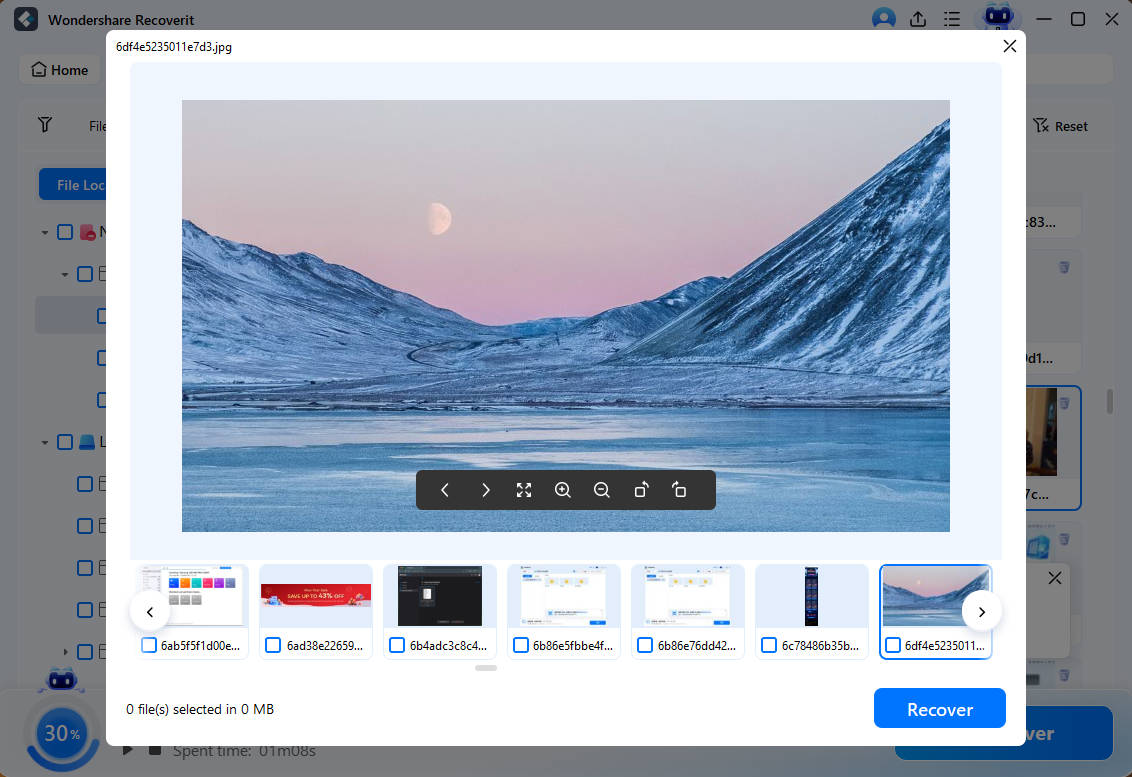
3. Preview and Recover Your Desired Data
When the scan is finished, browse through the discovered files or use filters to quickly locate your .gz archives. Select the items you need and use the preview feature where available to verify their contents. Finally, click the recover button and save the restored data to a different, safe location to avoid overwriting any remaining lost files.
Conclusion
.GZ file recovery focuses on restoring lost or unreadable GZIP archives so you can regain access to the data stored inside them. By understanding how these compressed files work, common failure points, and safe troubleshooting steps, you greatly increase your chances of a successful restore.
In many real situations, a professional tool like Recoverit can make the difference between permanent loss and full recovery. Combine careful handling of the affected drive with a thorough scan, and you will often be able to bring essential .gz files and their contents back into use.
Next: Tar.Gz /.Tgz File Recovery
FAQ
-
Can I recover .gz files that were permanently deleted from the Recycle Bin or Trash?
Yes. Even after emptying the Recycle Bin or Trash, the underlying data usually remains on the disk until new data overwrites it. Avoid using the affected drive and run a deep scan with recovery software such as Recoverit to increase your chances of restoring the deleted .gz archives. -
Is it possible to repair a corrupted .gz archive after recovery?
Often, yes. If you successfully restore a damaged .gz file, you can test and sometimes repair it using tools like gzip with the -t option, gunzip, or third party repair utilities. If corruption is severe, try scanning the original storage again to find an intact copy or fall back to a clean backup. -
Can I use Recoverit for .GZ file recovery on both Windows and macOS?
Yes. Recoverit is available for Windows and macOS and can scan internal drives, external disks, and other supported storage devices for lost .gz files. Once recovered, you can open and test the GZIP archives with any compatible decompression tool on your operating system. -
Will recovering .gz files also restore the original uncompressed data?
If the .gz archive is recovered completely and passes an integrity test, decompressing it should restore the original uncompressed files and folders. If the archive is only partially recovered or still corrupted, some of the internal data may be missing or unusable, so always verify by testing and extracting. -
How can I prevent losing important .gz backups and logs again?
Use a layered backup strategy that keeps at least one copy of critical .gz archives on a separate device or in the cloud, enable versioning where possible, and avoid force shutting down systems during compression or transfers. Periodically test sample archives to ensure they decompress correctly and run disk health checks to catch failing drives early.