TL;DR:
To successfully recover lost data from virtual machines, you must scan the host's physical storage to locate missing container files (VHD, VHDX, VMDK) and reconstruct their internal data structure.
● Stop writing new data to the affected host drive immediately and always save recovered files to a different physical disk to prevent overwriting the deleted virtual disk sectors.
● The recovery process requires two distinct layers: first identifying the container file on the host storage using file signatures, then analyzing the virtual partitions inside that image to extract the internal files.
● Repairing or extracting data from corrupted virtual disks is only possible if the image structure and internal file systems remain partially intact; always attach these disks in read-only mode during inspection to avoid further damage.
Ask AI for a summary
 ChatGPT
 Perplexity
 Gemini
 Claude
 Grok
Grok
Virtual disk file recovery focuses on restoring data from virtual hard drives used by platforms like VMware, Hyper-V, and VirtualBox. When VHD, VHDX, or VMDK files are deleted, corrupted, or inaccessible, every virtual machine stored inside them can be at risk. Understanding how virtual disk file recovery works, why these files fail, and what tools you can safely use is essential for protecting business workloads and personal data. This guide explains the basics of virtual disk technology, typical data loss scenarios, practical protection tips, and how to recover lost virtual disk data step by step using modern recovery software.
Try Recoverit to Perform Data Recovery
 Security Verified. 3,591,664 people have downloaded it.
In this article
What Is virtual disk file recovery
Virtual disk file recovery is the process of restoring data stored inside virtual disk container files such as VHD, VHDX, and VMDK. These files act like physical hard drives for virtual machines, holding complete operating systems, applications, and user data.
When a virtual disk file is deleted, formatted, corrupted, or becomes inaccessible due to host storage issues, you risk losing everything stored inside the virtual machine. Virtual disk file recovery uses specialized tools and techniques to scan the underlying physical storage, locate lost container files, and extract or reconstruct data from them.
Key goals of virtual disk file recovery include:
- Restoring accidentally deleted or formatted VHD, VHDX, and VMDK files.
- Rebuilding damaged virtual disk structures so that virtual machines can boot again.
- Extracting individual files and folders from broken or inaccessible virtual disks.
Because virtual disks are often used for production servers, development environments, and testing labs, a successful recovery can prevent significant downtime and data loss.
How Does virtual disk file recovery Work
Virtual disk file recovery generally follows the same core principles as standard data recovery but with an extra layer: first you locate the virtual disk file on the host storage, then you recover the data stored inside that file.
At a high level, the recovery workflow includes:
- Scanning the physical drive or partition where the virtual disk file previously resided.
- Identifying lost or deleted virtual disk containers based on file signatures and file system records.
- Rebuilding the internal structure of the virtual disk (partitions, file system, metadata).
- Listing and reconstructing the files and folders stored inside the virtual machine.
Modern tools like Recoverit use deep scanning algorithms that analyze raw sectors on the host drive, not just the visible file system. This helps locate fragments of lost virtual disks even when partition tables or directory entries are damaged.
| Recovery Layer | What Happens |
|---|---|
| Host storage level | The software scans the physical drive (HDD, SSD, RAID, external disk) to locate deleted or corrupted VHD/VHDX/VMDK files. |
| Virtual disk level | Once a container is found, the tool analyzes the virtual partitions and file systems inside the disk image to list and restore files. |
Because the process is read-only when done correctly, it does not modify the original storage or the virtual disk. Instead, recovered data is written to a separate safe location, preserving evidence and preventing further damage.
Types of virtual disk file recovery
There are several flavors of virtual disk file recovery, depending on the virtual disk format and the specific data loss scenario you are dealing with. Understanding the landscape helps you choose the most effective strategy for your environment.
Common virtual disk formats (VHD, VHDX, VMDK)
Most recovery workflows focus on a few widely used virtual disk formats, each tied to particular hypervisors and platforms.
| Virtual Disk Type | Typical Platform and Notes |
|---|---|
| VHD / VHDX | Used primarily by Microsoft Hyper-V and some backup software. VHD is the legacy format; VHDX adds better resiliency, larger capacity, and improved performance. |
| VMDK | Standard virtual disk format for VMware products such as ESXi, vSphere, Workstation, and Fusion. Often used in production virtual machine environments. |
Other virtual disk formats you may encounter include:
- VDI (VirtualBox Disk Image) for Oracle VirtualBox environments.
- RAW or IMG disk images used by many backup and cloning solutions.
- Third-party virtual disk formats created by specialized backup or sandboxing tools.
Good recovery tools detect and process these containers regardless of their original hypervisor, as long as the image structure and file system inside are still partially intact.
Main virtual disk file recovery scenarios
Different failure modes call for different recovery tactics. Typical virtual disk file recovery scenarios include:
- Accidental deletion of VHD/VHDX/VMDK files: The virtual disk file is deleted from the host, but the sectors still exist on the physical drive until overwritten.
- Formatted or repartitioned host drive: A drive storing virtual disks is formatted, a partition is deleted, or the file system is corrupted, hiding virtual disks from the OS.
- Corrupted virtual disk headers or metadata: The container file exists but its internal structure is damaged, making the VM unbootable or the file system inaccessible.
- Failed or failing physical storage: Bad sectors, controller errors, or SSD wear cause partial data loss, affecting one or more virtual disk files.
- Ransomware or malware attacks: Malicious software encrypts or corrupts both host files and virtual machine data, requiring careful, read-only recovery attempts.
In each of these cases, the recommended approach is to stop using the affected storage as soon as possible and perform a controlled scan with professional recovery software.
Practical Tips for virtual disk file recovery
Successful virtual disk file recovery depends not only on the tools you use but also on the actions you take immediately after noticing a problem. Poor decisions can overwrite crucial sectors and dramatically reduce your chances of restoring VHD, VHDX, or VMDK files.
Best practices immediately after data loss:
- Stop writing new data to the affected drive, partition, or datastore.
- Avoid re-initializing or reformatting disks that contain virtual machine images.
- Do not run defragmentation or aggressive "clean-up" utilities.
- Take a sector-level image of the failing disk if hardware issues are suspected.
Safety tips when performing virtual disk file recovery:
- Always recover data to a different physical drive than the source to avoid overwriting.
- Whenever possible, attach virtual disks in read-only mode for inspection.
- Use tools that support file preview so you can verify data before restoring it fully.
- Create a copy of the virtual disk file before attempting any in-place repair operations.
Long-term protection strategies for virtual machines:
- Implement automated backups of virtual machines and their underlying virtual disk files.
- Store backup copies on separate physical devices or in off-site/cloud locations.
- Regularly test restores to verify that virtual machine backups are actually usable.
- Monitor host storage health (SMART status, RAID alerts, capacity thresholds).
- Shut down or migrate VMs gracefully before changing storage settings or hardware.
How to Use Recoverit to Recover Lost Data
Recoverit by Wondershare is a professional data recovery solution designed to rescue lost, deleted, formatted, or corrupted files from a wide range of storage media, including disks that store virtual machine images. With an intuitive interface and powerful scanning engine available at the Recoverit official website, it helps you recover documents, photos, videos, and other critical data from damaged or inaccessible environments without demanding advanced technical skills.
Key Features Offered by Recoverit
- Recover data from deleted, formatted, or inaccessible partitions and disks.
- Support for numerous file systems and storage devices, including external drives.
- Quick and deep scan modes with file preview before final recovery.
Step-by-Step Guide on How To Recover Lost Data
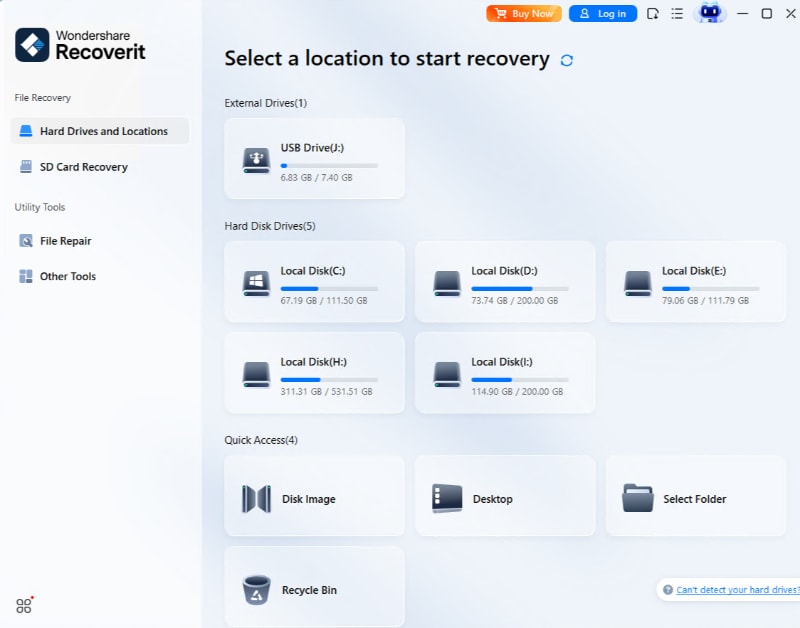
1. Choose a Location to Recover Data
Launch Recoverit and select the exact drive or partition where the virtual disk file was stored, such as a local disk, external drive, RAID volume, or dedicated datastore. Confirm your selection so the software can target the correct location for virtual disk file recovery and maximize the chances of finding lost VHD, VHDX, or VMDK files.
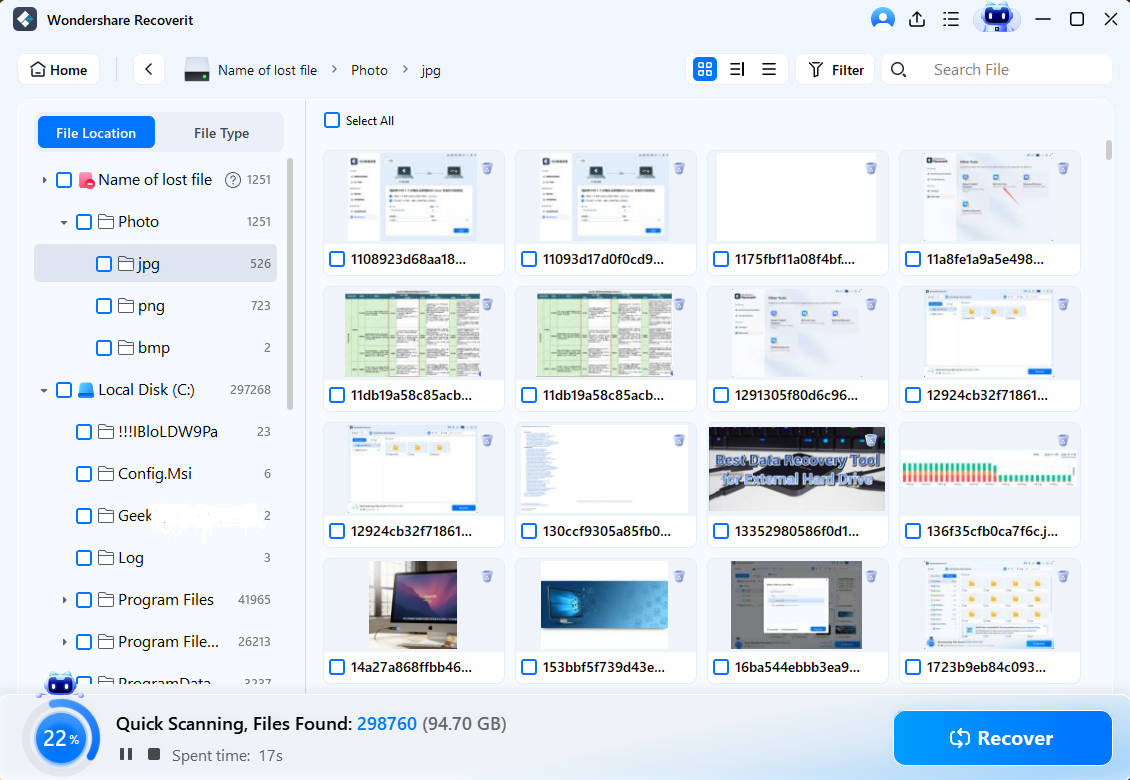
2. Deep Scan the Location
Start the scanning process and allow Recoverit to perform a thorough deep scan of the selected storage. The tool will analyze visible file system entries as well as raw sectors to detect deleted, lost, or corrupted virtual disk containers and other data. Let the scan reach 100% to ensure that as many recoverable items as possible are identified.
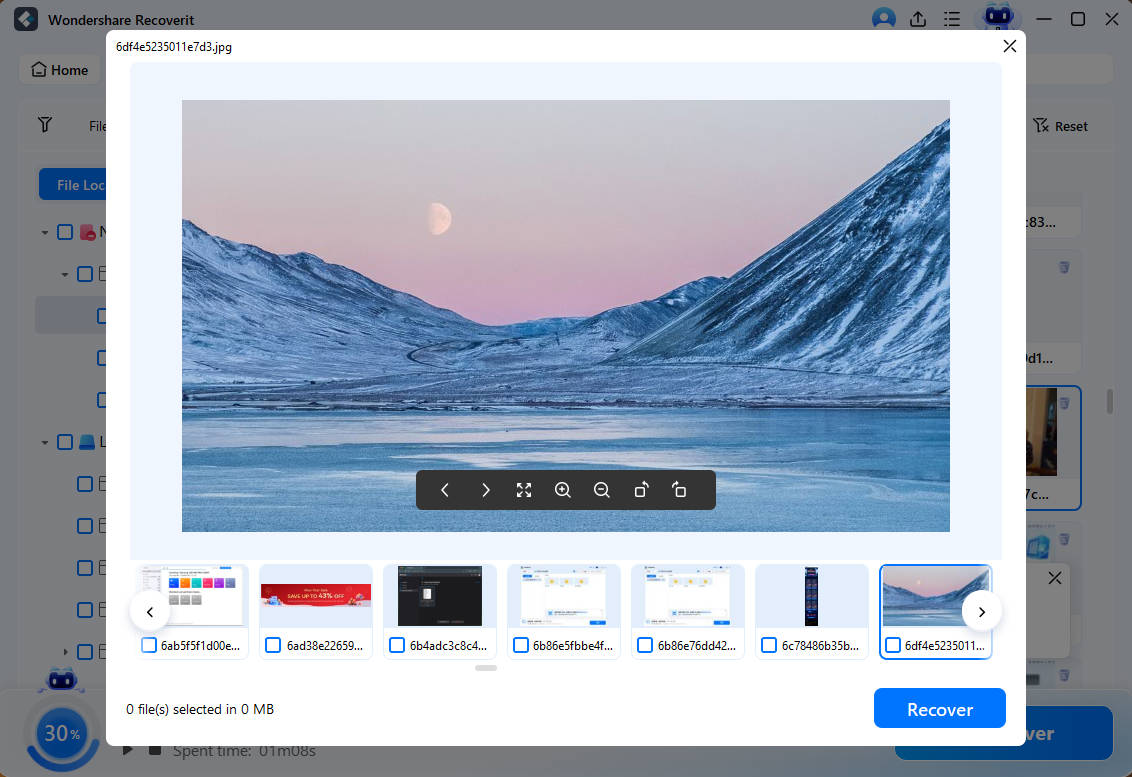
3. Preview and Recover Your Desired Data
When the scan finishes, browse the list of discovered files or use filters and the search box to quickly locate important documents, images, and virtual disk files. Preview supported file types to confirm integrity, then select the items you want to restore and choose a different, secure destination drive for saving them, avoiding any overwrite of the original source.
Conclusion
Virtual disk file recovery makes it possible to restore data from VHD, VHDX, VMDK, and other virtual disk formats after deletion, corruption, or disk failure. By understanding how virtual disks work and what typically causes data loss, you can respond quickly when a virtual machine or its underlying file becomes inaccessible.
Combining solid preventive habits such as regular backups and safe storage practices with a dedicated recovery tool like Recoverit gives you a practical safety net. Even when a virtual disk appears to be lost, a structured scan and recovery process can often bring critical files and workloads back into service.
Next: Recycle Bin File Recovery
FAQ
-
What is a virtual disk file?
A virtual disk file is a container file, such as VHD, VHDX, or VMDK, that acts like a physical hard drive for a virtual machine. It stores the virtual operating system, applications, and user data in a single file or a set of related files. -
Can I recover a deleted VHD or VMDK file?
Yes, a deleted VHD or VMDK file can often be recovered if it has not been heavily overwritten. You should stop writing new data to the affected disk and use data recovery software to scan the drive where the virtual disk file was stored. -
Is it possible to repair a corrupted virtual disk file?
In some cases, yes. You can try to recover data by attaching the virtual disk in read only mode, using platform specific repair tools, or scanning the host storage with recovery software to extract files from the damaged image. Results depend on the extent of the corruption. -
Will data recovery damage my virtual disk?
If you use read only methods and avoid writing new data to the affected storage, data recovery should not damage your virtual disk. Recovery tools scan the drive and reconstruct lost data without altering the original source when used correctly. -
How can I prevent virtual disk data loss in the future?
Create regular backups of your virtual disks, store copies on separate physical devices, maintain healthy host drives, avoid abrupt shutdowns of virtual machines, and verify that snapshots and backup jobs complete successfully.