TL;DR:
Google Drive provides secure cloud synchronization for your files, but if data is permanently deleted or lost locally before an upload completes, you must use a data recovery tool like Wondershare Recoverit for Windows or macOS to extract the original files from your physical storage.
● Every Google account enforces a 15 GB storage limit shared collectively across Drive, Gmail, and Photos; reaching this cap will cause sync failures until you free up space or upgrade to a paid Google One plan.
● When configuring the Drive for desktop application, you must actively choose between streaming files to conserve local storage space or mirroring them to ensure offline availability.
● To successfully restore missing pre-sync files using Recoverit, you must save the recovered items to a completely different drive or partition from the one you scanned to prevent overwriting the lost data.
Ask AI for a summary
 ChatGPT
 Perplexity
 Gemini
 Claude
 Grok
Grok
Google Drive is Googles cloud storage and file synchronization service that lets you save, access, and share your documents, photos, and videos from almost any device. By storing your data on remote servers instead of only on a computer or phone, Google Drive helps protect important files from local hardware failure and makes collaboration easier. Understanding how Google Drive works, its main features, and your options when files go missing will help you use the platform more confidently and avoid permanent data loss.
Try Recoverit to Perform Data Recovery
 Security Verified. 3,591,664 people have downloaded it.
In this article
What Is Google Drive
What is Google Drive? It is a cloud-based storage and file management service that comes with every Google account. Instead of keeping everything only on your computer or phone, you upload files to Google Drive storage so they live on Googles servers and can be reached from any device connected to the internet.
With Google Drive backup and sync, you can protect important documents, family photos, and work projects from local hardware issues like disk failures or stolen laptops. Because your files are stored in the cloud, you can sign in from another device and continue working with minimal disruption.
Google Drive also serves as the central hub for other Google services. Files created in Google Docs, Sheets, Slides, Forms, and Drawings are all saved into your Drive space, alongside traditional files such as Word documents, PDFs, ZIP archives, and multimedia.
How Does Google Drive Work
Google Drive sync connects your devices to Googles cloud servers. When you upload a file via the web interface or save it in a synced folder on your computer, Drive transfers a copy to the cloud and associates it with your account. Any updates you make to the file are synchronized so the latest version appears across devices.
You can use Google Drive through:
- The web interface at drive.google.com
- Mobile apps for Android and iOS
- The Drive for desktop application for Windows and macOS
Behind the scenes, Google Drive keeps track of file versions, user permissions, and sharing links. When you share a file or folder, Drive adjusts access controls so others can view, comment, or edit depending on what you choose. All data moves over encrypted connections, and files at rest on Google servers are also encrypted.
In terms of safety, Google Drive relies on Googles distributed infrastructure. Your data is stored across multiple data centers to improve durability. However, user actions such as accidental deletion, overwriting files, or misconfiguring sharing settings can still cause data loss. That is why understanding both cloud features and local recovery options is important.
What are the Types of Google Drive
There are several ways to think about the "types" of Google Drive: the kinds of files it stores, the ways they are organized, and the subscription plans that define how much space you get in the cloud.
Types of Google Drive Files
Google Drive can store almost any digital file. Internally, it groups content into categories to make management easier:
| Type of content | Examples in Google Drive |
|---|---|
| Google-native files | Docs, Sheets, Slides, Forms, Drawings, Jamboard, Sites files that are created and edited directly in the browser. |
| Uploaded files | Word documents, Excel spreadsheets, PowerPoint presentations, PDFs, images, videos, audio files, ZIP or RAR archives, and many others. |
Within these categories, Drive supports folders, shared drives (for some workspace accounts), and shortcuts that help you keep content organized without making unnecessary duplicates.
Google Drive Storage and Plans
Every Google account includes 15 GB of free cloud storage shared across Google Drive, Gmail, and Google Photos. If you store a lot of large videos, RAW photos, or email attachments, you may need more space and want to explore Google One subscriptions.
| Plan | Who it suits best |
|---|---|
| Free 15 GB plan | Light users who mainly store documents, small photos, and basic backups for personal use. |
| Google One paid plans | Individuals and families needing hundreds of GB to multiple TB for photos, videos, and larger work archives. |
Choosing the right storage plan helps you avoid unexpected sync failures when your account is full and ensures that important files continue to upload successfully.
Practical Tips for Google Drive
To get the most out of Google Drive and reduce the risk of data loss, focus on how you organize, sync, and back up information across devices.
- Use a clear folder structure. Group personal, school, and work files into separate top-level folders. Within each, use subfolders by project, client, or year so you can find items quickly.
- Enable Drive for desktop carefully. Decide whether you want files streamed from the cloud or mirrored to your computer. Streaming saves local space, while mirroring keeps offline copies.
- Check which folders are backed up. Drive for desktop lets you choose exactly which folders on your computer will sync to the cloud. Review these settings regularly, especially after reorganizing files.
- Review "Shared with me" content. Important collaboration files may only appear under "Shared with me" until you add them to "My Drive." Move critical shared files into organized folders so they are not overlooked.
- Monitor your storage usage. Open Google Drive settings to see how much space you are using across Drive, Gmail, and Photos. Plan upgrades or cleanup before you hit the limit.
- Use version history for critical files. For Docs, Sheets, and Slides, version history allows you to roll back to earlier edits, which is helpful if someone accidentally deletes content.
- Regularly empty and monitor the trash. Drive keeps deleted items in Trash for a limited time. Restore mistakenly deleted files promptly, or permanently remove items you no longer need.
- Keep local backups of irreplaceable data. Even with cloud storage, maintaining a separate offline backup on an external drive gives you another restoration option if sync does not behave as expected.
How to Use Recoverit to Recover Lost Data
Even with careful Google Drive backup settings, files can disappear from your computer or external drives before they finish syncing to the cloud. Recoverit is a professional data recovery tool from Wondershare designed to bring back lost or deleted files from a wide range of storage devices, including computers, external drives, memory cards, and USB flash drives. When files that sync to Google Drive vanish locally, Recoverit can often restore them from the original device. You can learn more and download the software from the Recoverit official website for Windows and macOS.
Key Features Offered by Recoverit
- Recovers deleted, formatted, or lost data from computers, external hard drives, USB flash drives, memory cards, and other storage media.
- Supports thousands of file types, including common documents, photos, videos, audio files, emails, and archives.
- Provides a guided, click-based workflow with an intuitive interface suitable for both beginners and advanced users.
Step-by-Step Guide on How To Recover Lost Data
The following steps explain how to use Recoverit to restore files that were originally stored on your computer or other local device before they were meant to sync to Google Drive.
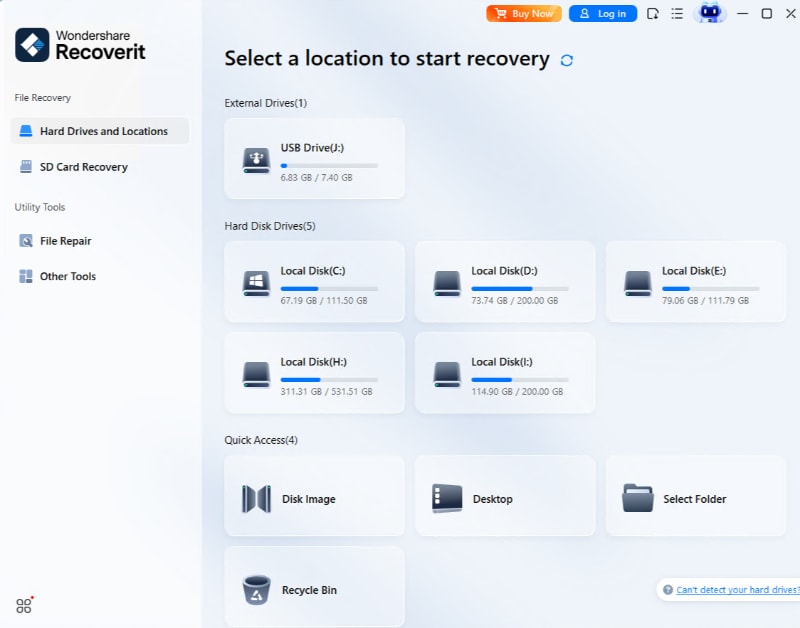
1. Choose a Location to Recover Data
Launch Recoverit and view the main interface to see all available drives and locations. Select the hard drive, partition, or external device where the missing files were originally saved before syncing or uploading to Google Drive. Click the "Start" button so Recoverit can begin scanning this specific location for traces of deleted or lost files.
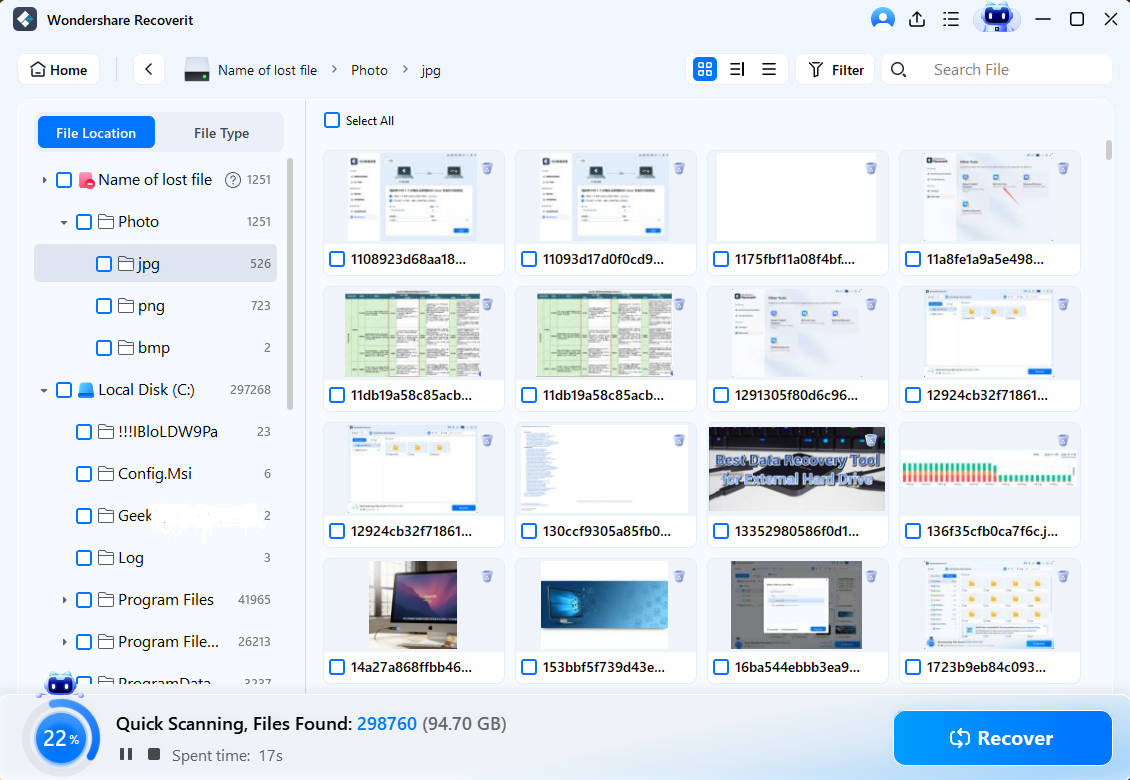
2. Deep Scan the Location
Recoverit now performs an in-depth scan of the selected drive. During this process, the software reads the storage sector by sector to locate recoverable data, including items removed from the recycle bin or lost due to formatting, partition errors, or system crashes. You can monitor progress, pause the scan if needed, and apply filters or file-type categories to narrow down results while the scan continues in the background.
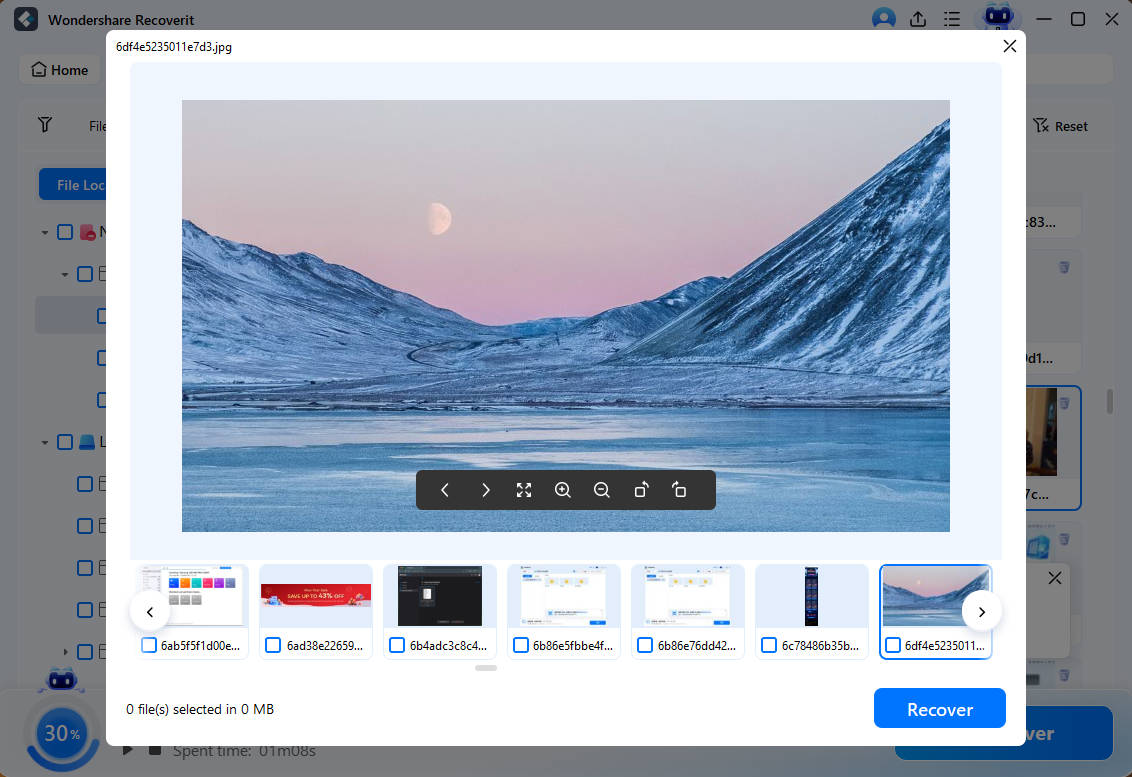
3. Preview and Recover Your Desired Data
When the scan finishes, Recoverit lists all discovered files in an organized view. Use the preview function to inspect documents, photos, and videos to ensure they are intact. Select the files or folders you want to restore, click "Recover," and choose a safe destination that is different from the drive you scanned. Saving to a new location helps prevent overwriting remaining lost data and gives you a clean copy to upload again to Google Drive if needed.
Conclusion
Google Drive storage gives you convenient cloud access to your files, real-time syncing across devices, and collaboration tools that simplify both personal and professional projects. When you understand how Drive organizes data, what counts against your storage quota, and how sharing and version history work, you can reduce mistakes and keep important information easier to manage.
Still, files can be removed accidentally, overwritten, or lost on a local device before they sync to the cloud. In these cases, a dedicated recovery solution such as Recoverit provides an additional safety net. By combining smart google drive habits, such as regular backups and thoughtful folder organization, with reliable recovery software, you help protect data in both the cloud and on your physical drives for the long term.
Next: Mega
FAQ
-
What is Google Drive used for?
Google Drive is used to store, sync, and share files in the cloud so you can access documents, photos, videos, and backups from different devices with your Google account. -
Is Google Drive the same as Google Docs?
No. Google Drive is the cloud storage and file management service, while Google Docs, Sheets, and Slides are productivity apps that save their files inside your Google Drive space. -
How much free storage does Google Drive include?
A standard Google account includes a shared pool of 15 GB of free storage that is used across Google Drive, Gmail, and Google Photos. You can upgrade to Google One if you need more space. -
Can I recover permanently deleted files from Google Drive?
Files removed from the Google Drive trash are typically not recoverable from the cloud. However, if they originally lived on a computer or external drive, data recovery tools like Recoverit may restore them from that device. -
Does Google Drive automatically back up my computer?
Google Drive does not back up your entire computer by default. You need to use the Drive for desktop app or other backup tools and choose which folders you want to sync or back up to the cloud.