

 TL;DR:
Error 0xc000000e in Windows 11 and 10 indicates that the Boot Manager cannot access essential boot files, which is typically resolved by rebuilding the boot configuration data rather than replacing a functional storage drive.
● Before attempting software repairs, verify if the storage drive is detected in the BIOS or UEFI; if the drive remains missing from the firmware list after reseating the physical cables, the hardware has failed and requires replacement.
● For UEFI systems displaying a winload.efi failure, you must recreate the missing EFI boot files using the BCDBoot command, whereas Legacy BIOS systems showing a winload.exe error require repairing the Master Boot Record using Bootrec.
● If the error appears immediately after cloning a disk, the cloning software likely skipped the 100-500 MB FAT32 EFI partition, requiring you to manually rebuild the boot files on the target drive and temporarily disconnect the source disk to start Windows.
Ask AI for a summary
 ChatGPT
 Perplexity
 Gemini
 Claude
 Grok
Grok
Error 0xc000000e stops Windows from loading and locks you on a blue recovery screen at startup. That often looks like a failed hard drive, and sometimes it is. More often, the drive is fine, and only the boot entry pointing to it is broken. This guide covers how to tell the difference, then works through the fixes in order from safest to last resort.
Try Recoverit to Perform Data Recovery
 Security Verified. 3,591,664 people have downloaded it.
In this article
-
- Fix 1. Disconnect External Drives and Restart the Computer
- Fix 2. Restore the Original BIOS or UEFI Boot Settings
- Fix 3. Run Windows Startup Repair
- Fix 4. Use System Restore If the Error Started After a Recent Change
- Fix 5. Uninstall a Recent Windows Update from Windows Recovery Environment
- Fix 6. Recreate the Windows Boot Files with BCDBoot
- Fix 7. Rebuild the BCD If Windows Boot Entries Are Missing
- Fix 8. Repair the MBR and Boot Sector on Legacy BIOS Systems
Part 1. What Does Error 0xc000000e Mean?
Get to know what this error means to save yourself from unnecessary repairs and the need to wipe a drive.
Understanding the "Required Device Isn't Connected or Can't Be Accessed" Message
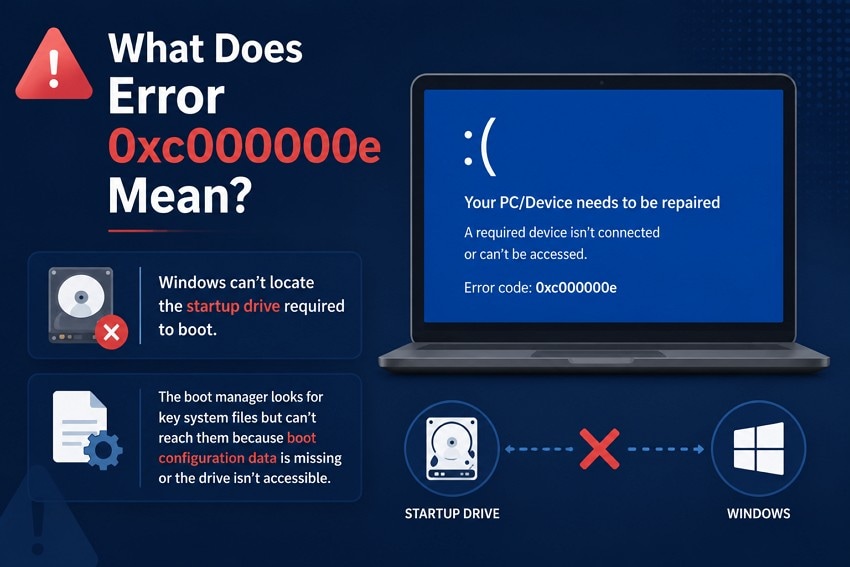
Error 0xc000000e means Windows cannot access the required device. The computer boot manager searches for key system files but fails to reach them. This screen appears when boot configuration data disappears, or you lose access to your main storage disk. It often stems from a loose hardware cable or damaged boot files. Your disk might still hold your personal files safely despite this startup failure.
Common Messages Associated with Error 0xc000000e
Your PC needs to be repaired. 0xc000000e appears in several message variants, and the wording helps identify the underlying boot problem.
| On-Screen Text | What It Suggests | Where to Start |
| A Required Device Isn't Connected or Can't Be Accessed | Windows cannot access the required boot device or boot files. | Check whether the drive is detected in UEFI/BIOS. |
| File:\Windows\System32\winload.efi | The failure occurred while loading the UEFI boot loader on a GPT disk. | Repair the EFI boot files with BCDBoot. |
| File:\Windows\System32\winload.exe | The failure occurred while loading the Windows boot loader, commonly on BIOS/MBR systems. | Repair the boot configuration and MBR if applicable. |
| The Boot Selection Failed | The selected boot entry is missing, invalid, or inaccessible. | Rebuild the BCD store and verify the boot entry. |
| Appeared After Cloning a Disk | Boot files, the EFI partition, or firmware settings may not match the cloned drive. | Follow the steps in Part 5. |
Does the Error Point to Windows or the Storage Drive?
If Windows displays winload.efi or winload.exe, Boot Manager found the Windows boot loader but could not load it. This usually points to damaged boot files, incorrect boot configuration, file system corruption, or storage access issues rather than confirming a hardware failure. If no file is named, the boot process likely failed earlier. Part 3 helps determine whether the boot drive is still detected.
Part 2. Find Out Why Windows Cannot Access the Boot Device
Several ordinary events break the link between the boot manager and Windows, and few involve a failing disk.
| Cause | What Happens |
| Boot Order Changed | Firmware attempts to boot from the wrong drive or boot entry. |
| SATA Mode Switched | Changing AHCI, RAID, or IDE can prevent Windows from accessing the system drive. |
| Disk Cloned or Replaced | Boot files, EFI partition, or BCD entries may not match the new drive. |
| Damaged EFI Partition | The EFI System Partition or its boot files are missing, corrupted, or inaccessible. |
| Interrupted Windows Update | An incomplete update may corrupt boot files or boot configuration data. |
| Loose Cable or Slot | An unstable storage connection can prevent the drive from being detected reliably. |
| Failing Storage | Disk errors or bad sectors can make Windows boot files unreadable or inaccessible. |
Part 3. Is the Boot Drive Still Detected?
Everything below depends on this answer, so check it before you fix 0xc00000e Windows 10/11.
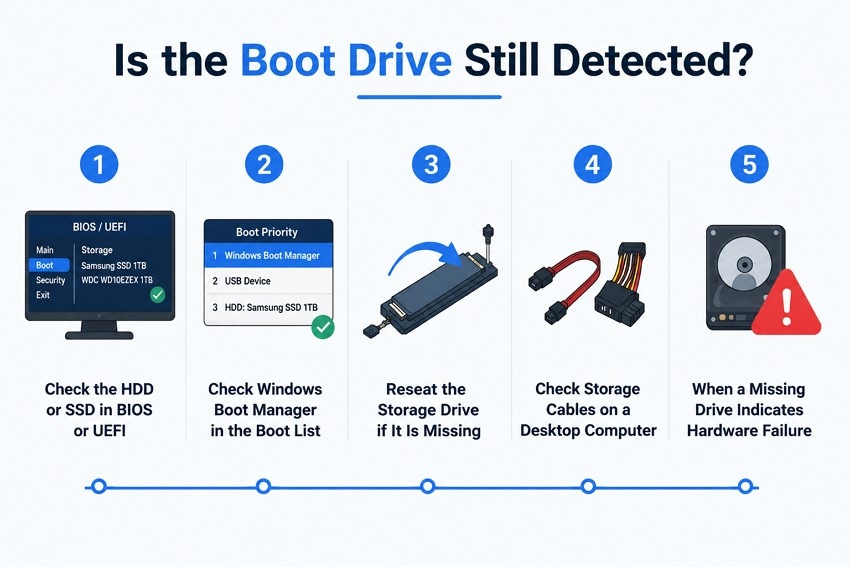
Check the HDD or SSD in the BIOS or UEFI
Restart and open the firmware setup screen, usually with F2, F10, Del, or Esc. Find the storage list and identify your drive by model and capacity. If the drive is listed, it is still communicating with the controller, so go to Part 4.
Check Windows Boot Manager in the Boot List
Firmware keeps the boot priority list separately from the storage list, so a drive can appear in one and not the other. Hence, confirm that Windows Boot Manager sits at the top.
Reseat the Storage Drive If It is Missing
To begin with, fully power the computer down and unplug it. On a laptop, remove and refit the M.2 module or drive caddy, checking the retaining screw sits flat.
Check Storage Cables on a Desktop Computer
Reseat both ends of the SATA data cable and the power connector. Then swap the data cable for a spare, since cables fail more often than drives do.
When a Missing Drive Indicates Hardware Failure
A missing drive after reseating may indicate drive, port, controller, or firmware failure. No boot repair can help while firmware cannot see the disk, so move to Part 7 and plan a replacement.
Part 4. Fix Error 0xc000000e When the Drive Is Detected
With the drive confirmed, work through these fixes to resolve 0xc00000e in Windows 11/10.
Fix 1. Disconnect External Drives and Restart the Computer
Shut down fully, disconnect everything except the keyboard and mouse, then restart.
Fix 2. Restore the Original BIOS or UEFI Boot Settings
Firmware changes are a frequent trigger for 0xc000000e in Windows 11 and Windows 10. Reopen setup and set your main disk first in the boot order while preserving your original UEFI or legacy mode. Keep your original SATA settings, as switching between AHCI, RAID, and IDE can hide the Windows partition.
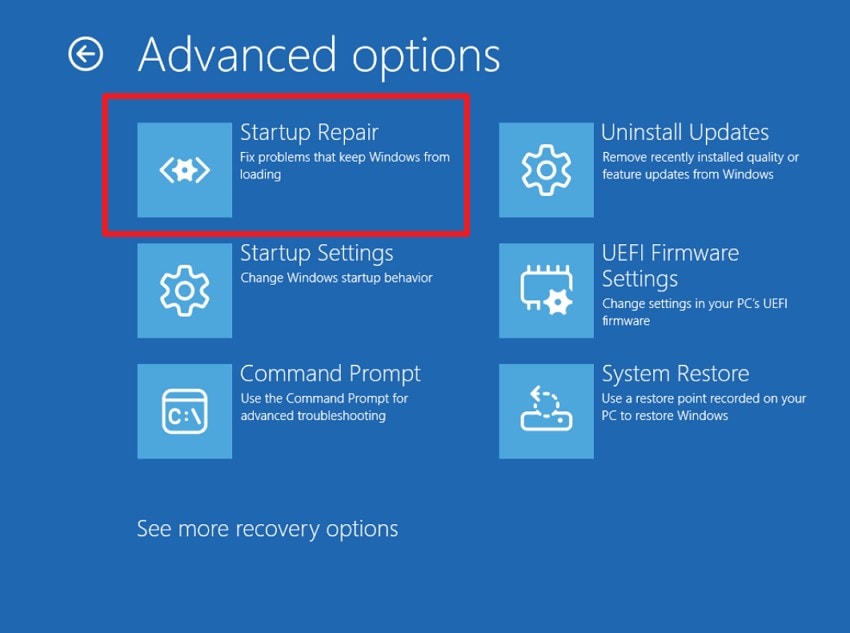
Fix 3. Run Windows Startup Repair
Startup Repair checks boot configuration, system files, drivers, the master boot record, and registry errors. Because it can change several startup components, carefully follow these repair steps:
Step 1. Turn on the PC and interrupt startup 3 times by holding the power button during boot. On the "Automatic Repair" interface, tap on "Advanced Options" to access the Windows Recovery Environment.
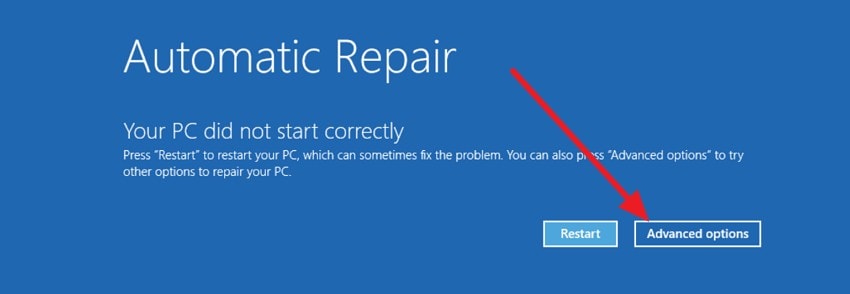
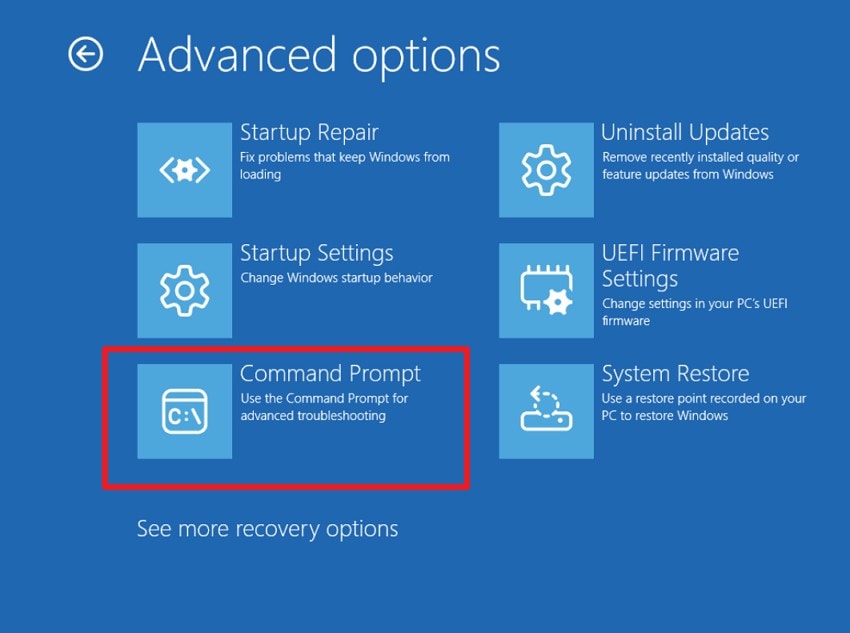
Step 2. After that, select "Troubleshoot > Advanced Options > Startup Repair."
Fix 4. Use System Restore If the Error Started After a Recent Change
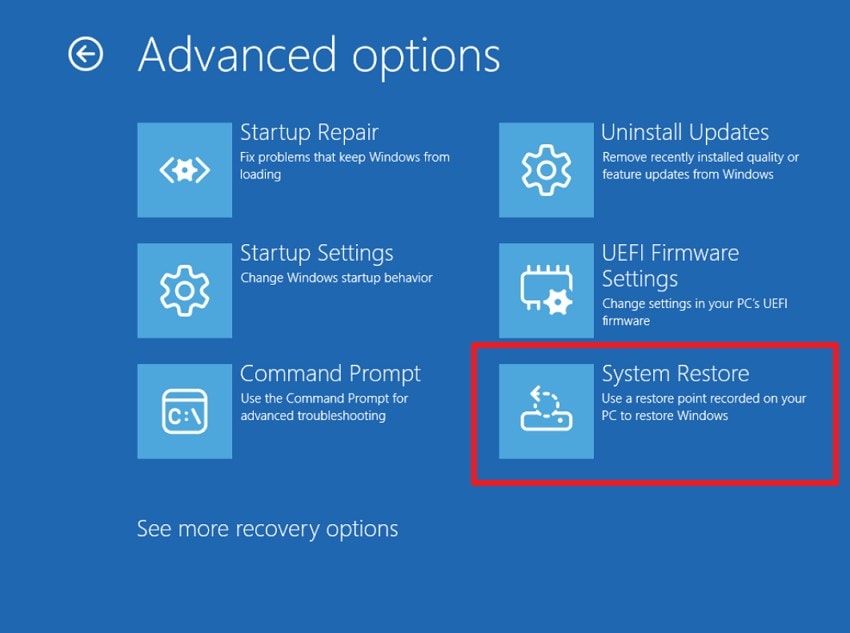
Use it when the 0xc00000e starts after a driver, application, or Windows configuration change. The steps below explain how you can do so in a few taps:
Instructions. In WinRE, choose "Troubleshoot > Advanced options > System Restore," pick a point dated before the failure, and confirm.
Fix 5. Uninstall a Recent Windows Update from Windows Recovery Environment
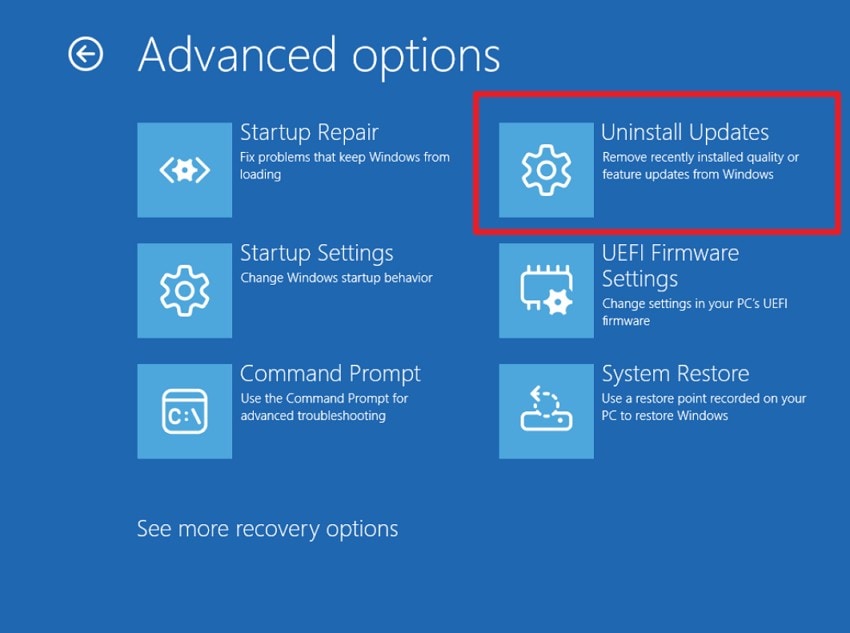
Remove the most recent update to return those entries to their previous state. Here’s how you remove recent Windows updates from WinRE:
Step 1. Select "Troubleshoot > Advanced options > Uninstall Updates" to continue.
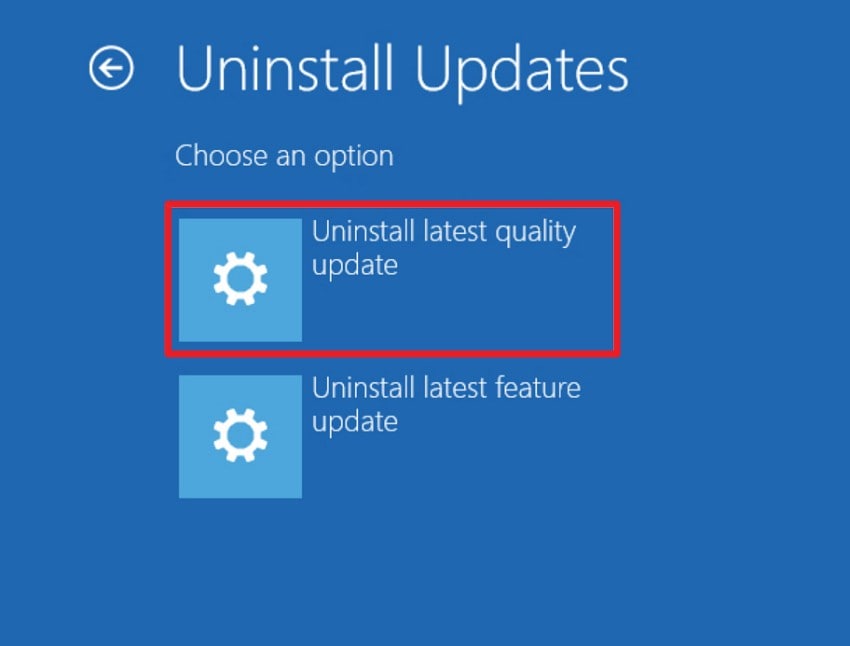
Step 2. Choose "Uninstall Latest Quality Update" first, as it usually reverses more quickly and with less impact. If the problem began after a major Windows version upgrade, select "Uninstall Latest Feature Update" instead.
Fix 6. Recreate the Windows Boot Files with BCDBoot
BCDBoot copies fresh boot files from your Windows folder and builds a new store from Microsoft's own template. If you're stuck on the "Your PC needs to be repaired" 0xc000000e screen, follow these steps to recreate the Windows boot files with BCDBoot.
Step 1. Open Command Prompt in WinRE, run "diskpart," then "list volume." Note the letter of the large NTFS volume holding Windows and the small FAT32 partition of roughly 100 to 500 MB.
Step 2. Select the FAT32 volume, run "assign letter=S," and type "exit."
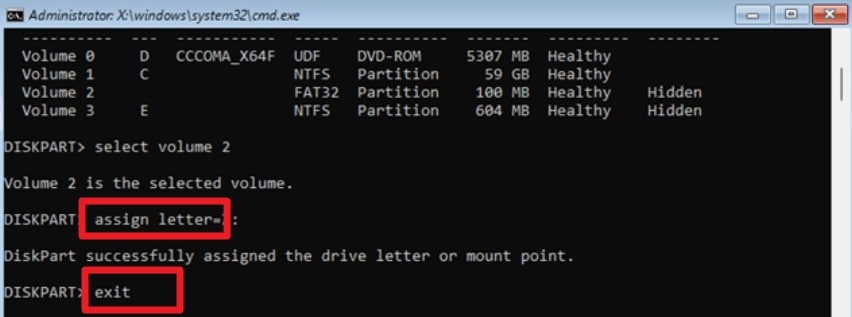
Step 3. Run "bcdboot D:\Windows /s S: /f UEFI," replacing D with your Windows letter, to rewrite the boot files and store them in one pass.
Fix 7. Rebuild the BCD If Windows Boot Entries Are Missing
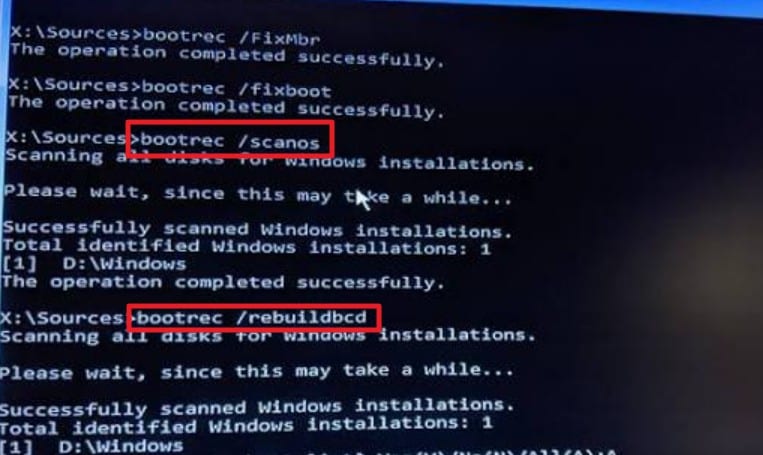
Bootrec searches every attached disk for installations that the boot store has lost track of, then writes a fresh entry for each one it finds. Go through the mentioned guidelines and learn how you can fix the 0xc00000e error:
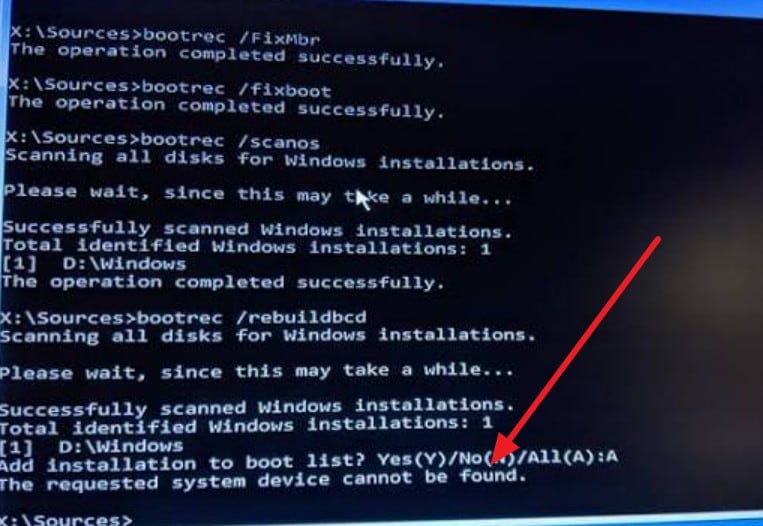
Step 1. In Command Prompt from WinRE, run "bootrec /scanos" to check whether Windows is detected. Then, run "bootrec /rebuildbcd" and press Y if prompted to add the installation to the BCD store.
Step 2. If you receive "The Requested System Device Cannot Be Found," the EFI System Partition may be missing, inaccessible, or not assigned correctly. Return to Fix 6 to verify the EFI partition and recreate the boot files with BCDBoot.
Fix 8. Repair the MBR and Boot Sector on Legacy BIOS Systems
Older BIOS/MBR installations use a Master Boot Record (MBR) instead of an EFI System Partition. To identify your partition style, open DiskPart, run list disk, and check the GPT column. An asterisk (*) indicates a GPT disk, while a blank entry indicates an MBR disk. If your system uses MBR, follow these steps to fix the "Your PC needs to be repaired" 0xc000000e error:
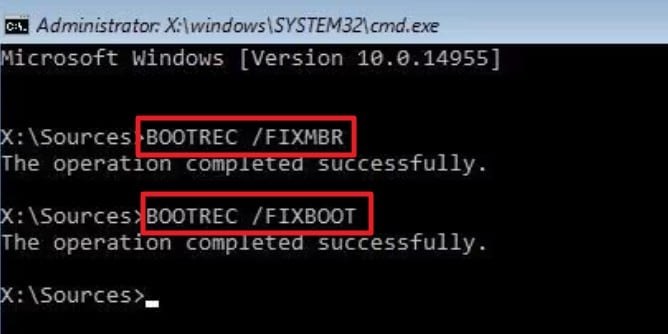
Step 1. Go to "Troubleshoot > Command Prompt" and on an MBR disk, run "bootrec /fixmbr," then "bootrec /fixboot."
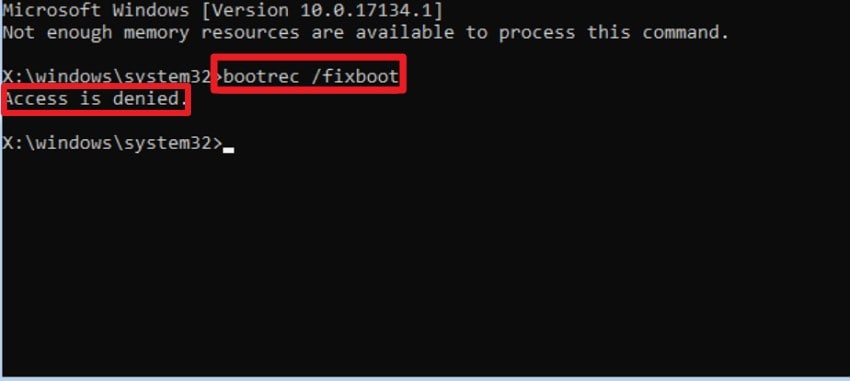
Step 2. If your PC uses UEFI/GPT, bootrec /fixboot may return "Access Is Denied." In that case, use Fix 6 to recreate the EFI boot files with BCDBoot instead of relying on Bootrec.
Part 5. Fix Error 0xc000000e After Cloning or Replacing a Drive
Cloning is the most common 0xc00000e trigger, because copying a disk and making it bootable are two different jobs.
Confirm That the New Drive Contains the Windows Partition
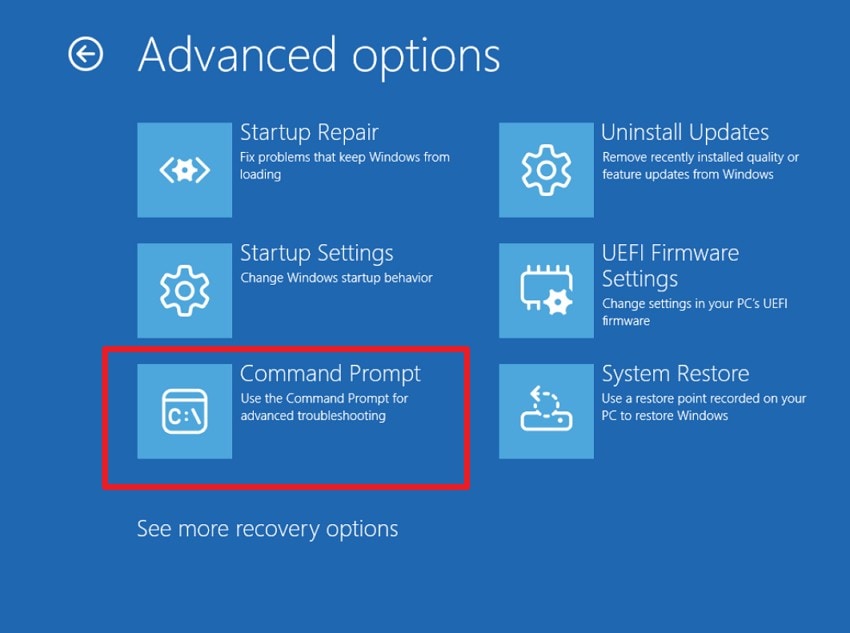
Open Command Prompt in WinRE and run "diskpart," then "list volume." Note the letter assigned to the large NTFS volume, then run "dir D:\Windows" to confirm the folder exists.
Check Whether the EFI System Partition Was Cloned
Look for a FAT32 partition of roughly 100-500 MB in the same volume list. Many cloning tools copy the Windows partition and skip this one, which leaves firmware with nothing to start from.
Recreate the Boot Files on the New Drive
If the EFI partition is missing or empty, rebuild it as described in Fix 6. This writes boot files onto the new drive rather than repairing a pointer to the old one.
Remove the Old Drive from the Boot Order
Leaving the source disk connected is a common cause of a clone not booting, because the firmware may keep starting from it. Disconnect the old drive, test the clone alone, and reconnect it once Windows starts reliably.
Check Whether the Source and Target Disks Use Compatible Boot Modes
A disk cloned from an MBR system onto a UEFI machine will not start, and the reverse is also not possible. Confirm both use the same scheme with the GPT column check from Fix 8, then set the firmware boot mode to match.
Part 6. What If Boot Repair Does Not Restore Windows?
If the boot files are rebuilt and the 0xc00000e Windows 10/11 error still appears, the cause is not a configuration issue. That leaves 2 possibilities: damaged system data or failing hardware.
Check the Drive for File System Errors After Protecting Important Data
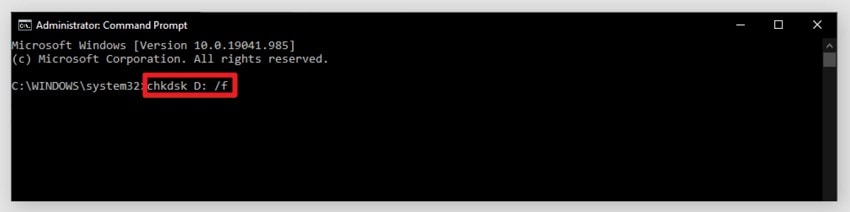
CHKDSK repairs file system errors and marks bad sectors, but it also rewrites directory structures. Secure your files using Part 7 first, then run "chkdsk D: /f /r" in WinRE and let it finish.
Run Offline SFC if Windows System Files Are Damaged
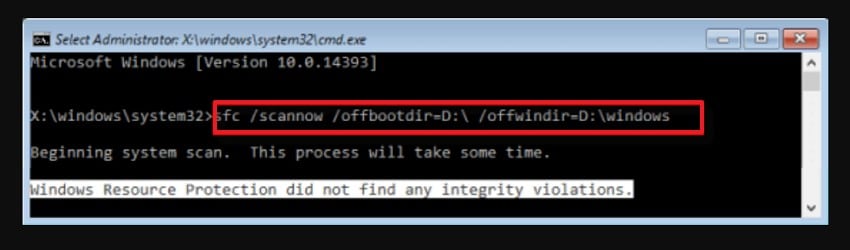
System File Checker replaces damaged Windows files and needs offline switches when Windows will not run. Run "sfc /scannow /offbootdir=D:\ /offwindir=D:\Windows," using your Windows drive letter.
Run the Computer Manufacturer's Storage Diagnostics
Dell, HP, Lenovo, and most vendors build a drive test into the firmware, reachable with F12, F2, or Esc at startup. These tests read the drive's own SMART data, so a failure result comes from the disk itself.
Replace the Drive If Hardware Failure is Confirmed
A drive that fails diagnostics will keep producing this error however often you rebuild the boot files. Recover your files first, then replace the disk before reinstalling Windows.
Part 7. Secure Your Files If the Boot Drive May Be Failing
At this point, the boot repairs have not worked, or the drive has failed a diagnostic test. Every option in Part 8 writes to the disk, which a failing drive may not handle. Your files are usually still readable; a broken boot entry never touches the Windows partition, and even a drive with bad sectors normally has intact areas holding documents. The problem is reaching them without a working Windows installation.
Hence, Recoverit gives you that environment on a USB drive. You build the media on a second computer, start the failed machine from it, and scan the drive outside Windows so nothing on it changes. The detailed progress bar helps you monitor the recovery process, which can be completed in 3 steps.
Key Features
Bad Sector Tolerance: Keeps scanning past unreadable sectors instead of stopping when the drive stumbles.
Multi-Partition Scanning: Covers every partition on the disk in one pass, including those Windows no longer mounts.
Offline Windows Access: Reaches the Windows partition using media built on another PC, with no working installation required.
How to Recover Files from a PC That Will Not Boot
To explore how Recoverit can help in data retrieval, here is the detailed guide:
Step 1. Create Bootable Media on a Working PC
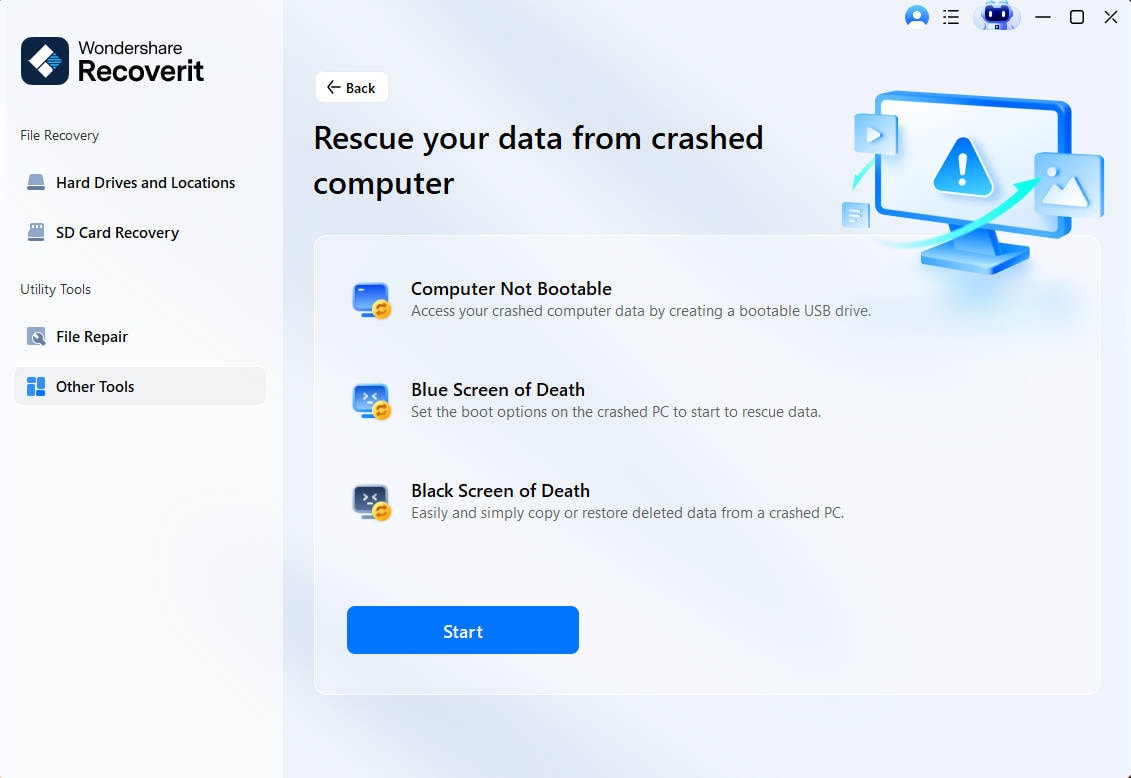
Install Recoverit on a second computer and attach an empty USB drive. Open "Other Tools," select "System Crashed Computer," and click "Start."
Step 2. Boot the Affected Computer From USB
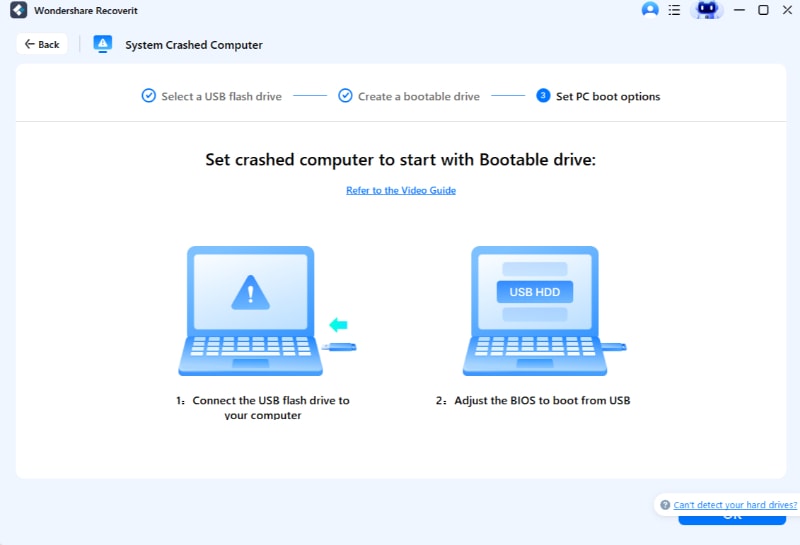
Connect the finished drive to the machine showing the error, then enter the firmware setup screen and select "USB HDD" as the first boot device.
Step 3. Scan and Save Externally
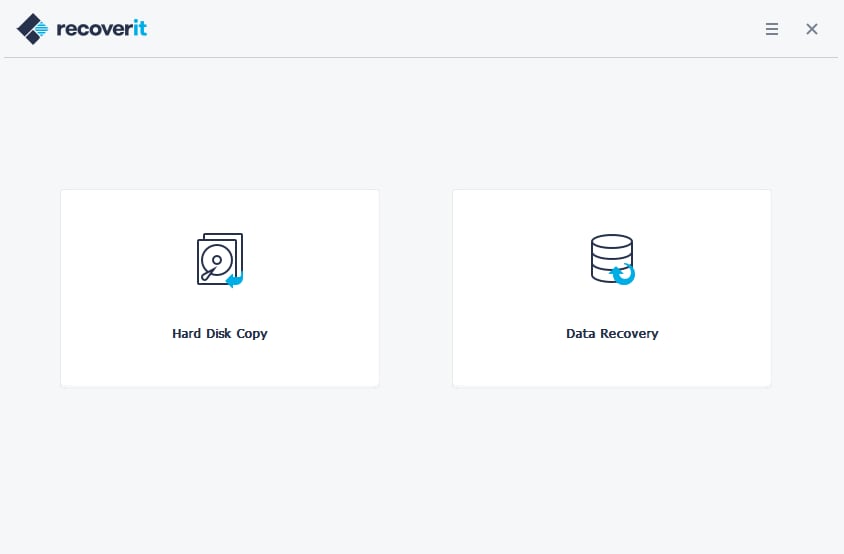
Once the interface loads, choose "Data Recovery" or "Hard Disk Copy." Scan the Windows volume, preview the results, then save to a second external drive.
Part 8. Last Options When Error 0xc000000e Remains
With your files secured, these options rebuild Windows itself. Try them if the 0xc000000e error in Windows 11 or 10 persists after the earlier fixes.
Restore Windows from a System Image Backup
It overwrites everything currently on the disk, so only a recent image is worth restoring. Go through these steps to perform this method:
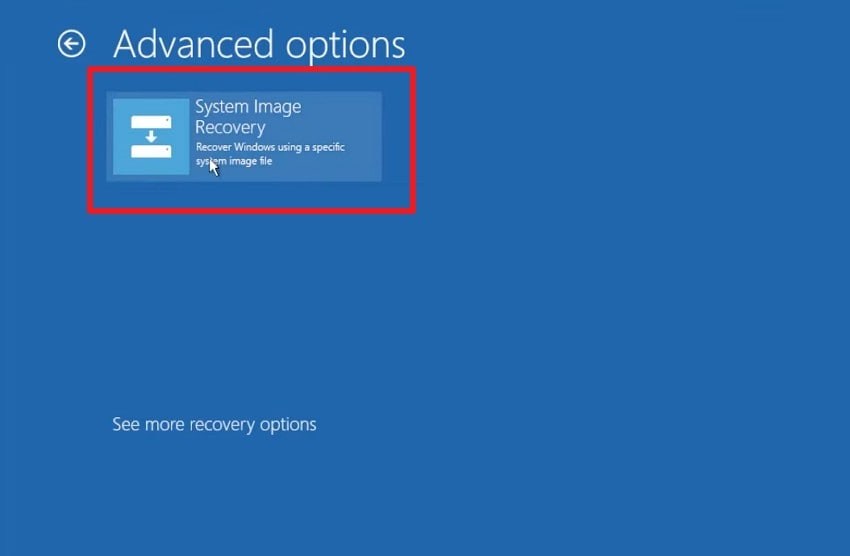
Step 1. Boot from the installation media and select "Repair Your Computer > Troubleshoot > See More Recovery Options > System Image Recovery,"
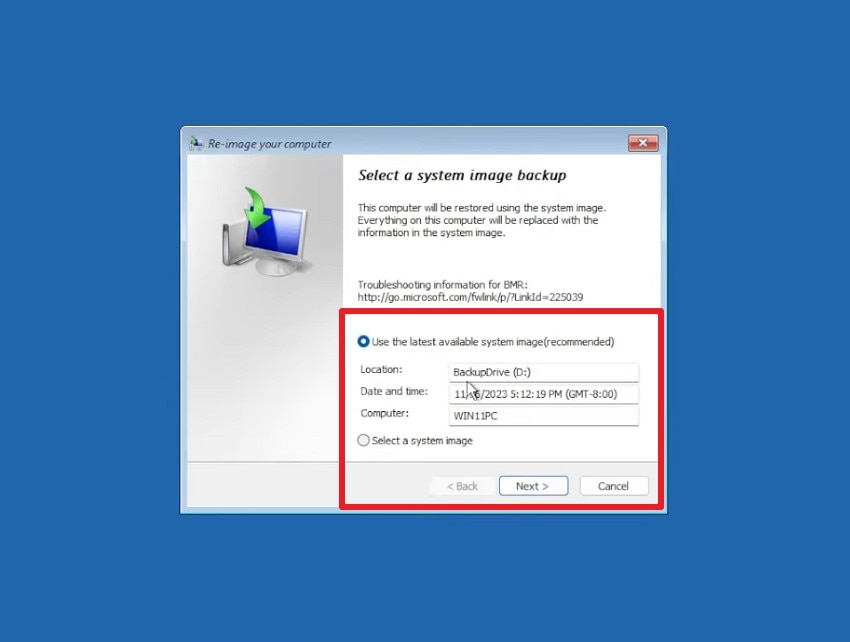
Step 2. Select "Use The Latest Available System Image > Pick a specific date and time > Next > Next > Finish > Yes."
Reset Windows and Choose Keep My Files First
Resetting reinstalls Windows from local files while offering to keep your personal folders, and the steps below offer guidance:
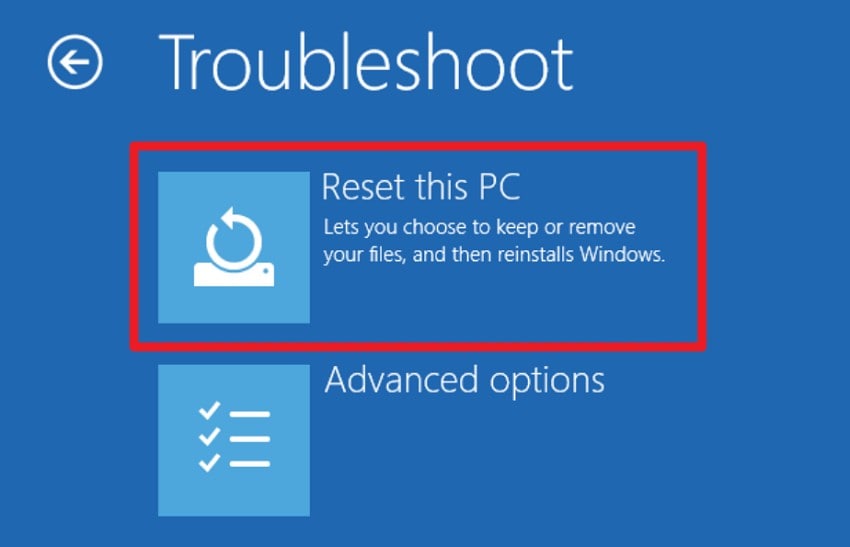
Instructions. Open "Troubleshoot > Reset this PC," then select "Keep My Files," keeping the computer on power throughout.
Reinstall Windows on the Correct Internal Drive
Select the correct disk carefully during setup, then delete the existing system and EFI partitions so Windows creates fresh ones. Windows 10 users should note that it reached end of support on October 14, 2025, so upgrading to Windows 11 is worth considering at this point.
Replace the HDD or SSD Before Reinstalling If It is Failing
Installing Windows on a failing disk is a waste of effort, since the same error returns within weeks.
Conclusion
To conclude, the 0xc000000e error usually indicates that Windows Boot Manager cannot locate or load the files needed to start Windows. It does not confirm a hardware failure by itself. Work through the repair methods in order, leaving Reset this PC or a clean reinstall as the last resort. Before choosing either option, recover any important files with Recoverit to reduce the risk of permanent data loss.
FAQ
-
Is error 0xc00000e the same as 0xc000000e?
Yes, the code is often typed with one zero missing. Windows only ever reports 0xc000000e, so both spellings describe the same boot failure. -
Does 0xc000000e mean my hard drive has failed?
Usually not, since the code points at the boot configuration rather than the hardware. A drive that still appears in your firmware setup screen is normally repairable. -
Why does the error appear after cloning a disk?
Most cloning tools copy the Windows partition but skip the small EFI partition holding the boot files. This is why recreating those files with BCDBoot fixes it.


