
 TL;DR:
Resolve corrupted or undetected SD card errors by first recovering accessible data using software like Recoverit, then applying Windows utilities to repair the file system or partition structure before attempting to format.
● Run chkdsk X: /f (replacing X with the card's drive letter) via an Administrator Command Prompt to repair logical file system damage and restore unreadable data sectors.
● If the SD card is physically connected but hidden in Windows 11 File Explorer, access Disk Management to manually assign a missing drive letter or recreate a New Simple Volume from unallocated space.
● Bypass write-protection errors that block file modifications by opening Diskpart and executing the attributes disk clear readonly command to unlock the storage attributes.
Ask AI for a summary
 ChatGPT
 Perplexity
 Gemini
 Claude
 Grok
Grok
SD card problems often appear suddenly and block access to stored files. A card may become unreadable, unresponsive, or request formatting without any warning. That can interrupt photos, videos, documents, and everyday work across many devices. The situation feels stressful when the real cause stays hidden and unclear.
This guide explains how to fix corrupted SD card issues. Moreover, it covers warning signs, likely causes, safe repairs, and simple recovery steps. Each method is written clearly, so beginners can follow without confusion. With the right approach, even serious card problems become easier to handle.
Try Recoverit to Perform Data Recovery
 Security Verified. 3,591,664 people have downloaded it.
In this article
- Fix 1: Reinsert the SD Card and Restart the Device
- Fix 2: Try a Different Card Reader or USB Port
- Fix 3: Test the SD Card on Another Computer
- Fix 4: Assign a New Drive Letter in Disk Management
- Fix 5: Update or Reinstall SD Card Reader Drivers
- Fix 6: Run CHKDSK to Repair SD Card File System
- Fix 7: Scan the SD Card for Malware or Virus
- Fix 8: Remove Write Protection Using Diskpart
- Fix 9: Repair File System Errors with Windows Error Checking
- Fix 10: Recover Files from the SD Card Before Formatting

- Fix 11: Format the SD Card with a Compatible File System
- Fix 12: Use Disk Management to Recreate the SD Card Partition
- Fix 13: Replace the SD Card if Hardware Damage Exists
Part 1. How to Fix a Corrupted SD Card: Understanding the Problem
SD card corruption occurs when saved data or the file structure is damaged. It can make files unreadable or stop the card from opening normally. Sometimes folders disappear, or the card asks for formatting suddenly. Further, corruption can also affect device detection across phones, cameras, and computers. That is why these errors often appear without any warning.
Main Causes of SD Card Corruption
SD card corruption usually begins with small problems that grow over time. Understanding the following causes also helps explain errors like the SD card not being detected in Windows 11:
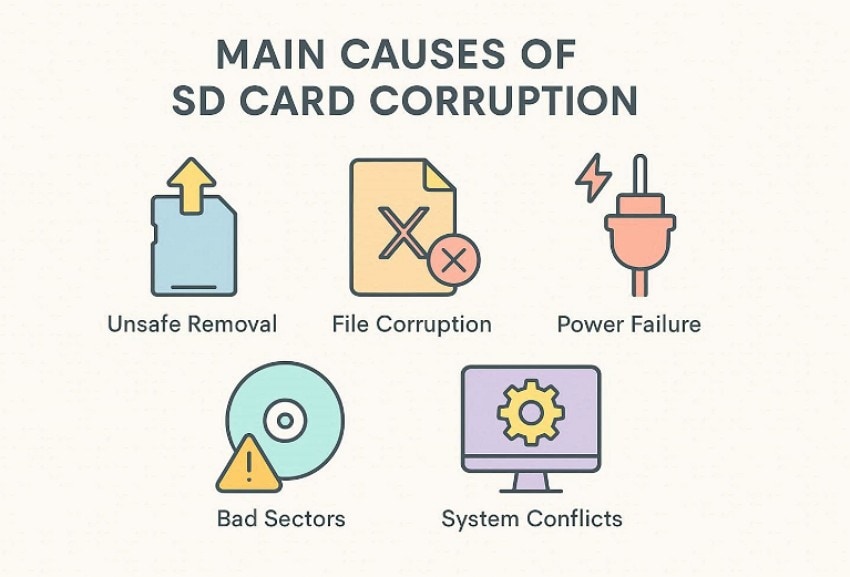
- Unsafe Removal: Removing the card during file transfer can interrupt writing and damage stored data. This can leave the SD card unreadable or trigger missing file errors later.
- File Corruption: Damaged files or broken folders can affect how the card opens normally. Over time, corrupted data may stop the system from reading contents properly.
- Power Failure: A sudden shutdown during transfer can interrupt processes and corrupt saved card data. This may cause access errors, missing folders, or unusual formatting prompts later.
- Bad Sectors: Worn storage areas can prevent the card from saving or reading files. These damaged sectors often make the card unstable during everyday use.
- System Conflicts: Compatibility issues between devices can stop the card from responding correctly. That is one reason behind the SD card not being detected in Windows 11 errors.
Part 2. Quick Overview of Common SD Card Errors and What They Mean
Once the causes are clear, the next step is recognizing the actual error messages. This quick overview helps connect each warning with the right SD card not showing up fix more easily.
| Error Message | What It Means | Quick Fix |
|---|---|---|
| SD card not detected | The device cannot recognize the inserted SD card properly. | Reinsert the card, restart the device, or try another reader. |
| SD card not showing up | The card is connected, but it does not appear normally. | Check Disk Management and assign a drive letter manually. |
| SD card is corrupted | The card’s file system or stored data is damaged. | Run CHKDSK, recover files, and repair the card carefully. |
| You need to format the disk | The system cannot read the card’s file structure. | Recover accessible files first, then format the SD card. |
| SD card is not accessible | The card opens with an error or stays unreadable. | Test another device and scan the card for errors. |
| File or directory is corrupted | Some saved folders or files have become unreadable. | Run CHKDSK and recover important files as early as possible. |
| Please insert a disk | The reader detects a connection, but not the card properly. | Reinsert the card and test another adapter or port. |
| Write-protected error | The card blocks deleting, copying, or changing stored files. | Unlock the switch and remove write protection settings. |
| RAW SD card | The card has lost its readable file system format. | Recover files first, then format the card safely. |
| SD card needs repair | The card has internal logical or file system errors. | Use built-in repair tools and stop using the card. |
| Unsupported SD card | The device cannot support that card format or size. | Reformat the card or test it on another device. |
| SD card shows full | The card appears full, even when space seems available. | Delete hidden files and scan for storage errors. |
| Read or write error | The card cannot save or open files correctly. | Reconnect the card and check for bad sectors. |
| Card appears empty | The card opens, but saved files are missing. | Check hidden files and use recovery software carefully. |
| Drive letter missing | Windows detects the card, but shows no letter. | Assign a new drive letter in Disk Management. |
Part 3. Fix All SD Card Errors with These Universal Troubleshooting Methods
Now that the errors are clear, the next step is fixing them. The following universal methods can solve many SD card problems safely today:
Fix 1: Reinsert the SD Card and Restart the Device
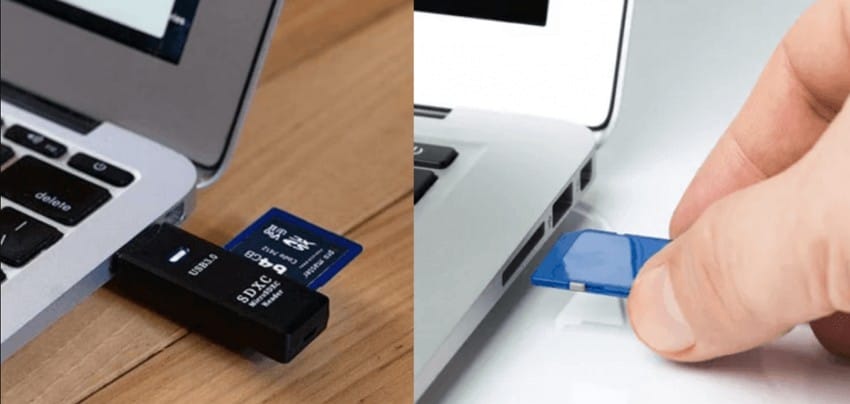
This fix starts with the simplest physical check before trying advanced repairs. Sometimes the card is loose, the contact points misread, or the device fails to refresh the connection properly. Reinsert the card carefully, then restart the device to restore normal detection during how to fix corrupted SD card troubleshooting. So, follow the instructions below to try this basic fix:
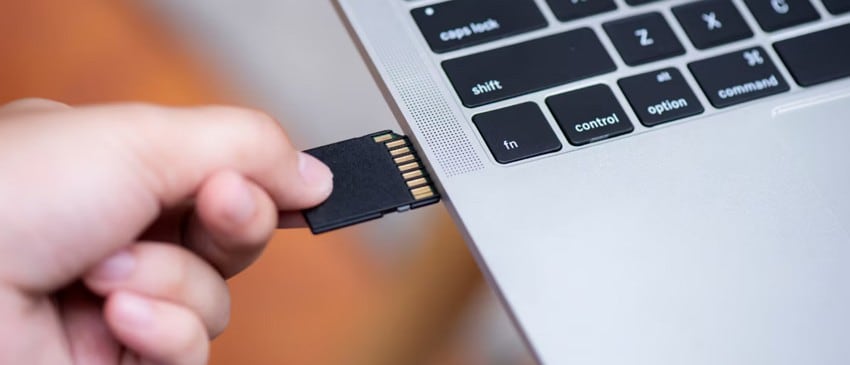
Instructions: First, reinsert the “SD card,” then restart your PC, phone, or camera to see if it fixes the issue or not.
Fix 2: Try a Different Card Reader or USB Port
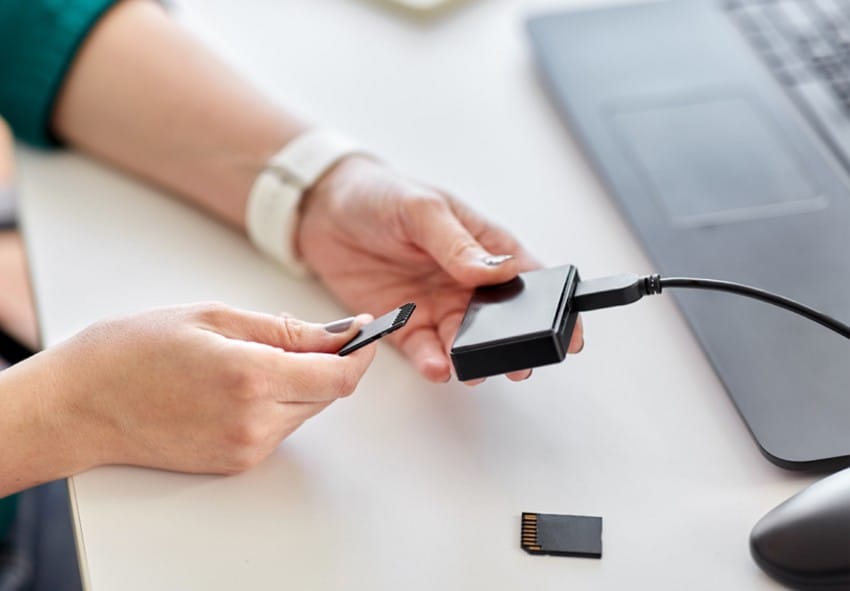
Sometimes the problem is not the card itself but the connection path. A faulty card reader, unstable adapter, or damaged USB port can stop the system from reading the card correctly. Therefore, this method helps rule out hardware access issues behind SD card not detected Windows 11 errors.
Fix 3: Test the SD Card on Another Computer
This method helps confirm whether the problem comes from the card or your current system. If the card works on another computer, the issue likely involves drivers, ports, or settings instead. As a result, it is a useful SD card not showing up fix for narrowing down the real cause.
Fix 4: Assign a New Drive Letter in Disk Management
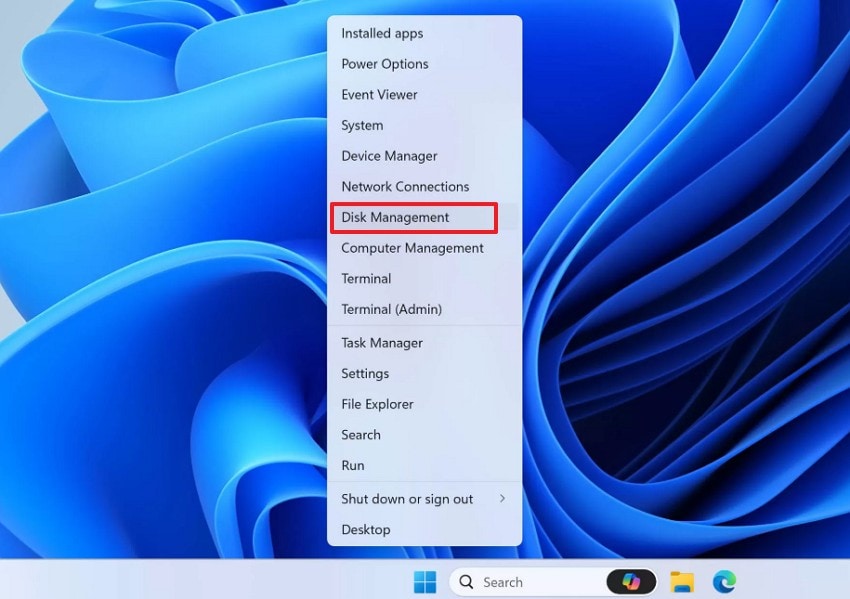
Sometimes Windows detects the SD card internally but does not show it in File Explorer. In that case, assigning a new drive letter can restore visibility and normal access. This makes it a practical SD card error fix without losing data when the card exists but stays hidden. Let’s walk through the steps below to assign a new drive letter safely:
- To start, press “Win + X” and choose “Disk Management” from the menu.
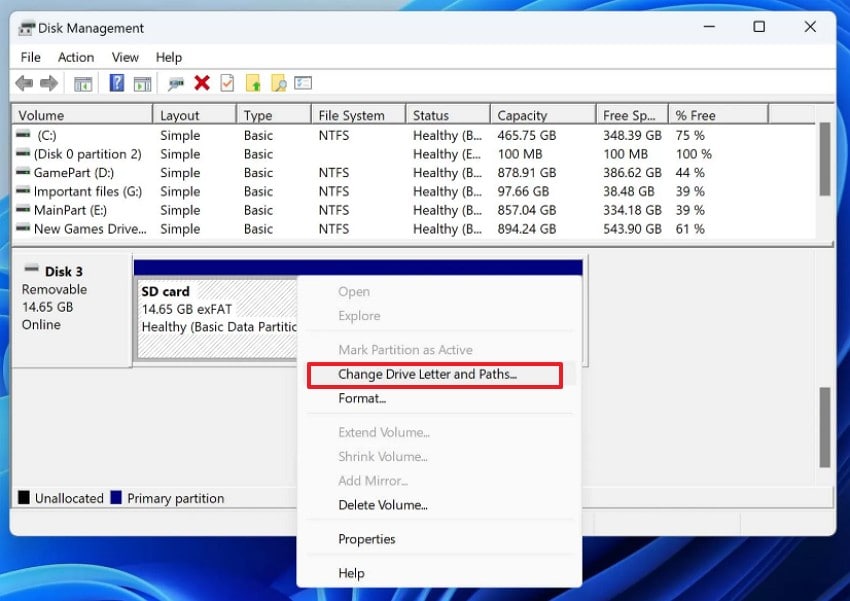
- Afterwards, find your “SD card,” right-click its partition, and select “Change Drive Letter and Paths” to proceed.
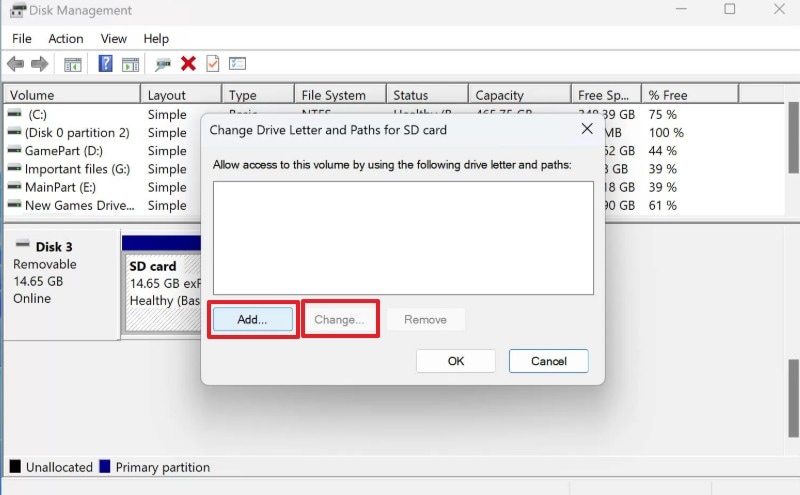
- Next, click “Add” or “Change” options and choose a new drive letter, then save the setting.
Fix 5: Update or Reinstall SD Card Reader Drivers
Drivers help Windows communicate with the SD card reader correctly during detection. If those drivers become outdated, corrupted, or incompatible, the system may stop recognizing the card properly. Updating or reinstalling them can improve device communication during how to fix corrupted SD card troubleshooting and restore stable access. Thus, follow the guide below to update or reinstall the drivers correctly:
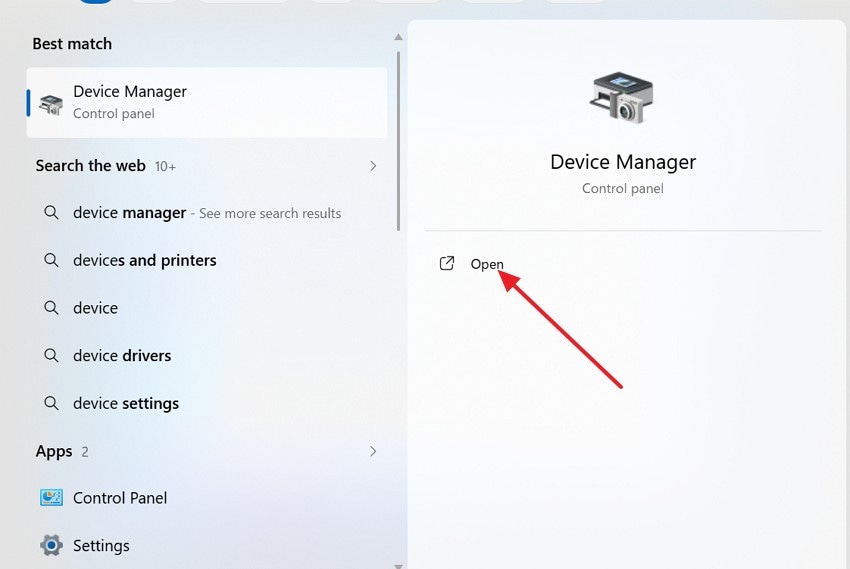
- Start by opening the Windows search bar, typing “Device Manager,” and clicking “Open” to launch it.
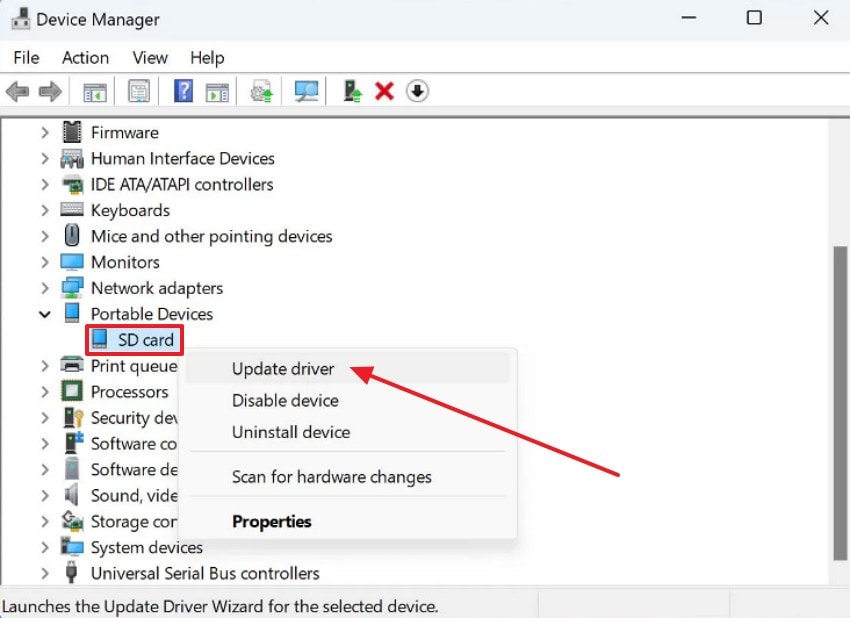
- In Device Manager, expand “Portable Devices,” right-click the “SD card,” and select “Update driver” from the menu.
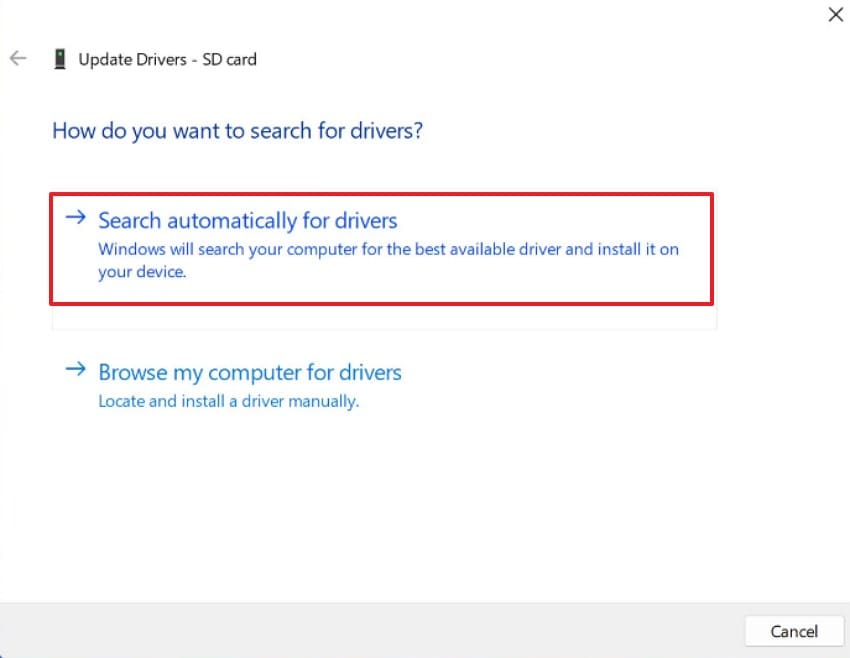
- When the update window appears, choose “Search automatically for drivers” and let Windows look for the latest available driver for the SD card reader.
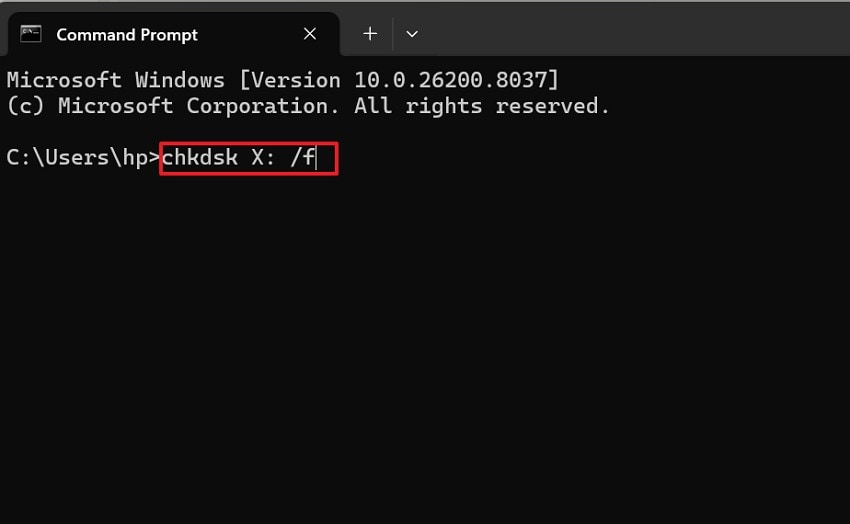
Fix 6: Run CHKDSK to Repair SD Card File System
CHKDSK is a built-in Windows command that scans storage for file system problems. It checks errors, repairs logical damage, and improves access when corruption blocks normal reading. Therefore, it is especially useful for SD card not detected Windows 11 cases linked to damaged storage structure or unreadable file entries. To run CHKDSK on the SD card safely, adhere to the steps below:
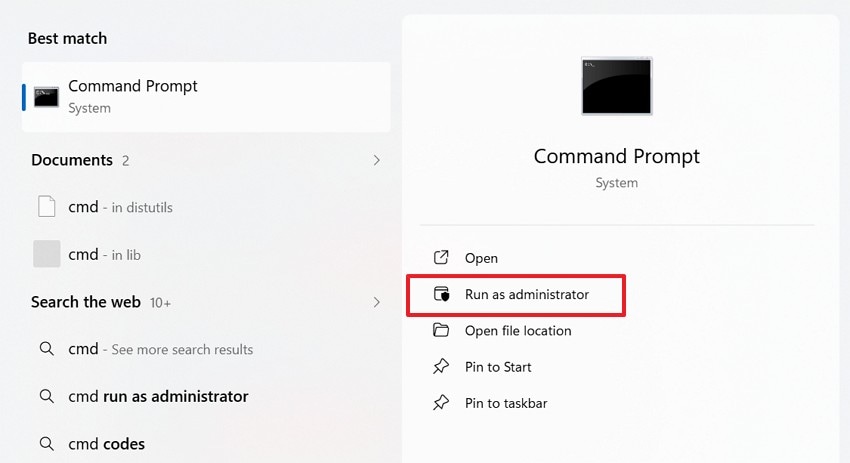
- First, navigate to “Command Prompt” and choose “Run as administrator” to proceed.
- In the command prompt, type “chkdsk X: /f” and replace X with your SD card letter. Then press “Enter” and wait for the scan and repair process to finish, then reconnect the card if needed.
Fix 7: Scan the SD Card for Malware or Virus
Malware can damage files, block access, or make the SD card behave strangely. In some cases, it can hide folders, trigger errors, or interrupt normal reading across devices. Therefore, a security scan works as a useful SD card not showing up fix when an infection may be affecting detection or access. Follow the steps below to scan the card for malware properly:
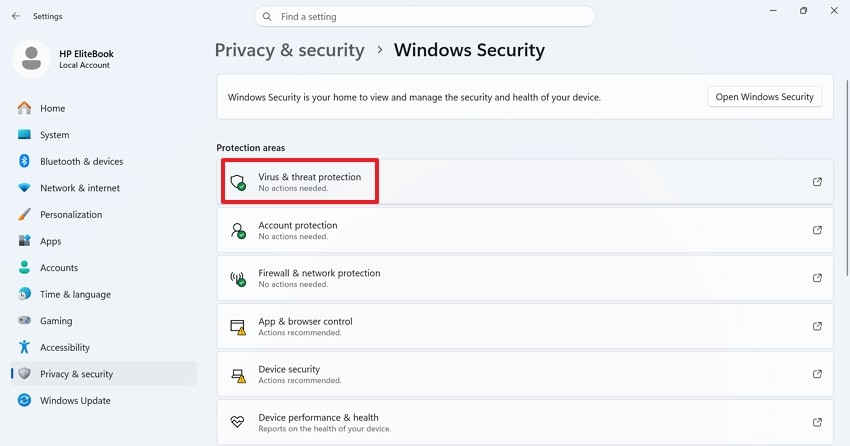
- Firstly, open “Settings” on your PC, go to “Privacy & security,” and to further select “Windows Security.” Then, choose “Virus & threat protection” from the “Protection Areas” section.
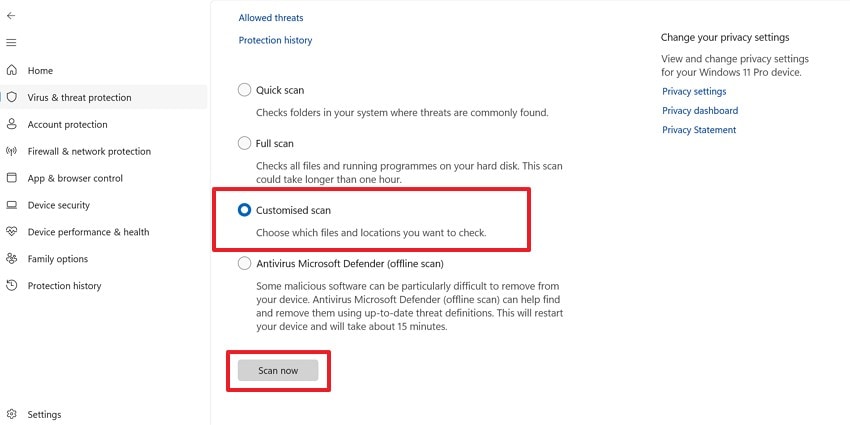
- Next, scroll to the scan options, select “Customised scan,” click “Scan now” to choose your SD card, and remove or quarantine any threats found after the scan.
Fix 8: Remove Write Protection Using Diskpart
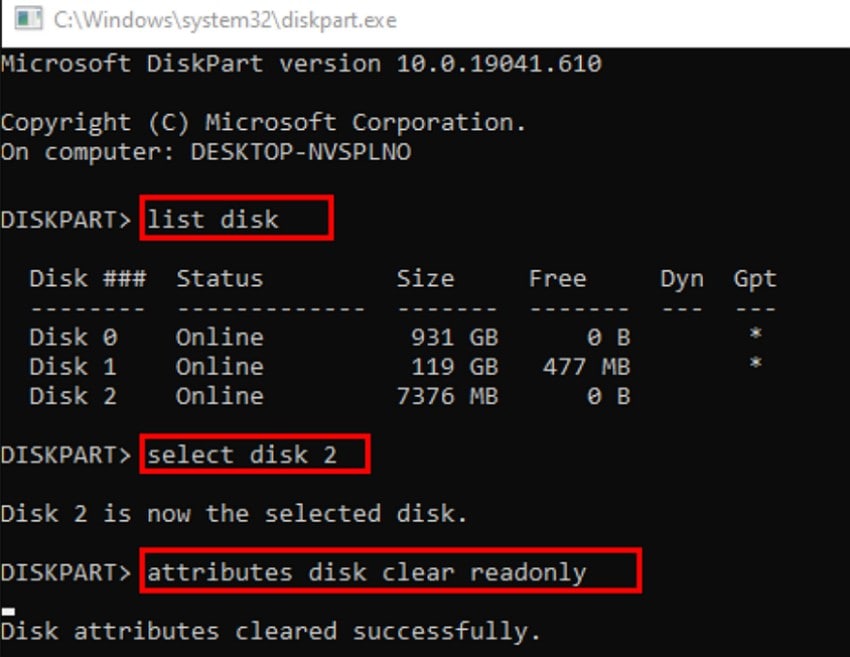
Write protection prevents the SD card from being deleted, edited, or used to save files normally. Sometimes this happens because of locked attributes rather than physical damage or corruption. Diskpart can remove that restriction through command-line tools, making it a helpful SD card error fix without losing data in many blocked-access situations. Use the guide below to remove write protection with Diskpart carefully:
Instructions. To begin, access the Command Prompt as Administrator, type “Diskpart,” then enter “list disk” to find the SD card. Later, run “select disk X” and “attributes disk clear readonly,” then press Enter after each command.
Fix 9: Repair File System Errors with Windows Error Checking
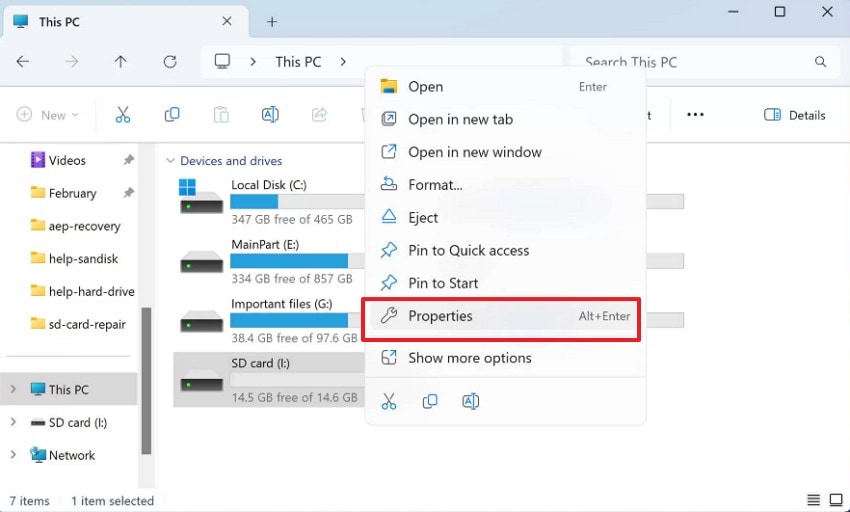
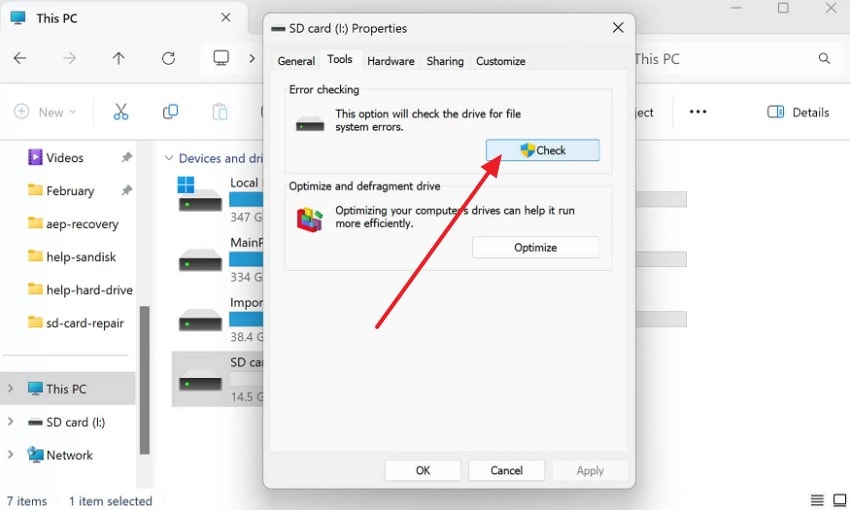
Windows Error Checking is a built-in tool that scans the SD card for common file system issues. It can detect errors, attempt repairs, and improve card stability without requiring complex commands. Because of that, it supports how to fix corrupted SD card problems in a simple and beginner-friendly way. Stick to the steps below to use error checking with ease:
- First, access the “File Explorer,” right-click the “SD card,” and select “Properties” from the menu.
- In the properties, go to the “Tools” tab and select “Check” and let Windows scan and repair errors.
Fix 10: Recover Files from the SD Card Before Formatting
Before formatting a damaged card, it is safer to recover important files first. Many users format too early and lose photos, videos, documents, or other saved data permanently. In that situation, Recoverit offers a practical solution by scanning the card deeply and restoring accessible files. This makes fixing corrupted SD card issues less risky and more manageable.
Moreover, Recoverit is especially useful when the card becomes unreadable, asks for formatting, or opens with missing files. It helps recover data from corrupted, inaccessible, or suddenly unrecognized storage without adding much complexity. That is why it works well as an SD card error fix without losing data, especially before trying repairs that may overwrite recoverable files.
Key Features
- File Format Recovery: Restores 1000+ file types from SD cards, including photos, videos, and audio.
- Deep Scan Mode: Performs deep scanning to find lost files from corrupted or formatted SD cards.
- Deleted File Recovery: Restores accidentally deleted photos, videos, and documents from SD cards quickly.
Guide to Recover Files from the SD Card Before Formatting with Recoverit
Let's walk through the steps below to recover files from the SD card before formatting using Recoverit:
- Select the SD Card to Proceed
First, go to ‘SD Card Recovery”, then choose the affected card, and after that, press the “Start Scan” button.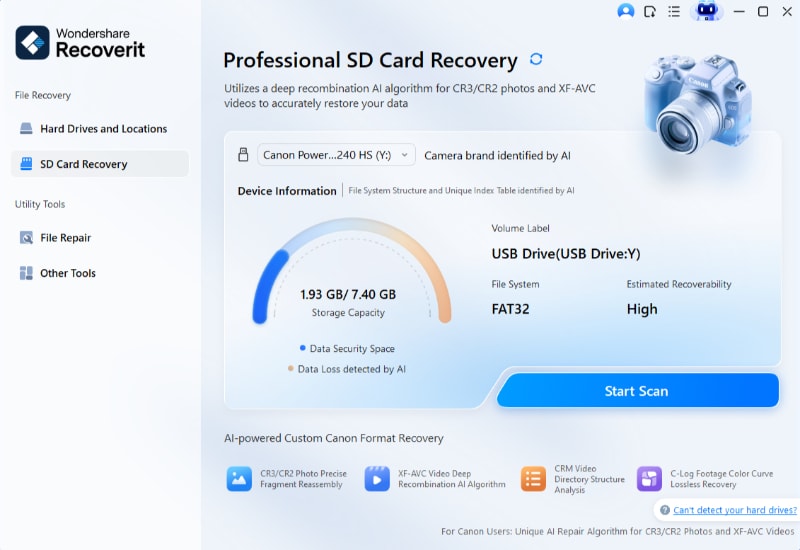
- Review the Scanned Results
After scanning begins, check the found “Folders” and “Files,” then select the needed items to continue.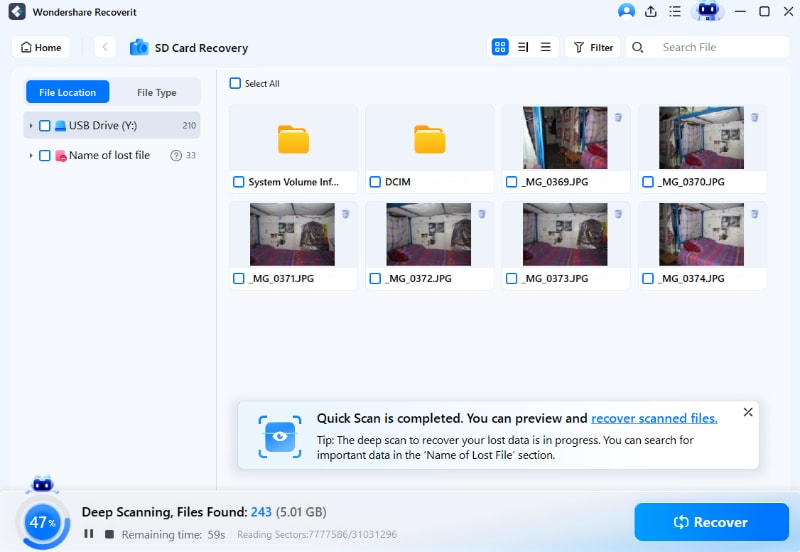
- Save the Recovered Files Safely
Lastly, choose the “Recover” button, then select the different storage path, and save the restored files there.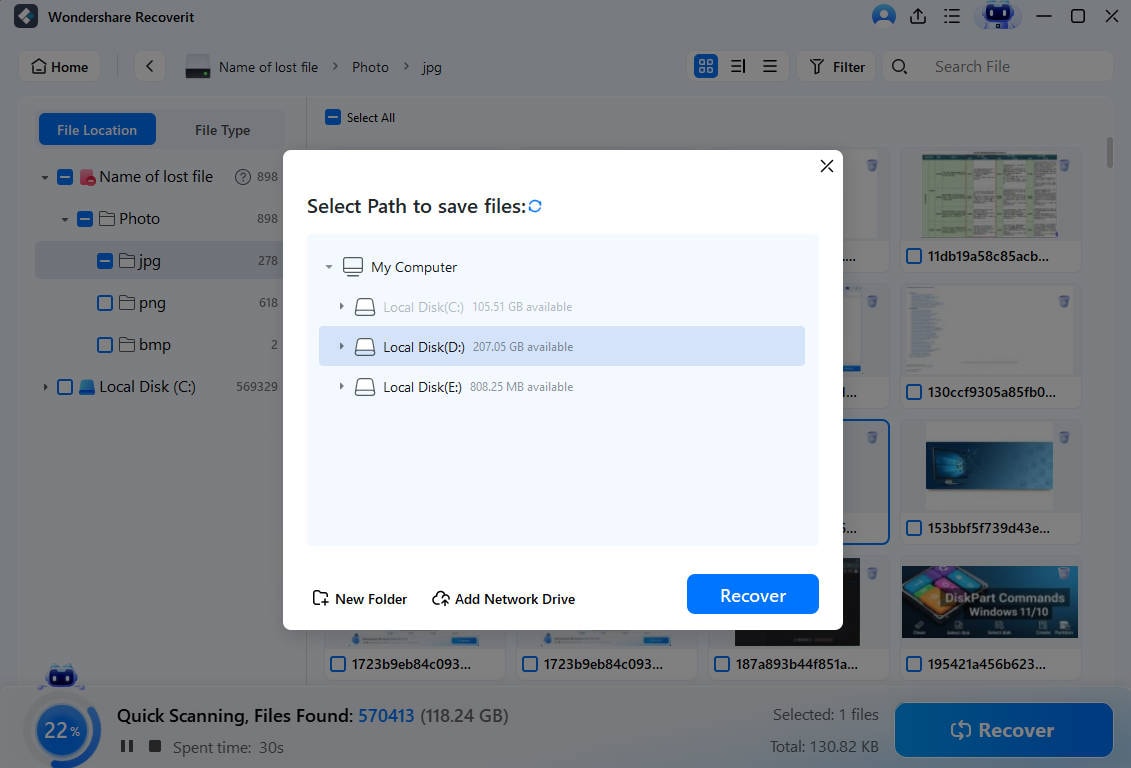
Fix 11: Format the SD Card with a Compatible File System
Formatting rebuilds the SD card file system when corruption blocks normal access. It fixes unreadable structure errors, unsupported format issues, and repeated prompts asking to format the card. Therefore, this method supports how to fix corrupted SD card problems when other basic repairs no longer restore stable access. To format the SD card with ease, follow the steps below:
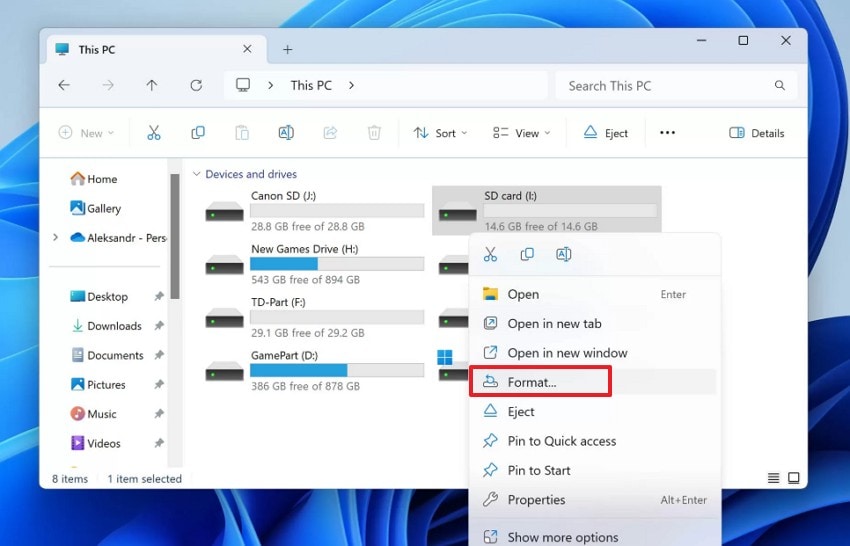
- Start by opening the “File Explorer,” right-clicking the SD card, and choosing “Format” from the menu.
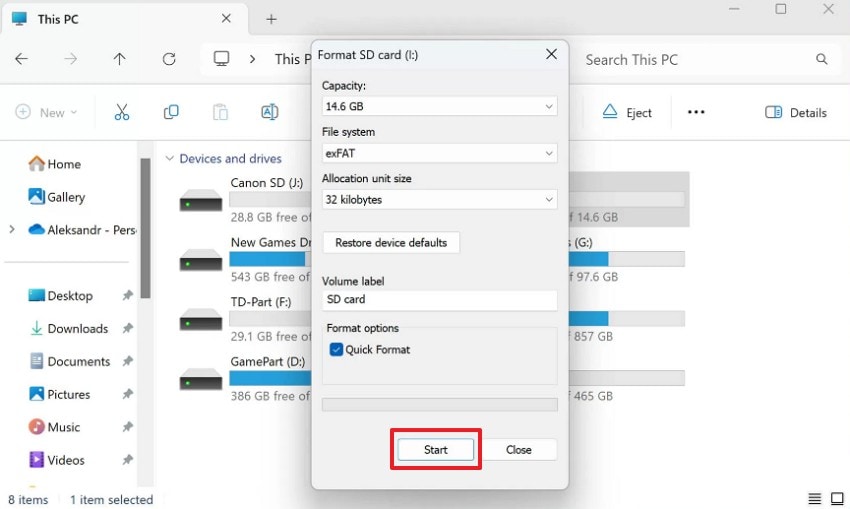
- In the “Format” window, confirm the file system as exFAT or another compatible option, review the settings, keep “Quick Format” checked if needed, and click “Start” to begin formatting.
Fix 12: Use Disk Management to Recreate the SD Card Partition
Sometimes the SD card appears as unallocated space instead of usable storage. In that case, recreating the partition can restore structure and make the card visible again. This makes it a practical SD card not detected Windows 11 solution when Windows sees the device, but cannot mount it normally. Now, try the steps mentioned below to recreate the SD card partition:
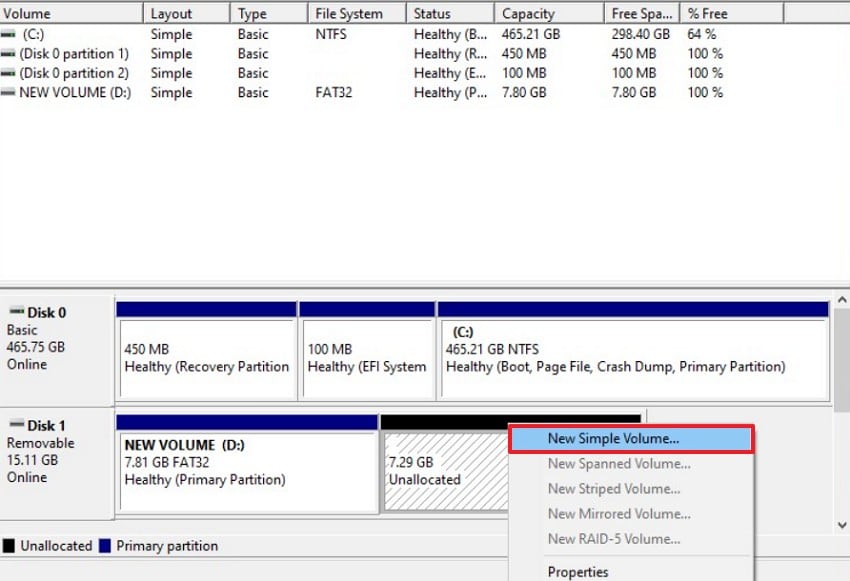
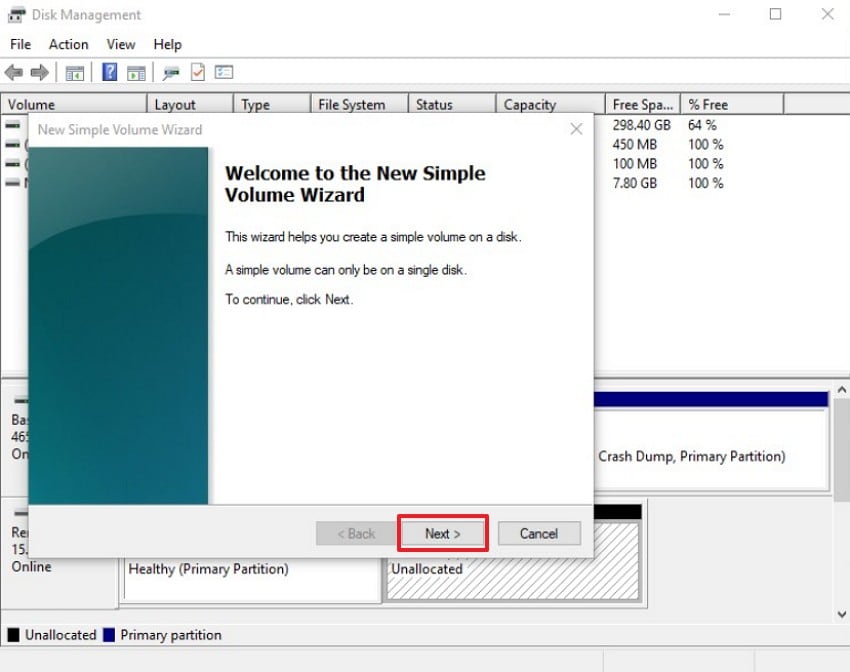
- Initially, locate the “Disk Management,” right-click the “SD card’s Unallocated space,” and choose “New Simple Volume.”
- Once the New Simple Volume Wizard opens, press “Next” to continue with the partition setup.
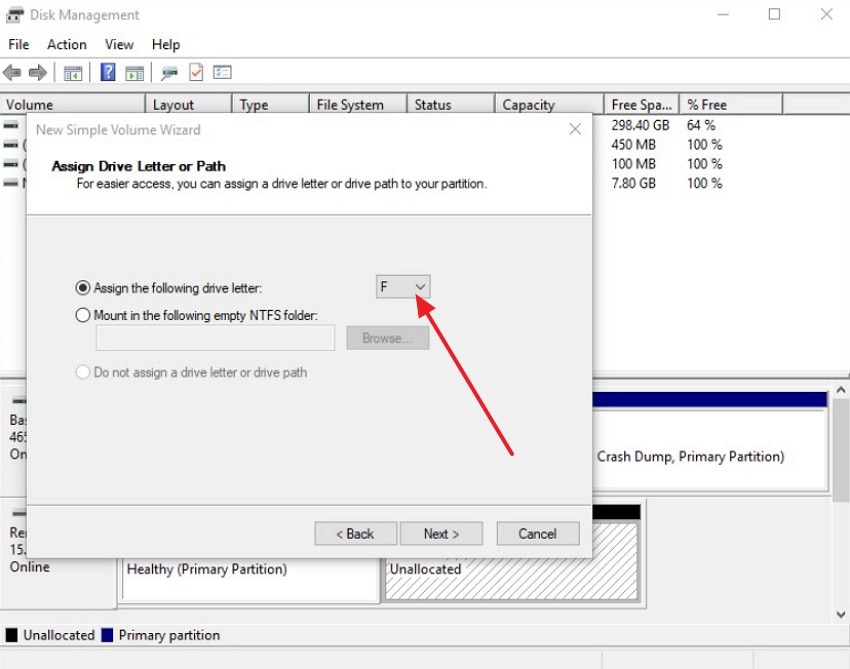
- After that, assign a drive letter to the new partition, then click “Next” to proceed further.
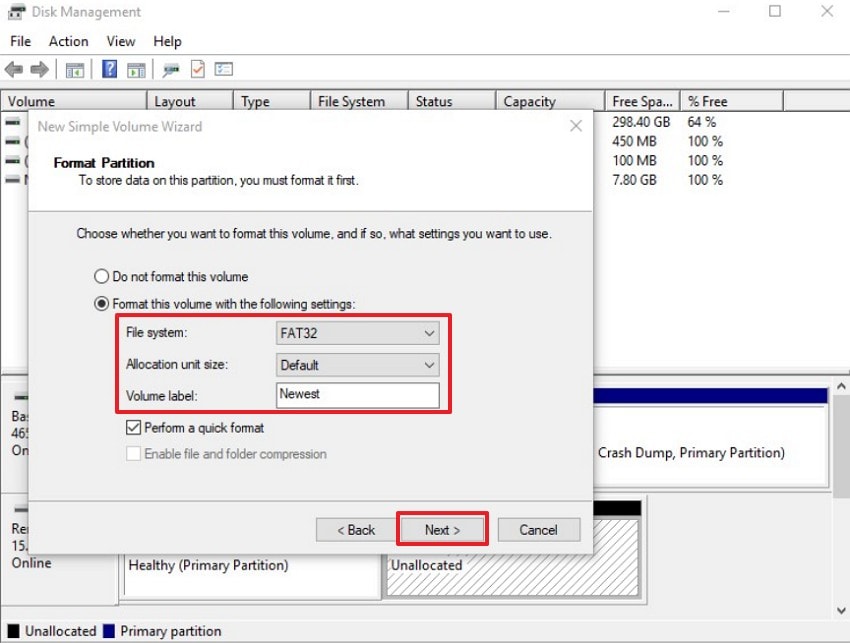
- Now, choose the required file system, keep the default allocation settings or adjust the volume label if needed, and select “Next.”
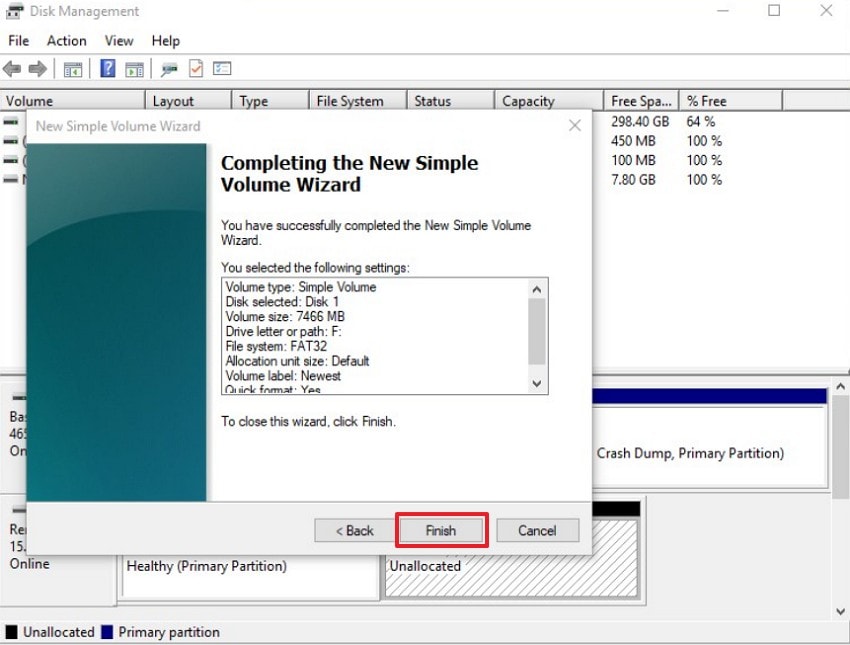
- Finally, review the selected settings and press “Finish” to recreate the partition and make the SD card usable again.
Fix 13: Replace the SD Card if Hardware Damage Exists
When the SD card has physical wear or an internal chip failure, software repairs may no longer help. Cracks, overheating, repeated disconnections, or complete unreadability often point to hardware damage instead. Therefore, replacing the card becomes the safest SD card error fix without losing data after recovery attempts and repeated repair failures.
Conclusion
To conclude, SD card problems can appear in many forms, yet most are manageable with the right approach. This guide explained common errors, their causes, and practical repair methods to help users handle them safely. If you still need to know how to fix corrupted SD card issues without risking important files, Recoverit is a reliable option for secure data recovery.
FAQ
1. Why does an SD card suddenly stop working properly?
SD cards can fail because of corruption, malware, unsafe removal, or hardware damage. These problems may block access, hide files, or trigger repeated formatting messages.2. Can I repair an SD card without formatting it first?
Yes, several repair methods can fix errors without immediately formatting the card. You can try CHKDSK, driver updates, or error checking before formatting safely.3. Why is my SD card not showing up in Windows?
Windows may detect the card internally, yet fail to assign drive access. This often happens because of drivers, port issues, or partition problems.4. Should I recover files before formatting a corrupted SD card?
Yes, file recovery should come first when important data still matters. Recoverit can help restore photos, videos, and documents before formatting the card.


