

 TL;DR:
You can upgrade Windows 10/11 Home to Pro to unlock advanced tools like BitLocker, Hyper-V, and Group Policy Editor by entering a purchased 25-character key directly into the Settings Activation dashboard for a seamless transition that preserves your local data.
● Upgrading removes the Home edition's constraints, raising the maximum system RAM cap from 128 GB to 2 TB on Windows 10 (and 6 TB on Windows 11), while also enabling features designed for power users like Windows Sandbox, Azure Active Directory Join, and Remote Desktop host control.
● If your system has deep registry issues, you should perform a clean installation via an 8 GB bootable USB drive, though this erases the local disk; alternatively, if your specific hardware previously held a digital Pro license, you can restore it without a key by signing into your Microsoft Account and running the Activation Troubleshooter.
● Be aware of automatic BitLocker Drive Encryption immediately following the upgrade; if your computer experiences a power loss or blue screen error (BSOD) during this background process, your partition tables can become corrupted into unformatted "RAW" spaces, which will require specialized data extraction tools to recover lost files.
Ask AI for a summary
 ChatGPT
 Perplexity
 Gemini
 Claude
 Grok
Grok
If you're a Windows Home user, you might have encountered certain limitations that come with this edition. For instance, you can't access advanced features like BitLocker, Remote Desktop, Hyper-V, and more.
Planning for upgrading Windows 11 Home to Pro or upgrade Win 10 Home to Pro? This guide has got you covered.
Upgrading to Windows Pro can unlock these additional powerful tools, providing you with a more robust and secure computing experience. In this comprehensive guide, we'll walk you through the step-by-step process of upgrading from Windows 10/11 Home to Pro, ensuring a smooth and hassle-free transition.
Getting Started: Pre-requisites to Upgrade Windows Home to Pro
Before we dive into the update Windows 10/11 home to pro process, there are a few prerequisites you need to consider:
- Backup your data: It's always a good practice to create a backup of your important files, documents, and settings before performing any major system upgrade. This will ensure that you can recover your data in case anything goes wrong during the process.
- Check system requirements: Ensure that your computer meets the minimum system requirements for Windows 10 Pro. You can find the system requirements on Microsoft's website.
- Obtain a valid Windows 10 Pro product key: If you don't already have a product key, you'll need to purchase one from Microsoft or an authorized retailer. Alternatively, you can buy a Windows 10 Pro upgrade key, which is typically cheaper than buying the full version.
- Have a stable internet connection: The upgrade process may require downloading files from Microsoft's servers, so a reliable internet connection is essential.
Once you've taken care of these prerequisites, you're ready to proceed with the upgrade process.
How to Update Windows 10/11 Home to Pro
There are several methods you can use to upgrade from Windows 10/11 Home to Windows 10/11 Pro. Here's how to update Windows 10 Home to Pro using different methods:
🧭 Select Your Windows Pro Upgrade Path
Before running system changes, identify your starting materials and licensing states below to select the most efficient troubleshooting pathway:
| If Your Current Licensing Status Is... | Recommended Upgrade Pathway | Expected System Impact |
| You already own a retail 25-character Pro Product Key | Use the Settings App Activation Dashboard (Method 1) | Seamless transition; preserves all local applications and user configurations. |
| You need a clean slate or the Settings app fails with error loops | Perform a Clean Reinstallation via Bootable USB (Method 2) | Erases the local disk drive; requires complete data backup and app installs. |
| You previously held a digital Pro license on this hardware hardware asset | Execute the Digital License Account Restoration Link (Method 3) | Re-links hardware-bound digital licenses via your Microsoft Account securely. |
Method 1: Use the Settings App (Direct Key Validation)
If you have purchased a retail 25-character product key or hold a valid upgrade token, you can unlock the Pro operating layer directly through the active system interface.
- Navigate to the Activation Interface Panel (Locate the licensing center)
Press the Windows Key + I to open the Settings app dashboard. For Windows 10, click on Update & Security and select Activation from the sidebar. For Windows 11, navigate directly to System and click on Activation.
- Input Your 25-Character Pro Key String (Trigger configuration staging)
Locate the Update product key section and click on Change product key. Type or paste your valid Windows 10/11 Pro product key into the field window and select Next.
- Execute the Staging Upgrade Process (Let the system unpack features)
The system will verify the key with Microsoft Activation Servers. Save any open files, click Start to initiate the upgrade, and let the PC reboot. Windows will download features like BitLocker and Hyper-V automatically.
This method is straightforward and doesn't require any additional downloads or installations. However, if you don't have a product key or encounter any issues during the upgrade process, you can try one of the other methods.
Method 2: Clean Installation Using Bootable Installation Media
When a system suffers from deep registry issues or you prefer a fresh environment without manufacturer bloatware, running a clean installation is the most effective approach.
- Generate a Official Bootable USB Media Drive (Download deployment assets)
Connect an empty USB drive (minimum 8 GB capacity) to your computer. Download the official Windows 11 or Windows 10 Pro from Microsoft's website. Run the tool, choose Create installation media for another PC, select your USB drive, and wait for the download process to finish.
- Configure Host BIOS/UEFI Boot Targets (Override drive priorities)
Restart your machine and repeatedly press the system configuration key (typically F2, F12, or Del) to enter the system BIOS/UEFI console. Navigate to the boot options menu, set your USB Flash Drive as the primary boot target, save changes, and restart the PC.
- Format Partitions and Apply the Pro OS Image (Execute clean block allocation)
Once the Windows setup screen loads, select your language, click Install Now, and input your Pro license key when prompted. On the installation type screen, choose Custom: Install Windows only (advanced). Select your primary drive partitions, click Format, select the unallocated space, and click Next to run the clean setup.
This method is suitable if you want to start fresh with a clean installation of Windows 10 Pro or Windows 11 Pro. However, keep in mind that you'll need to reinstall all your applications and restore your data after the installation is complete.
Method 3: Restore a Previous Pro Upgrade via Digital Entitlement
If your hardware previously ran a valid, activated version of Windows Pro, your license token is securely mapped to your motherboard hardware IDs within Microsoft's cloud infrastructure.
- Sign In with Your Microsoft Account Details (Connect your digital identity)
During or after a fresh Windows Home installation, make sure your computer is connected to a stable internet connection. Navigate to Settings > Accounts, select Your Info, and choose Sign in with your Microsoft account instead. Input the exact credentials used during your initial Pro license purchase.
- Run the Built-In Activation Troubleshooter Engine (Query cloud license servers)
Navigate to the Activation settings dashboard window. If the system lists your version as Home, click the Troubleshoot link option located near the activation status text string. - Apply the Hardware Entitlement Token (Unlock features via hardware link)
The troubleshooter will scan Microsoft server arrays for your hardware ID link. When it locates the token, click Upgrade to Windows 10/11 Pro. The tool will download the necessary advanced packages and activate your Pro system interface automatically.
One of the most common issues users face after upgrading to Windows Pro is the automatic configuration of BitLocker Drive Encryption. When a system upgrades to Pro, it may immediately begin background encryption processes on your storage drives.
If your computer encounters an upgrade error loop, a sudden power loss, or a blue screen error (BSOD) while these background changes are running, your partition tables can become corrupted and show up as unformatted "RAW" spaces. To prevent permanent data loss from an interrupted installation or a corrupted system volume, you can use specialized data extraction tools to safely rescue your files.
(Note: Keep your original Wondershare Recoverit download buttons and step-by-step instructions directly below this warning block.)
How to Recover Data When/After Upgrading Windows 10/11 Home to Pro
Upgrading from Windows 10 Home to Pro or Windows 11 Home to Pro is a big step that gives you access to powerful features. However, Data loss can occur during the process. Moreover, you may need to restore data after the installation of Windows 10 Pro or Windows 11 Pro. Wondershare Recoverit is a reliable solution for you.
Wondershare Recoverit is a user-friendly and powerful data recovery tool that can retrieve deleted files, lost partitions, and even data from formatted or corrupted drives. With 98% success rate, it supports 1000+ file formats, like NTFS and FAT.
Using Recoverit, you can recover any type of data, such as images, videos, audio files, documents, and whole folders, in a few clicks.
Here's how you can use Recoverit to recover lost data while or after upgrading Windows Home to Pro:
- Launch the software and switch to the "Hard Drives and Locations" tab from the left sidebar. Select the disk drive for recovery. Click on the "Start" button to initiate the scanning process.

- Once the scan is complete, Recoverit will display a list of recoverable files. You can even filter the search results based on file size, type, file tag, and so on.

- Preview the files and select the ones you want to recover.

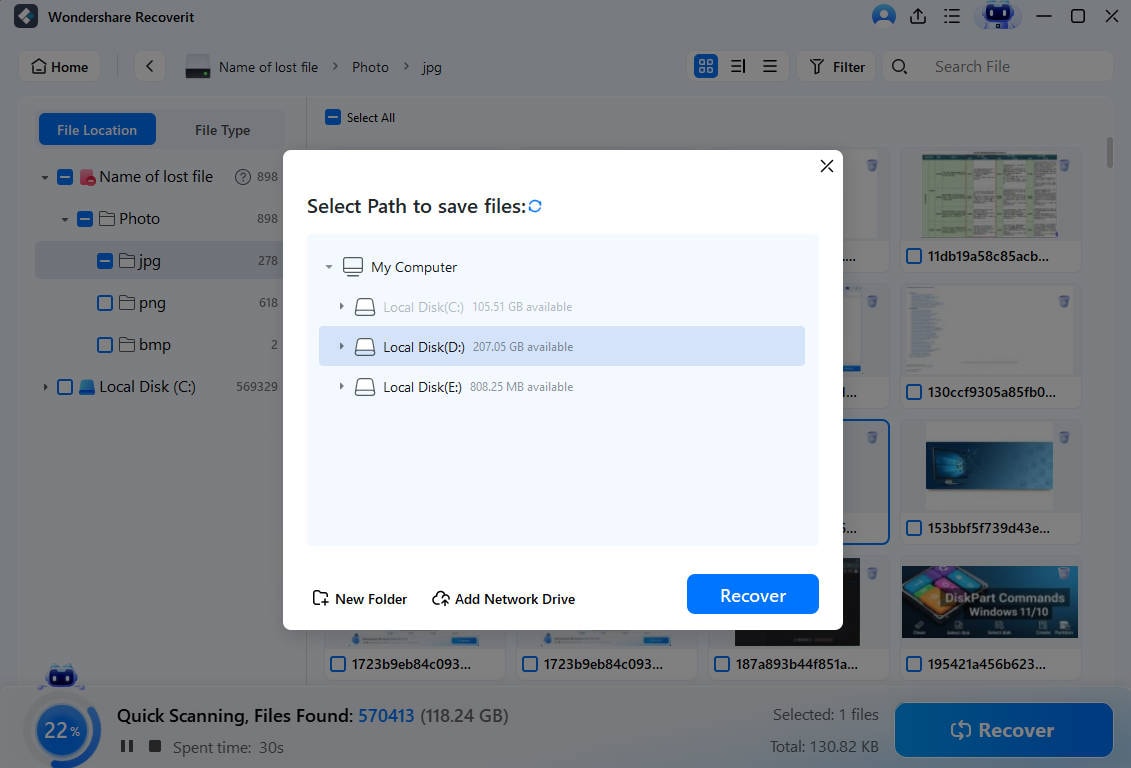
- Click on the "Recover" button and choose a safe location to save your recovered files.
📊 Comprehensive Architecture Matrix: Windows 10/11 Home vs. Pro
The following table outlines the architectural constraints, security extensions, and virtualization capabilities that separate the Home and Pro editions of Windows:
| Enterprise System Attribute | Windows 10/11 Home Edition | Windows 10/11 Pro Edition | Technical Capability & Benefit |
| BitLocker Drive Encryption | Not Available | Fully Supported | Secures local storage volumes using full-disk AES-XTS cryptographic algorithms. |
| Remote Desktop (RDP) | Client Only (View) | Host & Client Control | Allows secure incoming network sessions to access and control the desktop remotely. |
| Hyper-V Architecture | Not Available | Fully Supported | Built-in hypervisor tool that lets you run independent virtual machines inside Windows. |
| Windows Sandbox | Not Available | Fully Supported | Creates an isolated, temporary desktop environment to safely run unverified software files. |
| Group Policy Editor (gpedit.msc) | Not Available | Fully Supported | Provides deep registry control to manage user profiles, network rules, and system behavior. |
| Maximum System RAM Cap | 128 GB | 2 TB (Windows 10) / 6 TB (Windows 11) | Expands memory handling capabilities to support heavy development and engineering setups. |
| Azure Active Directory Join | Not Available | Fully Supported | Allows seamless cloud identity matching across corporate enterprise networks. |
| Assigned Access Configuration | Not Available | Fully Supported | Locks down devices to run a single specific application for secure public kiosk deployment. |
So, the primary distinction between the Windows 10/11 Home and Pro editions lies in the advanced features and capabilities offered by the Pro version. While the Home edition is designed for personal use, the Pro edition caters to the needs of businesses, power users, and professionals.
The Windows 10/11 Pro edition equips users with robust security features like BitLocker for disk encryption and advanced networking tools like Remote Desktop for remote access and control. Additionally, it includes virtualization support through Hyper-V, enabling users to run multiple operating systems simultaneously.
While the Windows 10/11 Home edition may suffice for basic personal computing needs, upgrading to the Pro edition unlocks a wealth of advanced features, security enhancements, and productivity tools, making it the preferred choice for power users, businesses, and professionals.
Conclusion
Upgrading from Windows 10/11 Home to Windows 10/11 Pro can unlock a wealth of advanced features and capabilities, enhancing your computing experience. Whether you choose to use the Settings app, perform a clean installation, or restore a previous Pro edition upgrade, this guide has provided you with the necessary steps and expert tips to ensure a successful upgrade.
Remember, backing up your data, ensuring compatibility, and following best practices are crucial to avoiding any potential issues during the upgrade process. With the added functionality and security features of Windows 10 Pro or Windows 11 Pro, you can enjoy a more powerful and productive computing experience.
FAQ
-
What if I encounter issues during the upgrade process from Windows 10 Home to Pro?
If you face any issues during the upgrade process, you can try running the Windows Update Troubleshooter or contacting Microsoft Support for further assistance. Additionally, you can perform a clean installation of Windows 10 Pro or Windows 11 Pro using the installation media. -
Is it free to upgrade Windows 11 Home to Pro?
No, upgrading from Windows 11 Home to Windows 11 Pro is not free. You will need to purchase a valid Windows 11 Pro product key or a Windows 11 Pro upgrade license from Microsoft or an authorized retailer. The cost of upgrading varies depending on the source and any available promotional offers. -
Is it worth upgrading from Windows 11 Home to Pro?
Whether it's worth upgrading from Windows 11 Home to Pro depends on your specific needs and usage scenarios. The Pro edition offers several advanced features and capabilities that can be beneficial for power users, professionals, and businesses. However, if you primarily use your computer for basic tasks like web browsing, media consumption, and light productivity work, the Windows 11 Home edition may suffice. -
Are there any specific hardware requirements for upgrading to Windows 11 Pro?
The hardware requirements for running Windows 11 Pro are the same as those for Windows 11 Home. Microsoft recommends the following minimum specifications:
Processor: 1 GHz or faster with 2 or more cores on a compatible 64-bit processor or System on a Chip (SoC)
1. RAM: 4 GB
2. Storage: 64 GB or larger storage device
3. System Firmware: UEFI, Secure Boot capable
4. TPM: Trusted Platform Module (TPM) version 2.0
5. Graphics Card: Compatible with DirectX 12 or later with WDDM 2.0 driver
6. Display: High definition (720p) display, 9" or greater monitor, 8 bits per color channel
It's important to note that while these are the minimum requirements, Microsoft recommends having more powerful hardware, especially for resource-intensive tasks or running multiple applications simultaneously.


