

 TL;DR:
The "HTML5 video file not found" error indicates a website's player cannot load or decode a streaming media source, which requires troubleshooting browser interference or broken server URLs rather than searching for deleted local files.
● To resolve browser conflicts on Chrome or iPhone Safari, clear cached images and cookies, test Incognito mode to bypass script blockers, or toggle Chrome's graphics acceleration setting.
● If a video fails across multiple browsers and devices, the website publisher must restore the missing source or fix HTTP server errors; installing unknown codec packs will not bypass a broken host link.
● Wondershare Recoverit 15 is strictly intended for retrieving or repairing your own original media physically lost from a local drive or SD card, under the condition that you stop writing to the affected device and save recovered files to a different healthy drive.
Ask AI for a summary
 ChatGPT
 Perplexity
 Gemini
 Claude
 Grok
Seeing "HTML5: video file not found" or "HTML5 video not found" when you press Play? The message generally means the website's video player cannot load or use the requested media. It does not necessarily mean a video stored on your phone or computer has been deleted. The source URL might no longer work, the site's streaming service may be unavailable, or browser settings might interfere with playback.
To fix an HTML5 video file not found error, first reload the page and try another known-working video. Then use the appropriate browser steps below. If only one website or one video fails across multiple devices, the website owner may need to fix the source. Video recovery software is relevant only when you own an original file that is actually missing from storage, not when an unrelated website's video won't stream.
In This Article
Part 1. What Does "HTML5 Video File Not Found" Mean?
HTML5 provides the webpage's <video> element; it is not itself a video file extension or a codec that you can download. A page may use that element to play MP4, WebM, or another supported media source, depending on the browser and the video's actual encoding. Understanding whether the player failed to find the source or failed to decode it helps avoid unnecessary software downloads.
Why the Video Player Cannot Find a Source
The exact wording varies by website and player, and one error message can represent several underlying failures. For example, a removed video can produce an unavailable URL; an expired session can prevent access to a private stream; an incompatible encoded stream can be downloaded but not decoded. The browser's HTML media error interface distinguishes network and decoding problems, although websites may display their own generic text instead.
- Unavailable source: A video file, playlist, or streaming segment was deleted, moved, or given an incorrect URL.
- Access or server problem: The hosting provider refuses the request, a login session expires, or the CDN fails to deliver a required segment.
- Browser-side interference: Stale website data, an extension, or a graphics rendering problem disrupts playback.
- Incompatible encoding: The video source exists, but the browser cannot decode its actual audio or video tracks.
Match the Error to the Right Solution
Before resetting settings, make a short comparison: does a different video work on the same website, and does the same video work in another browser or device? The results point to a more useful next step.
| What Happens | Most Useful First Check | Likely Responsibility |
| Only one video fails everywhere | Check if the video was removed or made private; contact the publisher | Source or website |
| One website fails, but videos on other sites work | Test another browser or device; then check site-specific blockers | Website, session, or browser settings |
| Several websites fail only in Chrome | Update Chrome, try Incognito, and test extensions | Local browser environment |
| Videos fail only on an iPhone | Test Safari and current iOS settings; check site data | Mobile compatibility or website |
| Your original MP4 has disappeared from an SD card or computer | Stop writing to that drive; check backups and consider file recovery | Local data loss, a different problem |
| A local video exists but fails in multiple offline players | Preserve a copy and check for actual file damage | Possible local file corruption |
Part 2. Five Ways to Fix HTML5 Video Not Found
Start with non-destructive tests. Reload the page, confirm the website is reachable, and try a different video or another browser before changing settings. These methods address Chrome on Windows or Mac and Safari on iPhone; they cannot restore a media file that the website has permanently removed.
Method 1: Update Chrome and Reload the Video
An outdated browser can miss compatibility or security updates, although updating will not restore a deleted stream. Try this when multiple sites fail or you have not relaunched Chrome after an update.
Step 1. Reopen the video page and press Ctrl + Shift + R on Windows, or Command + Shift + R on Mac, to request a fresh page load. If the website requires you to be signed in, check that your login is still valid.
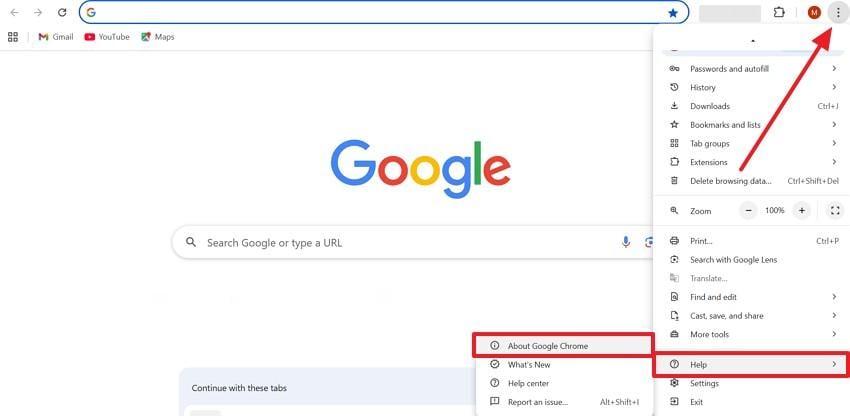
Step 2. In Chrome, select the three-dot menu > Help > About Google Chrome. Chrome checks for an available update on that screen.
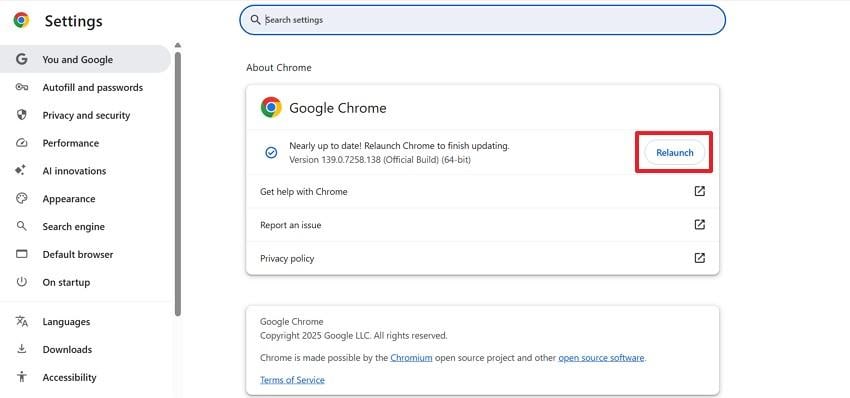
Step 3. If an update has been installed, choose Relaunch, return to the video, and try again. A website-level 404 or missing file will remain unresolved even after Chrome is current.
Method 2: Clear Cached Video Data and Cookies
Sometimes a page keeps an outdated script, player configuration, or session cookie. Clearing cached images and files may help it load current resources. Clear cookies only when necessary, since you may be signed out of websites.
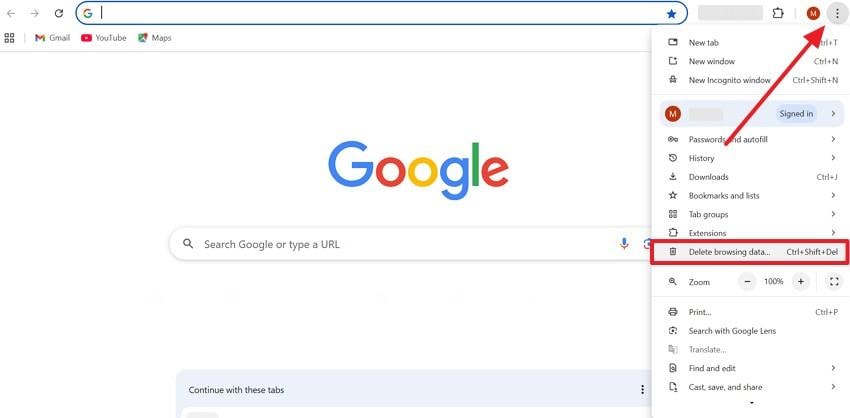
Step 1. In Chrome, select the three-dot menu > Delete browsing data. Alternatively, open Settings > Privacy and security > Delete browsing data.
Step 2. Pick a short Time range covering when the issue began. Select Cached images and files. If you still have a suspected sign-in issue, also select Cookies and other site data, understanding that websites may sign you out. Leave passwords and other unrelated data unchecked.
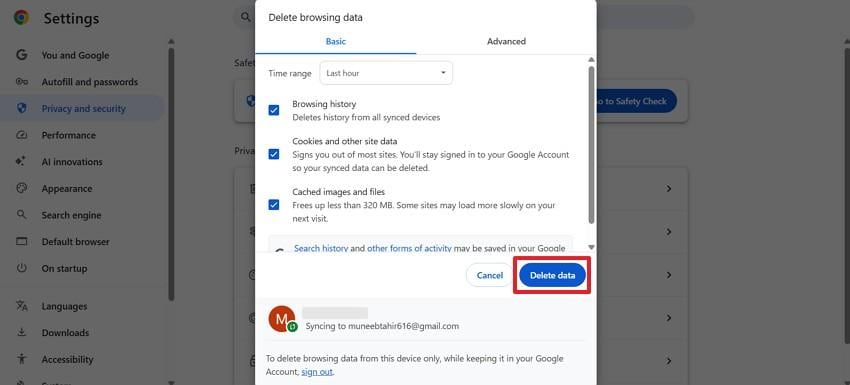
Step 3. Choose Delete data, sign in again if needed, and reload the video. Google's official video playback troubleshooting guide also recommends checking extensions and website data when online videos do not play.
Method 3: Check Incognito Mode and Extensions
Script blockers, privacy extensions, and some content filters can prevent a page from requesting a video source. Incognito is a useful comparison, but it is not a guaranteed fix, and extensions explicitly allowed in Incognito may still run.
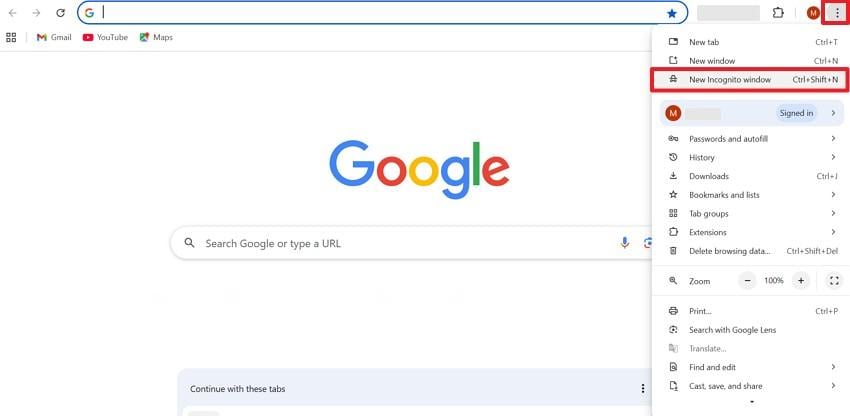
Step 1. Open the three-dot menu > New Incognito window and visit the same video page. Sign in if the video is private or requires a session.
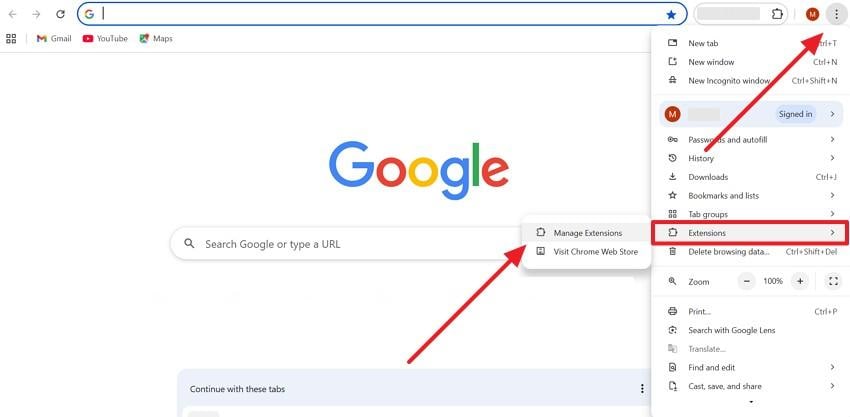
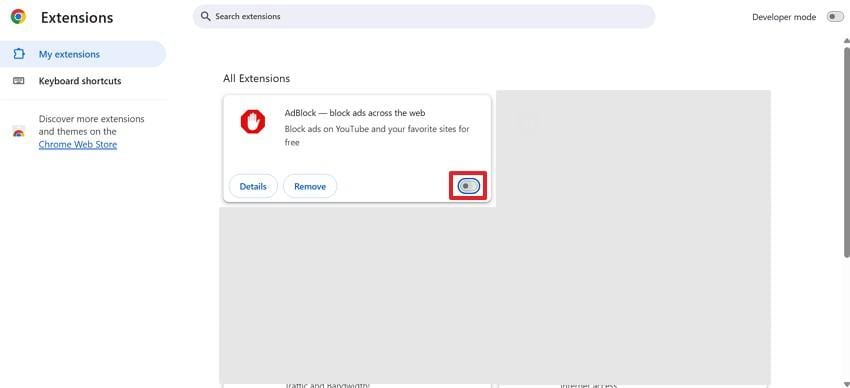
Step 2. If the video works in Incognito but fails in a normal window, open three-dot menu > Extensions > Manage extensions. Turn off suspect extensions temporarily, starting with ones that modify web content.
Step 3. Reload the video after each change. Re-enable each extension until you identify a conflict, and avoid leaving browser security protections disabled as a permanent workaround. If Incognito makes no difference, return the extensions to their original settings.
Method 4: Test Chrome Graphics Acceleration
Graphics acceleration can affect decoding and display. This test is most relevant when videos show a black or green frame, flicker, or crash; it is much less likely to help when the website returns a genuinely missing video URL.
Step 1. Open Chrome Settings > System.
Step 2. Toggle Use graphics acceleration when available to the opposite of its current setting, then choose Relaunch.
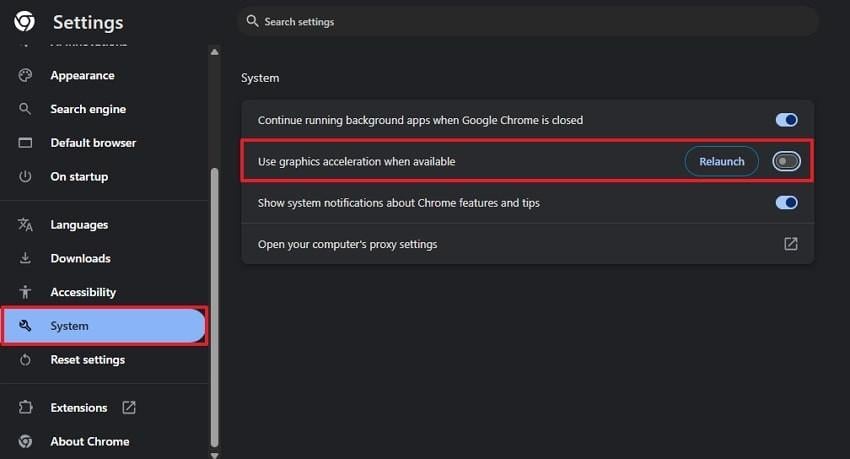
Step 3. Test the same video. If nothing changes or performance is worse, restore the original switch setting. Turning graphics acceleration off typically shifts more work from the GPU to software processing; it does not recreate a missing media source.
Method 5: Fix HTML5 Video Not Found on iPhone Safari
If the HTML5 video not found message appears on iPhone, begin with a fresh Safari page and a network comparison. Site-specific content blockers, cookies, and mobile encoding differences are possible causes, but a source missing from the website will fail regardless of phone settings.
Step 1. Open the video in Safari, reload once, and try another video on the same site. If available, test the same page in another browser or on another device to check whether the problem follows the video.
Step 2. If the issue appears tied to Safari's saved site data, open Settings > Apps > Safari, scroll to Clear History and Website Data, and select a suitable timeframe. The menu may be under Settings > Safari on older iOS versions.

Step 3. Confirm the action, then return to the video and sign in again if needed. If you prefer to keep browsing history, Apple also documents Safari > Advanced > Website Data > Remove All Website Data. Both options can remove website login information. See Apple's current Safari data-clearing instructions for the current menu.
Note: Do not disable general iPhone privacy or security protections, install unofficial media profiles, or download an unknown codec pack just because one website displays an HTML5 error.
Part 3. What If Only One Website or Video Is Broken?
If the same error follows one video across browsers and devices, a player setting may not be the cause. At this point, determine whether the site still makes the media available, rather than repeatedly clearing your device or downloading repair software.
ThisVid and Other Single-Site Playback Errors
Searches for "thisvid video file not found" are an example of site-specific intent. In a real April 2026 Reddit discussion about ThisVid playback, users reported that site navigation worked while videos displayed an HTML5 file-not-found message. Those reports demonstrate the symptom; they do not prove that the cause or a particular workaround is universal.
If other sites play normally but ThisVid or one other service does not, check for an official site notice, confirm you are authorized to view that particular video, and contact the provider if the problem persists on another device. A private, removed, or unavailable hosted video cannot be recreated by clearing browser cache or scanning your own hard drive.
Checks for Website Owners and Video Publishers
If you manage the website or uploaded the video, you have a different troubleshooting path from ordinary viewers. The following server-side signals help separate a missing file from access problems and decoding incompatibility.
- Inspect the media request: Open the browser's Network panel and reload the page. Identify the actual video URL, HLS/DASH manifest, or media segment. An HTTP 404 suggests the requested resource was not found; an HTTP 403 points to access denial. A 200 or 206 response means a resource was returned, but not necessarily that it is decodable.
- Verify the published source: Confirm video paths, case-sensitive file names, CDN deployment, expiring signed links, authentication requirements, and playlist segment URLs.
- Check the actual media encoding: Verify supported containers and codecs, appropriate Content-Type headers, and the browser's ability to decode the video. The MP4 extension alone does not guarantee browser compatibility.
- Retest the exact URL: Compare desktop and iPhone Safari, and reproduce with an authorized test account rather than assuming that all viewers can access the same stream.
The official Chrome DevTools Network guide explains how to inspect request status, initiators, and responses. If the hosted source was deleted, restore it from the website's own backups or upload a valid replacement. Viewer-side data recovery cannot retrieve an inaccessible file from someone else's server.
Part 4. What If Your Own Original Video Is Missing or Corrupted?
The previous methods focus on a video hosted on a website. Recoverit becomes relevant in a different situation: you recorded or saved the original on a drive, SD card, or other storage device, and that local file has actually been deleted or become inaccessible. A separate local file-repair step may help if a recovered original exists but cannot play in offline players.
Recover a Video Deleted From Your Own Device
For a lost original on detectable storage, stop taking photos or writing new data to that device. First check backups, trash, cloud libraries, or the device's original recording folder. If the video is still missing, a recovery scan may locate remaining recoverable data, but overwritten blocks and physically failing devices can make recovery impossible.
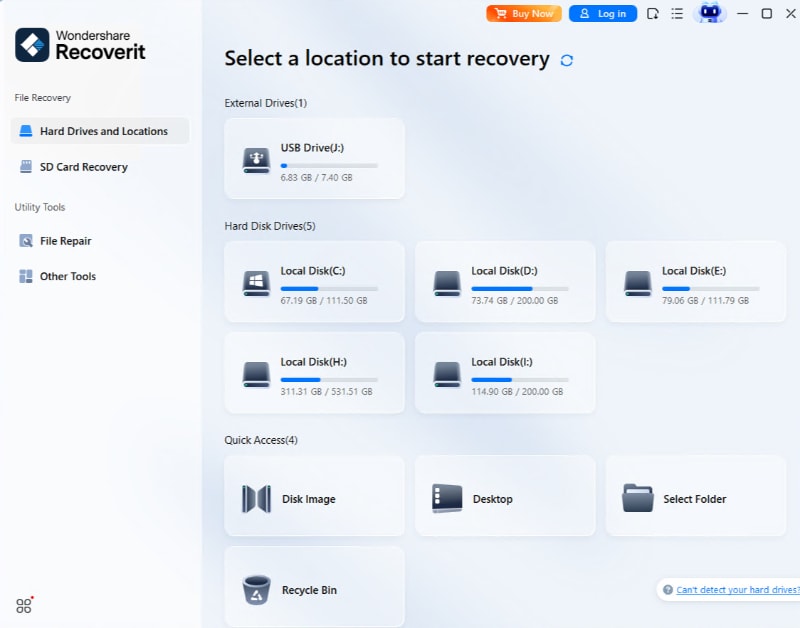
Step 1. Connect the source drive to a Windows computer if it is safe to do so. In Wondershare Recoverit 15, open Hard Drives and Locations and select the drive where the video was lost. Do not install Recoverit onto the affected drive.
Step 2. Start the scan and filter the results for videos. Use Preview on candidate clips where available to check their identity and playability before deciding what to recover.
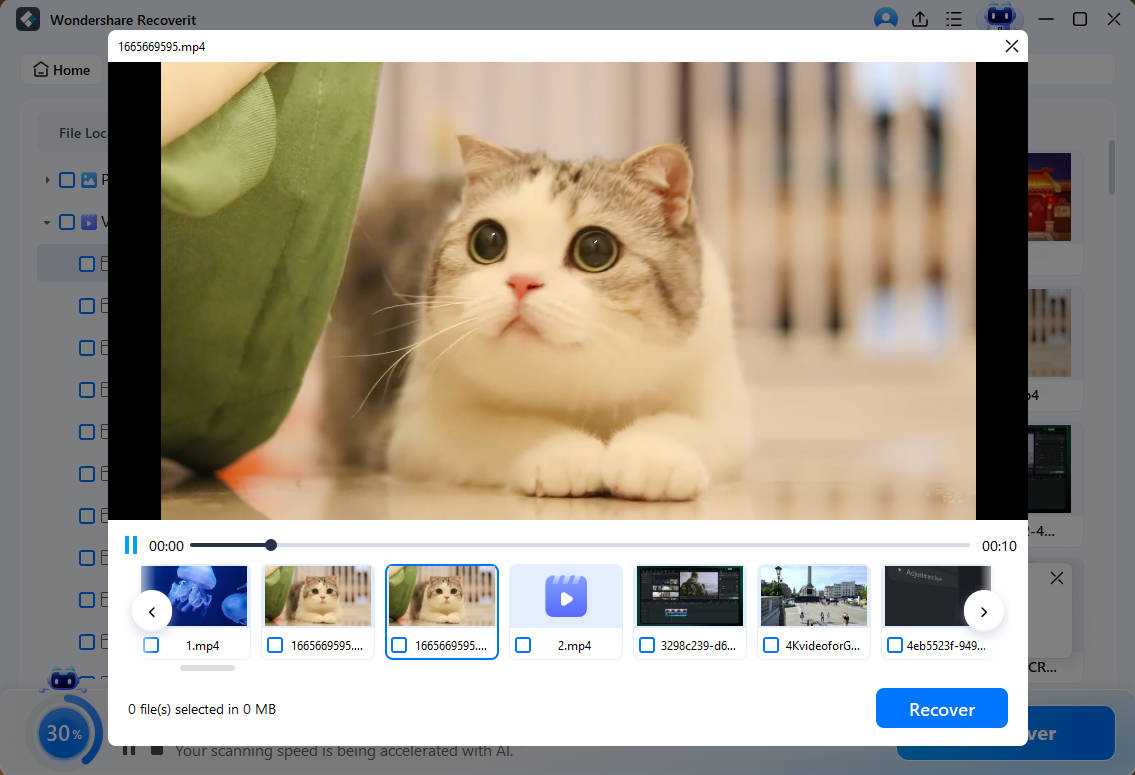
Step 3. Select the files you need, click Recover, and choose a different healthy drive as the save location. Never write the recovered output back onto the damaged or scanned source device.
Use the official Recoverit for Windows user guide for the latest on-screen workflow and its limits. Preview and recovery availability can depend on the file and license, and no software guarantees success after overwriting.
Repair a Recovered Video That Still Will Not Play
A file found by recovery software may still be incomplete or damaged. If an actual local MP4 or MOV fails to open in multiple offline players, preserve the original and attempt a repair on a copy. This cannot fix a missing video hosted by another website.
Step 1. In Recoverit 15, open File Repair, choose the video repair module, and select Add Files or Add Video to import the local damaged video.
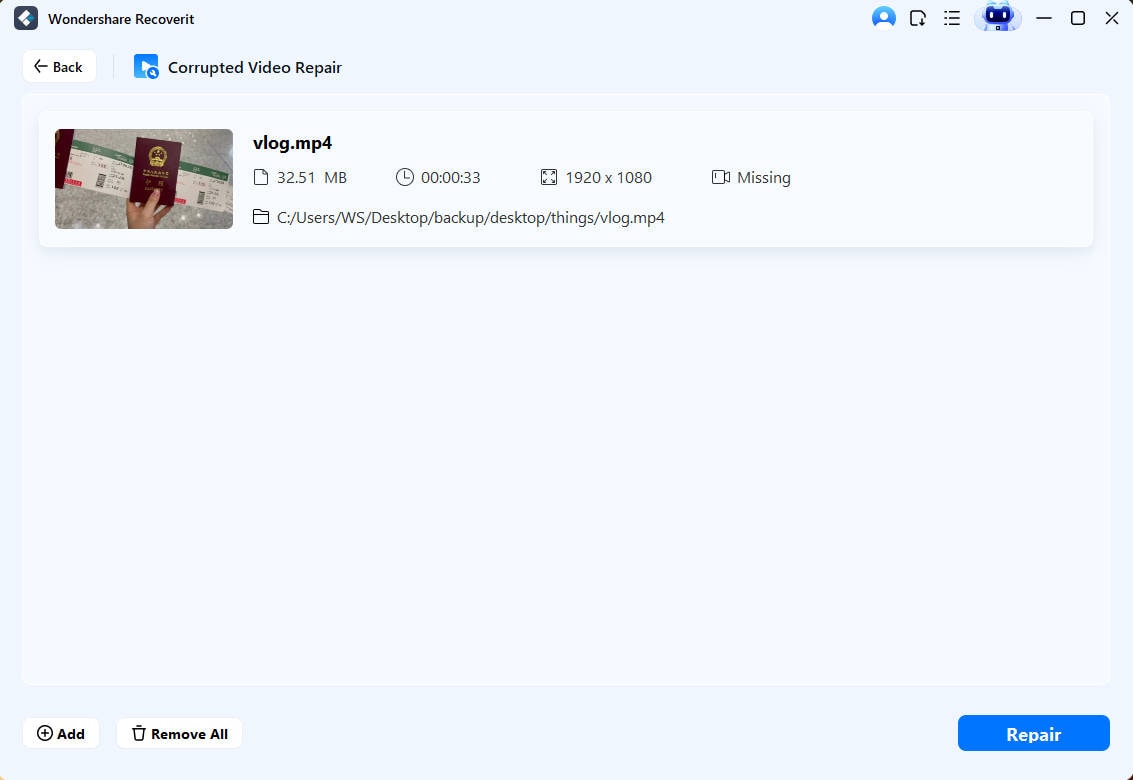
Step 2. Click Repair, then use Preview to check the result. For severely damaged material, Advanced Repair may request a healthy reference clip of the same format, preferably recorded by the same device.
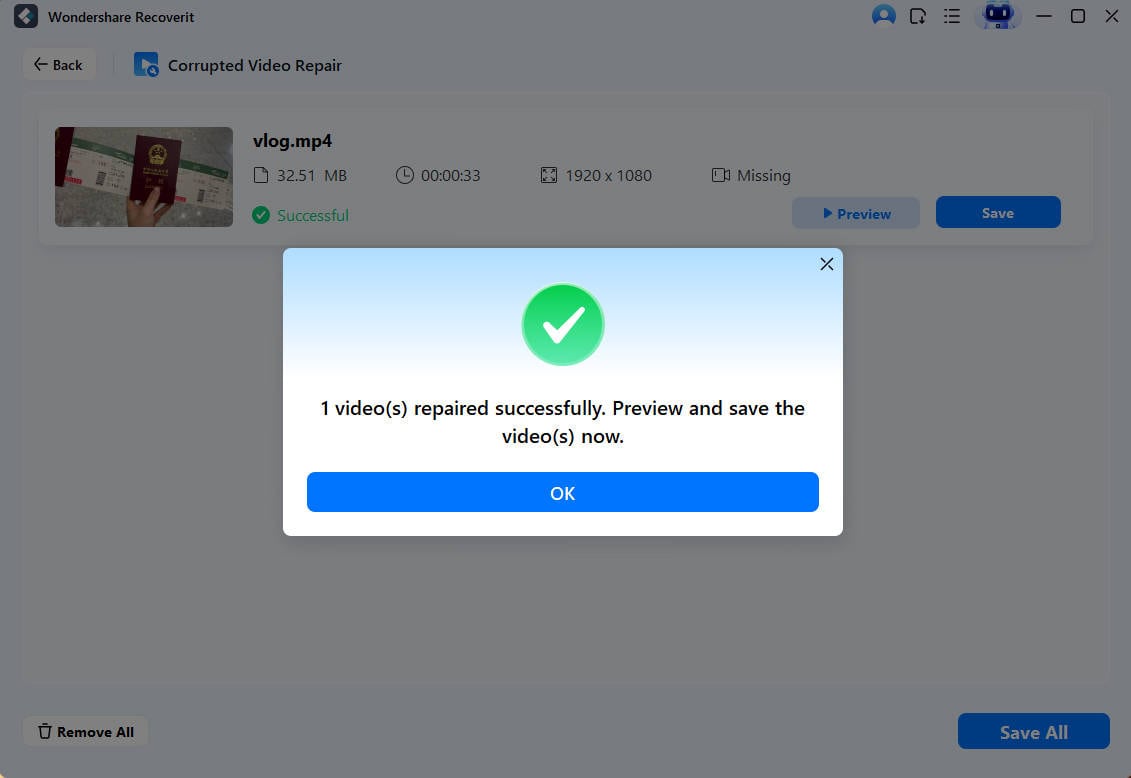
Step 3. If the preview is usable, save the repaired file to another healthy location and test the full clip. If the video data was overwritten or never fully recorded, repair may not be possible; do not mistake an exported file for proof that all footage was restored.
Conclusion
An HTML5 video file not found message usually calls for a browser, access, or website-source check, not a data-recovery download. Update Chrome, check cached data or extensions, or follow the current iPhone Safari settings when the failure is device-specific. When a particular stream is missing across devices, the publisher must investigate it. Use file recovery only for an original video missing from your own storage, and consider file repair only after you have a damaged local copy to work with.
FAQ
-
How do I fix HTML5 video file not found on Chrome?
Reload the page, check another video, update Chrome, and test Incognito. If the problem is confined to your browser, check extensions and cached website data. If one video fails everywhere, contact the site rather than installing a random codec pack. -
What does HTML5 video not found mean on iPhone?
Safari or the embedded player could not load or use the video source. Test another video and device first. If Safari data seems to be the cause, use the current iPhone Safari website-data controls, knowing they may sign you out. -
Why does ThisVid say HTML5 video file not found?
The website player may be unable to access or decode a particular stream. Check whether the problem affects other videos, whether your account has access, and whether it also happens in another browser. Public user reports cannot establish one universal cause or fix. -
Does HTML5 file not found mean my MP4 has been deleted?
No. HTML5 is a webpage video mechanism, not an MP4 file type. A website can show this message even while your local video files are intact. Only pursue data recovery when you have evidence an original file is missing from your own storage. -
Should I download an HTML5 codec or Flash plugin to fix the error?
Not as a general fix. Modern browsers provide HTML5 playback capabilities; an unknown codec pack or Flash plugin cannot restore a broken streaming URL. Check the real video format and current browser support before installing anything. -
Can Recoverit repair a video that has disappeared from a website?
No. Recoverit cannot retrieve a third-party site's missing media from its server. It is for supported local data-loss situations and, in supported versions, repair attempts on damaged local files. Results depend on file condition and are not guaranteed.


