

 TL;DR:
A Windows 10 black screen with a cursor usually indicates a frozen graphics output or a failed Windows Explorer process, which can often be safely resolved by pressing Win + Ctrl + Shift + B to refresh the display driver or using Ctrl + Shift + Esc to restart Windows Explorer directly from the Task Manager.
● Determine the timing of the error: a black screen before login points to startup or display connection problems requiring Safe Mode troubleshooting, while occurring after password entry indicates a corrupted user profile or desktop shell failure.
● Disable Fast Startup through the Control Panel Power Options while in Safe Mode, because this feature can continuously load damaged hybrid session data instead of initializing a fresh system boot.
● Avoid running intensive disk repair commands like chkdsk /r or triggering a full Windows reset if the drive exhibits clicking sounds or severe instability, and prioritize extracting unbacked files using a bootable USB recovery drive first.
Ask AI for a summary
 ChatGPT
 Perplexity
 Gemini
 Claude
 Grok
Grok
A Windows 10 black screen with cursor can make your PC feel unusable. The system may turn on, the mouse pointer may still move, but the login screen, desktop, taskbar, or icons never appear. This issue can happen before login, after login, during startup, after a Windows update, or after waking the computer from sleep.
In many cases, the problem does not mean Windows is completely broken. It may be caused by a frozen display output, a failed Windows Explorer process, a graphics driver issue, Fast Startup, a startup app conflict, damaged system files, or a corrupted user profile.
This guide helps you identify when the black screen appears and choose the safest fix first. Start with quick display checks and keyboard shortcuts, then move to Safe Mode, driver repair, system repair, or reset options only if needed.
Important: If the PC keeps returning to a black screen and your files are not backed up, recover important data before resetting Windows, reinstalling the system, or running deeper disk repairs.
In this article
-
- Fix 1. Refresh the Graphics Driver and Switch Display Mode
- Fix 2. Restart Windows Explorer from Task Manager
- Fix 3. Sign Out, Restart, or Boot from the Security Screen
- Fix 4. Start Windows 10 in Safe Mode
- Fix 5. Turn Off Fast Startup
- Fix 6. Disable Startup Apps and Perform a Clean Boot
- Fix 7. Roll Back, Update, or Reinstall the Display Driver
- Fix 8. Repair System Files With SFC, DISM, and CHKDSK
- Fix 9. Run Startup Repair, System Restore, or Uninstall Recent Updates
- Fix 10. Create a New User Profile or Reset Windows 10
Part 1. Quick Diagnosis: Which Black Screen with Cursor Problem Do You Have?
Before fixing the Windows 10 black screen with cursor, identify when it appears. A black screen before login often points to startup, display, or driver problems. A black screen after login usually means Windows signs in, but the desktop shell, Explorer, startup apps, or user profile fails to load.
Symptom Checker Table
Use the table below to identify the screen behavior, understand the likely cause, and choose a safer first action before trying deeper Windows repairs:
| Symptom | Likely Meaning | Safer First Action |
| Cursor before login | Sign-in loading problem | Check the display, then restart |
| Cursor after password | Explorer or profile issue | Restart Explorer |
| Black screen after update | Driver or update conflict | Use Safe Mode |
| External monitor works | Projection setting issue | Switch display mode |
| Repeated black screen | Startup damage possible | Protect files first |
Before Login vs After Login: Why It Matters
Before login, a black screen appears while Windows prepares the sign-in screen, so display detection, startup services, or boot settings may be involved. After-login cases occur once the account opens, but the desktop fails to load. That difference matters because Task Manager, Safe Mode, or startup repair may fit different stages.
When to Stop Troubleshooting and Protect Your Files First
Stop experimenting if the screen returns after every forced restart. Repeated shutdowns can increase the risk of file corruption on unstable systems. Therefore, protect files first when important documents, photos, or work projects exist. Furthermore, use recovery media or trusted recovery software before reinstalling Windows.
Part 2. What Causes Windows 10 Black Screen with Cursor?
Now that the symptoms are easier to recognize, reviewing the common causes below can make each troubleshooting step clear:
- Software and Windows Causes: A Windows 10 black screen with a cursor after login often points to an Explorer failure. Driver corruption, update errors, startup conflicts, or profile damage may also interrupt loading.
- Display, Hardware, and Connection Causes: Display faults can create blank output even when Windows keeps running internally. Similarly, loose cables, projection errors, overheating, weak graphics, or failing storage may disrupt visibility.
- Boot and Recovery Causes: Boot problems usually appear earlier because Windows cannot complete startup initialization. Damaged boot files, failed updates, interrupted recovery, or corrupted data may affect loading.
Part 3. Quick Checks Before Trying Advanced Fixes
Once the main causes are clear, the quick checks below help confirm safer starting points before moving toward advanced Windows repair methods:
- Check Monitor, Cables, and Input Source: Start with the visible display path before treating Windows as failed. Secure cables, confirm the input source, then test another available DisplayPort connection.
- Wake or Refresh the Display: Sometimes, Win 10 black screen with cursor appears when the display output freezes. Move the mouse, press Ctrl + Alt + Delete, then wait briefly for a response. Next, press Win + Ctrl + Shift + B to refresh the graphics driver quickly. A beep or brief flicker suggests Windows is still responding internally.
- Try Essential Keyboard Shortcuts: Use shortcuts to test hidden Windows functions without repeating the display refresh. Press Ctrl + Shift + Esc, Win + P, or Alt + Tab for a response.
- Disconnect External Devices: External devices can interrupt startup when Windows reads them incorrectly during loading. Thus, remove USB drives, docks, printers, and extra monitors, then restart carefully.
Part 4. Windows 10 Black Screen with Cursor: 10 Fixes to See Your Desktop Again
With the basic checks finished, the following fixes can help restore Windows access and bring the desktop back safely:
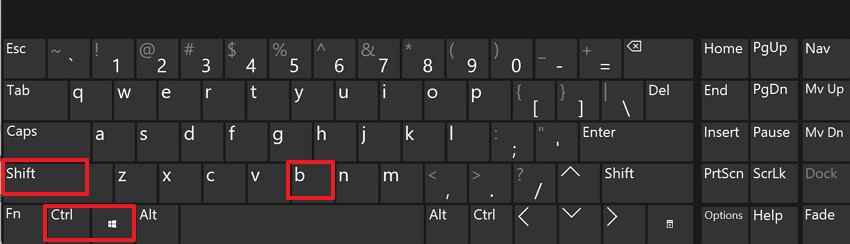
Fix 1. Refresh the Graphics Driver and Switch Display Mode
A Windows 10 black screen with a cursor often reflects a frozen graphics output. Switching display modes or refreshing the driver can restore the visible desktop. Therefore, follow these instructions to refresh output without deeper system changes:
- Press “Win + Ctrl + Shift + B,” then wait for a beep or flicker.
- Afterward, hold “Win + P,” choose another display mode, and press “Enter.”
Fix 2. Restart Windows Explorer from Task Manager
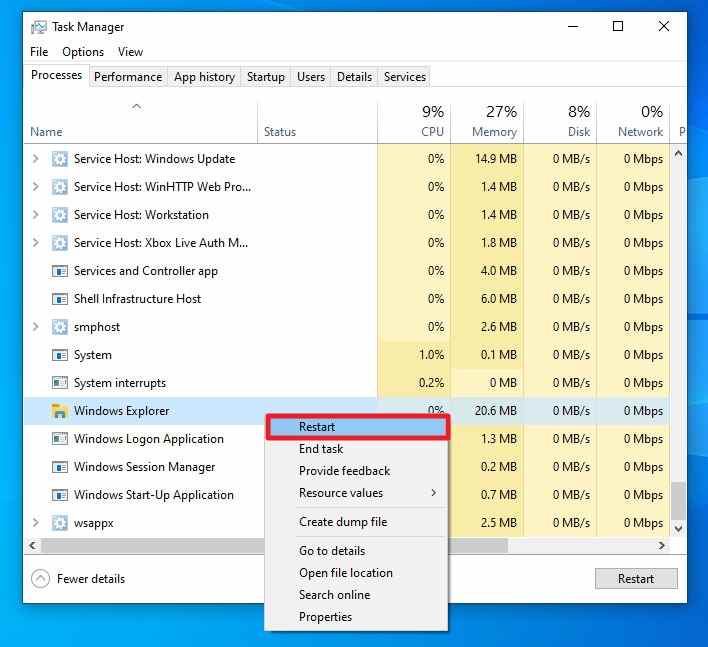
Explorer failure can leave Windows running while hiding the desktop and taskbar. Thus, restarting it from Task Manager reloads the shell without rebooting Windows. Use these instructions to relaunch Explorer from Task Manager safely:
- First, hold “Ctrl + Shift + Esc” to access “Task Manager.”
- Now, locate the “Windows Explorer” and right-click to choose “Restart.”
Fix 3. Sign Out, Restart, or Boot from the Security Screen
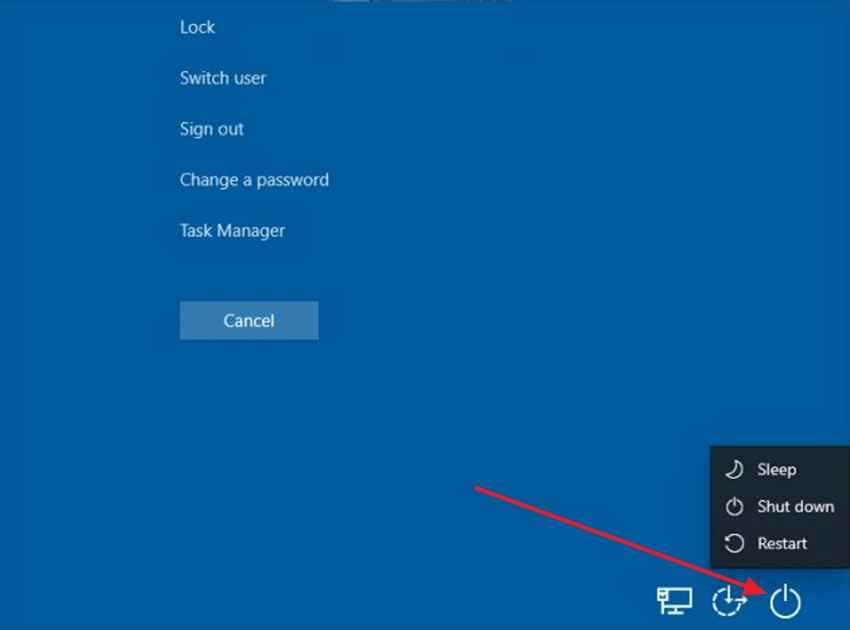
Black screen and cursor Windows 10 cases may still show security options. That menu can sign out, restart, or open recovery controls cleanly. However, try these instructions before forcing another manual shutdown on Windows:
- From the black screen, press “Ctrl + Alt + Delete” to open the security screen.
- Click the “Power” icon, then select “Restart” to remove temporary bugs.
Fix 4. Start Windows 10 in Safe Mode
Safe Mode starts Windows with limited drivers, services, and background programs. If the desktop appears there, normal startup software likely blocks loading. Follow these steps to enter Safe Mode for cleaner testing:
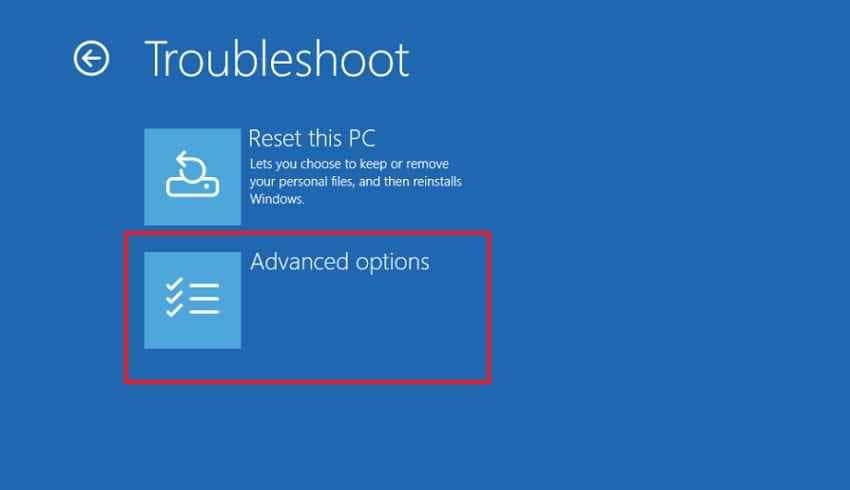
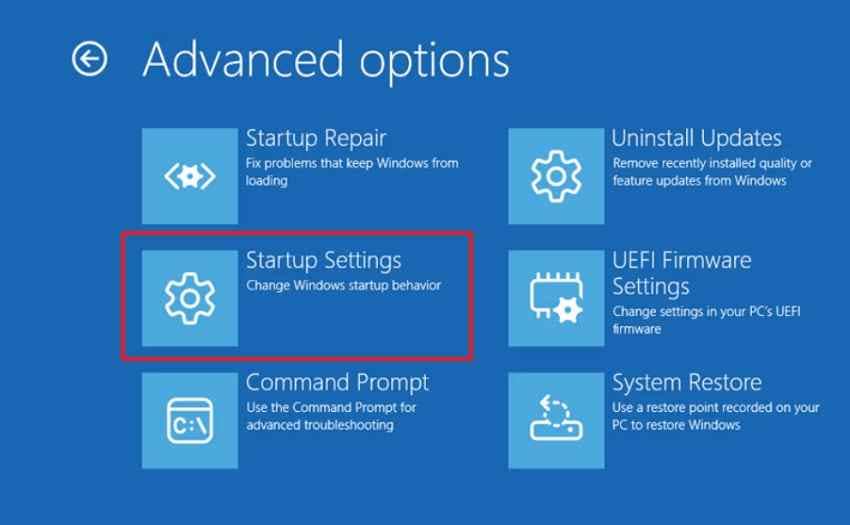
Step 1. Force the PC into the Windows Recovery Environment (WinRE) by interrupting the startup process 3 times. Once WinRE appears, select “Troubleshoot > Advanced options.”
Step 2. Choose “Startup Settings > Restart.” Press 4 or F4 to boot into Safe Mode.
Fix 5. Turn Off Fast Startup
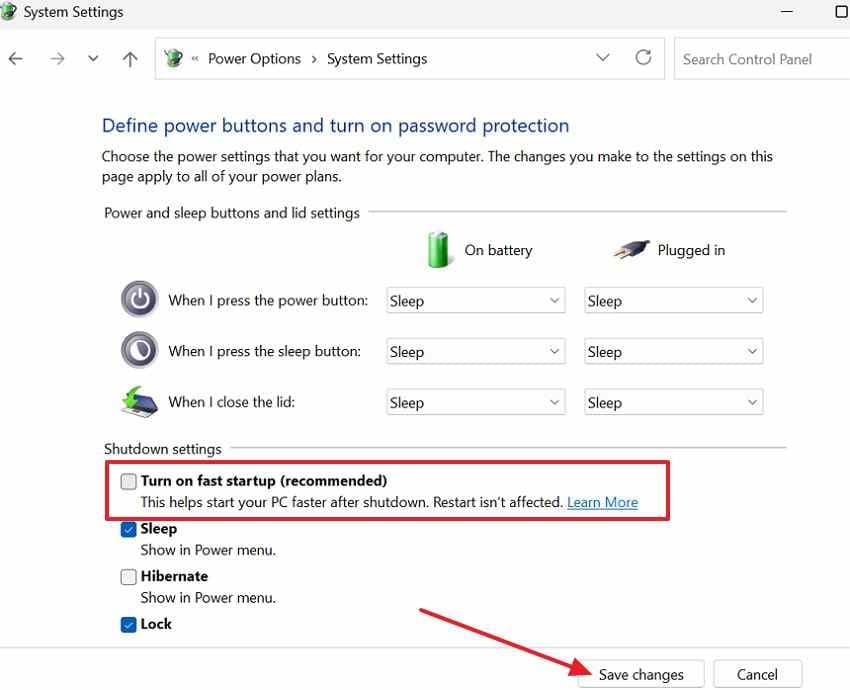
A faulty hybrid startup can trigger Windows 10 with a black screen and cursor. Fast Startup may reuse damaged session data instead of loading Windows freshly. Therefore, use these steps to disable Fast Startup and restart:
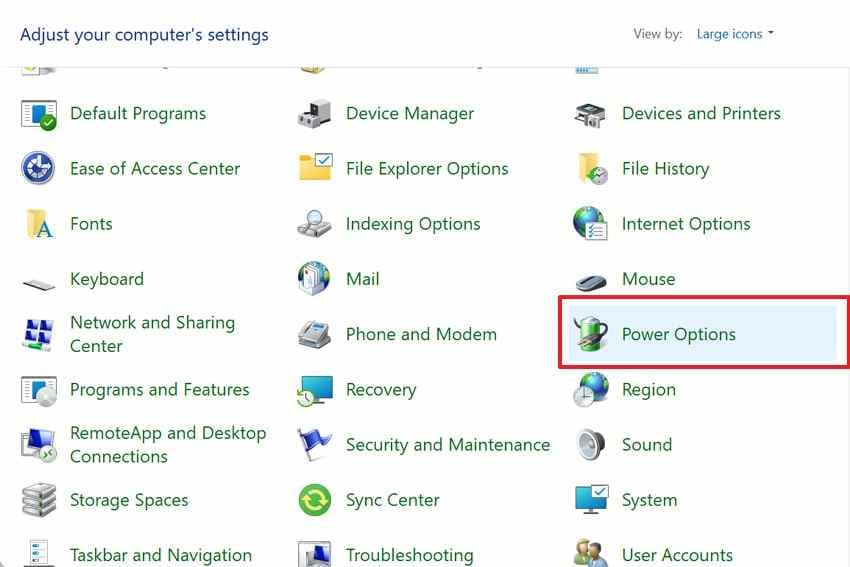
Step 1. Restart your computer in Safe mode and access the “Control Panel > Power Options > Choose What Power Buttons Do.”
Step 2. Click “Change Settings > Uncheck Turn on Fast Startup > Save Changes.”
Fix 6. Disable Startup Apps and Perform a Clean Boot
Startup programs can load too early and interrupt the desktop session. A clean boot helps you isolate third-party services from essential Windows components during startup. Follow these steps to narrow down the startup conflict:
Step 1. In Safe Mode, navigate to “Task Manager > Startup” to disable unnecessary apps.
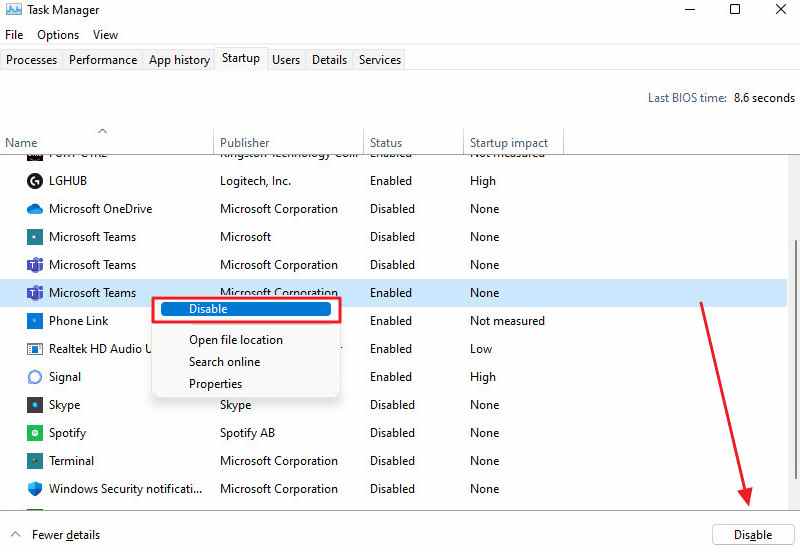
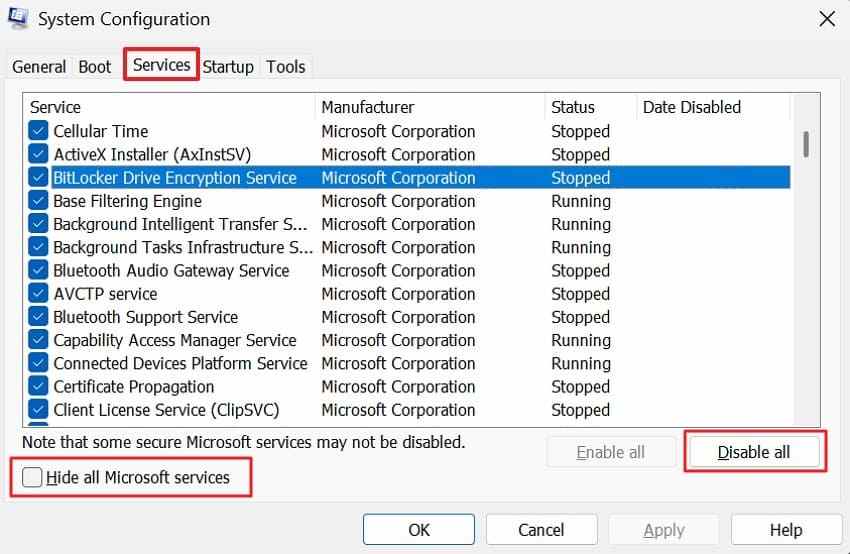
Step 2. Search “msconfig> System Configuration > Services > Enable Hide All Microsoft Services” and press “Disable All" to perform a clean boot.
Fix 7. Roll Back, Update, or Reinstall the Display Driver
Driver faults may explain when Windows 10 boots to a black screen with a cursor. Rollback, update, or reinstall options target the broken driver state directly. Therefore, follow these steps to rebuild the graphics driver path:
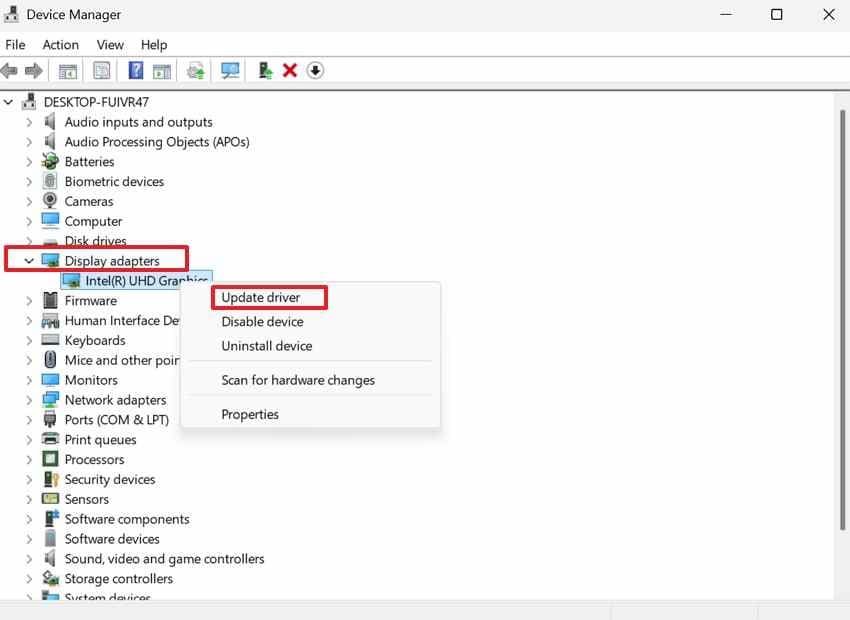
Step 1. In the Safe Mode, open “Device Manager > Display Adapters > Right-Click Drivers > Update Drivers.”
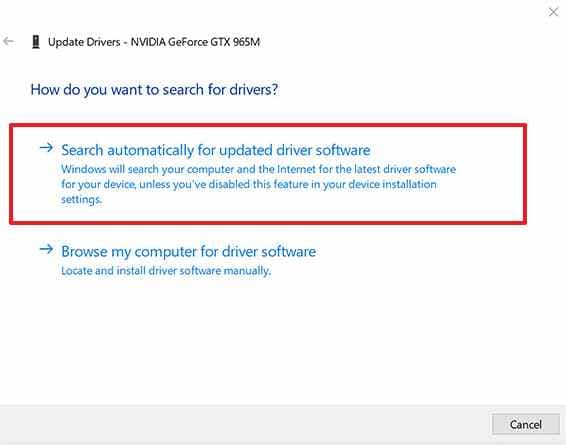
Step 2. Afterward, choose “Search Automatically for Updated Driver Software.”
Fix 8. Repair System Files With SFC, DISM, and CHKDSK
System corruption can prevent Windows from loading the files required for the desktop interface. Disk errors may also affect startup, login, and desktop initialization. Start with SFC and DISM, then use CHKDSK only when needed.
<br>Important: If the drive makes clicking sounds, disappears from BIOS, runs extremely slowly, or contains important files that are not backed up, recover your data before running chkdsk /r. Disk repair commands may stress a failing drive.
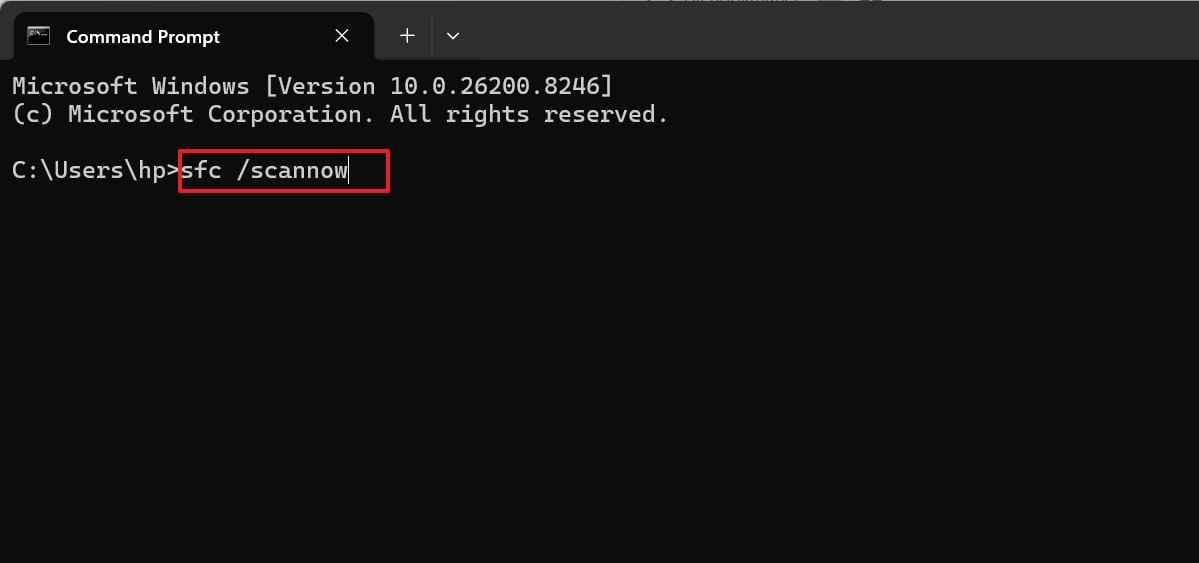
Step 1. Access CMD from Windows Recovery Environment (WinRE) and run “sfc /scannow.”
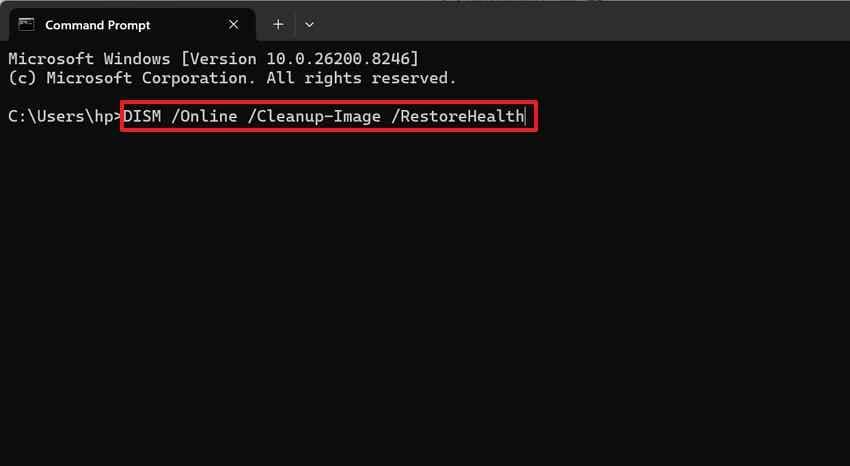
Step 2. Then, run “DISM /Online /Cleanup-Image /RestoreHealth.”
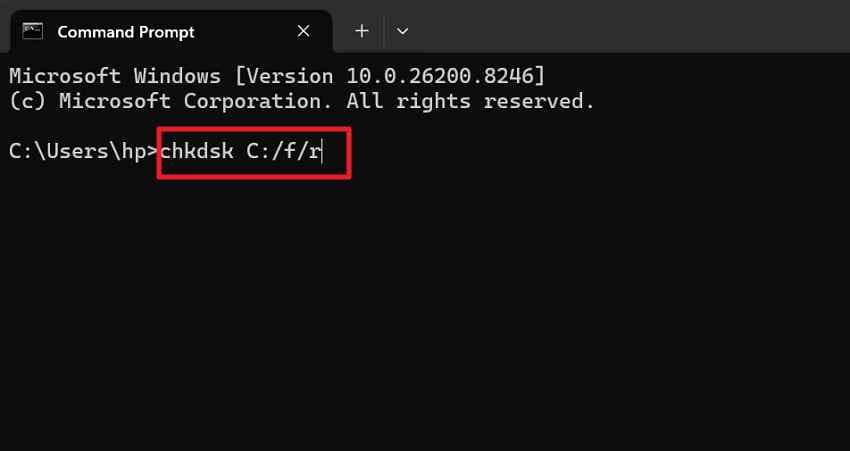
Step 3. Next, type “chkdsk C: /f /r” and confirm a restart if prompted.
Fix 9. Run Startup Repair, System Restore, or Uninstall Recent Updates
Windows 10 startup black screen with cursor often follows failed updates. Repair tools can reverse damaged startup changes without immediately erasing everything. However, follow these instructions before choosing full reinstallation options too quickly:
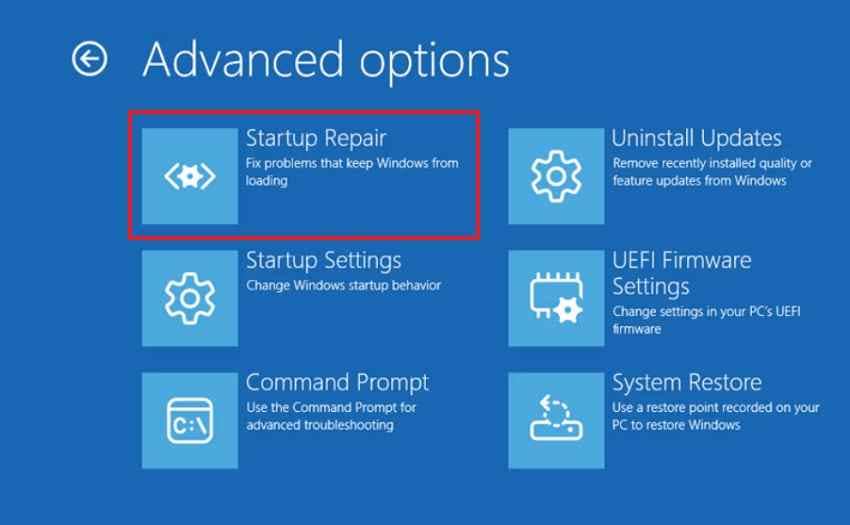
- Restart the computer in WinRE, then select "Troubleshoot> Advanced Options.”
- Choose "Startup Repair, System Restore, or Uninstall Updates."
Fix 10. Create a New User Profile or Reset Windows 10
System corruption can sometimes prevent Windows from loading correctly, even when the hardware works normally. Resetting Windows reinstalls the operating system and can resolve deeper startup issues. Finally, follow these steps below to reset Windows 10:
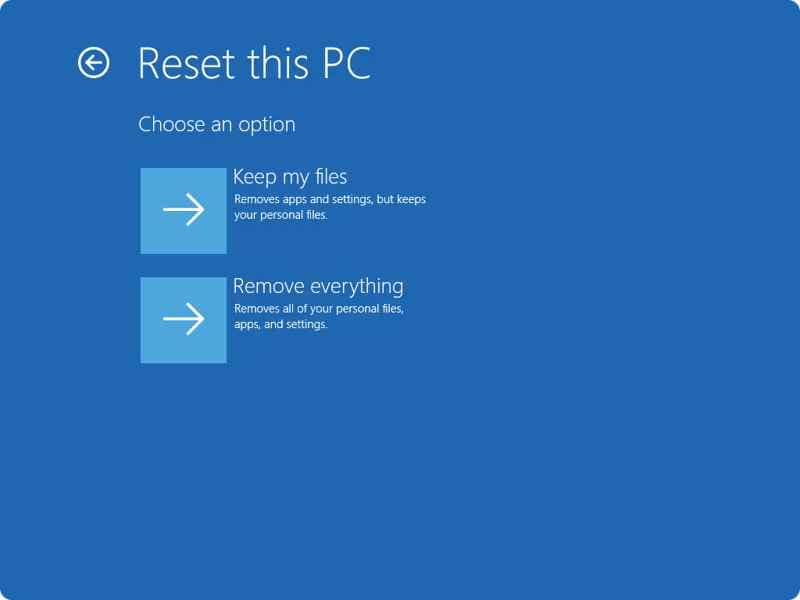
Step 1. In WinRE, navigate to “Troubleshoot > Reset this PC.”
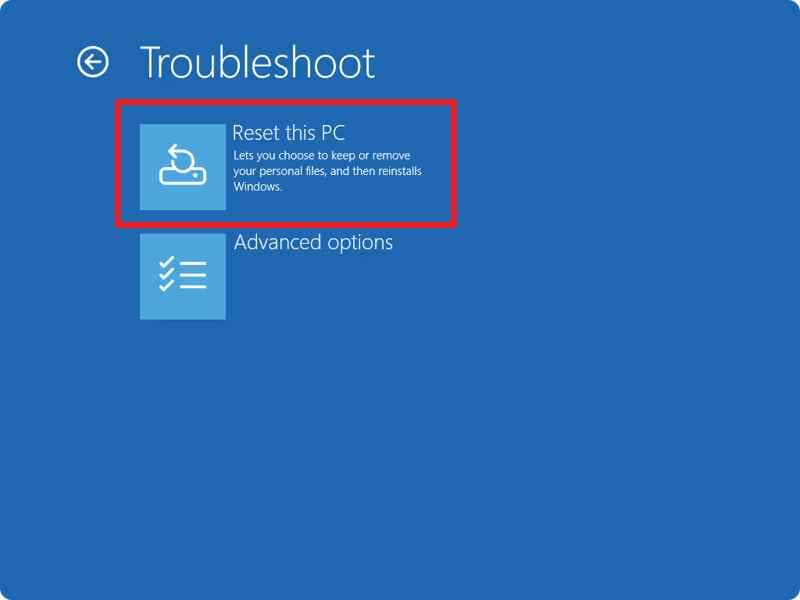
Step 2. Choose “Keep My Files” or “Remove Everything,” then follow the prompts to reset Windows.
Part 5. Windows 10 Still Boots to a Black Screen? Recover Important Files First
When Windows still opens to a black screen after several fixes, file safety should come before deeper repair attempts.
Why Data Recovery Comes Before Risky Fixes
Repeated repairs can overwrite temporary data, damage unstable files, or reduce recovery chances. Therefore, important documents, photos, videos, and work files should be recovered before resets or reinstallations begin.
Recommended Tool: Recoverit Data Recovery
When Windows 10's black screen with cursor keeps returning suddenly, repairs become risky. Recoverit Data Recovery helps users recover files before deeper system changes begin safely. It can scan the affected drive for documents, photos, videos, and archives. This AI-powered approach protects personal data before resets, reinstallations, or aggressive repair commands.
Recoverit is useful when Windows remains unstable, but files still matter. Users can recover data from internal drives, external devices, and crashed computers. Moreover, preview options help confirm needed files before saving them elsewhere. However, it is best used to secure important files before continuing with Windows troubleshooting steps.
Key Features
- Bootable Recovery Drive: Creates a bootable USB drive so users can access files when Windows won't start.
- Crashed Computer Recovery: Recovers data from unbootable computers without needing normal desktop access or a successful login directly.
- External Save Support: Lets users save recovered files to another drive, reducing overwrite risks during repair processes.
How to Recover Files with Recoverit When Windows Doesn’t Boot
Once file safety comes first, the steps below show how Recoverit helps recover important data from an unbootable Windows system:
Step 1. Select the USB Flash Drive
Open the “System Crashed Computer” tool on a working computer, attach and select the blank USB drive, and click “Start” to create media.

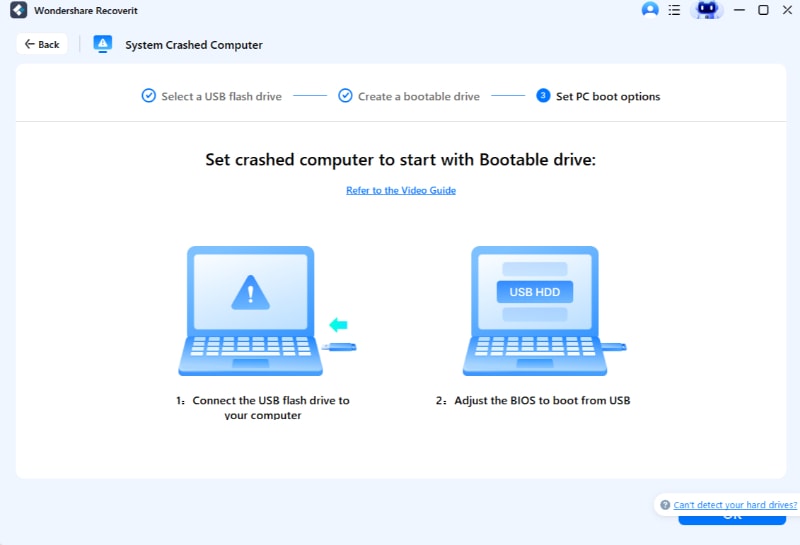
Step 2. Set the PC Boot Option
Next, connect the USB to your crashed computer, enter the BIOS, and choose "USB HDD” as the boot device.
Step 3. Recover Files from the Crashed Computer
Afterward, choose “Data Recovery," scan the affected drive, and save files to external storage.

What Files Should You Recover First?
Prioritize recovering essential documents, work projects, photos, videos, and financial records. Once critical data is secured, focus on less important files, as applications and system components can usually be reinstalled later.
Part 6. How to Prevent Windows 10 Black Screen with Cursor Issues in the Future
The following tips can help prevent black screen and cursor Windows 10 issues from affecting startup, login, or normal desktop use in the future:
- Update Display Drivers Carefully: Install stable GPU updates from official sources and avoid interrupting driver installations.
- Keep Windows Updated: Apply Windows updates regularly, but restart only after saving work and closing programs.
- Limit Startup Apps: Disable unnecessary startup apps so Windows can load the desktop without added pressure.
- Check Display Connections: Keep monitor cables secure, and replace damaged HDMI, VGA, or DisplayPort connectors promptly.
- Maintain Regular Backups: Back up important files frequently before updates, driver changes, or major repairs.
Conclusion
To conclude, Windows 10 boots to a black screen with a cursor, which needs careful diagnosis before risky repairs begin. Check the login stage, display behavior, drivers, startup settings, and user profile first. Act promptly, as repeated failed startups and repair attempts may increase the risk of file corruption or data loss over time. If files remain at risk, secure them early with Recoverit Data Recovery.
Next: How to Fix Windows 10/11 Black Screen After Login?
Frequently Asked Questions
-
Why does Windows 10 show a black screen with only the cursor?
It often happens when Windows loads partially but the desktop does not appear. Common causes include Windows Explorer failure, graphics driver problems, display output errors, Fast Startup conflicts, corrupted system files, failed updates, or a damaged user profile. -
How do I fix Windows 10 black screen with cursor after login?
Start by pressing Ctrl + Shift + Esc to open Task Manager, then run explorer.exe. If that works, restart Windows Explorer, disable suspicious startup apps, update or roll back display drivers, and check for a corrupted user profile. -
How do I fix Windows 10 black screen with cursor before login?
Check the monitor, cable, and input source first. Then press Windows + Ctrl + Shift + B, try Windows + P to switch display mode, disconnect extra devices, and boot into Safe Mode or Windows Recovery Environment for driver repair or Startup Repair. -
Can Fast Startup cause Windows 10 to boot to a black screen with cursor?
Yes. Fast Startup can sometimes cause startup or wake issues, especially after driver changes, updates, or improper shutdowns. Disabling Fast Startup in Safe Mode may help. -
Will resetting Windows 10 fix the black screen with cursor?
Resetting Windows may fix persistent black screen problems caused by system corruption, but it should be used as a last resort. Back up or recover important files first, especially if you choose an option that removes apps or personal data. -
Can I recover files from a Windows 10 PC stuck on a black screen?
Yes. If Windows will not boot or the desktop is inaccessible, a bootable recovery tool such as Recoverit can help scan the drive and recover important files before you reset, reinstall, or repair Windows. -
Is black screen with cursor the same as black screen of death?
They are related terms, but not always the same. A black screen with cursor usually means Windows or the display environment has partially loaded, while a complete black screen with no cursor may point more strongly to display, power, GPU, or boot failure. -
Should I update BIOS to fix Windows 10 black screen with cursor?
Only consider BIOS updates after safer fixes fail and when the PC manufacturer specifically recommends it. BIOS updates carry risk if interrupted or done incorrectly, so they are not a first-step solution for most users.


