TL;DR:
When a USB drive appears empty but shows used space, the files typically remain on the physical storage but are rendered invisible by hidden attributes, directory corruption, or malware, which can usually be resolved using native Windows utilities.
● To restore file visibility natively, enable Hidden Items in File Explorer, run chkdsk [drive letter]: /f /r /x via an Administrator Command Prompt to repair logical errors, or execute attrib -h -r -s /s /d [drive letter]:\*.* to strip hidden and system attributes.
● If logical repairs fail or the directory is severely damaged, you must format the drive to rebuild the file system, but since formatting permanently erases data, use an extraction tool like Wondershare Recoverit—which offers up to 500MB of free recovery—before proceeding.
Ask AI for a summary
 ChatGPT
 Perplexity
 Gemini
 Claude
 Grok
Grok
When you connect a flash drive, you expect immediate access to your data. It is incredibly frustrating when a folder appears vacant despite having no space. You might notice that your USB shows empty but is full during use.
This technical discrepancy often suggests that your files are hidden or even corrupted. Yet, the data usually remains intact on the physical storage of the device. Hence, this guide explores several methods to restore visibility to your missing files.
Try Recoverit to Perform Data Recovery
 Security Verified. 3,591,664 people have downloaded it.
Part 1. What It Means When USB Shows Empty But Is Full
The term “USB shows empty but is full” defines a condition where storage space appears occupied, but files are invisible. This specific condition occurs when storage capacity is occupied by invisible binary data. Essentially, your operating system registers the presence of files on the flash drive. However, the user interface fails to display these items in the main folder.
This gap between used capacity and visible content indicates a common system error. It often occurs when the file directory becomes corrupted or even damaged. Therefore, your drive is not truly empty because the binary data remains there. The computer cannot map the path to your specific documents or photos.
Part 2. Why USB Storage Can Appear Empty Despite Being Full - 5 Causes
Users experience “USB files not showing but space used” for various technical reasons. Yet, below are a few root causes before restoring visible files:
- Hidden Files: Some files are marked hidden or system, so Explorer cannot display them. Despite being invisible, these files still occupy storage space on the external drive.
- File Corruption: Improper ejection or sudden power loss can corrupt the USB’s file system. As a result, the directory loses mapping, causing stored files to disappear from view.
- Large Metadata: Every file system requires some overhead space to manage your documents. This invisible metadata can consume a noticeable portion of your total capacity.
- Fake Capacity: Counterfeit USB drives report more capacity than they actually have. Overwriting occurs silently, leaving files invisible while space appears to be used.
- Hardware Failure: Many times, a failing USB controller or NAND chip can misreport storage capacity. Therefore, physical defects cause the drive to display inaccurate space information.
Part 3. USB Shows Empty? How to Reveal Hidden Files and Recover Space
When your “USB hidden files taking up space,” it can make the drive appear empty. Yet, the given 9 methods will help reveal files and recover storage:
Way 1. Show Hidden Files
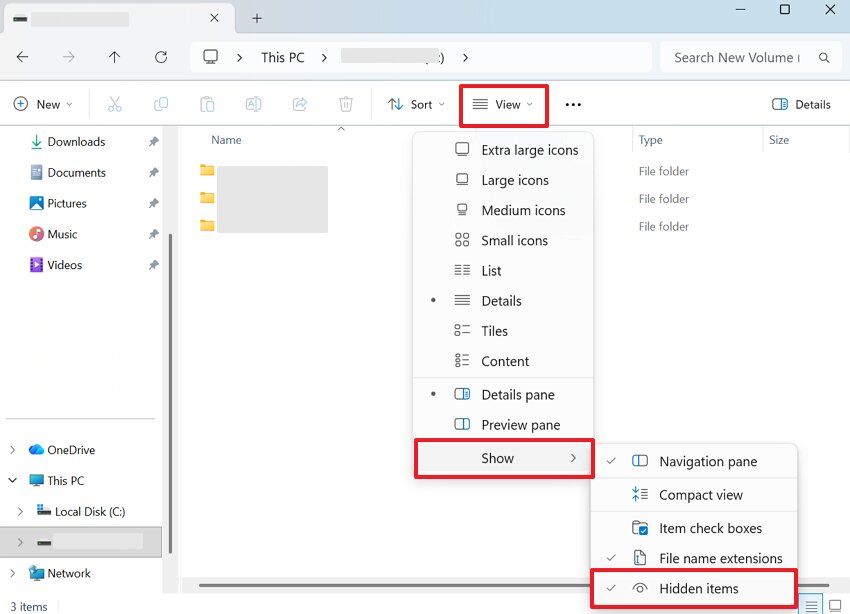
The “Show Hidden Files” feature allows users to view invisible or system-protected files. It is useful when your USB shows empty but is full due to hidden content occupying space. This method reveals all files that Windows Explorer cannot display by default. By changing your view settings, you can force the computer to show everything. So, adhere to the steps to adjust the visibility settings on your personal computer:
Instructions. As you connect your “USB Drive” to the computer, head to its storage. After that, press the “View” drop-down menu to expand the “Show” section and select “Hidden Items.”
Way 2. Check USB Space
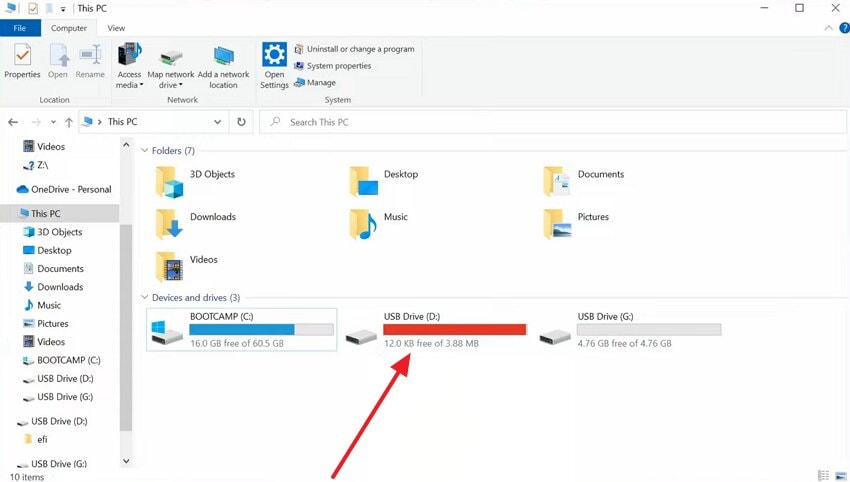
When facing USB files not showing but space used, checking the drive’s storage helps analyze usage. This method identifies how much capacity is occupied by visible and invisible data. Besides, it allows you to confirm whether hidden files or corrupted sectors are consuming space. This method ensures that the operating system continues to recognize your saved data blocks. Let's now follow the steps to check the USB space:
Instructions. Access your connected “USB Drive” from your PC’s “File Explorer.” Here, you will see the bar under its name shows used vs free space.
Way 3. Clear USB Recycle Bin
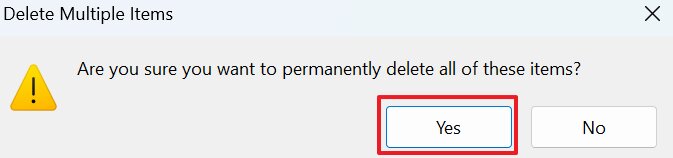
Sometimes, deleted items remain stored in a hidden Recycle Bin folder, causing “USB hidden files taking up space.” Clearing this folder helps free memory and restore accurate storage readings on your drive. This method ensures that deleted files are erased rather than temporarily retained by the system. Thus, you need to go through the specific instructions to clear the hidden trash folder on your drive:
- Upon attaching your “USB” to the PC, head to the “Recycle Bin.” Then, you need to click the “Empty Recycle Bin” option.
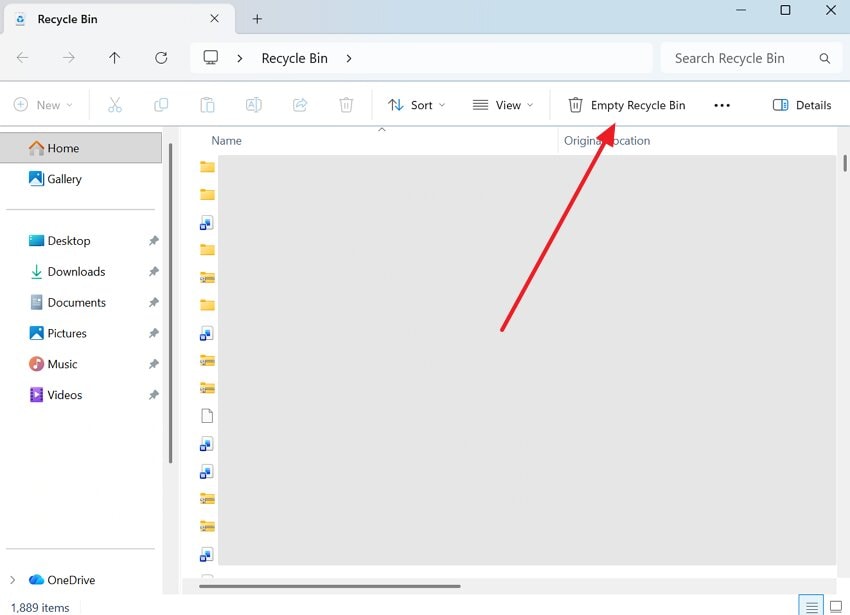
- As you access a prompt, press “Yes” to clear deleted items stored, including those for that USB.
Way 4. Scan and Fix Errors
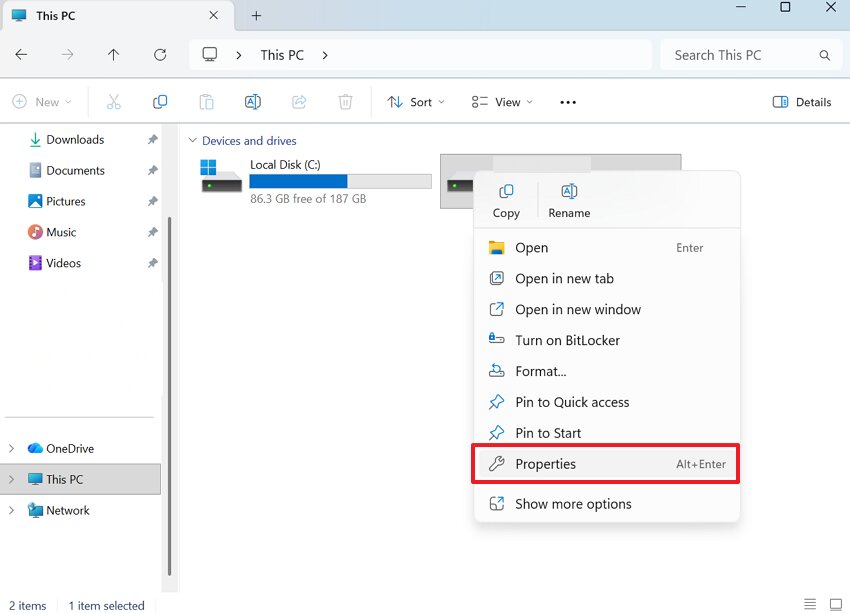
Windows features a native tool designed to repair common file system glitches. This particular utility is perfect for cases where a USB shows empty but is full. It scans the directory structure to find and fix any logical allocation errors. Once the scan finishes, the system often restores the visibility of missing folders. So, take guidance from the quick steps to run the error checking tool on your drive:
- Right-click the “USB Drive” icon and opt for the “Properties” option.
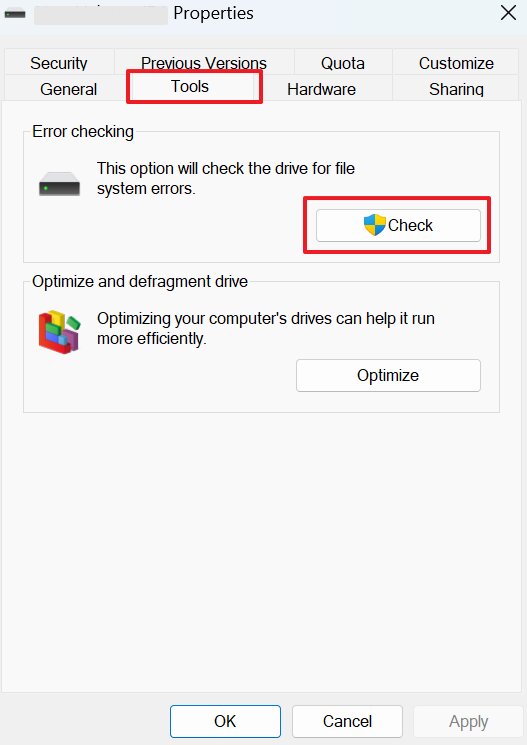
- From the properties panel, access the “Tools” tab and click the “Check” button.
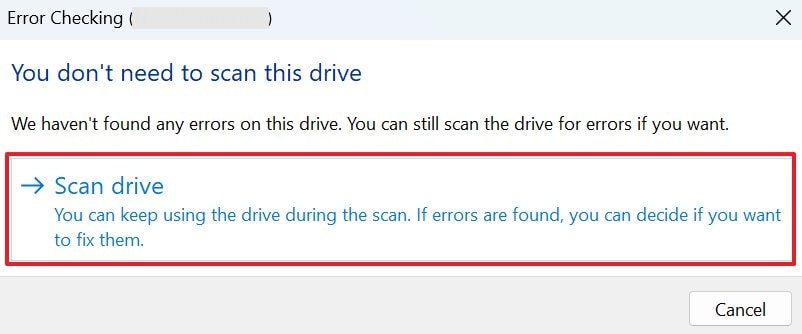
- When you see an upcoming prompt, click “Scan Drive” to let the system scan and fix errors.
Way 5. Run CHKDSK
The CHKDSK command is a powerful utility used to repair deep drive errors. It verifies the logical integrity of the file system and fixes internal damage. In addition, the tool can even identify and mark bad sectors on your flash drive. Using this method helps restore the correct map of your stored digital data. When facing “USB files not showing but space used,” review the given steps:
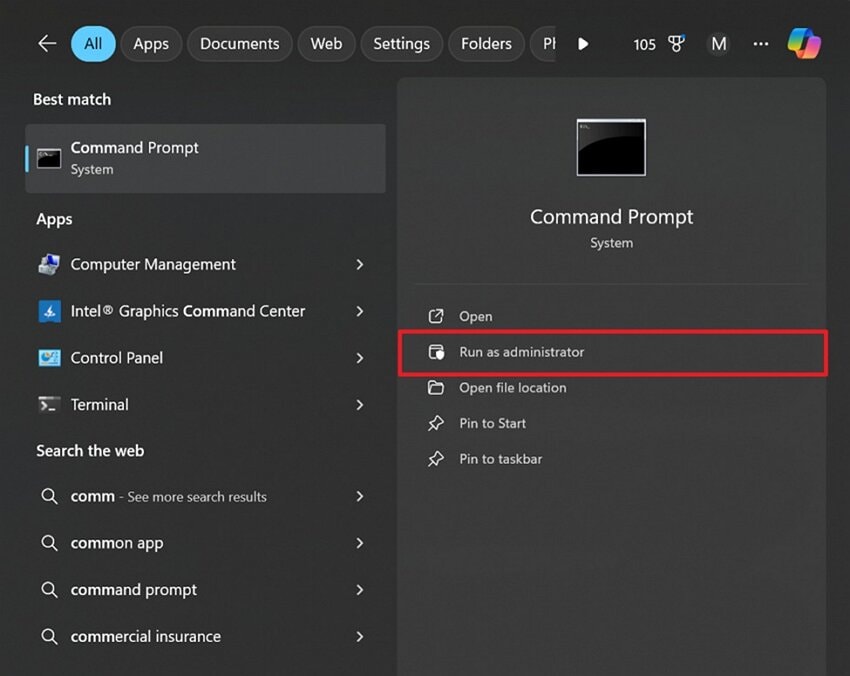
- Upon pressing “Windows + S,” search for “Command Prompt” and click “Run as Administrator.”
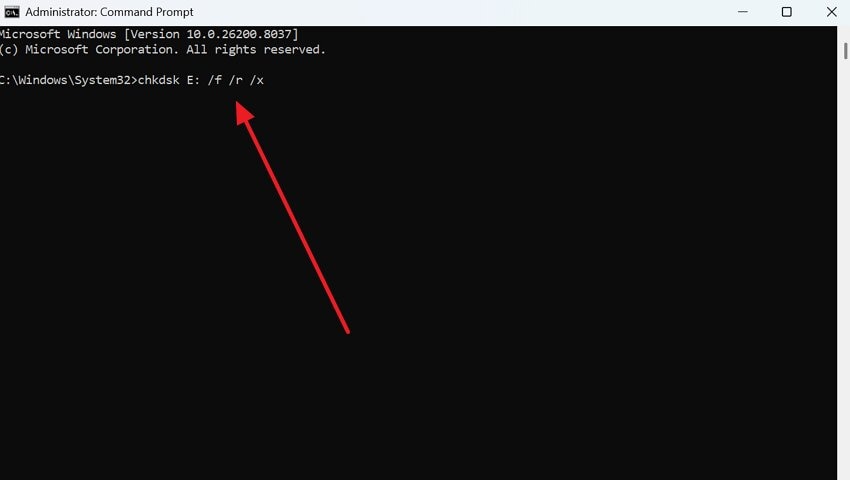
- Here, run the “chkdsk F: /f /r /x” command by replacing “F” with your drive letter.
Way 6. Unhide Files with Attrib
When dealing with USB hidden files taking up space, the Attrib command is an advanced solution. This method changes file attributes to make invisible items visible in Explorer. Besides, users can recover files that default settings fail to show. It also bypasses restrictions imposed by system protection or malware. Thus, you now need to follow the instructions to unhide files using Attrib:
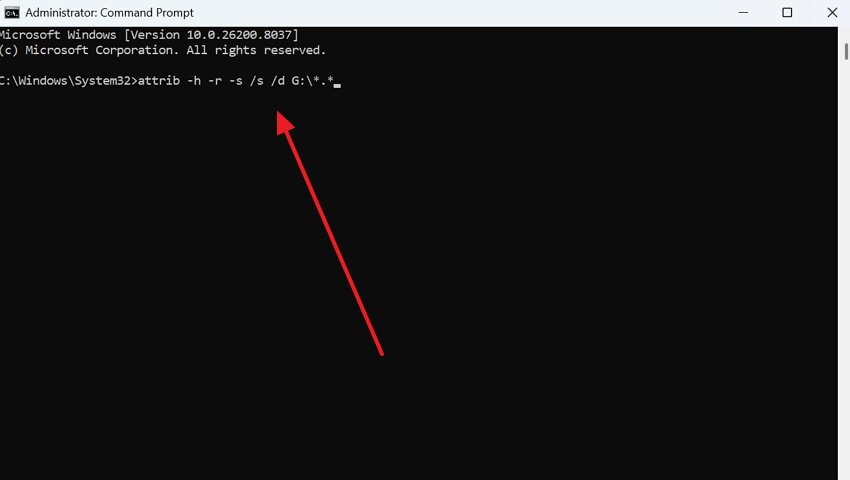
Instructions. From the “CMD” screen, run the “attrib -h -r -s /s /d G:\*.*” command. Yet, you need to replace G with your USB letter.
Way 7. Scan USB for Malware
Malicious software is a common reason why your USB shows empty but is full. Many viruses specifically target external drives to hide your original data and files. Therefore, running a full malware scan can identify and remove these harmful digital threats. Most security programs will restore the normal attributes of your hidden folders. Hence, adhere to the given steps to perform a virus scan on your device:
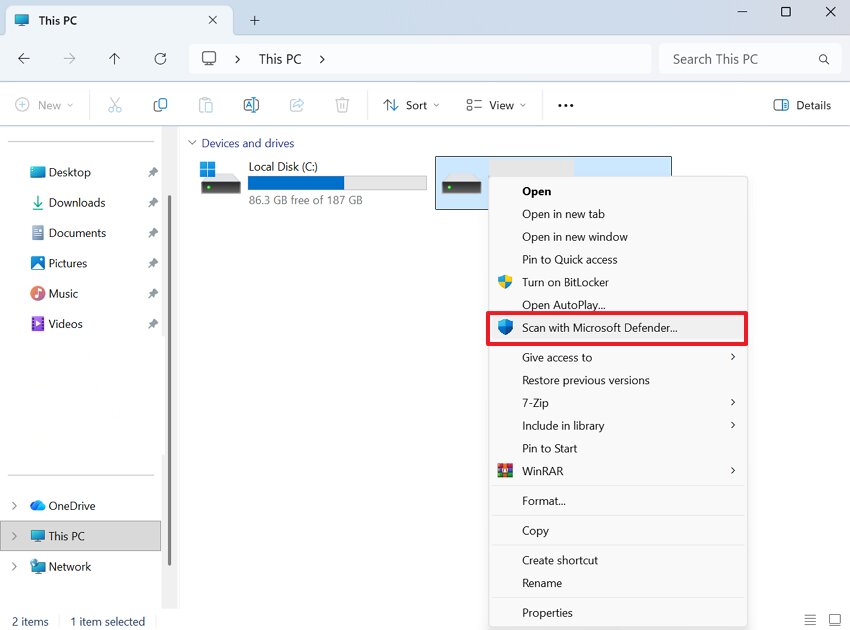
- To initiate, access your “USB” drive and right-click on it to choose “Show More Options.”
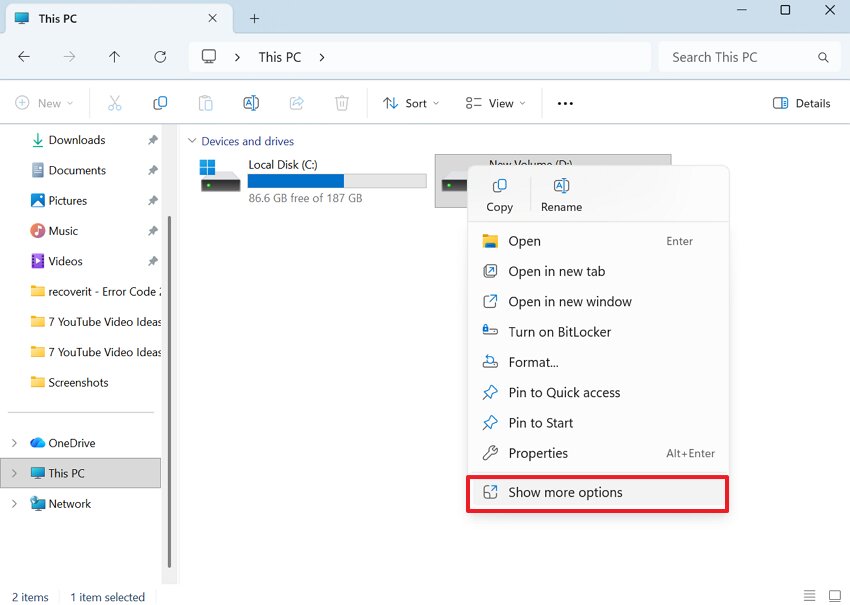
- Upon seeing a new menu, you need to press “Scan with Microsoft Defender…”
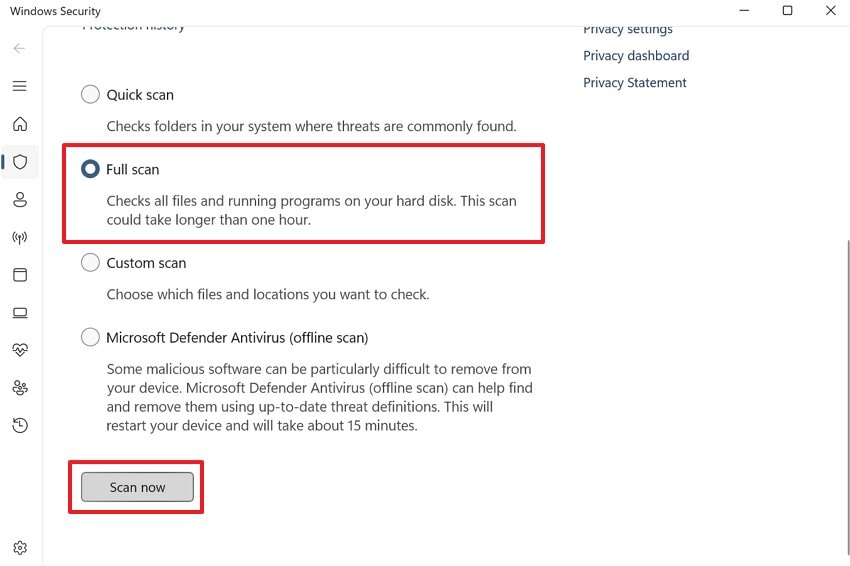
- Following that, enable the “Full Scan” option and click the “Scan Now” button.
Way 8. Check Hidden Partitions
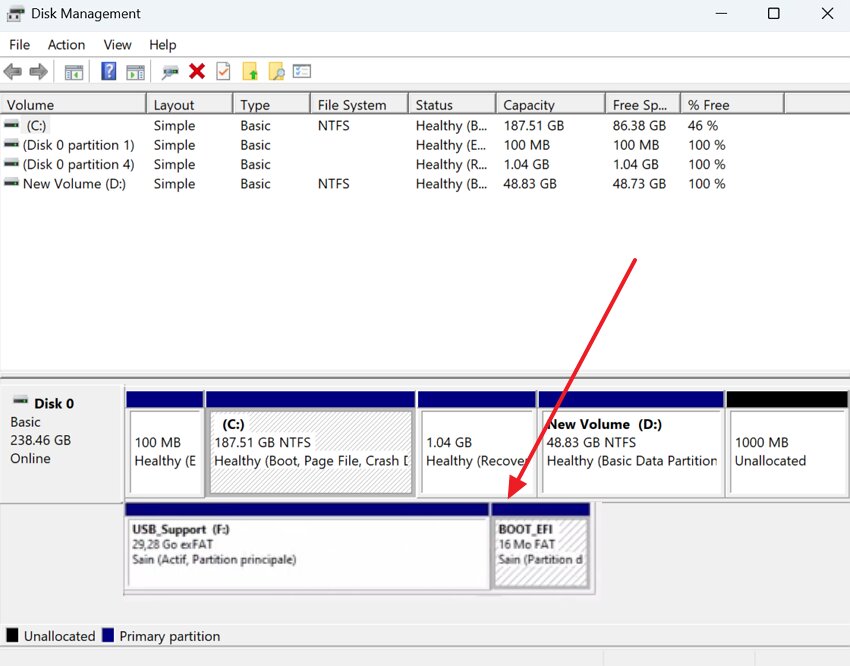
Sometimes your drive contains multiple sections that Windows does not display at once. This specific layout is another reason why “USB files not showing but space used.” Yet, the disk management tool allows you to see every single partition on your drive. You might find your missing data stored on a separate and unrecognized volume. So, go through the steps to inspect the partitions on your flash drive:
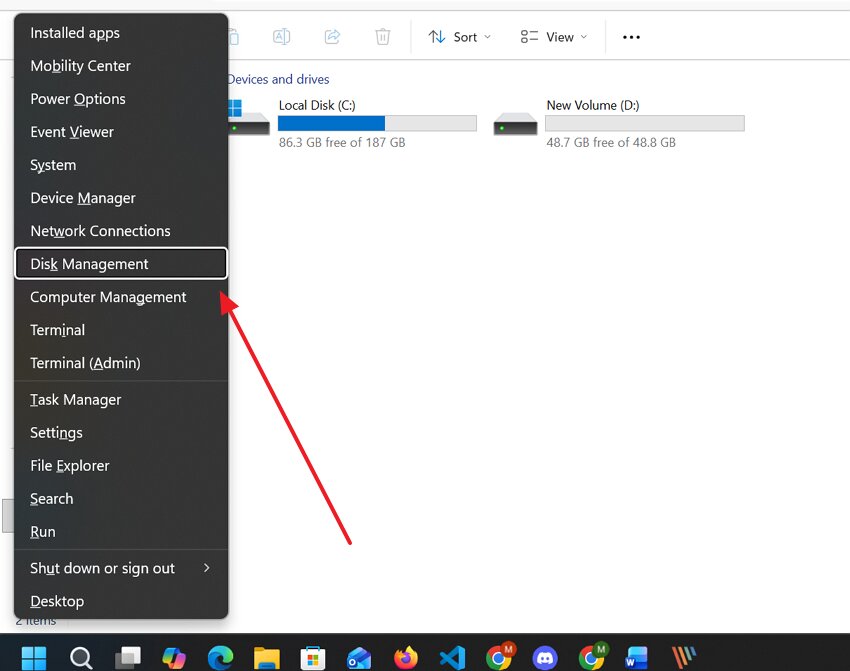
- Upon pressing both the “Windows + X” keys, opt for “Disk Management.”
- Here, you may see several blocks besides your “USB Drive.” A USB partition without a drive letter may be hidden from File Explorer.
Way 9. Format USB Drive
This process is necessary when USB hidden files that are taking up space cannot be removed. A fresh format will rebuild the entire file system and clear all corruption. However, remember that this method will permanently erase all your existing data. You should only use this option after successfully backing up your important files. Anyhow, review these specific steps to format your USB drive on your computer:
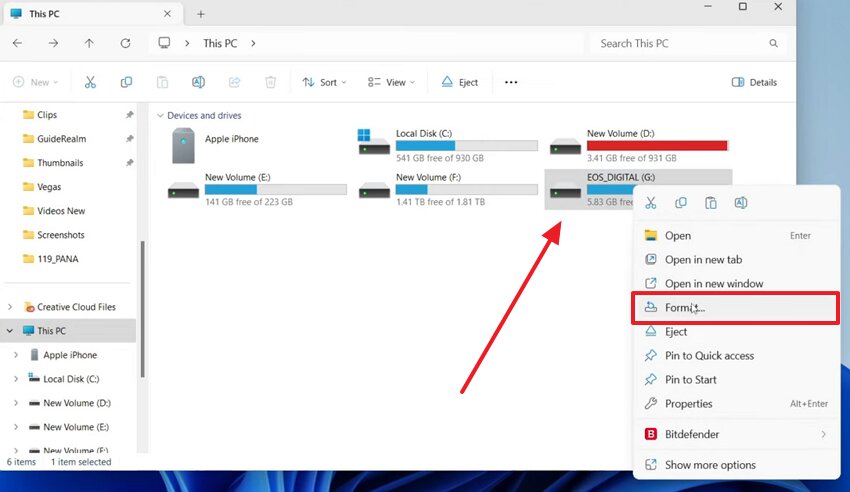
- As you right-click the “USB Drive” icon, choose the “Format” option.
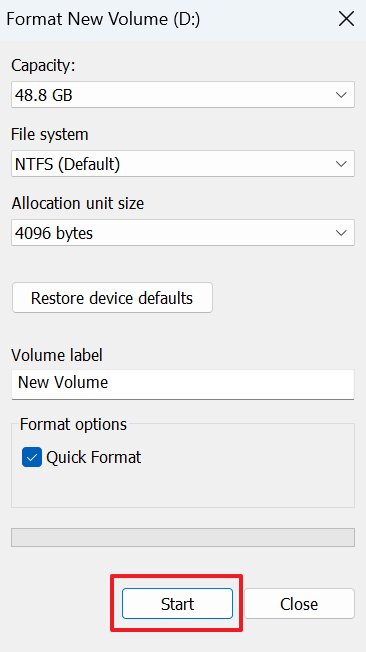
- From the upcoming properties panel, press the “Start” button.
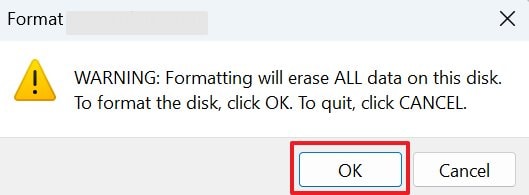
- Once you access a small prompt, hit “OK” to initiate formatting.
Pro Tip. Use Recoverit to Restore USB Files That Appear Missing or Hidden
When a USB shows empty but is full, professional recovery tools can help retrieve invisible data. Among them, Recoverit stands out as an effortless solution for restoring lost or hidden files. It supports recovery from famous USB brands like Kingston and Toshiba devices. The tool handles 500+ data loss scenarios, like corruption and partition errors. Plus, this data recovery software even supports 1,000+ file formats, covering photos and archives.
Besides, it features dedicated external recovery modes optimized for USBs and removable disks. You can even preview recovered data before saving to ensure files are complete and correct. In addition, Recoverit's native filter and search tools simplify navigation through extensive recovery. While retrieving, users can also pause and resume long scan sessions without losing progress. Plus, Recoverit offers free recovery up to 500MB using advanced algorithms, though it cannot guarantee complete USB data restoration.
Key Features
- RAW Recovery: Scans RAW or unformatted USB drives to locate and recover inaccessible files efficiently.
- Deep Scan: Performs sector-level scanning to rebuild and recover data from severely damaged or formatted USB drives.
- Corruption Repair: Reconstructs damaged file structures to help recover files from corrupted USB drives with higher success rates.
Guide to Use Recoverit to Restore USB Files That Appear Missing or Hidden
Recoverit provides a simple and effortless process to restore your missing USB files. So, adhere to the given specific steps to restore your missing files using the Recoverit tool:
- Select Your USB Drive for Scanning
Upon connecting your “USB Drive” to the PC, access the tool’s “Hard Drives and Location” tab. After that, locate your USB under the “External Drives” section and click it to begin scanning.
- Scan the USB for Missing or Hidden Files
The program will then perform an advanced scan of the selected drive. While recovering, you can monitor progress, and Recoverit displays recovered files as it detects them.
- Retrieve Files to Your Device
As the scan finishes, you can preview the found items to confirm their contents. Subsequently, opt for the desired files and press “Recover” to export them to your device.
Video Tutorial On How to Fix USB Files Not Showing But Space Used Issue?
Part 4. Prevent USB Files Not Showing or Hidden File Issues - Tips
In addition to the above, preventing common storage errors is the best way to keep your data safe. Thus, follow these helpful tips to stop “USB hidden files taking up space:”
- Safe Ejection: Always safely remove the hardware option before unplugging your flash drive. It prevents file system corruption and keeps your various documents visible.
- Finish Transfers: Interrupting a data transfer can lead to missing folders and serious system errors. So, wait for all file copying processes to be completed before removing the device.
- Free Space: Avoid filling your portable storage drive to its absolute maximum capacity. Leaving some space allows the system to manage essential metadata and files.
- Avoid Public: Shared systems often contain malware that hides files or corrupts your USB storage. Thus, avoid using USB drives on public or unknown computers to reduce infection risks.
- Regular Backup: Maintain backups of important files on another device or cloud storage platform. It protects your data in case a USB corruption or accidental deletion occurs.
Conclusion
In summary, USB storage issues can disrupt access, even when your files still exist. When a USB shows empty but is full, hidden data or corruption causes confusion. Yet, you have explored multiple methods to help you reveal and restore missing files. Moreover, for reliable data restoration from problematic drives, professional tools like Recoverit guarantee quick recovery.
FAQ
-
Q1. Why does my USB show files on another computer but not mine?
Different system settings can hide files or prevent proper display on your computer. Furthermore, hidden attributes or driver issues may even block visibility on your system. Yet, you should update drivers or enable hidden files to restore normal file visibility. -
Q2. Is it safe to use command prompt commands on USB drives?
Yes, command prompt tools like “CHKDSK” are generally safe when used with correct instructions. Incorrect commands, however, may alter file structures or remove important system attributes. So, verify commands before execution to avoid data loss or permanent file issues. -
Q3. Does formatting a drive actually remove the malware hiding my important data?
A full format will erase everything on the drive, including any malicious software present. This is an effective way to clean a device that has been heavily infected. However, you will lose all of your documents unless you have a recent backup. -
Q4. Can I recover files from a formatted USB drive easily?
Yes, formatted drives often still contain recoverable data within storage sectors. Here, recovery tools scan raw sectors to reconstruct lost files after mistaken formatting incidents. Using Recoverit increases success when restoring formatted USB files without hassle.