


If Windows 10 keeps restarting on its own, first check whether the PC is completing an update, experiencing a Windows stop error, or suddenly losing power. These are different problems. Save open work, back up irreplaceable files when Windows stays available, and note the time of the next restart before changing system settings.
This guide focuses on unintended Windows 10 automatic restarts, including reboots during video playback. It also explains Windows 10 timed shutdown and the built-in restart timer for people who actually want a scheduled action. A timer does not repair random crashes.
In This Article
Part 1. Why Does Windows 10 Restart Automatically?
The first clue is when and how the restart happens. A planned shutdown has a timer or Windows Update notice; an unexpected reboot may follow a blue screen, frozen display, driver failure, or power interruption. A computer that turns off abruptly without any Windows message may have a hardware, overheating, or power problem.
| What you notice | Likely category | First safe check |
| Restart after an update notice | Windows Update scheduling | Review Update History and Active Hours |
| Blue screen before reboot | Stop error or driver issue | Write down the stop code; try Safe Mode |
| Black screen, sudden power loss, no warning | Power, heat, hardware or system crash | Check temperature, power connection and error logs |
| Restart only while watching video or gaming | Potential GPU driver, overheating or power load issue | Compare with other media and inspect Display Adapters |
| Shutdown/restart at a predictable time | Scheduled command, task or update | Inspect planned timers and update settings |
For crash evidence, open Event Viewer > Windows Logs > System and inspect timestamps near the reboot. Event ID 1074 often identifies a process that requested a restart, while 41 and 6008 indicate an unclean shutdown but do not by themselves prove its cause. Microsoft’s unexpected restart log guidance explains how to interpret these entries.
Windows 10 reached the end of regular support on October 14, 2025. Eligible PCs may still receive Extended Security Updates, but ESU is not a general bug-fix or feature program. Review Microsoft’s Windows 10 support options before making long-term maintenance decisions.
Part 2. How to Stop Unwanted Windows 10 Automatic Restarts
Start with low-risk checks while the PC can still boot. The following fixes address update-related reboots, driver problems and software conflicts separately. If the computer is overheating, makes unusual noises or repeatedly loses power, shut it down and arrange hardware inspection rather than running prolonged stress tests.
Fix 1. Set Windows Update Active Hours
If restarts happen around update installation, Active Hours can reduce interruptions while you are using your PC. It does not suppress all restarts forever, and it will not fix driver or hardware crashes.
Step 1. Open Start > Settings > Update & Security > Windows Update. Look for update status and choose Change active hours.
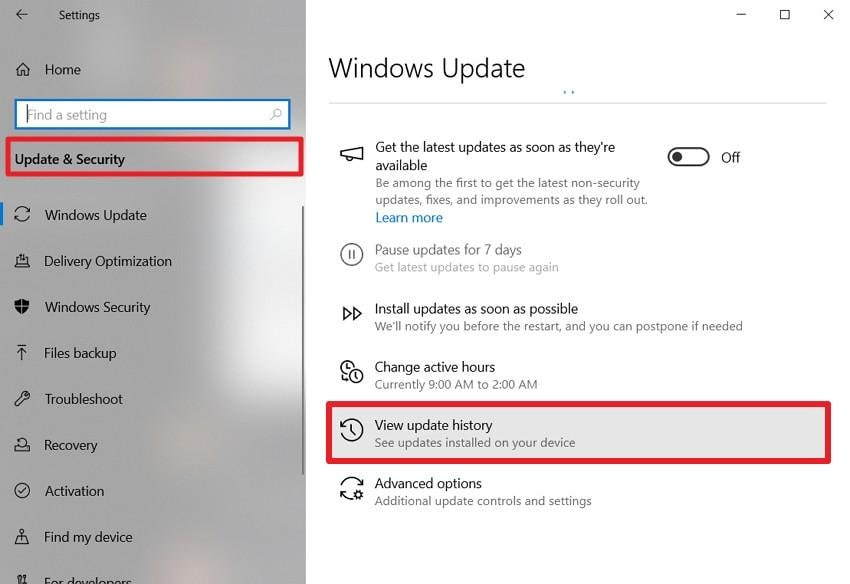
Step 2. Choose the times you normally use the computer, or turn on automatic adjustment if available, then save the change. Keep sufficient time outside your working hours for required servicing.
Step 3. Under View update history, check whether the restart coincided with an installed update. If your PC instead reboots with an error or power loss, continue below. Microsoft documents the Windows 10 steps in its Active Hours guide.
Fix 2. Test Windows in Safe Mode
Safe Mode loads a reduced set of drivers and services. If the reboot problem stops there, a third-party driver or startup component becomes more plausible, although the test does not identify the exact culprit.
Step 1. Save work. Hold Shift while choosing Restart from the Start menu Power options. In the recovery menu choose Troubleshoot > Advanced options > Startup Settings > Restart.
Step 2. On the blue Startup Settings screen press 4 / F4 for Safe Mode. Use 5 / F5 only if you need networking.
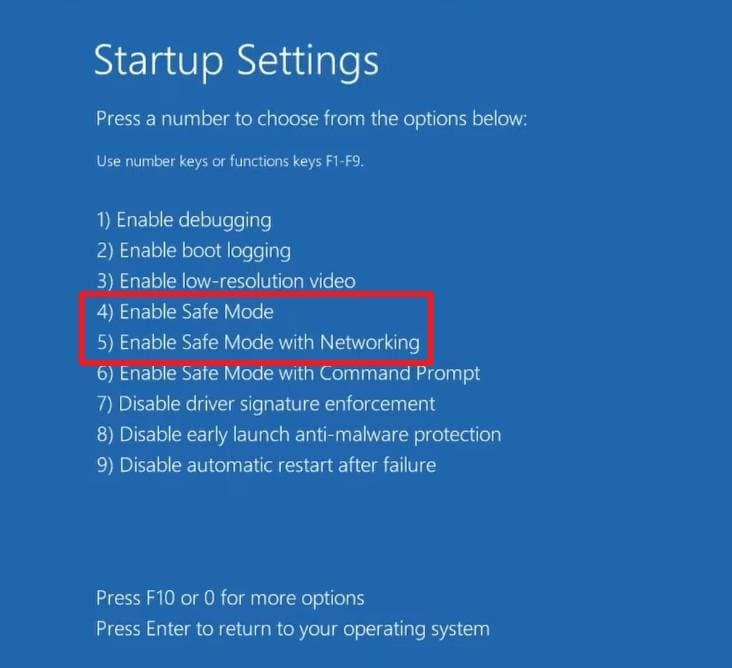
Step 3. Test normal tasks briefly, without starting heavy work. If the reboots stop, investigate installed drivers and startup services; if they persist, prioritize hardware diagnostics and professional support. Use Microsoft’s Startup Settings instructions if your recovery screen differs.
Fix 3. Check Your Graphics Driver
A reboot while playing a YouTube video, streaming media or gaming can coincide with display-driver failure, but video activity is not proof that the GPU is faulty. Check the driver before changing browser or registry settings.
Step 1. Right-click Start, open Device Manager and expand Display adapters. Right-click the installed graphics adapter.
Step 2. Choose Update driver and follow the supported search procedure; for manufacturer-specific drivers, use the GPU or PC maker’s official installer and compatibility instructions.
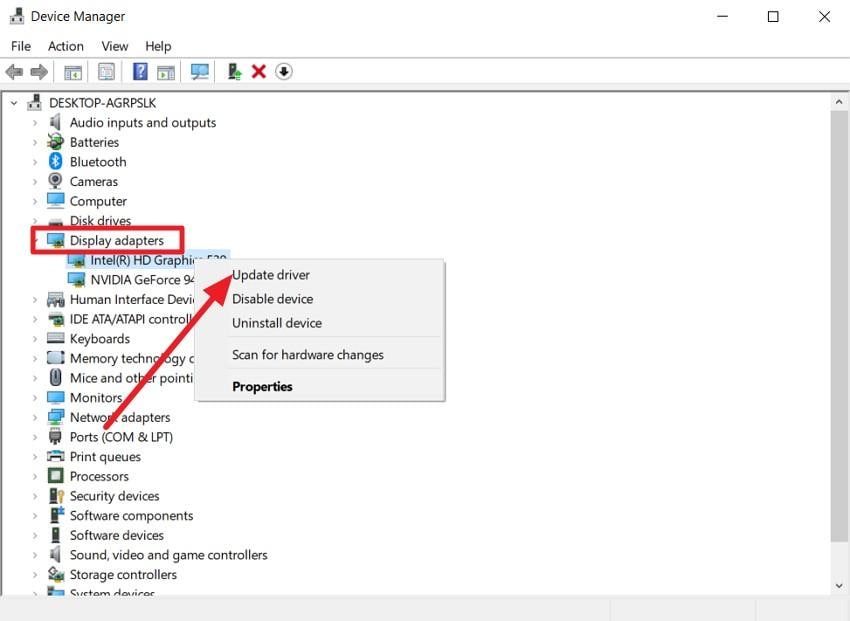
Step 3. Restart normally when the installation requests it, then play a locally stored video and a browser video as separate tests. If the problem began immediately after a driver update, check whether the Driver tab offers a valid rollback or contact the manufacturer. Do not install random codec packs to fix a system-level reboot.
Fix 4. Isolate Startup Conflicts With a Clean Boot
When Windows works in Safe Mode but restarts under normal use, a clean boot may reveal interfering background software. Keep track of every change so you can restore the normal configuration after testing.
Step 1. Sign in as an administrator, press Windows + R, enter msconfig and open System Configuration. Select the Services tab.
Step 2. Check Hide all Microsoft services before clicking Disable all. This precaution prevents you from mass-disabling Microsoft services.
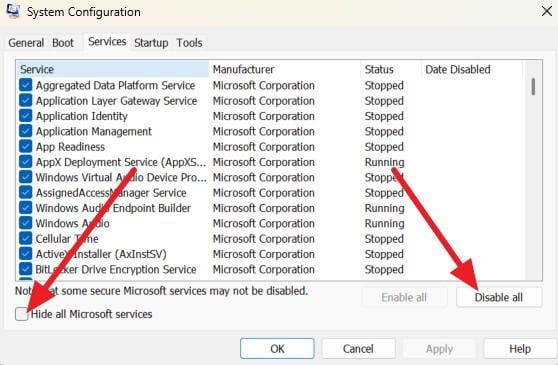
Step 3. On Startup choose Open Task Manager and disable nonessential startup items for this test. Restart and observe whether the fault recurs.
If it works: Re-enable the non-Microsoft services and startup entries in groups to isolate the conflict. Restore the normal startup configuration afterward. If it still fails, move on to memory and hardware checks.
Fix 5. Run Windows Memory Diagnostic
Intermittent restarts may involve memory faults, but diagnostic tests are not a substitute for repairing failed hardware. Save work first because Windows Memory Diagnostic requires a restart.
Step 1. Press Windows + R, enter mdsched.exe, and open Windows Memory Diagnostic.
Step 2. Select Restart now and check for problems only after saving everything. Alternatively, choose the next-start option if you cannot restart yet.
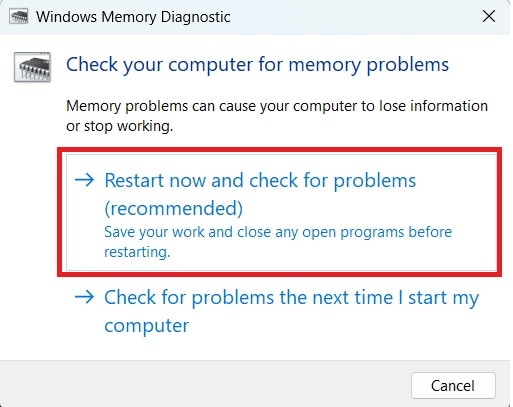
Step 3. Review the result after Windows starts again. If a memory error is found or shutdowns happen without an error screen, contact the computer manufacturer or a qualified technician. Avoid repeatedly removing RAM or opening a laptop as a first-line software fix.
If Windows displays a stop code, use Microsoft’s unexpected-restart troubleshooting for the relevant safe next action. On a repeating boot loop, recovery Startup Settings also includes Disable automatic restart after failure as a temporary diagnostic option; it does not resolve the root cause.
Part 3. How to Set or Cancel a Windows 10 Timed Shutdown
A deliberately scheduled shutdown is a different search intent from an unexpected restart. Windows 10 provides a built-in command for a one-time timer, so no third-party “PC shutdown timer” is required. Save all open work before experimenting: setting a nonzero delay can still force applications to close when the timer expires.
Method 1. Use the Built-in Shutdown Command
The commands below work through the Windows Run dialog, Command Prompt or PowerShell. The screenshot illustrates the genuine Windows 10 Run dialog entry point; it intentionally excludes an unrelated command from an earlier source capture.
Step 1. Press Windows + R to open the Run dialog.
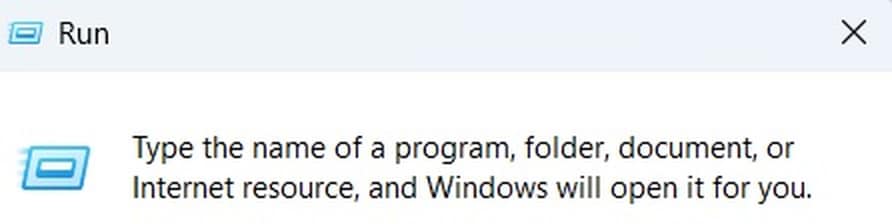
Step 2. To shut down in one hour, type shutdown /s /t 3600 and press Enter. The timer value is in seconds: 1800 means 30 minutes; 7200 means two hours.
Step 3. If you meant to restart instead, use shutdown /r /t 3600. To cancel a pending timed shutdown or restart before its timeout expires, open Run again and enter shutdown /a.
Important: Do not add /f casually. Microsoft notes that /t greater than zero already implies forced application closure when the timer ends, risking unsaved edits. The exact switches and supported Windows 10 scope are documented in Microsoft’s shutdown command reference.
For a recurring scheduled action, Windows Task Scheduler can launch shutdown.exe at a chosen time, but a one-time timer is simpler and easier to cancel. Unwanted repeating shutdowns should be investigated as scheduled tasks rather than treated as crashes.
Part 4. Recover Video Files Lost After an Unexpected Restart
A PC restarting does not automatically mean saved video files are corrupted or deleted. First check the original folder, app autosave location, cloud sync and Recycle Bin. If files that previously existed on disk have disappeared, avoid further writes to that drive while planning recovery.
Method 1. Recover Existing Files From the Affected Drive
Use a recovery scan only when a real file-loss symptom remains after basic checks. Recoverit cannot recover an unsaved recording that was never written to storage, correct a Windows hardware fault, or prevent subsequent crashes.
Step 1. Install a recovery program on a different healthy drive if possible. In Recoverit’s Windows system recovery workflow, select the drive where the missing footage was stored. If Windows cannot boot, use the supported bootable recovery procedure from a healthy PC rather than reinstalling Windows first.
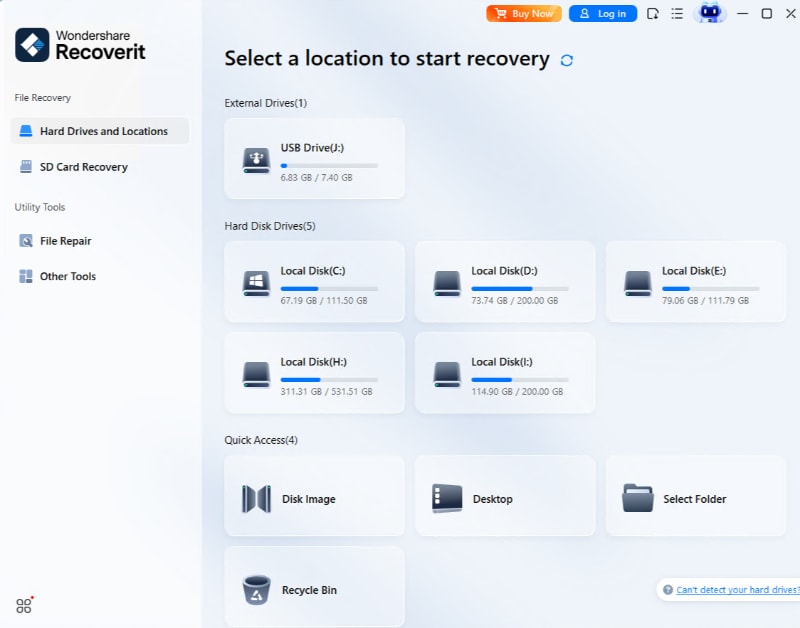
Step 2. Scan the affected drive and review results. Preview any video that the tool supports before deciding whether the content is intact.
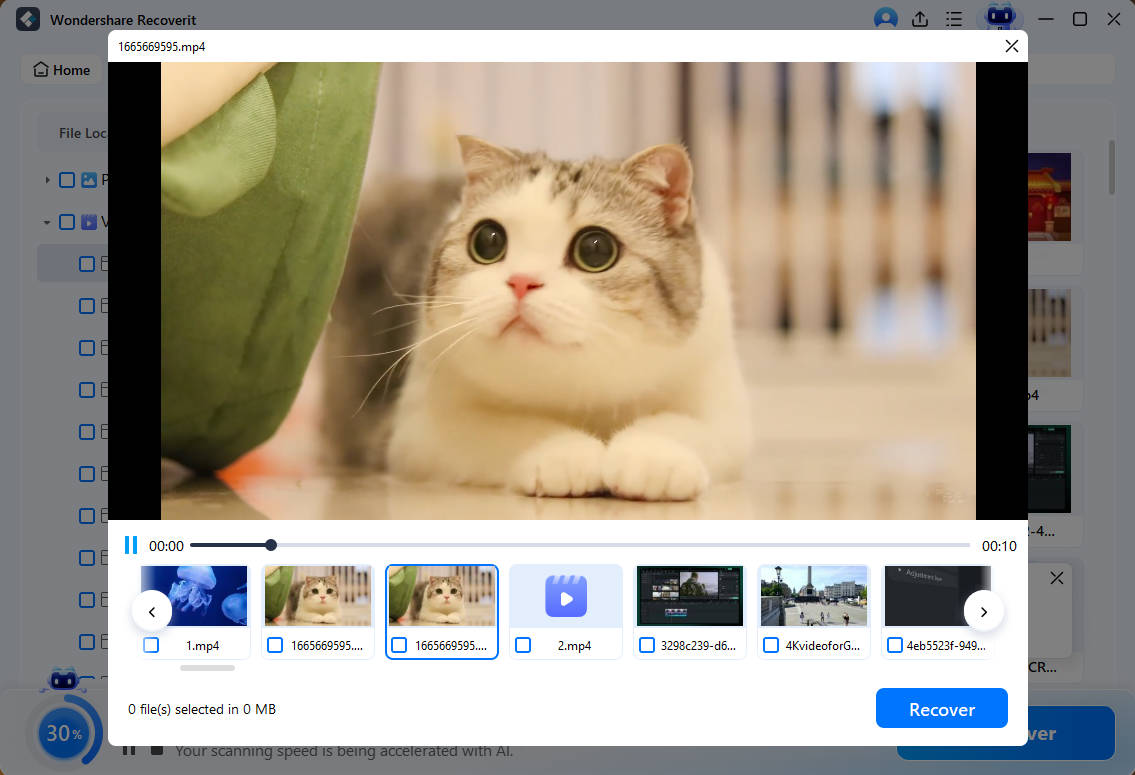
Step 3. Recover selected files to a different destination drive, then check that they play normally. Scan results do not guarantee that any particular file can be recovered, especially if sectors were overwritten or SSD TRIM discarded their contents.

Conclusion
To solve a Windows 10 auto restart problem, identify whether the event was a planned update, a stop-code crash or an abrupt power failure. Use Active Hours for update interruptions, Safe Mode and driver checks for software clues, and hardware tests when symptoms point beyond Windows. A timed shutdown uses a different workflow: shutdown /s /t 3600 schedules a one-hour shutdown, and shutdown /a cancels it.
Since regular Windows 10 support has ended, plan a supported operating-system transition and keep backups current. Recoverit may help with previously saved files that have actually gone missing; it cannot fix the underlying restart.
FAQ
-
Why does my Windows 10 PC automatically restart without warning?
Possible causes include a Windows stop error, a driver conflict, power instability, overheating or a scheduled update. Event ID 41 records an unclean shutdown but is not sufficient on its own to identify the cause. -
How do I stop Windows 10 automatically restarting after updates?
Set suitable Active Hours under Settings > Update & Security > Windows Update. It reduces inconvenient update restarts but does not permanently disable updates or prevent crashes. -
How do I make Windows 10 shut down automatically after 60 minutes?
Save your work, then press Windows + R and enter shutdown /s /t 3600. The countdown is measured in seconds. -
How do I cancel an automatic shutdown in Windows 10?
Before the countdown expires, open Run or Command Prompt and enter shutdown /a. This cancels a pending shutdown command; it does not stop a hardware-related power failure. -
Can Recoverit stop my computer from auto restarting?
No. Recoverit is a file-recovery tool, not a Windows restart or driver repair utility. Consider it only for files that were saved previously and are now missing from recoverable storage. -
Does Windows 10 still receive security updates in 2026?
Regular support ended in October 2025. Eligible devices can enroll in Extended Security Updates for temporary coverage, subject to the relevant consumer or organizational program requirements.


