TL;DR:
Resolve a Windows 10 or Windows 11 Welcome screen freeze by waiting 20 to 30 minutes for potential updates to complete, disconnecting external peripherals, and applying Safe Mode or Windows Recovery Environment (WinRE) tools in order of lowest risk to prevent data loss.
● If the system freezes before login or after an update, use WinRE to run Startup Repair or uninstall the latest quality update; if the hang occurs after entering your password, boot into Safe Mode to disable non-Microsoft startup services or create a new user profile.
● Avoid running CHKDSK on a potentially failing drive or initiating the Reset this PC option before securing your files, as these actions can alter file-system structures or permanently remove your installed apps and settings.
● If the desktop remains completely inaccessible, use Recoverit Windows Data Recovery via a formatted bootable USB created on a separate working computer to extract local files, noting that this software cannot repair the operating system, bypass passwords, or decrypt BitLocker without the recovery key.
Ask AI for a summary
 ChatGPT
 Perplexity
 Gemini
 Claude
 Grok
Grok
When Windows 10 is stuck on the Welcome screen, the computer may accept your password but never load the desktop. In other cases, Windows freezes before the sign-in screen, spins endlessly after an update, or hangs on Welcome in Windows 11. The symptoms look similar, but the causes can be different.
A welcome screen stuck on Windows 10 issue can come from a pending update, damaged user profile, startup app conflict, broken graphics or chipset driver, Fast Startup problem, corrupted system files, or a failing SSD or hard drive. The safest fix is to start with low-risk checks before using reset, reinstall, or repair commands.
This guide explains how to diagnose a Windows 10 login screen stuck or Windows 11 stuck on Welcome problem, apply the fixes in a safe order, and recover important files with Recoverit Windows Data Recovery before resetting or reinstalling Windows. Note: Windows 10 reached end of support on October 14, 2025, but the troubleshooting steps below still apply to many Windows 10 and Windows 11 startup problems.
In this article
-
- Fix 1. Wait for a Pending Update to Finish
- Fix 2. Force Restart Once and Let Automatic Repair Start
- Fix 3. Disconnect External Peripherals and Restart
- Fix 4. Boot Into Safe Mode
- Fix 5. Disable Startup Apps and Non-Microsoft Services
- Fix 6. Create or Switch to Another User Profile
- Fix 7. Run Startup Repair From Windows Recovery Environment
- Fix 8. Use System Restore to Undo Recent Changes
- Fix 9. Uninstall the Latest Windows Update
- Fix 10. Update, Roll Back, or Reinstall Graphics and Chipset Drivers
- Fix 11. Run SFC, DISM, and CHKDSK After Protecting Files
- Fix 12. Reset This PC With Keep My Files as a Last Resort
Part 1. What Does "Windows Stuck on Welcome Screen" Mean?
The Welcome screen appears after Windows begins loading a user session. If it freezes, Windows may be stuck before sign-in, after password entry, during update configuration, or while loading user profile settings and startup services.
Microsoft's Windows recovery guidance for Windows 10 and Windows 11 includes tools such as Safe Mode, Startup Repair, System Restore, Uninstall Updates, Command Prompt, and Reset this PC. These tools are useful, but they should be used in the right order because some options can remove apps, settings, or files.
If Windows freezes before the sign-in screen, focus first on startup repair, external devices, storage, and update rollback. If Windows 10 is stuck on Welcome screen after entering password, focus on Safe Mode, startup apps, profile corruption, graphics drivers, and user account issues.
Part 2. Quick Diagnosis: Which Welcome Screen Case Are You Facing?
Choose the case that best matches your PC before trying fixes.
Stuck Before Login
If Windows never reaches the password screen, the issue may involve boot files, a failed update, storage errors, or early driver loading. Enter Windows Recovery Environment and start with Startup Repair or update removal.
Stuck After Entering Password
If Windows accepts your password but spins forever, a damaged user profile, startup service, login item, graphics driver, or Windows Explorer problem is more likely. Safe Mode and a clean boot are the best first checks.
Spinning Dots After a Windows Update
If the freeze started after Windows Update, give it a reasonable amount of time while the PC is plugged in. If the same spinning screen returns after every restart, use WinRE to uninstall the latest quality update or restore the system to an earlier point.
Freeze With External Devices Connected
A USB drive, printer, dock, external drive, card reader, or old peripheral driver can block startup. Disconnect nonessential devices and restart before making system changes.
| Case | What It May Mean | Best First Step |
| Windows 10 stuck on Welcome screen before login | Startup repair, update, driver, or disk issue | Open WinRE and run Startup Repair |
| Windows 10 stuck on Welcome screen after entering password | User profile, startup app, service, or Explorer conflict | Boot into Safe Mode and disable startup items |
| Windows 11 stuck at Welcome screen with spinning dots | Update, driver, or startup service still loading or failing | Wait briefly, remove peripherals, then restart once |
| Freeze begins after Windows Update | Incomplete or incompatible update | Use WinRE to uninstall the latest update |
| Freeze happens only with accessories connected | Peripheral or driver conflict | Disconnect all nonessential devices |
Part 3. Why Windows 10 or Windows 11 Hangs on the Welcome Screen
Most Welcome screen freezes fall into one of these causes:
- Pending or failed update: Windows may be finishing setup, undoing changes, or stuck after an incomplete update.
- Corrupted user profile: Windows accepts the password but cannot load account settings, desktop, or Explorer.
- Startup conflict: A third-party app, service, antivirus component, VPN, or sync tool blocks the desktop from loading.
- Driver failure: Corrupted graphics, storage, chipset, or display drivers can interrupt startup or sign-in.
- Fast Startup problem: A damaged hibernation state can keep reloading the same broken startup condition.
- System file damage: Corrupted Windows files can stop sign-in, services, or the shell from loading.
- Drive problems: Bad sectors, file-system errors, or a failing SSD or HDD can delay reads and freeze Windows.
Part 4. What to Do Before Trying Advanced Recovery
Before using repair commands or reset options, protect the PC and your data.
| Before Advanced Recovery | What to Do | Why It Matters |
| Wait for updates | Keep the PC plugged in and wait if the spinning screen still changes | Interrupting an update can worsen corruption |
| Avoid repeated hard shutdowns | Force restart once only if Windows is frozen | Repeated interruptions can damage files or updates |
| Remove external devices | Disconnect USB drives, printers, docks, hubs, and memory cards | External device drivers can block startup |
| Test Safe Mode | Enter Safe Mode through WinRE or the sign-in screen | If Safe Mode works, software or driver conflict is likely |
| Recover important files | Back up or recover files before reset, reinstall, or CHKDSK | Some repairs can remove apps, settings, or data |
Part 5. How to Fix Windows Stuck on the Welcome Screen
Try these fixes in order. Stop and recover important data first if the drive is failing, the files are critical, or you are about to reset Windows.
Fix 1. Wait for a Pending Update to Finish
If the issue appeared right after Windows Update and the spinning animation still changes, wait with the computer plugged in. Some updates finish post-login configuration at the Welcome screen.
If the PC stays on the same Welcome screen for 20 to 30 minutes every time you restart, treat it as a startup failure and continue with the next fixes.
Fix 2. Force Restart Once and Let Automatic Repair Start
A single forced restart can clear a temporary hang. Repeated forced shutdowns should be avoided unless Windows is fully unresponsive.
Step 1. Hold the Power button until the PC shuts down.
Step 2. Wait several seconds, then press the power button once to start normally.
Step 3. If Windows freezes again, interrupt startup two more times. Windows should open Automatic Repair or Windows Recovery Environment on the next startup.
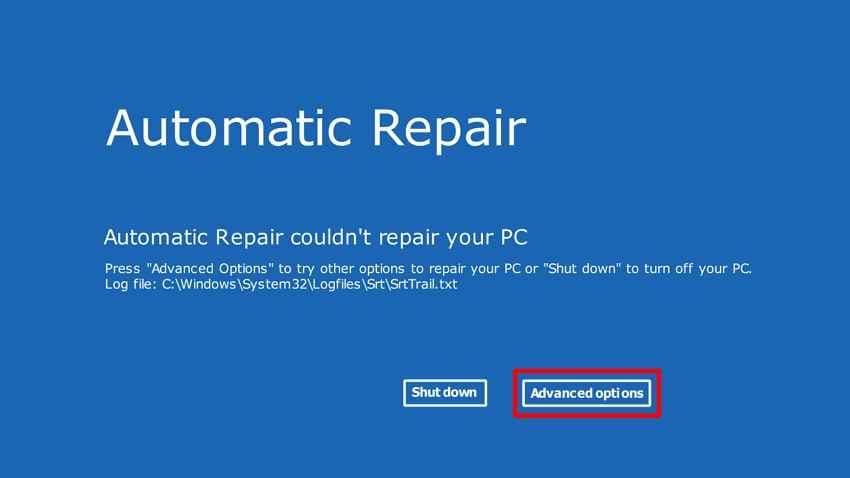
Fix 3. Disconnect External Peripherals and Restart
Shut down the PC. Disconnect USB drives, printers, card readers, external hard drives, docks, hubs, Bluetooth adapters, and nonessential accessories. Restart with only the keyboard, mouse, monitor, and power connected. If Windows loads, reconnect devices one at a time to find the conflict.
Fix 4. Boot Into Safe Mode
Safe Mode starts Windows with limited drivers and services. It helps identify startup app, driver, and service conflicts.
Step 1. At the sign-in screen, hold Shift while selecting Power > Restart. If you cannot reach sign-in, enter WinRE after failed startups.
Step 2. Choose Troubleshoot > Advanced options > Startup Settings > Restart.
Step 3. Press 4 or F4 to enable Safe Mode. Use 5 or F5 if you need networking.
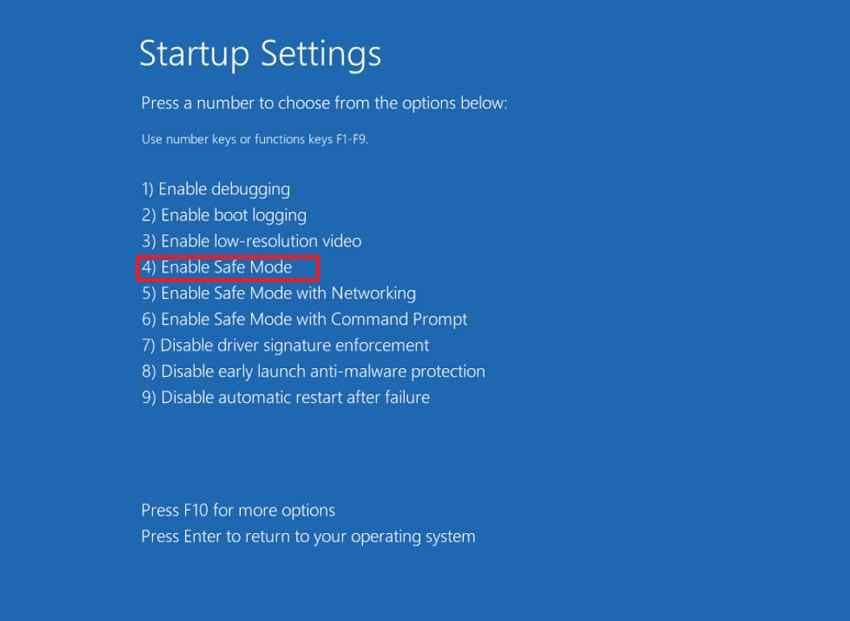
Fix 5. Disable Startup Apps and Non-Microsoft Services
If Safe Mode loads, use a clean boot to isolate startup conflicts. Microsoft recommends hiding Microsoft services before disabling third-party services so required Windows services are not turned off.
Step 1. In Safe Mode, press Windows + R, type msconfig, and click OK.
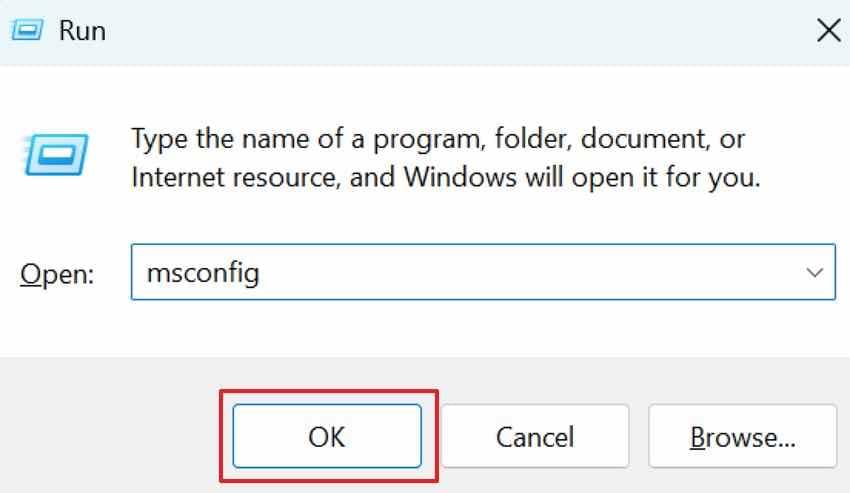
Step 2. Open the Services tab, select Hide all Microsoft services, then click Disable all.
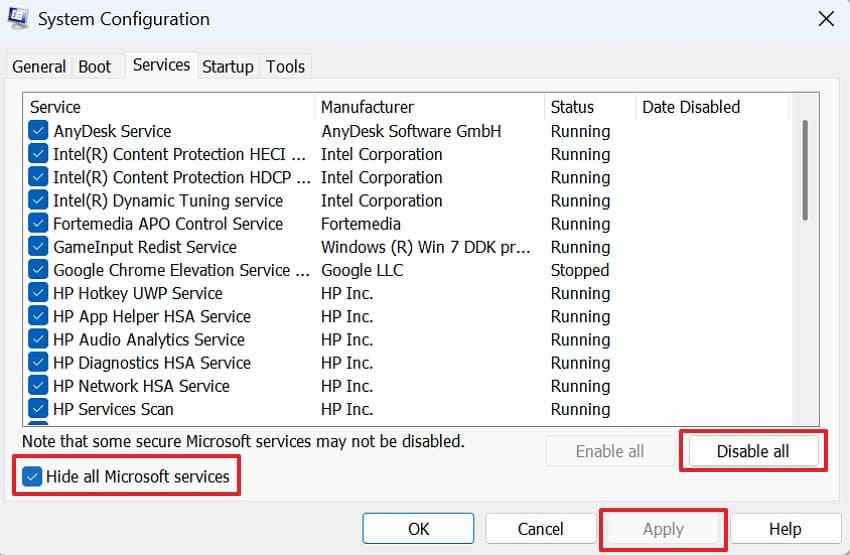
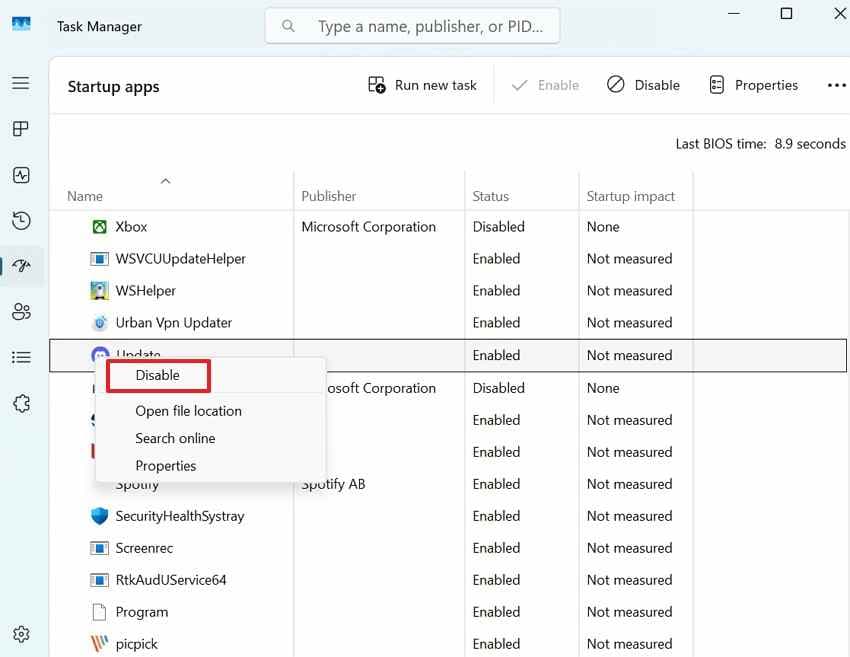
Step 3. Open Task Manager from the Startup tab and disable enabled startup apps. Restart normally and re-enable items one by one after Windows loads.
Fix 6. Create or Switch to Another User Profile
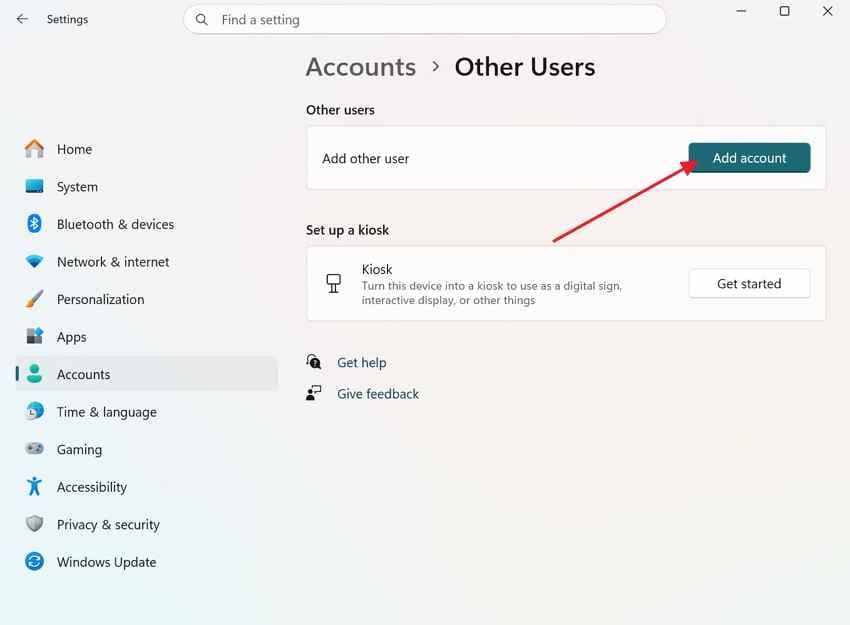
If Windows freezes only after entering one account password, the user profile may be damaged. In Safe Mode, sign in with another administrator account or create a new one.
On Windows 11: Open Settings > Accounts > Other users > Add account.
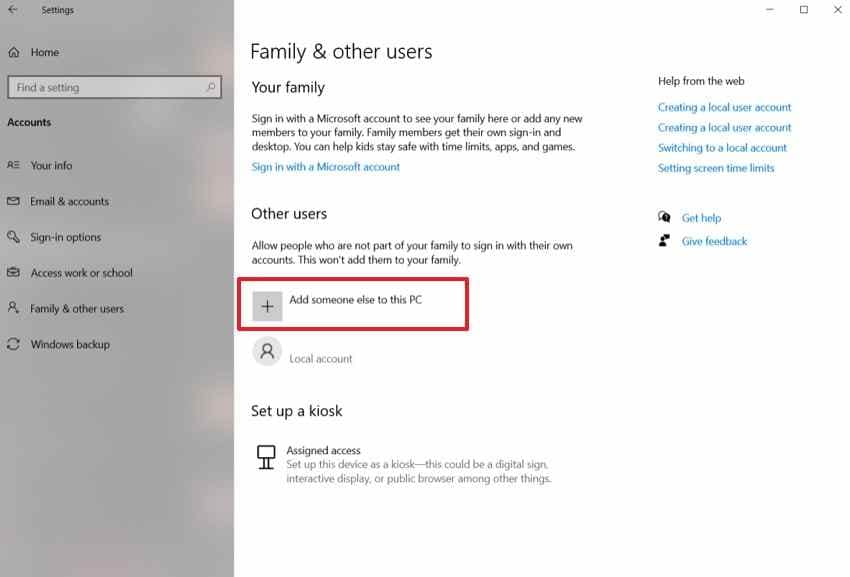
On Windows 10: Open Settings > Accounts > Family & other users > Add someone else to this PC.
If the new account loads normally, copy personal files carefully from the old profile after backing them up.
Fix 7. Run Startup Repair From Windows Recovery Environment
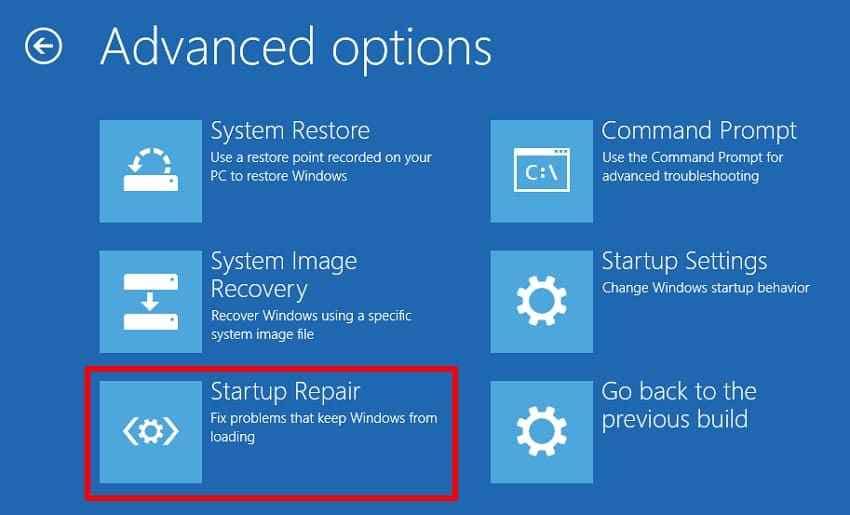
Startup Repair scans common startup files and settings that can stop Windows from loading correctly.
In WinRE, select Troubleshoot > Advanced options > Startup Repair, choose the target Windows installation, and let the tool finish.
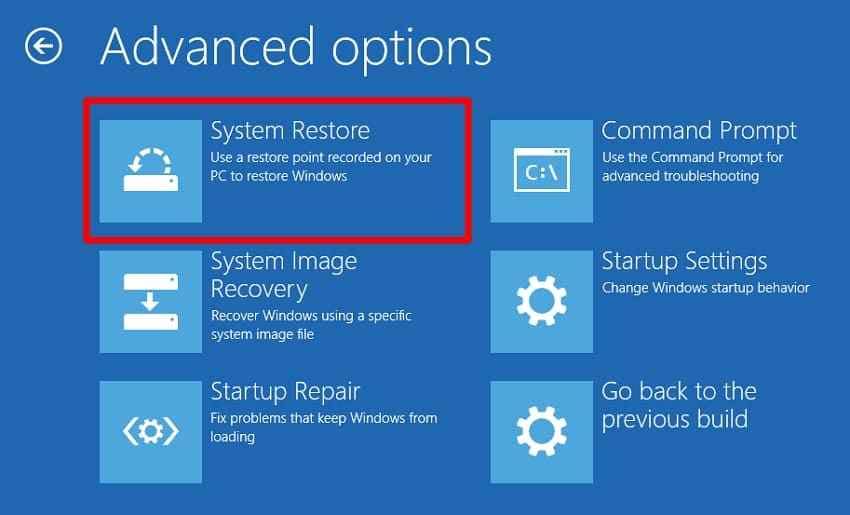
Fix 8. Use System Restore to Undo Recent Changes
System Restore can roll system files, registry settings, drivers, and installed programs back to an earlier restore point. It does not work unless restore points exist.
In WinRE, choose Troubleshoot > Advanced options > System Restore, then select a restore point created before the Welcome screen problem began.
Fix 9. Uninstall the Latest Windows Update
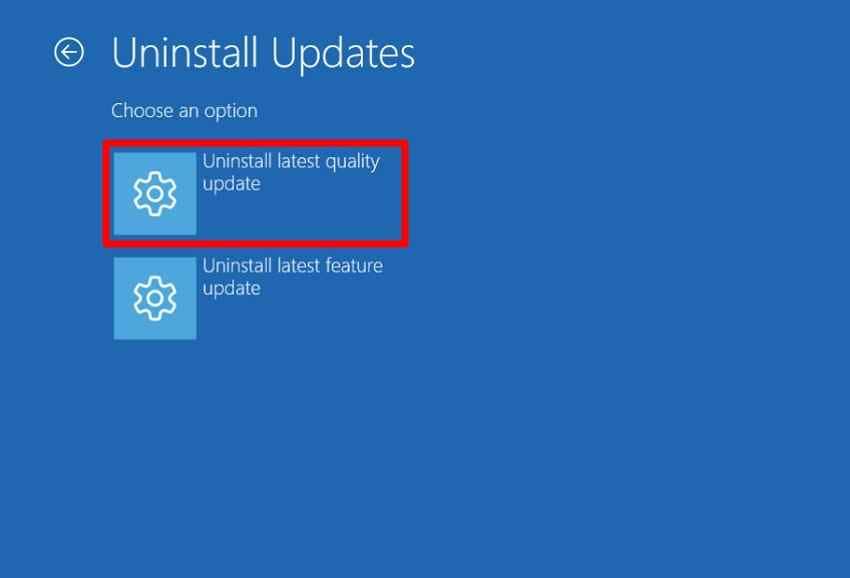
If the problem started after an update, remove the latest quality update first. Feature updates are larger and should be rolled back only when the timing clearly matches the issue.
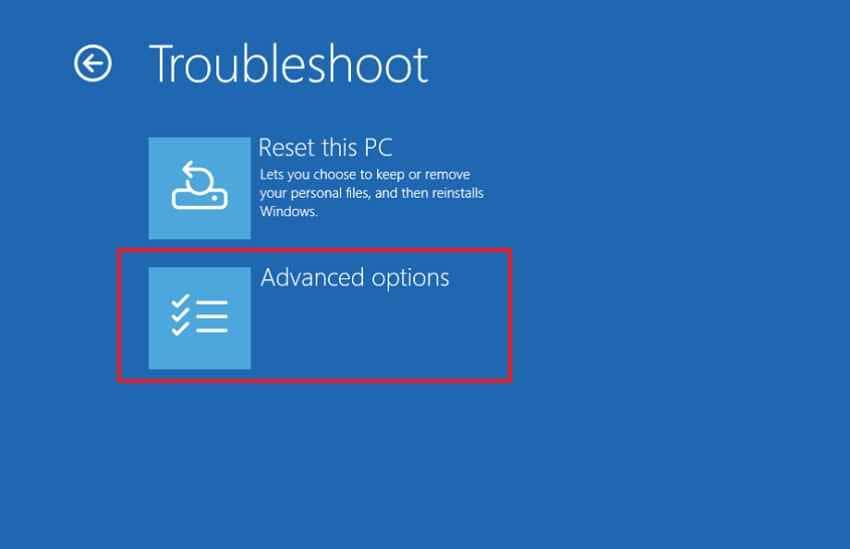
Step 1. Enter WinRE and choose Troubleshoot > Advanced options > Uninstall Updates.
Step 2. Select Uninstall latest quality update and follow the onscreen instructions.
Fix 10. Update, Roll Back, or Reinstall Graphics and Chipset Drivers
Graphics and chipset driver issues can stop the desktop from appearing after sign-in. Use Safe Mode if normal startup fails.
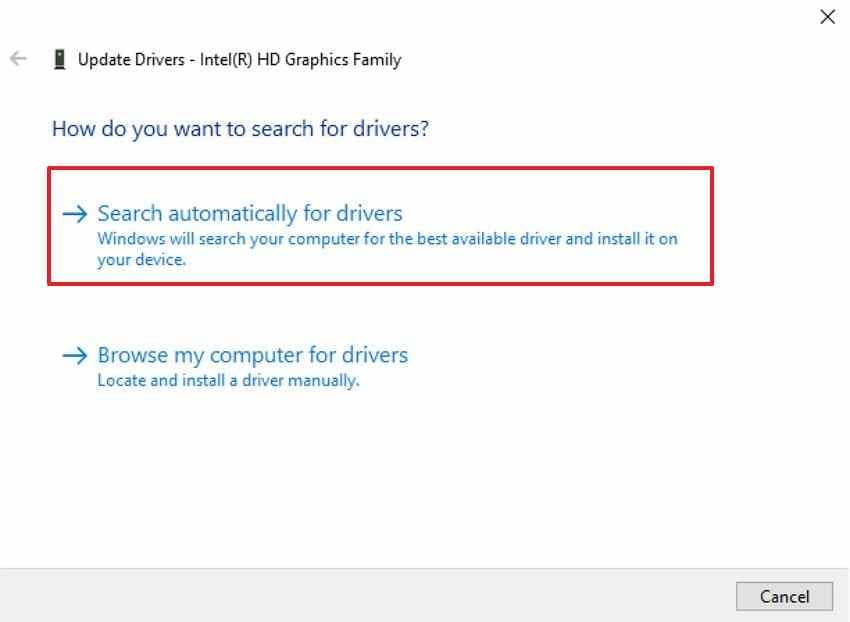
Step 1. Open Device Manager, expand Display adapters, right-click the graphics device, and choose Update driver. If the issue began after a driver update, open Properties > Driver and use Roll Back Driver when available.
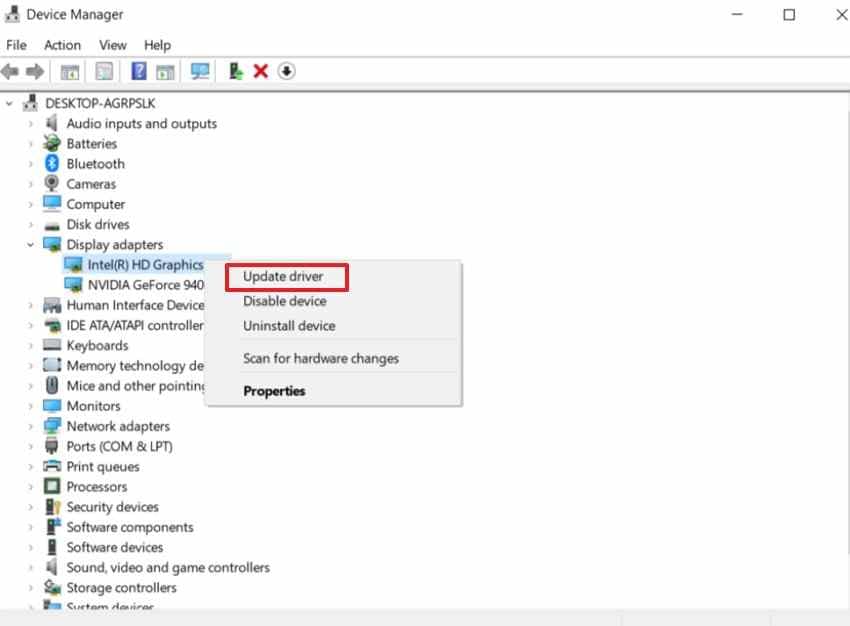
Step 2. Choose Search automatically for drivers, or download the correct graphics and chipset drivers from your PC manufacturer's official website.
Fix 11. Run SFC, DISM, and CHKDSK After Protecting Files
Use repair commands after important files are protected. CHKDSK can modify file-system structures, so avoid running it first on a drive that may be physically failing or contains critical unbacked-up files.
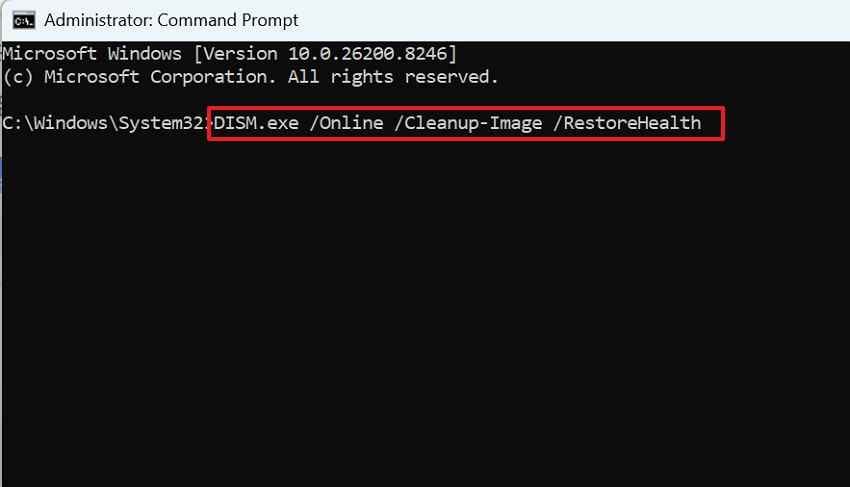
Step 1. Open Command Prompt as administrator in Safe Mode or WinRE. Run DISM first on a booted Windows system:
DISM.exe /Online /Cleanup-Image /RestoreHealth
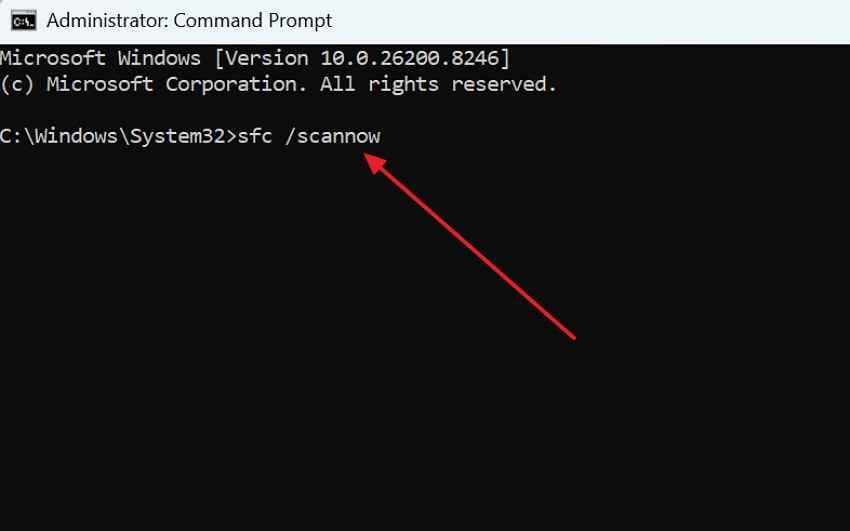
Step 2. Run System File Checker:
sfc /scannow
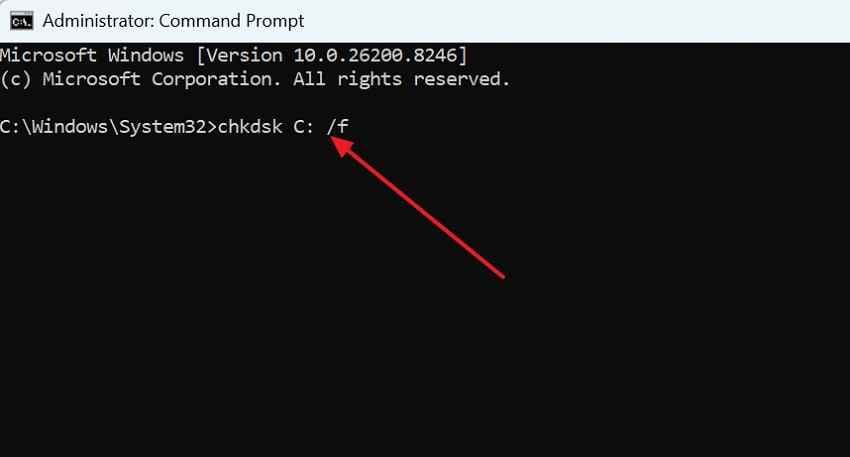
Step 3. If file-system errors are suspected and your files are backed up, run:
chkdsk C: /f
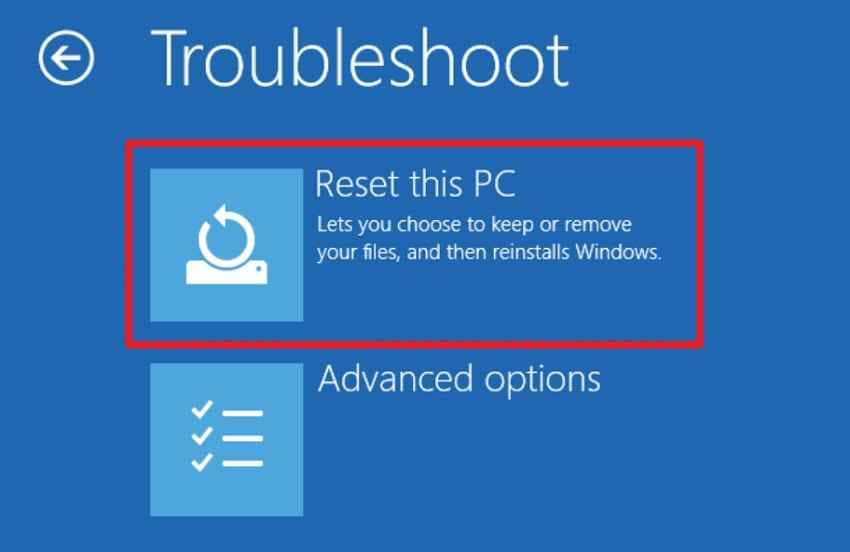
Fix 12. Reset This PC With Keep My Files as a Last Resort
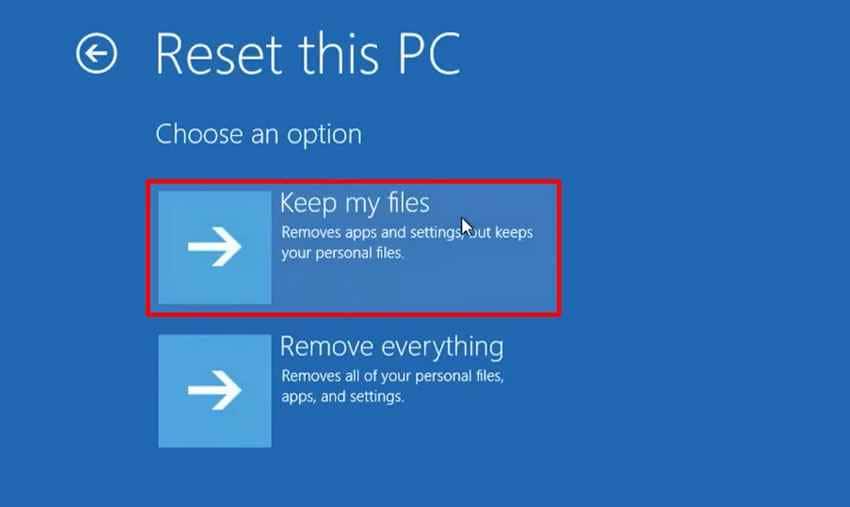
Reset this PC can reinstall Windows while keeping personal files, but it removes apps and many settings. Use it only after safer fixes fail and after important files are backed up or recovered.
Step 1. Enter WinRE and select Troubleshoot > Reset this PC.
Step 2. Choose Keep my files. Review the apps and settings that will be removed before continuing.
Part 6. Recover Files Before Resetting or Reinstalling Windows
If Windows cannot reach the desktop, your files may still be on the internal drive. Recovering important files first reduces risk before reset, reinstall, CHKDSK, or hardware repair.
When Recoverit Can Help
Recoverit Windows Data Recovery can help recover local files when Windows will not boot, stays stuck on the Welcome screen, or needs a reset. Its bootable recovery workflow can create a USB drive on another working computer and use it to access recoverable files from the affected PC.
It can help with documents, photos, videos, emails, archives, project files, and files from accessible internal drives, external drives, lost partitions, formatted partitions, and other supported storage devices.
When Recoverit Cannot Help
Recoverit cannot repair Windows, fix a bad driver, bypass a Windows password, decrypt BitLocker without the recovery key, or guarantee recovery from a physically failing SSD or HDD. If the drive clicks, disconnects, is not detected, or freezes during scans, consider a professional data recovery service.
How to Recover Files If Windows Will Not Reach the Desktop
Use another working Windows computer and an empty USB drive. The USB drive will be formatted during bootable media creation, so do not use one that contains important files.
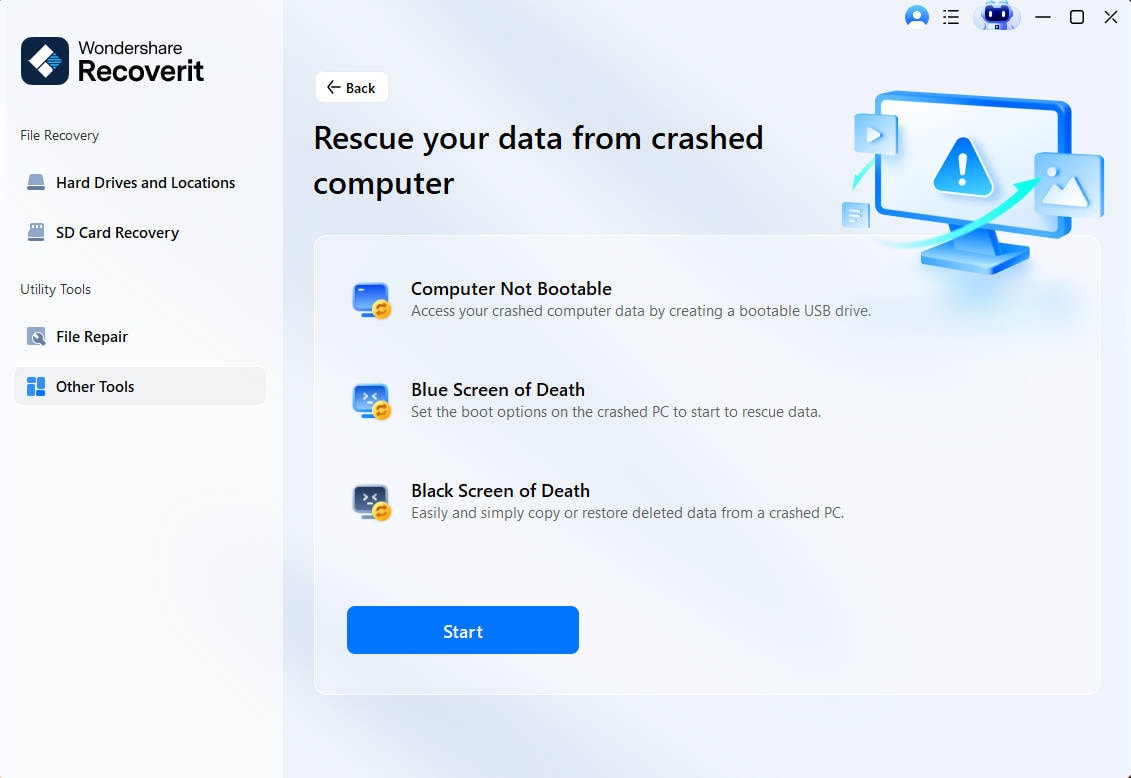
Step 1. Select Computer Not Bootable
Open Recoverit on a working computer, go to Other Tools, choose Computer Not Bootable, and click Start.
Step 2. Create a Bootable USB Drive
Connect an empty USB drive with enough capacity, select it in Recoverit, and click Start to create recovery media.

Step 3. Recover Files From the Affected Computer
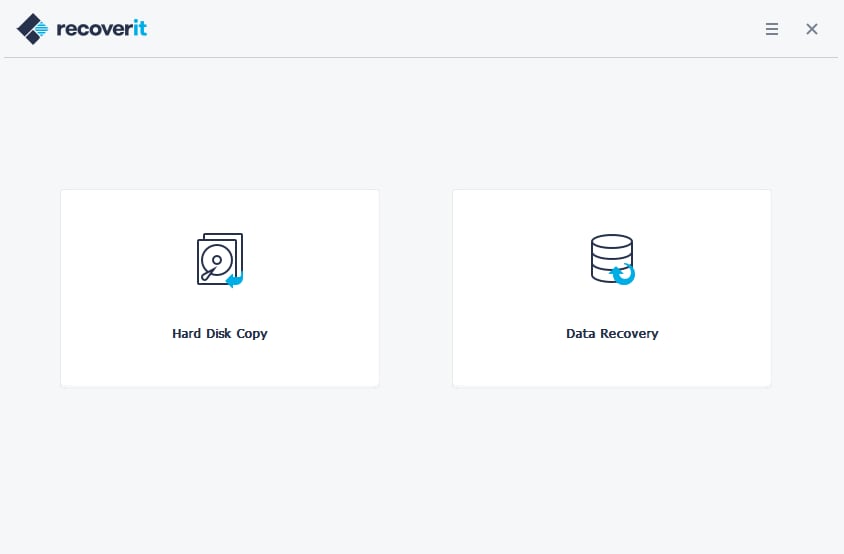
Boot the stuck PC from the Recoverit USB. Choose Data Recovery or Hard Disk Copy, scan the internal drive, select the required files, and save them to a separate external storage device.
What to Do After Recovering Important Files
Open several recovered files on another computer to verify they work. Then continue with Startup Repair, System Restore, update removal, clean boot, driver repair, or Reset this PC. Reinstall Windows only when safer recovery options fail.
Part 7. How to Prevent Welcome Screen Freezes
- Finish updates: Let Windows updates complete before shutting down or restarting.
- Keep drivers current: Update graphics, chipset, and storage drivers through Windows Update or the PC manufacturer's official website.
- Reduce startup load: Disable unnecessary startup apps, old utilities, and unneeded background services.
- Turn off Fast Startup if freezes repeat: Disable Fast Startup if the same Welcome screen problem returns after shutdowns or driver changes.
- Back up first: Create verified backups before major Windows updates, driver updates, reset, or hardware repair.
- Watch drive health: Replace a drive that shows bad sectors, repeated freezes, SMART warnings, or slow read errors.
Conclusion
A Windows 10 or Windows 11 stuck on Welcome screen problem should be handled from low-risk to high-risk fixes. Start by waiting for updates, disconnecting peripherals, restarting once, and testing Safe Mode. Then move to clean boot, user profile checks, Startup Repair, System Restore, update removal, driver repair, and system file commands. Use Reset this PC only after safer options fail.
If the PC contains important files and Windows will not reach the desktop, recover data before reset, reinstall, or CHKDSK. Recoverit Windows Data Recovery can help recover local files from an accessible drive, but it cannot repair Windows, bypass passwords, decrypt BitLocker without a key, or guarantee recovery from failing hardware.
FAQ
-
Why is Windows 10 stuck on the Welcome screen?
Common causes include failed updates, corrupted user profiles, faulty startup apps, driver conflicts, Fast Startup problems, damaged system files, or storage errors. -
What should I do if Windows 11 is stuck at Welcome screen?
Wait briefly if an update is still running, disconnect nonessential devices, restart once, then enter Windows Recovery Environment and try Safe Mode, Startup Repair, or Uninstall Updates. -
Will Reset this PC delete my files?
The Keep my files option is designed to preserve personal files, but it removes installed apps and settings. Back up or recover important files first because reset errors, wrong choices, or drive problems can still cause data loss. -
Can a bad hard drive cause Windows to freeze on Welcome?
Yes. A failing SSD or HDD can delay file access, corrupt Windows files, and freeze startup. If the drive makes noise, disconnects, or is not detected, stop repeated repairs and consider professional recovery. -
Can Recoverit fix Windows stuck on the Welcome screen?
No. Recoverit does not repair Windows startup, drivers, or user profiles. It can help recover local files before you reset, reinstall, or send the PC for repair.