

 TL;DR:
If pictures fail to load from your SD card due to connection, compatibility, or file system errors, you can restore access using built-in Windows utilities, adjusting physical card switches, or updating disk drivers.
● Unlock the physical write-protection switch on the side of the SD card to disable read-only mode and allow image modification or transfer.
● Repair hidden logical faults and inconsistent directory structures without reformatting by running the command chkdsk X: /x /r in the Windows Terminal (Admin).
● Use Windows Disk Management to assign a missing drive letter if the card is undetected, or use Wondershare Recoverit to extract images if bad sectors require a complete card format.
Ask AI for a summary
 ChatGPT
 Perplexity
 Gemini
 Claude
 Grok
Grok
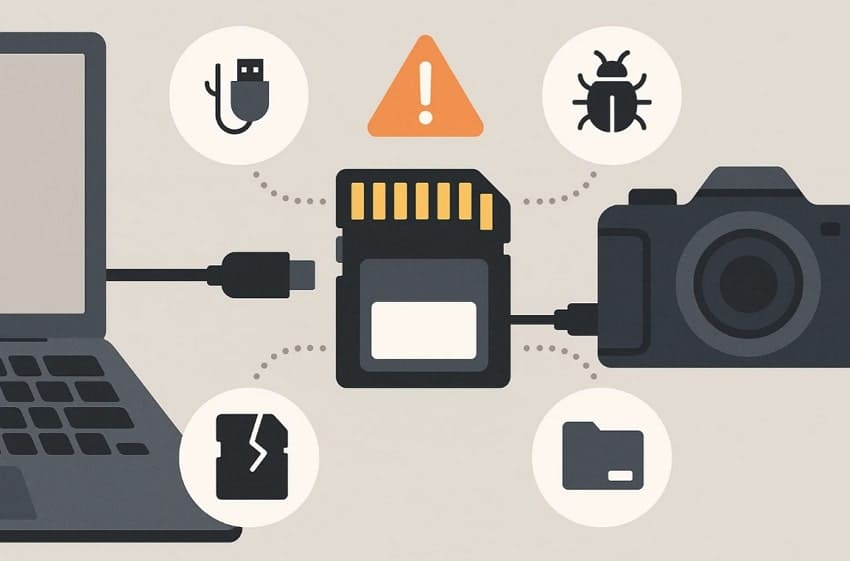
When pictures will not load from an SD card, the problem may be a loose connection, card reader issue, unsupported file system, hidden files, missing drive letter, corrupted directory, damaged image files, malware, or physical card failure. The most important rule is to protect the photos before repairing the card.
If the SD card contains valuable photos, stop taking new pictures, do not save files to the card, and do not format it until you copy or recover the data. Start with read-only checks such as testing another reader, checking Disk Management, showing hidden files, and opening the photos on another device. Use repair tools only after the photos are safe.

Try Recoverit to Perform SD Card Data Recovery
 Security Verified. 3,591,664 people have downloaded it.
Quick Diagnosis: What Does "Pictures Won't Load" Mean?
| Symptom | Likely Cause | Safest First Action |
| SD card does not appear in File Explorer | Bad reader, USB port, missing drive letter, driver issue, or card failure | Try another reader or PC, then check Disk Management |
| Windows asks to format the SD card | File system corruption or unsupported format | Cancel formatting and recover photos first |
| Folders appear empty | Hidden files, wrong folder, malware attribute change, or deleted files | Show hidden files and scan the card with recovery software if photos are missing |
| Thumbnails appear but photos will not open | Damaged image files, unsupported RAW format, or viewer issue | Copy photos to a local drive and try another viewer or photo repair workflow |
| Photos open on camera but not on PC | Reader, driver, file format, codec, or operating system compatibility issue | Use another reader or download via camera cable or official camera software |
| Card is cracked, bent, wet, hot, or not detected anywhere | Physical damage | Stop using the card and consider professional data recovery |
Part 1. Why Won't Pictures Load From an SD Card?
SD card photo loading problems can come from the card, the reader, Windows, the file system, the image format, or the photos themselves. Identifying the source helps you avoid destructive fixes.
| Cause | What It Looks Like | Best Fix |
| Poor physical connection | Card appears and disappears or loads slowly | Clean contacts gently and try another reader or port |
| Missing drive letter | Card appears in Disk Management but not File Explorer | Assign a drive letter in Disk Management |
| Unsupported file system | Device asks to format or cannot read the card | Recover or back up photos first, then format with a compatible file system |
| Hidden files or changed attributes | Folders look empty even though space is used | Show hidden files and remove malicious attribute changes if needed |
| Corrupted file system or directory | Photos disappear, names look strange, or folders fail to open | Recover photos first, then try chkdsk or formatting |
| Unsupported image format | Files exist but the viewer cannot open them | Use a compatible viewer, codec, or camera software for RAW or HEIC files |
| Physical card damage | Card is not detected anywhere or shows visible damage | Stop DIY repair and consider professional recovery |
| Malware or unsafe removal | Photos are hidden, corrupted, or inaccessible after using another device | Scan safely and recover photos before repairing the card |
Part 2. How to Fix Pictures Won't Load from SD Card Error
To know how to get pictures from the SD card, here we have listed down 12 most efficient methods to cater to both beginners and professionals:
Recommended Fix Order Before Formatting the SD Card
| Priority | Fix | Risk Level |
| 1 | Stop using the SD card and inspect for physical damage | Low |
| 2 | Try another card reader, USB port, computer, camera, or phone | Low |
| 3 | Check write-protection switch and clean contacts gently | Low |
| 4 | Check File Explorer, Disk Management, and drive letter | Low |
| 5 | Show hidden files and search common photo folders | Low |
| 6 | Copy readable photos to another drive | Low |
| 7 | Recover missing photos with Wondershare Recoverit | Medium |
| 8 | Run chkdsk only after recovery or backup |
Medium |
| 9 | Format the SD card only after all important photos are safe | High |
Solution 1. Check the SD Card, Reader, USB Port, and Device
Start with hardware checks because they do not change data on the SD card. A weak reader or dirty contact can make photos fail to load even when the card is healthy.
- Stop using the SD card and remove it safely from the device.
- Inspect the card for cracks, bending, heat damage, water exposure, or broken contacts.
- Gently clean the metal contacts with a dry microfiber cloth.
- Try another card reader or adapter.
- Try another USB port on the same computer.
- Test the SD card on another computer, camera, phone, or tablet.
- If the photos load on another device, copy them to a safe drive immediately.
- If the card is not detected anywhere, stop DIY fixes and consider professional help.
Solution 2. Check File System and Photo Format Compatibility
An SD card can fail to load photos if the device does not support the card's file system or if the image viewer does not support the photo format. These are two different problems.
| Compatibility Issue | Example | Safe Fix |
| File system issue | A device asks to format an exFAT or unsupported card | Recover or copy photos first, then format the card for the target device |
| Image format issue | RAW, HEIC, AVIF, or camera-specific files do not open | Use a compatible photo viewer, codec, or camera software |
| Folder structure issue | Camera cannot find photos moved outside DCIM |
Check the original folder on a computer before moving files |
| Corrupted file issue | Photo exists but opens as black, gray, or partial image | Recover the original file and use photo repair only if needed |
Solution 3. Check the SD Card Write-Protection Switch
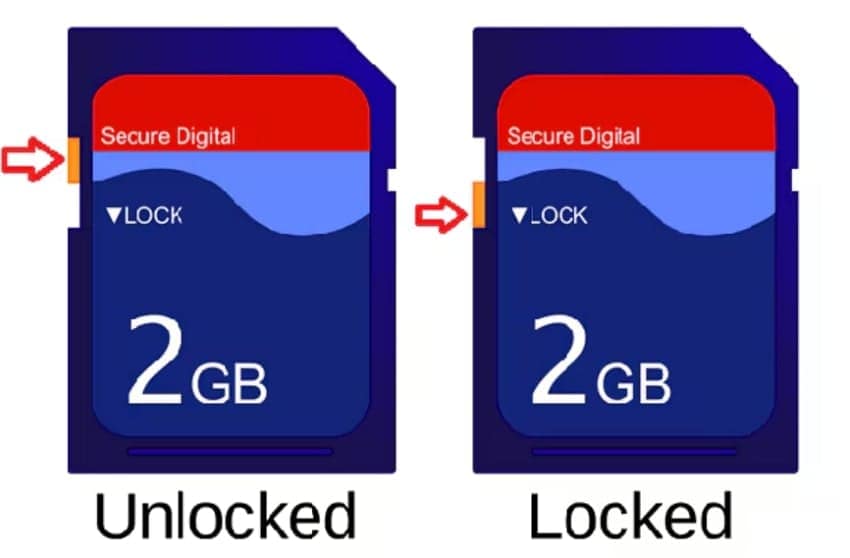
Write protection usually does not stop you from reading photos, but it can stop Windows from saving changes, repairing errors, deleting files, or formatting the card. Full-size SD cards and microSD adapters may have a small lock switch on the side.
- Remove the SD card or microSD adapter from the device.
- Find the LOCK switch on the side if the card or adapter has one.
- Move the switch to the unlocked position.
- Insert the card again and check whether files can be copied.
- If Windows still says the card is read-only, try another adapter or reader.
Solution 4. Copy Readable Photos Before Running Repairs
If the SD card opens even partially, copy every readable photo to another drive before running repair tools. A card that loads sometimes but not always may be failing.
- Open the SD card in File Explorer.
- Copy folders such as
DCIM,Pictures,Camera, or device-specific folders to the computer. - Do not move files directly from the SD card if copy is available.
- Skip files that cause the copy process to freeze and continue copying other folders.
- After the readable files are safe, use recovery software for missing or damaged folders.
Solution 5. Recover Photos Before Formatting the SD Card
Formatting can rebuild the file system and make an SD card usable again, but it can also remove the easiest path to your photos. If Windows asks to format the card, click Cancel until your photos are copied or recovered.
- Do not format the SD card if it contains important photos that are not backed up.
- Use Wondershare Recoverit or another trusted recovery tool to scan the card first.
- Save recovered photos to the computer or external drive, not back to the same card.
- After recovery, format the card with the camera, phone, or the official SD Memory Card Formatter when appropriate.
- Test the card with a few non-important photos before using it again for valuable shoots.
Solution 6. Assign a Drive Letter in Disk Management
If the SD card appears in Disk Management but not in File Explorer, Windows may not have assigned a drive letter. Assigning one can make the card visible again without formatting.
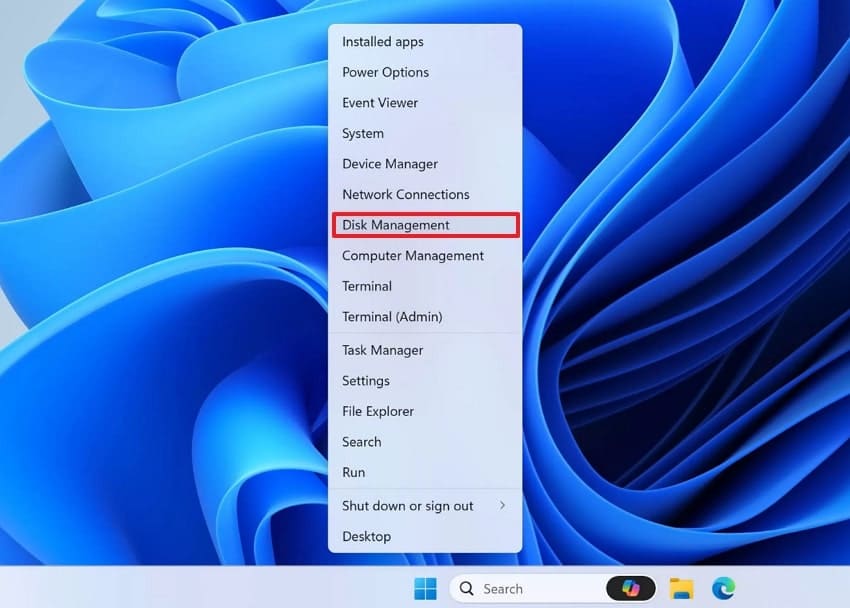
- Press Windows + X.
- Choose Disk Management.
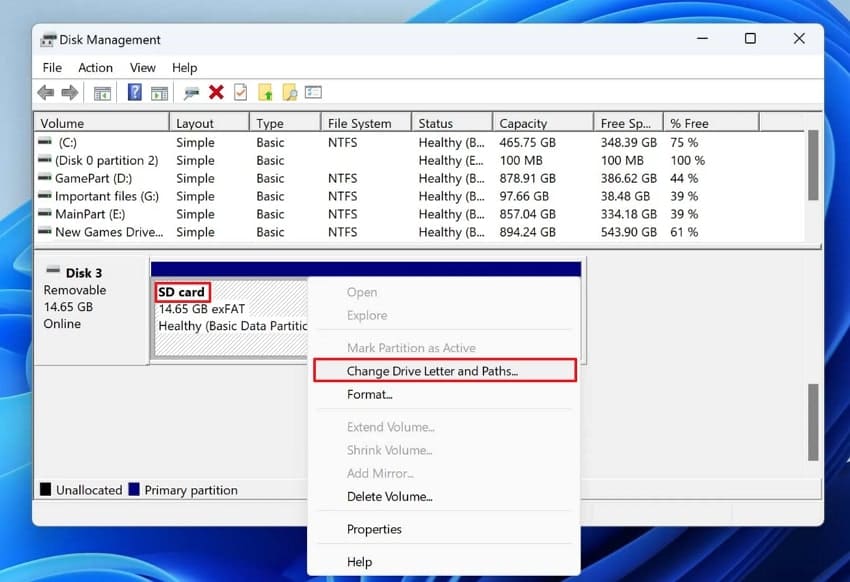
- Find the SD card by size and label.
- If it has no drive letter, right-click the partition and choose Change Drive Letter and Paths.
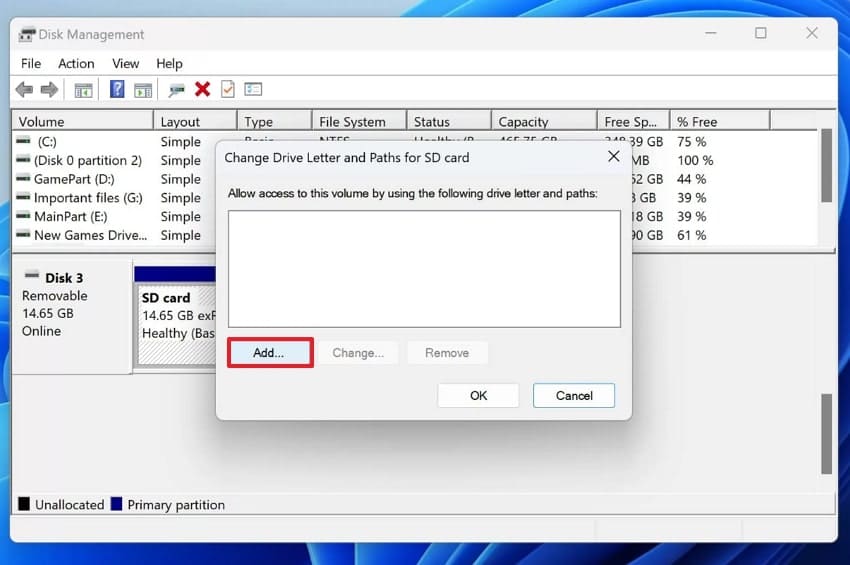
- Click Add.
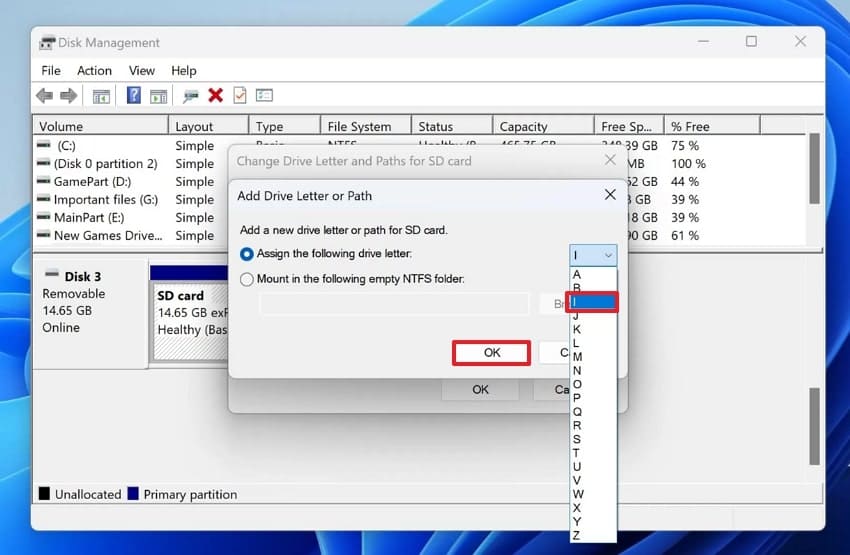
- Choose an unused drive letter.
- Click OK and open File Explorer again.
| Disk Management Status | Meaning | Safe Action |
| Healthy partition with no drive letter | Card may be readable after assigning a letter | Add a drive letter |
| RAW file system | File system may be corrupted or unsupported | Recover photos before formatting |
| Unallocated space | Partition information may be lost | Do not create a new volume before recovery |
| No media or not detected | Reader, adapter, or card hardware may have failed | Cross-test hardware and consider professional recovery |
Solution 7. Run CHKDSK Only After Backing Up or Recovering Photos
chkdsk can check and repair file system errors, but repair options write changes to the SD card. If photos are valuable, recover or copy them before running this command.
- Copy all readable photos from the SD card to another drive.
- If photos are missing, recover them first with SD card recovery software.
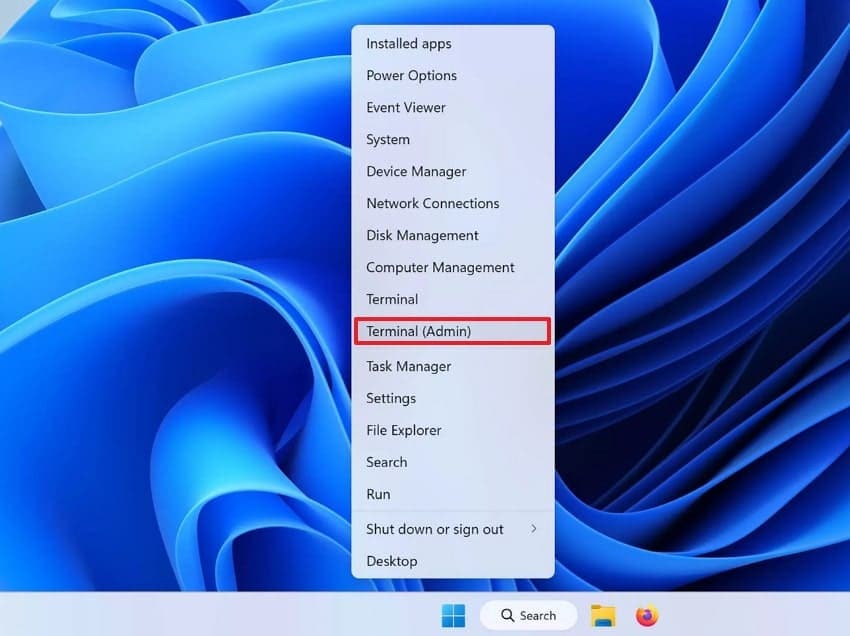
- Right-click Start and choose Terminal or Command Prompt as administrator.
- Run
chkdsk X: /fand replaceXwith the SD card drive letter.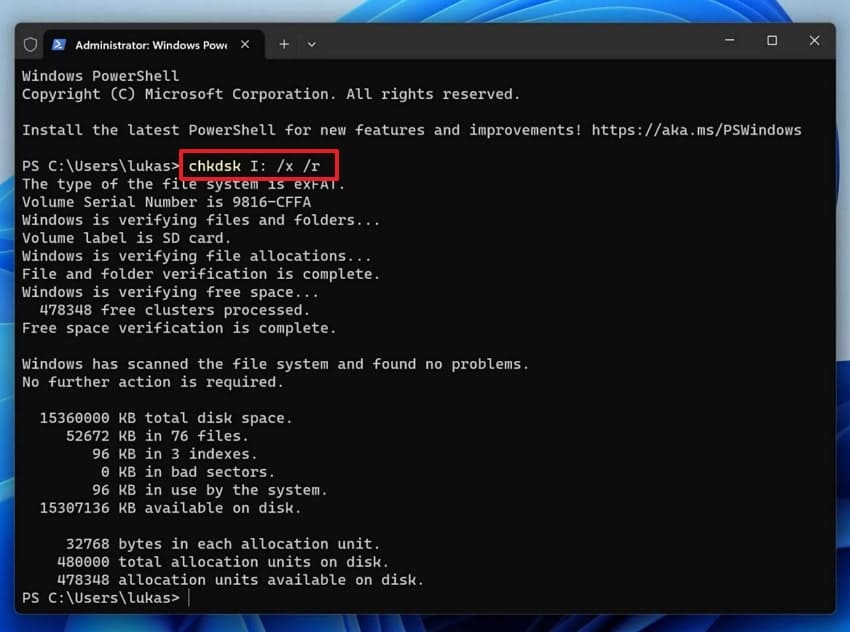
- Use
chkdsk X: /ronly if you understand that it can take longer and may stress a failing card. - After the scan completes, reopen the SD card and copy any accessible photos immediately.
chkdsk on a physically damaged, repeatedly disconnecting, or clicking storage device. For severe damage, recovery should come before repair attempts.Solution 8. Update or Reinstall the Card Reader Driver
If other SD cards also fail on the same PC, the problem may be the card reader, USB controller, or storage driver rather than the SD card. Use Device Manager to refresh the driver safely.
- Right-click Start and choose Device Manager.
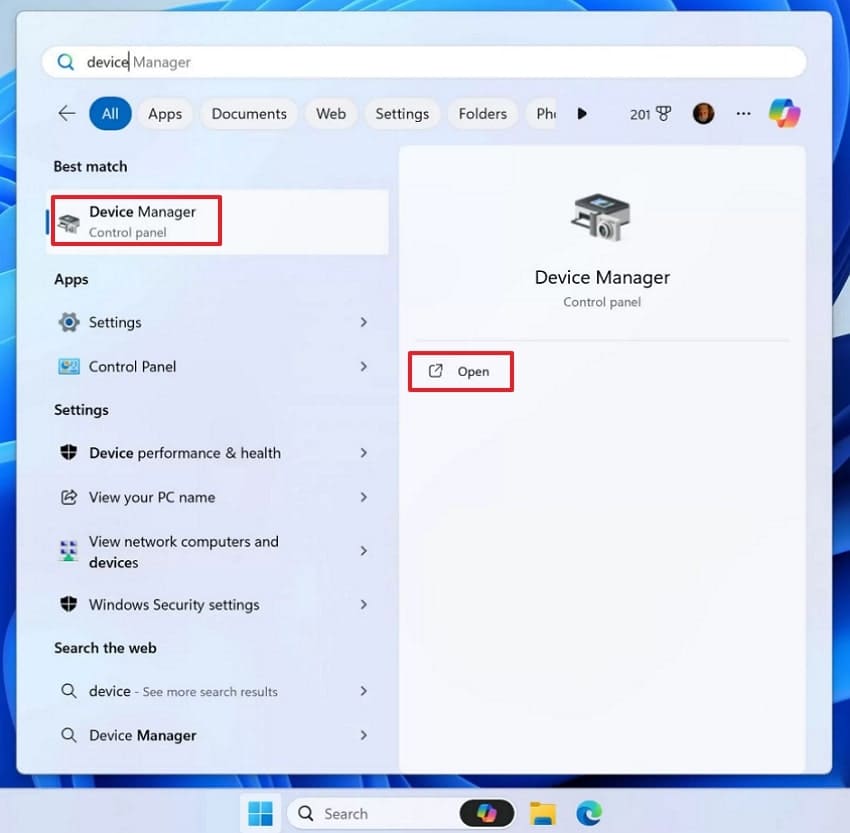
- Expand Disk drives, Portable Devices, Memory technology devices, or Universal Serial Bus controllers.
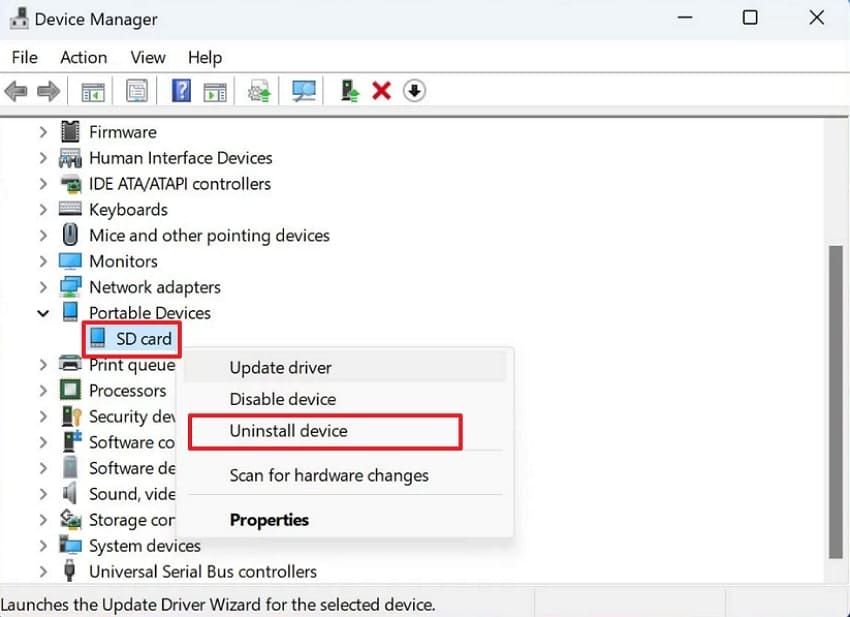
- Find the SD card reader or USB storage device.
- Right-click it and choose Update driver.
- Select Search automatically for drivers.
- If it still fails, uninstall the device and restart Windows so it can reinstall the driver.
- Test the SD card again with the same reader and another reader.
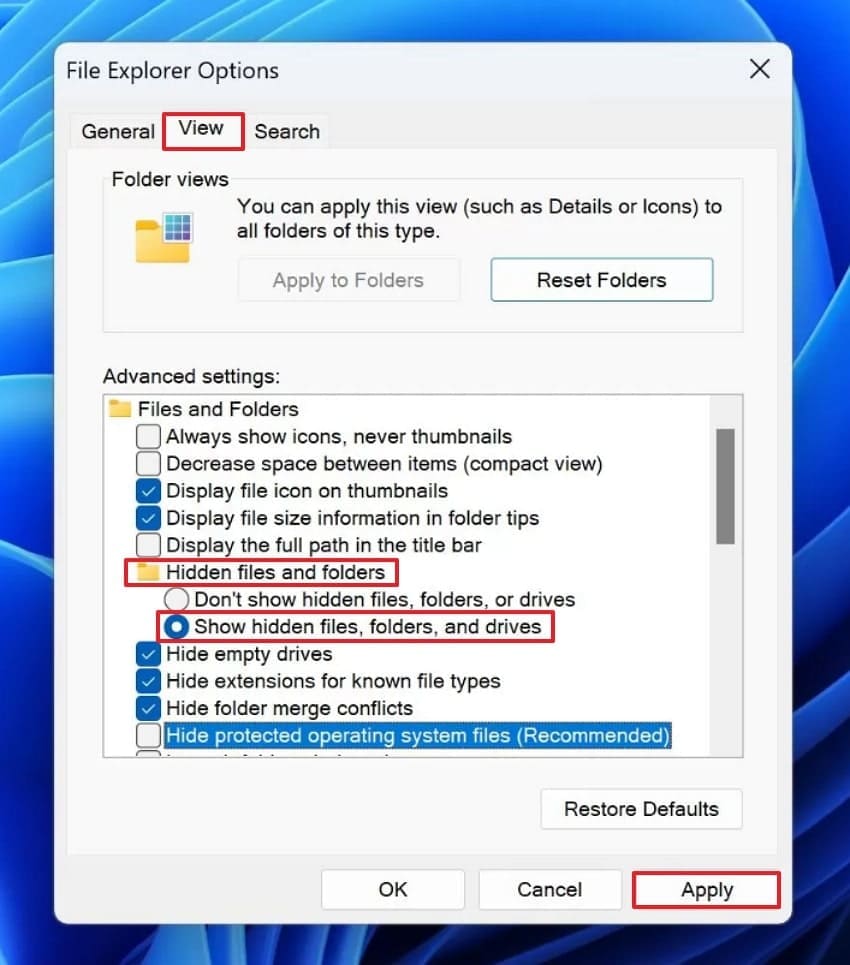
Solution 9. Show Hidden Photos and Search Common Folders
Some photos may look missing because they are hidden, stored in another folder, or renamed by the camera or phone. Show hidden files first, then search the card safely.
- Open File Explorer.
- Select View, then Show, and enable Hidden items.
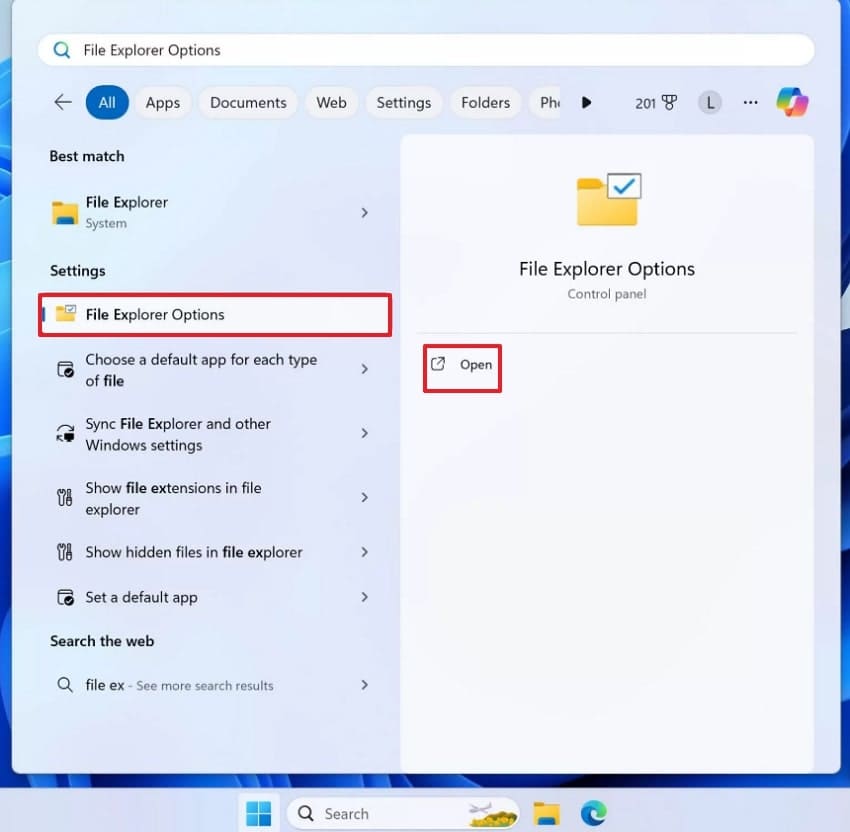
- Search folders such as
DCIM,Pictures,Camera,PRIVATE, or camera-specific folders. - Search by extensions such as
.jpg,.jpeg,.png,.heic,.raw,.cr2,.nef,.arw, or.dng. - Copy found photos to the computer before changing attributes or repairing the card.
Solution 10. Format the SD Card After Recovery Is Complete
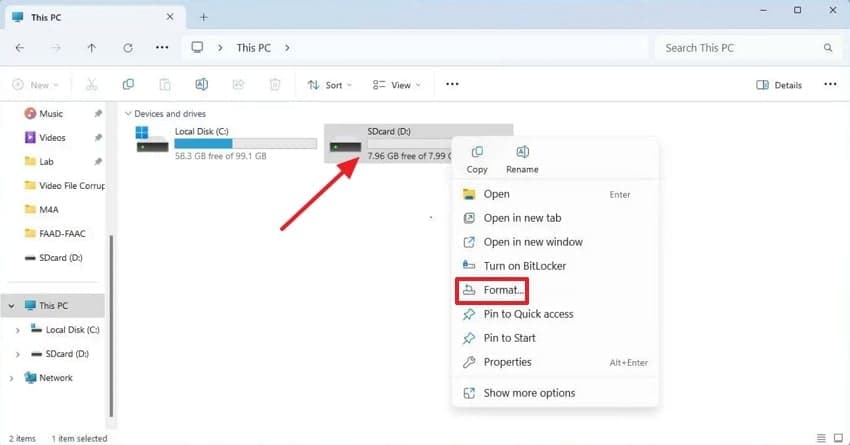
After photos are recovered and backed up, formatting can prepare the SD card for reuse. Use the camera, phone, drone, or the official SD Memory Card Formatter when possible because device-specific formatting can create the right folder structure.
- Confirm that all important photos are copied or recovered to another drive.
- Open the target camera, phone, drone, or computer formatting tool.
- Choose the SD card carefully by size and label.
- Select the recommended file system for the device.
- Start formatting.
- After formatting, take a few test photos and confirm they load correctly.
- If the card fails again, replace it instead of trusting it for important photos.
Solution 11. Use Windows Update and Device Manager Instead of Old Troubleshooter Paths
Some older guides mention the Hardware and Devices troubleshooter in Settings, but that path may not appear on many Windows 10 or Windows 11 systems. For SD card loading problems, Windows Update and Device Manager are usually more practical.
- Open Settings.
- Go to Windows Update.
- Click Check for updates.
- Open Advanced options and check Optional updates for storage, chipset, USB, or card reader drivers.
- Open Device Manager.
- Update or reinstall the card reader, USB controller, or portable device driver if needed.
- Restart Windows and test the SD card again.
Solution 12. Scan the SD Card for Malware Safely
Malware can hide folders, change file attributes, create shortcuts, or corrupt files on removable storage. Scan the SD card, but protect your photos first when possible.
- Copy readable photos to a safe local folder if the card still opens.
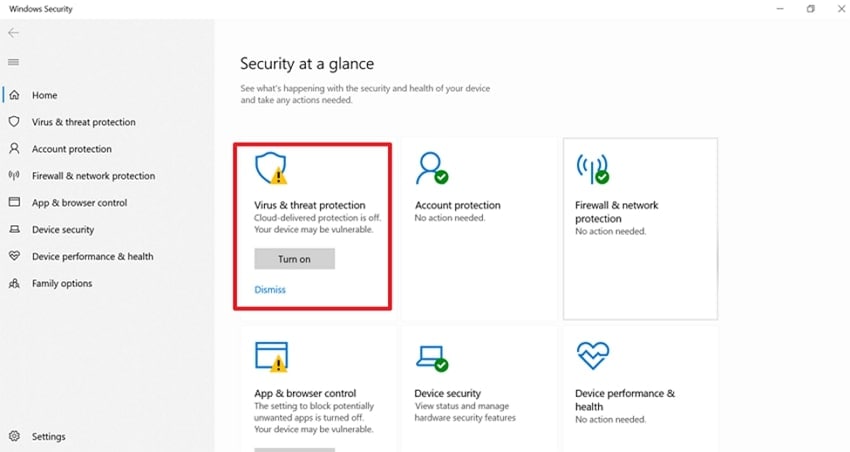
- Open Windows Security.
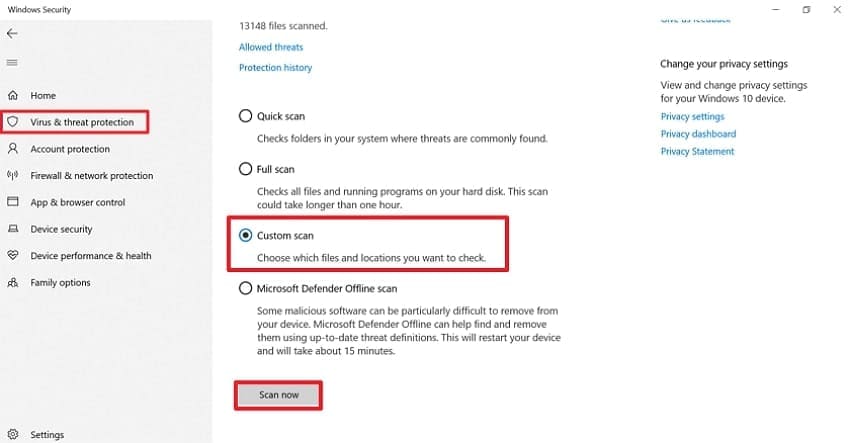
- Choose Virus & threat protection.
- Open Scan options.
- Select Custom scan.
- Choose the SD card drive and start the scan.
- After threats are removed, check whether hidden folders or missing photos are visible again.
- If photos are still missing, use recovery software before formatting the card.
Part 3. Recover Lost Photos From the SD Card With Recoverit
If photos are deleted, missing, hidden after corruption, lost after formatting, or unavailable because Windows asks to format the card, use recovery software before writing new data to the SD card. Wondershare Recoverit can scan SD cards, microSD cards, CF cards, USB drives, external disks, and computer drives for recoverable photos and videos.
This method is suitable for logical data loss, accidental deletion, formatting, file system corruption, and interrupted transfers. If the card is physically damaged, bent, cracked, wet, burned, or not detected by any reader, avoid further attempts and consider professional recovery.
- Stop using the SD card immediately.
- Connect the SD card to the computer with a stable card reader.
- Open Wondershare Recoverit.
- Select the SD card as the scan location.
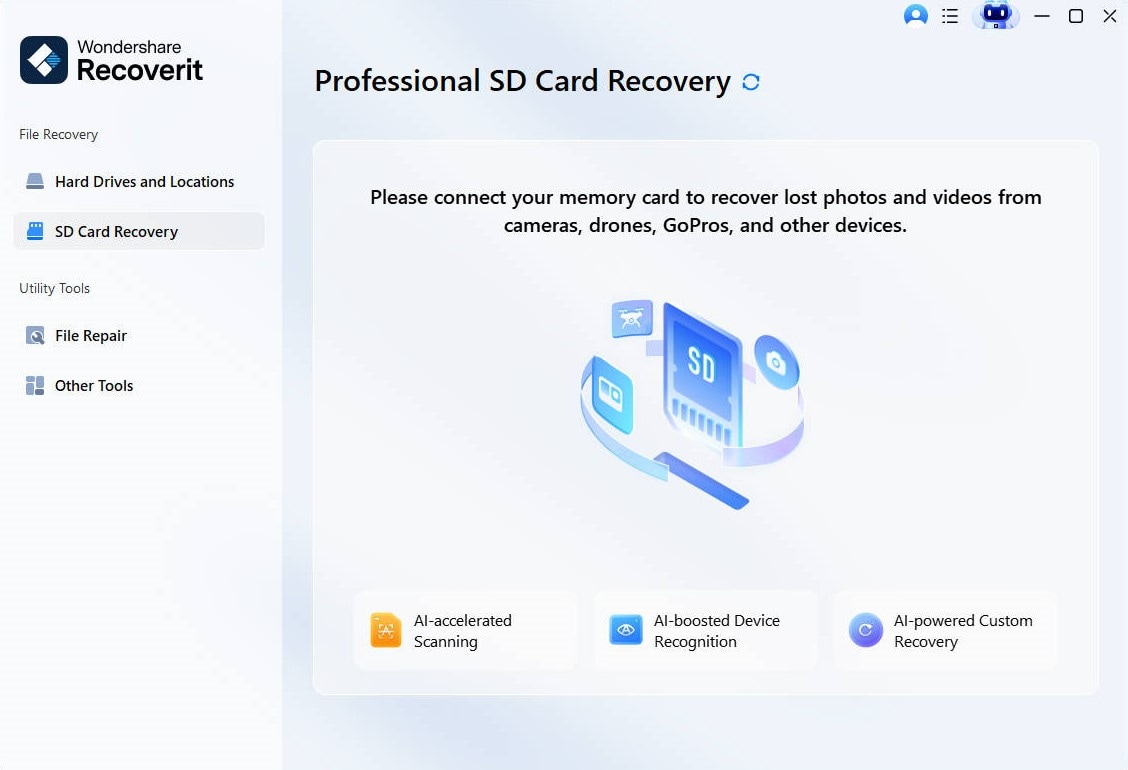
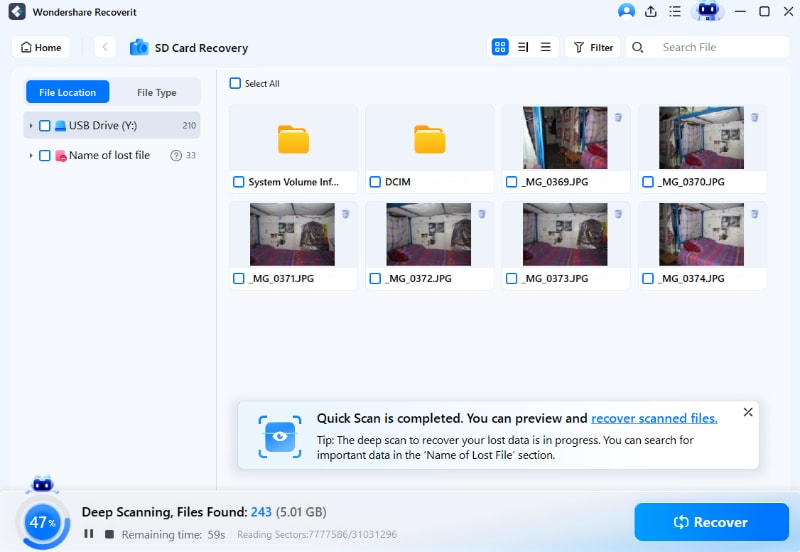
- Start scanning.
- Filter or search for photo formats such as
jpg,jpeg,png,heic,raw,dng,cr2,nef, orarw.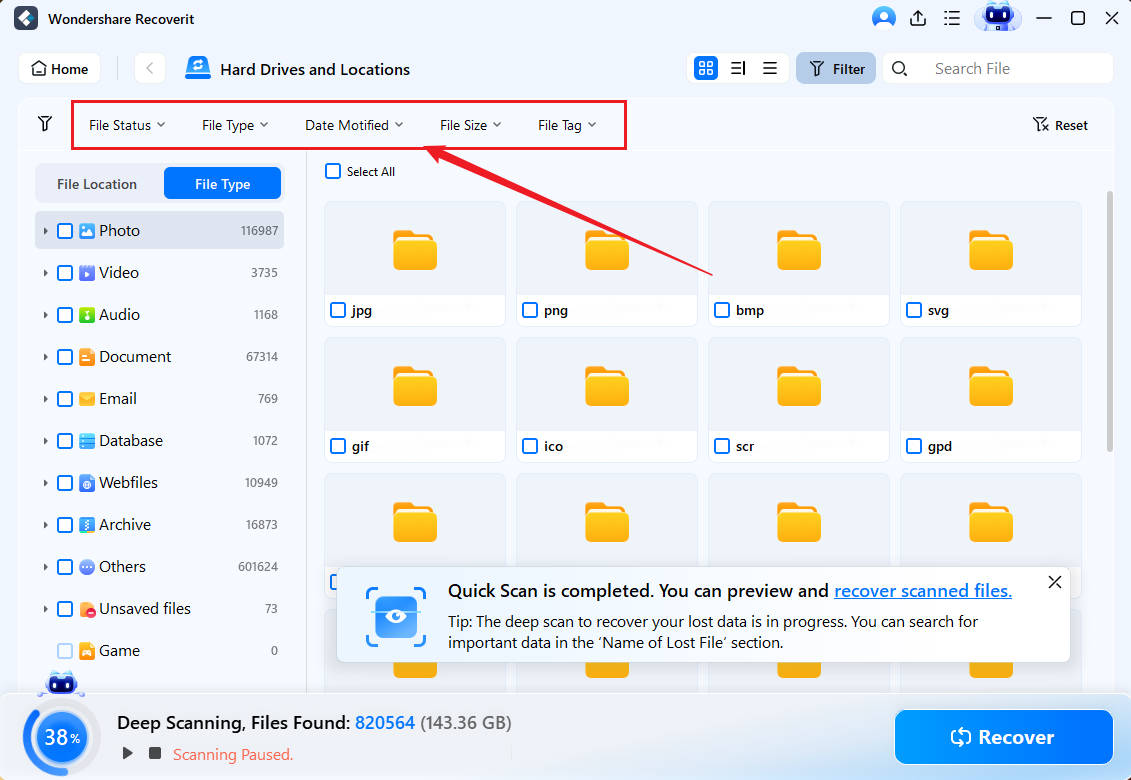
- Preview recoverable photos when available.

- Click Recover.
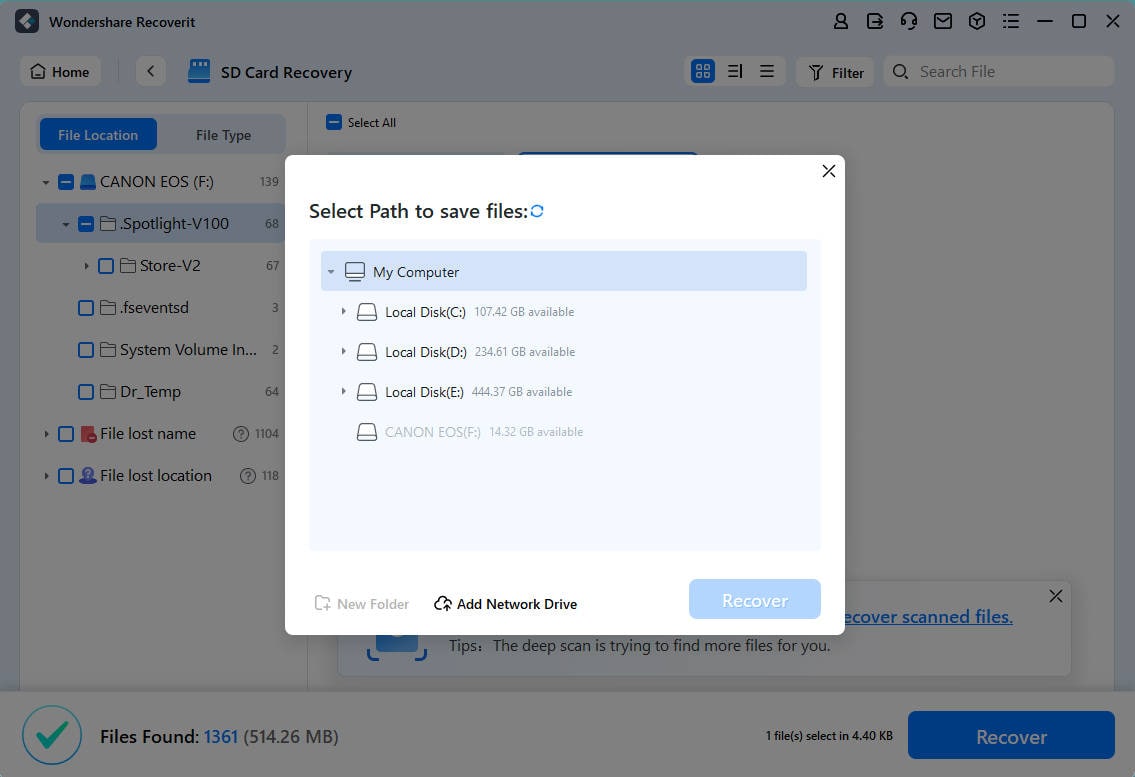
- Save recovered photos to the computer or another external drive, not back to the same SD card.
Part 4. Prevent Pictures From Failing to Load From an SD Card
Good SD card habits reduce corruption, missing photos, and loading errors. Use the card as temporary capture storage, not the only copy of important memories.
| Prevention Tip | Why It Helps | Best Practice |
| Back up photos regularly | Protects against card failure, deletion, and formatting | Copy photos to a computer, external drive, or trusted cloud storage |
| Safely eject the card | Prevents interrupted writes and file system damage | Use Eject before removing the card from Windows |
| Format in the target device | Creates the expected file system and folder structure | Format in the camera, phone, drone, or official SD formatter after backup |
| Keep free space available | Reduces write errors and performance drops | Keep at least 10% to 15% free space instead of filling the card completely |
| Use reliable SD cards and readers | Poor cards and readers increase read/write failures | Buy from trusted brands and avoid counterfeit cards |
| Avoid removing power while writing | Interrupted writes can corrupt photos or folders | Do not remove the card while the camera or computer is saving files |
| Replace failing cards early | Repeated errors often indicate wear or damage | Retire cards that repeatedly ask for formatting or fail in multiple devices |
| Scan removable media safely | Prevents malware from hiding or corrupting photos | Use Windows Security custom scan before opening suspicious files |
Conclusion
If pictures will not load from an SD card, start with non-destructive checks: test another reader, device, and USB port; inspect contacts; check the lock switch; assign a drive letter; and show hidden files. Copy any readable photos to another drive as soon as possible.
If the card asks to be formatted, shows RAW, has empty folders, or contains missing photos, recover the photos first with Wondershare Recoverit or another trusted SD card recovery tool. Run chkdsk, antivirus cleanup, or formatting only after photos are backed up or recovered.
After recovery, format the SD card in the device you plan to use or with the official SD Memory Card Formatter. If the card is physically damaged or fails repeatedly across devices, replace it instead of trusting it with important photos.
FAQ
-
1. In case my SD card is not detectable, what should I do?
If your SD card is not showing on your computer, start by unplugging it and then reinstalling its drivers. For that, you can access the "Device Manager" and navigate to the necessary drivers for updating. -
2. Is it possible to restore the files if my SD card is physically damaged?
Yes, you can retrieve the lost data using advanced tools like Recoverit. However, if the card is very damaged, you should seek professional help to retrieve data. -
3. If I format the SD card, will it delete my files?
Absolutely, when you format your SD card, all data will be erased. This step is beneficial to remove any sort of viruses that can corrupt your SD card, resulting in pictures not showing up on SD card. -
4. Are there any free web tools available to restore the deleted files?
Yes, there are numerous free tools available worldwide to retrieve your essential data. Among numerous tools, Recoverit is the best option as it can retrieve data from 1000+ file types and provides a batch processing feature.


