

 TL;DR:
For programming in 2026, the Apple M1 is the optimal choice for macOS/iOS development and battery-efficient portable workflows, whereas the Intel i7 remains superior for cross-platform coding, x86 compatibility, and native Windows environments.
● Virtualization natively favors the Intel i7 via WSL for Linux VMs and x86 Docker containers, while the ARM-based M1 requires tools like UTM or Colima and relies on Rosetta 2 for legacy x86 translation.
● An M1 MacBook Pro costs approximately 36% less than a comparable Intel i7 configuration, but the unified M1 architecture restricts post-purchase hardware upgrades for RAM and storage.
● The M1 chip delivers higher multi-core benchmark performance and power efficiency (scoring around 73 versus Intel's 53), enabling cooler, extended operation on battery during heavy code compilation.
Ask AI for a summary
 ChatGPT
 Perplexity
 Gemini
 Claude
 Grok
Grok
A developer sits at a desk waiting for code to compile while multiple tools run in the background. In 2026, choosing the right processor has become a crucial decision for programmers who rely on speed, efficiency, and stability throughout their workflow. The debate around the M1 chip vs Intel i7 often centers on performance, battery life, and compatibility with development tools.
Apple’s M1 chip introduced a new ARM-based architecture designed for efficiency and integrated performance, while Intel i7 processors remain widely used across powerful laptops and desktops. For developers working with IDEs, containers, and virtual machines, understanding the strengths of each processor helps determine which option better supports productivity. Read the article till the end to learn about the best options according to your needs.
Try Recoverit to Perform Data Recovery
 Security Verified. 3,591,664 people have downloaded it.
In this article
-
- Key Features of Apple M1
- Key Features of Intel i7
- Game Performance on M1 vs Intel i7 Laptops
- Power Efficiency and Thermals (Battery Life on M1 vs Intel i7)
- Virtualization and Docker Performance (Linux VMs, containers, WSL vs UTM/Colima)
- CPU Performance Benchmarks: M1 vs Intel i7
- Cross-Platform Compatibility: M1 vs Intel i7 for Coding
- Cost Comparison: M1 vs Intel i7 Devices
Part 1. About: What are M1 and Intel i7?
The Apple M1 chip is Apple’s ARM-based processor designed for Mac computers. It combines the CPU, GPU, and memory in one system-on-a-chip. This design improves speed and energy efficiency.
The Intel Core i7 is a high-performance processor built on x86 architecture. It powers many Windows laptops and desktops. It is known for strong multitasking and wide software compatibility. Both processors, M1 vs i7, support demanding tasks like programming and development.
Understanding Apple M1 Chip vs. Intel i7 Architecture
Understanding the architectural differences between the Apple M1 vs Intel i7 for programming 2026 helps developers see how each processor handles performance, efficiency, and multitasking. Provided below is a comparison table that highlights the specifications of both systems:
| Specification | Apple M1 Chip | Intel Core i7 |
|---|---|---|
| Architecture | ARM-based | x86-64 |
| Manufacturing Process | 5 nm | Usually 10 nm or higher |
| CPU Cores | 8 cores (4 performance + 4 efficiency) | Up to 12 cores, depending on the model |
| Integrated Graphics | Apple M1 GPU | Intel UHD/Iris Xe |
| Power Efficiency | Very high | Moderate |
| Typical TDP | Around 14W | Around 65W or more |
| SSD Storage | 2 TB | 4 TB |
| Max. GPU Memory | 8 GB | 64 GB |
| Unified Memory | 16 GB | 32 GB |
Part 2. Apple M1 vs. Intel i7: Key Features and Performance Comparison
Before deciding which processor is better for development workflows, it is important to compare their real-world capabilities. This section highlights the key features and performance differences between the Apple M1 chip Vs Intel Core i7:
Key Features of Apple M1
- High-Speed Processor: Delivers rapid and efficient processing while using minimal energy.
- Integrated Graphics: Features a built-in GPU that outperforms previous generations by up to six times.
- Advanced Neural Engine: Equipped with a neural engine capable of handling AI tasks 16 times faster than before.
- Robust Security: Includes a dedicated secure enclave to safeguard sensitive data.
- Wide Connectivity: Supports Thunderbolt ports and USB devices for versatile hardware compatibility.
Key Features of Intel i7
- Hyper-Threading: Enables multiple threads to run simultaneously, improving multitasking and overall efficiency.
- Turbo Boost Technology: Automatically raises clock speeds during demanding tasks to deliver extra performance when needed.
- Virtualization Support: Allows users to run virtual machines for testing or development without extra hardware.
- Improved Energy Efficiency: Engineered to consume less power than earlier models, reducing electricity usage and operational costs.
Game Performance on M1 vs Intel i7 Laptops
Here’s a look at game performance on M1 vs Intel i7 laptops, based on benchmark data and platform support differences:
Integrated Graphics & Gaming Benchmarks
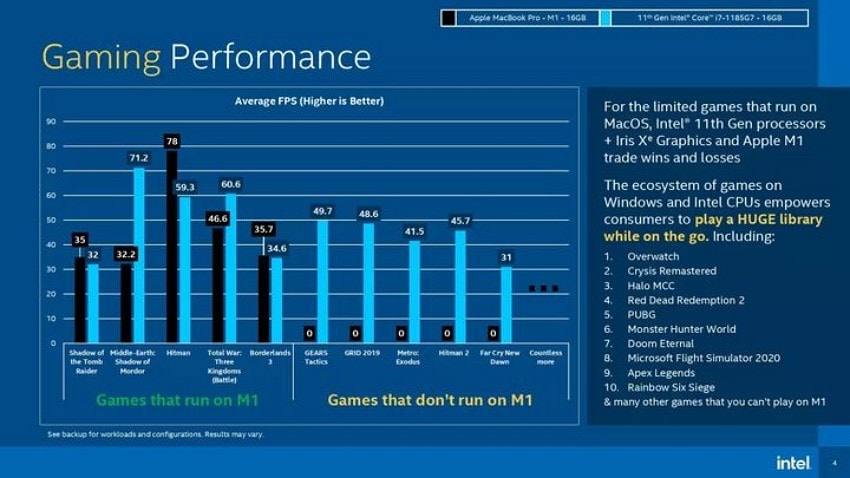
In direct comparisons of integrated graphics scores, the Apple M1’s GPU often scores higher than many Intel i7 laptop CPUs (e.g., i7‑1165G7 or i7‑1065G7), suggesting better performance in graphics‑intensive tasks and lightweight gaming. For example, NanoReview data shows the M1’s integrated graphics consistently outperform the i7’s iGPU in tested laptops, often with higher scores in GPU benchmarks.
Architecture & Efficiency
The M1’s unified memory and efficient architecture help it maintain smoother graphics performance per watt. This can improve battery life during gaming on macOS devices. Intel i7 laptops may run more powerful games on Windows with discrete GPU options. However, their integrated Intel graphics generally lag behind the M1’s integrated GPU in raw M1 vs. Intel i7 for programming 2026 benchmark scores.
Software Compatibility & Game Support
On M1 Macs, many games don’t run natively, and titles often rely on translation layers like Rosetta 2 or emulators, which can reduce performance or limit playable games. Intel i7 laptops running Windows natively support a much wider range of games, including many AAA titles, especially when paired with discrete GPUs; something M1 laptops typically lack.
Power Efficiency and Thermals (Battery Life on M1 vs Intel i7)
When comparing battery life and heat management, the Apple M1 chip generally delivers better efficiency than the Intel Core i7. The M1 uses a modern 5-nm process and scores around 73 in power-efficiency benchmarks, while some Intel i7 laptop chips score closer to 53, indicating lower performance per watt. This efficiency allows M1 laptops to run cooler and last longer on battery during workloads.
Virtualization and Docker Performance (Linux VMs, containers, WSL vs UTM/Colima)
Virtualization performance is another key consideration when comparing the Apple M1 chip Vs Intel Core i7. Intel i7 processors use x86 architecture, which allows developers to run Linux virtual machines and Docker containers more natively through tools like Windows Subsystem for Linux (WSL). This makes compatibility with many development environments straightforward.
On M1 systems, virtualization works differently because of the ARM-based architecture. Tools such as UTM and Colima enable Linux containers and VMs, but some x86-based images may require translation or ARM-compatible versions. While performance for ARM-native containers is strong on M1, compatibility with certain development stacks may still be more seamless on Intel-based systems.
CPU Performance Benchmarks: M1 vs Intel i7
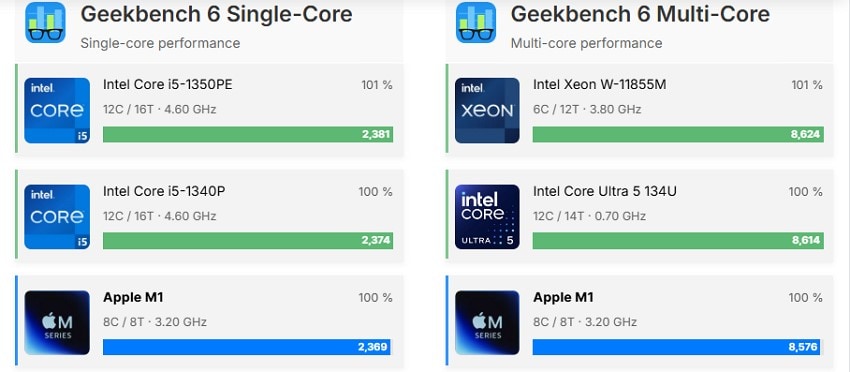
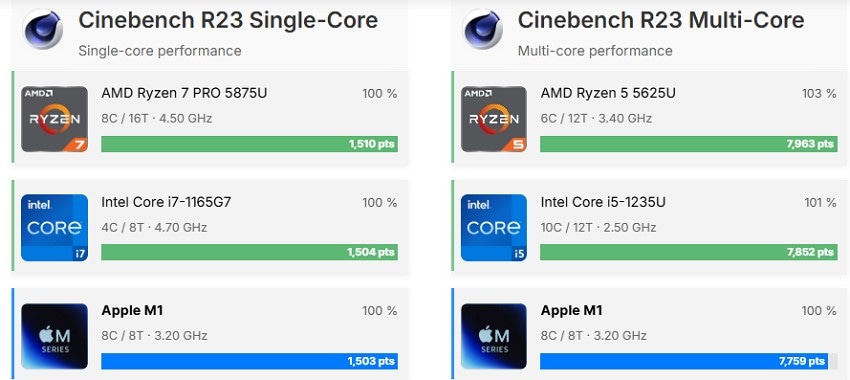
Benchmark tests provide a clear way to evaluate the real processing power of the M1 vs. the i7. These tests measure single-core and multi-core performance using tools like Geekbench and Cinebench, which simulate real workloads such as compiling code, rendering, and multitasking.
Geekbench Results
In Geekbench 6, the Apple M1 achieves around 2,369 in single-core and 8,576 in multi-core scores. In comparison, the Intel Core i7-1165G7 scores about 1,809 single-core and 5,432 multi-core. This indicates stronger overall performance for the M1 in many benchmark scenarios.
Cinebench Results
Similarly, Cinebench R23 multi-core results show the M1 reaching roughly 7,759 points, while the Intel i7-1165G7 records around 5,750 points. This highlights the advantage of the M1’s 8-core architecture in parallel workloads.
Summary
Overall, benchmark data suggests that the Apple M1 often delivers better multi-core performance and higher efficiency. However, Intel i7 processors remain competitive in certain single-core tasks and maintain strong compatibility with traditional x86 software.
Cross-Platform Compatibility: M1 vs Intel i7 for Coding
When developers work across multiple operating systems and frameworks, compatibility becomes a major consideration. Below are the key areas where the Apple M1 vs Intel i7 for programming in 2026 differ for coding environments:
- Architecture Compatibility: Intel Core i7 uses x86 architecture, which most traditional development tools support. The Apple M1 uses ARM architecture, so some older x86-based tools may require translation or updated versions.
- Operating System Flexibility: Intel i7 systems can run Windows, Linux, and other operating systems more directly. M1 devices mainly run macOS, with Linux support through virtualization tools.
- Software Ecosystem: Many legacy development tools and libraries are optimized for x86 processors. M1 supports many modern tools, but some software still requires ARM-compatible builds.
- Development Environment Support: Popular IDEs, compilers, and frameworks increasingly support ARM processors. However, Intel i7 still offers broader compatibility with older development stacks.
Cost Comparison: M1 vs Intel i7 Devices
According to this article, a fully specked M1 MacBook Pro is about 36% cheaper than its Intel Core i7 counterpart with comparable hardware options. The Intel version allows more upgrade options, which contributes to its higher price.
| Device Configuration | Specs | Price |
|---|---|---|
| M1 MacBook Pro (13‑inch) | Apple M1 chip (8‑core CPU, 8‑core GPU), 16‑core Neural Engine, 16 GB unified memory, 2 TB SSD, 2× Thunderbolt/USB‑4 | $2,300 |
| Intel Core i7 MacBook Pro (13‑inch) | 10th‑gen Intel Core i7 quad‑core, Intel Iris Plus GPU, 32 GB RAM, 4 TB SSD, 4× Thunderbolt 3 | $3,600 |
Part 3. M1 vs Intel i7: Best Use Cases for 2026
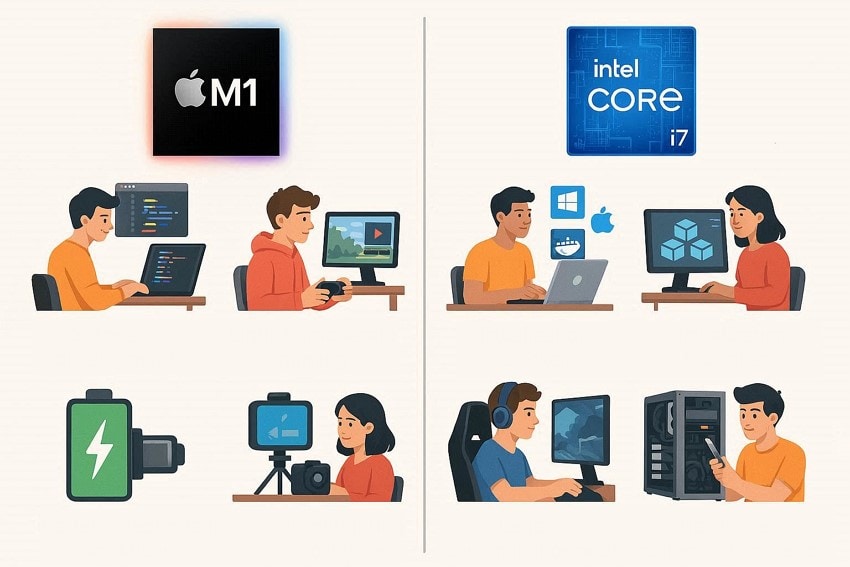
Having explored performance, compatibility, and pricing, the next step is to examine which scenarios each processor excels in. This section highlights the best use cases for the Apple M1 chip vs Intel Core i7 in 2026, helping developers, creators, and general users choose the right device:
Apple M1 Chip
- Software Development: Ideal for macOS‑native development, Xcode projects, and iOS app building.
- Light to Moderate Gaming: Performs well with ARM-optimized games and graphics-intensive tasks on macOS.
- Content Creation: Excellent for video editing, graphic design, and AI-powered tools due to high GPU efficiency.
- Battery-Dependent Workflows: Perfect for long coding sessions, remote work, and portable laptops, thanks to superior power efficiency.
- AI & Machine Learning: Neural Engine accelerates AI computations and tasks in ML libraries optimized for ARM.
Intel i7
- Cross-Platform Development: Supports Windows, Linux, and x86 software natively, ideal for multi-OS projects.
- Virtualization & Docker: Runs Linux VMs, WSL, and Docker containers efficiently for testing and enterprise development.
- High-End Gaming: Works well with discrete GPUs and supports a wide range of AAA games.
- Hardware Customization Needs: Suitable for developers needing more RAM, storage, or GPU flexibility.
- Legacy Software & Compatibility: Best choice when older or specialized x86 applications are required.
Part 4. Summary of Strengths and Weaknesses of M1 vs i7
After examining performance and use cases, it’s helpful to summarize the key strengths and weaknesses of the Apple M1 vs. the i7. This gives a clear snapshot for developers and users deciding which processor fits their needs.
Apple M1 Chip
Strengths
- High Performance per Watt: Efficient ARM architecture delivers strong CPU and GPU performance while consuming less power.
- Long Battery Life: Superior thermal management allows extended portable use.
- Optimized for macOS: Seamless experience with Apple ecosystem apps and Xcode development.
- Fast Neural Engine: Excellent for AI and machine learning tasks.
- Quiet Operation: Runs cooler and often fanless in MacBook Air models.
Weaknesses
- Limited Cross-Platform Compatibility: Some x86-based tools require Rosetta or ARM versions.
- Software Availability: Certain legacy or niche software may not run natively.
- Hardware Upgrade Limits: RAM and storage are not user-upgradable.
Intel Core i7
Strengths
- Broad Compatibility: Supports Windows, Linux, and legacy x86 software natively.
- Virtualization Power: Ideal for Docker, VMs, and enterprise development environments.
- Hardware Flexibility: Laptops often allow more RAM, storage, and discrete GPU upgrades.
- High-End Gaming: Works well with modern AAA games, especially with discrete GPUs.
Weaknesses
- Higher Power Consumption: Generates more heat and reduces battery life in laptops.
- Thermal Management Needs: Often requires active cooling, which can be noisy.
- Lower Efficiency per Watt: Less optimized for energy-sensitive portable workloads.
Part 5. Final Recommendation: M1 vs Intel i7 for Programming and Productivity
Choosing between the Apple M1 vs. Intel i7 for programming in 2026 depends largely on your workflow and software needs. The Apple M1 chip is ideal for developers focused on macOS or iOS applications. On the other hand, the Intel Core i7 is better suited for users who require cross-platform development, running Windows, Linux, or multiple operating systems natively.
Overall, for macOS-native development and energy-efficient, portable workflows, the M1 chip is the stronger choice. For broader compatibility, virtualization-heavy tasks, and hardware flexibility, Intel i7 laptops remain the better option.
Pro Tip: Recoverit Tutorial: Fix Data Loss Issues on M1 vs. Intel i7 Computers
Data loss can strike unexpectedly, whether you’re working on an Apple M1-powered MacBook or an Intel i7 laptop. Accidental deletion, system crashes, or corrupted files can disrupt productivity, especially for developers handling large codebases or critical project files. Recoverit is a powerful, user-friendly data recovery tool designed to address these challenges across different architectures. It supports both M1 vs i7 systems, ensuring compatibility.
With Recoverit, you can recover lost documents, photos, videos, and more in a few simple steps. Its advanced scanning algorithms detect even deeply hidden or corrupted files, minimizing downtime. Users get the ability to recover up to 500MBs of data for free with this incredible tool.
Coherent Features Offered By Recoverit
- Multiple File Format Support: Recoverit can restore a wide range of file types, including documents, photos, videos, emails, and system files.
- Batch Recovery: The software allows users to recover multiple files or folders simultaneously, saving time and improving efficiency.
- Preview Before Saving: Recoverit lets you preview recoverable files before restoration, so you can verify content and selectively recover exactly what you need.
Steps to Recover Lost Data on M1 vs Intel i7 Computers with Recoverit
Now that we’ve explored Recoverit’s key features, let’s walk through the step-by-step process of recovering lost data on both Apple M1 chip vs Intel i7 computers:
- Choose the Storage Location
Open Recoverit and select the drive, folder, or device where the data loss occurred. The software will immediately start scanning for all recoverable files.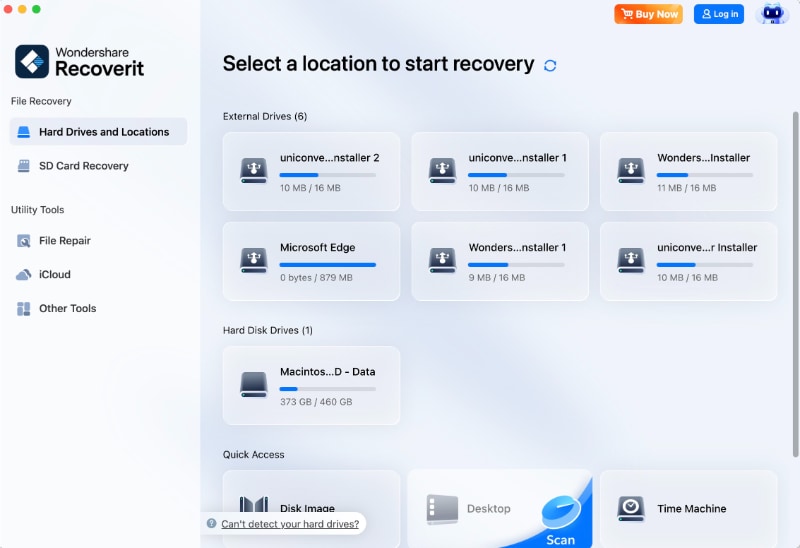
- Review Scan Results
After the scanning process finishes, Recoverit will display all detected files. Browse through the list and select the files you want to restore, then click the “Recover” button.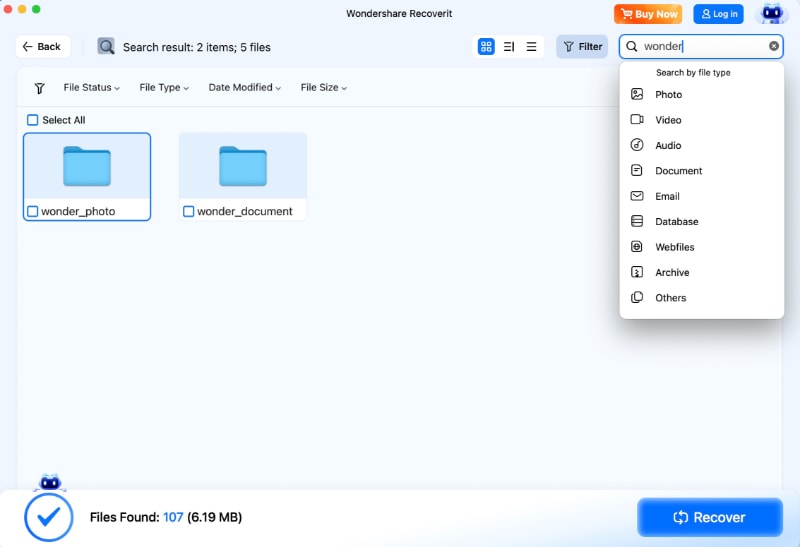
- Preview and Restore Files
Before final recovery, use the preview feature to check file contents. Once confirmed, click “Recover” again to save the selected files safely back to your M1 or Intel i7 system.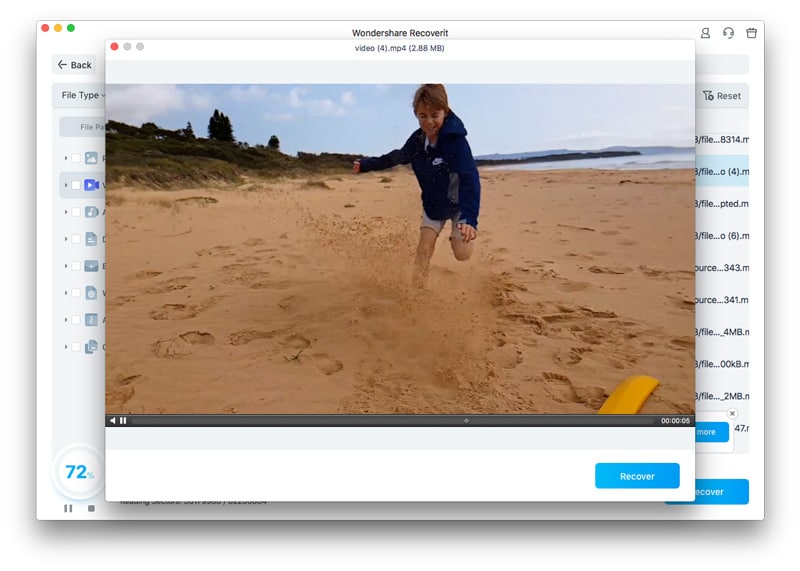
Conclusion
To conclude, both the Apple M1 chip vs. Intel i7 offer strong performance for programming and productivity, each excelling in different scenarios. While M1 provides superior efficiency and battery life, Intel i7 offers broader compatibility and virtualization support. Regardless of your device, data loss can happen unexpectedly. Tools like Recoverit ensure you can quickly recover lost files, keeping your projects safe.
FAQ
-
1. Which processor is better for programming in 2026, M1 or Intel i7?
The M1 is ideal for macOS and iOS development projects. Intel i7 works better for cross-platform coding and legacy software support. -
2. Can M1 laptops run all Intel-based software?
Most modern applications run on M1 using Apple Rosetta 2. Some older x86 programs still require ARM-compatible versions. -
3. How is gaming performance on M1 vs Intel i7?
M1 handles ARM-optimized games smoothly and efficiently. Intel i7 supports a wider range of AAA and Windows-based games. -
4. How can I recover lost files on M1 or Intel i7 devices?
Recoverit can restore deleted or corrupted files easily. It works seamlessly on both M1 and Intel i7 systems.


