TL;DR:
A Windows 10 black screen after login indicates the desktop shell failed to load, which can typically be fixed immediately by pressing Ctrl + Shift + Esc to open Task Manager and restarting Windows Explorer.
● If a movable cursor is visible, press Windows + Ctrl + Shift + B to refresh the graphics driver, or use Task Manager to execute a new explorer.exe task to manually trigger the desktop interface.
● If the screen lacks a cursor or Task Manager will not open, force a boot into Safe Mode to safely roll back recent display driver updates, perform a clean boot, or disable Fast Startup.
● Extract local files using bootable recovery media like Recoverit before attempting high-risk troubleshooting such as Reset this PC, as these recovery methods can alter system folders or user profiles and cause data loss.
Ask AI for a summary
 ChatGPT
 Perplexity
 Gemini
 Claude
 Grok
Grok
A Windows 10 black screen after login can make the computer feel unusable even though the sign-in process appears to work. You may enter your password or PIN, wait a few seconds, and then see a blank desktop, a movable cursor, two black screens, or no taskbar at all.
This issue usually means Windows has signed in, but something is stopping the desktop from loading normally. Common causes include Windows Explorer failure, startup app conflicts, graphics driver problems, Fast Startup issues, recent Windows updates, corrupted system files, or a damaged user profile.
Do not rush into resetting or reinstalling Windows. Start with safer checks first, especially if important files are stored on the PC. This guide moves from simple display and Task Manager fixes to Safe Mode, driver repair, system recovery, and file protection before high-risk troubleshooting.
In this article
Part 1. What to Try First When Windows 10 Goes Black After Login
When Windows 10 goes black after login, the first goal is to check whether Windows is still responding. If the keyboard shortcuts work, you may be able to restore the desktop without resetting the PC.
Try These First
- Press Ctrl + Shift + Esc to open Task Manager.
- If Task Manager opens, restart Windows Explorer.
- If Windows Explorer is missing, run a new task and type explorer.exe.
- Press Ctrl + Alt + Del to sign out or restart safely.
- Disconnect external monitors, docks, USB devices, and unnecessary accessories.
- Press Windows + Ctrl + Shift + B to refresh the graphics driver.
- Press Windows + P to switch display output mode.
- If the desktop still does not appear, boot into Safe Mode.
- Roll back or reinstall the display driver if the issue started after an update.
- Use System Restore or uninstall recent updates before considering Reset this PC.
Black Screen After Login with Cursor vs No Cursor
A black screen with a movable cursor usually means Windows has loaded partly, but the desktop shell or Windows Explorer did not appear correctly. A black screen with no cursor may point more strongly to a display driver issue, projection problem, frozen session, or system file problem.
When You Should Recover Files Before Repairing Windows
Recover or back up files first if the black screen repeats after restarts, Task Manager will not open, Safe Mode does not load, or you are preparing to reset or reinstall Windows. This is especially important if work documents, photos, videos, recordings, or project folders are stored locally.
Part 2. Why Windows 10 Shows a Black Screen After Login
After the first checks, identify what stops Windows from loading the desktop properly after sign-in.
- Startup Programs Interfere with the Login Process: Startup programs can block the desktop when they freeze during sign-in. Recently installed utilities, sync tools, or security apps may interrupt Windows loading after login.
- Display Driver Issues or Incorrect Screen Detection: Windows may load successfully while the display driver fails to present images correctly. This can explain why the Windows 10 screen goes black after login suddenly.
- Problems With the User Account: A damaged user profile can let Windows accept the login but fail to load the desktop. This means the problem may belong to the account, not the whole system.
- Update Errors and Damaged System Components: Major updates modify many core Windows files and settings. When an update is interrupted or critical files become corrupted, parts of the login sequence may stop working as intended.
- Startup Recovery Features Causing Conflicts: Fast Startup, sleep, or hibernation can reload a faulty session instead of starting fresh. As a result, Windows may keep running while the screen stays blank.
Part 3. Before Advanced Fixes: Simple Checks That May Bring the Desktop Back
Prior to advanced troubleshooting, try a few simple checks below that may restore the desktop when Windows is still running behind the blank screen:
- Wait Briefly, But Not Forever: Wait briefly because startup apps or updates can delay the desktop. If nothing changes after a few minutes, avoid forced restarts and try the next check.
- Refresh the Graphics Driver: Press Windows, Ctrl, Shift, and B together to refresh the graphics driver when a black screen on Windows 10 after login still shows a cursor. A quick flicker or brief beep may follow during this reset.
- Use Ctrl + Alt + Del to Check Whether Windows Responds: Press Ctrl, Alt, and Del together to see whether the security screen appears. If it opens, Windows is still responding, so users can launch Task Manager, restart Explorer, or sign out safely.
- Disconnect External Displays, Docking Stations, and USB Devices: Disconnect extra monitors, docks, projectors, storage drives, and unused USB devices. These accessories can misread display output or disturb startup drivers after login.
- Try Switching Projection Mode: Press Windows and P together, then use the arrow keys to change projection options. This helps when Windows loads normally, but sends the desktop to a disconnected monitor or the wrong display mode.
Part 4. Fix Windows 10 Black Screen After Login with Task Manager
Once basic checks confirm Windows still responds, Task Manager becomes the safest entry point. It can reopen the desktop shell without deeper system repair.
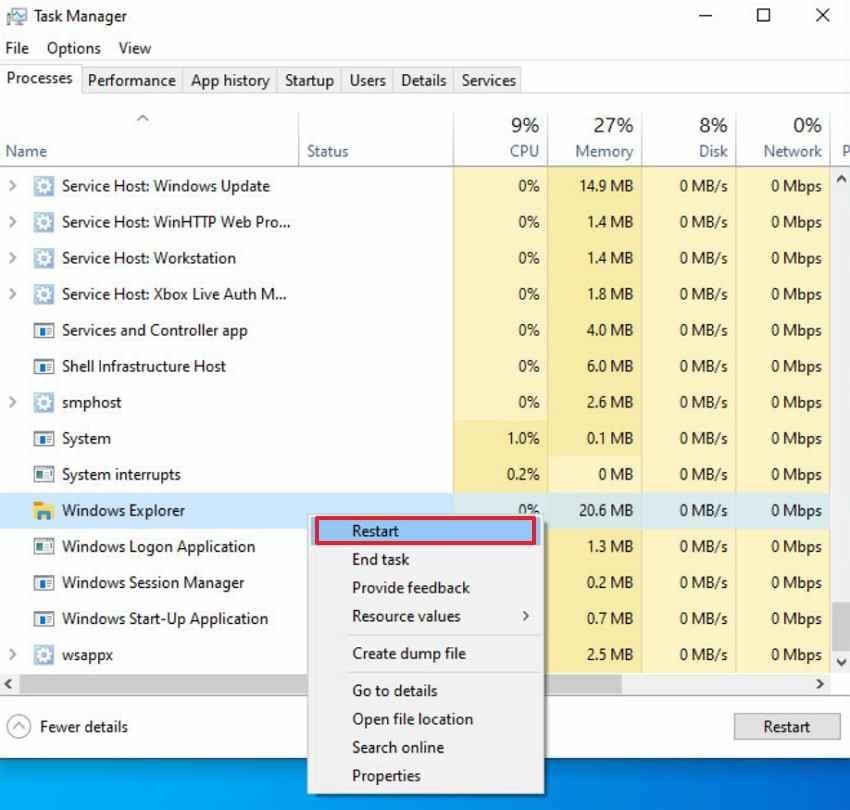
Fix 1. Restart Windows Explorer
When Windows loads but desktop icons vanish, Explorer may be stalled. Restarting it reloads the taskbar, Start menu, and visible workspace again with the following instructions:
- Hold “Ctrl + Shift + Esc” to access “Task Manager.”
- Locate the “Windows Explorer” and right-click to choose “Restart.”
Fix 2. Run a New Explorer.exe Task Manually
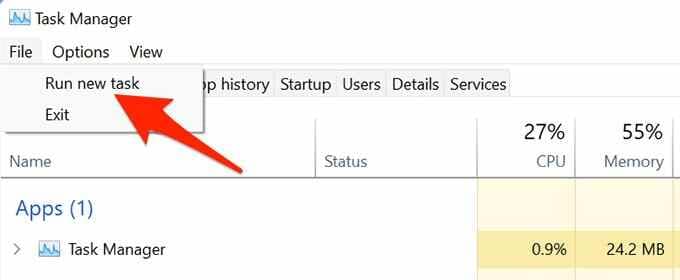
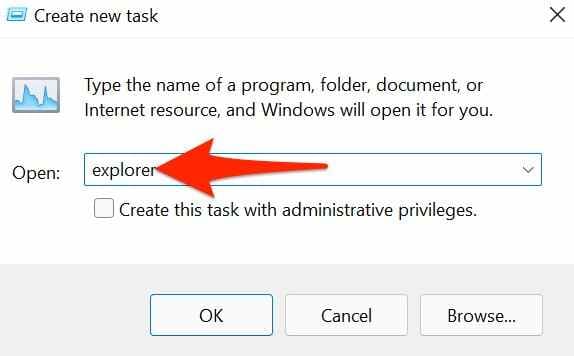
If the Windows 10 screen goes black after login, Task Manager can still open. Explorer.exe may need manual launching when the desktop shell never appears, with these steps:
Step 1. Press “Ctrl + Shift + Esc” to open “Task Manager > File> Run New Task.”
Step 2. Type “explorer.exe,” check “Create This Task with Administrative Privileges” if available, click “OK” and wait for the desktop to reload.
Fix 3. End Frozen Apps or Suspicious Startup Processes
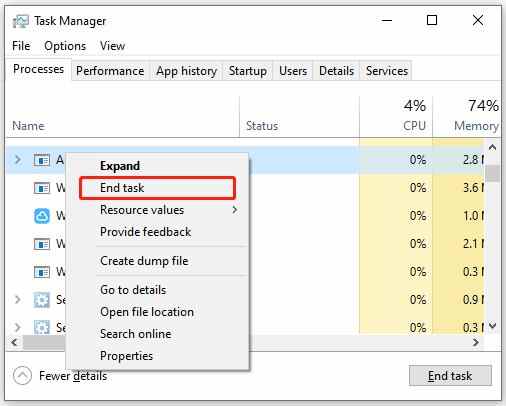
Some startup apps can freeze silently and block the desktop from loading. Ending unknown or frozen processes helps identify conflicts without uninstalling programs by following the steps below:
- Press “Ctrl + Shift + Esc” to access the “Task Manager > Processes,” then sort apps by CPU, Memory, or Status.
- Select frozen apps, unknown launch tools, or non-responsive items and click “End Task.”
Part 5. Fix Windows 10 Screen Goes Black After Login Using Safe Mode
When Task Manager cannot restore the desktop, Safe Mode offers cleaner access. It loads Windows with fewer drivers, services, and startup programs active.
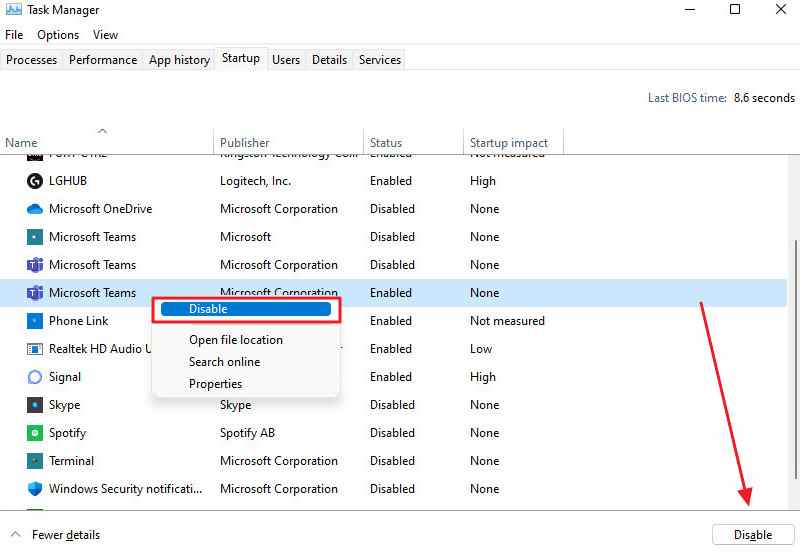
Fix 1. Disable Startup Apps
Some apps launch too early and compete with Windows during sign-in. Therefore, turning them off one by one can clearly reveal the troublemaker with these instructions:
- Access the Task Manager using “Ctrl + Shift + Esc,” navigate to the “Startup" tab, choose an app, right-click, and select "Disable.”
Fix 2. Perform a Clean Boot
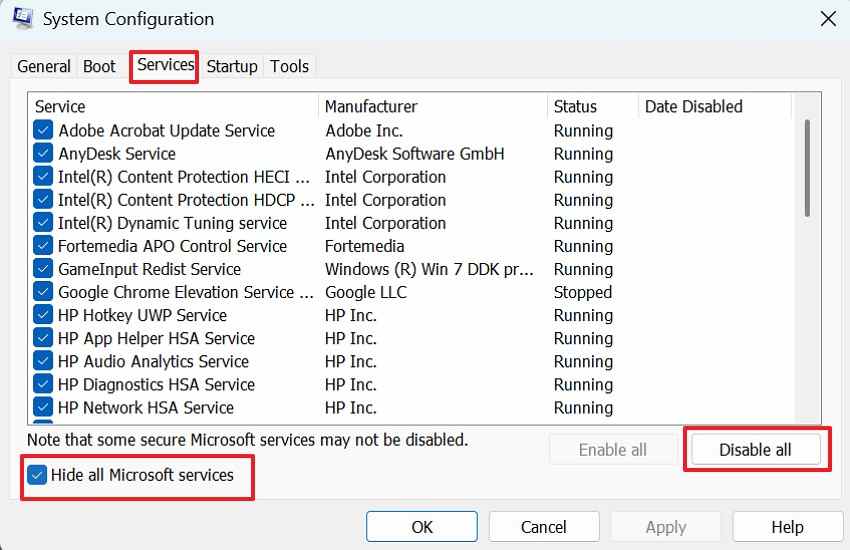
A clean boot starts Windows with Microsoft services and minimal background items. It helps test why the Windows 10 screen goes black after login. Use these instructions to isolate the conflicting service safely:
- In Safe Mode, access “msconfig > Services.”
- Next, tick “Hide All Microsoft Services > Press Disable All. Open "Startup > Open Task Manager” to disable all startup apps before restarting.
Fix 3. Disable Fast Startup
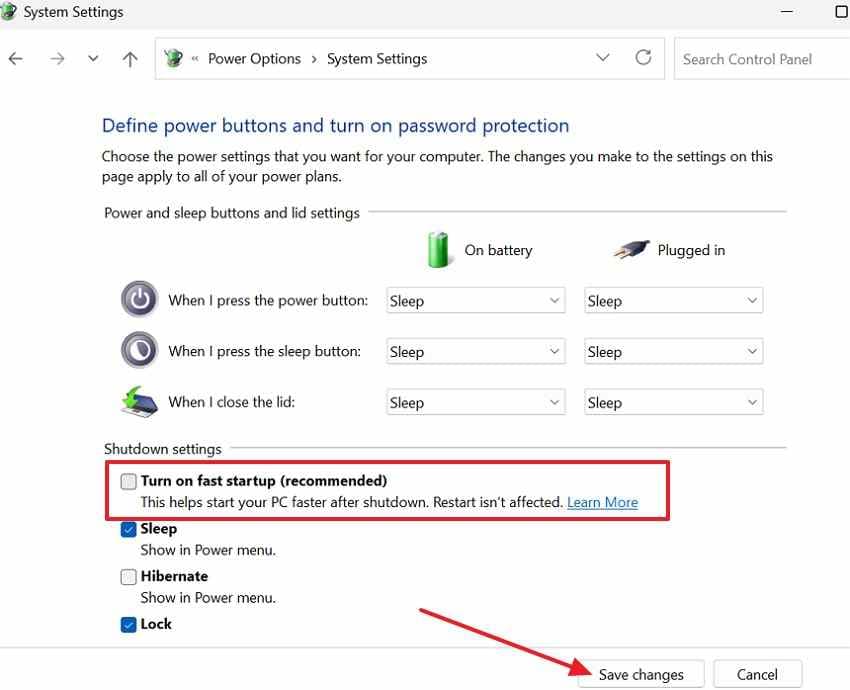
Fast Startup can reload a flawed shutdown state instead of starting fresh. So, disabling it forces Windows to rebuild the next boot session properly with this guide:
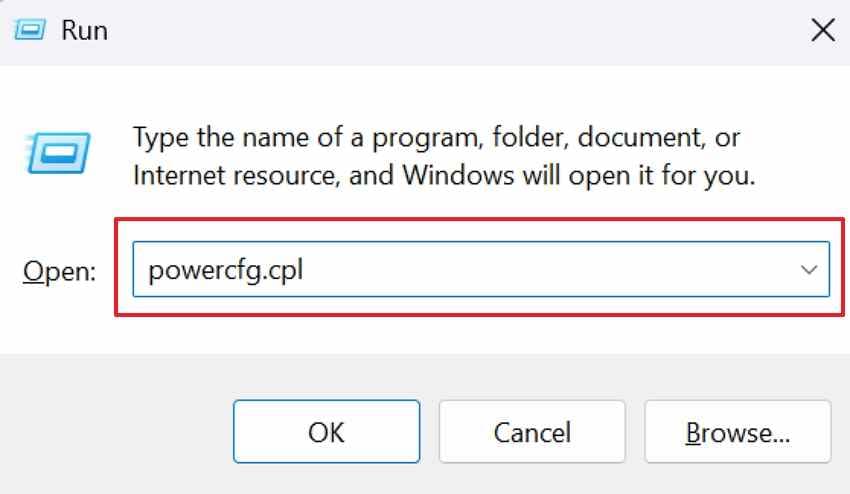
Step 1. Enter Safe Mode, press “Win + R,” type “powercfg.cpl,” and press “Enter.”
Step 2. Click “Change Settings That Are Currently Unavailable,” then uncheck “Turn on Fast Startup > Save Changes.”
Part 6. Fix Display Driver Problems After Login
If Safe Mode improves access, the display driver becomes the next likely suspect. These fixes focus on restoring proper graphics output after a safe login:
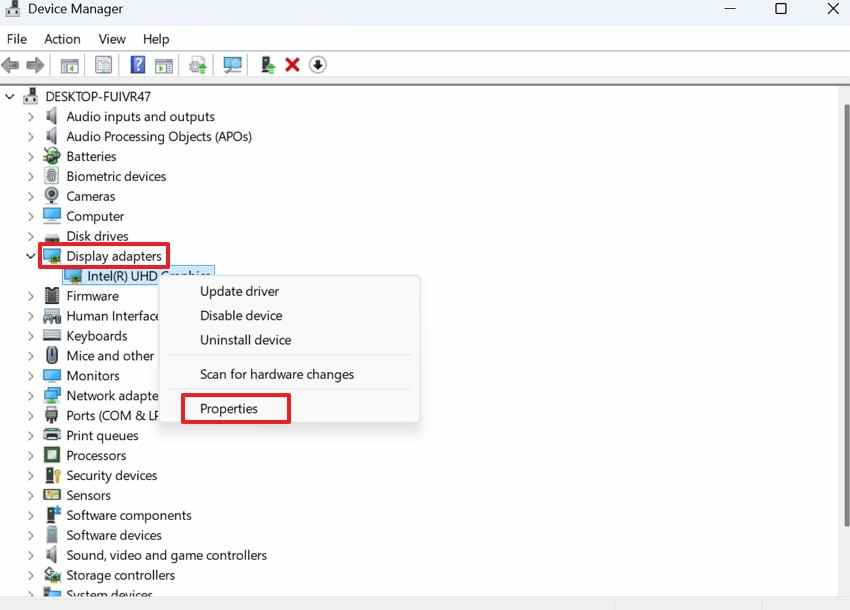
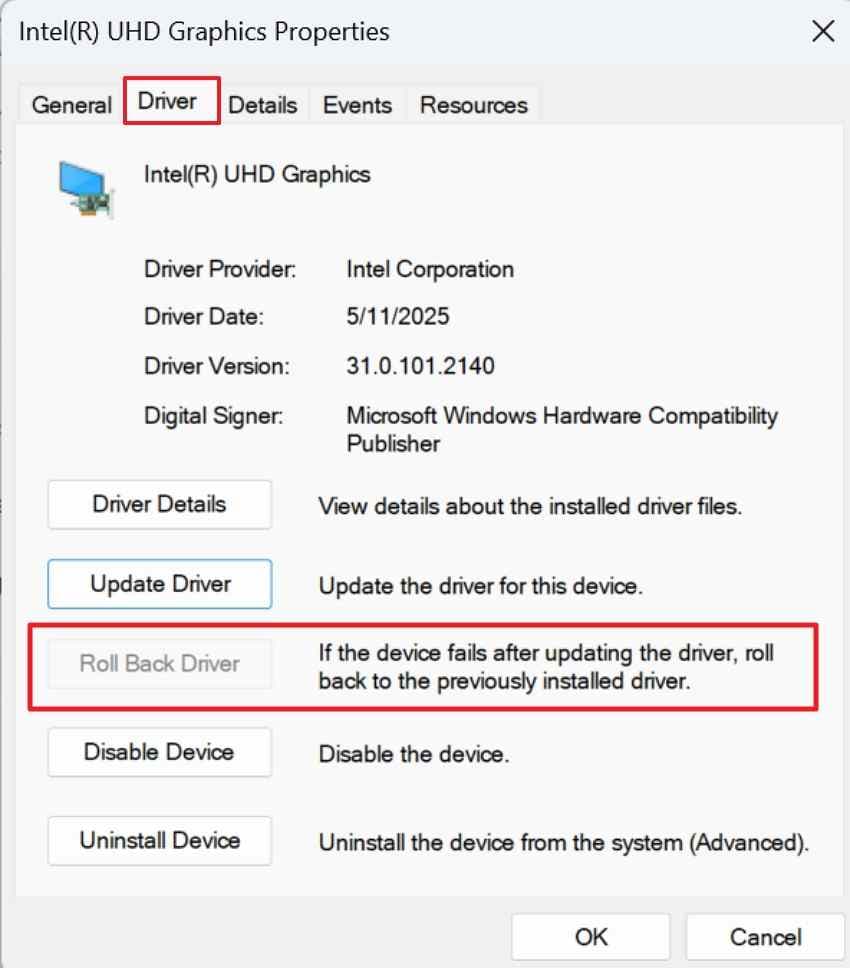
Fix 1. Roll Back the Display Driver
A recent graphics update can trigger a black screen after logging in to Windows 10. Rolling back restores the earlier driver that worked before the problem appeared, so follow the steps below:
Step 1. In Safe Mode, press “Windows + R,” type “devmgmt.msc,” and press “Enter” to open “Device Manager > Display Adapters >Properties.”
Step 2. Select the “Driver > Roll Back Driver > Yes” option.
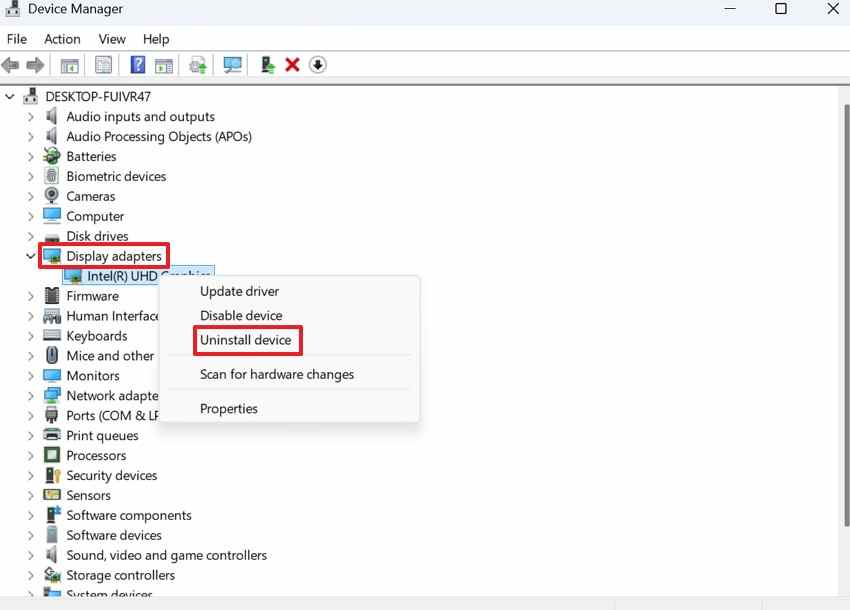
Fix 2. Uninstall and Reinstall the Display Driver
If rollback is unavailable, the driver may need a cleaner reset. Reinstallation removes damaged graphics files and lets Windows rebuild display support with the following steps:
Step 1. Open “Device Manager > Display Adapters” in safe mode. Then, right-click and choose “Uninstall Device,” tick “Delete the Driver Software,” and click “Uninstall.”
Step 2. Restart the PC normally and check whether Windows loads with the basic display driver. If the screen works, open the official NVIDIA, AMD, or Intel driver page and “Download” the correct driver.

Note: If the screen is still black or the internet is unavailable, enter “Safe Mode with Networking” or download the driver on another PC. Transfer it through a USB drive, run the installer, and restart Windows.
Part 7. Repair Windows System Files and Recent Update Problems
After the driver fixes, damaged system files or update errors need attention. This section covers Windows repairs that safely restore core login components.
Fix 1. Run SFC and DISM
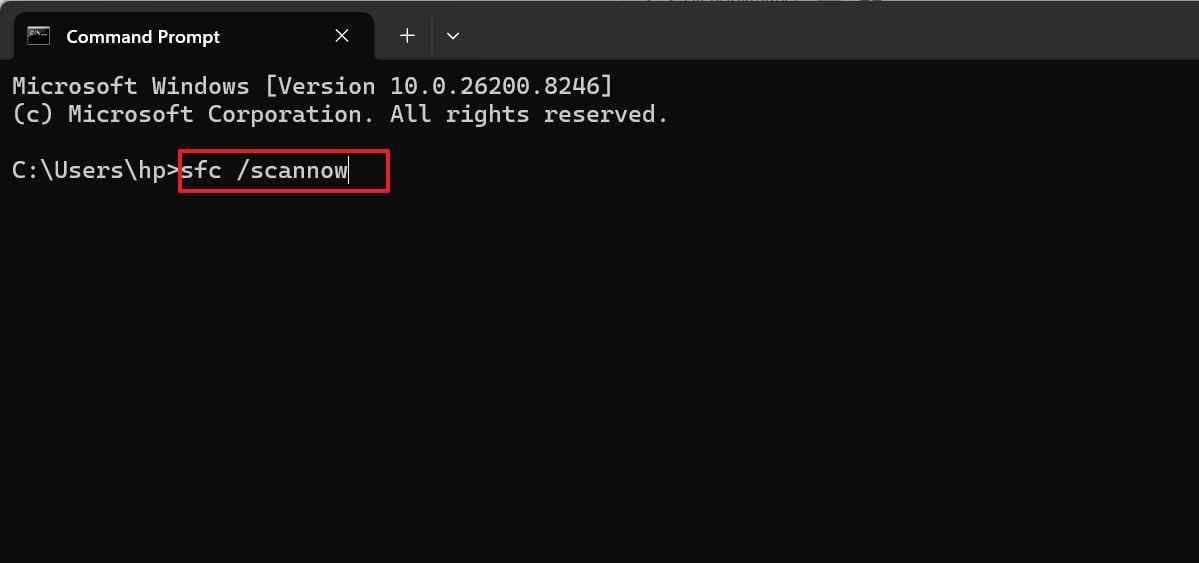
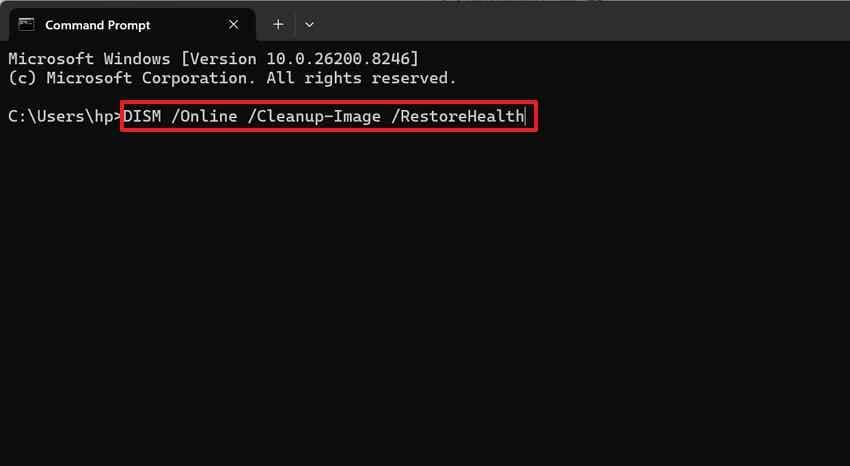
SFC and DISM can repair damaged Windows system files that may prevent the desktop from loading after login. The safest beginner-friendly option is to run these commands from Safe Mode with Command Prompt as administrator.
Important: If the drive is failing, making unusual noises, or contains important files that are not backed up, recover your files before running deeper disk or system repair commands.
Step 1. Access the Command Prompt in Windows Recovery Environment and type “sfc /scannow.”
Step 2. Afterward, run “DISM /Online /Cleanup-Image /RestoreHealth” and press Enter.
Fix 2. Uninstall Recent Windows Updates
A faulty update can cause a black screen on Windows 10 after login. Thus, removing the latest update may restore the previous stable startup state with the following steps:
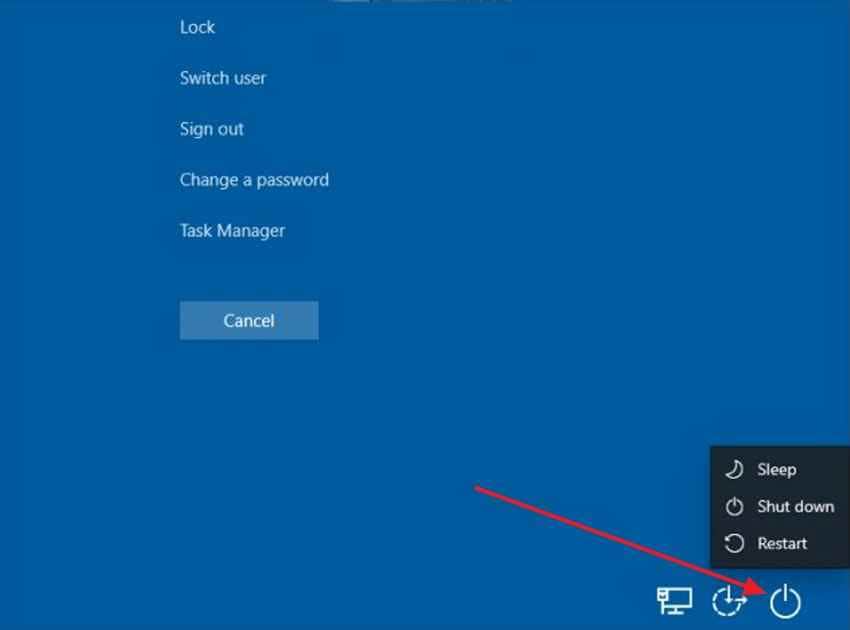
Step 1. From the black screen, press “Ctrl + Alt + Delete,” click the “Power” icon, then hold “Shift” and select “Restart” to enter Windows Recovery Mode.
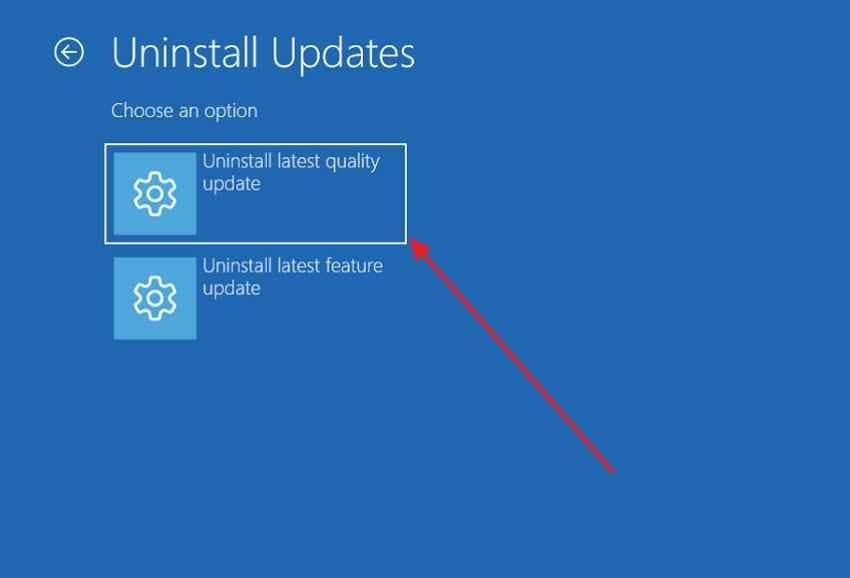
Step 2. Select “Troubleshoot > Advanced Options > Uninstall Updates” and choose “Uninstall Latest Quality Update” or “Uninstall Latest Feature Update.”
Fix 3. Use System Restore
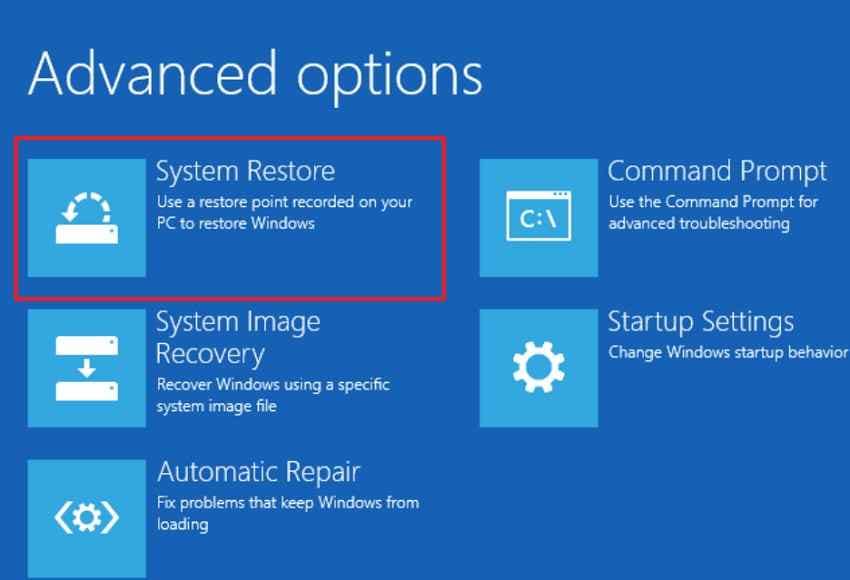
System Restore returns Windows settings to an earlier working restore point. It helps when recent drivers, updates, or apps have altered startup behavior; therefore, follow the instructions below:
- From WinRE, select “Troubleshoot > Advanced options > System Restore,” then choose a restore point and confirm.
Fix 4. Reset This PC as a Last Resort
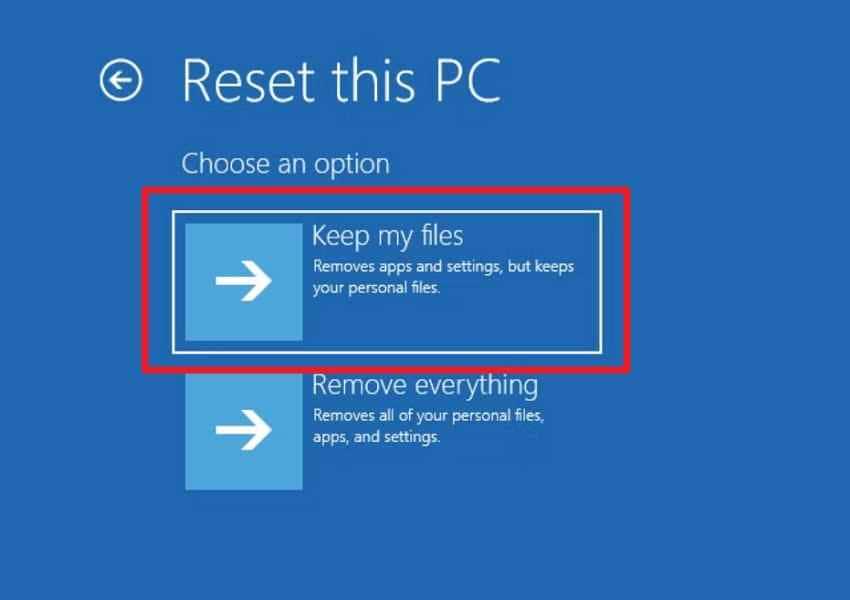
Reset This PC can also fix the blank screen after logging in to Windows 10. Furthermore, it reinstalls Windows and offers the option to keep personal files with these steps:
Step 1. In recovery mode, choose “Advanced Startup > Troubleshoot > Reset this PC.”
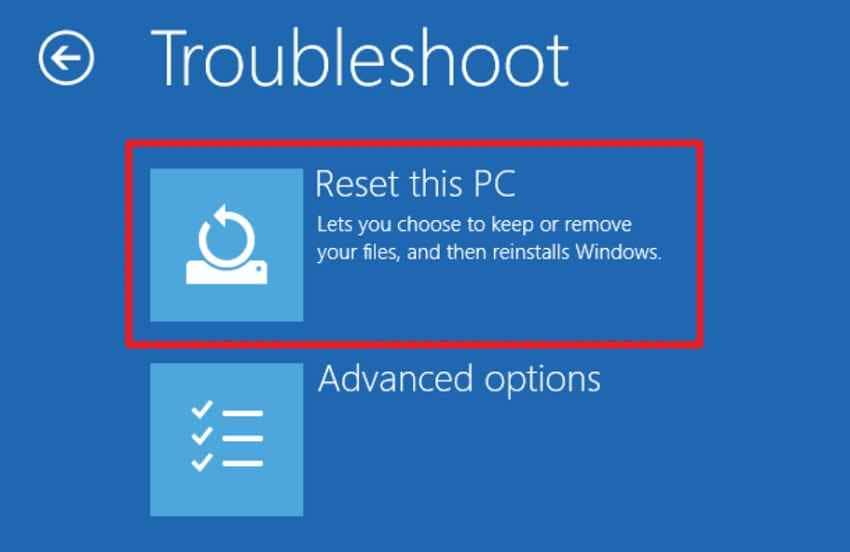
Step 2. Select “Keep My Files” or “Remove Everything,” then follow the prompts to reset Windows.
Smart Move: Recover Files Before Risky Troubleshooting with Recoverit
Most black screen after login fixes are safe, such as restarting Explorer, changing display output, or disabling startup apps. However, higher-risk repairs such as Reset this PC, reinstalling Windows, changing user profiles, or repairing a damaged drive may affect files or make recovery harder.
If Windows 10 keeps showing a black screen after login and your files are not backed up, recover important data before continuing with major repair steps.
Why You Should Back Up or Recover Files First
Repair steps can change system folders, user profiles, app settings, and recent file locations. If the desktop is inaccessible, files may still be stored on the drive but difficult to reach. Recovering them first gives you a safer path before reset, reinstall, disk repair, or profile migration.
Recommended Tool: Recoverit Data Recovery
Recoverit Data Recovery can help scan the affected drive and recover important files before you continue with advanced troubleshooting. It is useful when Windows does not load the desktop normally, the black screen keeps returning, or you need to secure files before resetting or reinstalling Windows.
Key Features
- Read-Only Recovery Mode: Reduces overwrite risk by accessing lost files without changing the affected drive.
- AI-Accelerated Scan Engine: Speeds file discovery across damaged Windows sessions while keeping recovery manageable.
- Bootable Recovery Media: Creates a bootable USB drive, helping users access files when a normal login fails.
How to Recover Files from a Windows 10 PC With a Black Screen After Login
With file safety prioritized, the guide below shows how to scan, preview, and restore files safely using Recoverit:
Step 1. Prepare a Bootable USB on Another PC
Install Recoverit on a working computer and connect a blank USB drive. Go to “Other Tools,” choose “System Crashed Computer,” and click “Start” to begin the bootable media setup.
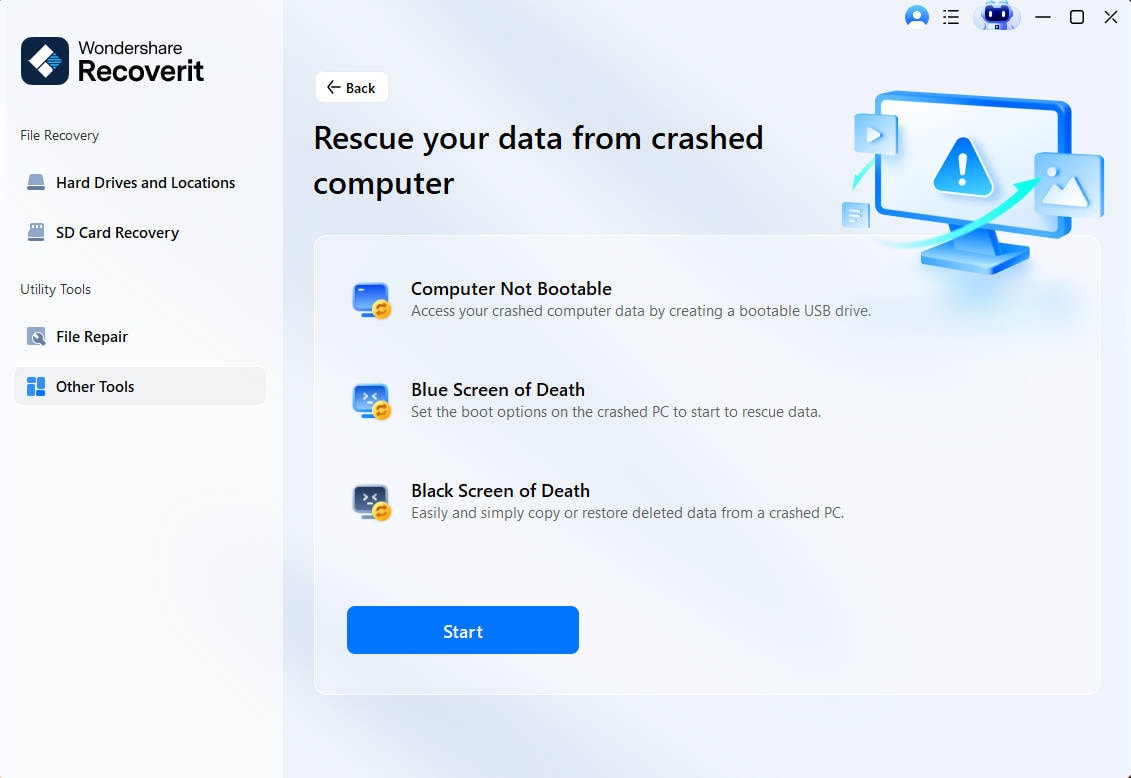
Step 2. Create and Use the Bootable Drive
Select the USB drive and press “Create” to build the bootable media. Connect it to the crashed PC and set USB as the first boot option in BIOS.

Step 3. Restore Files from the Drive
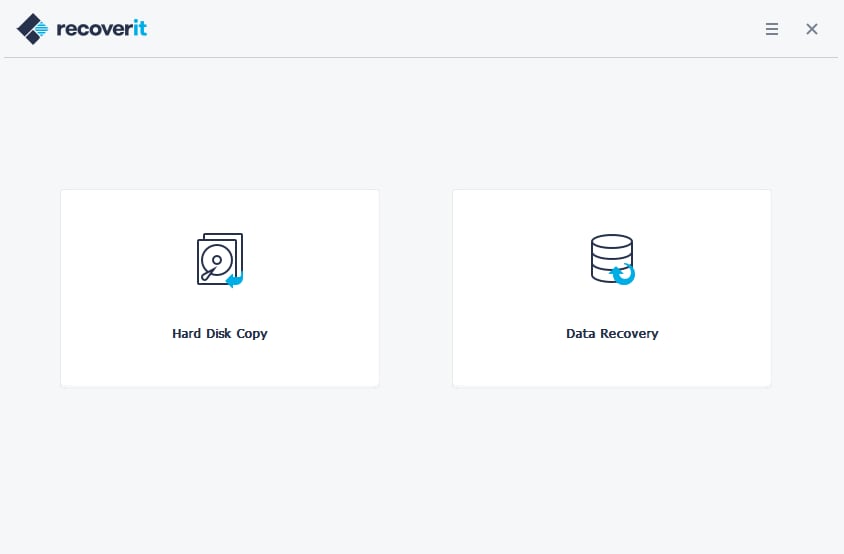
Once the crashed PC starts up through the USB, choose “Data Recovery” or “Hard Disk Copy.” Scan the affected drive, select the needed files, and save them to another safe location.
Part 9. How to Prevent Windows 10 From Going Black After Login Again
Once the desktop returns, the following habits reduce cases where the Windows 10 screen goes black after login:
- Keep Graphics Drivers Stable: Install trusted driver updates, but avoid unnecessary beta versions on daily-use systems.
- Limit Startup Load: Remove unused launch apps so Windows can build the desktop smoothly.
- Check for Updates Before Restarting: Let Windows updates complete before forcing shutdowns or closing laptops.
- Use Proper Power Settings: Disable unstable sleep patterns when the screen often returns blank.
- Create Restore Points: Save restore points before driver installs, major updates, or system changes.
Conclusion
A Windows 10 black screen after login usually means the system signs in, but the desktop does not load correctly. The most common causes include Windows Explorer failure, startup app conflicts, graphics driver issues, Fast Startup problems, recent Windows updates, corrupted system files, or a damaged user profile.
Start with the safest fixes first. Open Task Manager, restart Windows Explorer, run explorer.exe manually, refresh the graphics driver, and disconnect external displays or docks. If the desktop still does not appear, use Safe Mode to disable startup apps, repair or roll back display drivers, uninstall recent updates, run SFC and DISM, or create a new Windows user profile.
Resetting or reinstalling Windows should be the last option. If important files are stored on the PC and the blank desktop keeps returning, recover your data first with Recoverit before continuing with major repair steps.
Frequently Asked Questions
-
Why does Windows 10 show a black screen after login?
Windows 10 may show a black screen after login when the system signs in but fails to load the desktop properly. Common causes include Windows Explorer failure, startup app conflicts, display driver problems, Fast Startup issues, recent updates, corrupted system files, or a damaged user profile. -
How do I fix Windows 10 black screen after login with cursor?
Press Ctrl + Shift + Esc to open Task Manager. If it opens, restart Windows Explorer. If Windows Explorer is not listed, click File, choose Run new task, type explorer.exe, and click OK. If the desktop still does not appear, boot into Safe Mode and repair startup apps or display drivers. -
How do I fix blank screen after login Windows 10 without cursor?
Try pressing Windows + Ctrl + Shift + B to refresh the graphics driver. Then press Ctrl + Alt + Del to check whether Windows responds. If nothing appears, disconnect external displays and docks, restart the PC, and enter Safe Mode or Windows Recovery Environment for driver repair or Startup Repair. -
Can startup apps cause Windows 10 black screen after login?
Yes. A startup app or background service can freeze during sign-in and stop the desktop from loading. Boot into Safe Mode, disable unnecessary startup apps, and perform a clean boot to identify the conflicting program. -
Can a graphics driver cause black screen after logging in Windows 10?
Yes. A corrupted, outdated, or incompatible graphics driver can cause the screen to go black after login. This often happens after a Windows update or GPU driver update. Rolling back, updating, or reinstalling the display driver in Safe Mode may fix the issue. -
Can a corrupted user profile cause Windows 10 black screen after login?
Yes. If the black screen happens only on one Windows account, the user profile may be corrupted. Create a new local user account in Safe Mode and sign in with it. If the new account works, move personal files from the old profile carefully. -
Will resetting Windows 10 fix black screen after login?
Resetting Windows 10 may fix serious system corruption, but it should be used as a last resort. Try Explorer restart, Safe Mode, driver repair, startup cleanup, System Restore, and update removal first. Back up or recover important files before resetting Windows. -
Can I recover files if Windows 10 stays black after login?
Yes. If Windows signs in but the desktop remains inaccessible, your files may still be stored on the drive. A bootable recovery tool such as Recoverit can help scan the affected drive and recover important files to external storage before reset, reinstall, or deeper repair.