

 TL;DR:
You can recover deleted GoPro footage on a Mac by immediately halting SD card usage to prevent data overwriting and utilizing either built-in backups like Time Machine or specialized recovery software like Recoverit.
● Stop recording new footage or taking photos on your GoPro the moment data loss occurs, as deleted files remain intact on the SD card only until new data overwrites them.
● For complex data loss involving formats like MP4, HEVC, LRV, or THM from Hero 12 or 13 Black models, use Recoverit for deep scanning, or choose the open-source TestDisk via Terminal if you are an advanced user needing to rebuild overwritten partition tables.
● Attempt native recovery first by checking the Mac Trash, iCloud Photos, or Time Machine backups if previously enabled, but seek professional extraction services instead of using software if the SD card has suffered physical damage.
Ask AI for a summary
 ChatGPT
 Perplexity
 Gemini
 Claude
 Grok
Grok
Losing GoPro videos or photos on a Mac can happen after accidental deletion, SD card formatting, interrupted transfer, camera errors, card corruption, or cloud sync mistakes. In most cases, GoPro footage is stored on a microSD card, so recovery success depends on whether the deleted .mp4, .lrv, .thm, .jpg, or .gpr data has been overwritten.
If you want to recover deleted GoPro video on Mac, stop recording with the GoPro immediately, remove the microSD card safely, connect it to your Mac with a reliable card reader, and recover files to your Mac or another external drive. This guide covers Mac Trash, GoPro Cloud, iCloud Photos, Time Machine, Recoverit, and PhotoRec recovery paths.

Part 1. Is It Possible to Recover Deleted GoPro Files on a Mac?
Yes, deleted GoPro files can often be recovered on Mac if the original data has not been overwritten. GoPro cameras save most videos and photos on a microSD card, so recovery is usually performed by scanning the card rather than the GoPro camera body itself.
Recovery is more likely when the files were recently deleted, the card has not been reused, and the microSD card is still detected by your Mac or a card reader. Recovery is less likely if the card was overwritten, securely erased, physically damaged, or no longer detected by any device.
- Best cases: accidental deletion, interrupted transfer, quick formatting, missing files, or unreadable GoPro folders.
- Backup cases: GoPro files copied to Mac, uploaded to GoPro Cloud, synced with iCloud Photos, or backed up by Time Machine.
- Professional cases: cracked, wet, bent, overheated, or completely undetected microSD cards.
Part 2. GoPro File Types You Should Recover First
| GoPro File Type | What It Means | Recovery Priority |
.mp4 |
Full-resolution GoPro video recorded by the camera. | Highest priority for video recovery. |
.lrv |
Low-resolution proxy video generated for preview and editing workflows. | Useful only if the full .mp4 is missing; it is not full quality. |
.thm |
Thumbnail image generated for a GoPro media file. | Low priority; it can help identify a clip but does not replace the video. |
.jpg or .gpr |
GoPro photo files, including standard images and GoPro RAW photos on supported modes. | High priority for photo recovery. |
| GPMF metadata | GoPro metadata stored inside video files, including camera and motion data. | Recovering the original .mp4 helps preserve metadata. |
Part 3. Understanding Why GoPro Files Get Lost on a Mac
GoPro files can disappear during shooting, transfer, editing, cloud sync, or SD card handling. The cause helps decide whether to check Trash, restore from cloud, scan the card, or stop DIY recovery.
| Cause | What Happens | Best First Action |
| Accidental deletion | GoPro clips are deleted from Finder, Photos, Quik, the SD card, or the camera. | Check Mac Trash, Photos Recently Deleted, GoPro Cloud, then scan the card. |
| SD card problems | The microSD card becomes corrupted, unreadable, RAW, or physically damaged. | Recover files before repairing or formatting the card. |
| Interrupted transfer | GoPro files become missing or corrupted due to cable issues, power loss, app crash, or unsafe removal. | Check both the Mac destination folder and the original SD card. |
| Outdated firmware or incompatible workflow | Recording or transfer errors may occur when camera firmware, codecs, or editing tools are outdated. | Recover data first, then update firmware and workflow tools. |
| GoPro Cloud or sync issue | Auto upload or cloud access may not include every file if upload was disabled, incomplete, or deleted online. | Check GoPro Cloud media library and local SD card separately. |
| Physical damage | The GoPro, SD card, or reader is exposed to water, heat, impact, or bending. | Use professional recovery if the card is not detected or visibly damaged. |
Part 4. First Aid Before GoPro File Recovery on Mac
- Stop recording immediately: Do not capture new videos or photos on the same GoPro SD card.
- Power off the GoPro: Turn off the camera before removing the microSD card.
- Use a card reader: Connect the card to your Mac through a reliable card reader instead of repeatedly reconnecting the camera.
- Do not format or repair first: Avoid Disk Utility First Aid, formatting, or camera repair prompts until important files are recovered.
- Prepare another destination: Save recovered GoPro files to your Mac, an external SSD, or another healthy drive.
- Stop DIY for physical damage: If the card is cracked, wet, bent, overheated, or not detected anywhere, contact a professional service.
Part 5. GoPro File Recovery Guide for Mac: 6 Solutions to Try
1. Use Recoverit to Recover Deleted GoPro Files on Mac
Recoverit is useful when GoPro files are deleted, missing after transfer, lost after formatting, or inaccessible because the microSD card has logical errors. It can scan memory cards and recover GoPro videos, photos, and related media files from a Mac workflow.
Key Features
- GoPro video recovery: Recovers GoPro video files such as
.mp4and related video formats. - Photo recovery: Supports common GoPro photo formats such as
.jpgand.gpr. - Preview: Lets you check recoverable files before saving them.
- Filters: Helps find files by type, size, name, and date.
- Deep scan: Useful for formatted, corrupted, or missing GoPro media.
Steps to Recover GoPro Files With Recoverit on Mac
- Remove the GoPro microSD card: Power off the GoPro and remove the card safely.
- Connect the card to Mac: Insert it into a reliable card reader and make sure macOS detects it.
- Open Recoverit: Launch Recoverit and select the GoPro SD card under Hard Drives and Locations or SD Card Recovery.
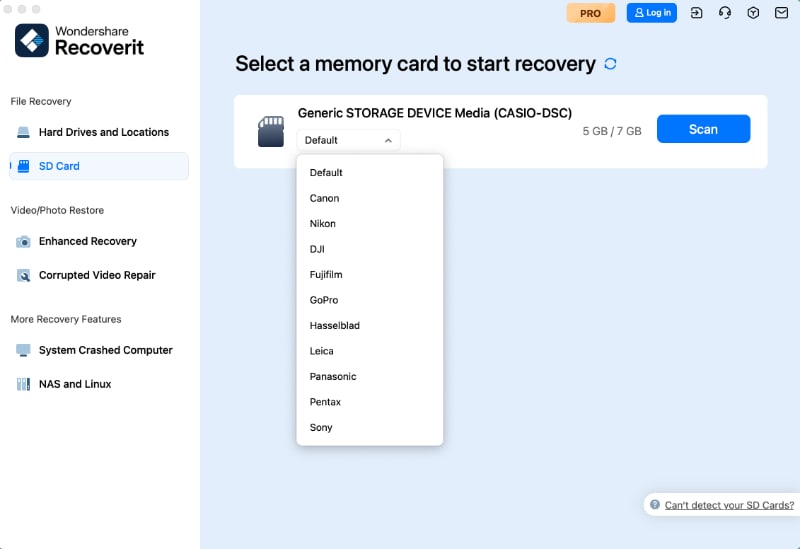
- Start scanning: Click Scan and wait for the software to search for lost GoPro files.
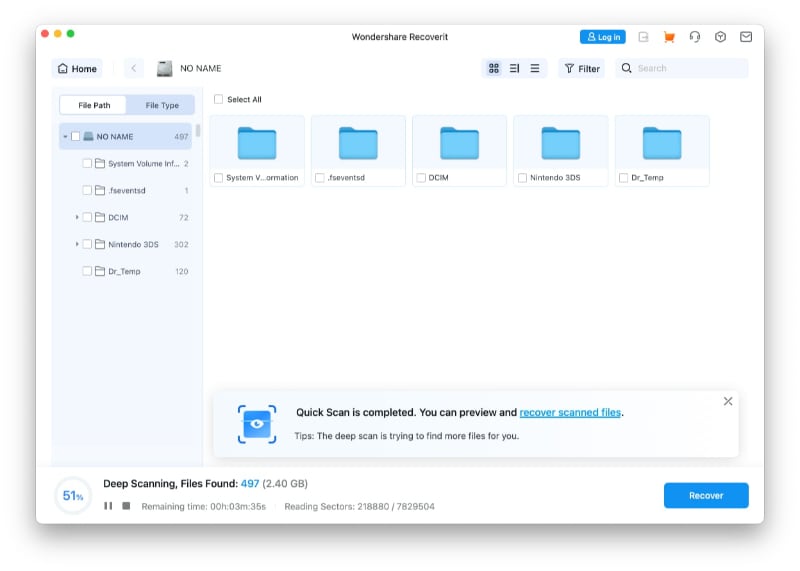
- Filter GoPro results: Look for
.mp4,.jpg,.gpr,.lrv, and.thmfiles.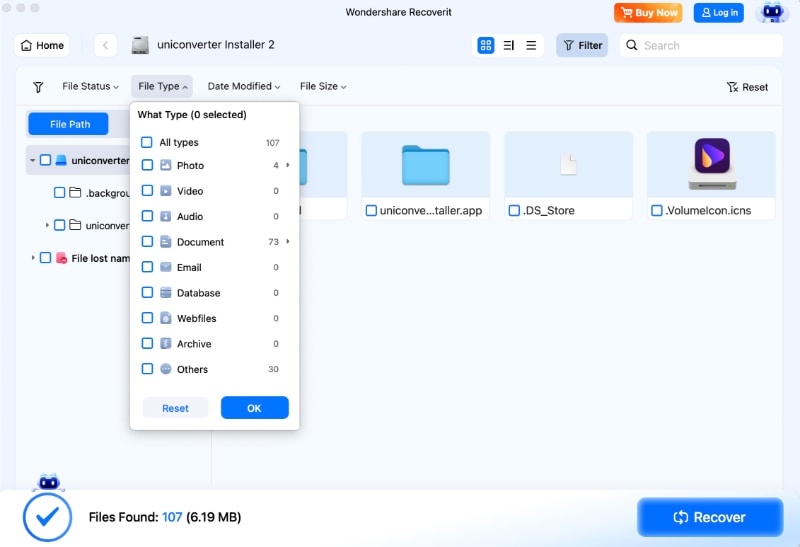
- Preview files: Preview videos and photos when supported to confirm file quality.
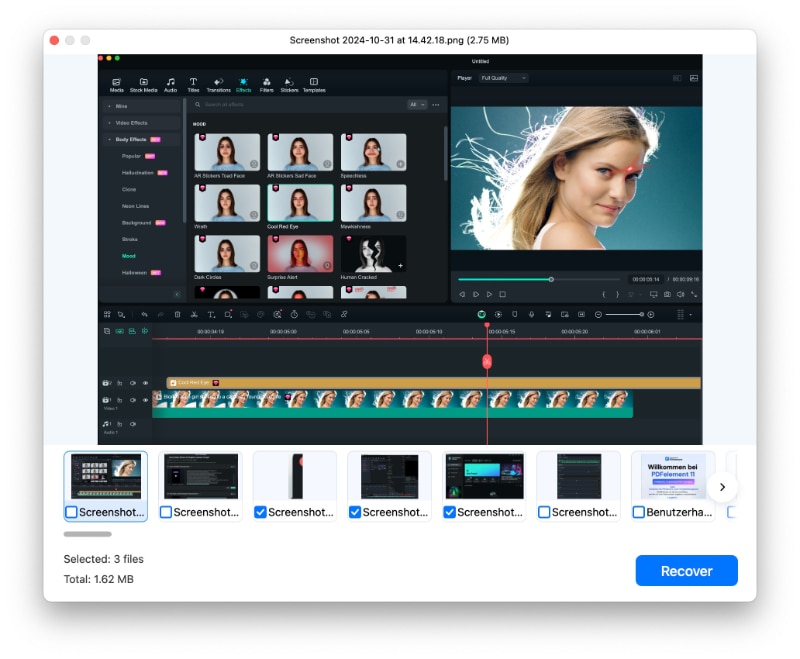
- Recover to a safe place: Click Recover and save files to your Mac or another external drive, not to the GoPro SD card.
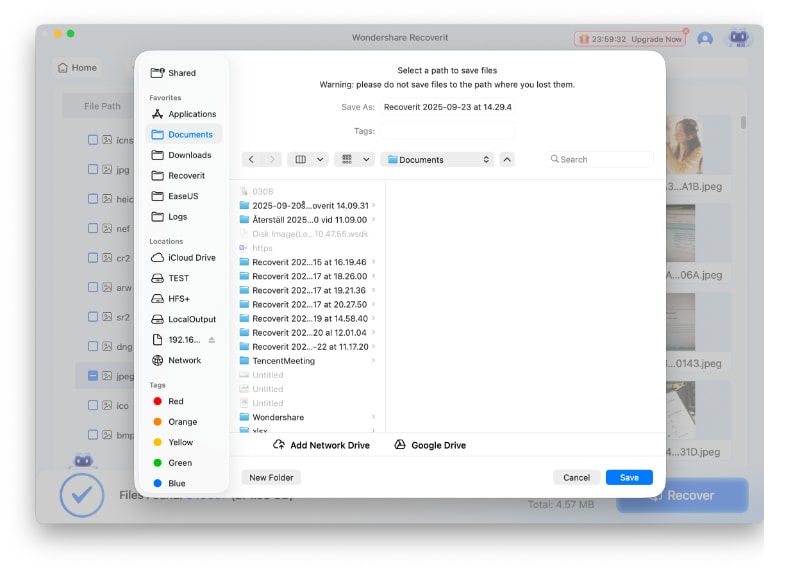
.mp4 videos. .lrv files are low-resolution proxy videos and cannot replace full-resolution footage.Video Tutorial on How to Recover Deleted Files From SD Card on Mac (2026)
2. Check Mac Trash and Photos Recently Deleted
If GoPro files were deleted after being copied to your Mac, start with Mac Trash and Photos Recently Deleted before scanning the SD card.
- Open Trash: Click the Trash icon in the Dock.
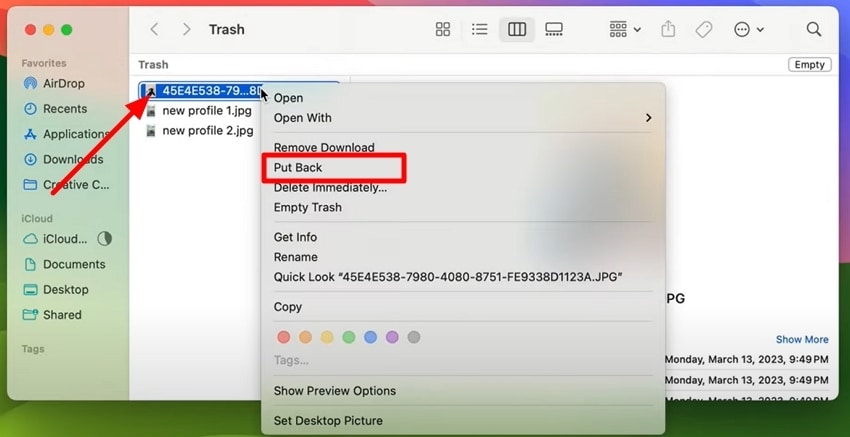
- Search for GoPro files: Look for file names or extensions such as
.mp4,.jpg,.gpr,.lrv, and.thm. - Restore files: Control-click the file and choose Put Back, or drag it to a safe folder.
- Check Photos Recently Deleted: If GoPro photos or videos were imported into Photos, open Recently Deleted and click Recover if the items are still within 30 days.
3. Recover GoPro Files From GoPro Cloud or Quik
If you use a GoPro subscription and Auto Upload was enabled, your GoPro footage may be available in the GoPro Cloud. GoPro has discontinued the Quik Desktop app, so Mac users should access cloud-stored GoPro content through the GoPro web media library or the GoPro Quik mobile app.
- Open GoPro Media Library: Sign in to your GoPro account from a desktop browser.
- Check uploaded media: Look for the missing clips or photos in your cloud library.
- Use Quik mobile if needed: Open the GoPro Quik app on iOS or Android if your media was managed there.
- Download files: Download important footage to your Mac or external storage.
- Compare with SD card contents: If the cloud copy is missing or incomplete, scan the original microSD card.
4. Use PhotoRec for Free GoPro File Recovery
PhotoRec is a free open-source recovery tool from CGSecurity. It is better suited than TestDisk for recovering individual deleted GoPro files because it scans for file signatures instead of focusing on partition repair. Use TestDisk only when the SD card partition itself is lost or damaged.
- Download TestDisk and PhotoRec: Download the official CGSecurity package for macOS and extract it.
- Open Terminal: Go to Applications > Utilities > Terminal.
- Launch PhotoRec: Navigate to the extracted folder and run
sudo ./photorec. - Select the GoPro SD card: Choose the microSD card from the device list.
- Select file types: Limit recovery to formats such as
.mp4,.jpg, and other GoPro media types if possible. - Choose scan scope: Select Free for deleted files or Whole for formatted or corrupted cards.
- Choose a destination: Save recovered files to your Mac or external drive, not the SD card.
- Review recovered folders: Sort recovered files by extension, size, and date after the scan.
.mp4 files first when looking for full-resolution footage.5. Recover GoPro Files From iCloud Photos or iCloud Drive
iCloud can help if GoPro photos or videos were imported to your Mac, synced to iCloud Photos, or uploaded to iCloud Drive before deletion. It cannot recover files that only existed on the GoPro microSD card and were never synced.
- Check iCloud Photos: Go to iCloud.com or open Photos on your Mac.
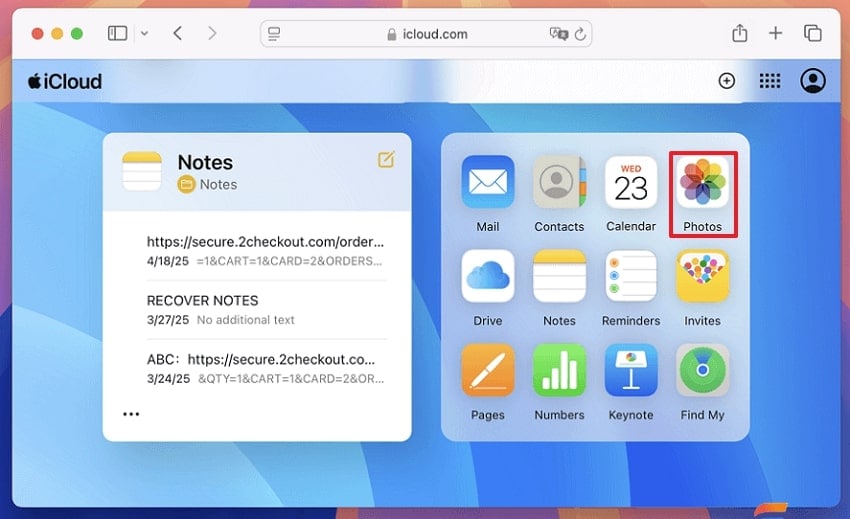
- Open Recently Deleted: Select Recently Deleted and look for missing GoPro photos or videos.
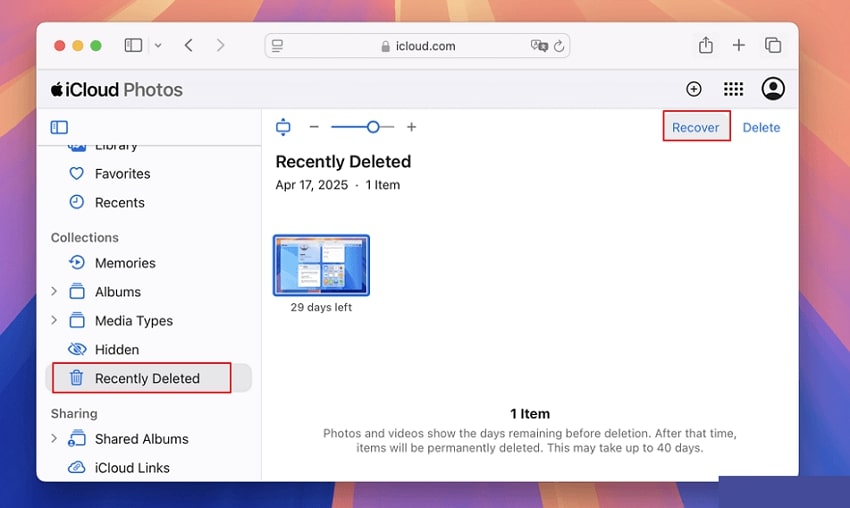
- Recover within 30 days: Select the files and click Recover if they are still available.
- Check iCloud Drive: If GoPro files were stored as normal files, open iCloud Drive and search for the folder.
- Download copies: Save restored GoPro files to your Mac or external storage.
6. Use Time Machine on Mac
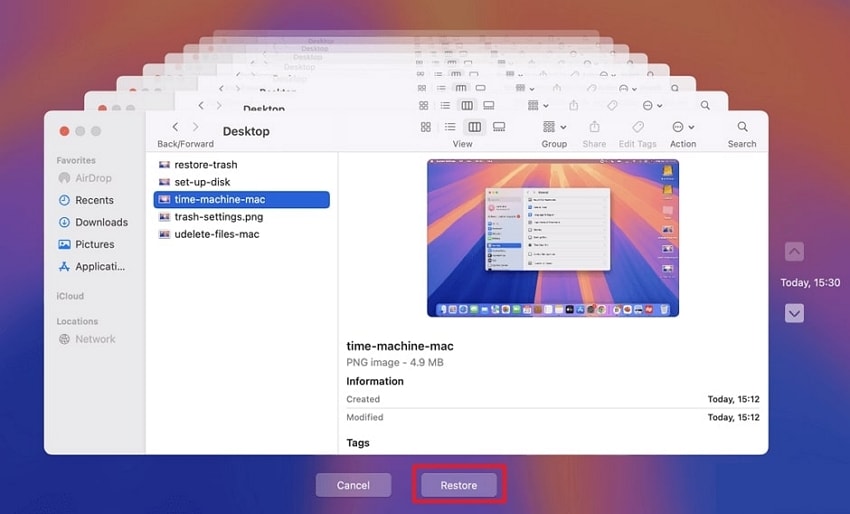
Time Machine can restore GoPro files only if they were copied to your Mac or included in a Time Machine backup before deletion. It does not recover files that only existed on the GoPro SD card and were never backed up.
- Connect the backup disk: Make sure your Time Machine backup drive is connected or available on the network.
- Open the original folder: Open the Mac folder where the GoPro files were previously stored, such as Movies, Pictures, Desktop, or a project folder.
- Enter Time Machine: Use Spotlight or the Time Machine menu to open Time Machine.
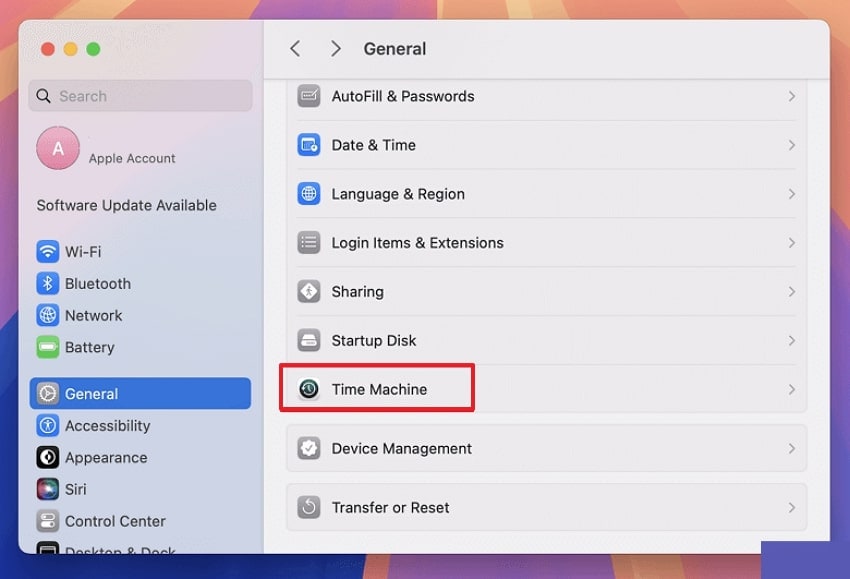
- Choose a backup date: Use the timeline to find a version before the files disappeared.
- Restore files: Select the GoPro files or folder and click Restore.
Part 6. GoPro File Recovery Guide for Mac: Preventive Measures for the Future
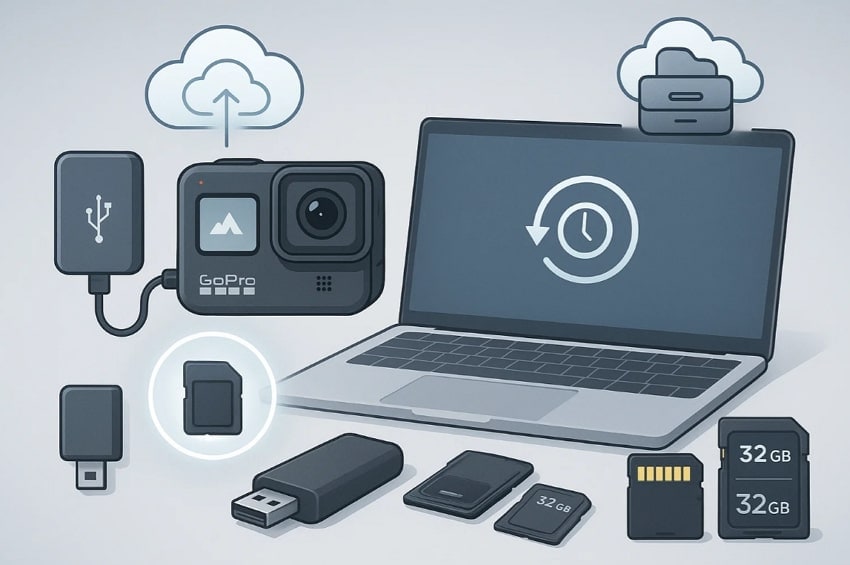
- Back up after every shoot: Copy GoPro files from the microSD card to your Mac, external SSD, NAS, or cloud storage before deleting anything.
- Use the 3-2-1 backup rule: Keep 3 copies of important footage, on 2 different storage types, with 1 copy offsite or in the cloud.
- Use GoPro Cloud Auto Upload: If you have a GoPro subscription, enable Auto Upload so footage can be backed up at original quality when supported by your workflow.
- Use the right microSD card: For current high-resolution GoPro cameras, use a quality microSD card that meets the required speed class, such as V30 or UHS-3 for supported models.
- Safely eject on Mac: Eject the SD card from Finder before removing it from the reader.
- Do not edit directly from the card: Copy footage to local storage before heavy editing to reduce corruption and disconnect risks.
- Keep firmware updated: Update GoPro firmware and Mac editing tools after your files are backed up.
- Know proxy files: Do not confuse
.lrvproxy files or.thmthumbnails with the full-resolution.mp4video. - Replace unstable cards: Retire cards that show repeated write errors, missing clips, or slow transfer speeds.
Conclusion
GoPro file recovery on Mac works best when you act quickly and avoid overwriting the microSD card. Start with Mac Trash, Photos Recently Deleted, GoPro Cloud, iCloud Photos, and Time Machine if the files were deleted after import or synced before loss.
If the GoPro files only existed on the SD card, scan the card with Recoverit for a guided Mac workflow or PhotoRec for a free technical option. Prioritize full-resolution .mp4 videos and original photo files, then save recovered data to your Mac or another external drive.
If the card is physically damaged or not detected anywhere, stop DIY attempts and contact a professional recovery service.
FAQ
-
1. What should I do first when GoPro files are lost or deleted?
When you realize that your GoPro files are lost or deleted, you should immediately stop working on the GoPro. Afterward, remove the SD card and begin the recovery process as soon as you notice data loss. -
2. Which file formats can be recovered with Mac?
The most common recovery tools can handle the MP4, HEVC, LRV, THM, JPEG, and RAW video and photo file formats of GoPro. But before deciding on what tool to use, you would want to make sure that the tool is able to enhance the format you wish to recover. -
3. What if my SD card is physically damaged?
If your SD card is physically damaged, avoid DIY recovery attempts, as it may worsen the case. You should take professional help that has the tools required to safely extract data without risking further damage. -
4. Are there free methods for GoPro file recovery?
Yes, numerous tools are available that offer a free data recovery facility for GoPro file recovery Mac. However, we recommend using Wondershare Repairit, which offers you advanced scanning modes to retrieve lost data instantly.


