


 TL;DR:
To address a hard disk controller failure safely, isolate power or interface cable faults first and avoid swapping the electronic board yourself, as unique adaptive ROM microcode mismatches will cause permanent data corruption.
● Diagnose the specific failure mode by matching physical symptoms to S.M.A.R.T. data, such as repetitive clicking indicating head damage (Attribute 05) or extreme slowdowns signaling read/write degradation (Attribute C5).
● Rule out false controller failures by draining residual motherboard voltage, connecting a new shielded SATA 6Gbps data cable to an alternate motherboard slot, and using a dedicated SATA power lead without shared splitters.
● Extract data immediately using software like Wondershare Recoverit before seeking professional hardware repair, because modern controllers are calibrated to specific drive motors and cannot be safely replaced by users.
Ask AI for a summary
 ChatGPT
 Perplexity
 Gemini
 Claude
 Grok
Grok
Today, we will present one of the most important hard disk components - Hard disk controller, and teach you how to recognize HDD controller failure. We will also discuss different solutions for the abovementioned issues that will help you get your HDD to its original state. Stay tuned for bonus tips on preventing disk controller failure.
What Is a Hard Disk Controller?
A hard disk controller is an electrical part of the disk that enables your processor to communicate with the drive. This part allows the CPU to read and write the disk. It acts as a translator between the CPU and the disk – the controller receives instructions from the processor and translates them to the disk, and vice versa.
🔧 Hardware Blueprint: The Architecture of a Hard Disk Controller (PCB)
The hard disk controller functions as the dedicated electronic motherboard for your storage media. It relies on several specialized chips to maintain low-latency read/write cycles:
| Component Component | Primary Technical Responsibility | Failure Manifestation | Diagnostic Status |
| Main MCU (Processor) | Executes native drive firmware commands and controls read/write data channels. | Total drive communication failure; device completely undetected by BIOS. | Critical Hardware Fault |
| Adaptive ROM / NVRAM | Stores unique head calibration parameters and sector alignment maps. | Permanent microcode mismatch if an external board swap is performed incorrectly. | Firmware Lockout |
| Motor Controller IC | Directs smooth power delivery to spindle motors to spin the platters at 5400/7200 RPM. | Drive will not spin at all, or produces a rhythmic buzzing/stuck-spindle sound. | Electronic Failure |
| SATA / IDE Interface Ports | Handles physical connection and signaling protocols with the host motherboard. | Intermittent dropouts, high CRC interface error counts, or slow speeds. | Connection Latency |
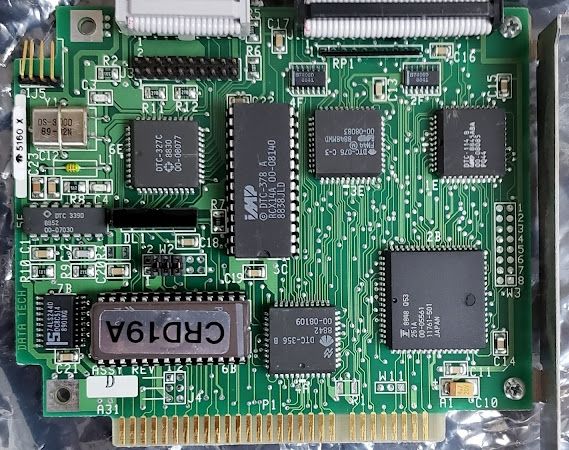
Thus, if your hard disk controller fails, you won't be able to access your drive's content since your computer won't recognize it. We will discuss this phenomenon below.
HDD Controller Failure Explained
HDD controller failure can occur for several different reasons. The failure may be due to physical damage or software malfunctions. Once the controller fails, you won't be able to access your hard disk through your PC since the CPU won't recognize it.
We will mention a couple of the most common causes of HDC failure below:
- Improper connection – using incompatible cables or not connecting the disk properly can lead to controller failure.
- Configuration mistakes – if you don't configure the drive correctly, it may seem like the controller failed.
- Cable issues – using a bad cable to connect your drive may lead to issues with the controller.
- Physical damage – if your drive is dented, scratched, or exposed to dust and water, the controller may fail.
- Manufacturing mistakes – sometimes, the drive may come out of the manufacturing line with defects, leading to various issues.
Different Symptoms of HDD Controller Failure
📊 Hardware Diagnostics: Correlating Symptoms to SMART System Attributes
If you suspect your storage controller board is decaying or failing due to electrical stress, cross-reference your system behavior with these physical symptoms and S.M.A.R.T. firmware monitoring values:
| Observed Hard Drive Symptom | Probable PCB/Mechanical Failure Mode | Associated S.M.A.R.T. Attribute Log | Target Action |
| Repetitive click-of-death or metallic clacking | Read/write head preamp chip damage or physical head crash. | Attribute 05 (Reallocated Sectors Count) | Stop using the drive. Run professional data recovery services. |
| Drive is invisible to Windows Disk Management | Logic gate failure or corrupted adaptive ROM chip code. | N/A (Device fails handshake validation) | Replace data interface cables; check BIOS detection state. |
| Extreme slowdowns or cyclic redundancy check errors | Bad logic sectors or read/write bridge channel degradation. | Attribute C5 (Current Pending Sector Count) | Deploy Wondershare Recoverit immediately to salvage file tables. |
| System crashes into Blue Screen of Death (BSOD) | Loss of real-time I/O access on the host drive partition. | Attribute C6 (Uncorrectable Sector Count) | Isolate the system; boot from external recovery media to check drive. |
If you notice any of these symptoms, you should act fast and try some of the solutions mentioned below.
Replacing Hard Drive Controllers Can Lead to Data Loss
You may think that the most logical and straightforward solution to a failing controller issue is to replace it. It cannot be that hard after all, right? Although changing the controller is easy, it may do more harm than good. All modern hard disks have controllers designed for a specific hard drive device – even if you have the same model, the controllers may not be the same.
If you try to replace your hard drive controller, you may cause widespread data corruption that will "eat away" everything you have on the drive. Moreover, it may not be compatible with the drive's motor, leading to physical damage and malfunction.
All of these issues will lead to permanent data loss. If you care about the data stored on your disk, you shouldn't take the matter into your own hands and try to replace your hardware components. Instead, try the solutions below for the best experience.
How To Fix Hard Drive Controller Failure
Here are the most reliable solutions for a failed drive controller.
🛠️ Procedural Guide: Isolating Data Interface Cable Failures
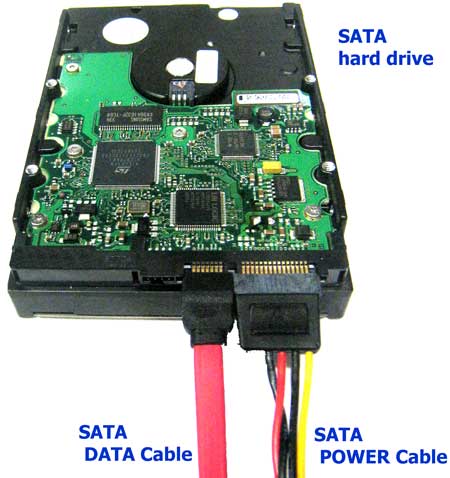
Before determining that a hard disk controller's electronic board is permanently dead, perform a systematic physical isolation scan to eliminate cable attenuation, oxidation, or seating errors:
- Power Down the System & Discharge Static: Shut down your computer completely. Turn off the master power supply switch at the back of the case, unplug the AC power cord, and hold down the PC power button for 10 seconds to drain any residual capacitive voltage from the motherboard circuits.
- Inspect the Interface Connector Rails: Open the computer chassis to expose the storage drive bays. Carefully unplug both the SATA/IDE data cable and the SATA 15-pin power supply delivery line from the rear edge of the drive. Inspect the gold contact pins inside the drive ports for dust accumulation, bent tabs, or plastic fracturing.
- Swap Interface Lines and Motherboard Slots: Replace the old connection wires with a brand-new, high-shielded SATA 6Gbps data link cable. Securely click one end into the drive, and anchor the opposing end into an alternate open SATA port directly on your computer's motherboard to rule out a dead motherboard controller lane.
- Switch Internal Power Rails: Trace the power supply lead lines inside your case. Bypass any shared molex adapters or splitters, and plug a clean, dedicated SATA power cable from a different wire run into your hard drive to ensure the controller board receives stable voltage.
- Verify Motherboard Recognition inside BIOS: Plug the system back into the wall outlet and boot up your PC while tapping the Del or F2 keys to access the UEFI/BIOS settings utility. Navigate to system status options to verify if the motherboard can read the drive's model identifier and storage capacity size.
Fix 1: Check Configurations
Every hard drive requires specific configurations to connect to the PC and run smoothly. These configurations depend on the model and type of your hard disk and the operating system you are using. Before you doubt your controller, check your configurations and ensure everything is in order.
The best method is to apply automatic configurations in the BIOS settings. This way, your PC will detect the model and the type of your drive and set it up accordingly.
Fix 2: Recover Data Using Wondershare Recoverit
As mentioned above, trying to fix or change the controllers may lead to data corruption and loss. Before you move on to more complex and demanding solutions, you should extract data from your hard disk with controller failure and back it up to another location. It will preserve your memories and make the fixing journey smooth and stress-free.
Wondershare Recoverit is a reliable third-party software solution that can help you recover your data successfully. This tool has a long work history and has helped millions of users worldwide. It covers thousands of data loss scenarios and file types, so you won't have to worry about getting your files back.
- Recovers data from 2000+ storage devices like HDDs, SSDs, external drivs, etc.
- Manages over 500 data loss situations, such as deletion, formatting, and disk corruption.
- The user-friendly interface allows you to recover data in just a few clicks.

Download the tool from the official website and follow these steps to get your data back:
- Open Recoverit and head to Hard Drives and Locations.
- Choose your hard disk with controller failure from the available options.

- The program will start scanning for lost files. You can pause this process if you detect all the files you need.

- Preview the files and select the ones you want to recover. Click the Recover button to finish the process.

- Choose where you want to save your files
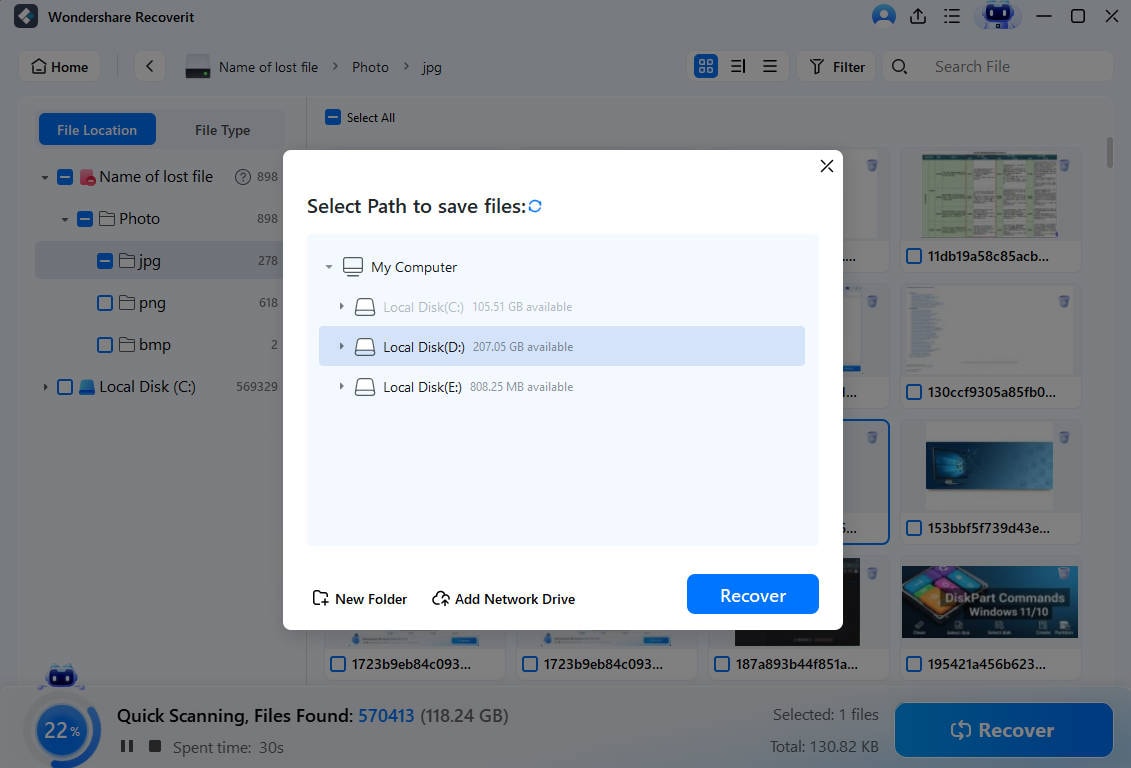
The recovery process will take only a few minutes, but you will preserve your memories. Don't skip this step to ensure the best data outcome.
Fix 3: Contact Professional Help
After recovering your data, it is time to ask professionals for help. People specializing in hard disk structures will know how to fix your controller issues and enable it to work. They will also be able to replace the controllers and make your hard disk as good as new.
If the professionals cannot fix the issue, you should take the drive to the manufacturer. Your drive may have manufacturing defects, and you can get a new, working disk.
How To Avoid Hard Disk Controller Failure
After fixing your hard disk controller, you must ensure the failure doesn't happen again. Moreover, if your controller is still working and you want to avoid possible failure, try some of the tips below.
- Backup Data Regularly
As you can see, if something goes wrong with your disk, it will also affect your data. To avoid such issues and potential data loss, you should back up your data regularly to another location. You will always have a backup plan if things go sideways.
You can opt for hardware or software solutions, whichever you find more convenient. However, software solutions may be more reliable as they will be less likely to get corrupted or damaged. One of the safest methods you can use is Wondershare UBackit. This feature-packed tool will surely boost your data experience.
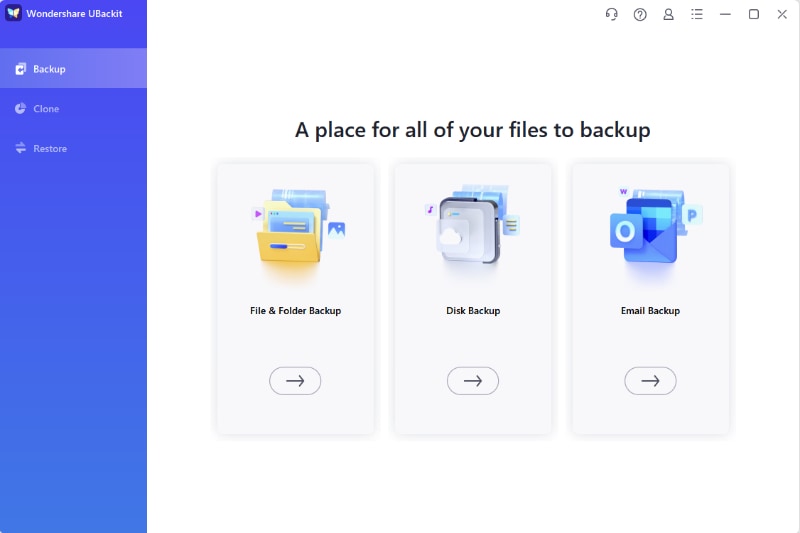
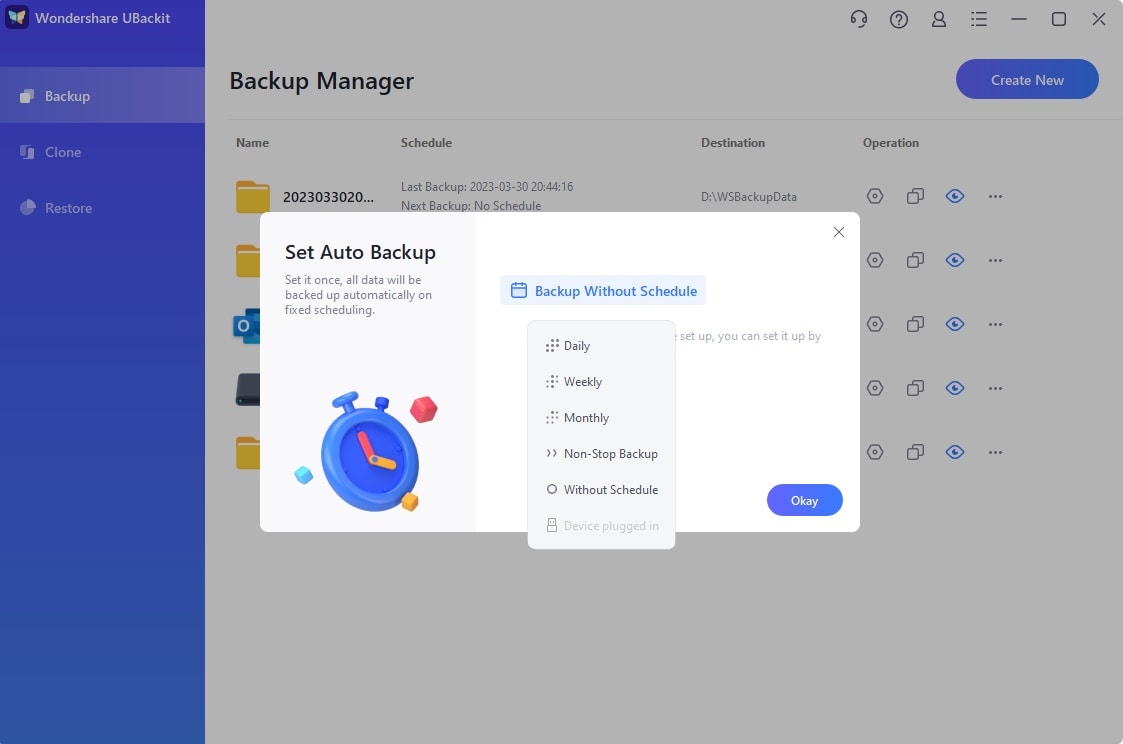
You can schedule regular, automatic backups to ensure your data is safe and secure. This tool offers numerous backup options, such as Windows, Hard Disk, NAS, or Outlook backup. Here's how to use UBackit:
- Download the tool from the official source and open the program.
- Choose Disk Backup to initiate the process.
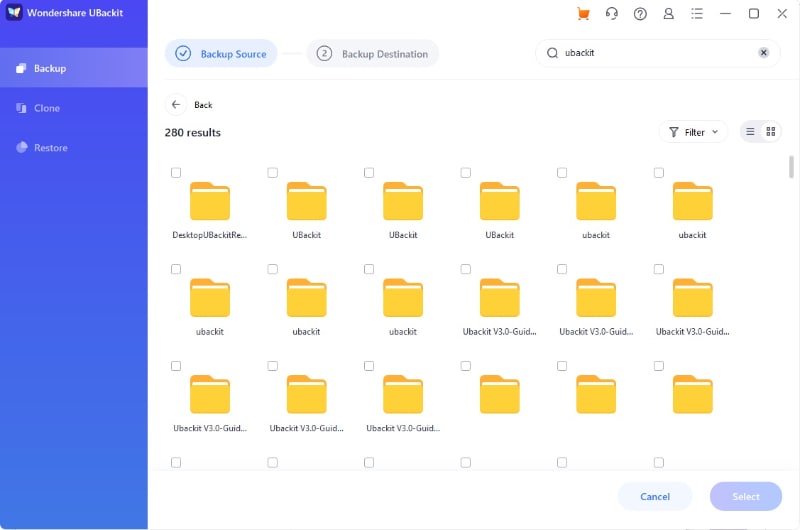
- Choose what you want to back up and click the Select button.
- Select the backup destination.
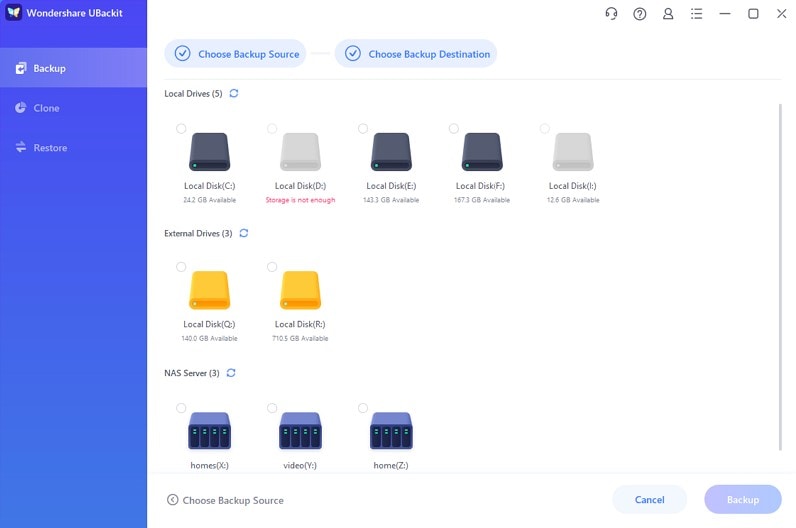
After backing up your data, you can schedule your backups in the pop-up window.
- Ensure Ventilation
Controllers are very vulnerable to overheating. If this disk part gets exposed to heat often, it will eventually fail, leading to numerous other issues. You should ensure the space around your HDD is well-ventilated and cooled. It will give your disk enough room to breathe and function properly.
Moreover, you should clean the space around your HDD to protect it from water and dust. These two enemies can make your whole hard drive fail, so you should avoid them at all costs.

- Use Surge Protectors
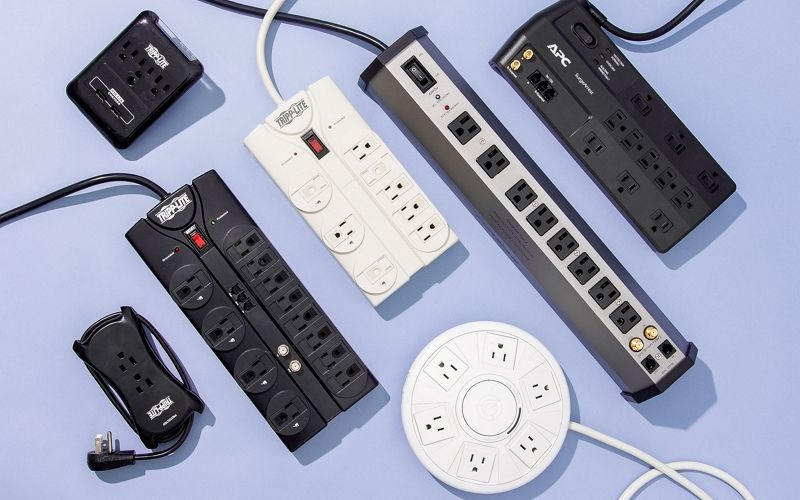
As the name suggests, surge protectors will protect your electronic devices from power surges. These surges can damage your hard disks, leading to disk structure failure alongside controllers. A surge protector can save your drive and data from potential issues. If you take this step, you will prolong your disk's lifespan.
Conclusion
Maintaining hard disks may be complex and overwhelming. If you don't take care of them, some of their parts may fail. One of the most vulnerable parts is the controller, responsible for communication between the disk and the processor. If you notice any signs that your controller may be failing, you should immediately try to fix the issue.
Before you head to complex solutions, you should ensure to back up your data. We have presented one of the best tools on the market currently. We have also discussed tips to help you avoid controller issues in the future.


