
 TL;DR:
Resolve Swann security camera Video Loss by testing shared power adapters or PoE network equipment for system-wide failures, and isolating individual BNC or Ethernet cables for single-camera drops before attempting software resets.
● Identify the visual symptom first: Video Loss displayed inside the recorder's camera grid points to a failed camera feed, whereas a No Signal message covering the TV screen indicates a faulty HDMI or VGA display connection.
● Leave physical cables intact if the local monitor displays live video but the Swann Security app is offline, as this indicates an internet or remote-view configuration issue rather than a camera hardware failure.
● Back up existing footage to a FAT32 USB flash drive of 32 GB or less for supported models before altering storage, because third-party recovery tools can only scan standard readable external drives and cannot retrieve data directly from proprietary internal recorder disks.
Ask AI for a summary
 ChatGPT
 Perplexity
 Gemini
 Claude
 Grok
If your Swann DVR shows Video Loss on every CCTV camera, first check the shared camera power adapter, power splitter, and recorder status. If only one channel has Video Loss, check its power and BNC cable, then compare the camera, cable, and input with a working channel. A wired Swann NVR uses Ethernet/PoE, not BNC. If the TV itself says No Signal, check the recorder-to-monitor connection instead. These are live-view problems, not automatically deleted recordings.
Before you start: Note which channels failed and when. Do not factory-reset or format the DVR/NVR, initialize its hard drive, or overwrite recordings while important footage may still be present. Check your exact Swann model before exchanging power adapters, cameras, or cables.
In This Article
Part 1. Identify Your Swann Camera Video Loss Problem
What Does Video Loss Mean on a Swann CCTV System?
Swann camera video loss generally means a DVR or compatible recorder is not receiving a usable picture from a camera channel. It does not by itself prove that the recorder hard drive has failed or that past recordings were deleted. The first question is whether the error affects one feed or the whole system.
A message on the Swann Security phone app, a black TV screen, and Video Loss displayed inside a recorder's camera grid can require different fixes. Swann's official DVR video-loss guide specifically covers supported DVR camera inputs, not NVR cameras.
One Camera, All Cameras, or No Signal: Where to Start
| What you see | Check first | Go to |
| All Swann DVR channels say Video Loss | Common camera power supply and splitter; recorder is still displaying menus | Part 2 |
| Only one Swann DVR camera says Video Loss | That camera's power, BNC lead, cable, and DVR input | Part 3 |
| One wired Swann NVR camera is offline | Ethernet cable, compatible PoE power, camera, and NVR port | Part 3 |
| All wired NVR feeds are unavailable | Recorder power, network/PoE connections, and local monitor status | Part 2 |
| TV says No Signal; no recorder menu appears | HDMI/VGA, correct TV input, and recorder display output | Part 4 |
| Swann app is offline but local monitor works | Internet/router, mobile network, app, and recorder remote access | Part 4 |
| Live video works but an earlier clip is missing | Playback search and previously exported copies | Part 5 |
Part 2. Fix Swann CCTV Video Loss on All Cameras
Video loss on all Swann cameras at once often points to something they share rather than several cameras independently failing at the same moment. For analog CCTV systems, start with the camera power adapter and splitter. For PoE NVR systems, check the recorder and common power/network path.
Check Whether the Recorder Menu Still Appears
If the monitor still displays the Swann camera grid with Video Loss on several channels, the recorder is at least outputting a picture; concentrate on camera power and connections. If the screen only shows the TV's own No Signal message and no recorder menu, first check the display connection in Part 4. A screen problem should not be mistaken for failure of all cameras.
Test Shared DVR Camera Power and Splitters
Step 1. Check that the camera power adapter is plugged in securely and that the outlet works. If it is attached to a power strip, use a known-good outlet for a reversible test.
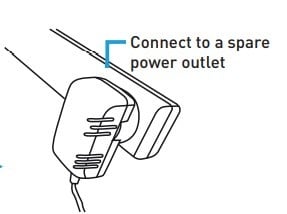
Step 2. Follow the power cable from the adapter through any splitter to the affected analog CCTV cameras. Several cameras fed by one failed adapter or loose splitter may lose video together. Do not open an adapter or touch exposed wires.
Step 3. If an adapter must be exchanged for testing, use only one with compatible voltage, polarity, connector, and sufficient current. Check whether the affected channels regain live video. If not, use the DVR camera and port isolation steps in Part 3 rather than resetting the recorder.
Check: Restored live feeds indicate that the shared connection was involved; they do not prove that every event during the outage was recorded.
What if Every Swann NVR Camera Is Offline?
On wired Swann NVR systems, cameras may receive power over the same Ethernet connection used for video. If all channels fail, check whether the recorder boots and its local interface works, and whether the shared PoE/network hardware is powered. The DVR power-splitter instructions above are not a substitute for an NVR-specific check. If just one wired IP camera fails, use the PoE isolation test in Part 3. Some NVR systems require model-specific camera discovery or pairing, so avoid resetting or deleting cameras before checking the relevant model guide.
Part 3. Fix Video Loss on One Swann DVR or NVR Camera
When a single Swann security camera shows Video Loss, isolate one component at a time. Do not change a camera, cable, power supply, and recorder port simultaneously or you will not know which change resolved the problem.
Check the DVR BNC and Camera Power Connections
Step 1. For an analog Swann DVR camera, identify the cable carrying the BNC video connection and separate power connection. Confirm that the video plug is securely attached to a real DVR Video Input and that the power plug is connected.

Step 2. Look for accessible, visibly loose, bent, wet, or damaged connectors. Disconnect power before moving or replacing damaged cables; use compatible replacements instead of an improvised repair.
Step 3. Check the affected channel on the recorder. If it still shows Video Loss, move to a comparison with a known-working camera. For new or replacement cameras, confirm that the video signal format and recorder model are compatible before assuming the camera is defective. Swann's official DVR camera connection guide illustrates the required wiring.
Test the Swann Camera Against a Working Cable
Step 1. Note the affected and working channel numbers. Using compatible power and a known-working BNC cable or camera connection, connect the suspect camera to the tested connection.
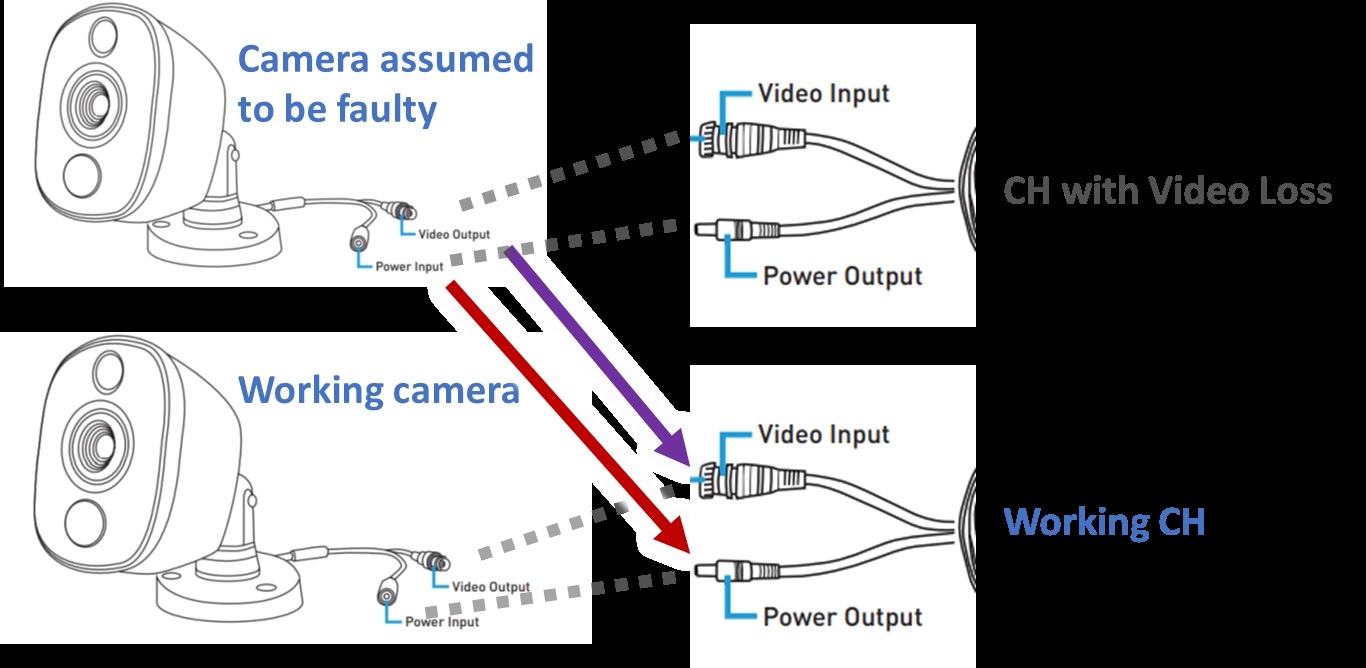
Step 2. Observe where Video Loss appears. If the suspect camera fails even on the known-working connection, the camera or its compatible power supply is suspect. If the suspect camera works there but fails on its original cable run, the original cable or connection is suspect.
Step 3. Record the result before reconnecting the system. Swann's camera-to-BNC-cable swap instructions show this comparison for supported DVR models.
Test the DVR Video Input Port
Step 1. Use a camera, power adapter, and cable already shown to work. Identify the DVR channel that still reports Video Loss.
Step 2. Move the known-working BNC lead to the suspect DVR Video Input, then compare the channels. Do not use a similarly shaped audio or output connector.

Step 3. If a proven working camera/cable works on one input but not another, the latter input may be faulty. Restore the labelled wiring and seek model-specific Swann support rather than factory-resetting the device. See Swann's DVR input port comparison guide.
Check NVR Ethernet and PoE Ports
Step 1. If you have a wired PoE NVR instead of a BNC DVR, check the affected camera's Ethernet connector, cable route, and PoE availability. Use a compatible, known-good Ethernet lead when feasible.
Step 2. On a Swann model that supports it, move the affected camera's Ethernet lead to a known-working camera PoE input, noting which channel or port is being tested.
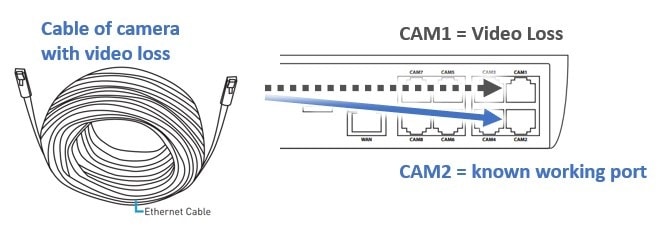
Step 3. If the problem follows the camera or cable to another port, inspect that component. If a proven working camera and cable fail only on one port, that NVR port is suspect. Verify the camera/NVR pairing rules before making lasting changes. Swann documents the NVR Ethernet port isolation test for supported models.
Part 4. Separate App and Monitor Problems from Camera Video Loss
Swann Security App Offline but Local Video Works
If live video appears on the recorder's local monitor but not in the Swann Security app, avoid disconnecting the camera's BNC or PoE connection. The local signal is working; the problem may be internet access, remote-view configuration, or the phone/app. Verify that the recorder can reach the network and compare the app over mobile data versus Wi-Fi. For a standalone Wi-Fi camera, check its power or battery and wireless connection rather than DVR cables. Follow Swann's standalone camera offline guide for supported devices; do not unpair a camera simply to troubleshoot an outage.
TV Says No Signal Instead of Video Loss
If there is no visible recorder interface and your TV says No Signal, verify the selected HDMI/VGA input, display cable, recorder power, and display compatibility. This differs from a Swann DVR displaying Video Loss inside its camera grid. Do not erase recordings or change camera inputs to solve a monitor connection. Swann's recorder boot and display guidance explains the distinction.
Part 5. Find and Back Up Existing Swann Recordings
Fixing Swann security camera video loss restores a live signal, but it cannot create footage for a time when the camera did not record. If you need an earlier incident clip, first check the recorder's saved footage before trying data recovery.
Search Swann DVR or NVR Recordings by Time
Step 1. On a supported Swann recorder, open Playback or Search. The exact name depends on the model and software version.
Step 2. Choose the relevant date/time range and camera channel. Include both motion/event and continuous recording types where the recorder allows it, then select Search.
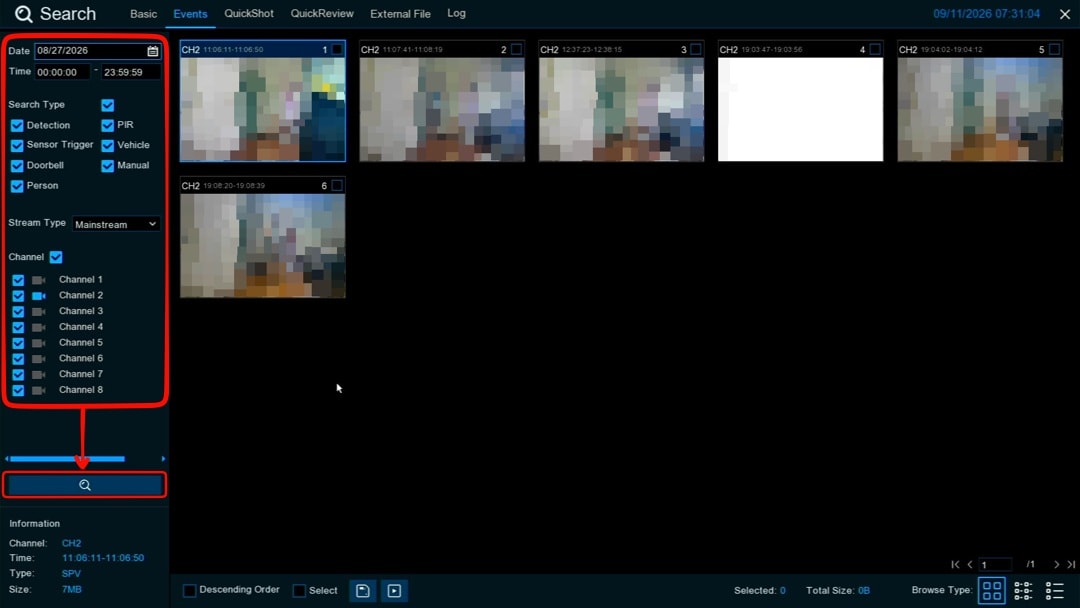
Step 3. Play the matching clip and verify the event before changing recording settings. If no event appears, check whether the camera was online and configured to record at that time. Swann's recorder playback and export guide provides model-specific layouts and controls.
Export Existing Video Before Changing Storage
Step 1. Select the verified clip or clips in the supported Search, Events, or Playback interface.
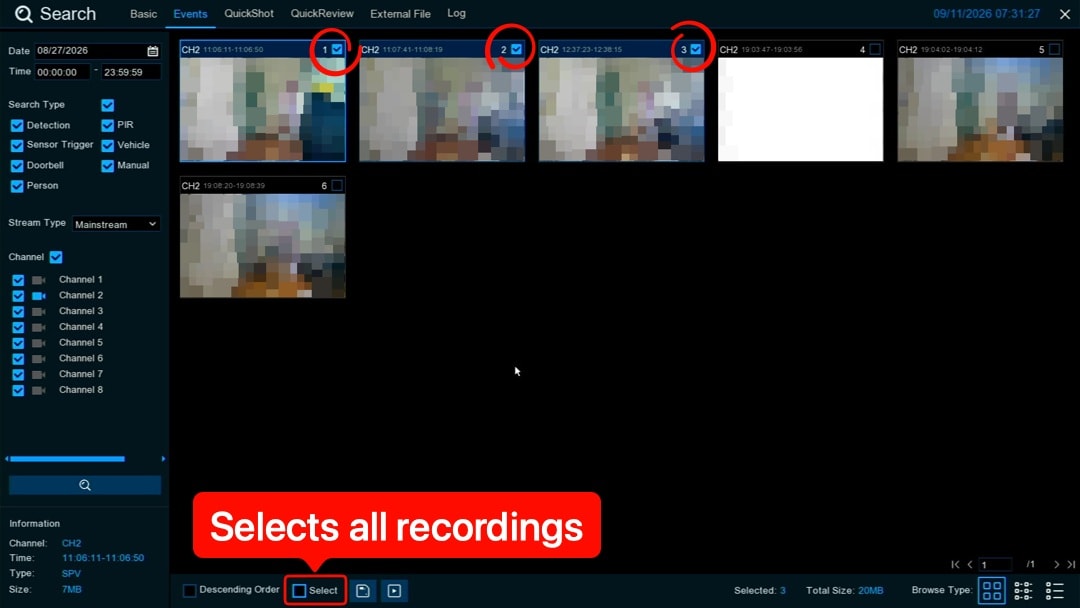
Step 2. Use Backup or Export, depending on the recorder, and choose MP4 when the firmware provides it. For the supported Swann Security recorders in the official guide above, Swann specifies a FAT32 USB flash drive of 32 GB or less; other models may have different requirements. Use a healthy drive and do not format the recorder's own disk.
Step 3. Open the exported recording on a computer to verify video, audio, and duration. Store a second copy if the footage matters as evidence.
Part 6. Recover a Deleted Local Swann Video File
When Recoverit Can and Cannot Help
If a previously exported Swann recording was deleted from a USB drive or computer, Wondershare Recoverit Video Recovery may help scan the original, accessible local storage. This is different from fixing a Video Loss warning. It cannot recover footage that was never recorded or reverse a broken camera signal. Stop writing to the source immediately; deleted files can become unrecoverable after overwriting or flash-memory cleanup.
| Situation | Recommended action |
| Swann camera shows Video Loss right now | Repair camera power, cable, or recorder connection first; Recoverit does not fix this |
| Recording is still in Swann Playback/Search | Use the recorder's built-in export function |
| Previously exported MP4 deleted from a readable USB drive or computer | Stop writes, scan the original local medium, and save recovered files elsewhere |
| Recorder's internal disk is unreadable, encrypted, proprietary, or physically failing | Do not initialize or format it; consult a qualified specialist or Swann support |
| Camera was disconnected and the event was never captured | No recovery tool can recreate a recording that never existed |
Scan a Readable USB Drive or Local Video Folder
Step 1. Connect the original readable USB drive or local storage medium to a computer. Open Recoverit and select the detected device or drive that held the exported Swann clip. Do not choose a fictional cloud drive or select an internal DVR disk without verifying its file system and recovery feasibility.
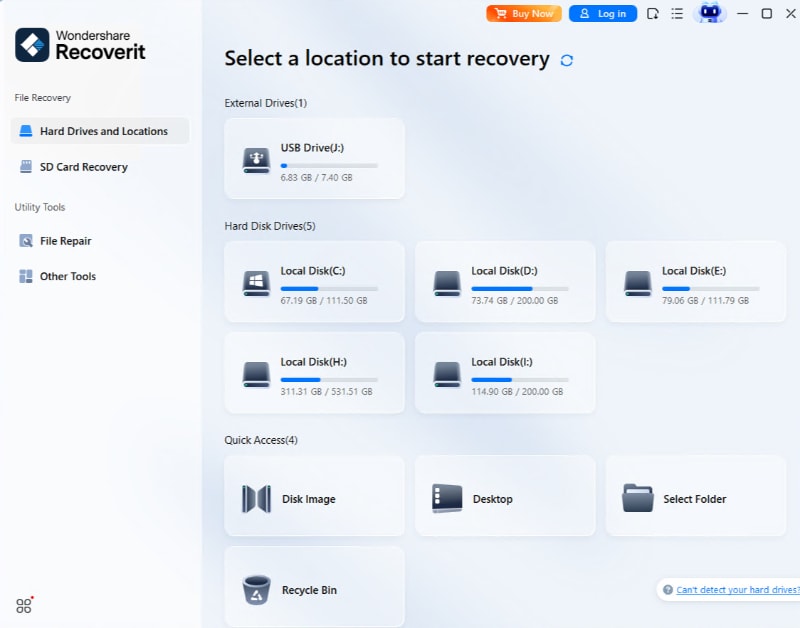
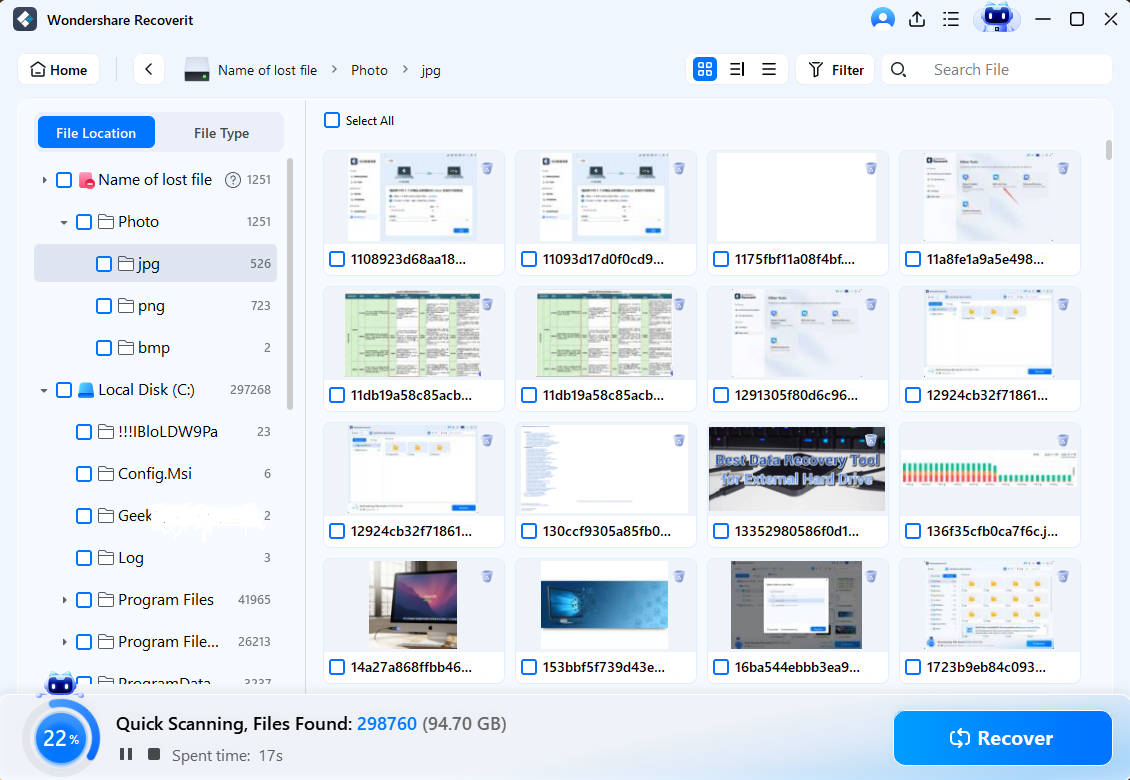
Step 2. Scan the selected location and filter results for video files. Check the file name, date, format, size, and preview when supported. Some recorder-specific file types cannot be previewed directly.
Step 3. Preview matching footage if available, recover the chosen files to a different healthy drive, and test the result with a compatible media player. Never restore files onto the original affected device. Refer to the official Recoverit recovery guide for current controls.
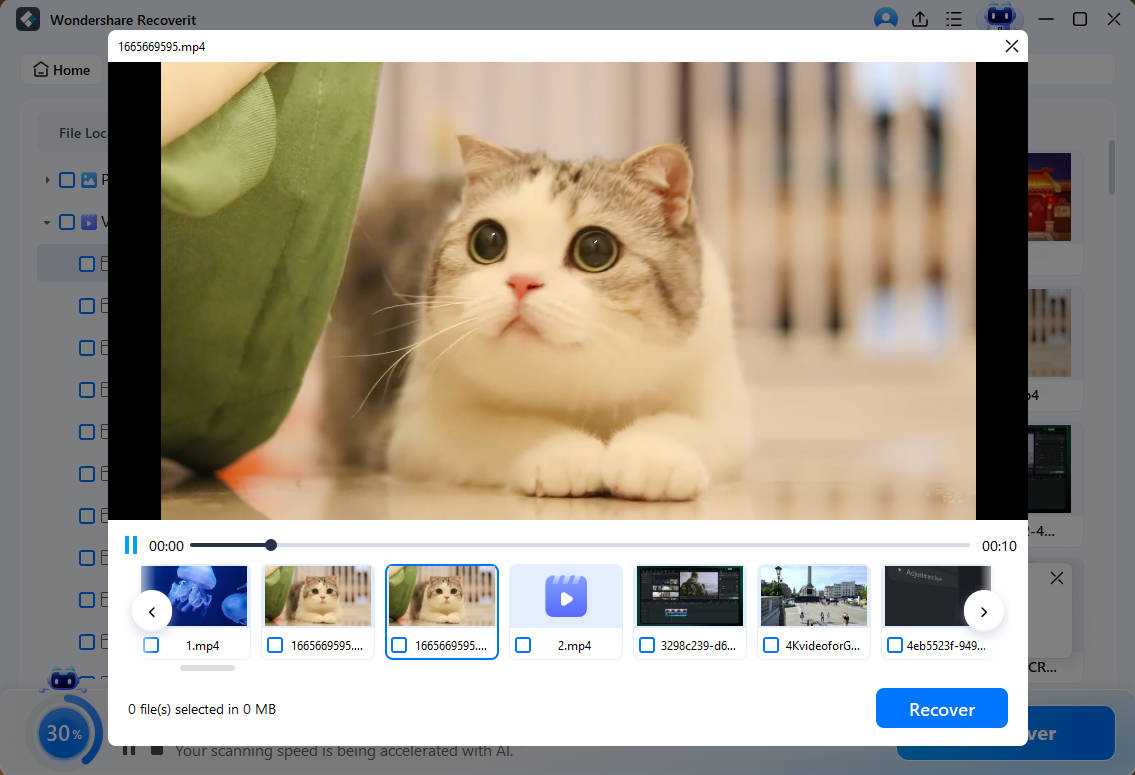
Only for deleted local recordings: If the USB or computer-stored copy has actually been lost and its source drive is accessible, you can try Recoverit. Scanning does not guarantee recovery.
Conclusion
For Swann camera video loss, identify the failure first: all cameras, one camera, an app-only outage, or a TV that says No Signal. Check shared DVR power before changing multiple cameras, then isolate BNC cables, individual camera connections, or NVR PoE ports as appropriate. If an old Swann recording is missing, search and export any footage already saved before considering recovery of a deleted local copy.
FAQ
-
Why does my Swann camera say Video Loss?
It usually means the recorder cannot get a usable picture from that camera channel. Check compatible power and the BNC or PoE cable, then compare the affected camera, cable, and recorder port against a known-working connection. -
Why do all my Swann security cameras show Video Loss at once?
On an analog Swann CCTV system, multiple cameras may share one power supply or splitter. If the recorder menu still works, check that shared power path first. On an NVR, check the recorder and shared PoE/network equipment. If the TV itself says No Signal, troubleshoot the HDMI/VGA display path instead. -
How do I fix Swann CCTV video loss on all cameras without deleting footage?
Record the failure, inspect the recorder's local display, verify the power adapter/outlet and compatible splitter connections, then test a known-working camera connection. Do not reset, initialize, or format the recorder or its disk while footage may remain. -
Why is only one Swann camera showing Video Loss?
The camera, power connection, cable, or one recorder input may be at fault. On a DVR, use a known-working BNC connection to isolate the failed part. On a compatible NVR, use a known-working Ethernet/PoE port and cable. -
Does Swann Video Loss mean recorded video has been deleted?
No. A live camera signal fault does not automatically mean older footage is gone. Check Playback/Search for earlier clips. However, a period when the camera never recorded cannot be reconstructed simply by restoring the live feed. -
Can Recoverit recover Swann DVR or NVR footage?
Recoverit may help when an exported video was deleted from a compatible, readable USB drive or computer storage and has not been overwritten. It cannot fix live Video Loss, retrieve footage that never existed, or guarantee recovery from proprietary or damaged recorder disks. -
What if the Swann Security app is offline but the recorder shows live video?
Focus on the internet connection, mobile network, remote-view settings, and app rather than unplugging camera video cables. A standalone Wi-Fi camera requires its own power and wireless troubleshooting steps.


