

 TL;DR:
Resolving a "YouTube video unavailable" error requires matching your troubleshooting to the exact sub-message beneath the warning, as private permissions, regional licensing blocks, and Family Link restrictions cannot be bypassed by clearing your browser cache.
● Private videos require the owner to explicitly invite your signed-in Google account via YouTube Studio, while regional restrictions should be tested by disconnecting active VPNs rather than assuming a Premium subscription grants access.
● If multiple unrelated public videos fail to play, use an updated official app or a fresh Incognito session to isolate interfering extensions before deleting Chrome cookies or altering graphics acceleration settings.
● Data recovery software like Wondershare Recoverit is strictly for retrieving a deleted original source video from your local or removable storage, and cannot restore an unavailable stream from YouTube's servers.
Ask AI for a summary
 ChatGPT
 Perplexity
 Gemini
 Claude
 Grok
A YouTube video unavailable message does not always mean your browser is broken. A private upload needs permission, a country restriction concerns availability, and a supervised account has its own content rules. Repeatedly clearing data cannot resolve those differences.
Start with the exact message and whether it affects one video or several unrelated videos. Then follow the matching section below. Software recovery is relevant only if you have also lost a video file from your own storage, not merely access to a YouTube link.
In This Article
-
- Compare a Fresh Session, Another Browser, and an Allowed Network
- Isolate Extensions That Interfere With Playback
- Clear Chrome Cache, Then Cookies Only If Needed
- Lower Video Quality When Player Controls Work
- Test Graphics Acceleration for Rendering Problems
- Reset Chrome Only After Isolating the Browser
Part 1. Identify Which YouTube Unavailable Error You Have
Keep the original watch link and read the smaller message beneath the main warning. Compare it with the cases below before changing an account, removing an app, or resetting Chrome. A useful diagnosis tells you both what to try and when to stop.
| What you see | What to check first | What will not solve it |
| Not available in your country or region | Video availability, an existing VPN connection, or supervised-service eligibility | Assuming every region warning is a cache problem |
| This video is private | The owner's invitation and your signed-in Google account | A private-video viewer or file recovery program |
| Unavailable only for a Family Link account | Parent-managed YouTube settings and supported regions | Changing the child's birthday to bypass supervision |
| Unavailable on this device or in an embedded player | The official watch page, supported software, and account eligibility | Repairing a file you do not have |
| All unrelated public videos are unavailable | A fresh session, another browser, and a permitted network | Assuming every creator deleted their upload |
| Removed, deleted, or associated with an unavailable channel | The creator's explanation or a new authorized upload | Expecting browser settings to restore a server-side upload |
For a useful comparison, hold the video and account constant while changing just the device, browser, or connection. A different result narrows the investigation; it does not prove a particular cause. Record the exact warning if it changes between tests.
Part 2. Fix Region, Private Video, and Account Restrictions
These errors concern whether YouTube can provide this video to this viewer. Resolve that question before attempting the playback fixes later in the article.
YouTube Is Not Available in This Region or Country
When YouTube says a video is not available in your country, check availability rather than assuming the video is damaged. YouTube's country-restriction explanation identifies owner-selected territories and local legal requirements as possible reasons.
Step 1. Check whether you already use a VPN. On Windows, open Settings > Network & internet > VPN and inspect the connection list. Also check any separate VPN app or browser extension you installed.
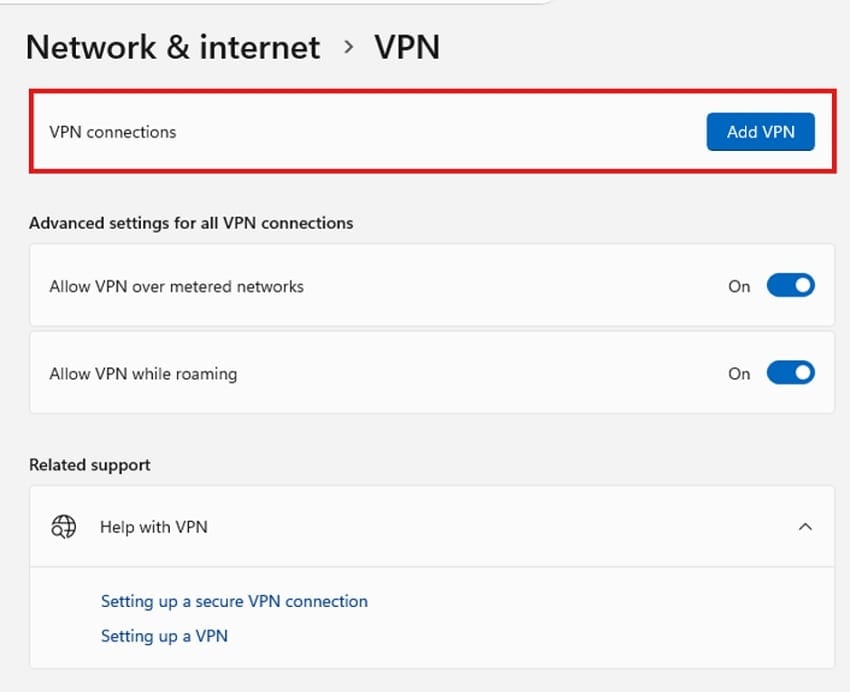
Step 2. If an existing VPN is active and disconnecting it is permitted, disconnect through that connection or its app. Reload the same watch link on your ordinary connection. The metered-network and roaming switches are not disconnect buttons; an empty connection list does not require adding a VPN.
Step 3. If the same country warning remains, check the creator's official channel or distributor for a version offered in your region. Changing a display-language or location preference is not a reliable way to obtain video rights.
Playback on the ordinary connection suggests the previous connection mattered. If the video remains restricted, stop browser resets. A warning affecting only a supervised child account belongs in the Family Link checks below. A Premium subscription should not be treated as a promise that every regional catalog becomes available.
Video Unavailable: This Video Is Private
A private video needs an invitation to the correct account. Having the URL, subscribing to the channel, or receiving a forwarded email does not itself grant permission. Google explains the viewer requirements in its private-video access guidance.
Step 1. As the viewer, confirm which Google account the owner invited. Switch to that account and open the direct watch link. Do not use a signed-out Incognito window as the decisive test for an invitation-only upload.
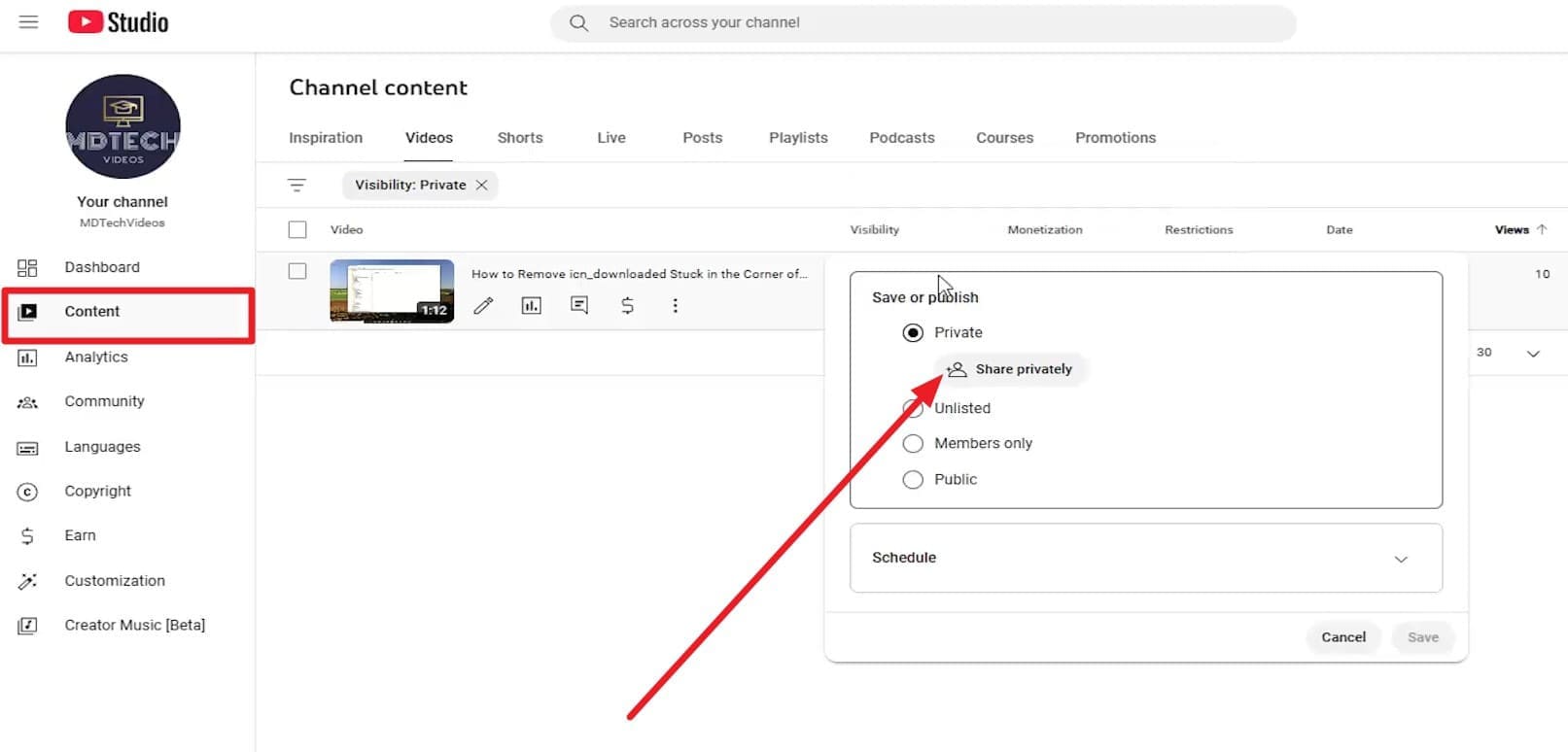
Step 2. If permission needs correcting, ask the owner to open YouTube Studio > Content, locate the upload, open Visibility, and choose Share privately. These controls belong to the owner, not the viewer.
Step 3. The owner enters the viewer's email, optionally enables the email notification, confirms the dialog, and saves the visibility changes. The viewer then retries under that exact account.
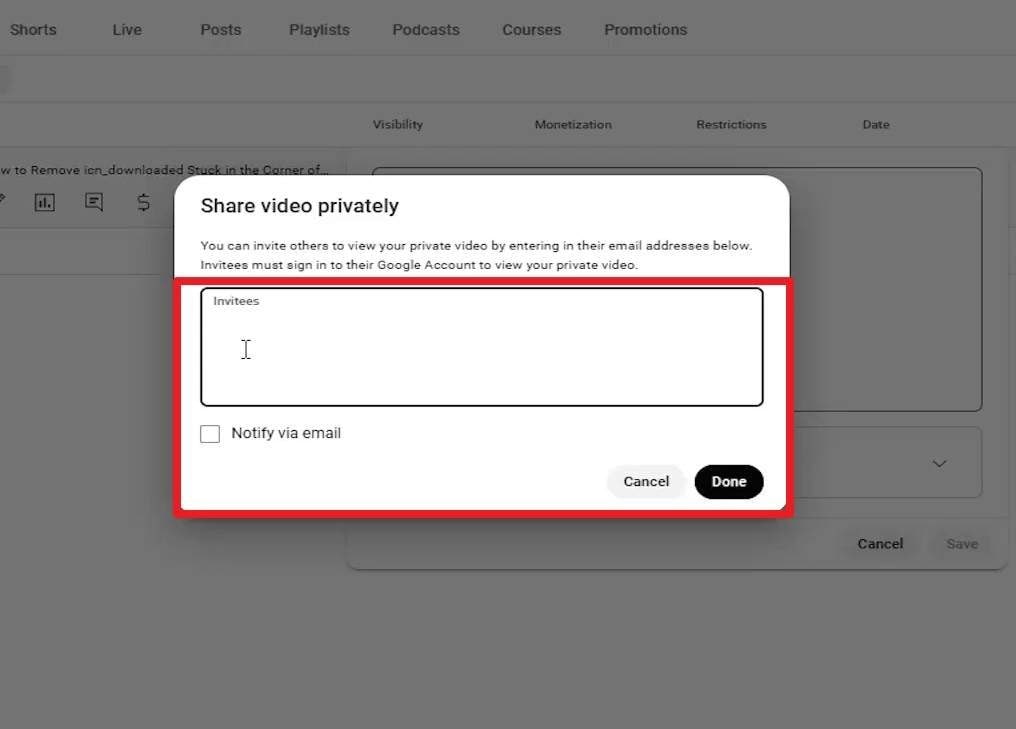
The success check is playback from the invitation link while signed in correctly. If access is still refused, the owner should verify the address and saved invitation rather than make the video public unintentionally. Google's visibility settings also distinguish private from unlisted: an unlisted link can be reshared. Private-video playback through Google Workspace for Education services can have additional restrictions.
YouTube Is Not Available in This Region With Family Link
Parents encountering this warning should separate supervised YouTube availability from the licensing of one video. An adult account working on the same device does not establish that the child's supervised experience is supported or that the video fits its content settings.
Step 1. Check Google's current supervised-account availability and eligibility. Use the list for supervised YouTube, not a generic list of countries where ordinary YouTube works. Confirm that the device is using the intended child account.
Step 2. On the linked parent's device, open Family Link, select the child, and open Controls. Choose YouTube; in versions that group these controls, first open Content restrictions.
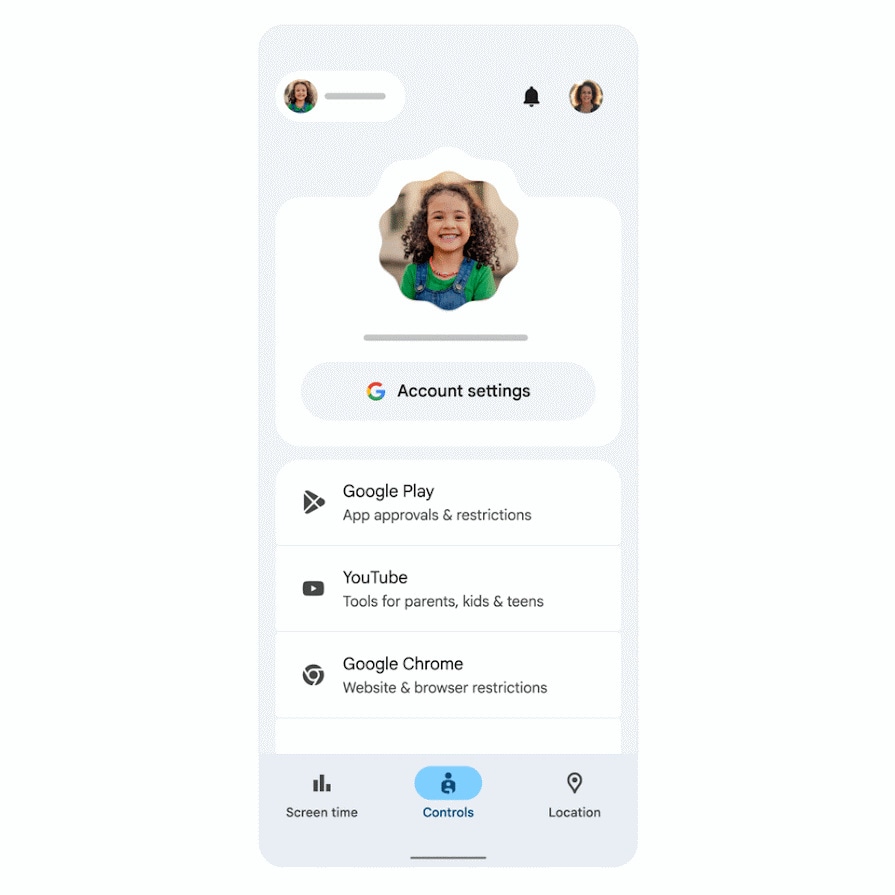
Step 3. Review the child's available YouTube settings and choose an appropriate content level. Retry a parent-approved video under the same child account. Google's parental-control instructions also describe the linked parent's Family Center route.
If suitable content works but one upload does not, investigate that upload's restrictions. If supervised YouTube remains unavailable, use an eligible supervised option or contact account support. Do not falsify age or country, delete supervision, or give the child an unrestricted adult login as a troubleshooting shortcut.
Check Age Restrictions and Restricted Mode
Account-specific failures can involve two different controls: age eligibility and Restricted Mode. Turning off the latter does not remove the former. This distinction matters when a video works for one viewer but not another.
Step 1. Read any age-verification or sign-in request and use the official account process when eligible. Age-restricted videos are not available to signed-out viewers or viewers under 18. Do not enter a false birth date.
Step 2. For a desktop account you are authorized to manage, open the profile menu and inspect Restricted Mode. Change it only when appropriate and permitted, then reload the affected video.
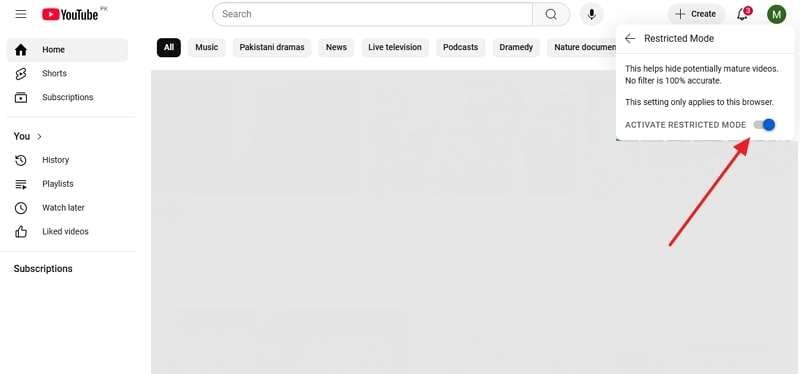
Try a suitable public video as well. If it plays but the restricted upload does not, the account may still be ineligible. If the control is locked, ask the parent or administrator responsible for it. YouTube's Restricted Mode documentation explains that account and network administration can affect this setting. Do not disable school or workplace safeguards to continue the test.
Part 3. Fix This Video Is Unavailable on This Device
A device-specific warning calls for a comparison with the official YouTube player. Keep the same authorized account and video so that an account change does not hide the real difference.
Use an Updated, Supported YouTube App or Browser
Use this method when the video is accessible elsewhere but fails on one device, an outdated app, or an embedded player. Updating software can address playback compatibility; it cannot grant private access or change a video's regional availability.
Step 1. Open the video directly in the official YouTube app or a current supported browser rather than through an embedded player or unofficial client. Sign in with the same eligible account. If it works there, report the embedded-player or client problem to that service.
Step 2. On Android, open Google Play > profile picture > Manage apps & device, view available updates, and update YouTube when offered. Reopen the app after the update.
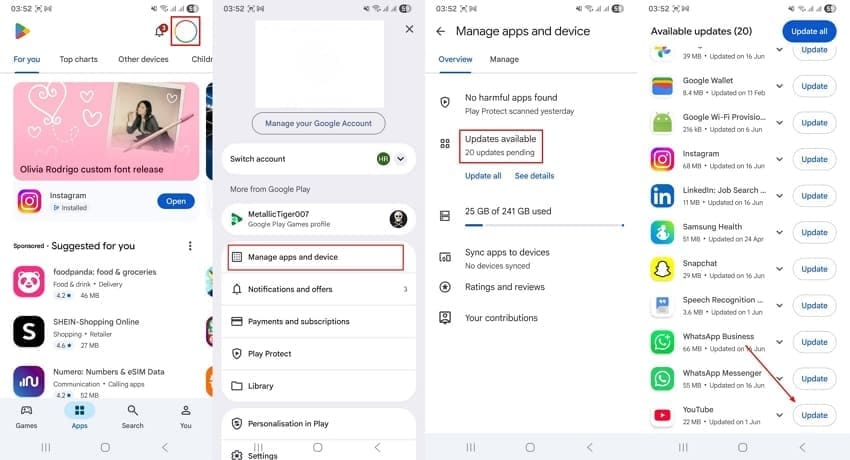
Step 3. On iPhone or iPad, check YouTube's App Store listing for an available update. On a computer, update the browser through its own update controls and relaunch it. Retest the same video, not just the homepage.
For a TV or streaming device, check its app store and system updates; a power cycle of at least 30 seconds is also included in YouTube's playback troubleshooting guidance. If the device cannot run a supported version, use a supported device instead of sideloading an unknown app. A persistent private or country warning returns you to Part 2.
Clear Only the YouTube App Cache on Android
This is a low-impact next step when the official Android app still fails after restarting and updating, especially if a browser on the same device works. It is not a fix for account permission or regional licensing.
Step 1. Close YouTube. Open Android Settings > Apps > YouTube, then Storage & cache or the similarly named storage section. Menu wording varies by manufacturer.
Step 2. Choose Clear cache, not Clear storage or Clear data. Google's Android storage guidance distinguishes temporary cached data from persistent app data.
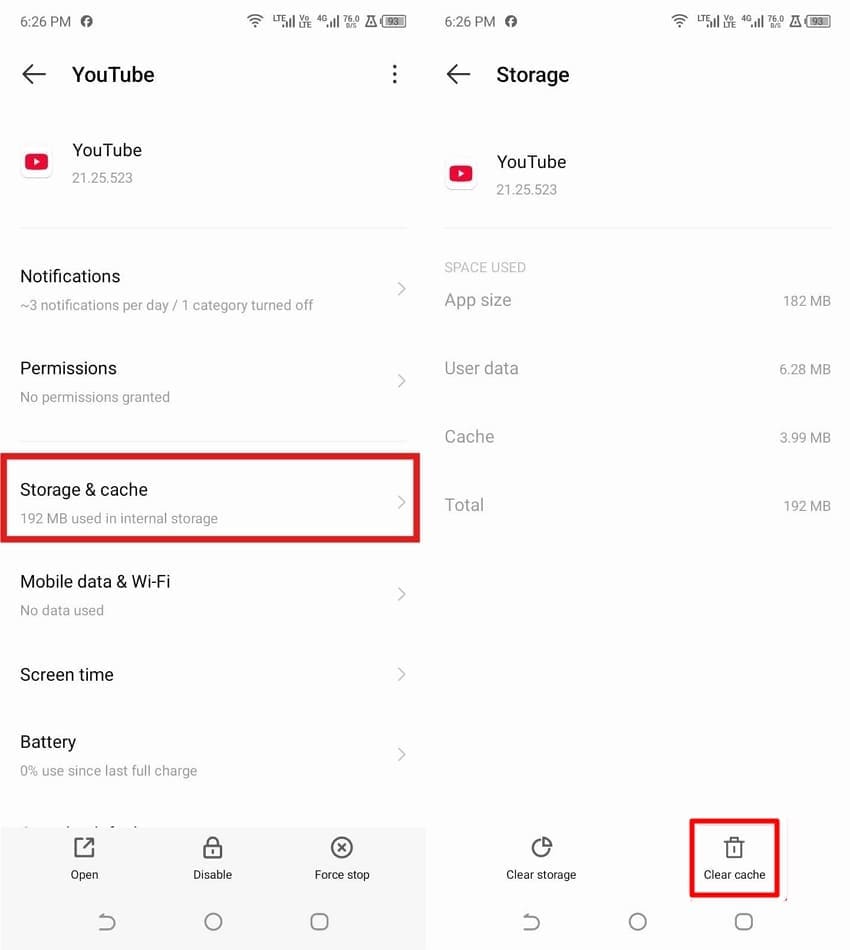
Step 3. Reopen YouTube, confirm the account, and retry the original video and another suitable public upload. Playback of both is a better success check than simply seeing thumbnails load.
If neither plays, continue with the connection comparison below. Clearing app storage or reinstalling may remove local app data and require setup again, so do not escalate casually. On iPhone and iPad, do not look for Android's Clear cache button; use restart and update checks first.
Part 4. Fix YouTube When All Videos Are Unavailable
Use these checks when several unrelated, normally accessible videos fail. Change one condition at a time and retest. Skip any browser change that conflicts with a parent or administrator's settings.
Compare a Fresh Session, Another Browser, and an Allowed Network
This comparison separates a single browser profile from broader device, account, or connection problems. Start with an unrestricted public test video, because private and age-restricted videos are poor signed-out test cases.
Step 1. Reload the watch page once. If it still fails, close and reopen the browser after saving other work. Restarting the browser does not reset the router or prove that the network is healthy.
Step 2. Open Chrome's menu and choose New Incognito window. Test a suitable public video with extensions disabled for that window. If YouTube requests sign-in, use your authorized account rather than attempting to evade the requirement.
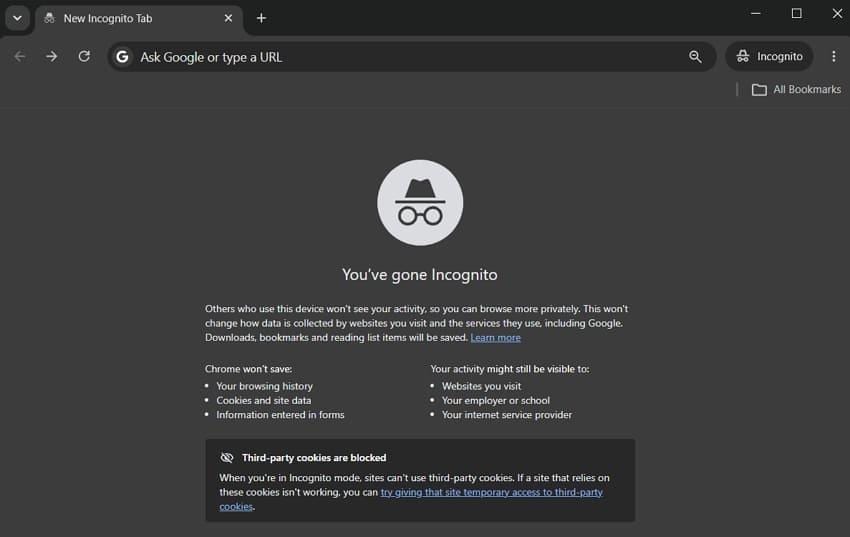
Step 3. Compare another updated browser. When permitted, compare your usual Wi-Fi with another trusted connection, keeping the device and account unchanged. Do not bypass an organization's network policy.
Only the normal profile failing points toward profile-specific settings, extensions, or stored data, but Incognito also changes sign-in state. Several devices failing on one network points toward that connection or its policy. Failure across independent permitted connections may warrant checking official service notices and retrying later; it does not by itself prove a YouTube outage.
Isolate Extensions That Interfere With Playback
Investigate extensions when a fresh session or another browser works. Start with playback modifiers, content blockers, script blockers, or proxy extensions you control. A named extension in an example is not a recommendation to install it.
Step 1. Type chrome://extensions in Chrome's address bar, or open Extensions > Manage extensions. Note which extensions are enabled so you can restore the original state.
Step 2. Turn off a suspected extension and reload the video. If necessary, temporarily disable the relevant extensions together, then re-enable them individually to find which change reproduces the problem.
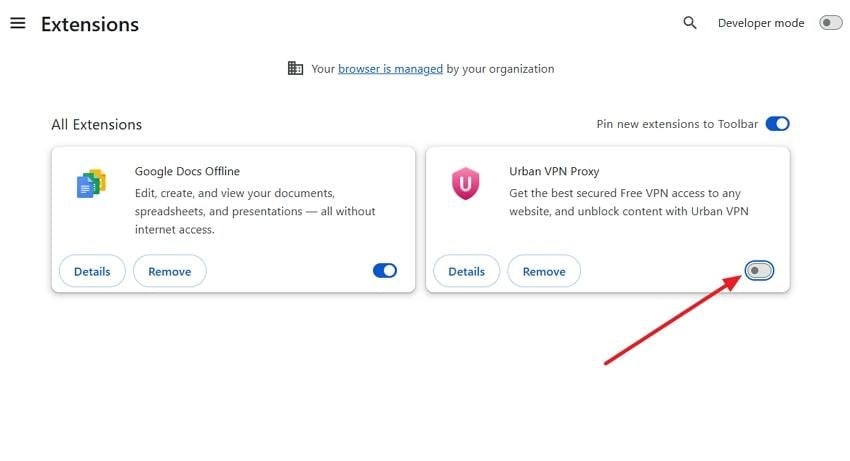
Step 3. Keep unrelated protections enabled. Update, remove, or adjust only an extension that testing implicates. For a managed browser with locked controls, contact its administrator instead.
The useful result is a repeatable change in playback, not merely a successful first refresh. Google includes this approach in its Chrome media troubleshooting. If extensions make no difference, restore them and test stored browser data. For a wider Chrome-only problem, YouTube not playing in Chrome covers the separate browser-focused workflow.
Clear Chrome Cache, Then Cookies Only If Needed
Try this after the problem has been narrowed to Chrome. Cached resources and cookies serve different purposes; clearing both immediately can sign you out and make an account-dependent error harder to compare.
Step 1. Open Chrome's menu and select Delete browsing data. Choose a time range covering the problem. Review the categories rather than accepting every checked box.
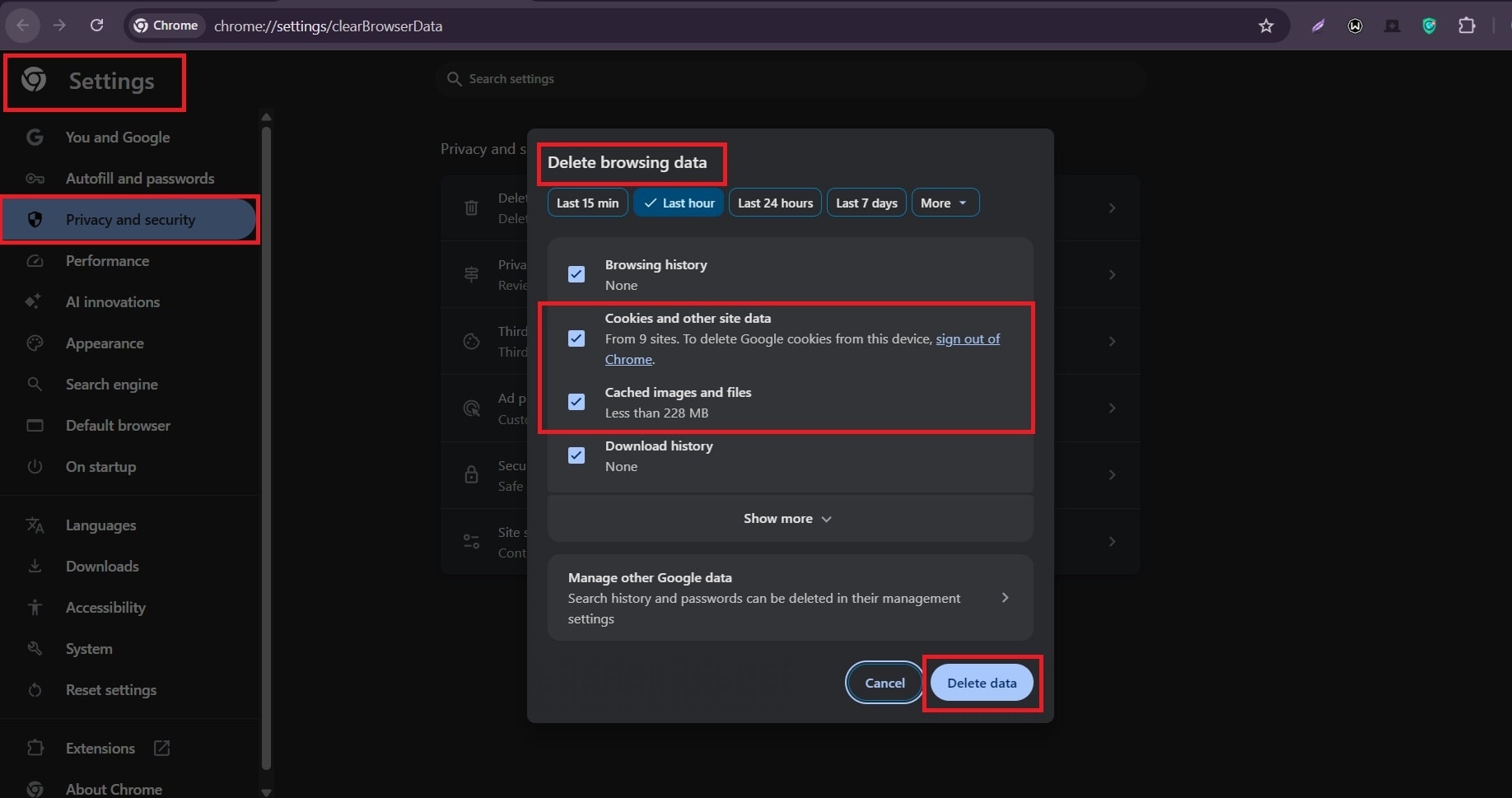
Step 2. For the first test, select Cached images and files and deselect cookies, browsing history, download history, and other data you intend to keep. Delete the selected cache, reopen the watch page, and test playback.
Step 3. If the problem persists and you can sign back in, repeat the process with Cookies and other site data included. Follow Google's browsing-data guidance and restore the same authorized account afterward.
The dialog can show more selected categories than this method requires; do not copy those selections indiscriminately. If both tests fail, repeated clearing has little diagnostic value. Keep your account credentials and recovery access available before taking any step that removes sign-in information.
Lower Video Quality When Player Controls Work
Use a lower resolution only when the player opens and its controls remain usable, but playback stalls or struggles. A static private or country warning is not a bandwidth diagnosis.
Step 1. Open the video's player settings or More menu and select Quality. On current mobile versions, use Advanced when you need to choose an exact resolution.
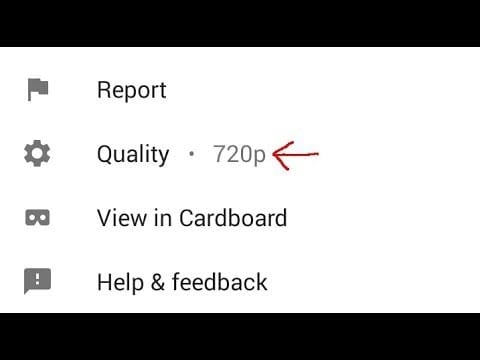
Step 2. Select an available lower resolution, such as 480p or 720p, and replay the affected portion. Available choices depend on the upload and the playback environment.
Continuous playback at the lower setting can indicate that a less demanding stream works better on the current connection or device. It does not identify a particular codec or prove that the higher-resolution file is corrupted. Google's video-quality guidance describes these varying choices. If the controls never become available, return to the message-specific branch rather than searching for a hidden quality override.
Test Graphics Acceleration for Rendering Problems
Reserve this test for a green or black picture, audio without a usable picture, or a browser-specific rendering problem. It is not a general remedy for private, supervised, or country-restricted content. YouTube specifically discusses acceleration in its green-screen troubleshooting.
Step 1. In desktop Chrome, open Settings > System. Record the current state of Use graphics acceleration when available; older interfaces call it hardware acceleration.
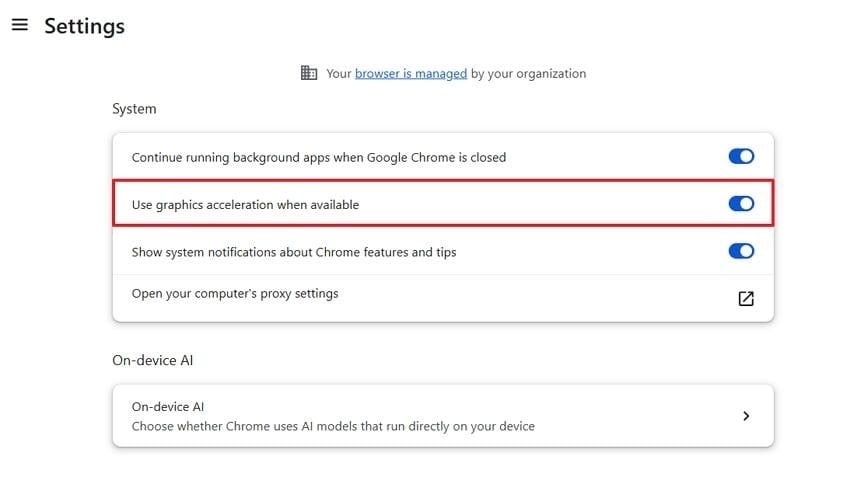
Step 2. If enabled, turn it off and select Relaunch when prompted. Save unfinished browser work first. Replay the same section of the video.
Step 3. If the picture improves, check supported browser, system, and manufacturer graphics-driver updates. If there is no improvement, restore the original setting rather than leaving a performance change in place without benefit.
Use only trusted system or manufacturer update sources. A locked setting requires administrator help. This test changes local rendering behavior; it does not repair a YouTube upload or establish which codec the server selected.
Reset Chrome Only After Isolating the Browser
A reset is a late-stage option when another current browser works and simpler Chrome checks fail. It is unnecessary when the same permission error appears everywhere, and it should not precede a basic cross-browser comparison.
Step 1. Save work and review which settings will change. In Chrome, open Settings > Reset settings > Restore settings to their original defaults. Read the confirmation before proceeding.
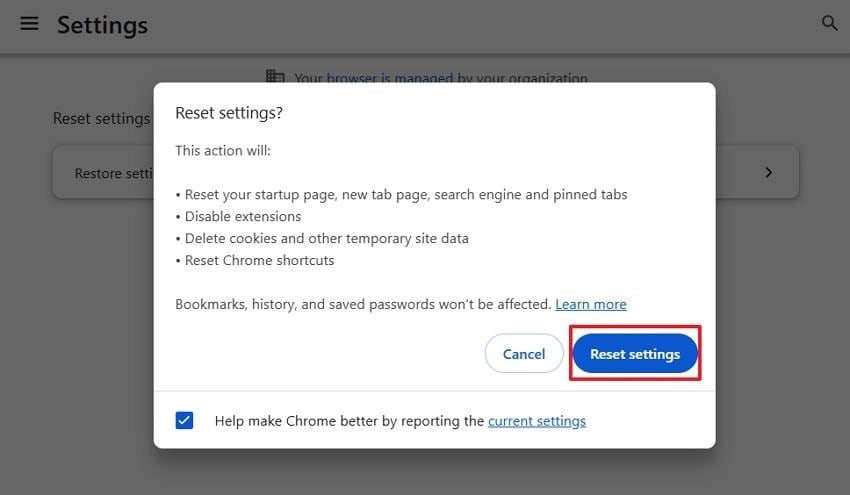
Step 2. Confirm Reset settings only if the effects are acceptable. Relaunch Chrome and test a suitable public video before re-enabling optional extensions. Google's reset documentation explains the affected settings and data.
If resetting helps, reintroduce customizations gradually. If it does not, stop cycling through resets. Reinstallation is a separate last resort for a browser installation problem: first back up required local browser data and follow the official uninstall/reinstall instructions for your operating system. Do not delete a profile folder or remove browser data simply because one upload remains unavailable.
Part 5. Recover a Missing Local Original, Not a YouTube Stream

A YouTube link is not a local video file. YouTube's offline-download explanation says those downloads are encrypted and played within YouTube. Do not treat Premium offline content as an ordinary MP4 that a desktop recovery tool can unlock or repair.
The relevant recovery case is different: you created a video, lost its original from a computer or removable drive, and need that source file. Check backups first. If your own upload remains available, YouTube documents how to download videos you uploaded. If a local file still exists but will not play, preserve it and investigate file compatibility or corruption separately.
Recover Deleted Source Videos With Recoverit
Wondershare Recoverit Video Recovery is relevant when an original video was deleted from storage the computer can still detect. Stop saving new data there, install the tool on a different drive when possible, and prepare another destination for recovered files. No scan can guarantee recovery of overwritten data.
Step 1. Open Recoverit and select the drive or original location under Hard Drives and Locations. For removable storage, connect it first. Select the location that held the original video, not a YouTube web address.
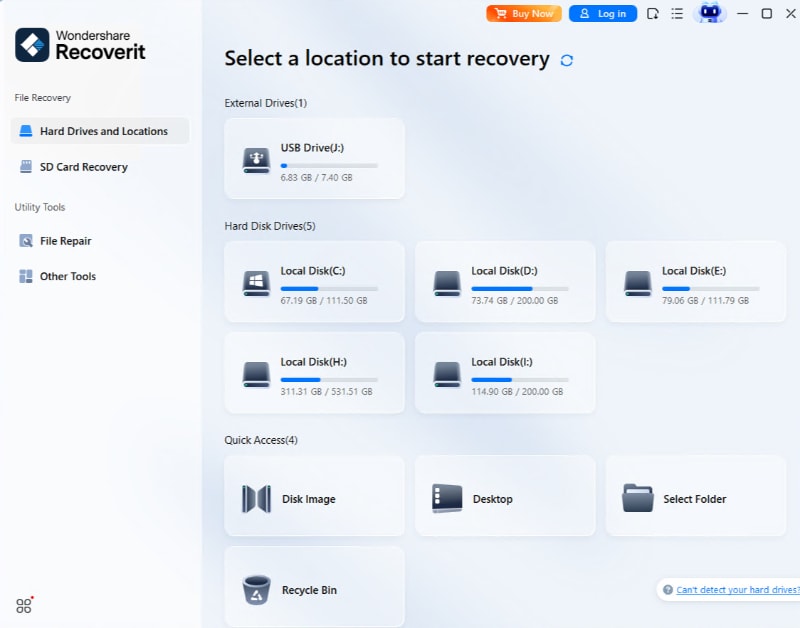
Step 2. Start scanning that location and review the results. Use file-type, name, or location filters to narrow the search. A found filename alone does not confirm that its video data is intact.
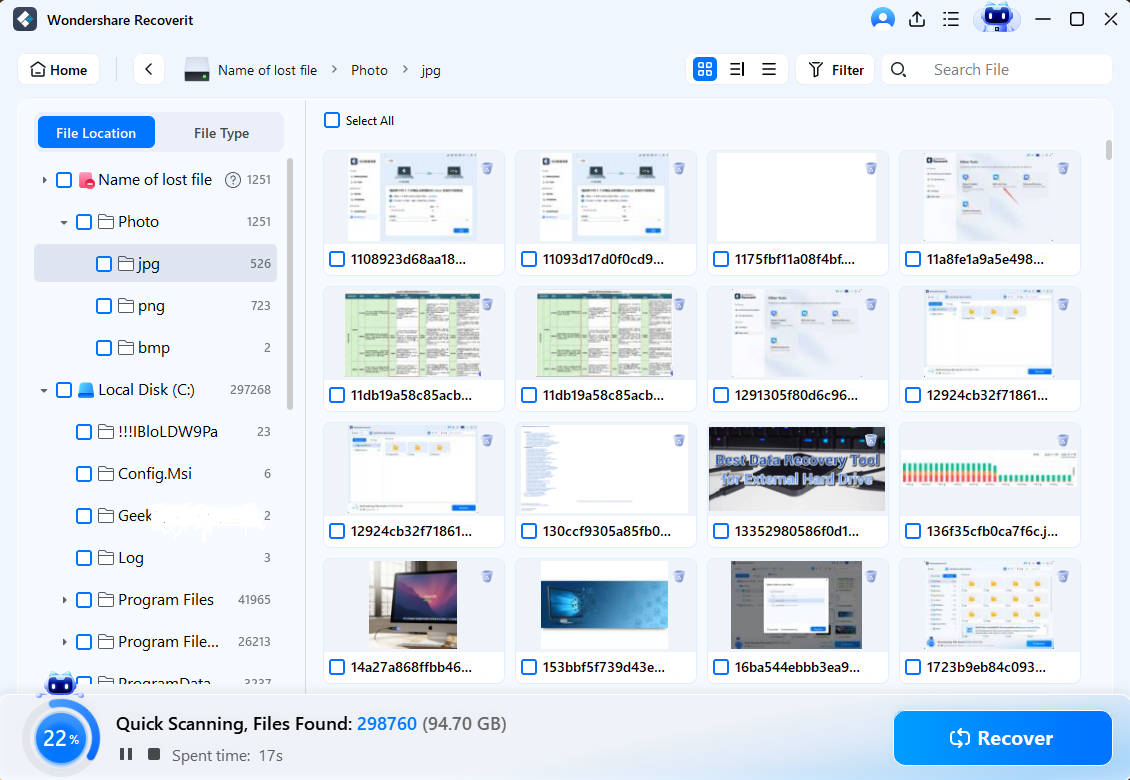
Step 3. Preview a candidate when supported, choose the needed files, and recover them to a different drive. In the save-location dialog, verify the destination before confirming. Play the saved file and check its duration, picture, and audio.
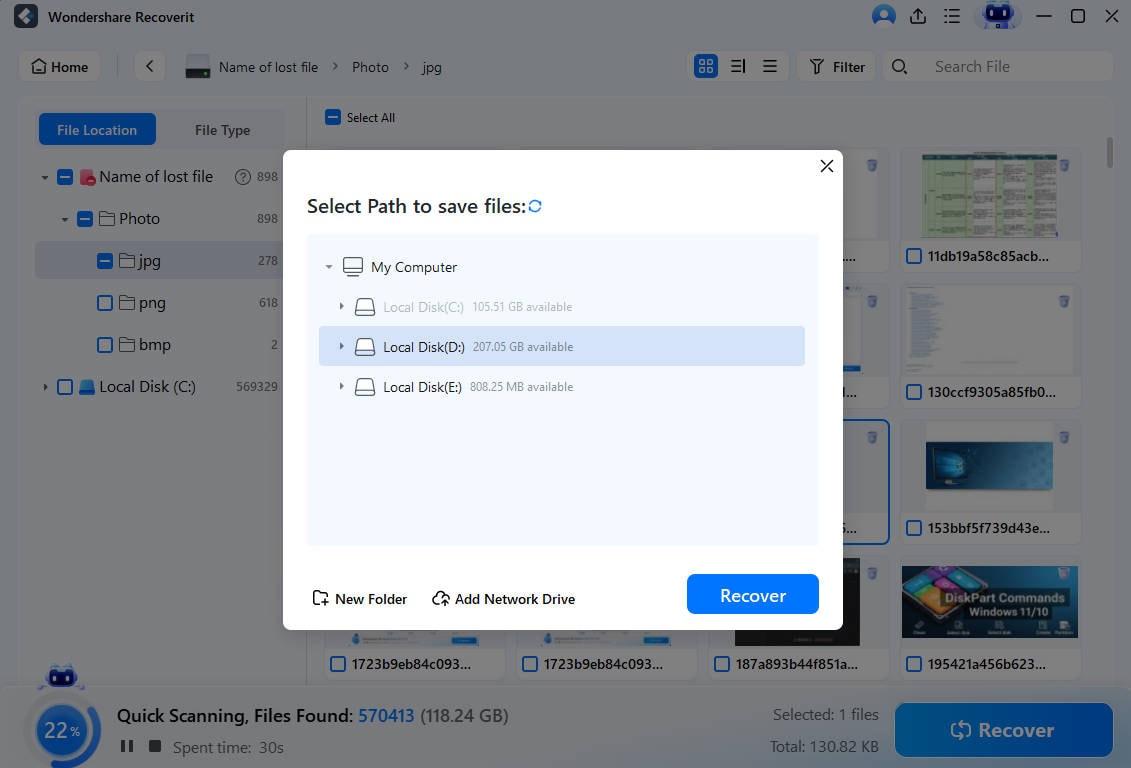
The official Recoverit Guide documents these controls. A missing, overwritten, or unreadable result is not fixed by repeating the same scan indefinitely. If storage disconnects repeatedly or shows signs of physical failure, stop using it and seek appropriate specialist help. Recovery cannot restore private-video permission or recreate content that existed only on YouTube's servers.
Conclusion
The right fix for a YouTube unavailable video starts with its message. Check invitations for private uploads, availability for country restrictions, and parental settings for supervised accounts. Use device and browser tests only when the evidence points to playback. This order avoids needless resets and keeps data recovery reserved for genuinely missing local originals.
FAQ
-
Can I watch a private YouTube video without an invitation?
No legitimate viewer-side browser change grants private access. Ask the owner to invite the correct Google account, then open the direct link while signed in. An unlisted link is a different sharing setting. -
Does YouTube Premium remove country restrictions?
Do not rely on Premium to make a region-restricted upload available. Check the video's availability and the creator's authorized local releases rather than buying a subscription as a troubleshooting step. -
Why does a video work for a parent but not a Family Link child account?
Supervised-service eligibility and the child's content settings can differ from the parent's access. The linked parent should inspect those settings and the supported-region information without removing supervision or changing the child's age. -
Does playback in Incognito prove that an extension caused the error?
No. Incognito changes stored session data and often the signed-in account as well. Some extensions can also be allowed there. Use a suitable public test video and controlled comparisons before blaming one extension. -
Can recovery software restore a deleted YouTube upload or a terminated channel?
It cannot restore the service's upload or channel access. The creator must use applicable YouTube support processes or provide another authorized copy. Local recovery is relevant only when a source file was also lost from accessible storage. -
What does Preview only: video unavailable mean in another service?
A third-party preview or downloader message is not a reliable diagnosis of the original YouTube upload. Open its official watch page first. If that page works, investigate the external service rather than reset your device or assume the video was deleted.


