
 TL;DR:
Permanently deleted Blink cloud videos cannot be restored from Blink servers, but you can recover lost footage if an MP4 download or a local backup exists on a Sync Module 2 USB or Sync Module XR microSD card.
● Before assuming a video is gone, clear the Focus filters and check Blink Moments in the app to ensure the event is not simply hidden or grouped under a different view.
● On eligible subscribed systems, Clip Backups run only once every 24 hours, so any recent recording deleted before this daily sync will not be found on the removable storage.
● File recovery software like Wondershare Recoverit can retrieve deleted MP4s only from physical drives that a computer can detect, provided you stop using the storage immediately to prevent overwriting.
Ask AI for a summary
 ChatGPT
 Perplexity
 Gemini
 Claude
 Grok
You cannot restore a Blink clip that was permanently deleted from Blink's cloud servers. But the same recording might still be available as an MP4 you downloaded earlier, a Sync Module 2 USB Clip Backup, or a Sync Module XR microSD copy. Before assuming the video is gone, check the Clip List filters and Blink Moments, then check backups. Use file-recovery software only for a file that was actually saved on a detectable local drive and subsequently lost.
In This Article
Part 1. Can Deleted Blink Videos Be Recovered?
The key question is where the clip was stored before it disappeared. A cloud deletion and the deletion of a local MP4 are different situations, with different recovery limits.
What You Can and Cannot Recover
Blink states that a clip deleted from its servers cannot be recovered by Blink Support. A computer cannot scan a Blink camera account to restore the lost cloud item. Local copies are worth checking only if the clip was downloaded or saved to supported removable storage before deletion. Blink explains the supported hardware in its official storage options guide.
Do this first: Do not reset the camera, format the memory card, or overwrite a USB drive while you are still looking for a local copy.
Where Blink Recordings May Be Stored
| Original storage | What to check | Recovery limit |
| Blink cloud | Account, Clips list, dates, camera filters, and any older downloads | A permanently deleted cloud-only clip is not recoverable from Blink servers |
| Sync Module 2 USB | Local Storage recordings or the blink_backup directory | Only recordings written before loss can still exist |
| Sync Module XR microSD | Compatible Local Storage or Clip Backups on the card | Depends on setup, backup timing, and whether data remains |
| Downloaded MP4 | Phone, PC, synced folders, or a separate backup drive | A deleted local file may be recoverable if its data remains intact |
Part 2. Find an Existing Blink Clip Before Recovery
Start in the Blink app. An event missing from your usual view may be filtered out, grouped into a Blink Moment, or stored under another eligible source; none of those states establishes that the clip was deleted.
Check Clips, Filters, and Local Storage in the Blink App
Step 1. Open the Blink app using the correct account and tap Clips. On systems receiving the newer Clip List interface, review the Focus filters and any available Moments groupings before assuming an event was deleted. The new layout is being rolled out gradually, so your controls may differ.
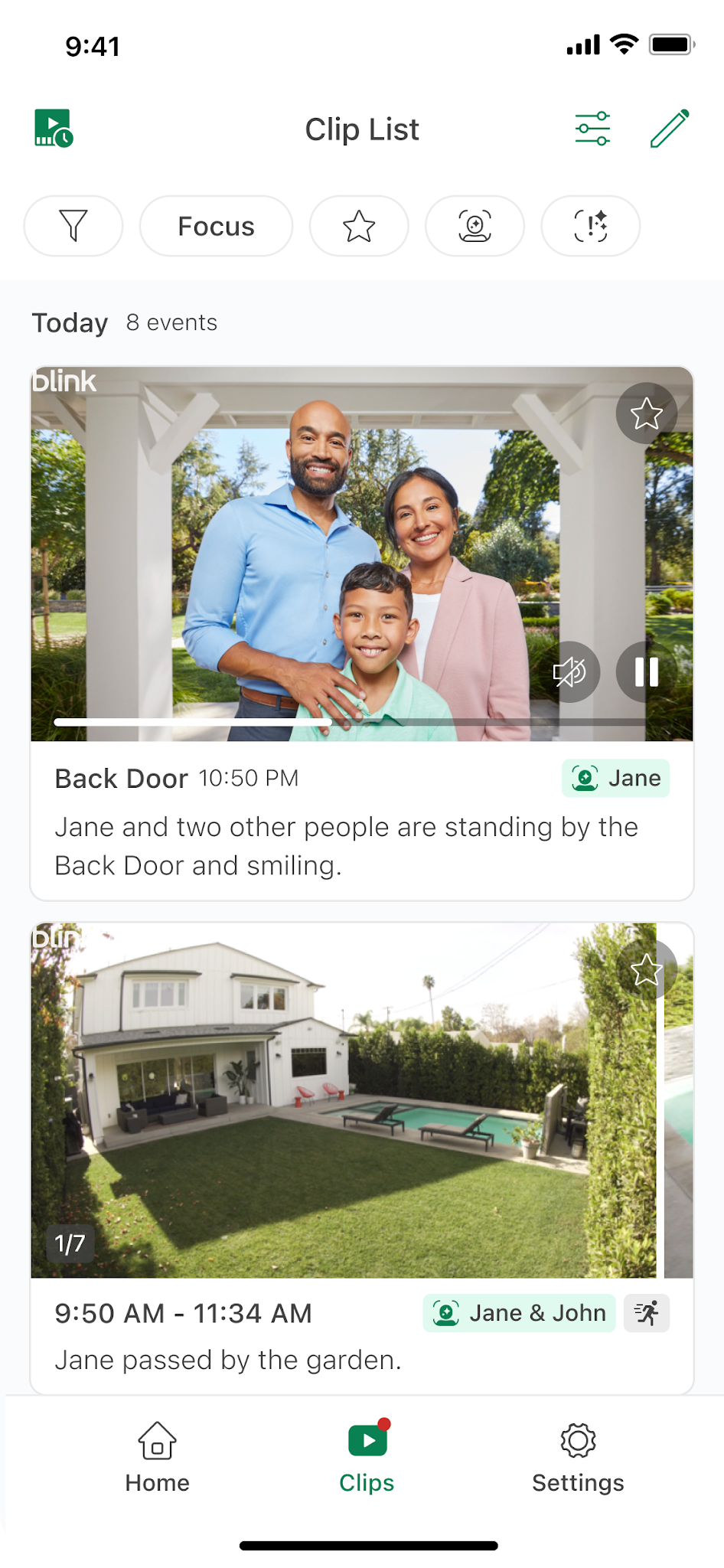
Step 2. Clear the selected camera or event-type filters and review the event time. A clip that appears within a grouped Moment may not have been deleted.
Step 3. If your Blink setup exposes a storage selector, switch between eligible Cloud Storage and Local Storage listings. The control and available storage sources depend on the app version, account and Sync Module configuration.
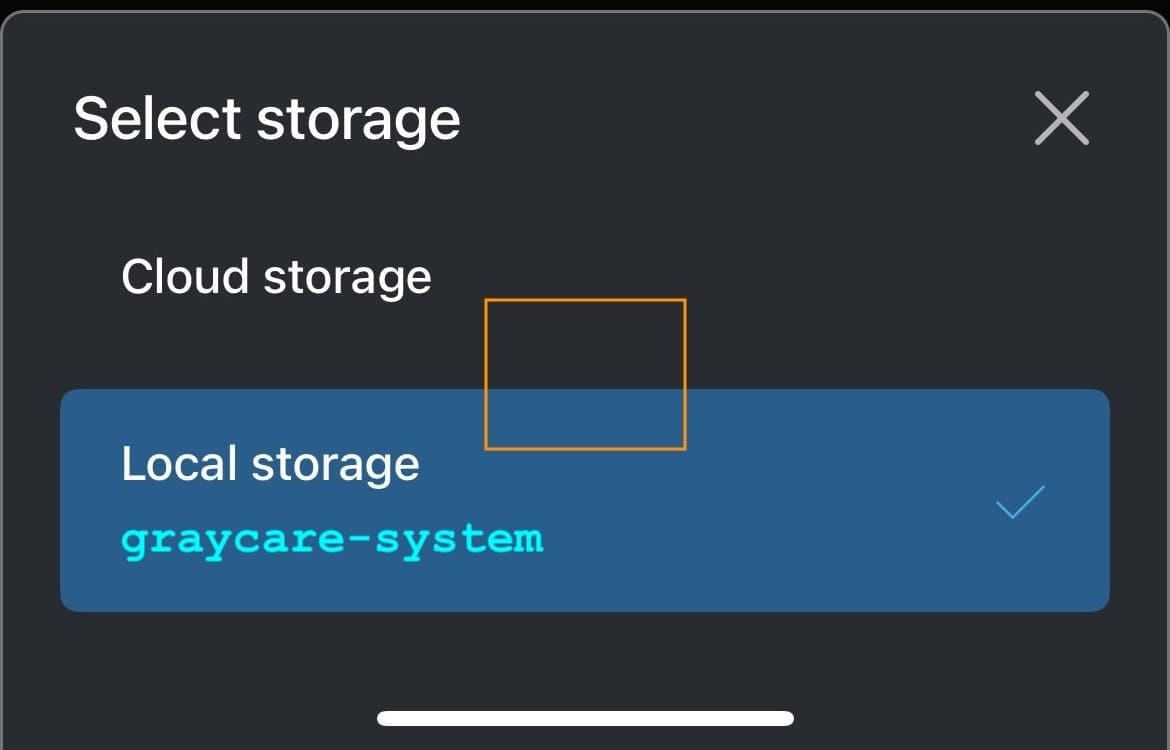
Step 4. If you find the clip, play it to confirm the correct event and save a copy using the app options available to your account. Blink documents these steps in its clip-viewing and filtering guide.
Note: The Storage Switcher may not offer Local Storage on all accounts. In particular, Blink says this switching option is not available during its 30-day subscription trial; check the module and physical storage directly if appropriate.
Look for Downloaded MP4 Files
Look for an MP4 you saved before deletion. On iPhone, inspect Photos and Files; on Android, inspect the gallery, file manager, and Downloads. Search your computer's Downloads, Movies, Videos, and previously enabled backup or sync folders. If you find the clip, confirm its camera, recording time, playback and sound, then make a second copy to a healthy drive. This is a search for an independent saved file, not a restoration of the deleted Blink cloud object.
Part 3. Check a Sync Module USB or MicroSD Backup
On compatible equipment, Local Storage and Clip Backup are different: Local Storage clips can be seen in the Blink app, while Clip Backups of cloud clips are opened on a computer. Both require a supported Sync Module and removable storage.
Confirm the Module and Last Clip Backup
Step 1. Identify the module: Sync Module 2 uses USB storage, while Sync Module XR uses a microSD card. Sync Module Core does not provide Local Storage or Clip Backup. The compatible module must have been configured before the missing event.
Step 2. In the Blink app, open the applicable Sync Module Local Storage view and check the Clip Backup indicator or Local Backup of Cloud Storage if available. An older Sync Module 2 status screen is shown below as a reference for the backup indicator.
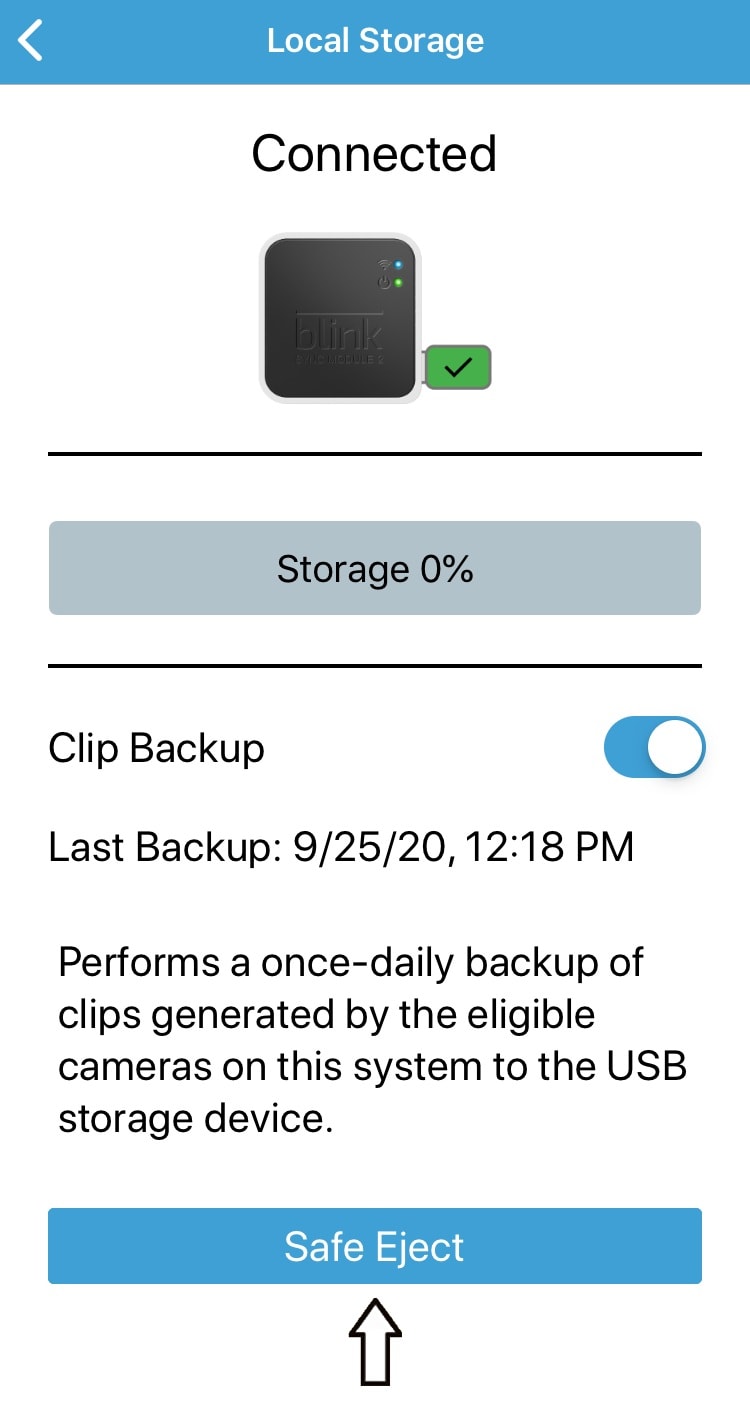
Step 3. Compare the date and time of the last successful backup with the event time. On eligible subscribed systems, Clip Backup generally runs once every 24 hours, not after every motion event. A later recording may never have reached the backup. Read Blink's Clip Backup instructions.
Safely Eject and Check the Storage on a Computer
Step 1. From the Blink home screen, open the Sync Module status bar, select Local Storage, and choose Safely Eject before removing the USB drive or microSD card. Older Sync Module 2 screens may label the control Safe Eject; the image below shows that historical version, not the current Sync Module XR interface.
Step 2. Wait for the disconnected or safe-to-remove confirmation, rather than unplugging the storage while it is active.
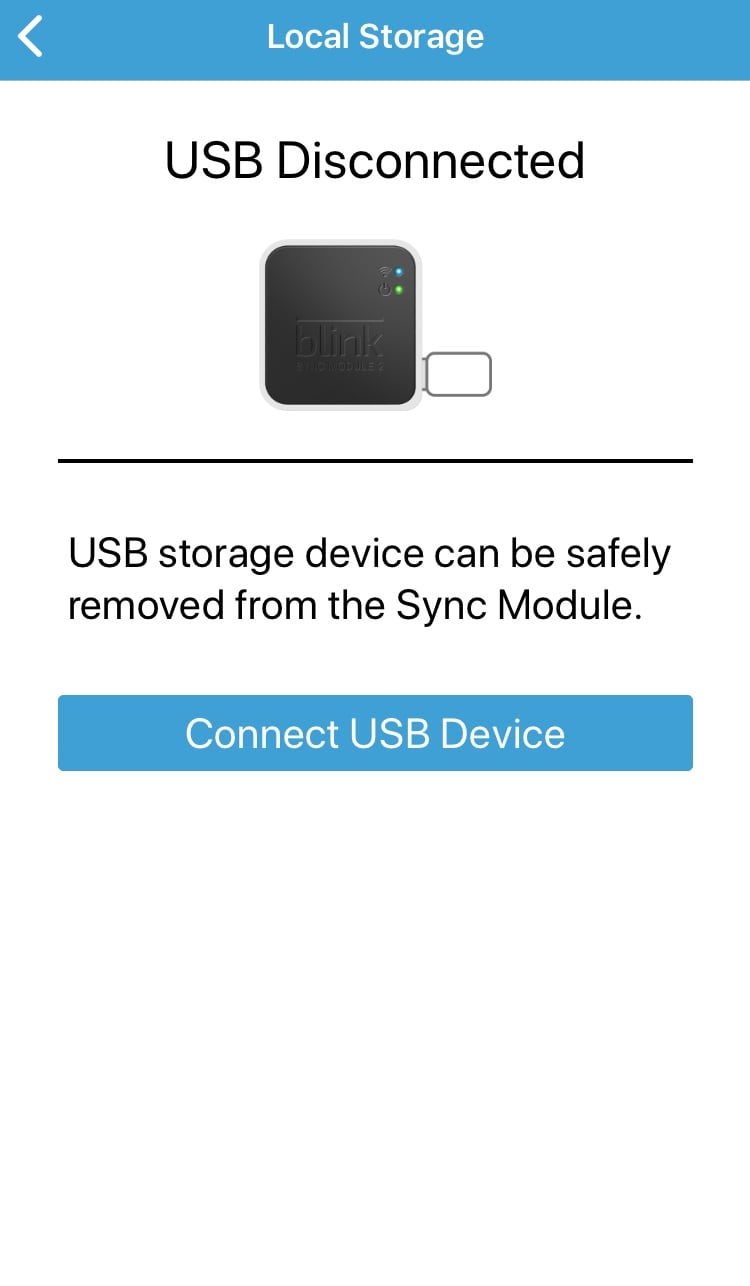
Step 3. Connect the USB drive or microSD card to a computer. If the computer asks to initialize, erase, repair, or format it, cancel until important files have been copied or recovery options evaluated.
Step 4. Look in blink for eligible Local Storage clips and blink_backup for Clip Backups. Open the year/month subfolders and inspect MP4 files. Blink filenames include a time value in UTC, which may differ from the event's local time.
Step 5. Copy accessible videos to a different healthy disk and verify playback. Blink documents both folder structures and safe removal in its USB and microSD access guide.
Part 4. Recover a Deleted Local Blink Video File
Only consider file-recovery software if a recording actually existed as a local file and was later deleted, formatted, or became inaccessible. This is not a method for restoring a deleted item from Blink cloud history.
When Local File Recovery Can Help

Lost a Blink Clip? Your Local Backup May Hold the Answer
Don't give up on important Blink footage! If a saved MP4 was deleted from your Sync Module USB drive, XR microSD card, or computer, Recoverit can scan supported local storage for recoverable clips before new data overwrites them.
Local recovery may be worth trying if an MP4 was deleted from a Windows or Mac computer, a readable USB drive, or a microSD card that the operating system can detect. Stop using the source immediately to reduce the risk of overwriting its remaining data.
Stop DIY recovery if the device disconnects repeatedly, makes unusual noises, shows signs of physical damage, or cannot be detected reliably. A professional recovery specialist may be safer than repeated scans.
Scan the Local Drive With Wondershare Recoverit
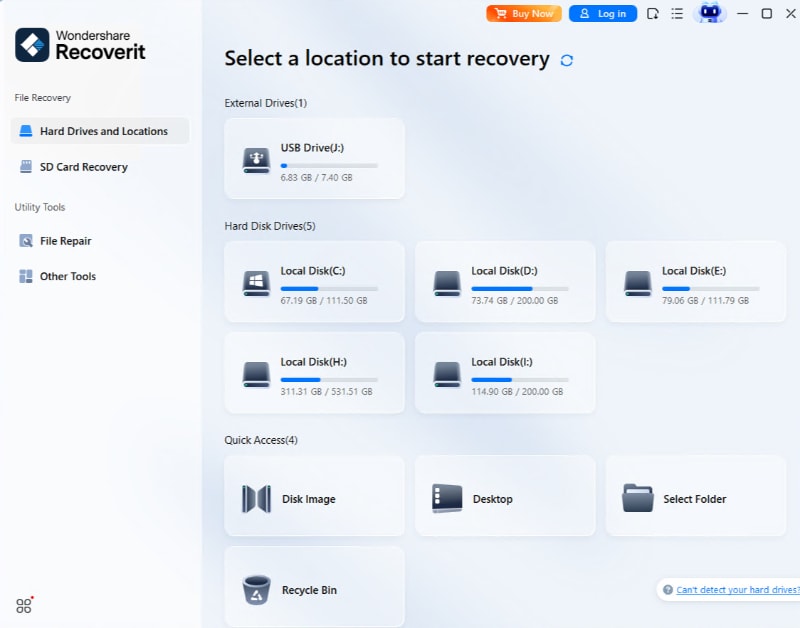
Step 1. Safely connect the storage medium to a computer. Open Wondershare Recoverit and select the actual drive where the MP4 was previously saved. Do not select a different disk just because it has more free space.
Step 2. Scan the selected drive, then narrow the results to video files. Review file names, sizes, and previewable clips where available; a listed file is not proof its video data is intact.
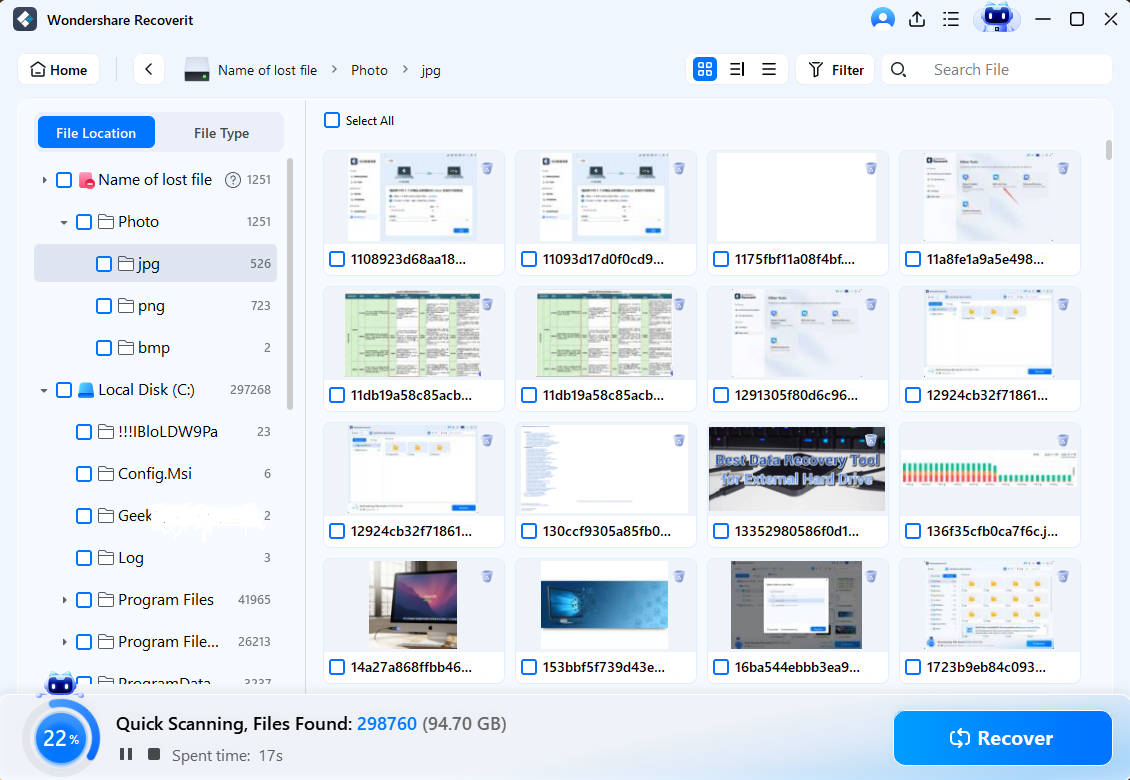
Step 3. Preview candidates where supported, then restore selected files to another healthy drive, never to the storage device being scanned. Open the recovered MP4 and verify the entire duration, picture and audio.
The Wondershare Recoverit user guide explains the local scan-and-save workflow. Recoverit cannot sign in to Blink cloud servers, restore a cloud-only deletion or guarantee recovery after overwriting.
Part 5. What to Do If the Clip Is Still Missing
If the app, saved downloads, and removable-storage folders all come up empty, check whether a clip was ever created before attempting more scans.
Check Whether the Camera Actually Recorded
Confirm the Blink system was armed, motion detection was enabled for the relevant camera, the camera was online, and a valid storage arrangement was active. On compatible accounts, the newer Clip List may also group recordings as Blink Moments; check filters and groups first. A recording that was never captured or saved cannot be retrieved as a deleted file.
If the event matters for a security or insurance report, preserve remaining notifications, account records, and any legitimately saved video copies. Contact Blink Support for account or device troubleshooting, but do not assume support can restore permanently deleted cloud footage.
Prevent Future Blink Video Loss
Save important clips as MP4s in a second location soon after recording. On a compatible Sync Module, check the last successful backup periodically and confirm that the removable storage remains connected. Safely eject it before removal, and verify copies on a computer instead of relying solely on a backup indicator.
Conclusion
To recover deleted Blink videos, first identify whether a copy survived outside the deleted cloud clip. Check the Clips list, saved downloads, Sync Module USB storage, and XR microSD card. Use local file recovery only when a video was actually written to detectable local storage. A cloud-only clip permanently deleted from Blink cannot be reconstructed by Recoverit.
FAQ
-
Can Blink Support Restore Permanently Deleted Cloud Videos?
No. Blink states that deletion from its servers is permanent. A separate downloaded copy or compatible local backup may still exist. -
Where Are Blink Clip Backups Stored on a USB Drive?
Check the blink_backup folder and its date-organized subfolders on a computer. Eligible Local Storage recordings are in the separate blink folder. -
Can I Watch Blink Clip Backups in the App?
No. Local Storage recordings can appear in the Blink app, but Clip Backups of cloud videos are accessed from a computer after the storage device is safely ejected. -
Does a Sync Module Save a Backup of Every Event Immediately?
No. On eligible systems with a Blink Subscription Plan or Trial, Clip Backup generally runs once every 24 hours. The newest recording may not yet be backed up. -
Can Recoverit Retrieve Deleted Blink Videos Directly From the Cloud?
No. Recoverit can only be considered for a missing local file on a detectable computer drive, USB device, or microSD card. It cannot access Blink's cloud servers or guarantee recovery. -
Why Does a Clip Disappear From the New Blink Clip List?
It may be filtered by Focus, included in a Blink Moment, displayed under another camera, or stored in a different eligible storage source. Clear filters and review the correct date before assuming deletion.


