

 TL;DR:
MKV is a flexible Matroska multimedia container rather than a single video codec, meaning playback issues are typically resolved by using a versatile multi-codec player like VLC to handle its specific embedded tracks instead of immediately converting the file.
● Keep video files in the MKV container when you need to retain multiple audio languages, separate subtitle tracks, and chapter information, but choose the MP4 format if your destination device requires broad compatibility with smart TVs or built-in mobile apps.
● If an MKV video plays silently or without translation in VLC, manually verify and switch the active streams under the Audio or Subtitle menus before assuming the file is damaged, as MKV files frequently contain multiple alternate layouts.
● Remuxing an MKV to MP4 via an FFmpeg stream-copy command avoids video re-encoding and preserves original quality, but this conversion method intentionally selects only the primary video and audio streams while dropping secondary languages and subtitles.
Ask AI for a summary
 ChatGPT
 Perplexity
 Gemini
 Claude
 Grok
What Is MKV? How to Open and Play MKV Videos
An MKV file is a Matroska multimedia container, not a single video codec. It can hold compressed video, one or more audio languages, subtitle tracks and chapters together. You can often open MKV videos with VLC. If an MKV will not play, check its actual codecs and tracks before trying to convert or recover anything.
In This Article
Part 1. What Is an MKV File?
A Matroska Video file, usually ending in .mkv, is a flexible multimedia container that can store video, audio, subtitles, chapters and other tracks in one file. MKV is not a video codec, and there is no single quality, compression method or file size that applies to every MKV video.
MKV Container vs. Video Codecs
Understanding the difference explains why one MKV plays perfectly and another fails on the same device.
The container organizes the tracks; codecs such as H.264, H.265/HEVC or AV1 describe how video frames are compressed. Audio may use AAC, AC-3, Opus or other codecs. Playback requires both support for the MKV container and support for the encoded tracks. The Matroska project describes its extensible container design.
| File term | What it tells you | What it does not guarantee |
| .mkv | Matroska video container | That a particular player supports every codec or subtitle format |
| H.264 / HEVC / AV1 | Video compression standard | That the file is MP4 or MKV |
| .mp4 | Another multimedia container | That the video is automatically higher or lower quality |
| .mka / .mks | Matroska audio / subtitle related extensions | That each is an MKV video |
Is MKV Better Than MP4?
Neither container is automatically superior. The practical difference is compatibility and which features your workflow requires.
MKV is useful for keeping multiple audio languages, separate subtitle tracks and chapter information together. MP4 is commonly convenient for sharing with devices and applications that expect a more limited set of tracks. Remuxing between containers can preserve encoded streams when the destination supports them; re-encoding changes the streams and may affect quality, processing time and subtitles.
Part 2. How to Play MKV Files on Windows, Mac, and Mobile
Start with a capable player and test the original file without altering it. VLC is a cross-platform option that can open many common Matroska containers and codecs; exact results depend on the file and the device.
Method 1: Open an MKV File in VLC
Use this when a default player refuses to open the file or reports an unsupported format.
Step 1. Install VLC from the official VideoLAN website and open the player.
Step 2. On Windows, open Media > Open File; on macOS, use File > Open File. Choose the MKV file.
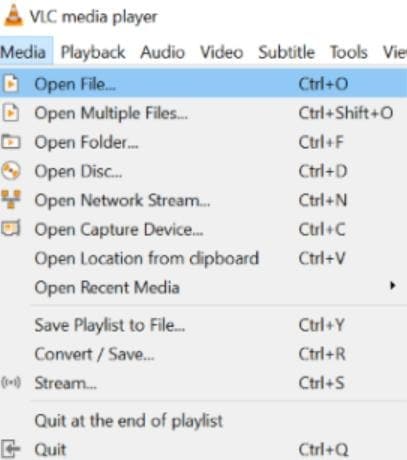
Step 3. Play a short section and confirm video, sound and seeking. If the picture plays but audio is silent, inspect the available audio track before changing settings.
Method 2: Select the Correct Audio and Subtitle Tracks
MKV files often contain more than one language, subtitle track or audio layout. A silent or untranslated playback is not necessarily file corruption.
Step 1. While playing the video in VLC, open Audio > Audio Track and choose another track if one is available.
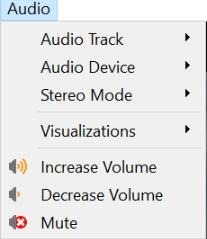
Step 2. Open Subtitle > Sub Track to select a subtitle, or use Add Subtitle File if you have a separate legitimate subtitle file.

Step 3. Replay a known dialogue section and confirm the selected audio and subtitle are the intended ones. Availability depends on tracks actually present in the file.
What Plays MKV on Phones, TVs, and Built-in Apps?
The file extension alone is not a reliable compatibility test for phones, TVs, or built-in media apps.
On iPhone, iPad and Android, use an app that explicitly supports the actual tracks in the file, such as the appropriate official VLC edition. On smart TVs and streaming boxes, check the manufacturer codec and subtitle specifications. If MKV opens but a specific audio format is silent, switching the container to MP4 without changing that audio codec may not help.
Part 3. What to Do If an MKV File Does Not Play
Before converting or repairing a file, identify whether the problem is unsupported encoding, a missing audio track or genuine file damage.
Method 3: Inspect the Video and Audio Codecs
Use codec information to choose the next action rather than relying on a generic "MKV unsupported" warning.
Step 1. Open the original MKV in VLC; choose Tools > Codec Information on Windows. On other platforms, look for equivalent media information in the VLC menus.
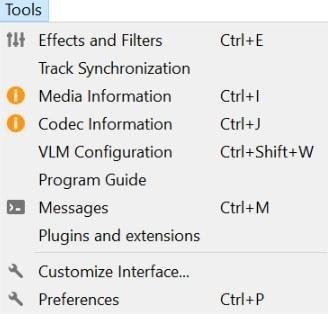
Step 2. Record the video codec and audio codec shown. Compare them with the specifications of the destination device or editor.
Step 3. If another player handles the file, prioritize compatibility fixes. If multiple independent tools fail and the source copy is incomplete, preserve the original before attempting any recovery or repair.
Method 4: Convert or Remux an MKV for Compatibility
Convert only when a target player or editor needs a different container or encoded stream; keep an untouched source copy.
Step 1. In VLC on Windows, choose Media > Convert / Save and add a copy of the MKV.
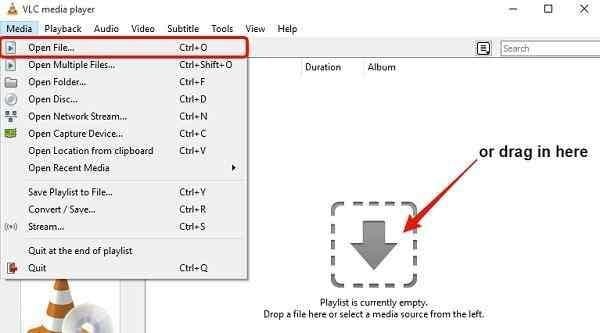
Step 2. Select an output profile compatible with the target device, such as MP4 with H.264 video and AAC audio if available. Choose a different output filename and folder.
Step 3. Start the conversion; then verify playback from beginning to end, sound, subtitle behavior and duration before removing any source copy. VLC conversion may not preserve all embedded subtitle and alternate audio tracks.
For advanced, compatible streams, a remux command such as ffmpeg -i input.mkv -map 0:v:0 -map 0:a:0? -c copy output.mp4 can avoid video re-encoding. This command intentionally selects the first video and optional first audio stream; it does not preserve every MKV track. Check the FFmpeg documentation and test the output. If the tracks are incompatible with MP4, use an appropriate re-encode instead.
When Conversion Will Not Solve the Problem
A conversion workflow cannot recreate frames or audio never recorded, and it may fail on truncated input.
Check whether the original MKV has a plausible file size, whether other copies play and whether the file came from a disrupted transfer. Do not overwrite a failing storage device while testing. If a file was deleted, the next task is data recovery; if the intact file is damaged, diagnose file repair separately.
Part 4. How to Recover a Deleted MKV File
Only use data recovery when an original MKV recording was actually deleted, lost after transfer, or became inaccessible on a detected drive. A player compatibility issue alone does not justify a recovery scan.
Method 5: Recover a Missing MKV Recording Safely
The first priority is preventing new writes to the source storage.
Step 1. Stop recording or saving to the affected card or drive. Check Trash/Recycle Bin and backups first; connect the drive safely to a computer if necessary.
Step 2. Follow the official Wondershare Recoverit Guide to select the affected storage location and scan. Recovery normally requires that the storage device be detectable; physical damage warrants specialist help.
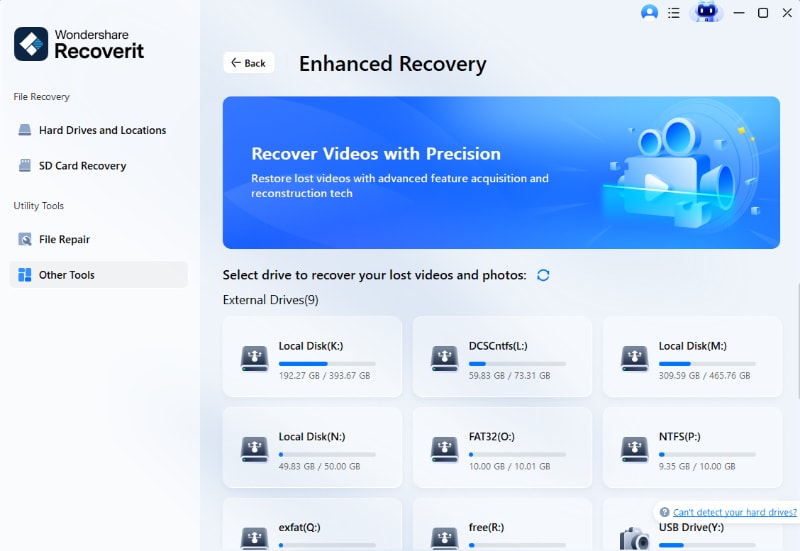
Step 3. Inspect any found recording with preview when available, then recover to a different healthy disk. Check the playable output in a compatible player. No tool guarantees recovery after overwrite.
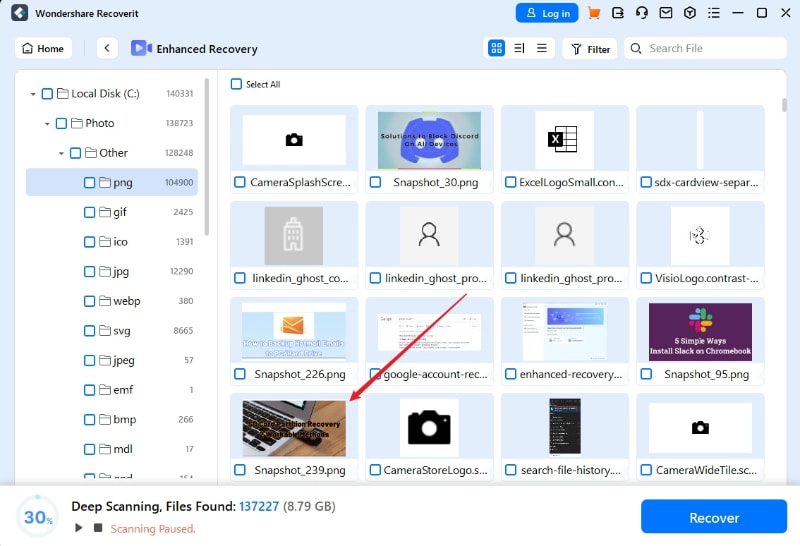
For the exact capabilities, limits and downloads, consult Wondershare Recoverit Video Recovery. MKV can still need a compatible codec or later file repair even when its data is recovered successfully.
Part 5. Common MKV Questions Before You Share or Edit
These quick checks help confirm that the file meets the needs of your next device or editing workflow.
- Need a different player? Try the original file in VLC first.
- Need subtitles or another language? Check which tracks are actually embedded.
- Need a TV-compatible file? Verify its supported codecs and subtitles before converting.
- Need an editable MP4? Test the converted file and compare duration, audio and text tracks.
- Lost an original MKV? Protect the storage and consider recovery; do not treat data loss as a format problem.
Conclusion
MKV is a versatile video container rather than a single codec. Most users should first identify the tracks and try a suitable player, then change the container or codec only when their target device requires it. If an original file is missing, prioritize safe data recovery instead of repeatedly converting or overwriting the source.
FAQ
-
Is MKV a video format or codec?
MKV is a Matroska multimedia container. It can contain several video and audio codecs, subtitles and chapters; it is not a codec by itself. -
Can VLC play MKV files?
VLC can play many MKV files, but a damaged file or unsupported track can still cause errors. Check the video and audio codecs if playback fails. -
Does Windows Media Player play MKV?
Support depends on the specific Windows player version and the video and audio codecs. Test the file and consult current Microsoft codec support; do not assume every MKV track works. -
Why is my MKV video silent?
The active audio track may be wrong, muted or encoded in a format your player cannot decode. Switch audio tracks and compare with another capable player. -
Will converting MKV to MP4 reduce quality?
A compatible stream-copy remux can preserve encoded video quality. Re-encoding may change quality and can drop or alter subtitles and extra tracks if not configured. -
Can I recover a deleted MKV file?
Sometimes, if the original data remains accessible and has not been overwritten. Stop writing to the affected storage, check backups, and recover to a different drive when possible.


