TL;DR:
For cloning an M.2 SSD in 2026, Wondershare UBackit is the most beginner-friendly tool for visual Windows migrations, AOMEI Backupper and QILING Disk Master provide full backup suites, Macrium Reflect offers advanced imaging workflows for power users, and Clonezilla is the top free open-source utility for technicians.
● Before starting the migration process, confirm whether your motherboard supports SATA or NVMe PCIe M.2 protocols and back up your BitLocker recovery key to prevent lockout prompts upon reboot.
● Clonezilla strictly requires the destination partition to be equal to or larger than the source, while AOMEI Backupper Professional and UBackit can adjust partition layouts to fit smaller SSDs.
● Since cloning completely overwrites the target disk, verify the operation's success by installing the new M.2 SSD internally and selecting it in the UEFI boot order before formatting your original drive.
Ask AI for a summary
 ChatGPT
 Perplexity
 Gemini
 Claude
 Grok
Grok
Quick Picks: Best M.2 Cloning Software
- Best for beginners: Wondershare UBackit, because it gives Windows users a visual migration workflow and simpler partition handling.
- Best Windows cloning suite: AOMEI Backupper Professional, because it combines disk clone, system clone, partition clone, backup, and WinPE boot media.
- Best budget paid tool: QILING Disk Master Professional, because it offers backup, restore, partition, and clone features at a lower published price.
- Best free open-source option: Clonezilla, because it is powerful, free, and suitable for technicians who understand bootable media and disk layouts.
- Best for power users: Macrium Reflect, because its Reflect X engine focuses on imaging, cloning, rescue media, delta cloning, and professional recovery workflows.
Looking for the best M.2 cloning software usually means one of three things: you are upgrading from a smaller SSD to a larger one, moving Windows from a SATA M.2 drive to an NVMe SSD, or replacing a drive before it fails. In all three cases, the software must do more than copy files. It needs to preserve boot partitions, handle GPT/UEFI layouts, resize partitions safely, support SSD alignment, and make the new M.2 drive bootable after migration.
This guide compares five reliable M.2 SSD cloning tools for 2026: Wondershare UBackit, AOMEI Backupper Professional, QILING Disk Master Professional, Clonezilla, and Macrium Reflect. You will see which tool fits beginners, IT users, free cloning, system migration, and advanced backup workflows. You will also learn what to check before cloning an M.2 SSD and what to do if files disappear after a failed clone.
In this article
Part 1. How We Evaluated M.2 Cloning Software
A good M.2 SSD cloning tool should solve the actual migration problem, not just advertise "disk clone." For a boot drive, the tool must copy the EFI System Partition, Microsoft Reserved Partition, Windows partition, recovery partition, and boot records correctly. For a data drive, it must avoid accidental target-disk erasure and handle large files, bad sectors, and partition resizing without confusing the user.
We scored the tools using these practical criteria:
| Evaluation area | Why it matters for M.2 cloning | What we looked for |
| NVMe and M.2 SATA fit | M.2 is a form factor, not one protocol. Some drives are NVMe/PCIe, while others are M.2 SATA. | Clear support for Windows disks, GPT/UEFI boot layouts, SSDs, and common M.2 migration cases. |
| Bootable system migration | A file copy cannot make a Windows system drive bootable. | System clone, disk clone, OS migration, rescue media, or boot repair guidance. |
| Partition resizing | Many users clone from a smaller SSD to a larger one and want the extra space available immediately. | Smart clone, resize options, proportional expansion, or manual partition layout controls. |
| SSD alignment and TRIM | Modern SSDs need proper alignment and optimization for performance and longevity. | Automatic SSD optimization or visible SSD alignment options. |
| Safety | Cloning usually overwrites the target disk. | Warnings, preview screens, source/target clarity, and recovery or backup precautions. |
| Cost and access | Some tools can scan or back up for free but require payment for full cloning. | Current free/trial limits, paid plan clarity, and whether the tool fits home or business users. |
Part 2. Best M.2 Cloning Software Comparison
If you want a fast recommendation, start with this comparison. The safest choice depends on your skill level and whether you are cloning a Windows boot drive, a data-only M.2 SSD, or many machines.
| Software | Best for | Platform | M.2/NVMe cloning fit | Pricing note | Main limitation |
| Wondershare UBackit | Beginners upgrading Windows to an SSD or larger drive | Windows | Good for visual system migration, partition management, MBR/GPT conversion, and SSD upgrades | Free download; paid plan required for full use | Windows-focused, not an advanced imaging suite for IT deployment |
| AOMEI Backupper Professional | Windows users who need cloning plus backup | Windows 11/10/8.1/8/7 | Strong for disk clone, system clone, partition clone, and WinPE boot media | From $39.95 on the official product page | Key clone features are in the paid Professional edition |
| QILING Disk Master Professional | Budget users who want all-in-one backup and migration | Windows | Supports SSD/M.2 devices, system migration, backup, restore, and partition tools | $27.30 sale price shown from a $39 list price on the official page checked | Interface and documentation feel less polished than larger competitors |
| Clonezilla | Technicians, Linux users, and free offline cloning | Bootable live environment | Excellent for disk imaging/cloning, used-block copy, MBR/GPT, BIOS/UEFI, and mass deployment | Free and open source | Not beginner-friendly; destination partition must be equal to or larger than source partition |
| Macrium Reflect | Power users, business users, and reliable Windows imaging workflows | Windows | Strong for disk clone, image backup, rescue media, intelligent sector copy, and rapid delta clone | Free trial; paid plan after trial, with pricing based on edition/currency | More backup-focused and more complex than simple migration tools |
Part 3. What to Check Before Cloning an M.2 SSD
The biggest cloning mistakes happen before users open the software. M.2 drives look similar, but they do not all use the same protocol. A SATA M.2 SSD and an NVMe M.2 SSD can require different slot support, different enclosures, and different boot settings. Before you clone, confirm these points.
| Check | Why it matters | What to do |
| M.2 protocol | M.2 can use SATA or NVMe/PCIe. A matching shape does not guarantee compatibility. | Read the laptop or motherboard manual and confirm whether the slot supports SATA M.2, NVMe M.2, or both. You can also review the difference between NVMe and SATA. |
| Target drive capacity | Some tools require the destination partition or drive to be equal to or larger than the source. | Make sure the used space on the source fits the target. For Clonezilla, plan around its equal-or-larger destination limitation. |
| BitLocker or device encryption | Hardware or boot changes may trigger a BitLocker recovery prompt. | Back up your BitLocker recovery key before cloning. Do not rely on cloning software to bypass encryption. |
| Source and target labels | Cloning overwrites the target disk. Selecting the wrong target can erase important files. | Rename drives clearly, disconnect unnecessary external disks, and verify the source and target capacities before starting. |
| Boot mode | A Windows boot disk may fail if the firmware mode or partition style does not match. | Confirm GPT/UEFI or MBR/Legacy settings before migration. For modern Windows 11 systems, GPT and UEFI are normally expected. |
| External enclosure | Many users clone to an M.2 SSD in a USB enclosure, then install it internally. | Use an enclosure that matches the SSD protocol. After cloning a system disk, install the SSD internally before judging boot success. |
Safety note: If the source M.2 SSD is clicking, disconnecting, overheating, not detected, or reporting severe SMART errors, stop repeated cloning attempts. Clone only when the drive remains readable and stable. If files are already missing, recover or back up critical data before resizing, formatting, or overwriting any disk.
Part 4. Best M.2 Cloning Software Reviews
Wondershare UBackit
Wondershare UBackit is the easiest recommendation for non-technical Windows users who want a guided way to move a system or disk to a new SSD. The current Wondershare product page positions UBackit as a Windows disk partition manager with system migration, partition management, MBR-to-GPT conversion, SSD upgrade support, and support for common file systems and storage devices.
For M.2 cloning, UBackit is strongest when the user wants a visual workflow rather than a technician-style bootable environment. It is especially useful when upgrading from an older SSD to a larger M.2 drive, preparing a Windows 11-compatible GPT/UEFI layout, or managing partitions after migration.
| UBackit review area | Verdict |
| Best use case | Simple Windows SSD upgrade, system migration, partition adjustment, and MBR/GPT preparation. |
| Why it ranks high | The workflow is easier for beginners than Clonezilla or Macrium, and it combines migration with partition management. |
| What to watch | It is not the best choice for Linux/macOS cloning, mass deployment, or advanced forensic imaging. |
| Best alternative in this list | AOMEI if you want a fuller Windows backup suite; Clonezilla if you want a free open-source tool. |
Pros
- Beginner-friendly interface for users who do not want command-line cloning.
- Useful for SSD upgrades, system migration, partition resizing, and MBR/GPT conversion.
- Good fit for Windows 11 migration scenarios where UEFI/GPT readiness matters.
- Free download available from Wondershare.
Cons
- Focused on Windows rather than multi-platform cloning.
- Advanced IT deployment features are limited compared with Clonezilla or Macrium.
- Full migration operations may require a paid plan.
How to Clone an M.2 SSD with Wondershare UBackit
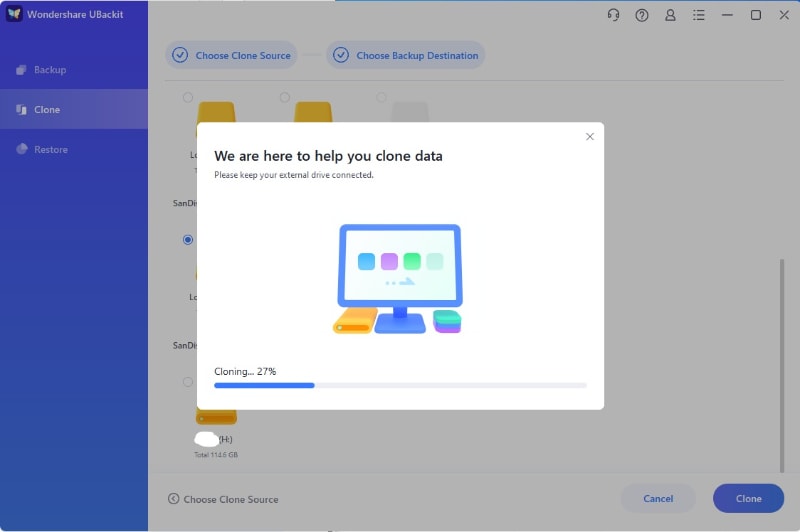
- Open the clone or migration module. Download and launch Wondershare UBackit. Go to the disk management, migration, or clone area shown in the product interface, then start a new clone or migration task.

- Select the source M.2 drive. Choose the current SSD that contains Windows, applications, and user files. Double-check the drive size and partition layout before continuing.

- Select the target M.2 SSD. Connect the new M.2 SSD internally or through a compatible NVMe/SATA enclosure. Select it as the target, then confirm the overwrite warning only after checking that no needed files are stored on it.
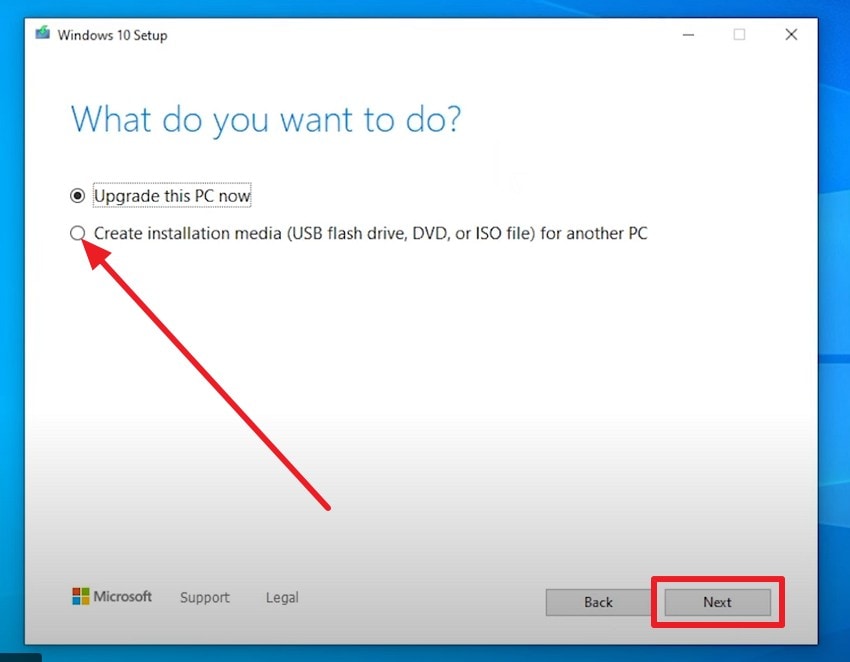
- Complete cloning and test boot. Wait for the process to finish. Power down the computer, install the cloned M.2 SSD into the correct internal slot, and set it as the first boot device in BIOS/UEFI if needed.
Editorial note: Do not format the old SSD until you have booted from the new M.2 drive, opened key apps, checked personal folders, and confirmed that the extra capacity is visible in Disk Management.
AOMEI Backupper Professional
AOMEI Backupper Professional is a strong Windows cloning and backup suite. Its official page lists disk clone, system clone, partition clone, disk backup, system backup, file backup, sync, WinPE bootable media, and dissimilar hardware restore. It also lists Windows 11/10/8.1/8/7 support and a starting Professional price of $39.95.
This tool is best for users who want one Windows program for both planned M.2 migration and ongoing backup. It is also more flexible than a simple clone-only utility because it can create backup images and bootable rescue media before the clone.
Pros
- Strong Windows cloning feature set: disk clone, system clone, and partition clone.
- Includes backup and restore tools, which are useful before risky disk operations.
- Can help clone to smaller SSDs when the used source data fits the target.
- WinPE bootable media helps when Windows cannot run normally.
Cons
- The free Standard edition is more limited; full system cloning generally requires a paid edition.
- The interface has more options than a beginner may need for a one-time SSD upgrade.
- Pricing and edition differences should be checked carefully before purchase.
How to Clone an M.2 SSD with AOMEI Backupper Professional
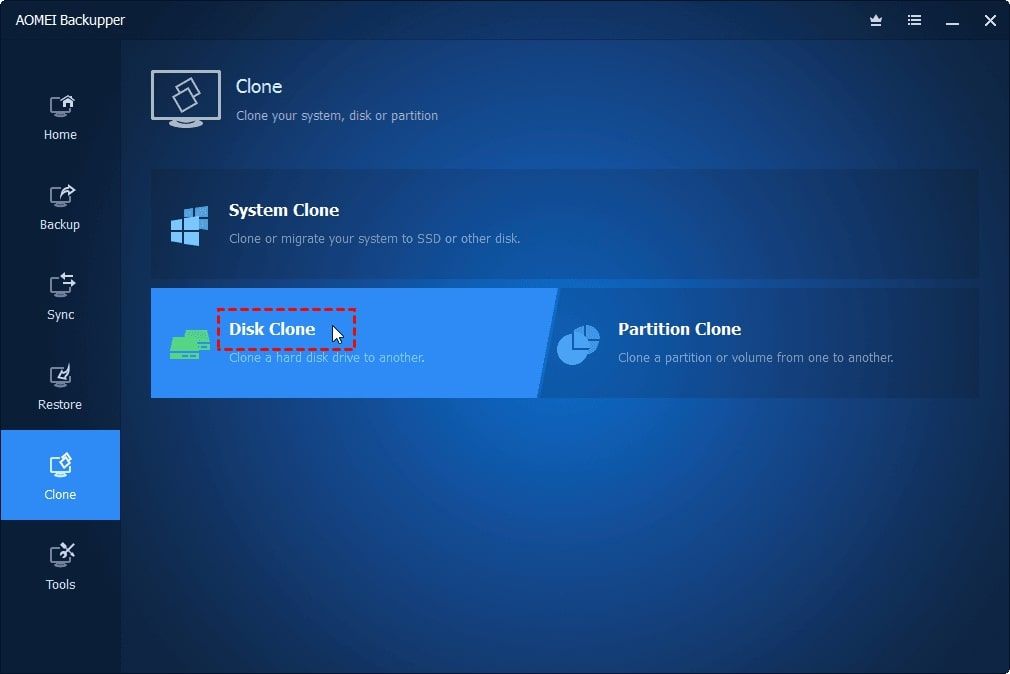
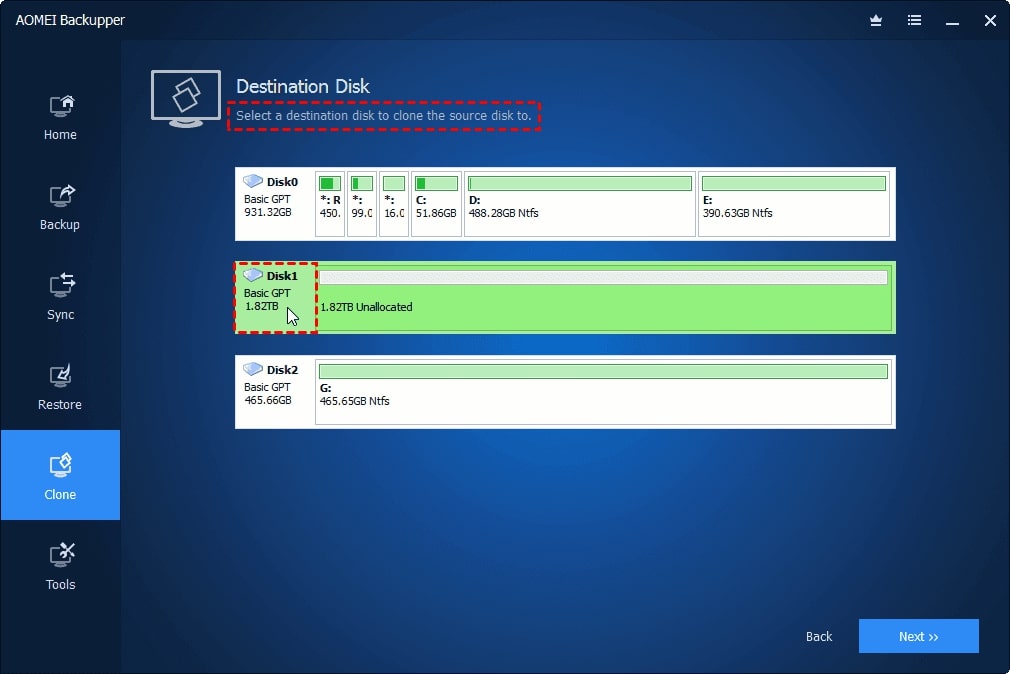
- Open Disk Clone. Launch AOMEI Backupper Professional, choose the Clone tab, and select Disk Clone for a full M.2 drive migration.
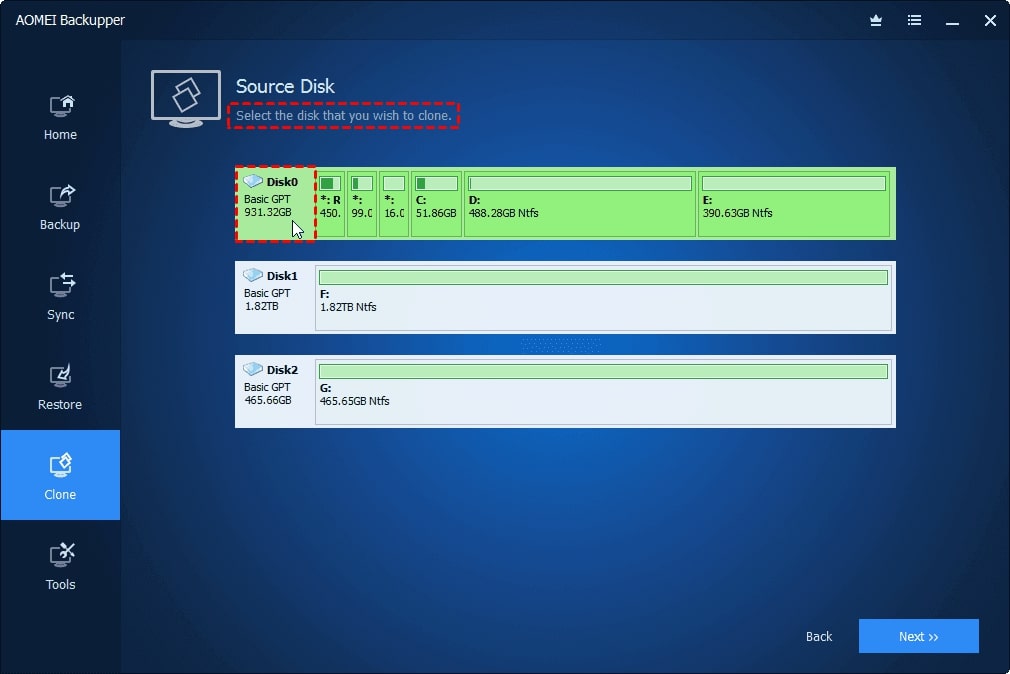
- Choose source and destination disks. Select your original M.2 SSD as the source, then choose the new M.2 SSD as the destination.
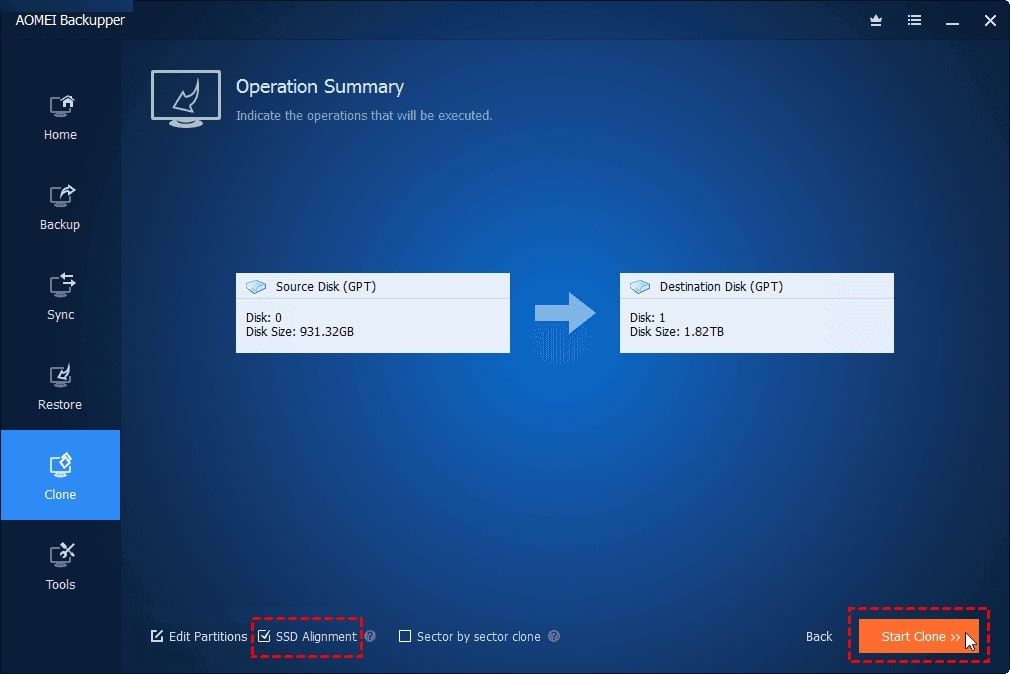
- Review SSD options. On the operation summary screen, enable SSD-related optimization or alignment options if shown for your destination drive.
- Start the clone. Confirm the disk layout and click Start Clone. When finished, shut down, replace the old drive, and test whether Windows boots from the new M.2 SSD.
QILING Disk Master Professional
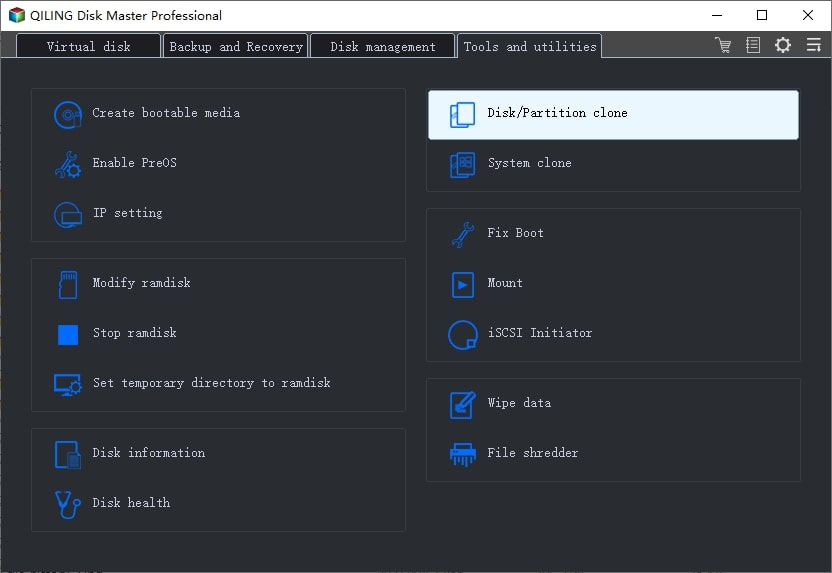
QILING Disk Master Professional is a lower-cost all-in-one Windows utility for backup, restore, partition management, disk health checks, and clone/migration. The official page checked lists a $27.30 sale price from a $39 list price and notes support for Windows 11/10/8/8.1/7/Vista/XP, SSDs, M2 drives, USB drives, memory cards, NAS, and large-capacity drives.
Its clone and migration feature is positioned for moving a system to an SSD or larger HDD. For a typical home user, QILING can be a practical budget option. For business deployment, enterprise compliance, or polished documentation, Macrium or AOMEI may feel more mature.
Pros
- Affordable compared with many paid Windows cloning suites.
- Combines clone/migration with backup, restore, partition manager, and disk health tools.
- Supports SSD and M2 storage according to the official technical specification.
- Includes WinPE boot media support for recovery situations.
Cons
- Website copy and interface presentation are less polished than major competitors.
- Fewer independent third-party benchmarks are available.
- Best for budget desktop users, not large managed environments.
Clonezilla
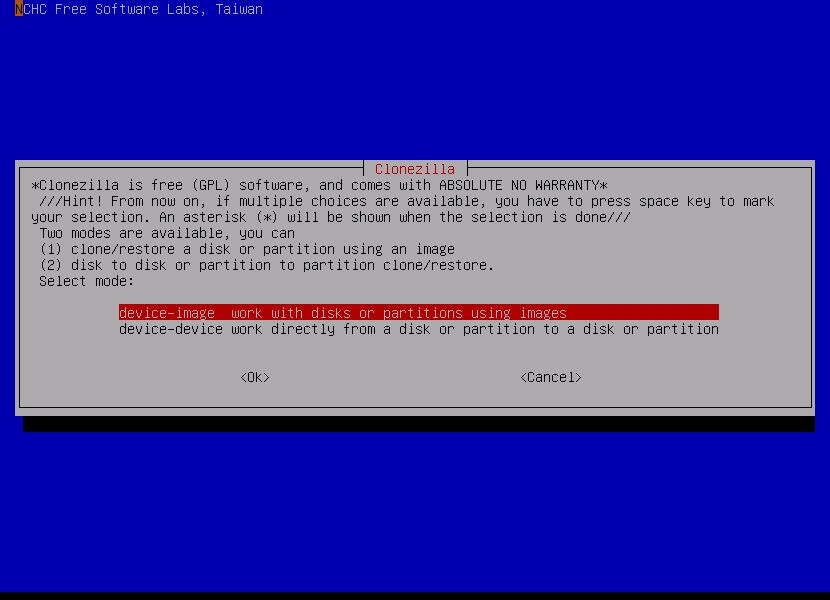
Clonezilla is the best free M.2 cloning software for advanced users who are comfortable booting from USB and working through a technical interface. The official Clonezilla site describes it as a free and open-source disk imaging and cloning program. Clonezilla Live is suitable for single-machine backup and restore, while Clonezilla Lite Server and Clonezilla SE are designed for larger deployment cases.
Clonezilla supports many file systems, saves and restores used blocks for supported file systems, supports MBR and GPT partition formats, and can boot on BIOS or UEFI machines. It is powerful, but it expects users to understand disk names, source/target direction, partition sizes, and offline cloning.
Pros
- Free and open source under the GPL.
- Excellent for technicians, lab environments, and repeatable deployment.
- Supports many file systems, MBR/GPT, BIOS/UEFI, image encryption, and network storage options.
- Efficient used-block imaging for supported file systems.
Cons
- Not beginner-friendly and not designed around a simple Windows GUI.
- The destination partition must be equal to or larger than the source partition.
- Online imaging/cloning is not implemented; the partition must be unmounted.
- It is easy to overwrite the wrong disk if you do not understand drive identifiers.
Macrium Reflect
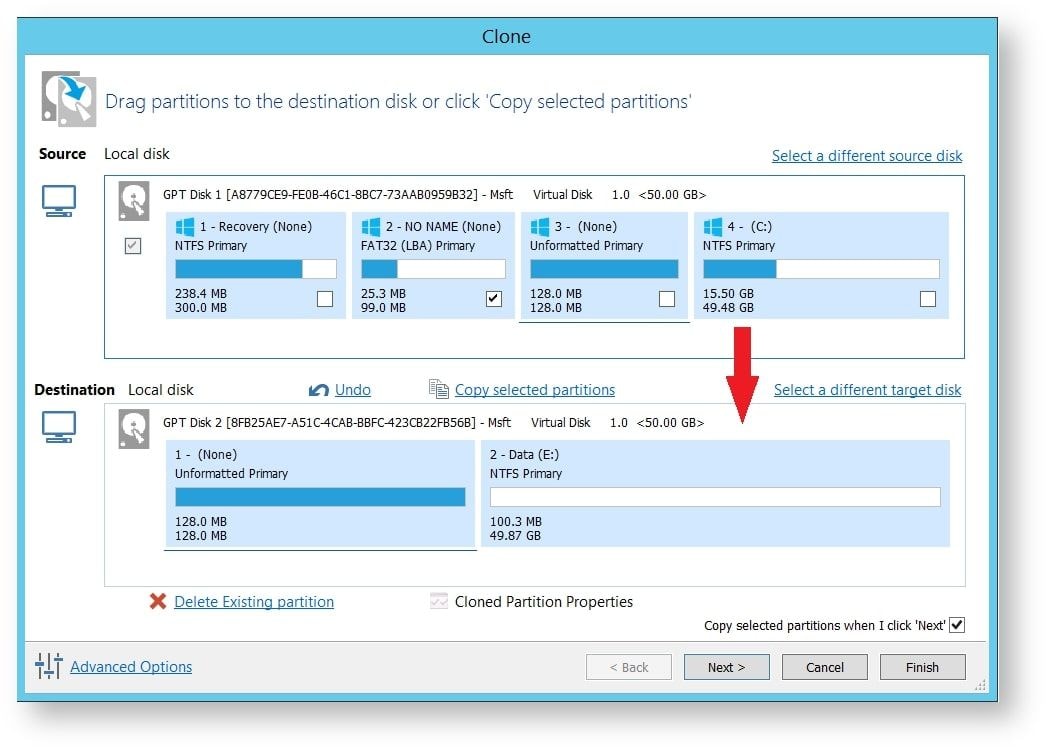
Macrium Reflect is a mature backup and disk cloning solution for Windows power users. The current Macrium product line highlights Reflect X Home and Macrium Reflect cloning software, with a free trial, image backups, rescue media, ransomware protection, open-source backup file formats, broad device support, and cloning features such as intelligent sector copy and rapid delta clone.
Macrium is best when cloning is part of a larger backup strategy. If you simply want to upgrade one laptop SSD once, it may feel heavier than UBackit. If you want repeatable images, rescue media, scheduled protection, and a reliable restore path, it is one of the strongest tools in this list.
Pros
- Excellent balance of cloning, imaging, restore, and rescue workflows.
- Useful for power users who want a bootable recovery plan, not just one-time migration.
- Macrium documentation clearly warns that cloning is destructive to the target disk.
- Reflect X adds newer performance and compatibility improvements compared with older Reflect versions.
Cons
- More complex than beginner-focused migration tools.
- The old Macrium Reflect Free edition was retired; current users should expect a trial-to-paid model.
- Pricing depends on edition, plan, and selected currency, so check the official checkout page before buying.
Part 5. Which M.2 Cloning Tool Should You Choose?
There is no single best M.2 cloning software for every user. Choose based on the job you are trying to complete.
| Your situation | Recommended tool | Reason |
| You are upgrading a Windows laptop SSD and want the simplest workflow. | Wondershare UBackit | Visual Windows-focused migration and partition management are easier for non-technical users. |
| You want cloning plus regular file, disk, and system backups. | AOMEI Backupper Professional | It combines cloning with broader Windows backup and boot media features. |
| You need a low-cost paid utility with backup and migration tools. | QILING Disk Master Professional | Its public price is lower, and it covers common backup, restore, partition, and migration needs. |
| You are comfortable with bootable USB tools and want a free clone. | Clonezilla | It is free, powerful, and reliable for users who understand offline imaging and disk identifiers. |
| You need a professional backup and recovery workflow around cloning. | Macrium Reflect | It offers cloning, imaging, rescue media, intelligent sector copy, and strong documentation. |
| You already lost files during a failed clone. | Recoverit before further disk changes | Use recovery software on readable storage before formatting, repartitioning, or re-cloning over lost files. |
Important: If you clone to a USB-connected M.2 enclosure, do not assume the cloned Windows drive will boot over USB. For a normal Windows boot-drive replacement, install the cloned SSD internally and then select it in BIOS/UEFI.
Part 6. What If M.2 Cloning Fails or Data Is Missing?
M.2 cloning is usually safe when the source and target are selected correctly, but mistakes happen. The target disk may be overwritten, the clone may stop because of a power outage, the wrong partition may be resized, or the new SSD may boot without showing some user files. At that point, do not keep writing new data to the affected drive.
If the source or target SSD is still detected and readable, M.2/NVMe data recovery software may help scan for recoverable files before you format, repartition, or run another clone attempt. Wondershare Recoverit can help recover files from readable storage after accidental deletion, formatting, partition loss, or interrupted transfers. It cannot repair a physically failed SSD, bypass BitLocker, or recover overwritten data.
| Problem after cloning | What to do first | What to avoid |
| You selected the wrong target disk. | Stop using that disk immediately and scan it from another working system if it is still readable. | Do not format it again or copy new files to it. |
| The clone stopped midway. | Check whether the original source drive is still readable, then back up or recover important files before retrying. | Do not keep restarting a drive that is disconnecting or overheating. |
| The cloned drive boots but files are missing. | Check user folders, hidden partitions, and drive letters. Scan the original source if needed. | Do not erase the original SSD until the new one is verified. |
| BitLocker asks for a recovery key. | Use your legitimate Microsoft account, saved recovery key, USB key, or organization recovery process. | Do not use tools that claim to bypass encryption. |
Conclusion
The best M.2 cloning software depends on your risk level and technical comfort. Wondershare UBackit is the best first choice for beginners who want an easier Windows SSD migration and partition workflow. AOMEI Backupper Professional is stronger if you want cloning and backup in one Windows suite. QILING Disk Master Professional is a budget paid option. Clonezilla is the best free tool for technicians. Macrium Reflect is the best fit for power users who want imaging, rescue media, and cloning as part of a broader backup plan.
Before cloning any M.2 SSD, confirm SATA vs NVMe compatibility, back up the BitLocker recovery key, check source and target disks carefully, and remember that cloning can erase the destination drive. If cloning fails or files disappear, stop writing to the affected disk and recover important files before attempting another migration.
FAQ
-
What is the best M.2 cloning software for beginners?
Wondershare UBackit is the best beginner-friendly option in this list because it focuses on visual Windows migration and partition management. It is easier to follow than Clonezilla and less complex than a full backup suite such as Macrium Reflect. -
Can I clone an M.2 SATA SSD to an NVMe SSD?
Yes, if your computer supports the destination NVMe SSD and the cloning tool can preserve the Windows boot partitions correctly. After cloning, install the NVMe drive internally and check BIOS/UEFI boot order. You may also need to confirm GPT/UEFI compatibility on modern systems. -
Is Clonezilla good for cloning an M.2 SSD?
Clonezilla is excellent for advanced users because it is free, open source, and supports many file systems, MBR/GPT layouts, and BIOS/UEFI machines. It is not ideal for beginners because it uses a technical bootable environment and requires careful source/target selection. -
Does cloning an M.2 SSD erase the target drive?
Yes. Disk cloning usually overwrites partitions on the destination drive. Always back up files from the target disk and verify the source and target drives before starting the clone. -
Can I clone a larger M.2 SSD to a smaller M.2 SSD?
Sometimes. The used space on the source must fit the target, and the cloning tool must support intelligent cloning or partition shrinking. Clonezilla is stricter because the destination partition must be equal to or larger than the source partition. -
Why will my cloned M.2 SSD not boot?
Common reasons include missing EFI or recovery partitions, wrong boot order, mismatched Legacy/UEFI mode, SATA vs NVMe compatibility problems, BitLocker recovery prompts, or cloning to an external USB enclosure instead of installing the drive internally. -
Can Recoverit recover files after a failed M.2 clone?
Recoverit may help recover files from a readable SSD after deletion, formatting, partition loss, or interrupted cloning. It cannot repair a physically failed SSD, bypass encryption, or recover data that has already been overwritten by a clone.