

 TL;DR:
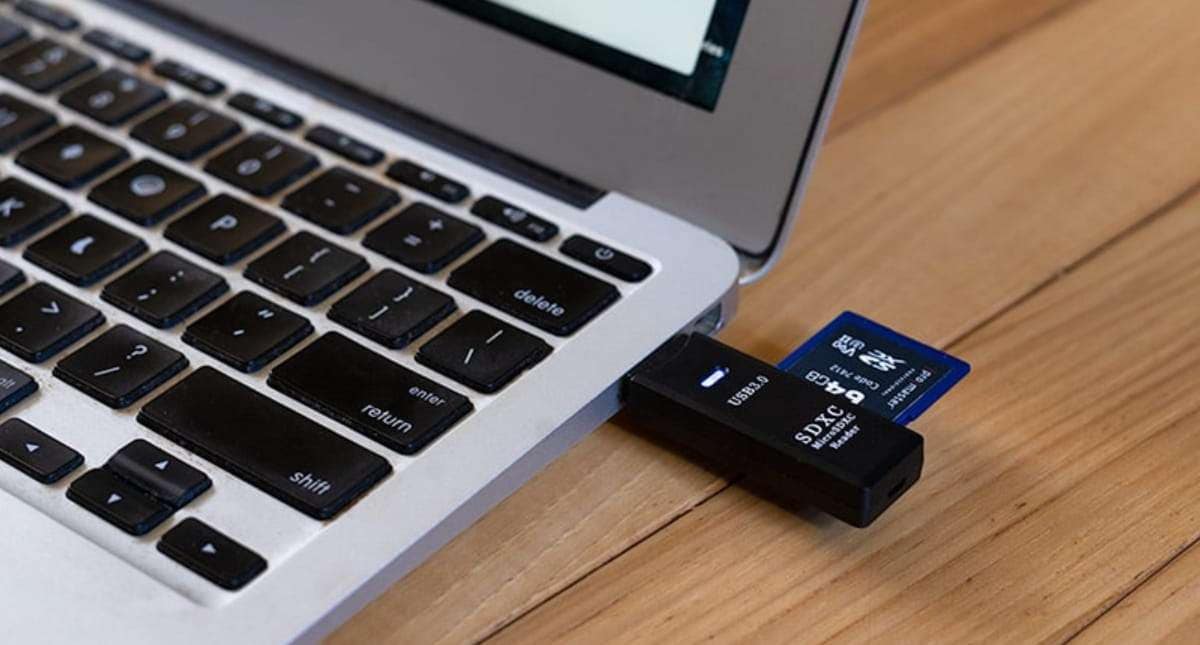
You can recover data from a Toshiba memory card using professional software like Wondershare Recoverit or by consulting a data recovery service, provided you stop using the card immediately to prevent overwriting files.
● Stop using the Toshiba SD card the moment you realize data is missing or corrupted, as adding new files will permanently overwrite the deleted or lost data.
● Use Wondershare Recoverit to retrieve accidentally deleted, formatted, or corrupted files; it supports over 1000 file types across all Toshiba SD card formats (SD, MiniSD, Micro SD, etc.).
● For physically damaged or broken SD cards, or if software recovery fails, contact a professional SD card recovery service, though this is often expensive and time-consuming.
● If the card is corrupted (e.g., showing as RAW or unrecognizable), try fixing it by changing the drive letter in Disk Management, using the Windows "Scan and repair drive" tool, or running the CHKDSK X: /f command via Command Prompt.
Ask AI for a summary
 ChatGPT
 Perplexity
 Gemini
 Claude
 Grok
Grok
Photos, videos, documents, and project files stored on a Toshiba memory card can still be recoverable after accidental deletion, quick formatting, file system corruption, improper ejection, or card reader errors. The most important first step is to stop using the card immediately, remove it from the camera, phone, drone, or computer, and recover the files to another drive before you try any repair action.
Many older cards are still searched for as Toshiba SD cards, while newer retail memory card products from the same legacy business now appear under the KIOXIA brand. Regardless of the label on the card, the recovery logic is the same: if the card is still detected and the lost data has not been overwritten, software recovery is often possible.

Can Toshiba Memory Card Data Be Recovered?
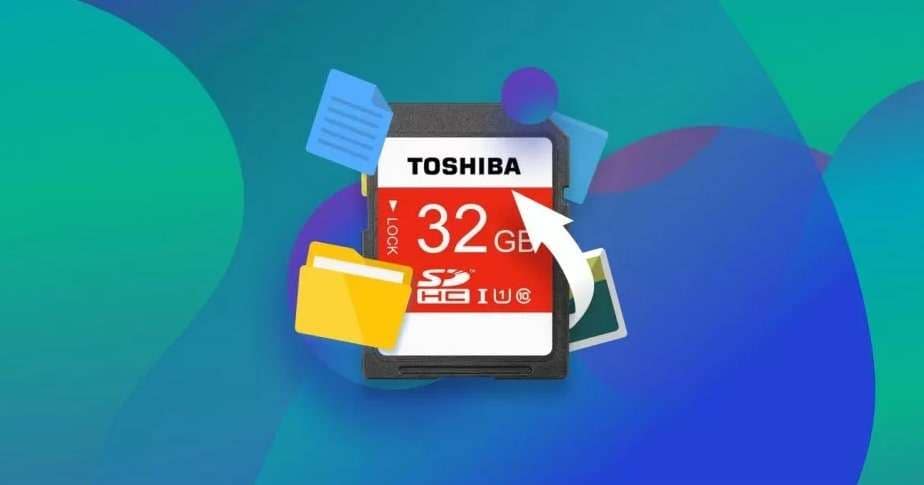
Yes, Toshiba memory card data can often be recovered if the card still responds to a computer and the original file data has not been overwritten. Recovery is easier after accidental deletion, quick formatting, missing folders, RAW file system errors, or interrupted transfer. Recovery becomes harder when the card has severe controller failure, NAND failure, or visible physical damage.
| Data Loss Situation | What Usually Happens | Recovery Outlook | Best Next Step |
| Accidentally deleted files | The file entries are removed, but the user data may remain until overwritten. | Often recoverable | Stop using the card and scan it with recovery software. |
| Quick formatted memory card | The file system is reset, but existing data may still be present. | Often recoverable if not reused | Recover first, then reformat only after the files are safe. |
| Corrupted card that is still detected | The file system or directory structure is damaged, but the card still appears to the computer. | Sometimes recoverable | Recover files first, then try repair steps after recovery. |
| Missing drive letter or access path | The card may be visible in Disk Management but inaccessible in File Explorer. | Often recoverable if the card itself is healthy | Reassign a drive letter after recovery or when files are already backed up. |
| Physically damaged card | The card may be cracked, bent, burned, wet, or not detected by any reader. | Limited for DIY recovery | Use a professional recovery service. |
Toshiba Memory Card vs Kioxia: Does the Brand Name Matter?
Many users still search for Toshiba memory card recovery because older retail cards were sold under the Toshiba Memory name. However, Toshiba Memory rebranded to KIOXIA in October 2019, and later consumer SD and microSD products launched under the KIOXIA brand. For recovery purposes, the label does not change the workflow.
| Brand Name on the Card | What It Means for Recovery |
| Toshiba Memory | Legacy branding on older consumer memory cards. Recover the card the same way as any SD, SDHC, SDXC, or microSD card. |
| KIOXIA | Newer branding from the same memory business. Recovery still depends on card detection, overwrite level, and damage type. |
Stop Using the Toshiba SD Card Immediately
Regardless of how the files disappeared, continuing to use the card is the biggest avoidable risk. Every new photo, video, copied file, repair attempt, or format action can change the card structure and reduce the chance of recovering important data.
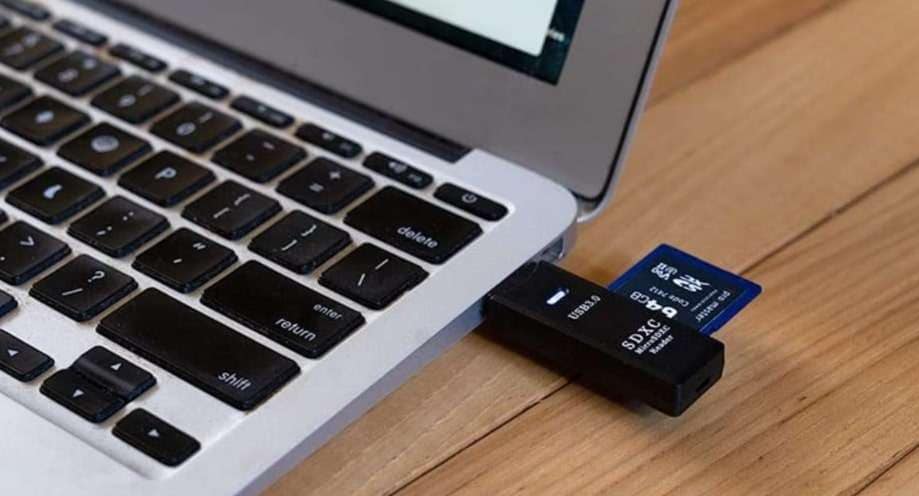
- Stop shooting or copying files: Remove the card from the camera, phone, drone, or other device.
- Use a stable card reader: Connect the card directly to a computer with a trusted SD or microSD adapter.
- Cancel format prompts: If Windows asks to format the card, do not accept the prompt yet.
- Recover before repair: Run data recovery software before CHKDSK, Error Checking, or formatting.
- Save recovered data elsewhere: Use another internal drive, SSD, HDD, or external drive as the recovery destination.
How to Recover Data From a Toshiba SD Card
The safest recovery order is simple: first try software recovery if the Toshiba memory card is still detected, then use a professional recovery service only when the card has physical damage or no longer appears in any reliable reader. The goal is to recover the files before changing the card structure.
Use a Professional Toshiba SD Card Recovery Tool
Wondershare Recoverit is a practical first option when the Toshiba memory card is still visible to your computer but the files are deleted, missing, formatted, or inaccessible through the normal file browser. According to the official Recoverit guide, it supports recovery from SD cards, microSD cards, external storage devices, and many common file systems used by removable media.
This method works best for accidental deletion, quick format, readable RAW cards, missing folders, and file system corruption where the storage device can still be scanned.
- Connect the Toshiba memory card to your Windows PC or Mac with a reliable card reader.
- Open Recoverit and choose the Toshiba SD card under SD Card Recovery section.
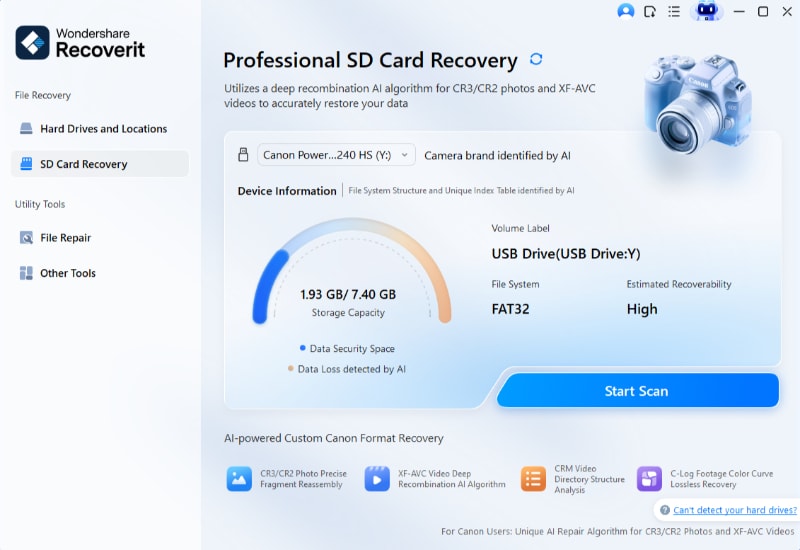
- Start the scan and let the program search for lost photos, videos, documents, and other files.
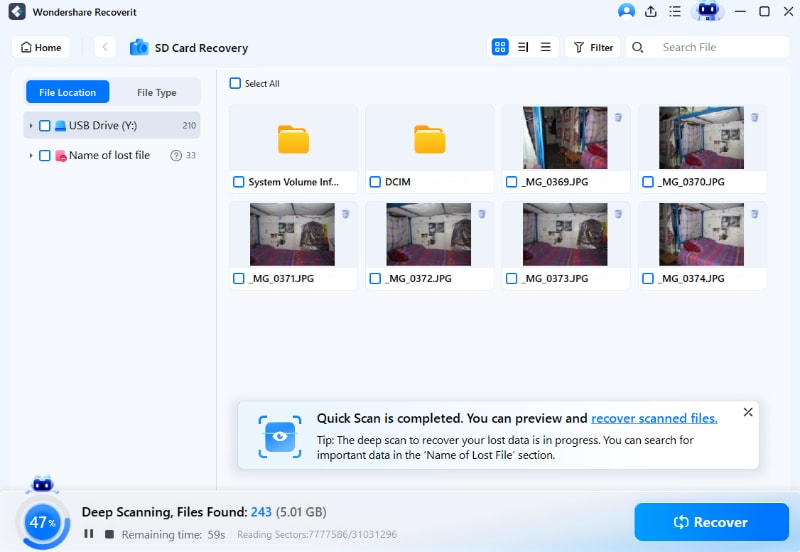
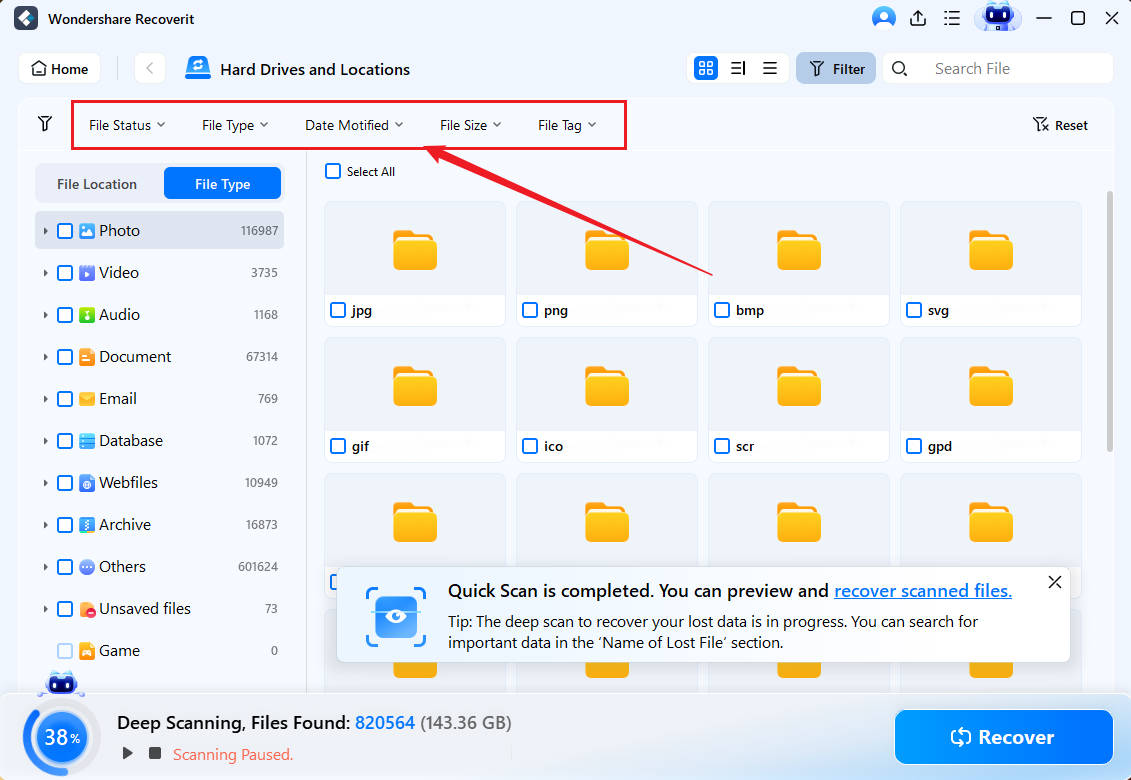
- Use filters or search tools to narrow the results by file type, size, date, or filename.
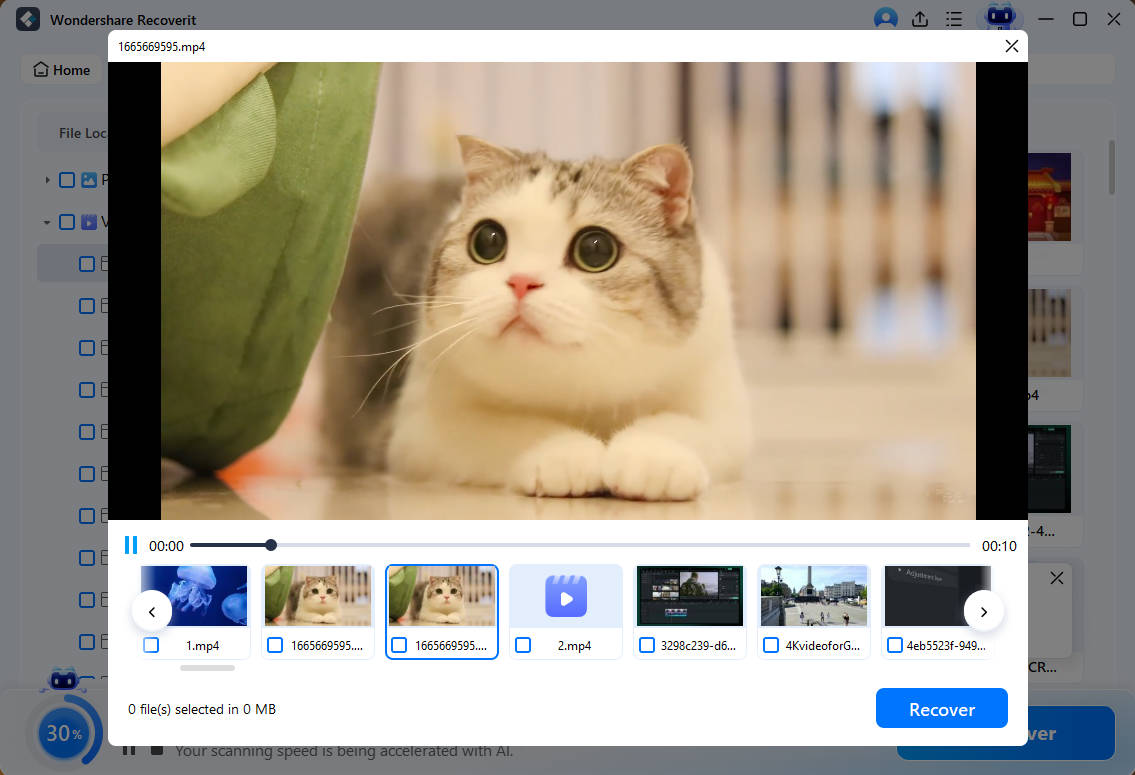
- Preview the found files when possible, select the data you need, and click Recover.
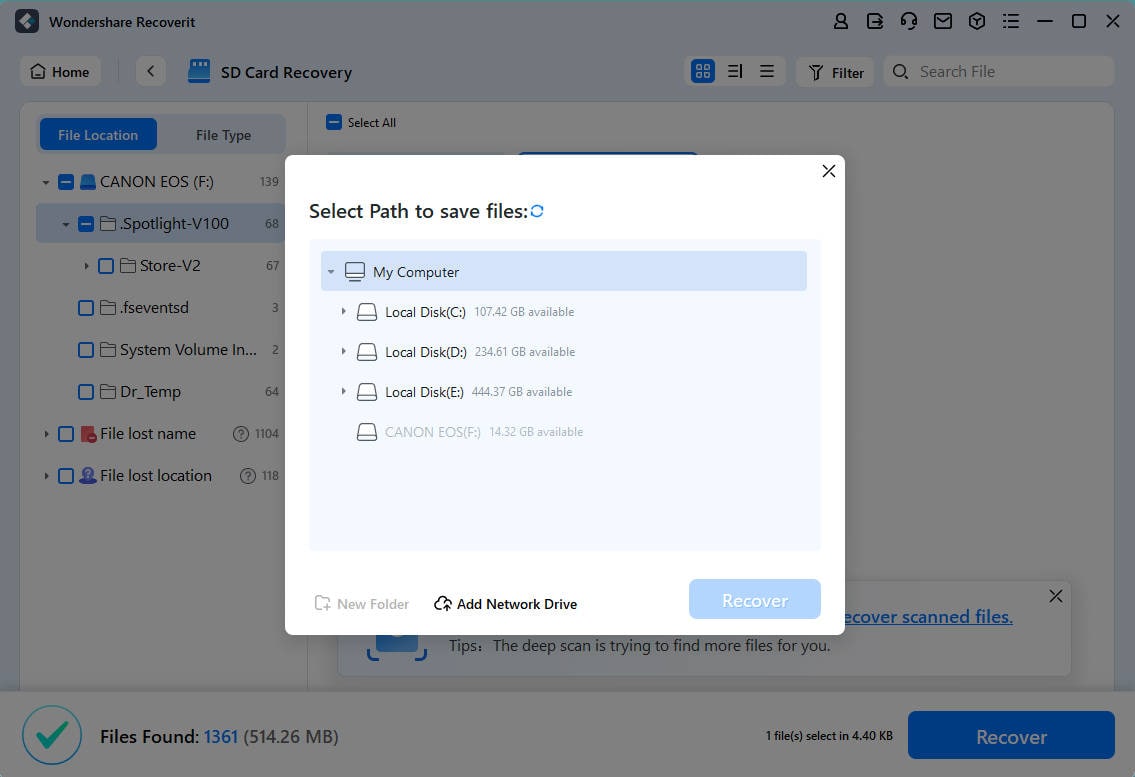
- Save the recovered files to another drive, not back to the Toshiba memory card.
Video Tutorial on How to Recover Deleted or Corrupted Files from an SD Card
Contact a Professional Recovery Service for a Severely Damaged or Broken Toshiba SD Card
If the memory card is cracked, bent, water-damaged, burned, electrically damaged, or not detected in multiple readers and computers, consumer recovery software is no longer the best next step. In these cases, a professional recovery lab may be able to work with controller damage, NAND issues, or other hardware-level failures.
- Use this option when: the card is physically damaged or never appears in Disk Management, Finder, or recovery software.
- Do not keep testing the card: repeated connection attempts can stress failing hardware.
- Ask about evaluation terms: confirm turnaround time, inspection cost, and privacy handling before sending the card.
How To Repair a Corrupted Toshiba Memory Card After Recovering Data
If you have already recovered the important files but the Toshiba memory card is still unreadable, RAW, inaccessible, or unstable, you can try repair steps next. Repair actions can change file system records, so they belong after data recovery, not before it.
The methods below are intended for logically corrupted cards that are still detectable. They are not suitable for cards with clear physical damage.
Method 1. Reassign the Drive Letter if the Card Has No Accessible Drive Letter
Changing the drive letter does not repair physical damage or rebuild lost data. It can help only when the memory card appears in Disk Management but is missing a usable drive letter in File Explorer.
- Right-click the Start button and open Disk Management.
- Find the Toshiba memory card in the disk and volume list.
- Right-click the volume and choose Change Drive Letter and Paths.
- Click Add or Change, assign an available drive letter, and confirm the action.
- Reconnect the card and check whether the volume is now accessible.
Method 2. Use Windows Error Checking After Recovery
Windows Error Checking can scan the card for file system problems after your important files are already backed up elsewhere. Use it when the card is detected but opens with warnings, missing folders, or inconsistent behavior.
- Open This PC and right-click the Toshiba memory card.
- Select Properties, then open the Tools tab.
- Choose Check under the error checking section and follow the prompts.
- Reconnect the card after the check and test whether it behaves normally.
Method 3. Run CHKDSK After You Recover the Important Files
According to Microsoft, chkdsk checks the file system and can fix errors when used with repair parameters such as /f. Because it can change file system records, run it only after the important files are recovered or backed up.
- Connect the Toshiba memory card and identify its drive letter, such as
F:. - Open Command Prompt as administrator.
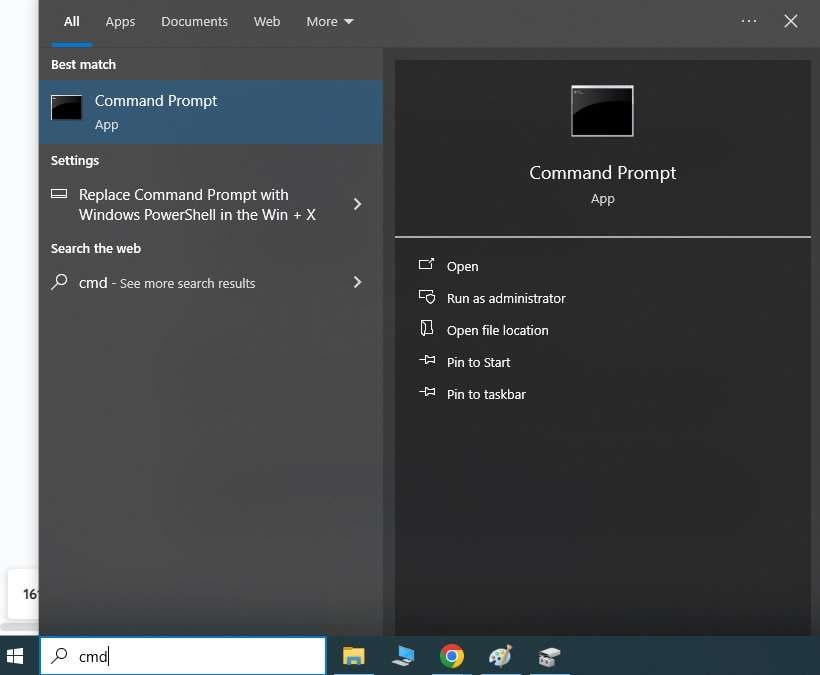
- Run this command:
chkdsk F: /f
- Wait for the scan to finish, then reconnect the memory card and test it again.
How to Prevent Data Loss on Toshiba Memory Cards
- Back up regularly: Keep another copy of important photos, videos, and project files on a computer, SSD, NAS, or cloud storage.
- Use a reliable card reader: Unstable adapters and ports can interrupt transfer and damage file system records.
- Eject the card safely: Always use the operating system eject command before removing the card.
- Format only after backup: Reformat the card only after you confirm the files are safely copied elsewhere.
- Use the right formatter: For post-recovery reformatting, the SD Association recommends using the current SD Memory Card Formatter from its official website.
- Rotate cards for important work: Do not keep all critical shoots or projects on one aging memory card.
- Replace unstable cards early: Repeated read errors, disappearing folders, slow transfer, or card warnings are signs to retire the card.
Conclusion
The safest way to recover data from a Toshiba memory card is to stop using the card immediately, scan it with trusted recovery software while it is still detectable, and save the recovered files to another drive. If the card has physical damage or never appears in any reader, professional recovery is the better path.
After the important files are safe, you can troubleshoot logical problems by reassigning a drive letter, running Windows Error Checking, using chkdsk, or reformatting the card with the official SD Association formatter. For 2026 readers, it is also helpful to know that newer cards from the same legacy business may appear under the KIOXIA brand, but the recovery workflow remains the same.
FAQ About Toshiba Memory Card Recovery
-
Can I recover data from a formatted Toshiba memory card?
Yes, recovery is often possible after a quick format if the card has not been reused. Stop using the card and scan it before writing anything new to it. -
Should I run CHKDSK before recovering files from a Toshiba SD card?
No. Runchkdskonly after recovering important files because it can modify the file system structure while fixing errors. -
Is Toshiba Memory the same as Kioxia?
Toshiba Memory rebranded to KIOXIA in 2019, and newer consumer memory card products were later sold under the KIOXIA name. Recovery steps are the same for both labels. -
Can recovery software fix a physically broken Toshiba memory card?
No. If the card is cracked, bent, burned, wet, or not detected anywhere, consumer recovery software is unlikely to help. Use a professional recovery service instead. -
Where should I save recovered Toshiba SD card files?
Save them to your computer, SSD, HDD, NAS, or another external drive. Do not save recovered files back to the same Toshiba memory card during recovery.


