

 TL;DR:
You can recover lost or deleted drone footage by checking for hidden items, executing Windows command-line repairs for logical errors, or using specialized data recovery software for corrupted files.
● To resolve file system errors without third-party software, connect the drone's SD card to a PC and run the chkdsk [drive letter] /f: command in an administrator Command Prompt.
● Use data recovery software like Wondershare Recoverit if the footage was accidentally deleted or the SD card is corrupted, as it supports deep scanning to retrieve over 1,000 file formats.
● Software methods cannot resolve data loss caused by physical hardware damage from crashes; these scenarios require sending the device to a professional data recovery specialist or the drone manufacturer.
Ask AI for a summary
 ChatGPT
 Perplexity
 Gemini
 Claude
 Grok
Grok
Drone file recovery is often possible if you stop using the storage device quickly and check the right location first. In many consumer drone workflows, the original photos and videos may still exist on a microSD card, aircraft internal storage, an SSD, a remote controller album, or previously exported folders on your phone or computer.
This guide explains how to recover files from a drone after accidental deletion, formatting, card corruption, interrupted transfer, or a crash. It also shows when to export the original files directly, when to use Recoverit for deleted media, when flight records help only as clues, and when physical damage requires the drone manufacturer or a professional recovery lab.
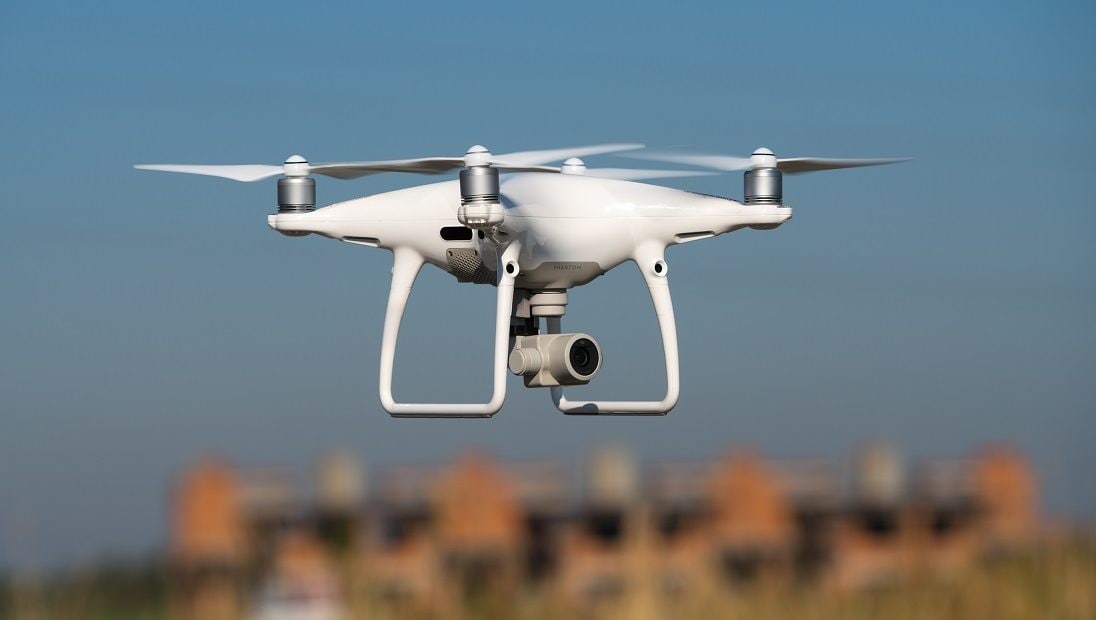

Try Recoverit to Recover Drone Data
 Security Verified. Over 7,302,189 people have downloaded it.
Part 1: Is Drone Recovery Possible?
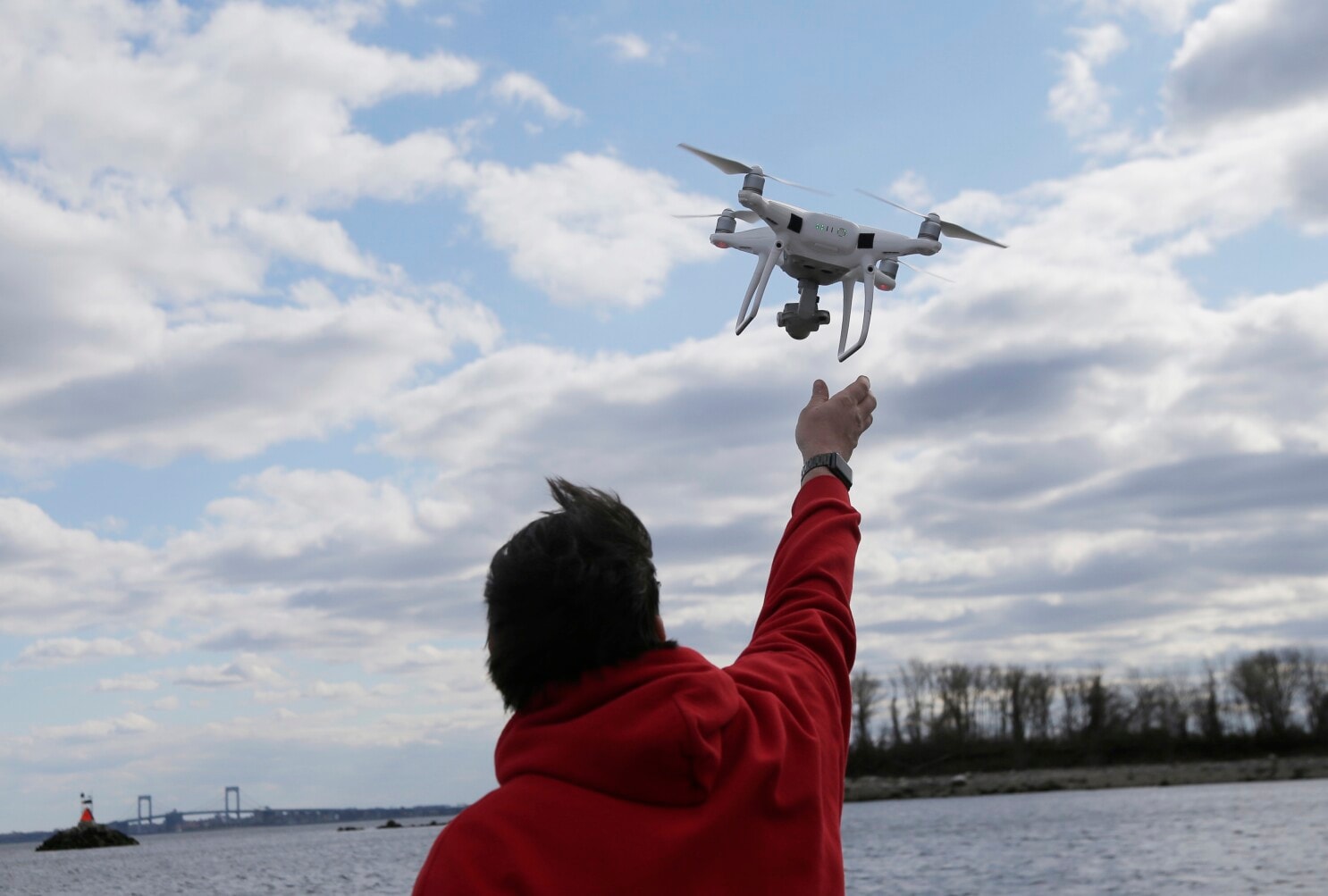
Yes, drone recovery is often possible if the storage device is still detected and the lost data has not been overwritten. Recovery is easier after accidental deletion, interrupted transfer, quick formatting, or file system errors on a readable memory card. Recovery becomes harder when the drone storage is physically damaged, the aircraft is missing, or new recordings have already replaced the original data.
The safest order is simple: check whether the original files are still directly accessible, export them if they are, then use recovery software only when the files are deleted or inaccessible.
You may also be interested in:
How to Fix DJI Mini 2 Keeps Losing Connection?
What is Parrot Sequoia: All You Need to Know
Recovery Outlook by Drone Data Loss Scenario
| Scenario | Recovery Outlook | Best Next Step |
| Files were deleted from a readable microSD card | Often recoverable | Stop using the card and scan it with Recoverit |
| The card was quick formatted | Often recoverable if not reused | Recover first, then reformat later |
| The drone still powers on and storage is accessible | Best-case scenario | Export the original files directly from the aircraft or storage card |
| The files were already copied to a phone or computer | Often recoverable from local folders or backups | Check exported folders, trash folders, and synced backups |
| The drone crashed and storage is physically damaged | Limited for DIY recovery | Use manufacturer support or a professional recovery service |
| The drone is missing | Depends on whether the aircraft can be found | Use flight records and location tools such as Find My Drone |
Part 2: Why Do Files Get Lost from a Drone?
- Physical crash or impact: The aircraft, storage device, or card slot is damaged during a collision.
- microSD card corruption: The card has file system errors, compatibility issues, damage, or unreadable sectors.
- Accidental deletion: Files are removed during transfer, editing, storage cleanup, or app operations.
- Formatting before backup: The storage is reset before the original files are safely copied elsewhere.
- Interrupted transfer: USB disconnection, unstable card readers, or app failures create incomplete copies.
- Battery loss during recording: Sudden power loss can leave the recorded file incomplete or damaged.
- Incompatible or full storage media: DJI support notes that recording failures can happen when the microSD card is incompatible, damaged, or full.
- Storage confusion: The footage may still exist, but it is stored on internal aircraft storage, SSD, the controller, or an exported folder instead of where you expect.
Part 3: Where Drone Files May Still Be Stored
| Possible Location | What You May Find | Best Action |
| microSD card | Original photos and videos on removable storage | Remove the card and connect it with a reliable card reader |
| Aircraft internal storage or SSD | Original files still inside the drone | Connect the aircraft to a computer and export the files directly |
| Remote controller or mobile app album | Downloaded local copies, previews, or exported media | Check the album and copy the files to safe storage |
| Phone or computer export folder | Previously copied files or backup folders | Search recent folders, media folders, and synced storage |
| Flight records and location logs | Session dates, routes, and last known coordinates | Use them to locate the aircraft or identify the missing shoot, not as replacements for the original media |
Part 4: How to Recover Files from a Drone
Start with direct export methods before you try scanning or repairing anything. If the original files still exist on the card, internal storage, SSD, remote controller album, or exported phone/computer folder, copying them out is safer than recovery software. Use recovery software only when the originals were deleted, formatted, or made inaccessible.
Method 1: Use Recoverit to Recover Deleted Drone Files
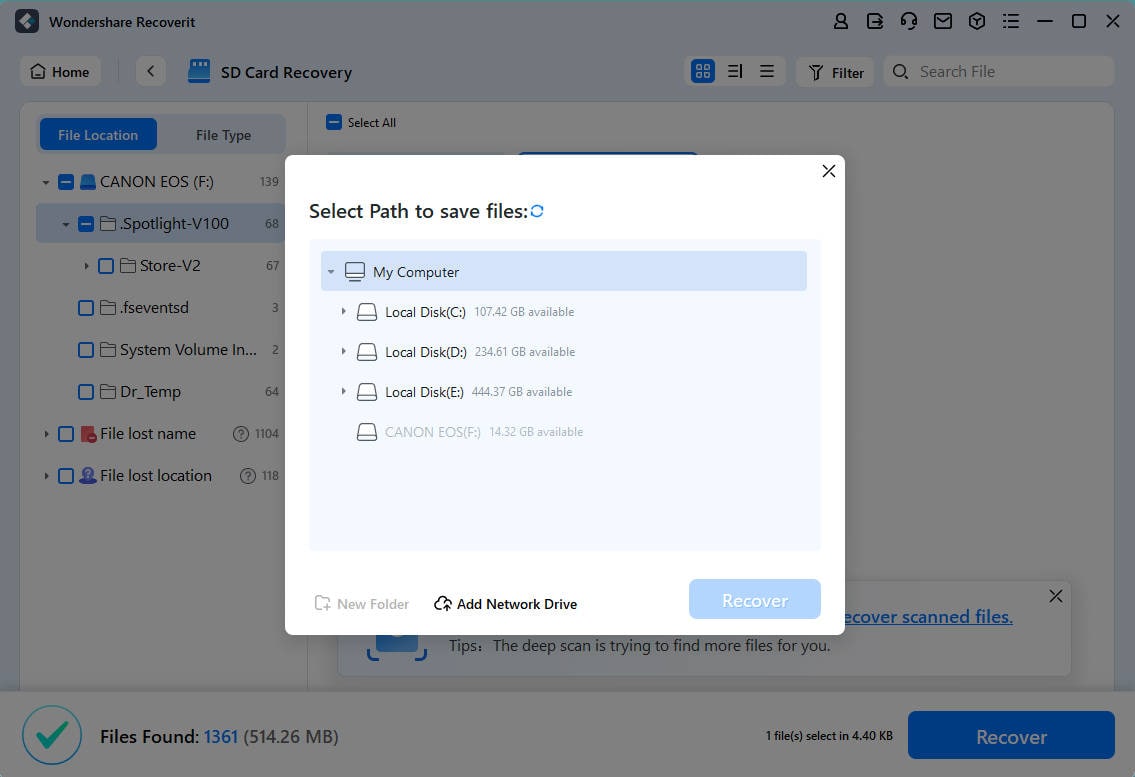
Recoverit is a practical option when the drone files were deleted, the card was formatted, or the storage is still detected but the footage is missing. It is most useful for readable microSD cards, internal storage volumes, and other removable storage devices used by drones.
- Power off the drone and remove the microSD card, or connect the aircraft storage to the computer if the files were stored internally.
- Open Recoverit and choose the correct drone storage device.
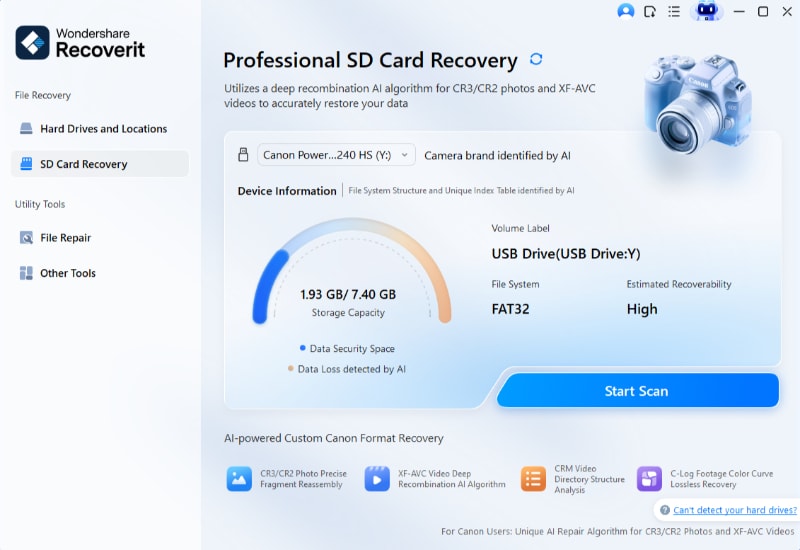
- Start the scan and let the software search for deleted or lost media files.
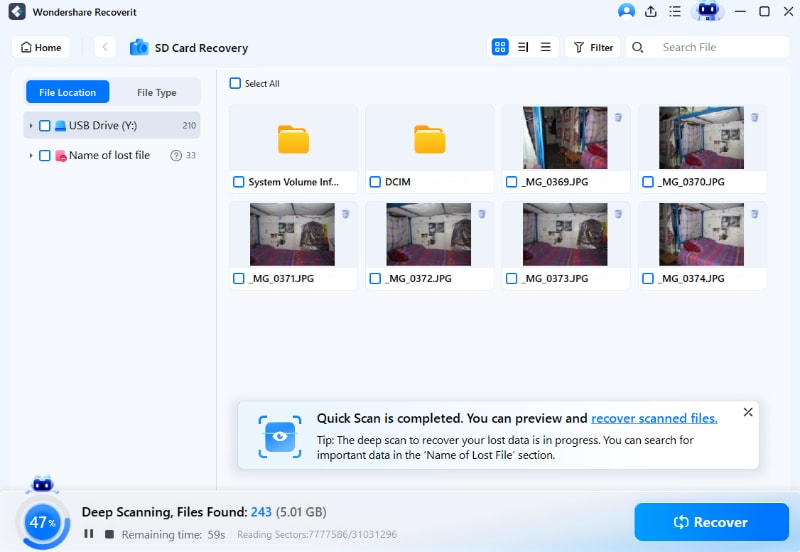
- Preview the found photos and videos when possible.

- Select the files you need and click Recover.
- Save the recovered files to another drive, not back to the same drone storage device.
Related Video >>: How to Recover Drone Footage?

Method 2: Export Original Files Directly from the Drone or Storage Card
If the drone still powers on and the storage is readable, direct export is safer than file recovery. DJI's official export guidance shows that photos and videos can often be copied from the aircraft, storage card, or local app album before any repair action is needed.
- Check whether the original files are stored on a microSD card, internal storage, or SSD.
- If they are on a microSD card, remove the card and connect it with a reliable reader.
- If they are on internal aircraft storage, connect the drone to the computer and export the original files directly.
- If your app or controller already downloaded the files, copy those local originals to safe storage immediately.
Method 3: Use CHKDSK Only After Important Files Are Safe
chkdsk is a Windows repair command for logical file system errors. It is not the main deleted-file recovery method. According to Microsoft, repair parameters such as /f fix errors on the volume, so you should run it only after important drone files are already recovered or backed up.
- Connect the drone storage to your Windows PC and confirm the drive letter.
- Open Command Prompt as administrator.
- Run
chkdsk X: /fusing the correct drive letter.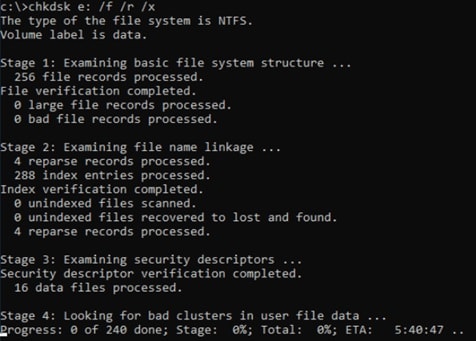
- Reconnect the storage and check whether it becomes readable again.
chkdsk as your first recovery action. Recover the files first, then repair later.Method 4: Reconnect the Storage and Try Another Reader or Host Device
Some drone file loss is actually a recognition problem rather than true deletion. DJI support notes that unreadable media can be caused by incompatible, damaged, or unreadable microSD cards, or by a problem with the aircraft port.
- Power off the drone before removing the microSD card.
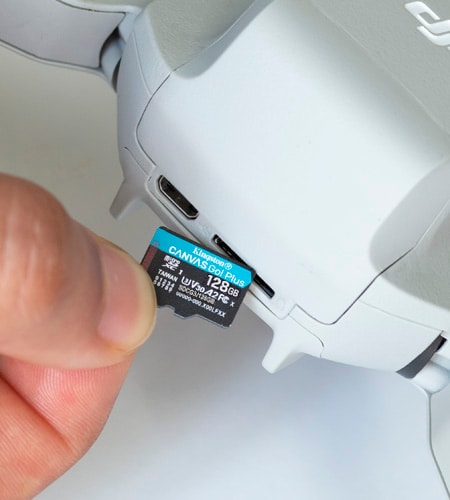
- Reconnect the card with a different card reader, USB port, or computer.
- If the storage becomes readable, immediately copy the visible original files to safe storage.
- If the storage is recognized but files are still missing, return to recovery software rather than formatting the card right away.
Method 5: Use Manufacturer Support, Flight Records, and Location Tools
If the drone is missing, crashed, or physically damaged, manufacturer support becomes much more important than general file recovery steps. DJI's official guidance shows that Find My Drone and exported flight records can help identify the last known aircraft position, disconnected-session clues, and the date of the missing shoot.
- Open the manufacturer app and check its aircraft location or Find My Drone features if available.

- Export the flight records or controller logs to preserve evidence of the flight session.
- Use the last known coordinates and session details to search for the aircraft or verify where the missing footage should have been stored.
- Contact the drone manufacturer or a professional recovery service if the storage is physically damaged or the aircraft cannot be safely recovered.
Part 5: Tips to Prevent Drone File Loss
- Back up footage after each flight: Copy the original files from the card or aircraft storage to a computer, SSD, NAS, or cloud backup.
- Use compatible storage cards: Check the drone manufacturer's recommended card specifications before purchase.
- Monitor storage health: Replace cards that show repeated errors, slow transfers, or recognition problems.
- Keep battery level safe during recording and transfer: Sudden shutdown can corrupt active video files.
- Do not remove the card during write activity: Power the aircraft off before removing storage.
- Format only after backup: If reformatting is needed, back up the data first and then use the official in-app format option or the current SD Association formatter.
- Keep exported copies organized: Store each flight in clearly named folders so recent backups are easy to find during a recovery incident.
Conclusion
Drone recovery is often possible when you quickly identify where the original files were stored and avoid writing new data to that location. The safest order is to check direct export paths first, then use recovery software for deleted or formatted storage, and only repair the storage after the important files are already safe.
If the drone itself is missing or the storage is physically damaged, use the manufacturer's location and support tools instead of relying only on normal file recovery steps.
Try Recoverit to Recover Drone
Security Verified. Over 7,302,189 people have downloaded it.
FAQ
-
Can I recover files from a physically damaged drone?
Yes, it is possible to recover files from a physically damaged drone, but it may require professional help. If the drone or its SD card is damaged, you might need to send it to a data recovery specialist who has the expertise and tools to retrieve the data safely. They can often recover data even from severely damaged devices, but it's essential to act quickly to prevent further damage. -
How long does drone recovery take?
The time required for drone recovery depends on the method used and the extent of the data loss. Simple methods like checking for hidden files or using the Command Prompt can be completed in a matter of minutes. However, more complex methods, such as using specialized software like Recoverit or professional data recovery services, might take several hours or even days, depending on the amount of data and the severity of the issue. -
Is it safe to use third-party software for drone recovery?
Yes, it is generally safe to use reputable third-party software like Recoverit for drone recovery. These programs are designed to scan and recover lost files without causing further damage to your data. However, it's crucial to download software from trusted sources to avoid malware or other security risks. Always read reviews and check the software's reputation before using it. -
Can I prevent data loss from my drone?
Preventing data loss from your drone involves taking several precautions. Regularly back up your drone's data to a secure location, such as a computer or cloud storage. Ensure that your drone's software is up to date, as updates often include bug fixes and improvements. Handle the drone and its SD card with care to avoid physical damage, and avoid flying in harsh weather conditions that could damage the drone. Additionally, using high-quality SD cards and regularly checking them for errors can help prevent data loss.


